Hair Care Guides

Make each covering comfortable to wear.
Check the fit again when you switch.

A hairstyle that fits beneath one covering may bunch up or pull under the next. When you switch between turbans, hats and other coverings, check where each one rests, leave time to rearrange your hair and keep a dry liner ready if you use one.

Your personal hair-care planProduct choices, routines and answers shaped around your hair.$49one-timeStart my consultation
An adult compares a soft scarf and everyday hat at a bedroom table.
Check the fit again when you switch.

What is going on

An adult checks the inside edge of a soft everyday hat beside a scarf and liner.

Check where the next covering will rest

Look inside for seams, bands and fasteners. Before putting it on, check whether your usual bun, braid or hair tie will sit beneath a firm edge. Choose a looser hair arrangement or another covering if that spot feels crowded or pulls.

An adult holds an unworn soft liner and a decorative wrap separately beside loose hair.

Check the fit with and without a liner

A liner adds another layer and takes up room. Use one intended for your covering, with space for your hair. If it wrinkles, slips or makes the covering tight, remove it and refit. Try another size or omit it when your covering allows.

What helps, day to day

An adult wearing a front-knot decorative wrap turns their head beside an armchair headrest.

A band or knot presses on your scalp

  • Loosen or remove the covering somewhere you can adjust it comfortably.
  • Check for folded fabric or a hair tie under the sore spot.
  • Smooth or reposition what you can, then try it again.
  • Keep it off if the pressure or pulling returns.
An adult places a folded dry pillowcase on a shelf while used fabric stays in a separate hamper.

Your liner is still damp

  • Set it aside and use a clean, dry spare if you need a liner.
  • Wash and dry it according to its own care instructions before reusing it.
  • Keep damp or used pieces separate from clean ones when packing for the next change.
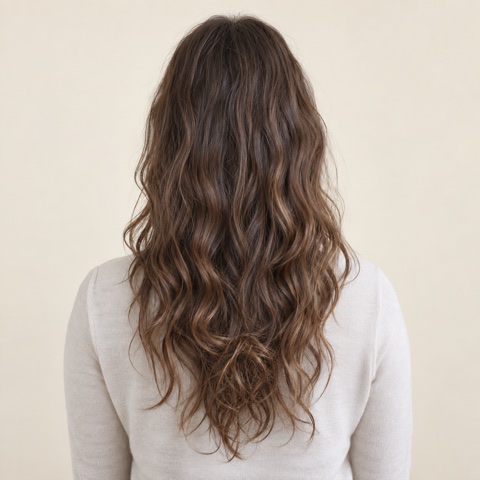
Wavy hair with tangles concentrated near the ends.

Hair catches as you take a covering off

  • Stop lifting when you feel a catch.
  • Support the hair near it and release the fabric or fastener slowly, using the covering’s usual removal method.
  • Ask for help if you cannot see or reach it.
  • Detangle the freed hair gently before covering it again.

Products, by the job they do

A woman compares a conditioner tube and hair mask jar beside a leave-in bottle.

Use conditioner for easier detangling

Choose a conditioner that helps you loosen tangles in your usual wash routine, and follow its directions for placement and rinsing. Keep any leave-in separate from rinse-out conditioner. You do not need to wet or recondition your hair every time you change coverings.

Browse rinse-out conditioners. For conditioner recommendations, share where your hair tangles and which products you have tried.

An adult with glossy waves keeps a light scarf separate while the styling finish settles.

Check whether your styler transfers to fabric

Use a familiar styler only if you want its hold or finish. Follow the application directions and allow your hair to dry before covering. If the product marks the fabric, use less next time or leave it out. Check the fabric’s care instructions before cleaning.

Browse styling products. Bring your styling questions and current products to the consultation for personal recommendations.

How to do it

A woman holds open a soft tie-back undercap and checks its seams and orientation.

Fit a soft liner beneath an everyday covering

For loose, dry hair and a soft adjustable liner, this method covers placing it, adjusting it and checking the fit beneath an ordinary covering. Leave enough room for your hair. Helmets, protective equipment and medical headgear need their manufacturer’s fitting instructions.

Guide: Fit a hair-covering liner
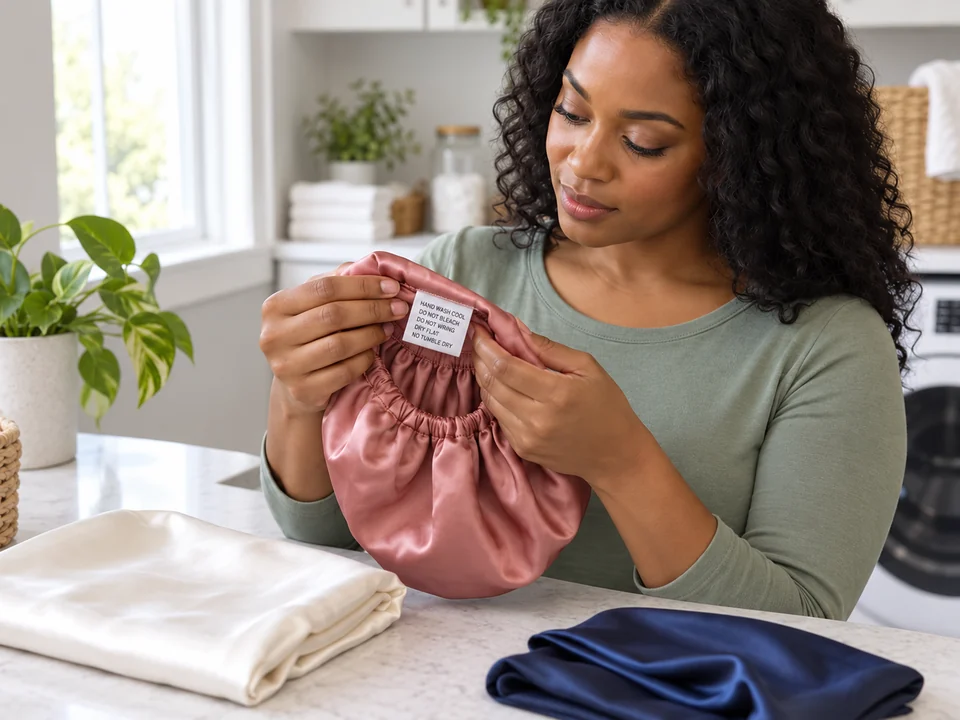
A woman reads the printed washing and drying directions on a sleep bonnet’s care label.

Wash a bonnet, sleep scarf or pillowcase

Use this method for a washable sleep item with readable care directions. Choose the hand or machine wash that its maker permits, then dry it fully. Hats, structured headwear and decorated pieces need their own care instructions.

Guide: Wash your bonnet, scarf or pillowcase

Illustrated care examples: before & after

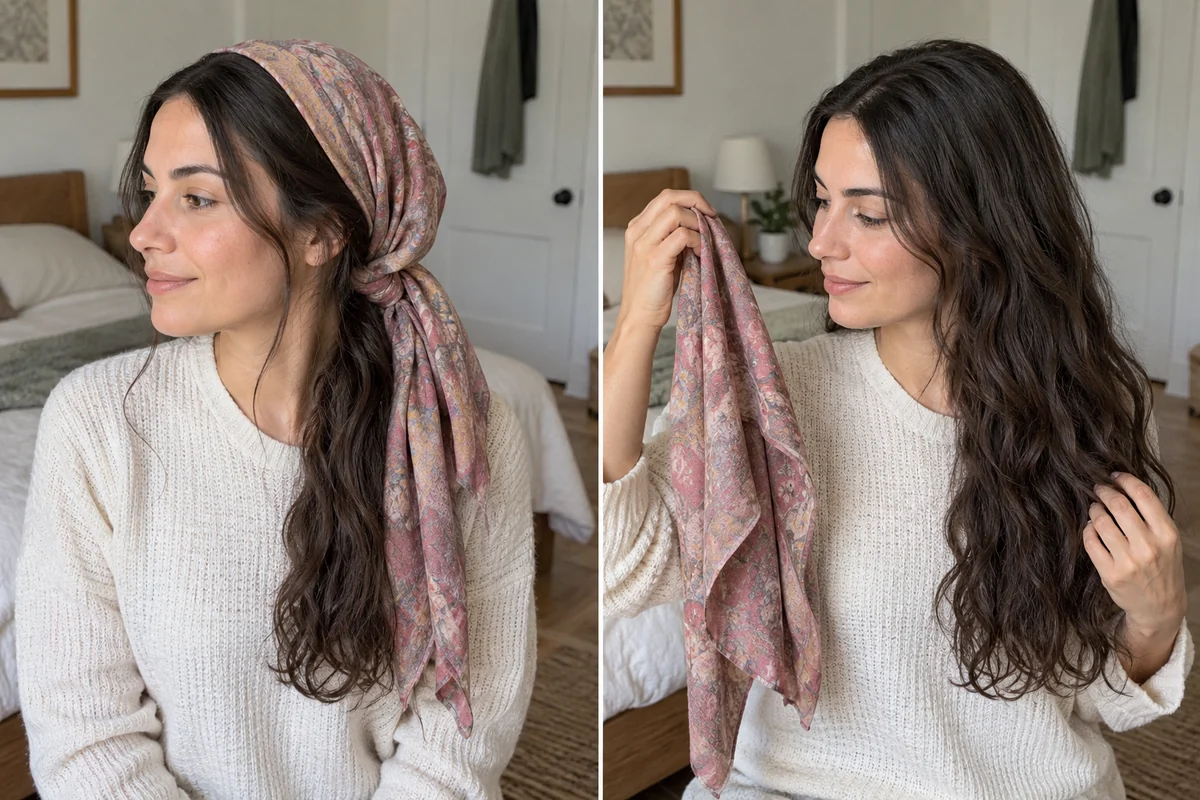
Lift the scarf clear of hair

The same adult wears a loosely tied scarf, then holds it away from the head while supporting the loose hair.
Before · scarf tied around loose hairAfter care · scarf held away from hair
The scarf is untied and held clear while the lengths are supported. Stop if fabric or a fastener catches, and release it before lifting farther.

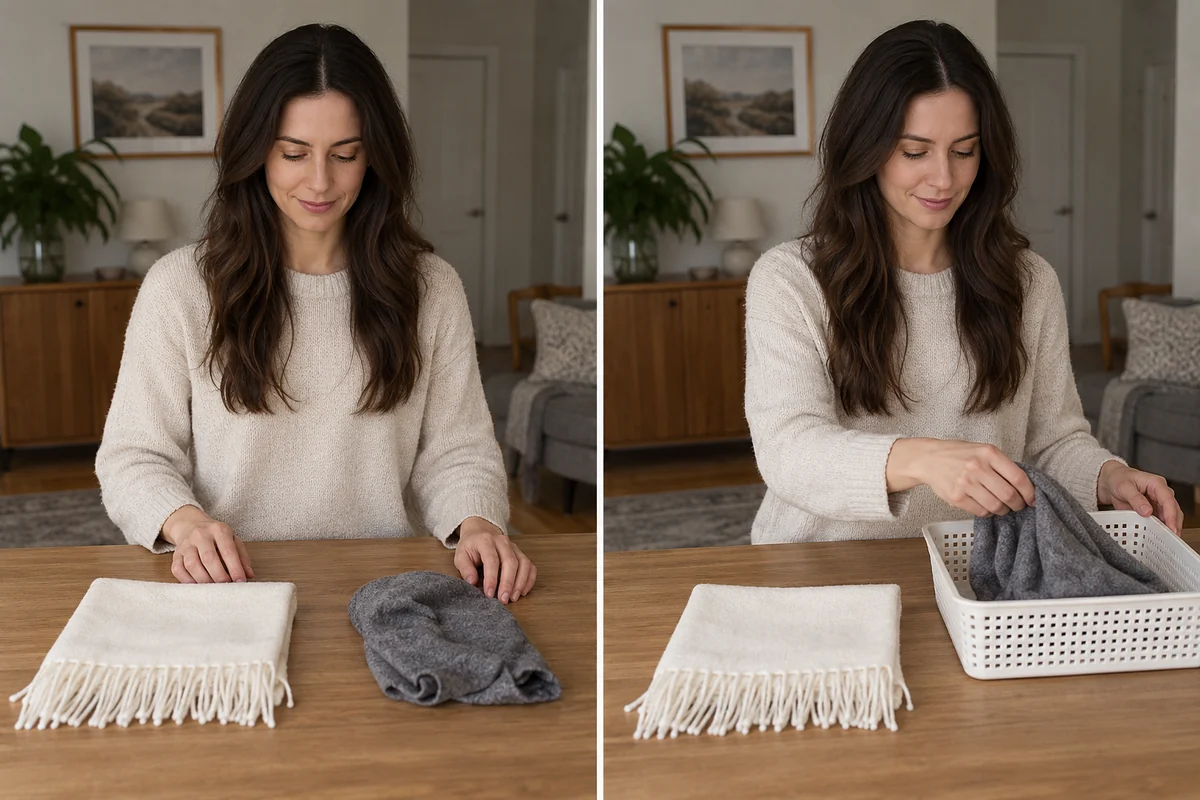
Set the used liner aside

The same adult moves a gray liner from beside a folded scarf into a separate basket.
Before · liner beside the folded scarfAfter care · liner moved into a basket
The liner moves into a separate basket while the scarf stays folded. Check its care directions and let it dry fully before using it again.
A woman with curls writing a routine note beside her hair-care products.

Help with your hair-care routine

Bring your hair-care questions to the consultation. You can also read choosing comfortable fabric volume and knot placement.

  • How can I stop my hair bunching beneath the next covering?
  • Does a liner help, or does it make the fit too tight?
  • What should I change when fabric catches or a band presses?

Tell us which coverings you rotate, how you arrange your hair and where you notice pulling, tangles or product transfer. The consultation can help adapt washing, conditioning and styling around your routine. Use the covering maker’s instructions for its fit and care.

The Hair Care Consultation gives you a personal plan with product recommendations, routines and guidance on your hair-care questions.

$49 with 60 days of follow-ups, or $99 with 12 months. Pay once; the year renews only if you choose.