Hair Care Guides

Your hair after smoke, dust or ash.
Check the local advice first, then wash.

When smoke rolls in or ash is falling, your hair is the least of it, and yet it’s the first thing you smell indoors. Follow the local advice about air, going outside and water first. Then an ordinary wash gets its turn.

Your personal hair-care planProduct choices, routines and answers shaped around your hair.$49one-timeStart my consultation
An adult reads a phone indoors beside a packed day bag.
Check the local advice first, then wash.

What is going on

An adult reads a printed local notice beside a phone at home.

Check what applies today

Read the current local public-health and emergency information before heading back outside or into an affected area. Smoke can hang around well after a fire is out. Do your hair care somewhere you’re allowed to be, with water that’s cleared for that use.

An adult reviews a notice with a closed wash kit nearby.

Ordinary dirt is not the same as an exposure

If ash, unknown debris or something from work is involved, follow the cleanup or exposure instructions that apply. The look or smell of your hair can’t tell you that ordinary shampoo is enough. The washing on this page is everyday care, nothing more.

What helps, day to day

A woman wearing glasses reads a hair product ingredient panel.

You’re tempted to buy a detox shampoo

  • A smoky day doesn’t mean you need a stronger shampoo.
  • Don’t try to neutralise debris with kitchen mixtures or extra layers of product.
  • Follow the official advice first, then choose an ordinary cleanser for what your scalp and hair actually need.
An adult reads a printed utility notice beside a closed tap.

You’re not sure about the water

  • Check the utility or local authority’s current advice before you wash.
  • A private well can be affected after a wildfire.
  • Clear-looking water or restored pressure doesn’t mean it’s safe to use.
  • Don’t make do with outdoor water or stored water you can’t vouch for.
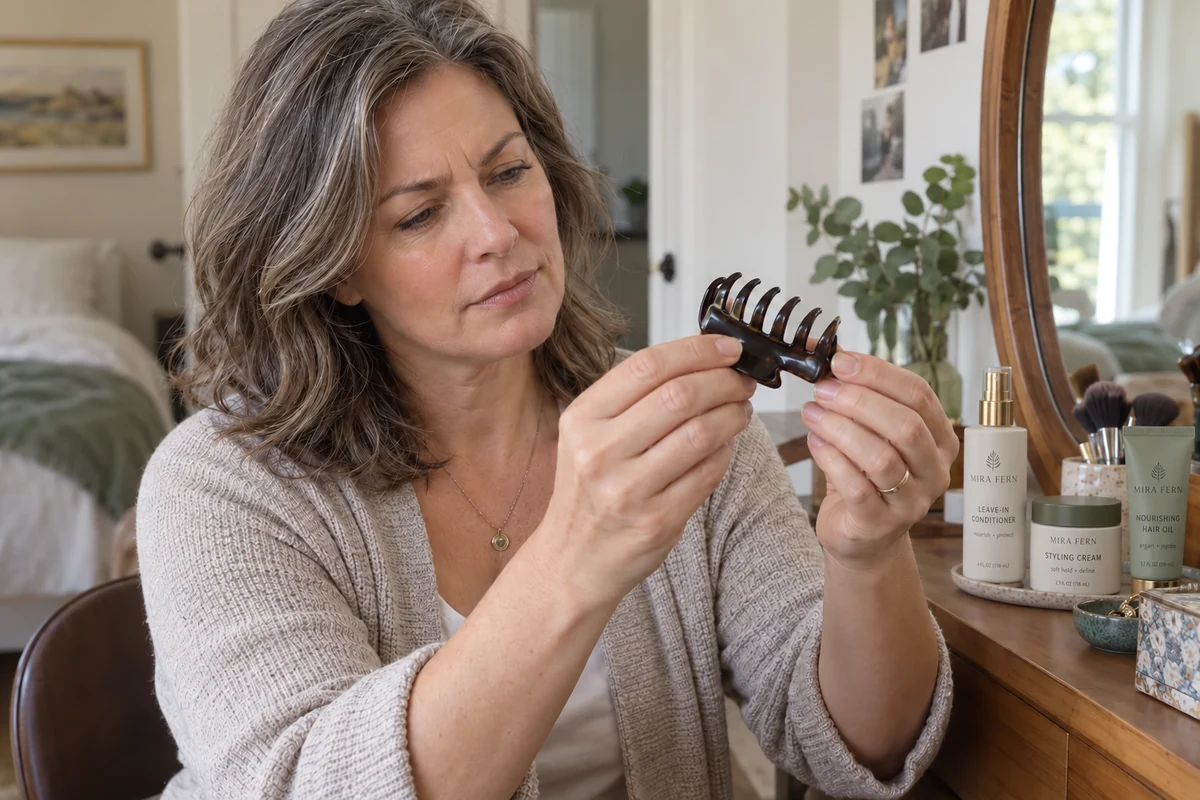
A woman examines a claw clip away from her hair, holding its solid body.

Your brushes and clips were outside too

  • Keep anything that may have been affected out of your everyday kit until the instructions are clear.
  • Clean washable accessories the way they’re meant to be cleaned.
  • A brush-cleaning routine is not a way to deal with hazardous ash.

Products, by the job they do

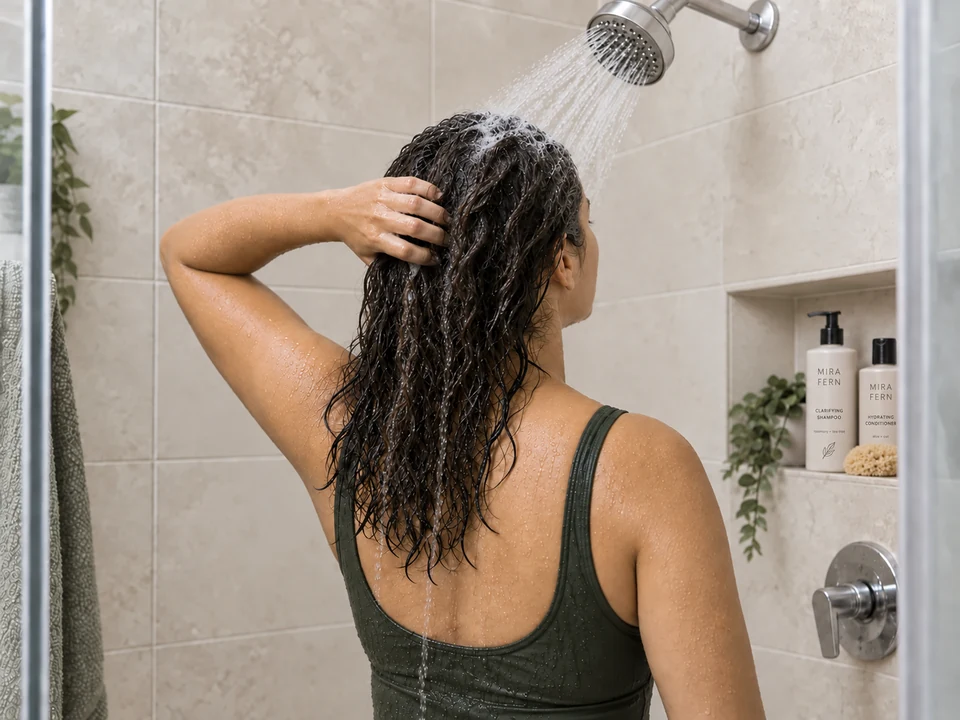
A woman lifts her own wet hair at the back while water from a fixed showerhead reaches her crown.

An everyday shampoo, once it’s the right job

Pick an everyday cleanser for your scalp oil, product residue and any color or treatments, and use it once the water is cleared. Scent, foam or a clean-looking finish say nothing about whether hazardous material is gone.

Browse cleansing products. Your current shampoo, wash schedule and past treatments help guide a personal recommendation.

A woman smoothing conditioner through her mid-lengths and ends.

Keep the finish gentle

After a normal wash, condition for tangles and rough lengths and handle the hair gently rather than scrubbing it again and again. If an exposure protocol says to do things in a different order, the protocol wins.

Browse rinse-out conditioners. The consultation uses your hair details and treatment history to compare conditioner options.

How to do it

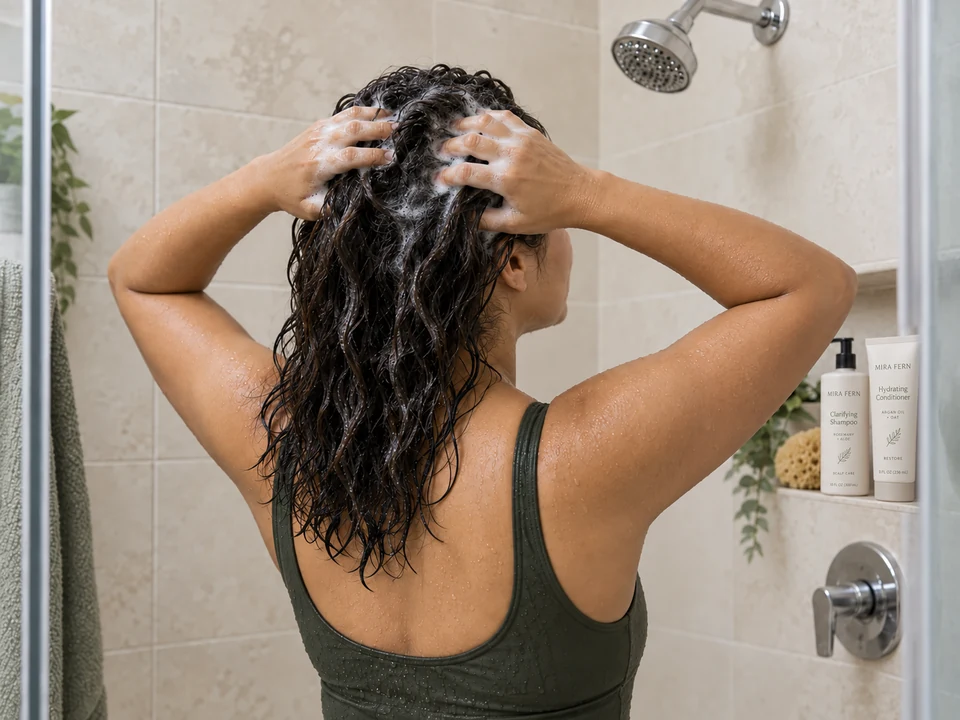
A woman uses both hands to gently work shampoo at the back and sides of her scalp, with the lengths hanging loose.

1. Do an ordinary wash when it’s allowed

Use this loose-hair method only once an everyday wash with cleared water is allowed. Wet, cleanse gently and rinse. It is not a way to decontaminate ash, chemicals or anything from a workplace.

Guide: Shampoo your scalp
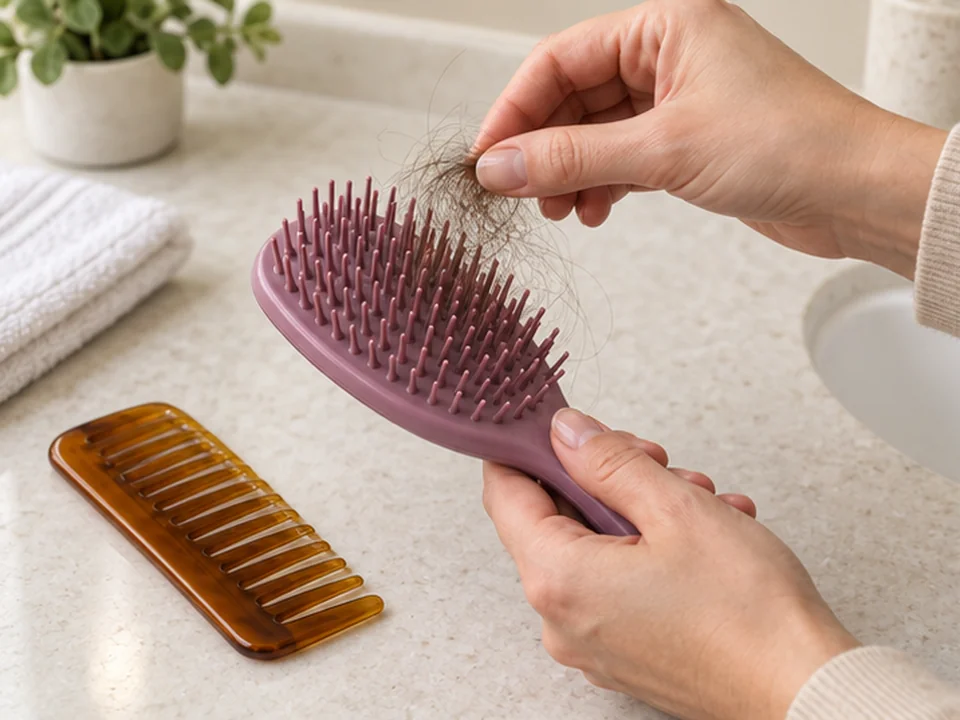
Hands lift caught hairs gently from the teeth of a detached plastic hairbrush.

2. Clean an ordinary tool on its own

Wash or wipe a non-electric tool the way its maker suggests, for ordinary residue only. Anything that may be hazardous stays within the official process. Let cleaned tools dry before you put them away.

Guide: Clean your hairbrush and comb

Illustrated care examples: before & after

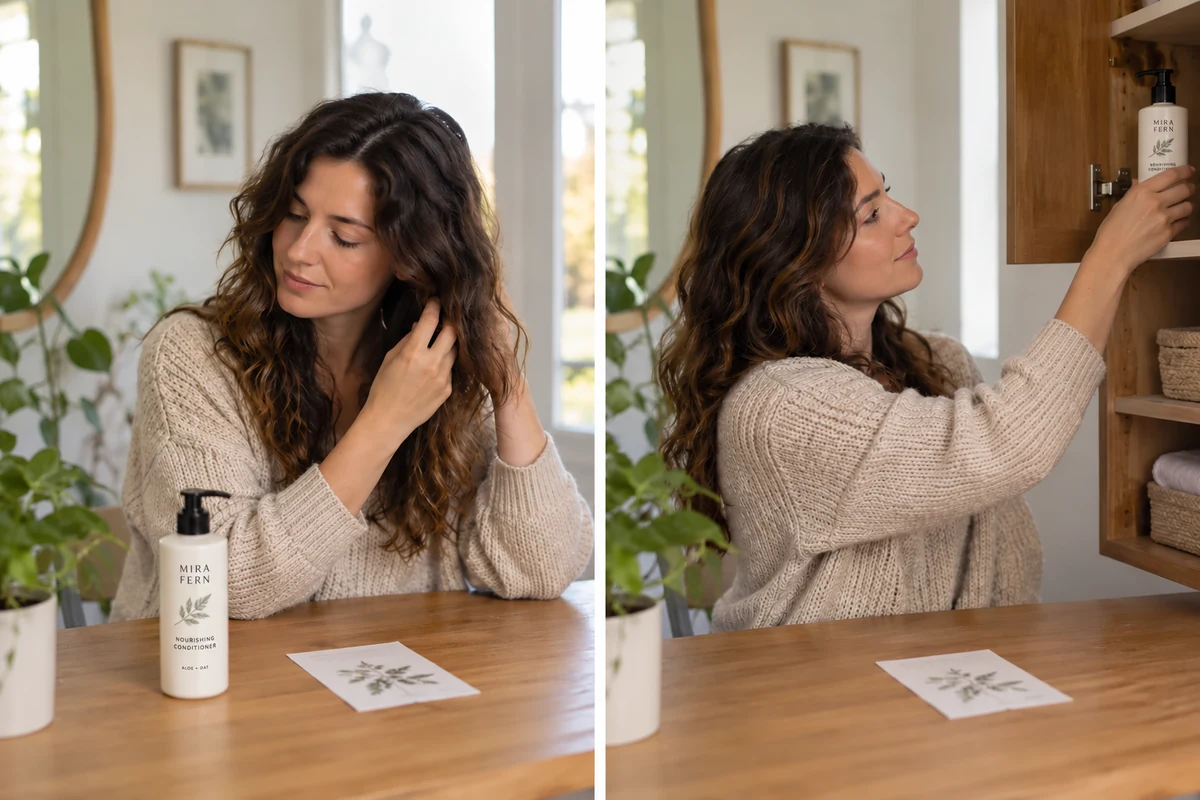
Styling paused for now

The same adult puts an unused pump bottle into the cupboard while a printed card stays on the table.
Before · pump bottle on the tableAfter care · bottle put in the cupboard
The styling product goes back in the cupboard while you read the relevant guidance. Putting it away is all that happens here, nothing about washing the exposure off.

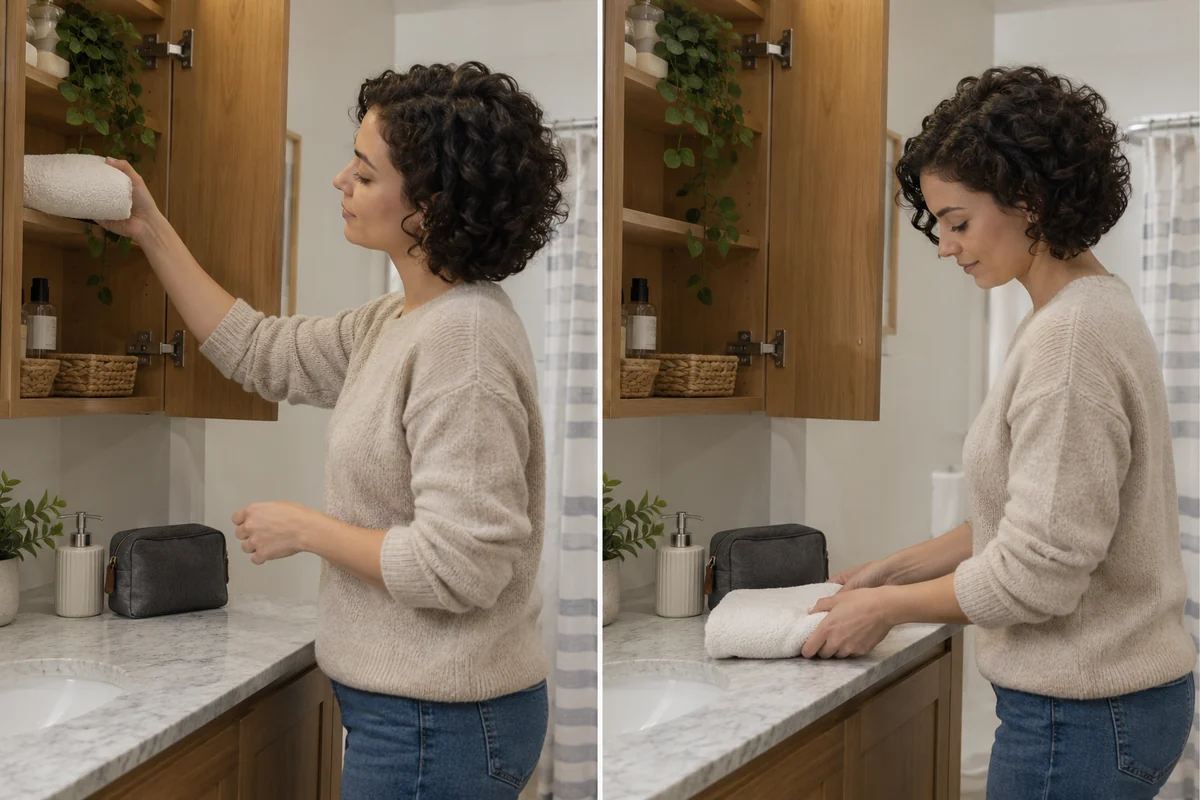
Fresh towel out for the wash

The same adult takes a fresh folded towel from a cabinet and places it beside a closed care kit.
Before · fresh towel on its shelfAfter care · towel beside the closed kit
Once the day’s instructions are followed, a fresh towel comes down beside the kit for an ordinary wash. A clean setup is not a hazardous cleanup.
A woman with curls writing a routine note beside her hair-care products.

Help with your hair-care routine

Bring your hair-care questions to the consultation. You can also read checking water-use instructions before a wash.

  • What are the local instructions telling me to do today?
  • Is the water okay to wash my hair with?
  • Is this just dirt, or am I dealing with an exposure?

Your everyday hair needs, the products you have and where you can actually wash shape the plan once the local exposure instructions have been followed. Nobody can tell from a wash whether the environment was contaminated or whether a cleanup is complete.

The Hair Care Consultation gives you a personal plan with product recommendations, routines and guidance on your hair-care questions.

$49 with 60 days of follow-ups, or $99 with 12 months. Pay once; the year renews only if you choose.