Hair Care Guides

Plan around your next sleep, not the weekday.
Let the routine move with the shift.

When your shifts rotate, a wash-on-Wednesday plan falls apart, and you end up always rushing or sleeping on damp hair. Anchor the routine to your next sleep, your next start and the drying time between them. Daytime sleep is sleep, not spare grooming time.

Your personal hair-care planProduct choices, routines and answers shaped around your hair.$49one-timeStart my consultation
An adult considers a work-and-sleep plan beside shampoo, conditioner, a comb and towel.
Let the routine move with the shift.

What is going on

An adult writes a care plan beside a work-and-sleep sheet, a closed bottle and clean towel.

Plan the next cycle, not an ideal week

Look at the next shift and the sleep you need around it. Put the wash where there’s time to rinse, detangle and dry. When the rota changes, move that window on purpose instead of squeezing it into the last ten minutes before work again.

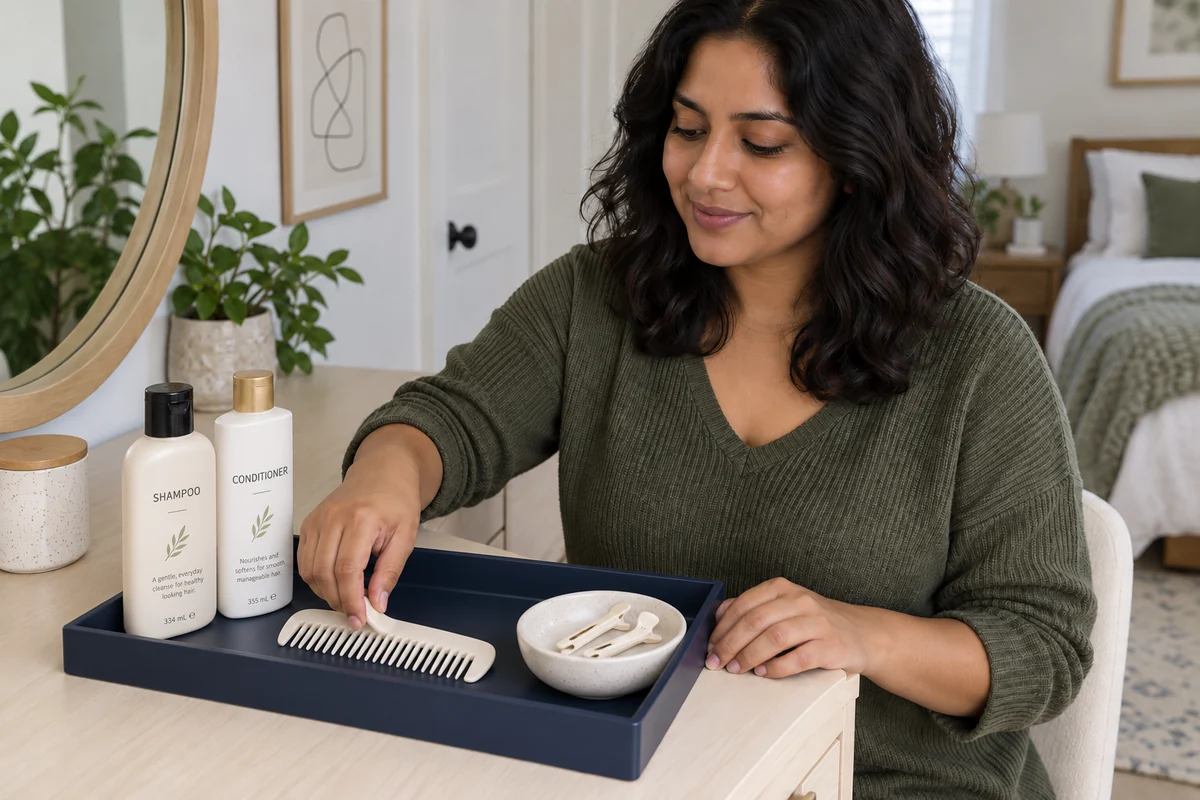
A woman returns a pale comb to a dark tray containing capped shampoo and conditioner bottles and a bowl of clips.

Make the handover between shifts easy

Keep your usual shampoo, conditioner and a clean towel ready where you can grab them. Swap used towels and pillowcases when you’re awake enough to finish the job. A ready kit is what helps. A night shift doesn’t need a different product.

What helps, day to day

A woman lifts loose hair at the crown and feels underneath near the nape after putting the dryer down.

Washing now would eat into sleep

  • If you can, leave the full drying window before you start.
  • If you’ve already washed and it’s nearly bedtime, check how damp it still is and use the damp-bedtime guide.
  • Don’t keep trading needed sleep for an elaborate finish.
An adult places a folded dry pillowcase on a shelf while used fabric stays in a separate hamper.

You keep running out of clean pillowcases

  • Keep a spare if you can, and tie laundry to something you already do while awake.
  • Wash and dry each item the way its label says, all the way through.
  • The question is whether a clean one will be ready for your next sleep, not which day of the week owns laundry.
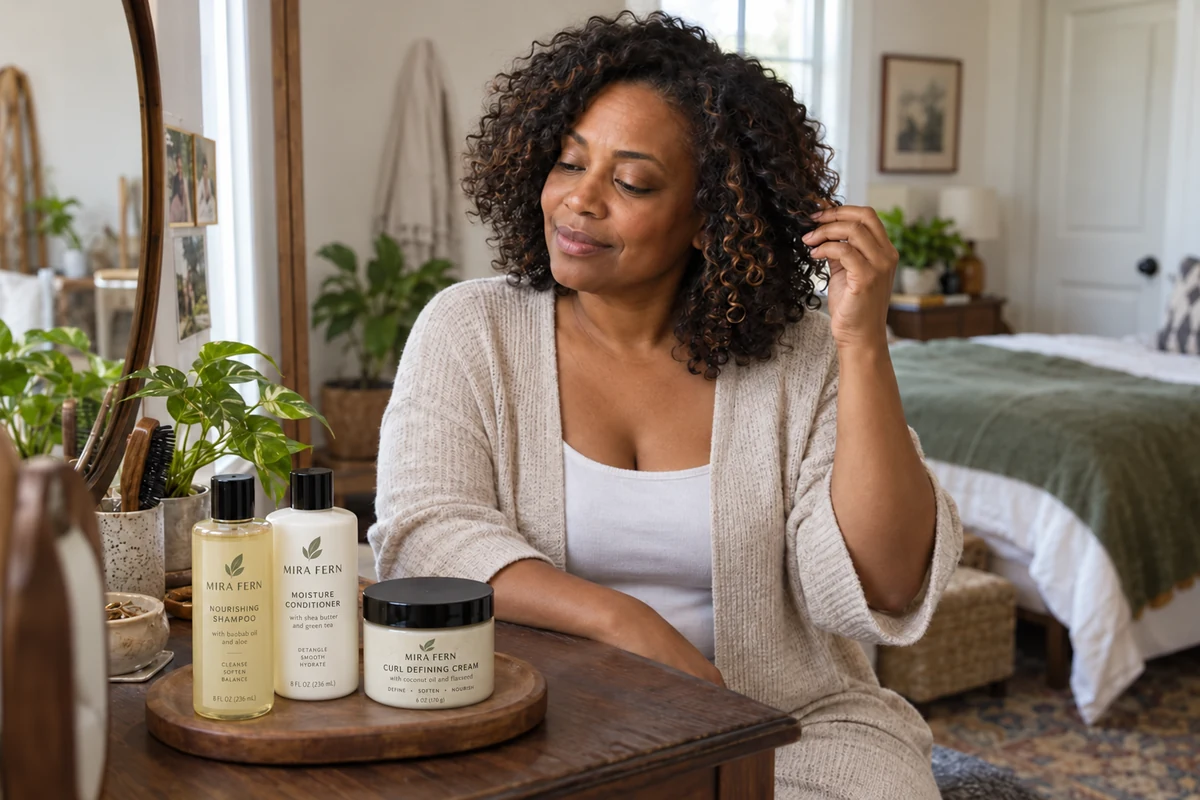
A woman with shoulder-length curls gently holds a curl at a dressing table with a small group of products.

Your usual work style doesn’t fit this shift

  • Choose a familiar style that meets the actual rules at work and feels comfortable for the hours ahead.
  • Keep hair clear of any equipment you have to wear.
  • Save heat styling or a long set for a window where you’re not rushing.

Products, by the job they do

A woman massaging shampoo lather onto her scalp with her fingertips.

Wash for your scalp, not the clock

Wash by oil, sweat, dirt and what’s already on your hair, not by the clock. Working nights doesn’t mean you need a stronger shampoo or an extra wash.

Browse cleansing products. The consultation uses your wash frequency and scalp concerns to recommend a shampoo.

A woman smoothing conditioner through her mid-lengths and ends.

Keep the lengths easy to deal with

Keep conditioning where it helps you detangle and get the finish you want. Skipping an optional styling step to make a shift is sensible. Leaving conditioner half-rinsed to make the door is not.

Browse rinse-out conditioners. Your tangles, past treatments and preferred finish help guide a personal conditioner recommendation.

How to do it

A woman places her fingertips on either side of the part in her damp hair, with the lengths hanging loose.

1. Count the waiting as part of drying

Air dry loose when your awake hours actually allow it. Let air get underneath and feel the inner sections before you cover or style. The top can look dry while the layers beneath are still damp.

Guide: Air-dry your hair
A woman reads the printed washing and drying directions on a sleep bonnet’s care label.

2. Finish the laundry before you use it

Wash and dry your pillowcase or bonnet the way its label allows. Have a fully dry replacement ready before the next sleep. Don’t guess the care from how the fabric looks, and don’t put a damp one back on the bed.

Guide: Wash your bonnet, scarf or pillowcase

Illustrated care examples: before & after

Plan by waking and sleeping

The same adult replaces a weekday-only note with headings for waking, work and sleep.
Before · a weekday heading onlyAfter care · the real cycle mapped
Instead of weekday headings, the plan follows when you actually wake and sleep, so a complete care window can be found. Planning only, not advice on sleep.

A dry spare on hand

The same adult sets a used pillowcase aside and holds a clean folded replacement.
Before · used case waiting for careAfter care · dry replacement ready
The used pillowcase goes off to be washed and a dry one is ready for the next sleep. Only the fabric changes here.
A woman gently squeezing damp hair with a towel.

Help with your hair-care routine

Bring your hair-care questions to the consultation. You can also read planning for unfinished drying before sleep.

  • When in my next shift cycle do I actually have time to wash and dry?
  • Which styling step can I drop without making tomorrow harder?
  • Will I have a clean, dry pillowcase for my next sleep?

Tell us how your work and sleep windows move, what your workplace requires, what you’ve noticed on your scalp, your length and how you dry. That’s enough to build care around the shifts, without telling you how to sleep.

The Hair Care Consultation gives you a personal plan with product recommendations, routines and guidance on your hair-care questions.

$49 with 60 days of follow-ups, or $99 with 12 months. Pay once; the year renews only if you choose.