Hair Care Guides

Find out what the dust is first.
Then the wash is just a wash.

Dust in your hair every day gets old, and it’s fair to wonder whether an ordinary wash is enough. First find out what the dust is and what your site says about it. For harmless dirt, a good wash is all it takes.

Your personal hair-care planProduct choices, routines and answers shaped around your hair.$49one-timeStart my consultation
An adult worker discusses a written shift plan in a clean office.
Then the wash is just a wash.

What is going on

An adult and supervisor read a task sheet in a clean workplace office.

Ask what the dust is and what the site requires

Ask your employer or safety lead what the work produces and which coverings, controls and washing arrangements apply. You can’t tell by color, smell or how easily it brushes off. Anything unknown or hazardous has its own process at work, and that comes first.

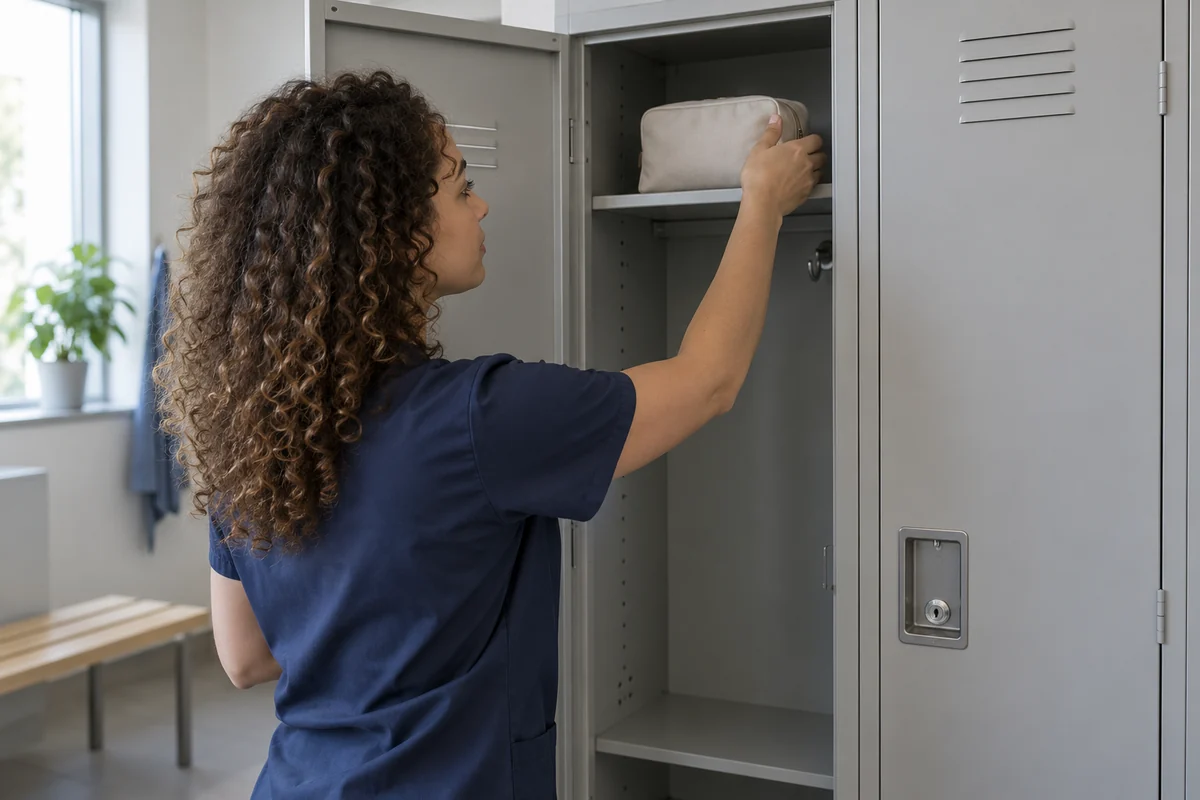
An adult sets a closed clean care bag on a separate locker shelf.

Decide where the work kit stops

Change, store and launder work gear in the places your site provides before you leave. Keep your own clean things somewhere separate. Don’t bring possibly contaminated gear home to deal with in the shower. If the route isn’t clear, ask the safety lead.

What helps, day to day

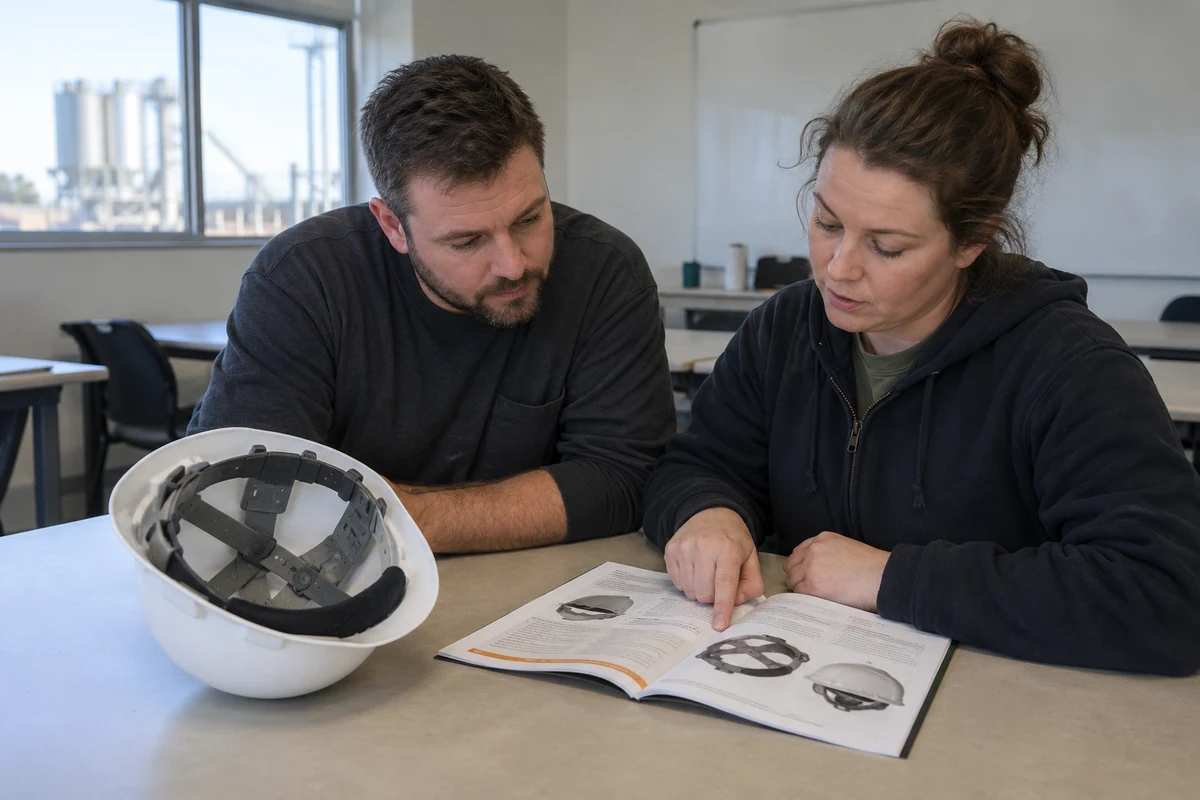
A worker and supervisor review a booklet beside an intact hard hat and its visible suspension.

The cap or liner under your gear needs replacing

  • Inspect, change and clean it exactly as the equipment maker and your workplace say.
  • Use only approved spares.
  • A washable scarf from home isn’t automatically a substitute, and running it through your laundry doesn’t make work gear clean.
An adult in a clean changing room reads a posted instruction sheet.

You just want to blast the dust off

  • Don’t use compressed air on your clothes or your hair.
  • Shaking or brushing it off sends it into the air you breathe, so use the site’s cleanup process instead.
  • A hair dryer isn’t a dust tool either.
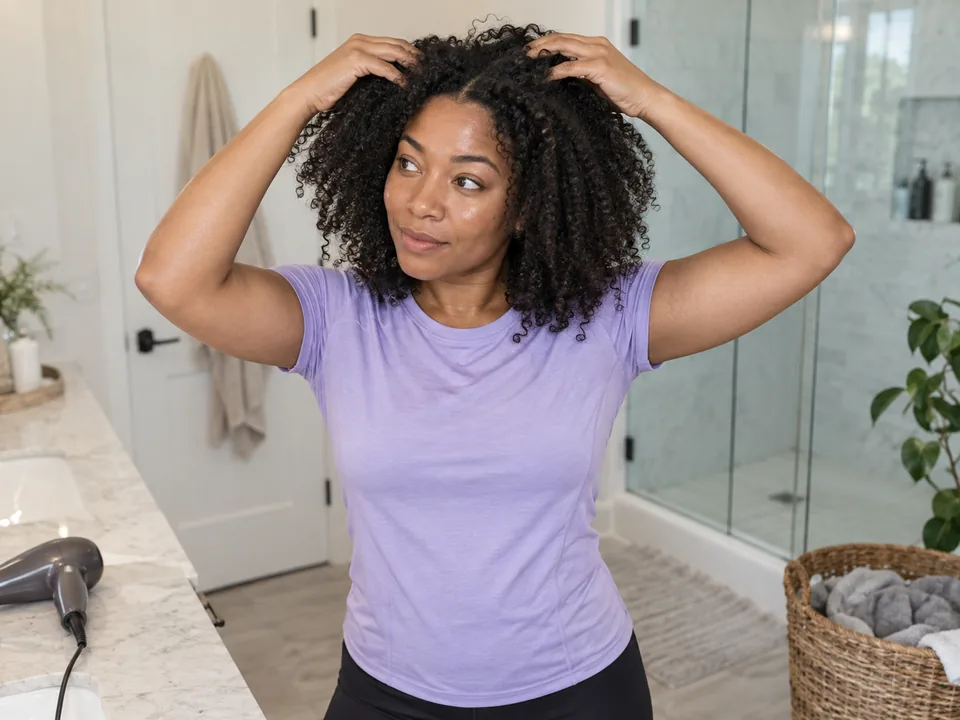
A woman checks the roots of her loose curls with her fingertips; the dryer rests on the counter.

There’s still ordinary dirt after you’ve changed

  • Once the workplace steps are done and what’s left is everyday dirt, plan a full wash with clean water.
  • Give yourself time to rinse and dry.
  • Dusty work doesn’t mean you need a harsher shampoo.

Products, by the job they do

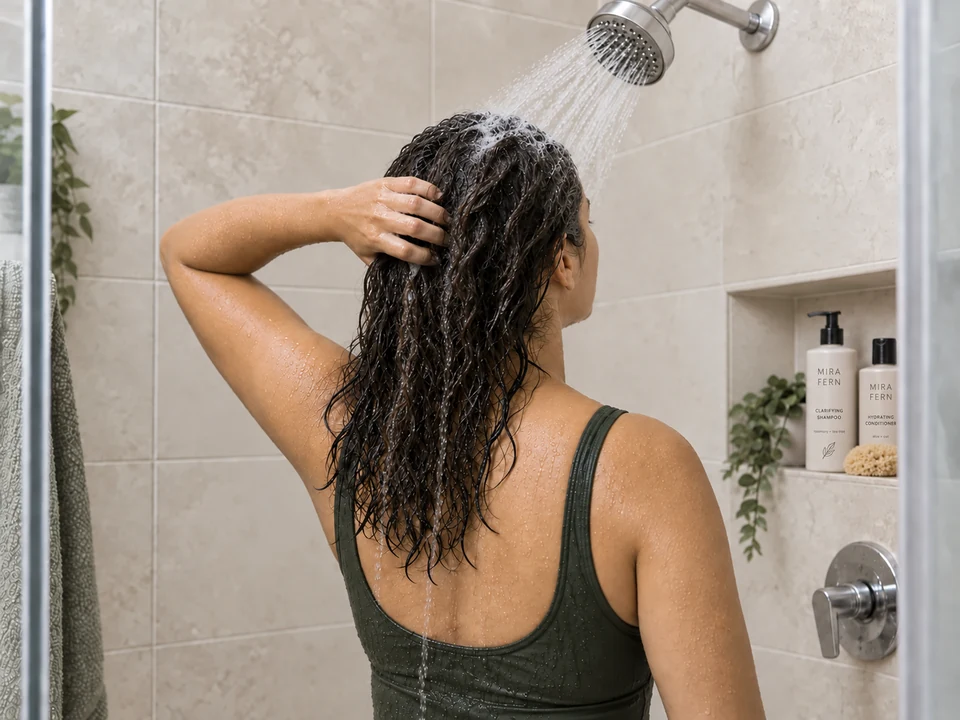
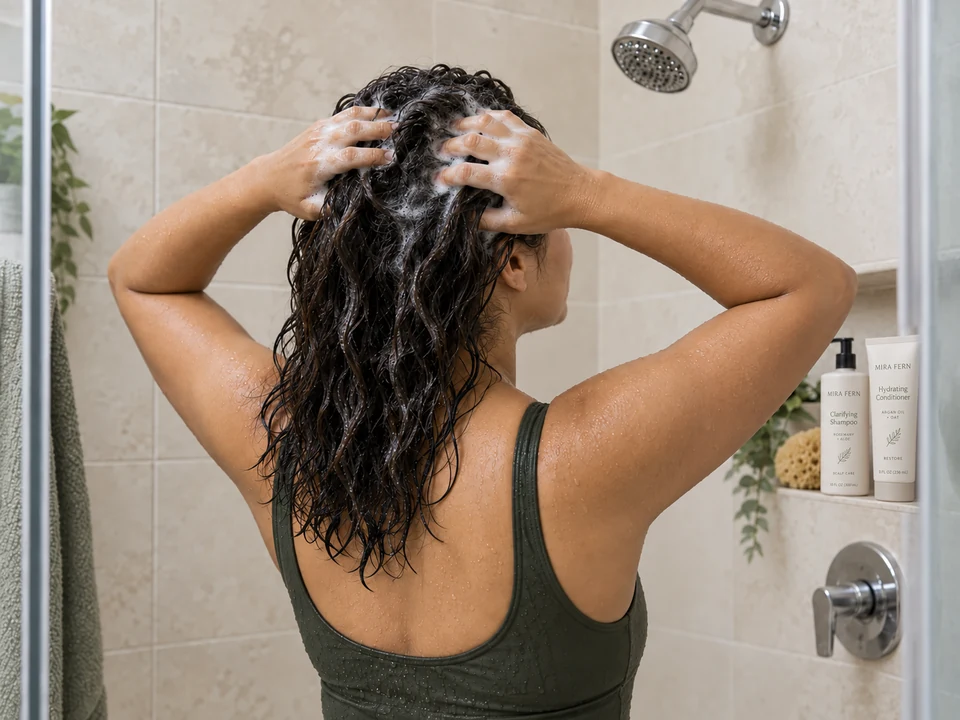
A woman lifts her own wet hair at the back while water from a fixed showerhead reaches her crown.

A shampoo for the everyday wash

Use the shampoo you know for the ordinary wash after the workplace steps. No cosmetic shampoo can confirm that asbestos, lead, chemicals or other hazardous material is gone.

Browse cleansing products. Bring the shampoos you are choosing between to the consultation, along with what you liked or disliked about them.

A woman smoothing conditioner through her mid-lengths and ends.

Conditioner without adding a cleanup job

Keep conditioning the dry ends and the tangles, and rinse it out completely. Don’t add extra layers before work to coat the hair against dust. They don’t protect you, and they just add something else to wash out.

Browse rinse-out conditioners. For conditioner recommendations, share where your hair tangles and which products you have tried.

How to do it

A woman uses both hands to gently work shampoo at the back and sides of her scalp, with the lengths hanging loose.

1. Give the scalp a proper wash

After the workplace process, use this for ordinary cleansing of loose hair. Follow the product directions and rinse underneath as well as the top. It is a hair wash, not a decontamination step.

Guide: Shampoo your scalp
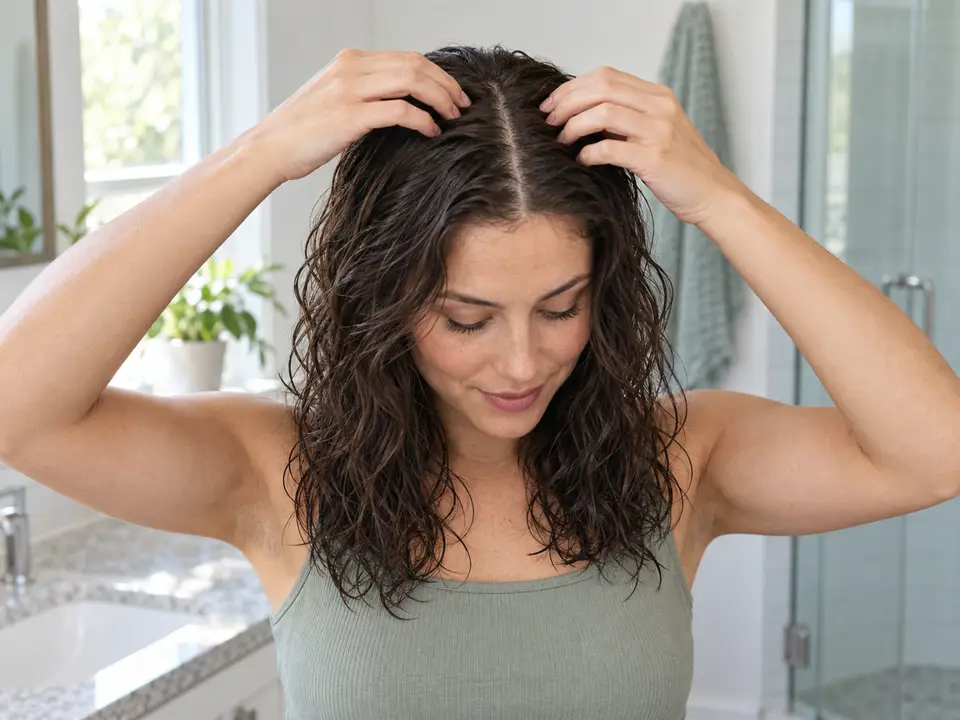
A woman uses both hands to set a center part in her damp loose hair, then lets the lengths fall over her shoulders.

2. Dry off duty, away from the gear

Blot gently and let your hair down loosely somewhere clean. Check the roots and the inner lengths as they dry. Your approved work coverings have their own care instructions, so don’t wrap your wet hair in one.

Guide: Air-dry your hair

Illustrated care examples: before & after

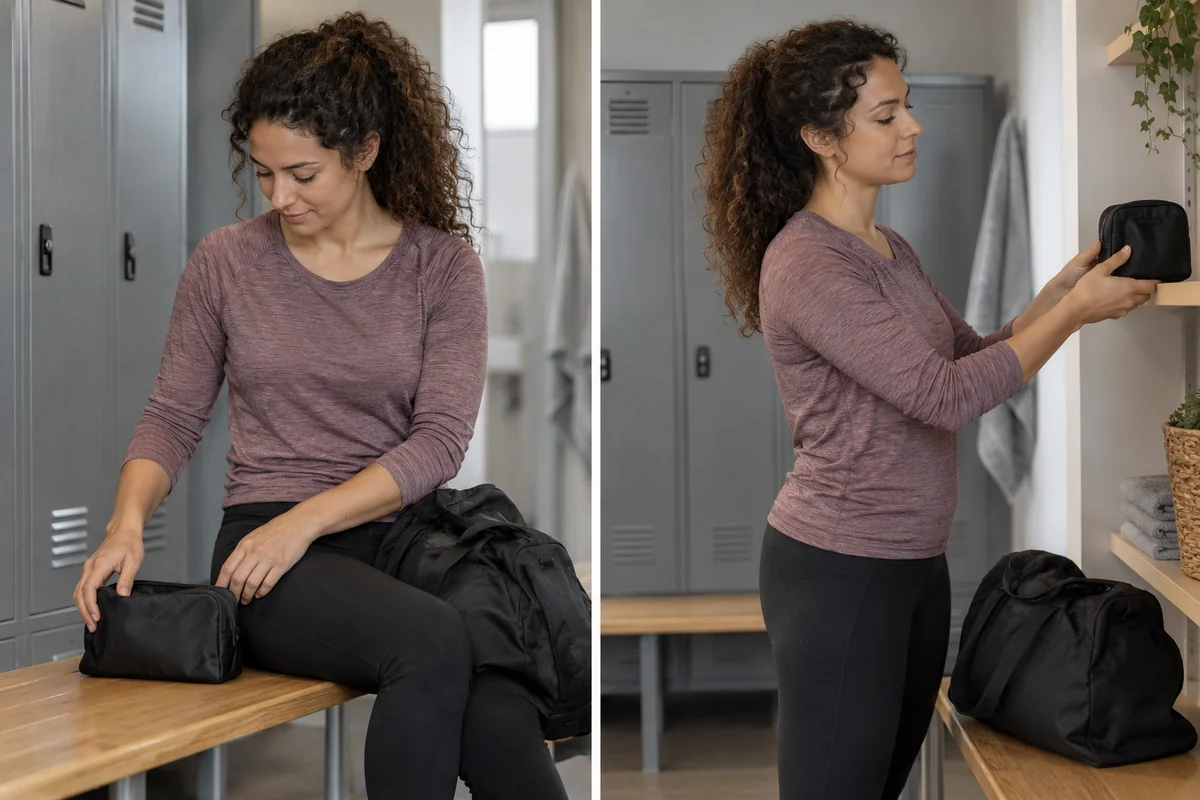
Care pouch off the work shelf

The same adult moves a closed clean care pouch to a separate shelf from a closed work bag.
Before · pouch beside the work bagAfter care · pouch on a clean shelf
The care pouch moves to its own clean shelf, away from the work bag. Your workplace rules still say how gear is handled and what goes home.

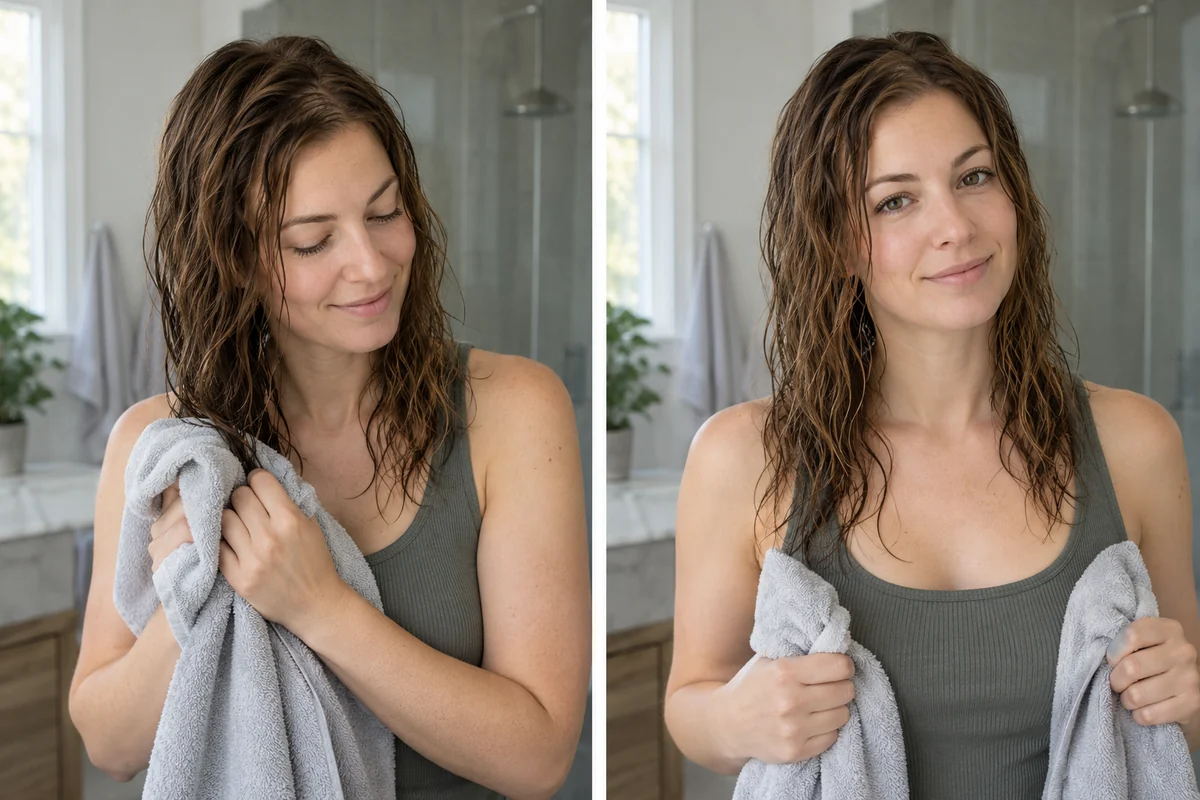
Open the towel, let it hang

The same adult opens a soft towel away from damp lengths and lets the hair hang loose.
Before · towel loosely around damp endsAfter care · towel open, ends hanging free
After an ordinary wash, the towel is opened and the damp ends hang free. The hair is damp in both, and nothing here deals with hazardous dust.
A woman with curls writing a routine note beside her hair-care products.

Help with your hair-care routine

Bring your hair-care questions to the consultation. You can also read planning ordinary care around a hot outdoor shift.

  • What is this dust, and what does my site say to do about it?
  • Where do my work clothes and gear stay after I change?
  • What can I get done to my hair before the next shift?

Tell us the care route your workplace allows, your hair pattern, your products and when you can wash. That shapes ordinary care after the work steps. It can’t tell you what the dust is or stand in for the site’s own checks.

The Hair Care Consultation gives you a personal plan with product recommendations, routines and guidance on your hair-care questions.

$49 with 60 days of follow-ups, or $99 with 12 months. Pay once; the year renews only if you choose.