Hair Care Guides

Not every tired-looking brush is done.
Clean what you can, retire what you can’t.

A brush full of hair isn’t worn out, it’s just full. A cracked clip or a dryer that smells hot is a different matter. Look at the tool itself, check its care instructions, and replace it for a reason, not a hunch.

Your personal hair-care planProduct choices, routines and answers shaped around your hair.$49one-timeStart my consultation
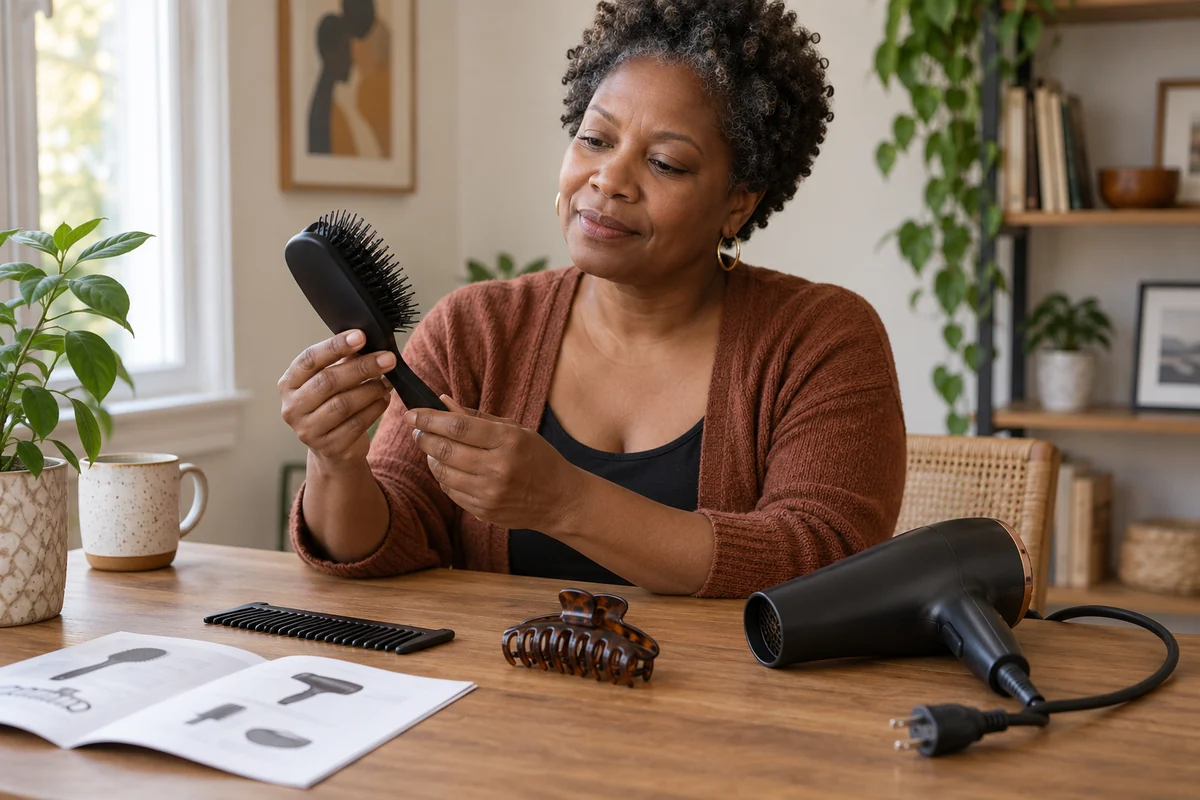
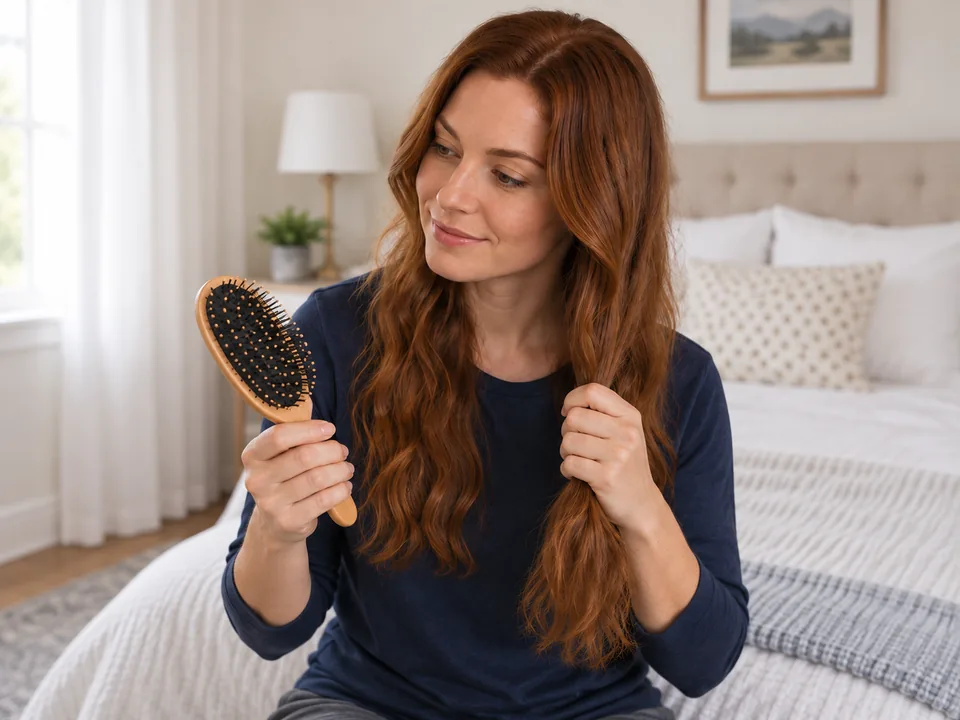
A woman examines a brush beside a comb, clip, manual and visibly unplugged dryer.
Clean what you can, retire what you can’t.

What is going on

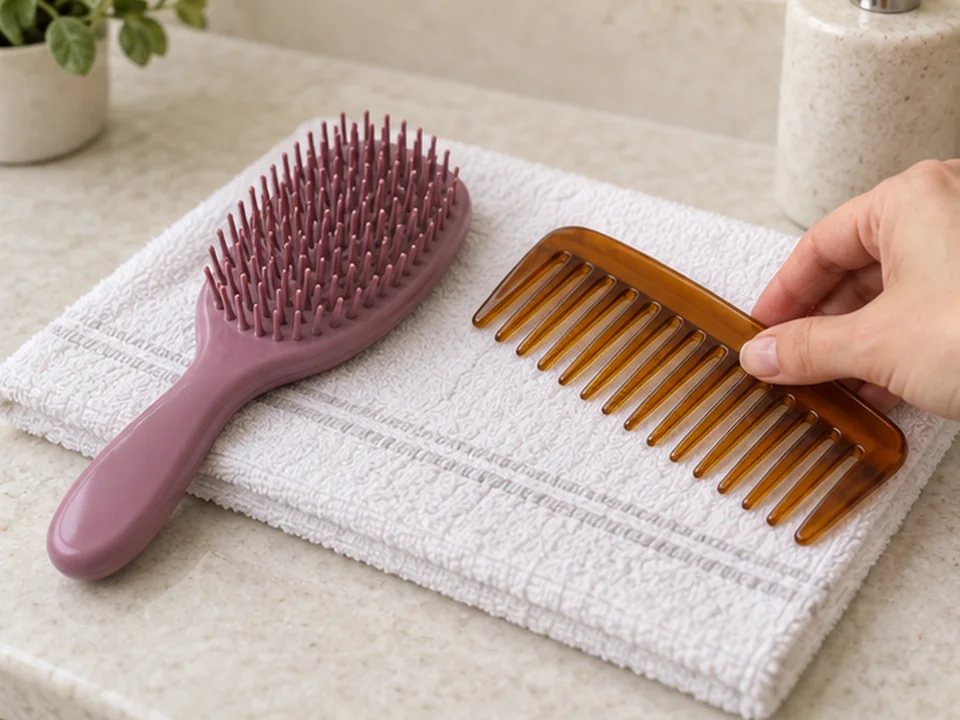
A clean plastic brush rests teeth-up beside a comb on a towel; a hand sets down the comb.

Check how this one is meant to be cleaned

Find the care instructions before you reach for water or cleaner. A plastic brush, a cushioned brush and a dryer filter can all need different treatment, and what works for one can ruin another. Take off only the parts the manual says come off.

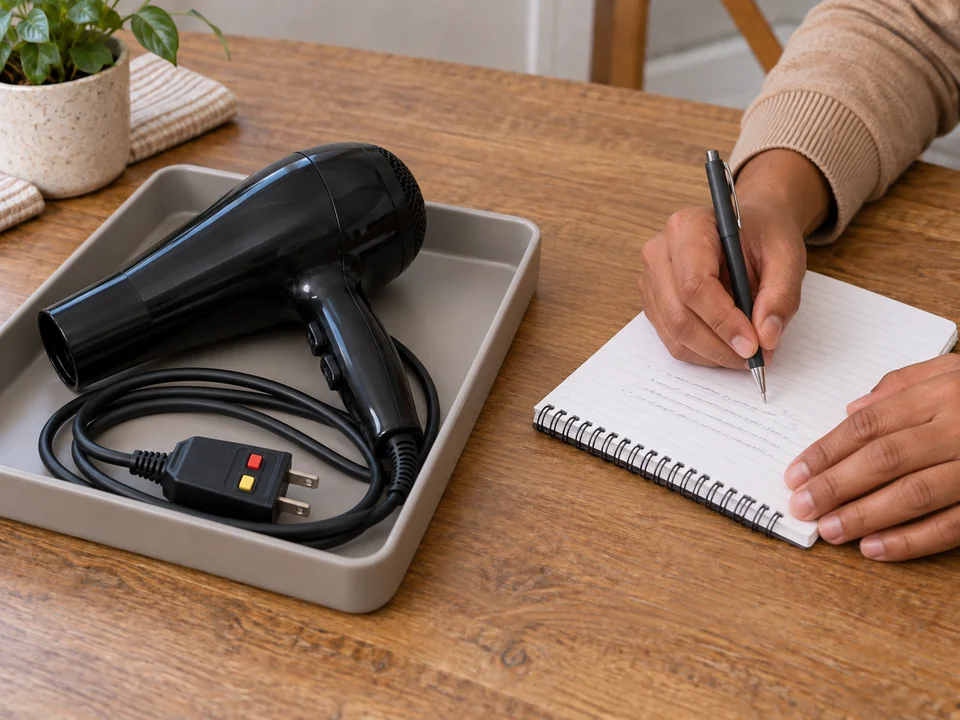
A woman writes notes beside a manual and a visibly unplugged dryer on a dry desk.

Keep a note of what you tried

Keep the model name, the instructions and the receipt together. When something goes wrong, jot down the problem, what cleaning you tried and whether the maker sells parts or does repairs. Then a replacement has a real reason behind it, not just an age.

What helps, day to day

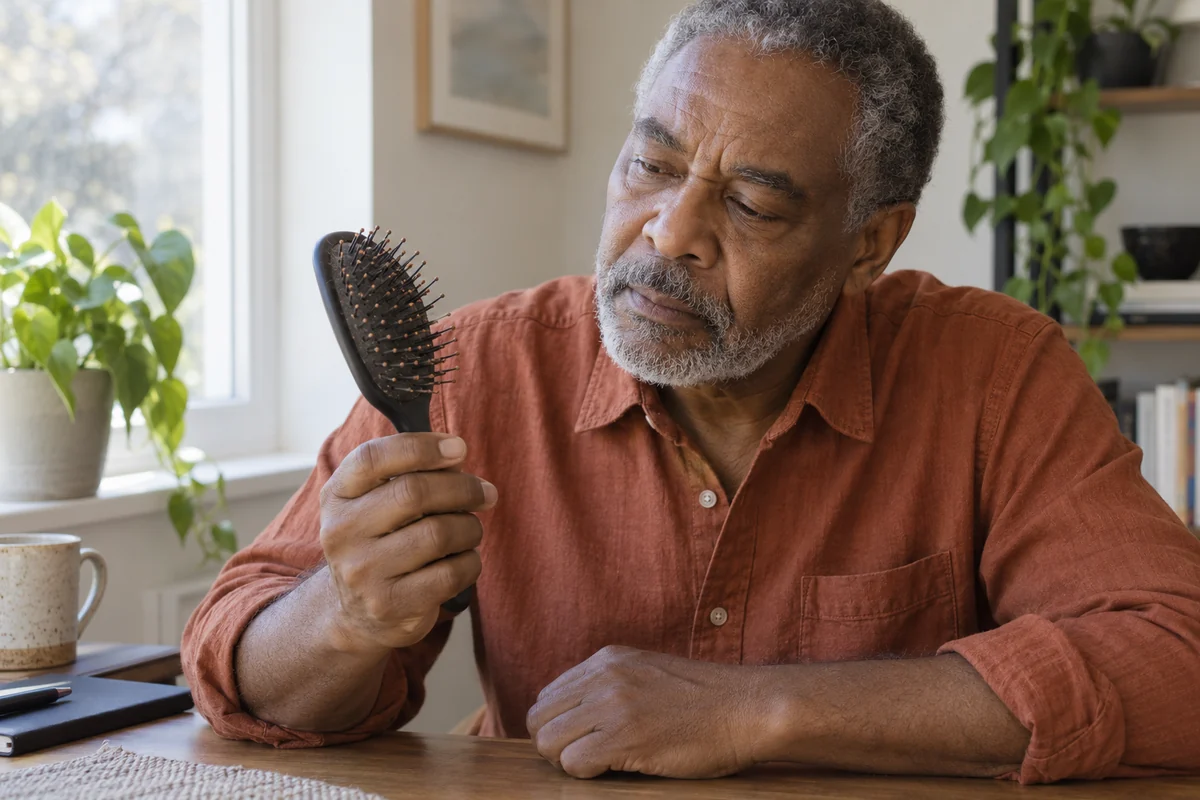
A man holds a used brush by its handle and examines the bristles.

The brush is full but otherwise fine

  • Lift the hair out gently and clean it the way the maker allows.
  • Let it dry properly before putting it away.
  • If the tips are rough, teeth are broken or the pad is damaged, stop using it on your hair and ask about a part, a repair or a replacement.
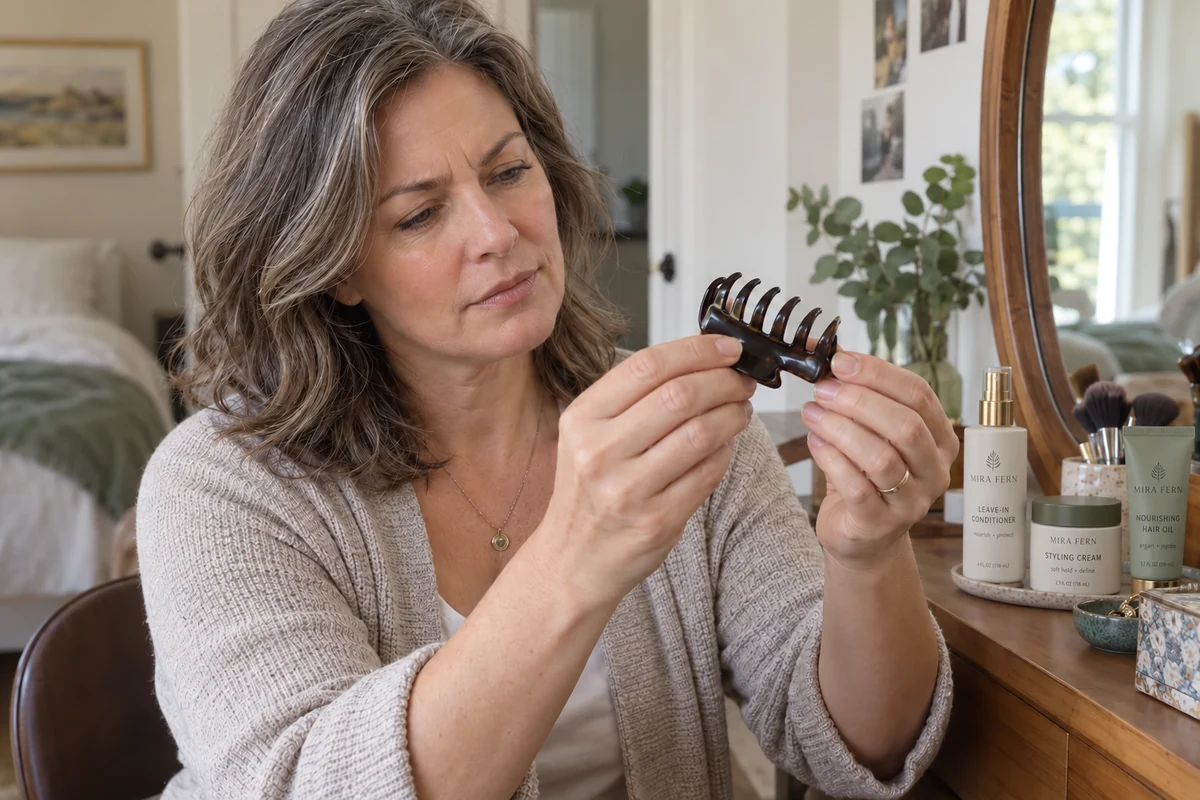
A woman examines a claw clip away from her hair, holding its solid body.

A clip won’t close smoothly any more

  • Look at the teeth, the hinge and the spring without forcing anything.
  • If the clip is intact, just clear the hair out of it.
  • A crack, a sharp edge or a spring that’s giving up means it’s done.
  • Wiping it won’t fix that, so stop testing it in your hair.
An adult sets an unplugged hair appliance aside while noting its model for service advice.

An appliance is damaged or acting strangely

  • Switch it off and unplug it.
  • If the cord, plug or casing is damaged, or it has overheated, cut out or got wet, leave it out of use and contact the maker.
  • Don’t open it, tape a cord or plug it in to see what happens.

When it really is time to replace

Dry hands inspect a smooth hairbrush and bring one straight or wavy section forward.

Brush: buy for the job that was awkward

When a brush does need replacing, think about the hair state it’s meant for, the tooth design and how it feels in your hand.

Read the detangling brush guide.

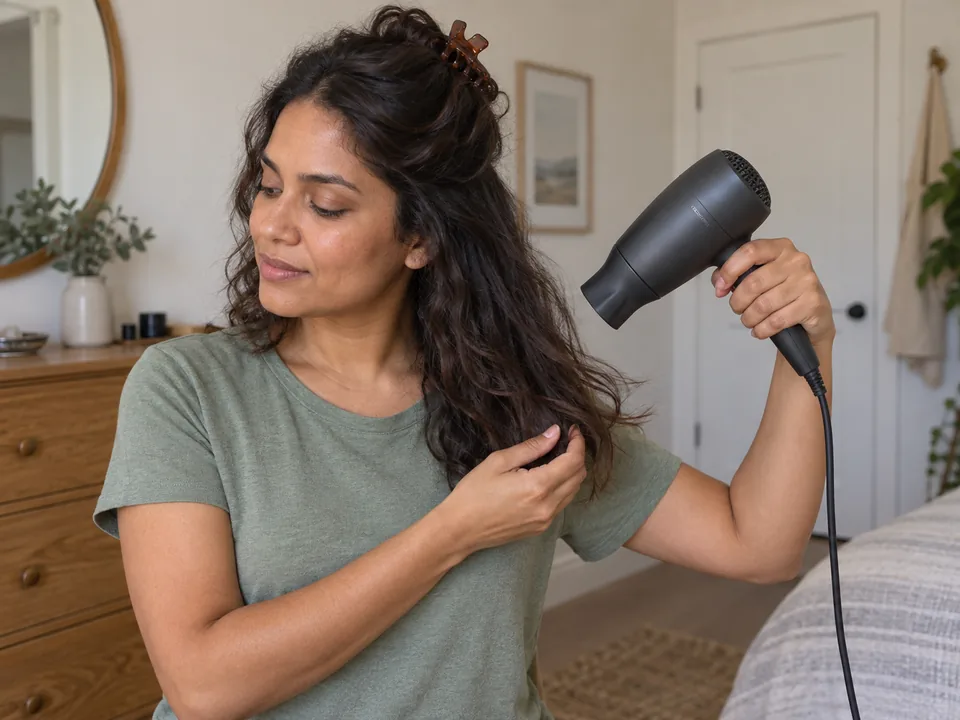
A woman holds a dryer away from her own loose side section and directs airflow down the lengths while lifting the ends lightly.

Dryer: weigh care against controls

Compare weight, controls, attachments and whether you’ll actually keep up with the cleaning it asks for. For faults, servicing and spare parts, the maker is the one to ask. Nobody can inspect an appliance from a description of your hair.

Read the hair dryer guide.

How to do it

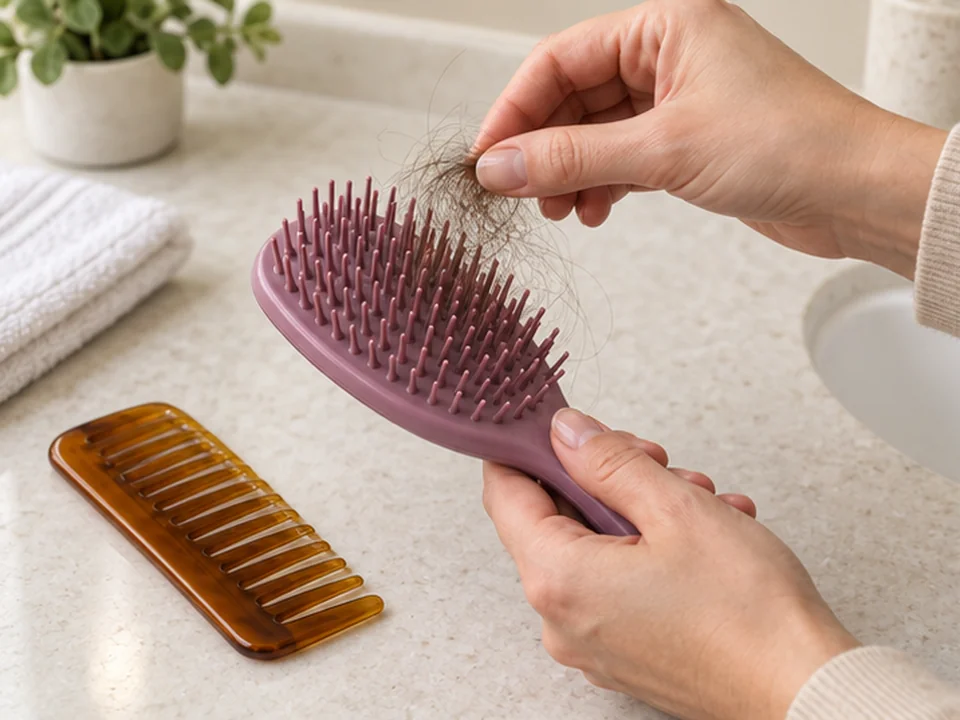
Hands lift caught hairs gently from the teeth of a detached plastic hairbrush.

1. Clean within the tool’s limits

Sort the tools that can be washed from the ones that only take a wipe. Remove hair gently, follow the care directions exactly and let anything washed dry fully. Check the teeth and pad again afterwards. Clean isn’t the same as repaired.

Guide: Clean your hairbrush and comb
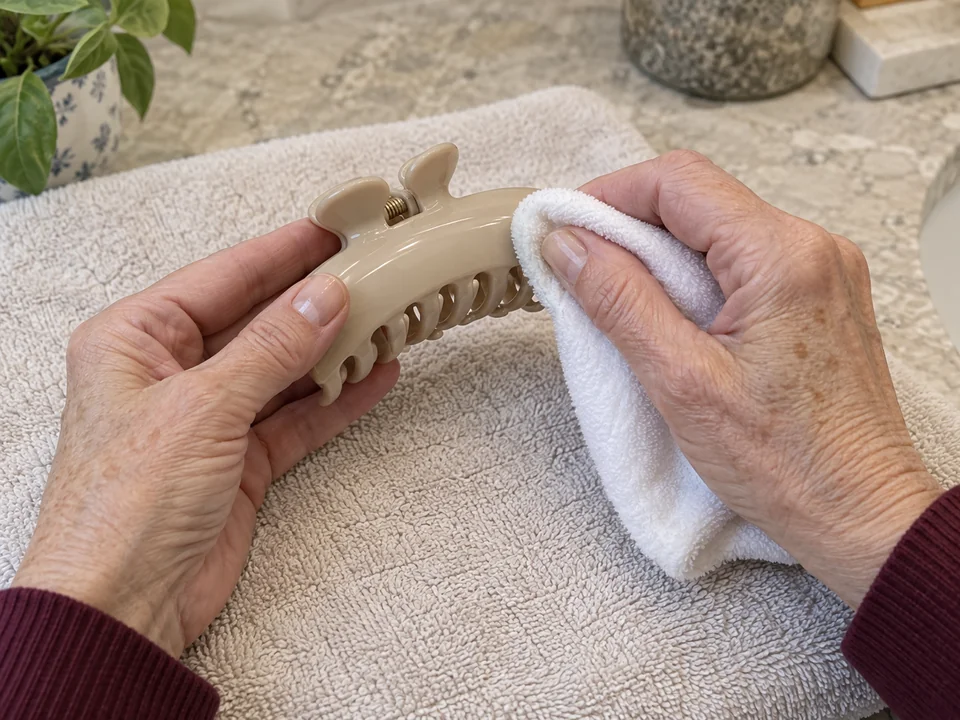
An adult wipes the outer surface of a removed claw clip with a soft cloth.

2. Wipe and check a clip that’s still sound

Keep your fingers clear of the hinge and spring. Use only as much moisture as the material can take, dry it and store it where it won’t get crushed. If the teeth are sharp, the body is cracked or the spring sticks, stop.

Guide: Wipe and check a claw clip
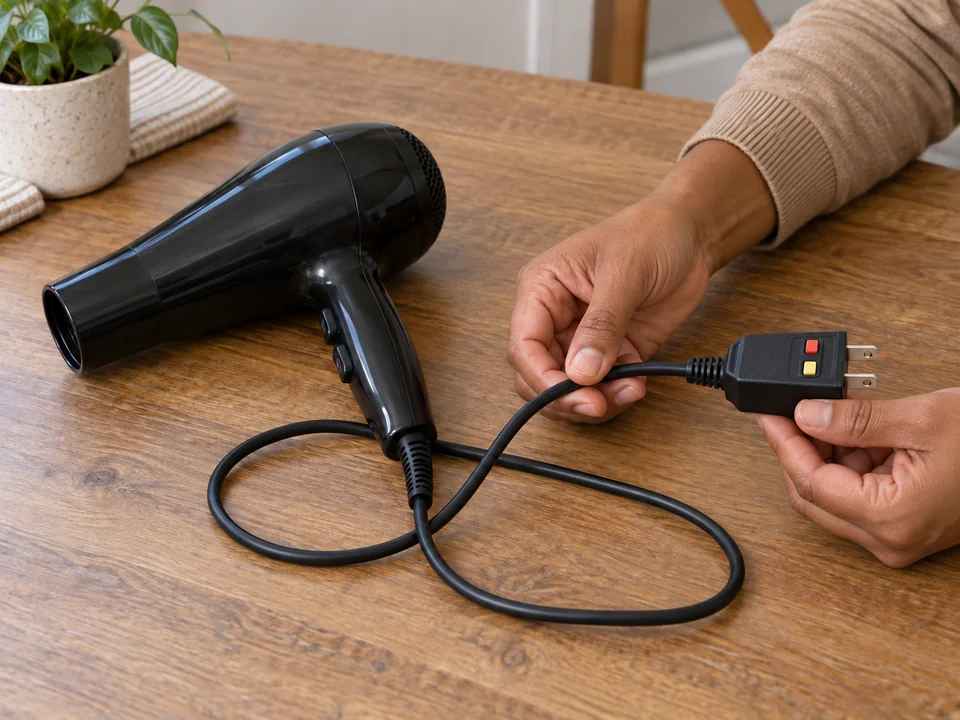
An adult examines the insulated cord and plug of a cool unplugged hair dryer on a dry table.

3. Look it over before the next use

Only inspect an appliance when it’s unplugged, cool and dry, and stick to the checks the manual describes. Anything that looks wrong goes to the maker or an authorized repairer. A look can’t rule out a fault inside.

Guide: Check a corded hair tool before use

Illustrated care examples: before & after

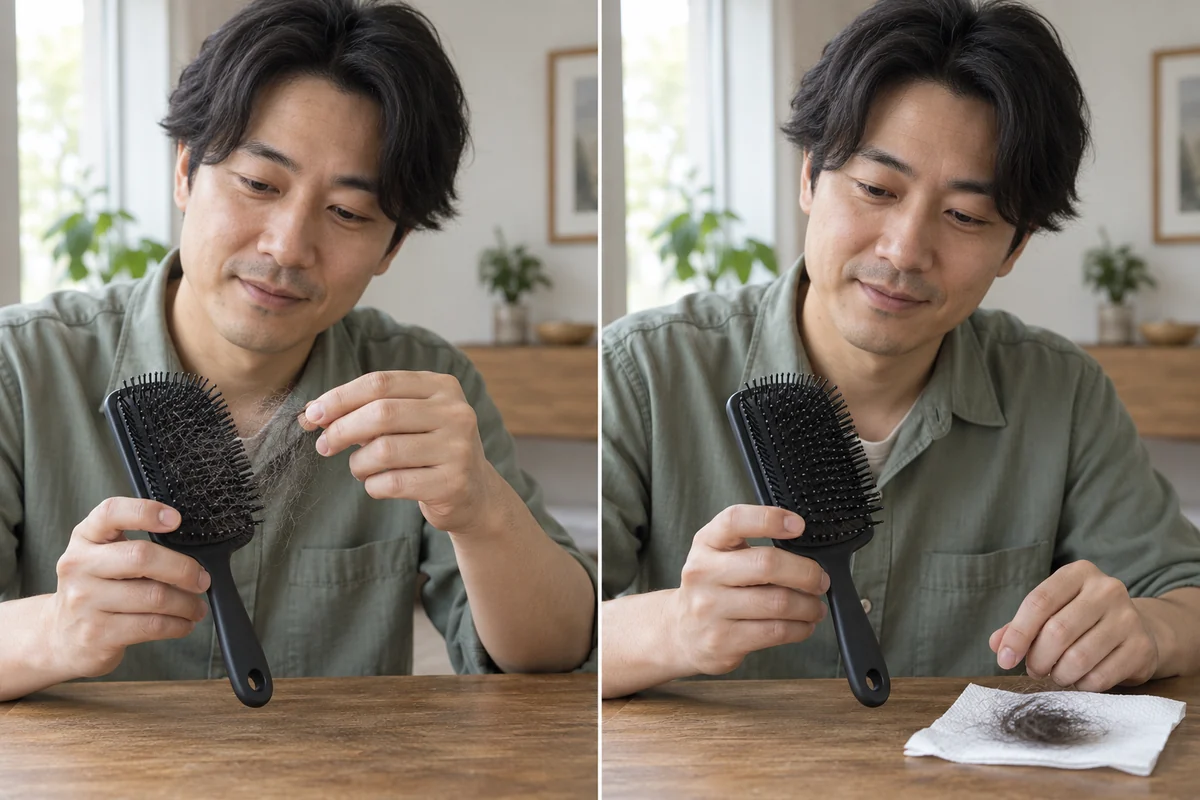
Caught hair lifted out

The same man gently removes caught hairs from an intact brush; the removed hairs rest on a tissue in the second panel.
Before · hairs hiding the bristlesAfter lifting loose hair · bristles clear, hairs on tissue
Lifting the caught hair out shows the brush underneath is intact. Look at the teeth and pad once they are clear, since clearing hair does not fix wear.

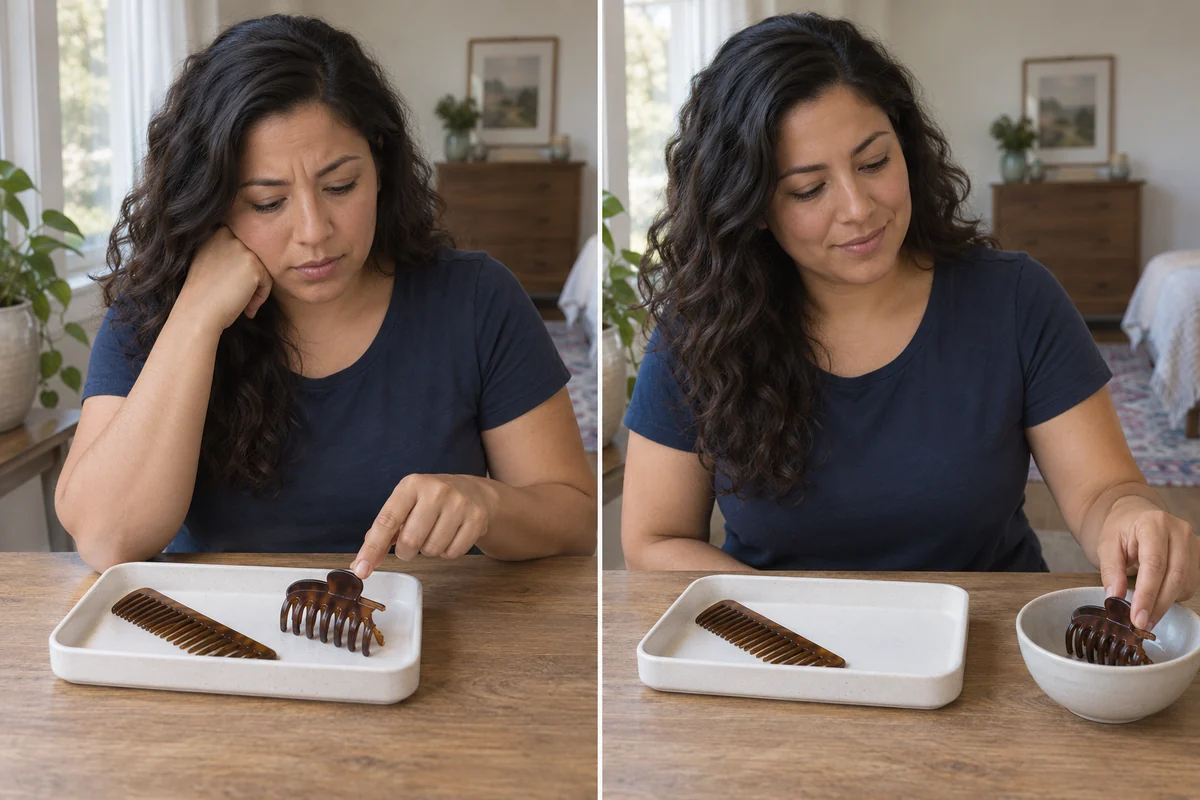
Damaged clip out of the pile

The same woman moves a chipped claw clip from a tray with a comb into a separate bowl.
Before · damaged clip among the toolsAfter setting it aside · set apart from the comb
The same damaged clip, moved away from the tools you reach for. Still damaged, but out of your hands until you decide what to do with it.
A woman gently squeezing damp hair with a towel.

Help with your hair-care routine

Bring your hair-care questions to the consultation. You can also read planning hair-care replacement costs.

  • Can I clean this, or is it actually worn out?
  • Does the maker sell a part or do repairs for this model?
  • If I do replace it, what would make the new one easier to use?

Tell us which tools you use, which jobs feel awkward and how much tool care you’ll realistically keep up with. The consultation can connect brush and drying choices to your hair. Faults, electrical safety and whether something can be repaired are questions for the maker.

The Hair Care Consultation gives you a personal plan with product recommendations, routines and guidance on your hair-care questions.

$49 with 60 days of follow-ups, or $99 with 12 months. Pay once; the year renews only if you choose.