Hair Care Guides

When hair care is a sensory ordeal.
Change the one detail that gets in the way.

Water on your face, fingers at your scalp, a scent that lingers, the dryer’s noise or a sticky product can make washing your hair genuinely hard. That’s real, and you don’t need a diagnosis to work around it. Change the hardest part first.

Your personal hair-care planProduct choices, routines and answers shaped around your hair.$49one-timeStart my consultation
An adult feels a clean folded cotton T-shirt beside two closed product bottles.
Change the one detail that gets in the way.

What is going on

A woman with curls writing a routine note beside her hair-care products.

Name the exact sensation

Write down the step and what it feels like. Spray hitting your face, fingers on the scalp, a smell that won’t leave, wet ends on your neck. Note what was fine too. Then change that one detail, instead of swapping every product and method.

A woman uses a tablet displaying product directions beside a capped hair-care bottle at a dry desk.

Make the order predictable

Settle on a sequence you can follow and build in a pause before each next step. If someone helps you, agree when they’ll touch your hair and how you’ll say stop. Breaks are fine, as long as rinse-out products still get rinsed properly.

What helps, day to day

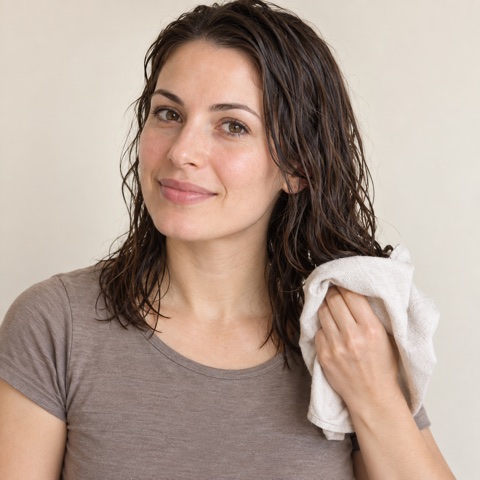
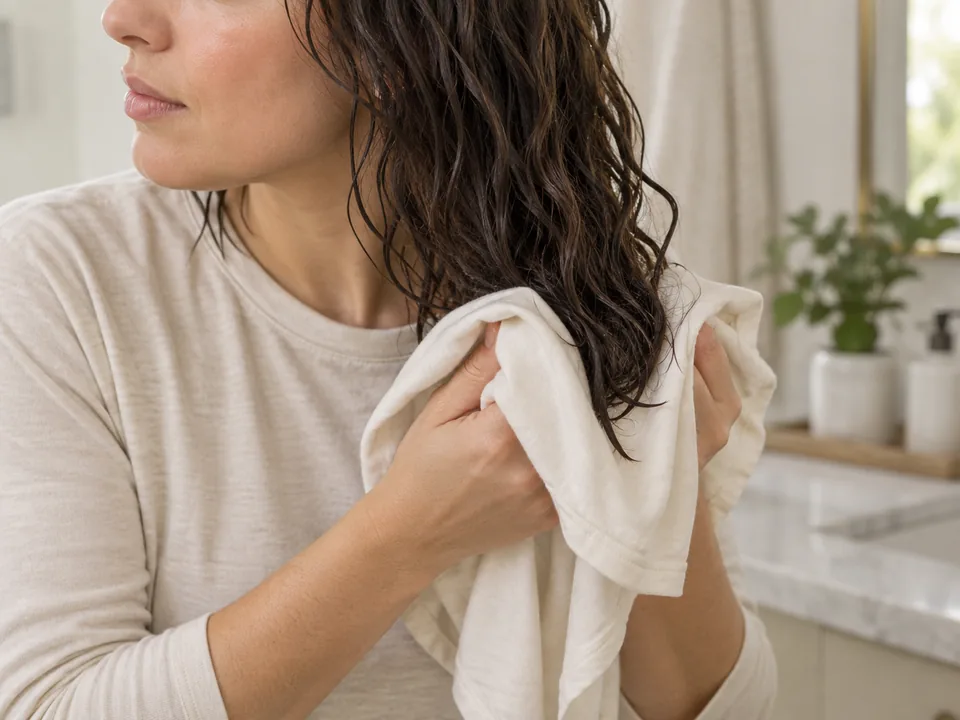
A woman gently squeezing damp hair with a towel.

Wet hair on your skin is the worst part

  • Put a clean fabric you can stand across your shoulders and blot the lengths against it gently.
  • A towel and a smooth T-shirt feel different, so go by your own reaction.
  • This stops wet hair touching skin without a tight wrap or an instant dry.
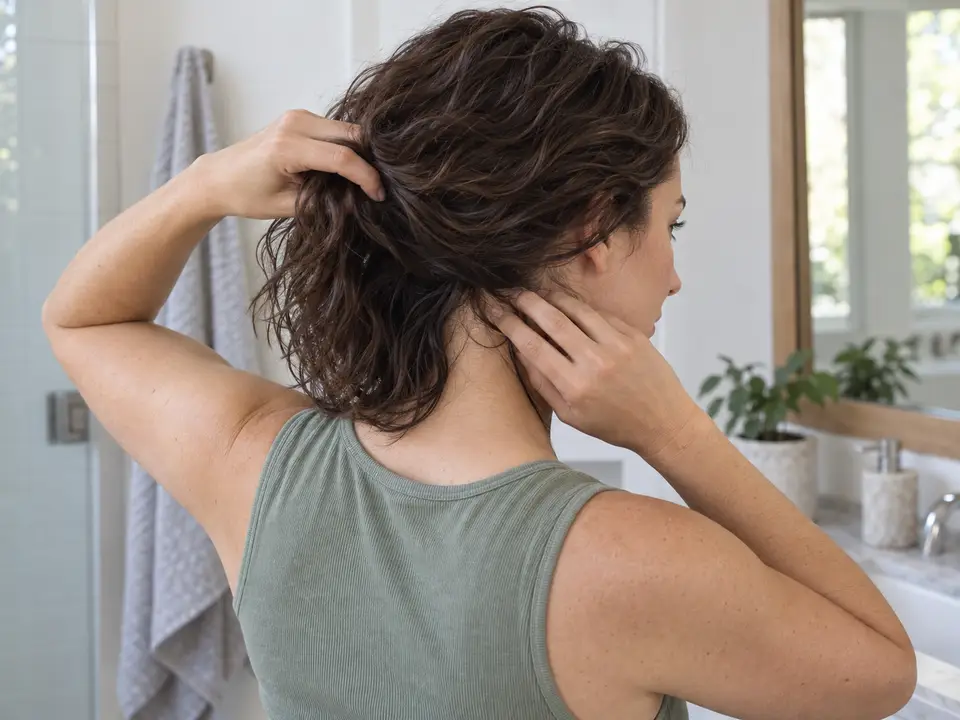
A woman checks the inside of her loose hair near the nape with clean fingers while the rest falls freely.

The dryer is unbearable, but so is damp hair

  • Test the trade-off on a day with time to spare.
  • Air drying avoids the noise but leaves hair damp for longer.
  • Blot first, then see whether that wait is something you can sit with.
  • Keep a familiar option in reserve rather than deciding one way is right.

Products, by the job they do

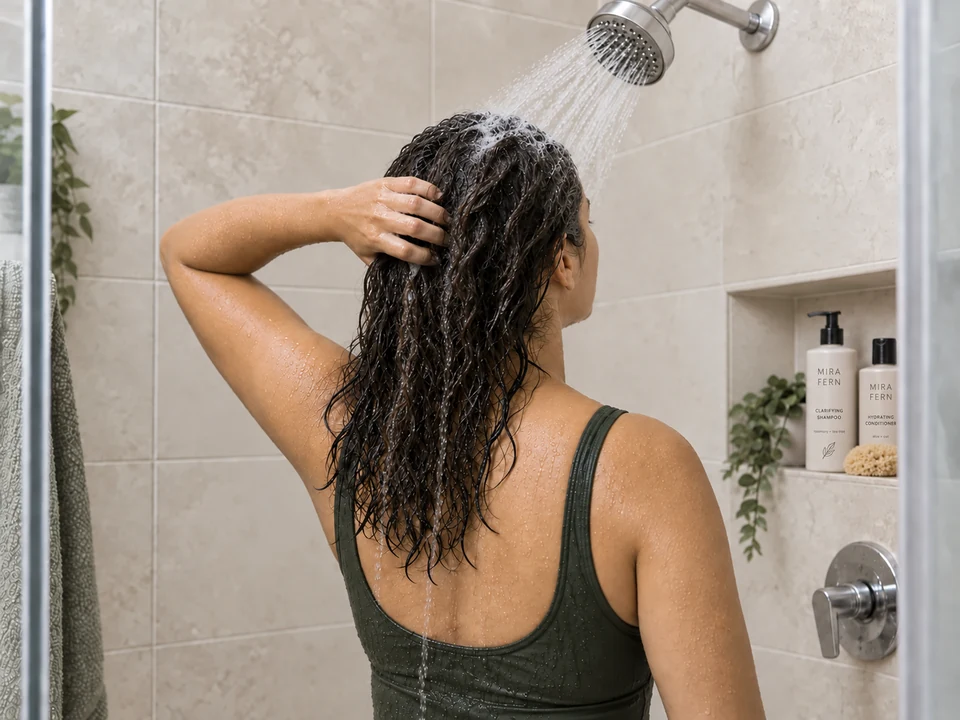
A woman lifts her own wet hair at the back while water from a fixed showerhead reaches her crown.

A cleanser you can actually use

Say which scents, textures or rinsing feelings are the problem. Fragrance-free is worth a try when scent is the issue, though skin can still react to it.

Browse cleansing products. Your current shampoo, wash schedule and past treatments help guide a personal recommendation.

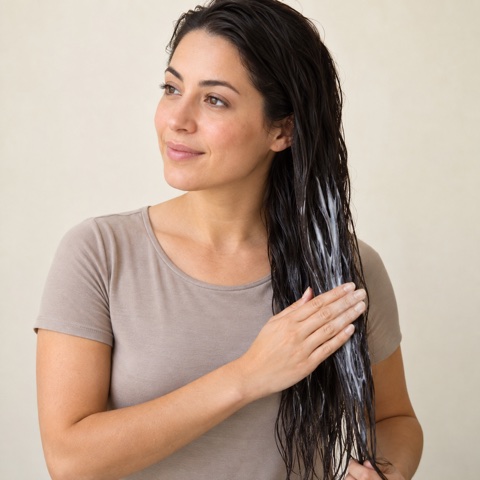
A woman smoothing conditioner through her mid-lengths and ends.

Conditioning that doesn’t feel like a coating

If a lingering coated feel bothers you, start with just the rinse-out conditioner and skip leave-ins until you know you want one. Rinse it out fully rather than cutting the rinse short, and don’t water products down to change how they feel.

Browse rinse-out conditioners. Your tangles, past treatments and preferred finish help guide a personal conditioner recommendation.

How to do it

Hands gently pressing cotton fabric around the lower lengths of wet hair.

1. Test the fabric before you rely on it

Feel the clean, dry fabric first. If it’s fine, press it gently into the lengths to soak up water, with no rubbing and no tight wrap. If the contact feels wrong, stop. Other people liking a material says nothing about you.

Guide: Dry hair gently with a cotton T-shirt
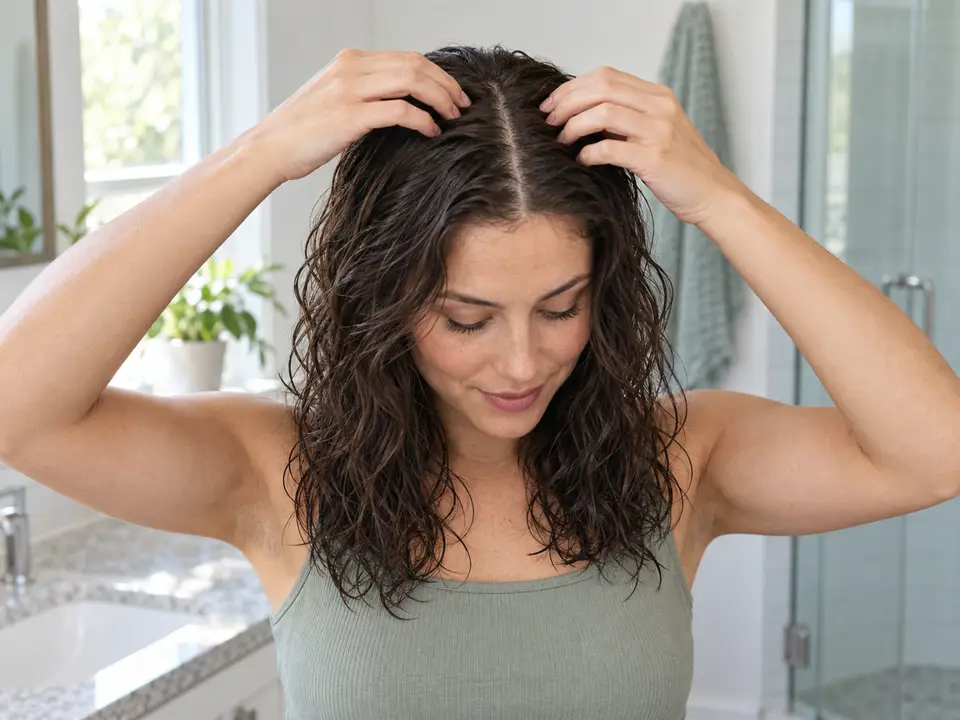
A woman places her fingertips on either side of the part in her damp hair, with the lengths hanging loose.

2. Choose the drying trade-off on purpose

Use air drying when the quiet and the time suit you. Settle damp hair somewhere comfortable and leave it alone. If wet hair on your skin is harder than the sound, go back to the familiar option instead of forcing it.

Guide: Air-dry your hair

When to get help

A woman and a medical professional seated together, looking at a calendar.

Signs that need more than routine care

  • Itching, a rash or pain on the scalp that doesn’t ease deserves a look from a medical professional rather than being filed under sensory discomfort. And if these barriers keep stopping you from washing at all, an occupational therapist can help work out adaptations that respect what you can and can’t tolerate.

Illustrated care examples: before & after

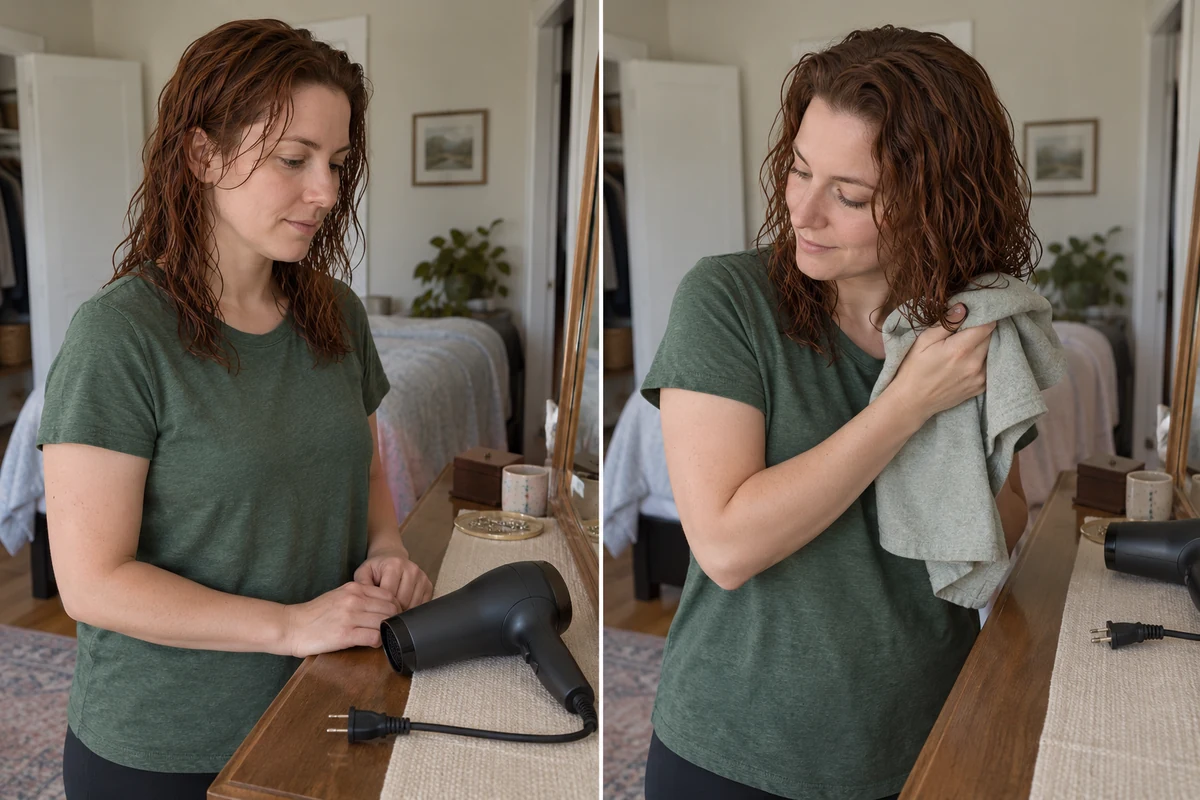
A drying method you can tolerate

Two panels show an adult beside an unplugged dryer, then gently pressing damp hair with a clean cloth while the dryer remains unplugged.
Before · weighing the drying optionsAfter the change · pressing gently with fabric
Here the choice is pressing with a soft fabric. The hair is still damp, and the sound, fabric and time that feel fine differ from person to person.

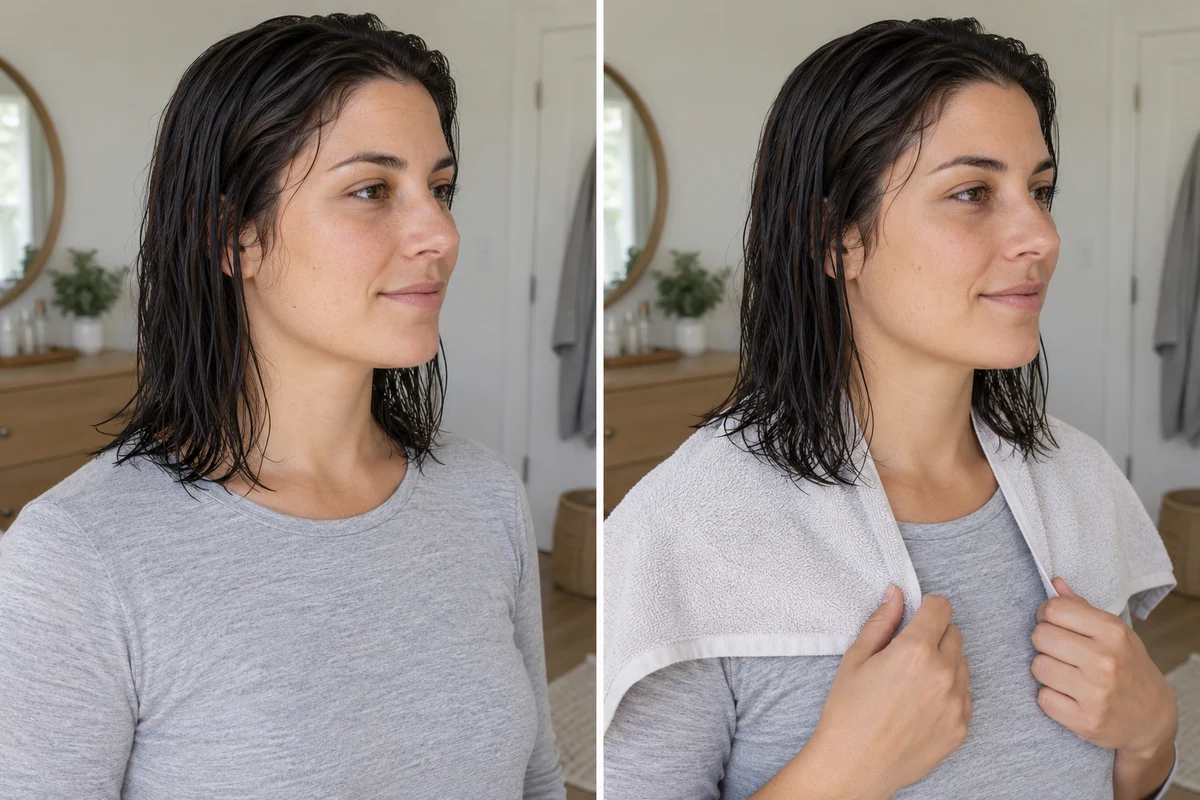
Fabric between wet hair and skin

Two panels show damp hair against the neck, then a towel placed across the shoulders beneath the same damp lengths.
Before · wet lengths on the neckAfter the change · chosen fabric over the shoulders
A fabric you like the feel of goes across the shoulders, so the wet lengths rest on it rather than on skin. The hair is just as wet.
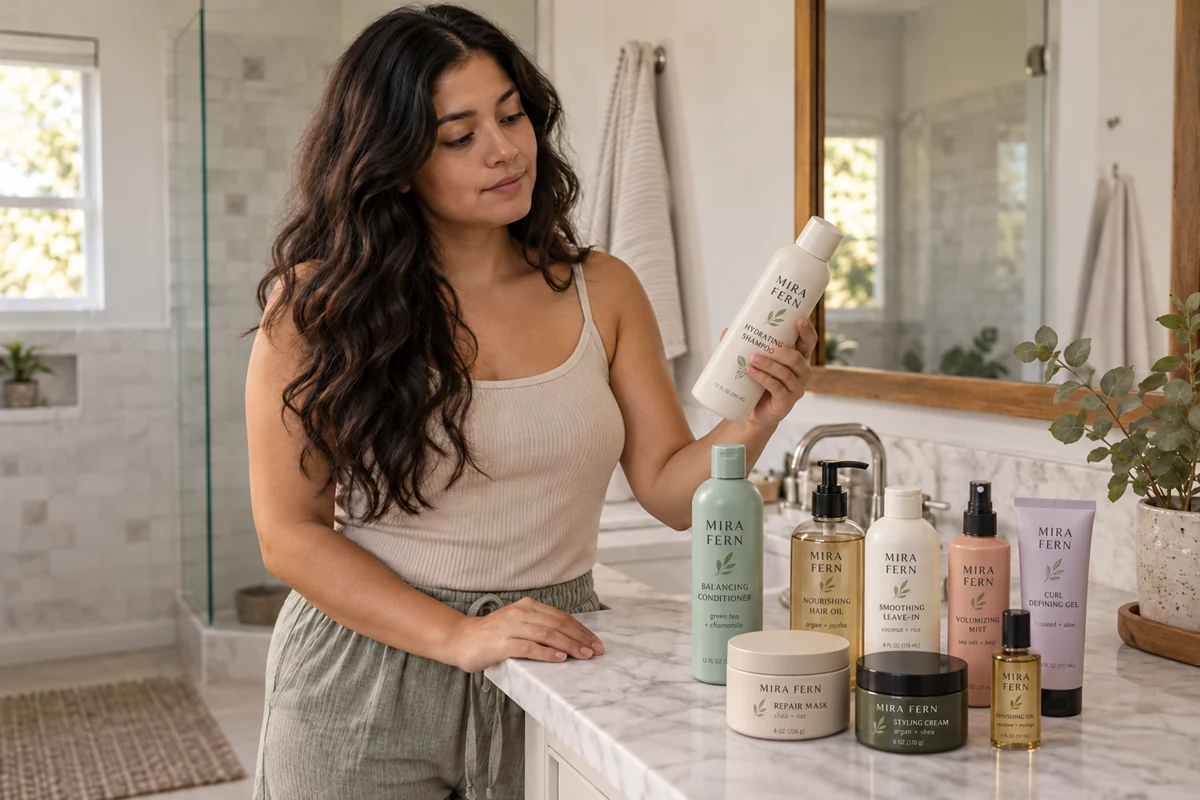
A woman considering several hair-care bottles and jars on her bathroom counter.

Help with your hair-care routine

Bring your hair-care questions to the consultation. You can also read Build a simpler hair-care routine.

  • Which part of washing or drying should I change first?
  • How do I weigh dryer noise against wet hair on my neck?
  • Which textures and scents do I need to avoid?

Tell us the sensations that are hardest, the fabrics that help, how much touch you can take, your drying trade-off and who helps you. The consultation builds the routine around those, without diagnosing anything or promising to change how things feel.

The Hair Care Consultation gives you a personal plan with product recommendations, routines and guidance on your hair-care questions.

$49 with 60 days of follow-ups, or $99 with 12 months. Pay once; the year renews only if you choose.