Hair Care Guides

Your usual product doesn’t feel the same.
Check the bottle before you blame the formula.

A product you’ve used for years looks, smells or works differently, and it’s unsettling. Before deciding it was reformulated, confirm it’s the same variant from the same market, keep the packaging details, rule out a faulty bottle and compare how you used it before.
Your personal hair-care planProduct choices, routines and answers shaped around your hair.$49one-timeStart my consultation
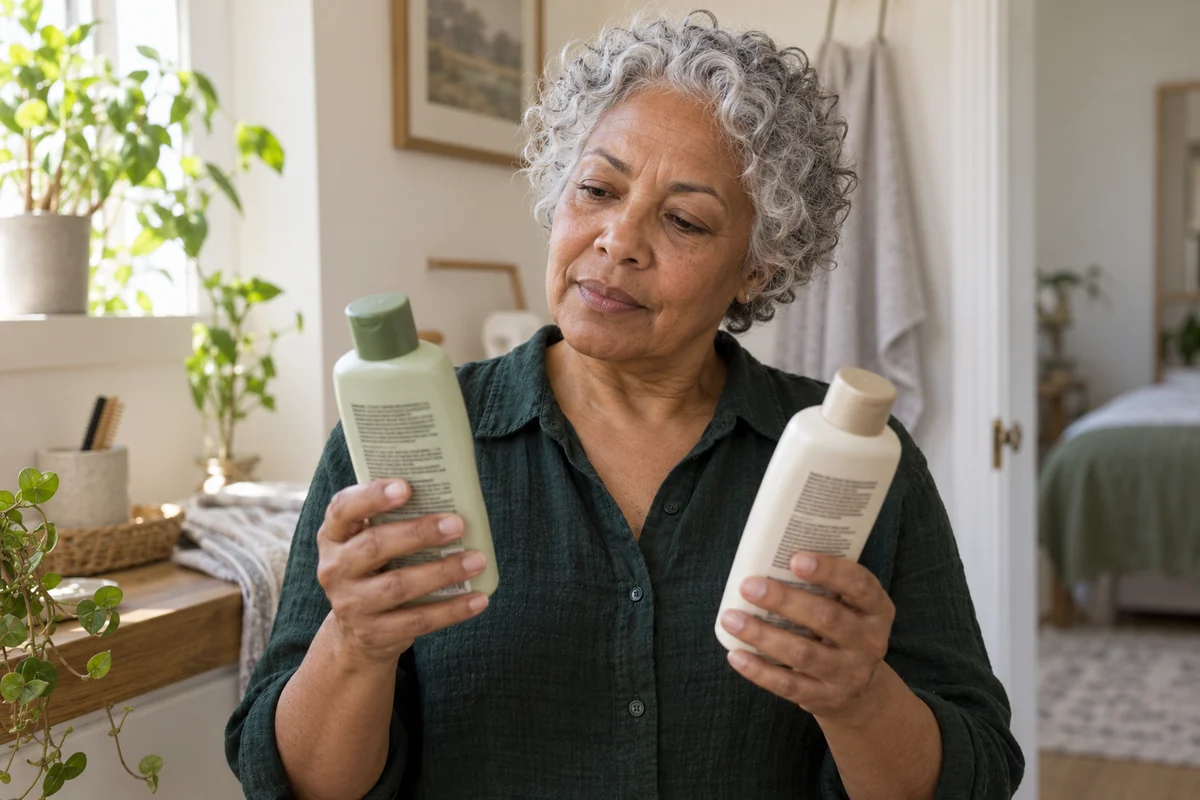
An adult with short silver curls holds two closed hair-care bottles while comparing their labels.
Check the bottle before you blame the formula.

What is going on

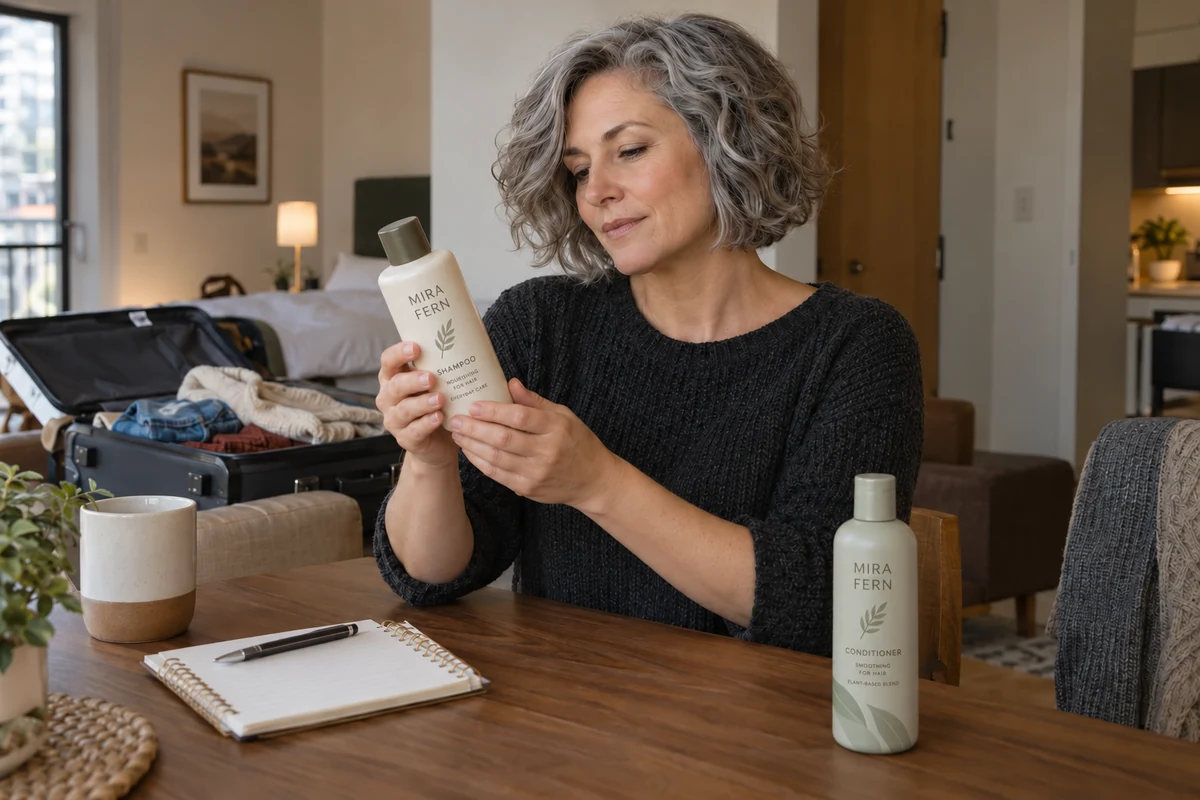
A woman with a gray wavy bob examines a bottle in both hands at a temporary apartment table beside a notebook and open suitcase.

Make sure it’s the same product

Compare the full name, the format, the size, the market it was sold for and the directions. A near-identical name can be a different variant. New packaging on its own doesn’t mean the formula inside changed.
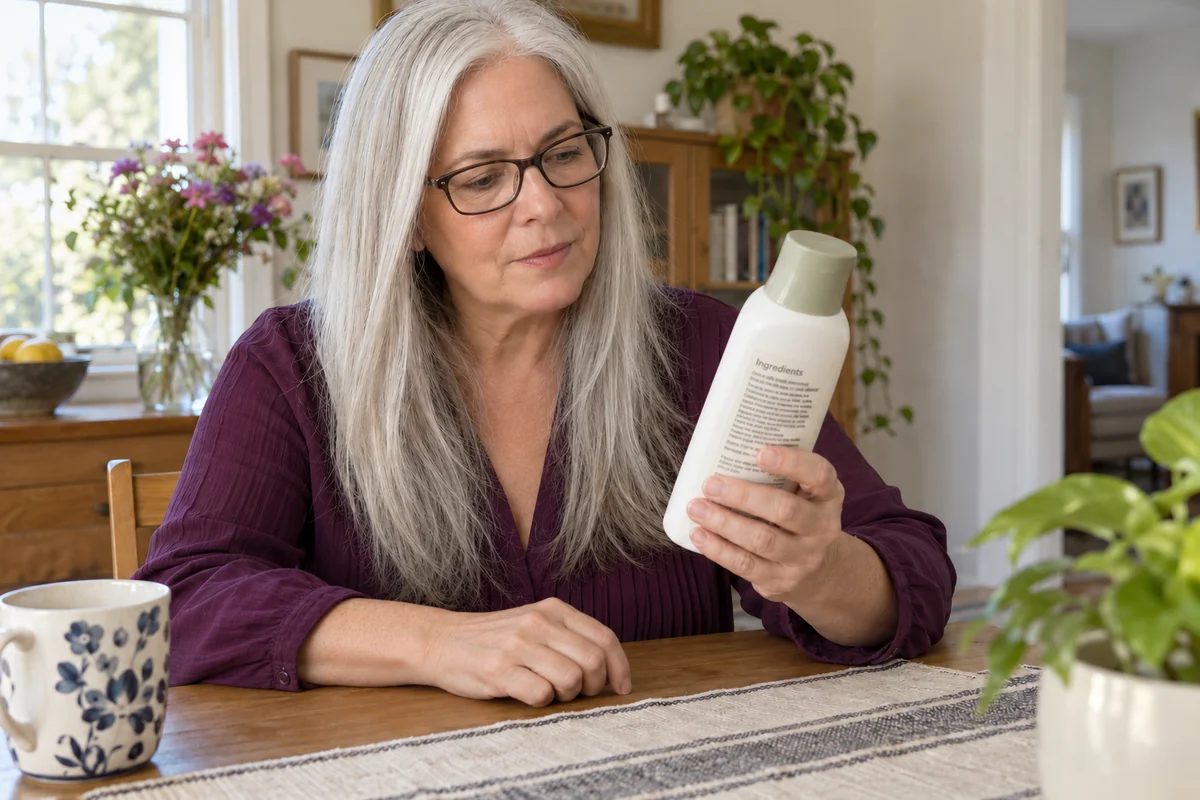
A woman wearing glasses reads a hair product ingredient panel.

Keep both ingredient lists if you can

Photograph the old and new labels and any batch codes, and note where and when you bought each. A changed list is a good question to put to the maker. It still won’t tell you every amount or how the product performs.

What helps, day to day

A woman uses a tablet displaying product directions beside a capped hair-care bottle at a dry desk.

The directions have changed

  • Follow the directions on the bottle in your hand, including the hair state and the rinsing.
  • If a change makes no sense to you, ask the maker what it means.
  • Don’t assume the old amount or method still applies.
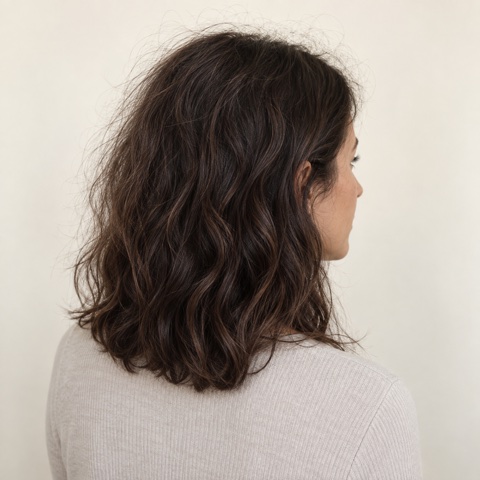
A side view of wavy hair with flyaways around the crown.

Only the finish seems different

  • Note how much you used, what else was on your hair, how you dried it, the weather and any recent treatments.
  • If nothing was off, give it one ordinary use without changing anything else on the shelf.
  • One good or bad hair day proves nothing about a reformulation.
A man seated at a dry dressing table with both forearms resting on a folded towel beside a mirror, comb and bottles.

The product itself seems off

  • Stop using it if the smell or color has changed unexpectedly, there’s something in it, or the packaging is damaged.
  • Take a photo and keep the identifying details for the seller or the maker.
  • Don’t add water, fragrance or another product to cover up the change.

Products, by the job they do

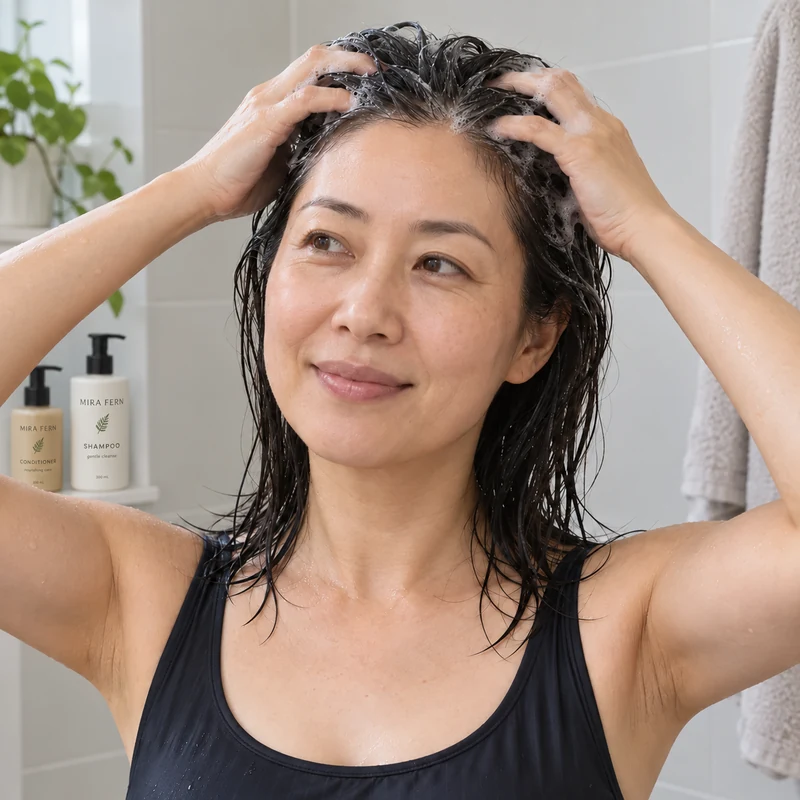
A woman massaging shampoo lather onto her scalp with her fingertips.

Replace the job, not just the bottle

If you’ve set the bottle aside, name the cleansing job you still need. Pick a clearly identified replacement with directions you can read, rather than layering a second shampoo over a product you don’t trust.

Browse cleansing products. For shampoo recommendations, share how your roots feel between washes and what you use now.
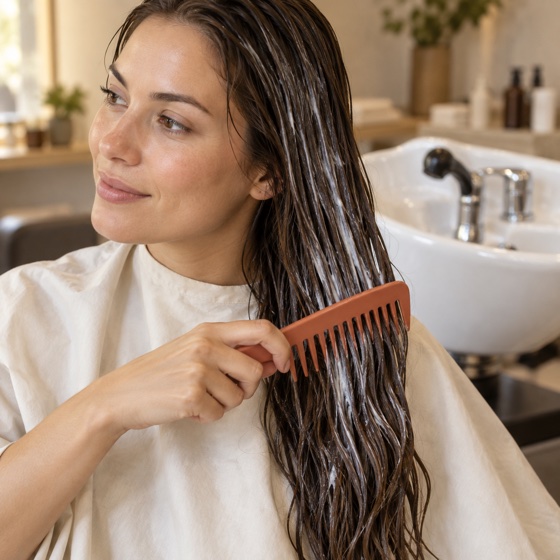
A woman detangling conditioned hair with a wide-tooth comb.

Keep the steps that still work

One product changing is not a reason to rethink the whole shelf. Stay with the conditioner that still does what you need, and change only the step that stopped working. If a second bottle also seems off, compare the labels before you blame your hair.

Browse rinse-out conditioners. Tell the consultation what you want from a conditioner and what you disliked about previous ones.
What to do next

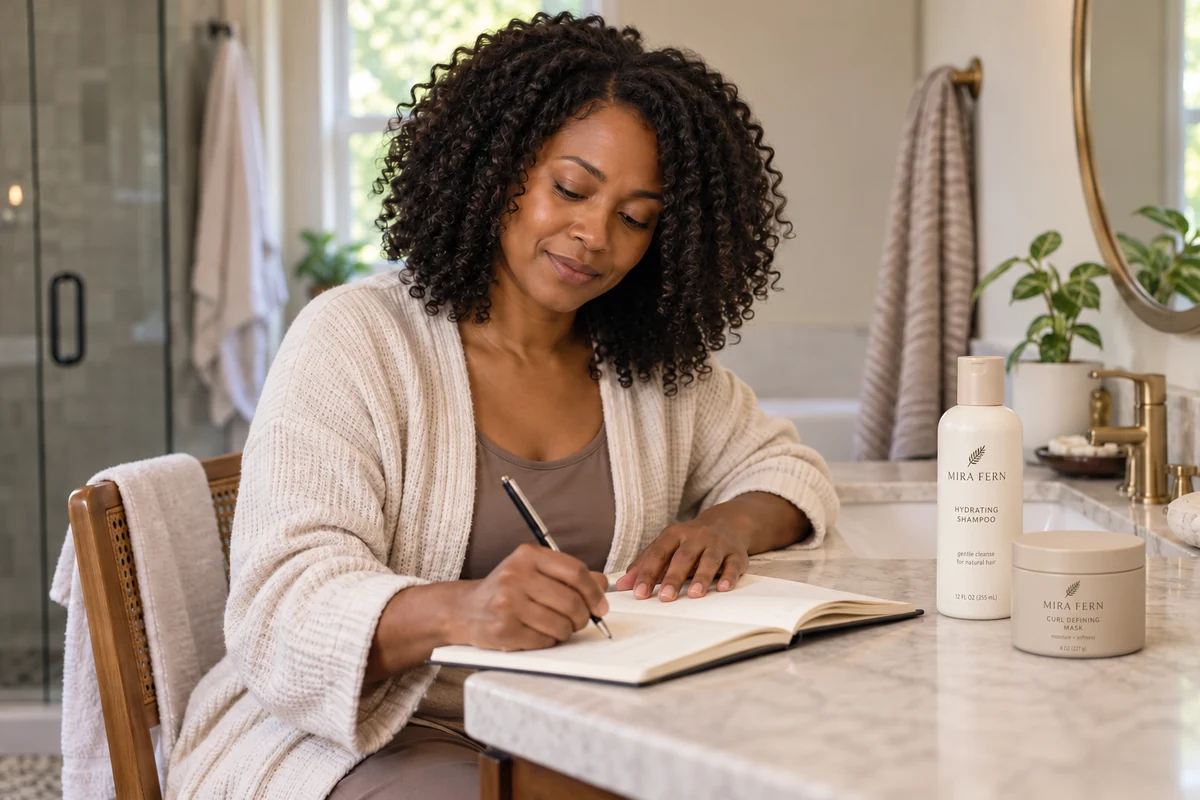
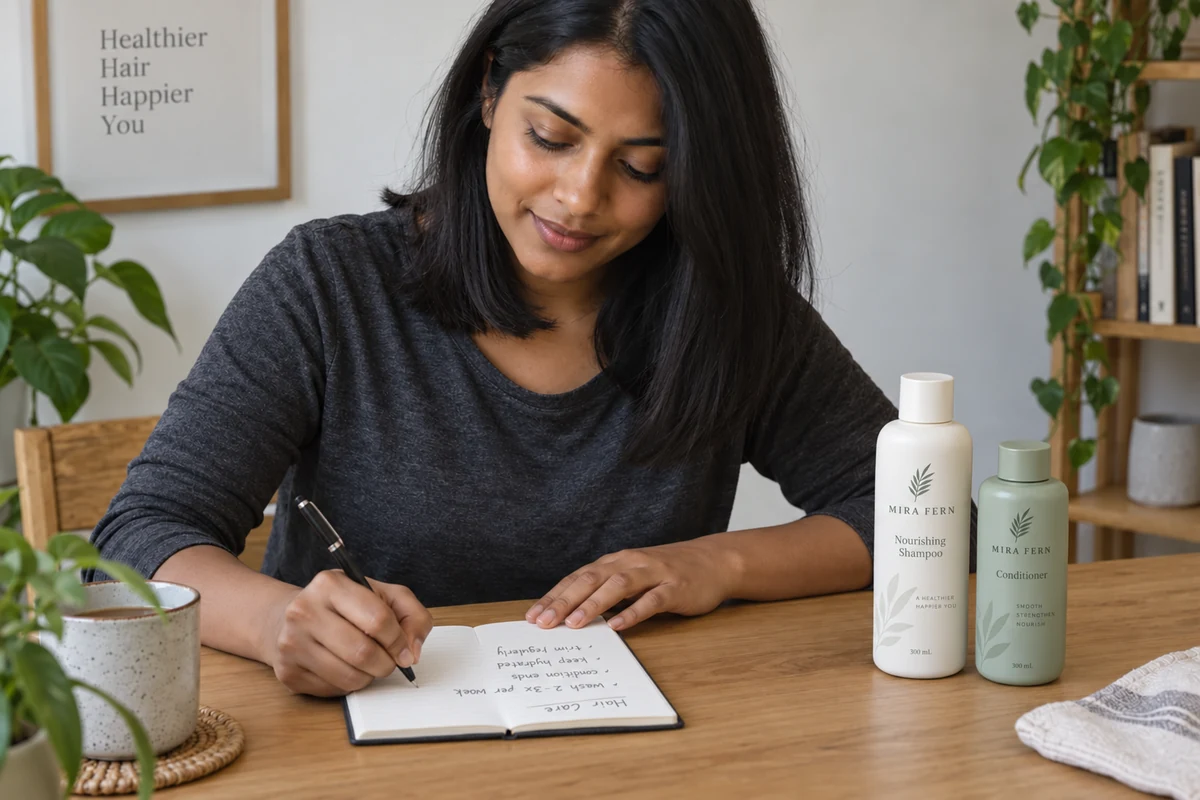
An adult with shoulder-length dark hair writes in a small notebook beside two closed bottles.

Write a short record of the change

Keep both product identities, the dates, the label photos and the exact difference in one place. Describe what you noticed. Don’t label the bottle fake or reformulated until you have something to go on.

Two adults compare a bottle's directions and a hair-care shopping note, with separate closed products in front of them.

Ask the maker a specific question

Give them the variant, the market and the batch code. Ask whether the formula or the directions changed and whether what you’re seeing in the package is expected. Keep their reply with your record.
Illustrated care examples: before & after

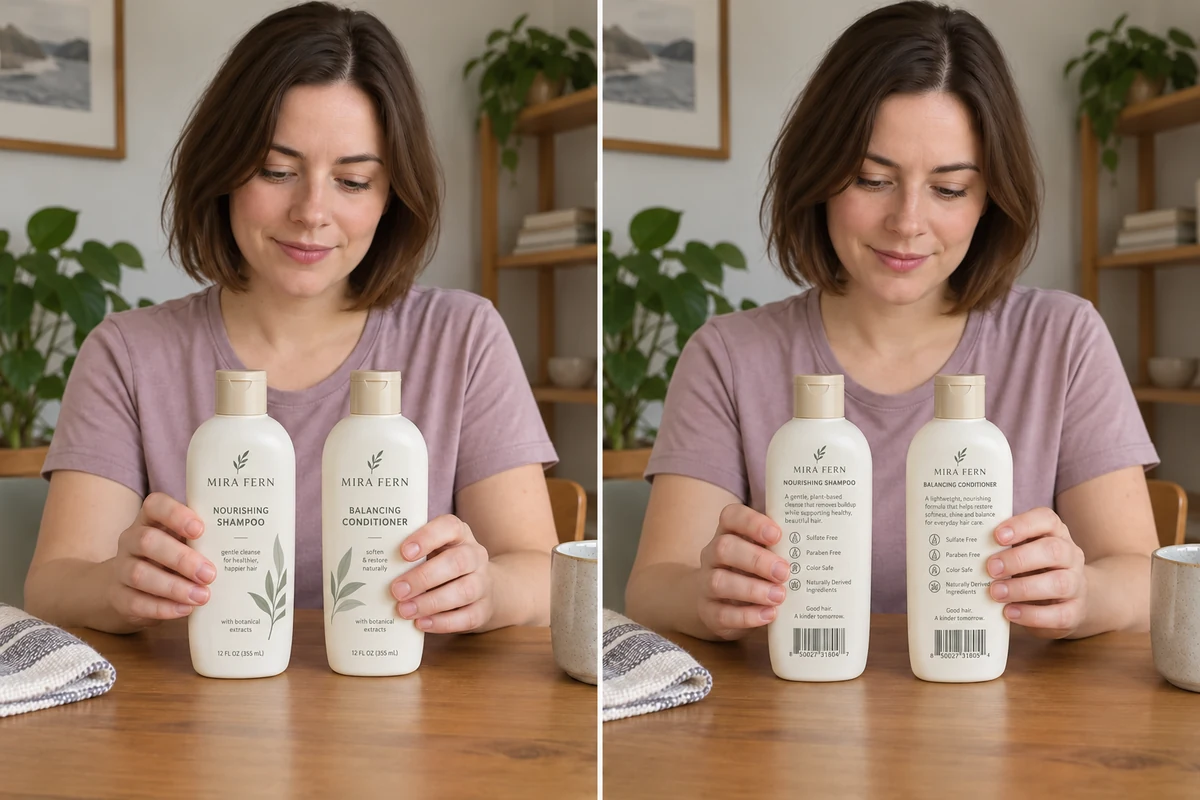
Compare the back panels

The same two similar bottles face forward, then are turned to show both back panels.
Before · two similar frontsAfter this step · both information panels together
The two back panels side by side show the exact variant and the directions. A label alone can’t tell you whether the formula changed.

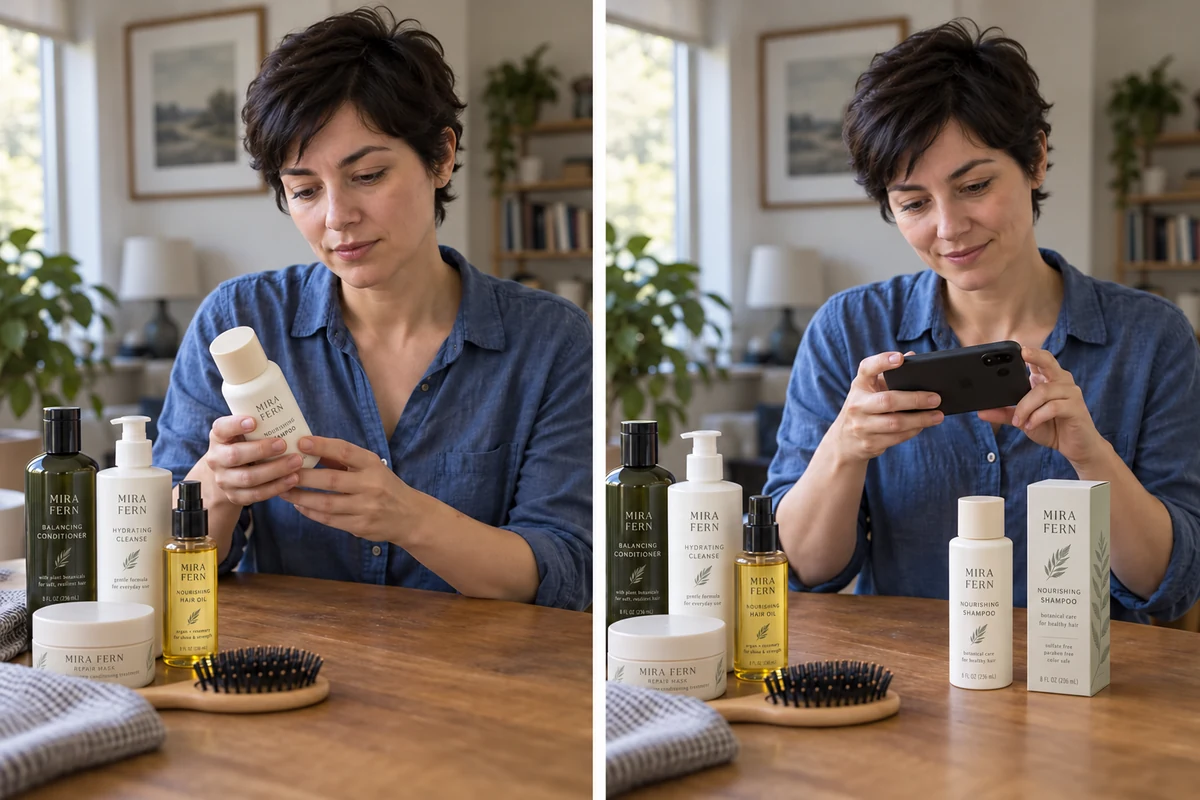
Set it apart and photograph it

An adult holds a bottle among other products, then photographs it set apart beside its box.
Before · bottle mixed into the shelfAfter this step · bottle apart, photographed with box
The bottle that seems different comes off the shelf and is photographed with its box, so the name, batch and purchase details are ready for your inquiry.
A woman with curls writing a routine note beside her hair-care products.

Help with your hair-care routine

Bring your hair-care questions to the consultation. You can also read interpreting a product trial.

  • Is this the same variant, sold for the same market?
  • What changed, the label or the way I used it?
  • What should I send the manufacturer?

The plan uses the hair and scalp details you share, past treatments, current products, preferences and the time and budget you have.

The Hair Care Consultation gives you a personal plan with product recommendations, routines and guidance on your hair-care questions.

$49 with 60 days of follow-ups, or $99 with 12 months. Pay once; the year renews only if you choose.