Hair Care Guides

Did that new product actually do anything?
Notice the conditions, not just the result.

You tried something new, and now you can’t tell whether it helped. That’s normal when several things changed at once. Pick one thing you wanted to improve, keep a rough note of how you used it, and be willing to call the answer unclear.

Your personal hair-care planProduct choices, routines and answers shaped around your hair.$49one-timeStart my consultation
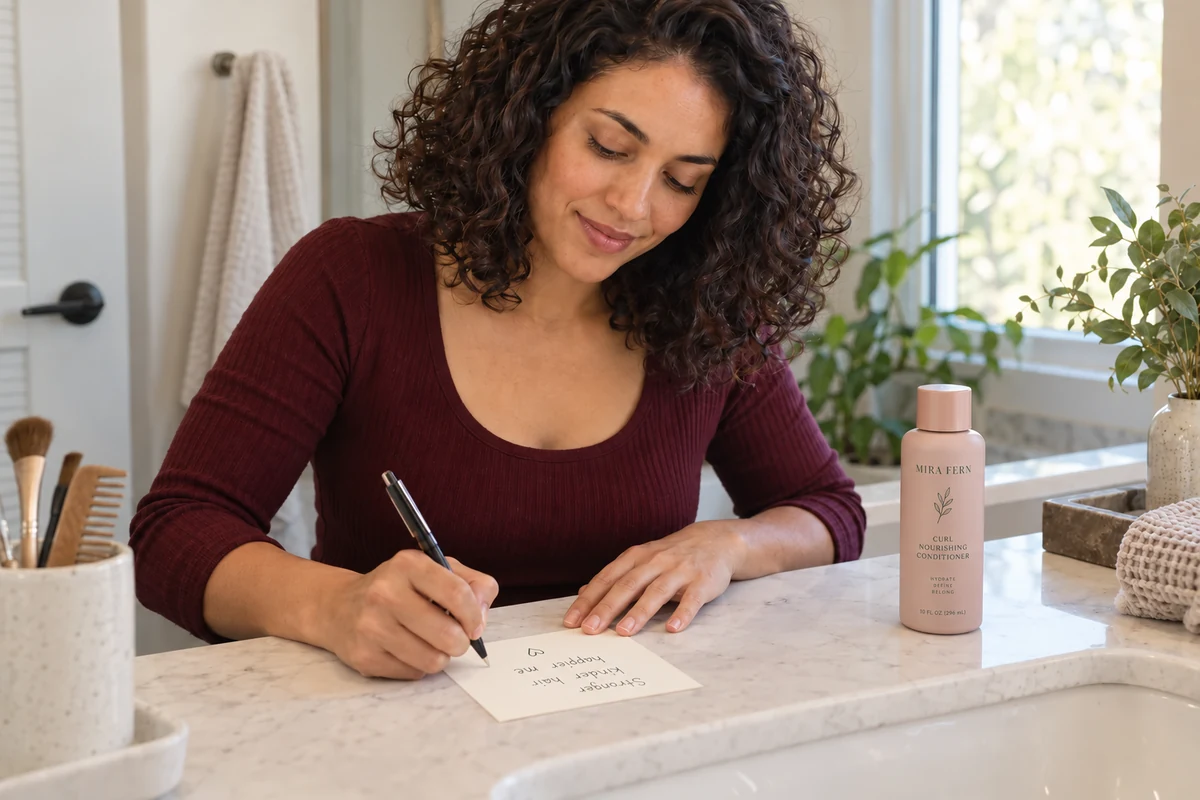
An adult with dark curls writes a short note beside one closed hair-care bottle.
Notice the conditions, not just the result.

What is going on

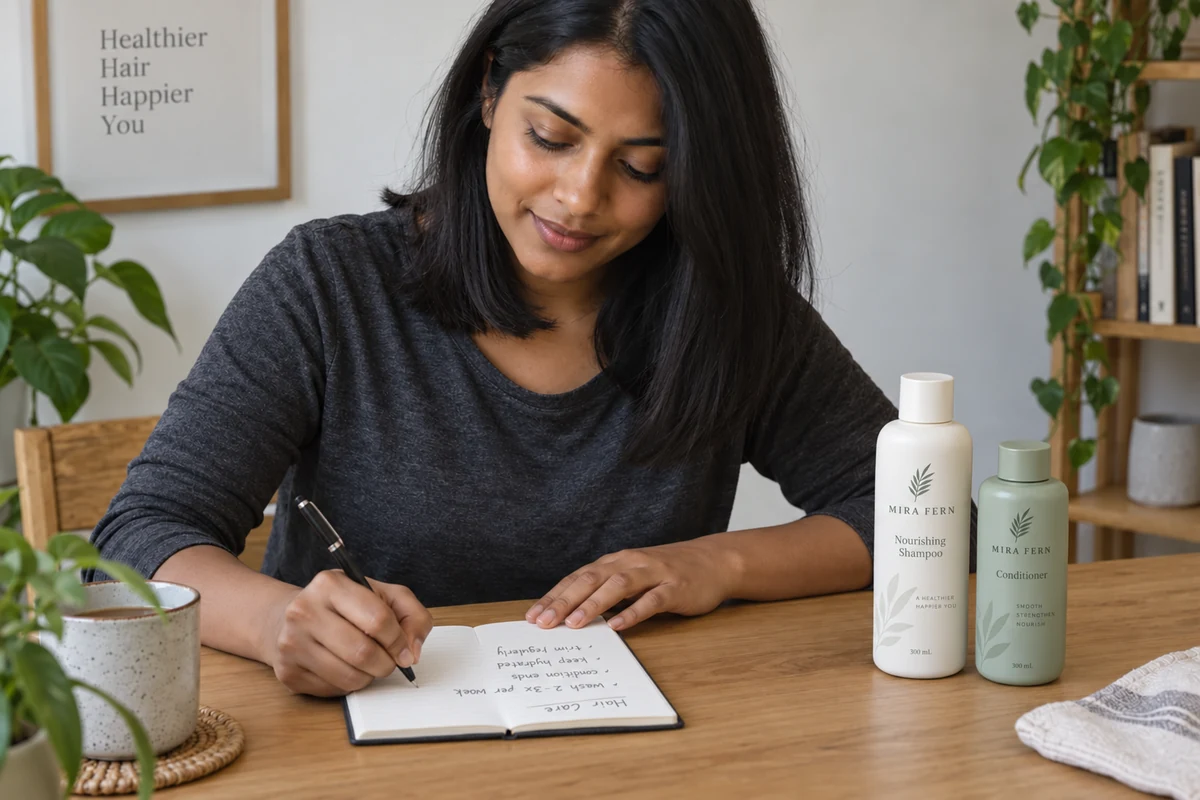
An adult with shoulder-length dark hair writes in a small notebook beside two closed bottles.

Decide what you’re judging before the next use

Pick something you can actually describe. Easier detangling, a lighter finish, hold that lasts the day. Healthier hair is too vague to test at home. What you notice on your own head is worth something, even if it doesn’t prove the product caused it.

A woman wearing glasses reads a hair product ingredient panel.

Check you used it the way it was meant

Note how much you used, whether your hair was wet or dry, where it went and whether you rinsed or dried after. A rinse-out left in, or a fixed-dose treatment eyeballed, isn’t a fair test. Treatments get used exactly as directed.

What helps, day to day

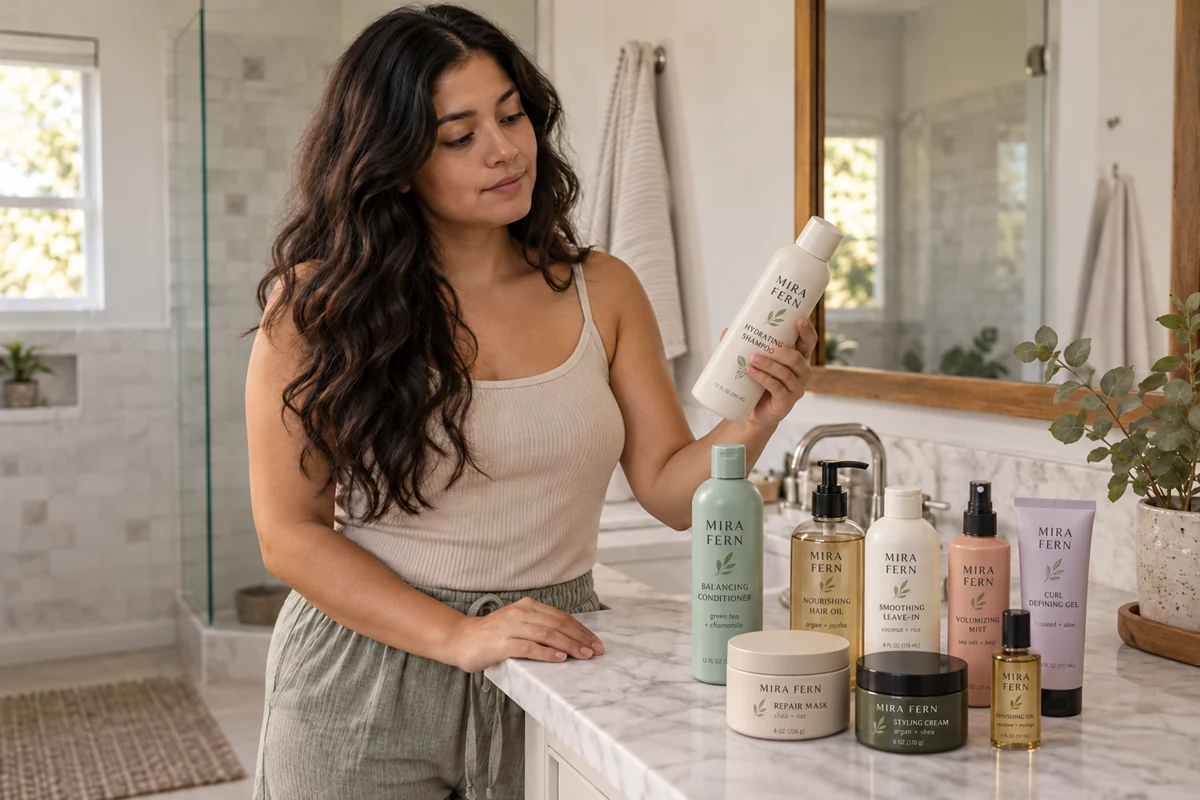
A woman considering several hair-care bottles and jars on her bathroom counter.

Several things changed at the same time

  • Write down everything that changed instead of crediting one bottle.
  • Keep the rest of your routine the same next time, as far as you can.
  • Change one thing on a later ordinary wash. You don’t have to repeat a result you hated.
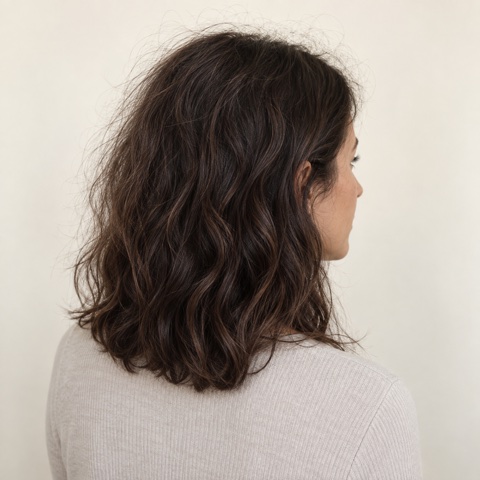
A side view of wavy hair with flyaways around the crown.

One day looked great and the next didn’t

  • Note the weather, how you dried, what else was in your hair and how long since you washed.
  • Judge the one result you set out to test.
  • If the conditions were different, call it unclear rather than a win or a flop.
A man seated at a dry dressing table with both forearms resting on a folded towel beside a mirror, comb and bottles.

You’re waiting for the promised number of washes

  • There’s no magic number of washes that makes a trial count.
  • Follow any exact instructions the product gives, but stop anything that irritates you.
  • Don’t keep going just to use up the bottle.

Products, by the job they do

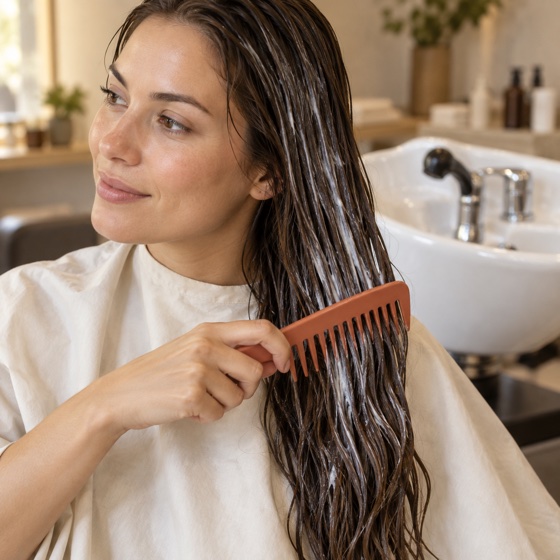
A woman detangling conditioned hair with a wide-tooth comb.

Judge a conditioner while you comb

Notice how the comb moves during your usual detangle and how the hair feels after rinsing. Keep that separate from how a styler holds or how much volume you got.

Browse rinse-out conditioners. Tell the consultation what you want from a conditioner and what you disliked about previous ones.

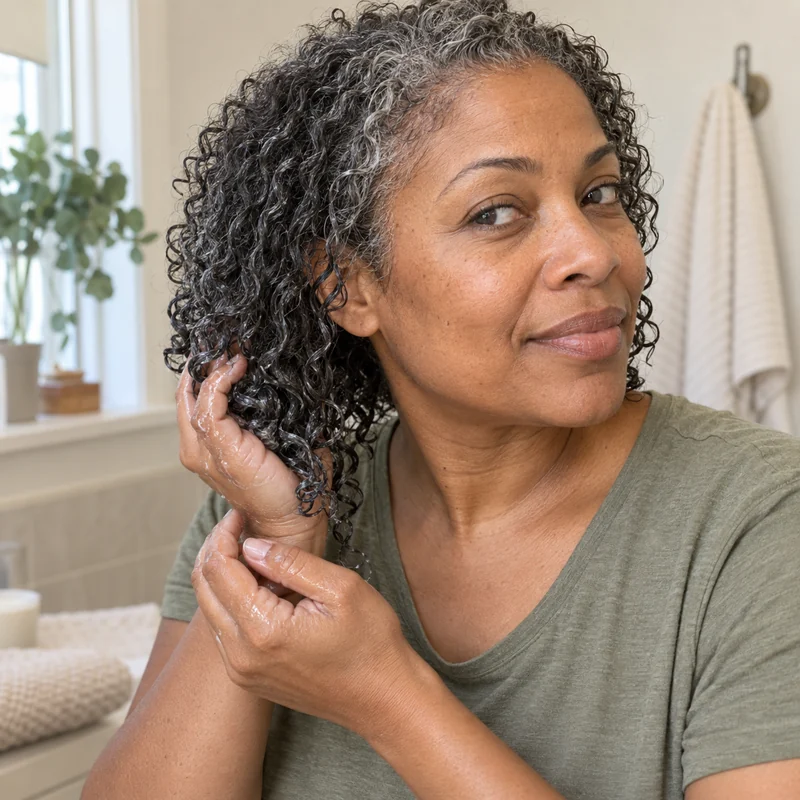
A woman cupping a damp curl section with styling gel on her hands.

Judge a styler once it’s set

Wait for the drying or settling time the directions give. Compare the result with the one thing you set out to improve.

Browse styling products. The consultation uses your hair details and styling habits to compare creams, mousses and gels.

How to do it

Supporting dry ends while distributing a small amount of styler.

1. Change only the amount, and only where that’s allowed

This is for an everyday styler whose directions let you start small and add more. Try it on one section you can see and note the result once it’s set. Fixed-dose treatments and chemical-service products aren’t adjusted this way.

Guide: Adjust styling product amount

Illustrated care examples: before & after

One change at a time

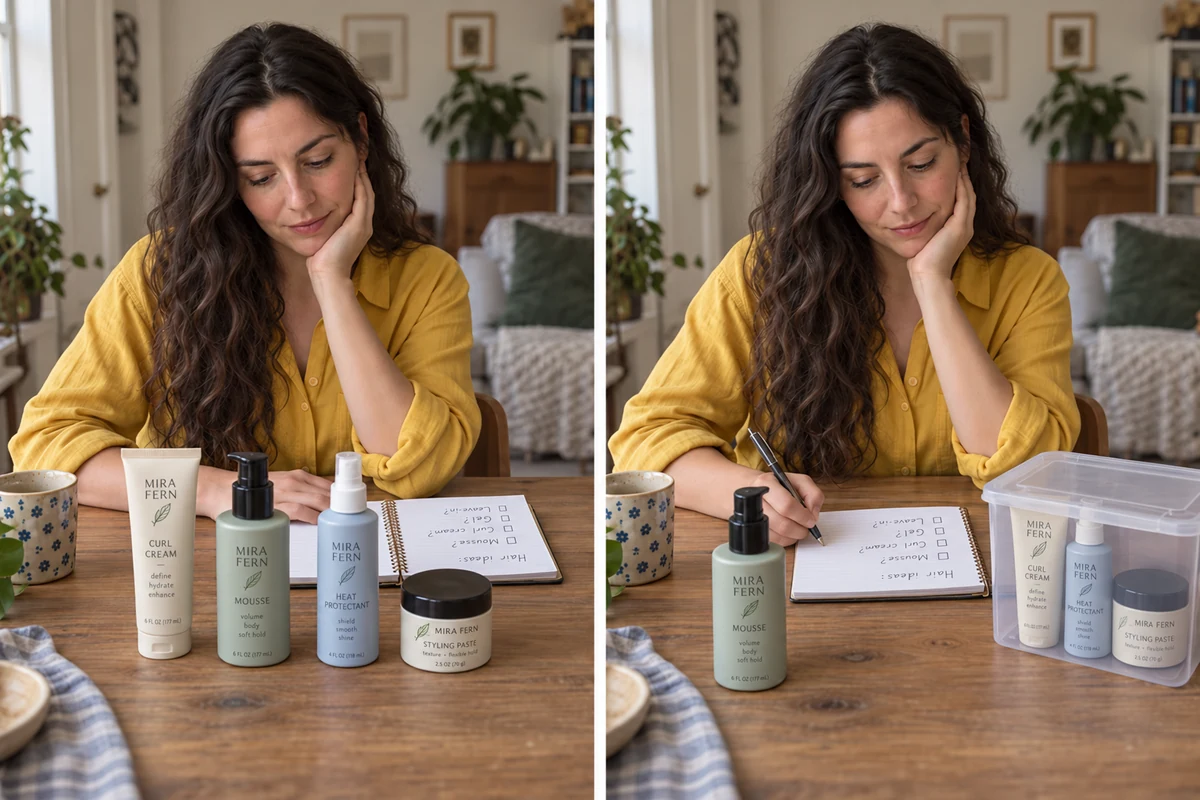
Several styling products sit beside a notebook, then one remains out while the others are in a separate storage box.
Before · several stylers lined upAfter this step · one chosen, the rest aside
One styler stays and the others go back on the shelf. Keeping everything else the same makes what you notice easier to describe, not proof of anything.

Notes that separate cause and result

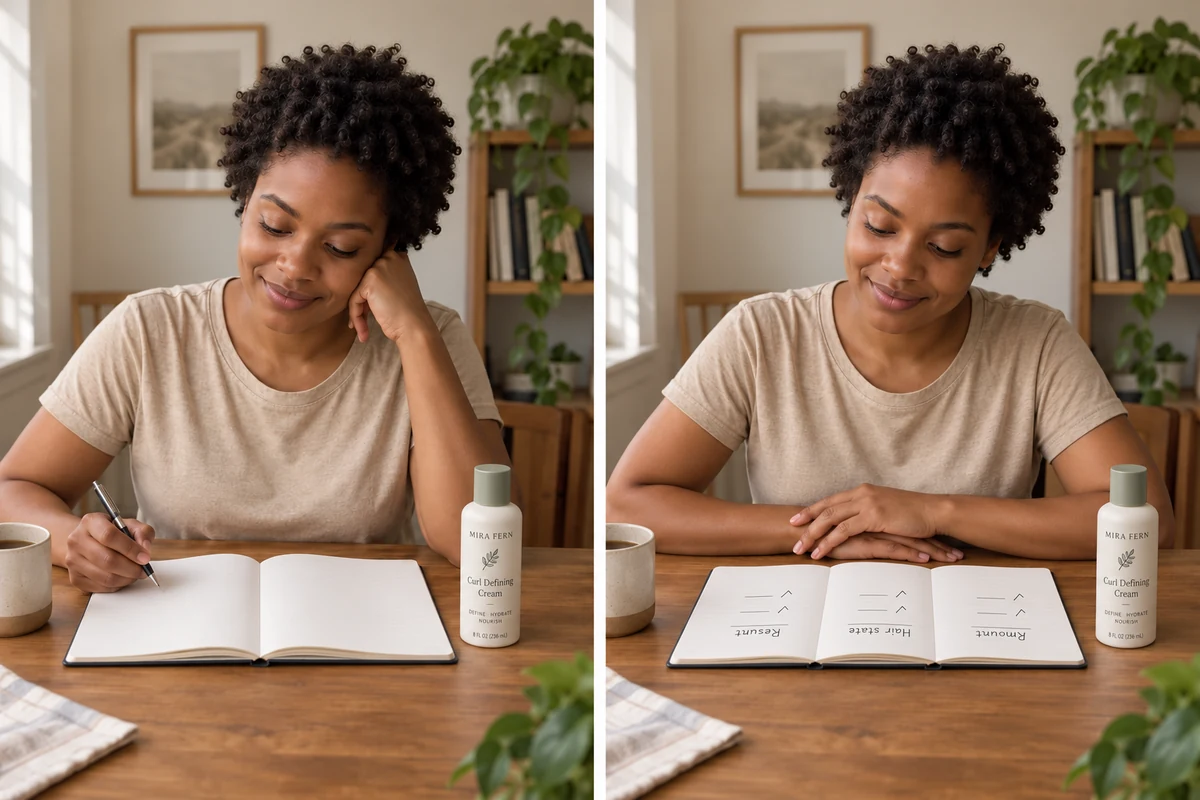
A blank notebook beside one bottle becomes a short record headed Amount, Hair state and Result.
Before · a notebook with nothing notedAfter this step · amount, hair state, result apart
A few lines on the amount, the hair’s state and what happened keep the doing apart from the result. Some causes stay unknown, and that is fine.
A woman with curls writing a routine note beside her hair-care products.

Help with your hair-care routine

Bring your hair-care questions to the consultation. You can also read investigating a familiar product that seems different.

  • What am I actually trying to find out?
  • What else was different on the days it worked or didn’t?
  • Is the answer clear enough to decide what to buy next?

The plan uses the hair and scalp details you share, past treatments, current products, preferences and the time and budget you have.

The Hair Care Consultation gives you a personal plan with product recommendations, routines and guidance on your hair-care questions.

$49 with 60 days of follow-ups, or $99 with 12 months. Pay once; the year renews only if you choose.