Hair Care Guides

Vegan and cruelty-free are two different questions.
Check each one on its own.

If you care about both animal-derived ingredients and animal testing, you have to check both. A statement on the bottle, a brand policy and a certification each cover different things. Note the source and date, and let an unknown stay unknown until you know.

Your personal hair-care planProduct choices, routines and answers shaped around your hair.$49one-timeStart my consultation
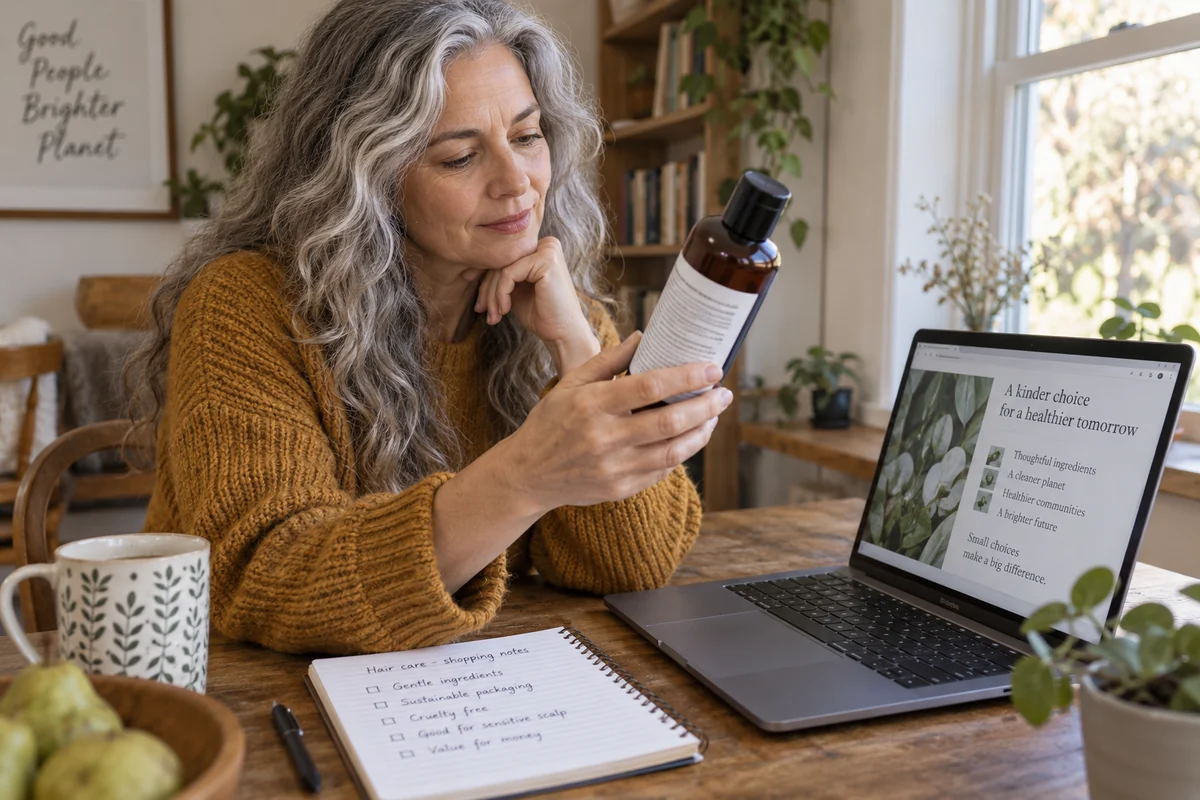
An adult with long gray waves reads a bottle beside a laptop and shopping notes.
Check each one on its own.

What is going on

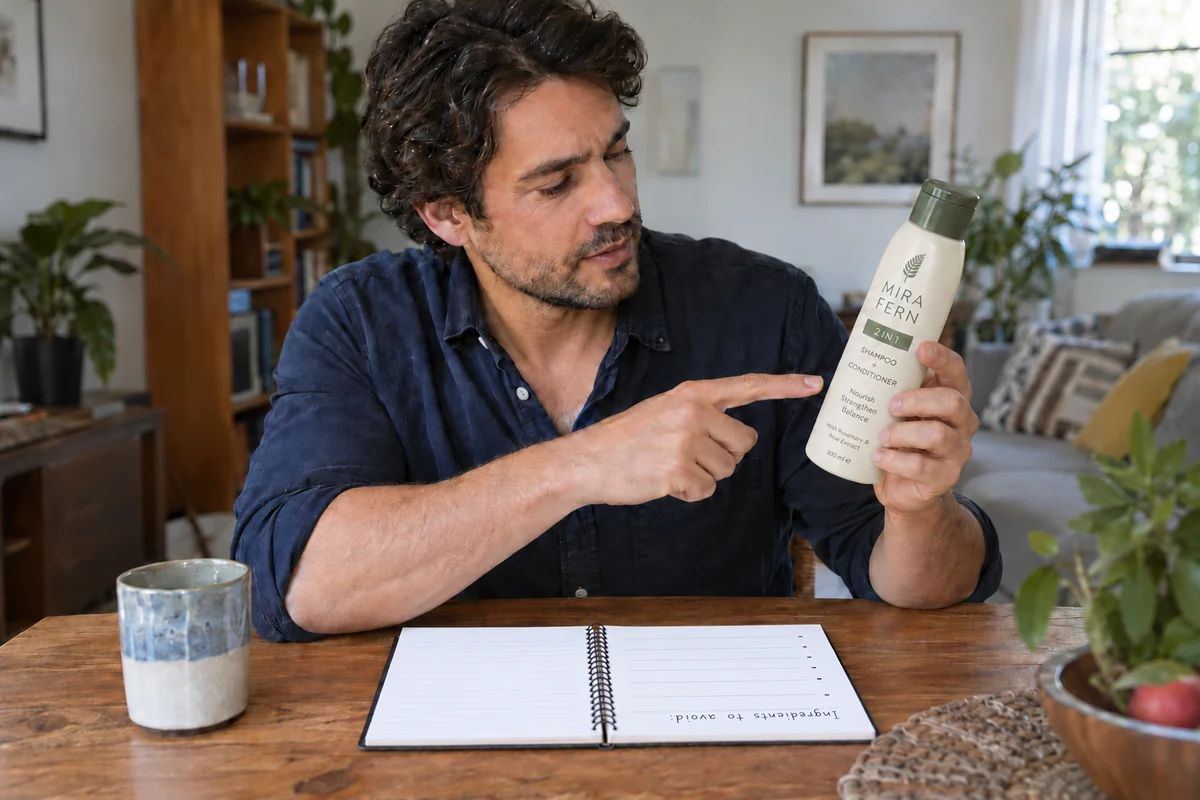
A man checks a bottle label beside his written ingredient avoidance note.

The ingredient question

Look for evidence about the exact product you’re holding and whether anything in it comes from an animal. An ingredient name on its own often won’t tell you where it was sourced. One vegan product doesn’t make the whole brand vegan, so check each one.

Two adults compare a bottle's directions and a hair-care shopping note, with separate closed products in front of them.

The testing question

Read what a policy or certification actually covers. The finished product, the ingredients, the suppliers and any testing done on the company’s behalf can each be handled differently. A no-animal-testing claim is about testing only. Ingredient origins are a separate check.

What helps, day to day

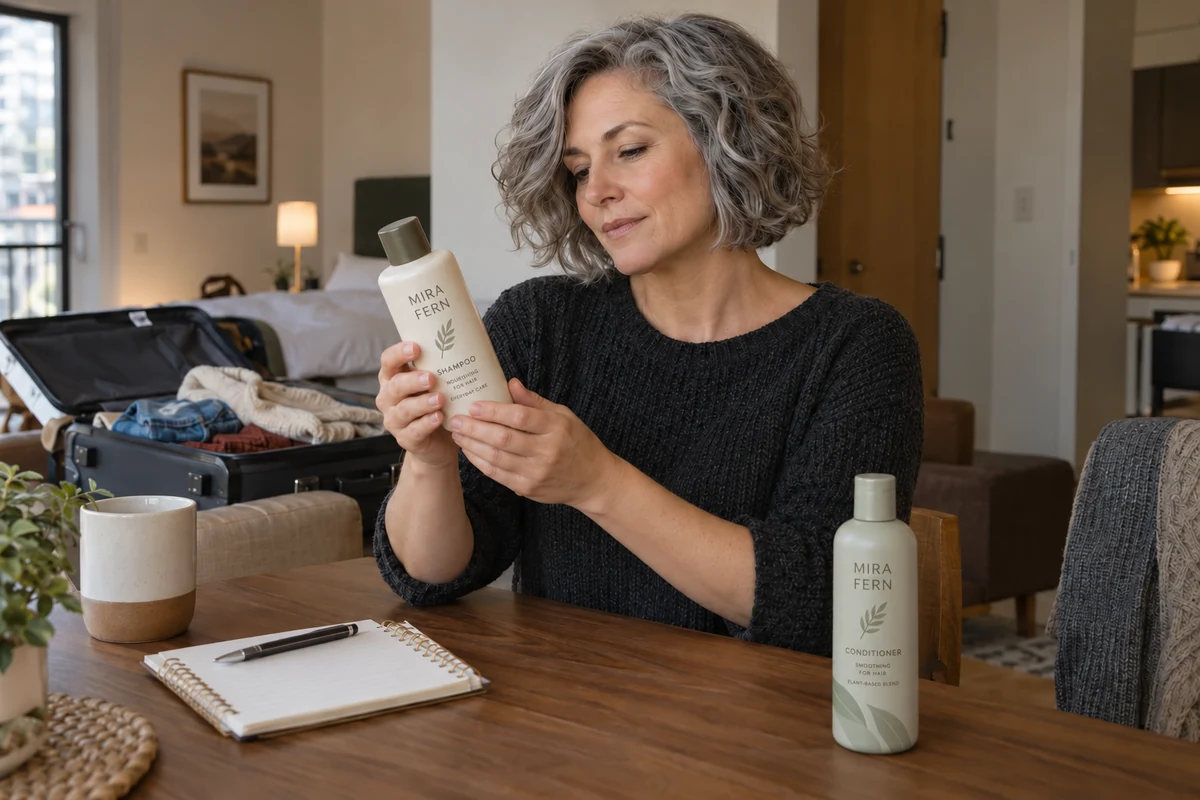
A woman with a gray wavy bob examines a bottle in both hands at a temporary apartment table beside a notebook and open suitcase.

There’s a logo or short claim on the pack

  • Find out who owns that mark and read what their current standard requires.
  • Check their current listing for the exact product or brand.
  • Not every animal-shaped symbol is a certification.
A woman uses a tablet displaying product directions beside a capped hair-care bottle at a dry desk.

One certification can cover both

  • Read the program’s rules rather than treating every mark the same.
  • The Vegan Society’s product standard, for instance, covers animal ingredients and sets out animal-testing requirements too.
  • A bare vegan claim with no certification behind it isn’t the same thing.
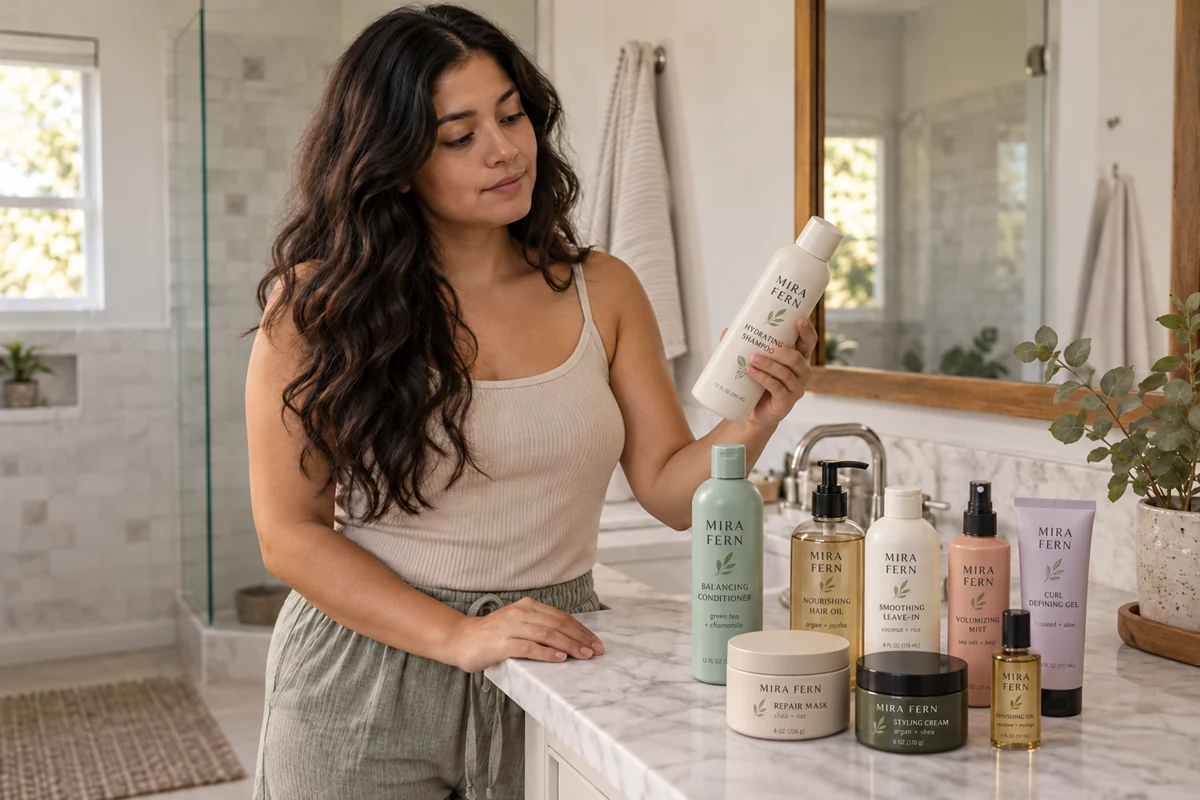
A woman considering several hair-care bottles and jars on her bathroom counter.

The evidence is missing or contradicts itself

  • Write down what you know and what you still need to confirm.
  • If the missing fact is a dealbreaker for you, hold off on buying.
  • No listing isn’t proof of animal testing, and an unanswered question isn’t a pass either.

Products, by the job they do

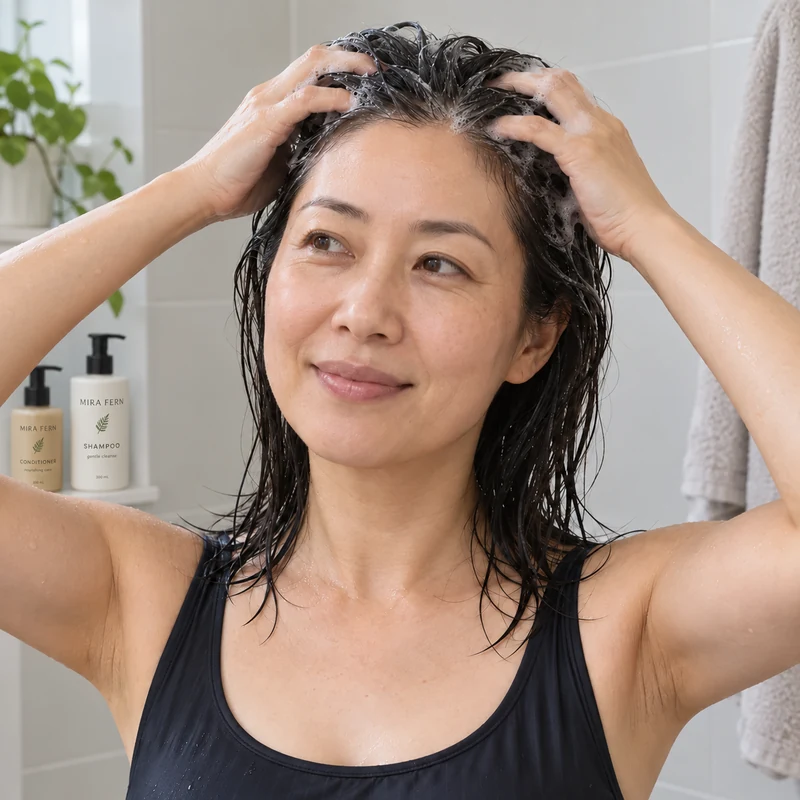
A woman massaging shampoo lather onto her scalp with her fingertips.

Then choose the shampoo for your scalp

Once the ethical checks are done, pick a cleanser that suits your scalp and routine. An ethical status tells you nothing about how strongly it cleans.

Browse cleansing products. Your current shampoo, wash schedule and past treatments help guide a personal recommendation.

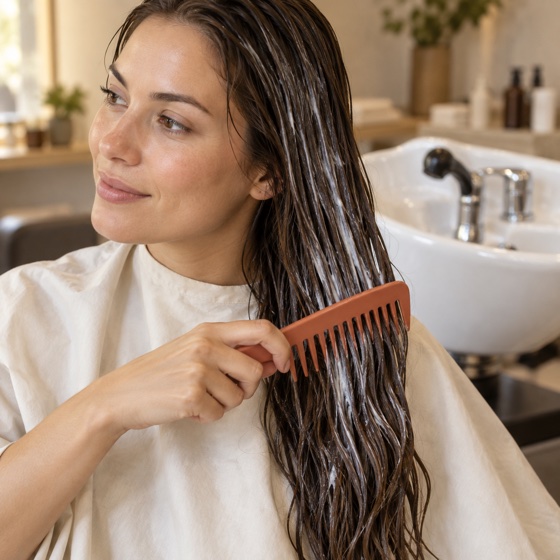
A woman detangling conditioned hair with a wide-tooth comb.

Conditioner is its own check

Check the evidence for the exact conditioner, then judge it as a conditioner. How it rinses and how much slip it gives are separate from the brand’s testing policy, which can’t tell you which one suits your lengths.

Browse rinse-out conditioners. Your tangles, past treatments and preferred finish help guide a personal conditioner recommendation.

Putting it into practice

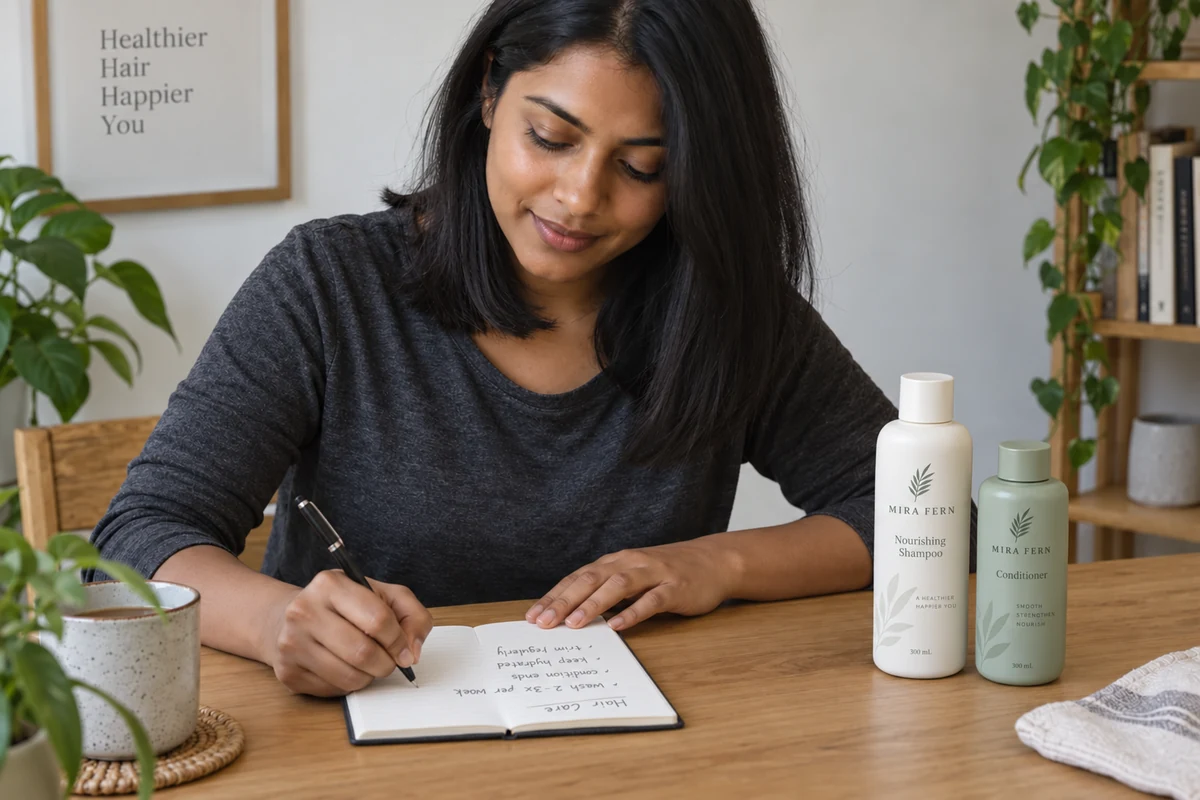
An adult with shoulder-length dark hair writes in a small notebook beside two closed bottles.

Keep two columns

Record animal-derived ingredients and animal testing as two separate lines, each with its source, what it covers and the date you checked. A parent company’s statement doesn’t automatically cover every brand it owns, so don’t carry it across.

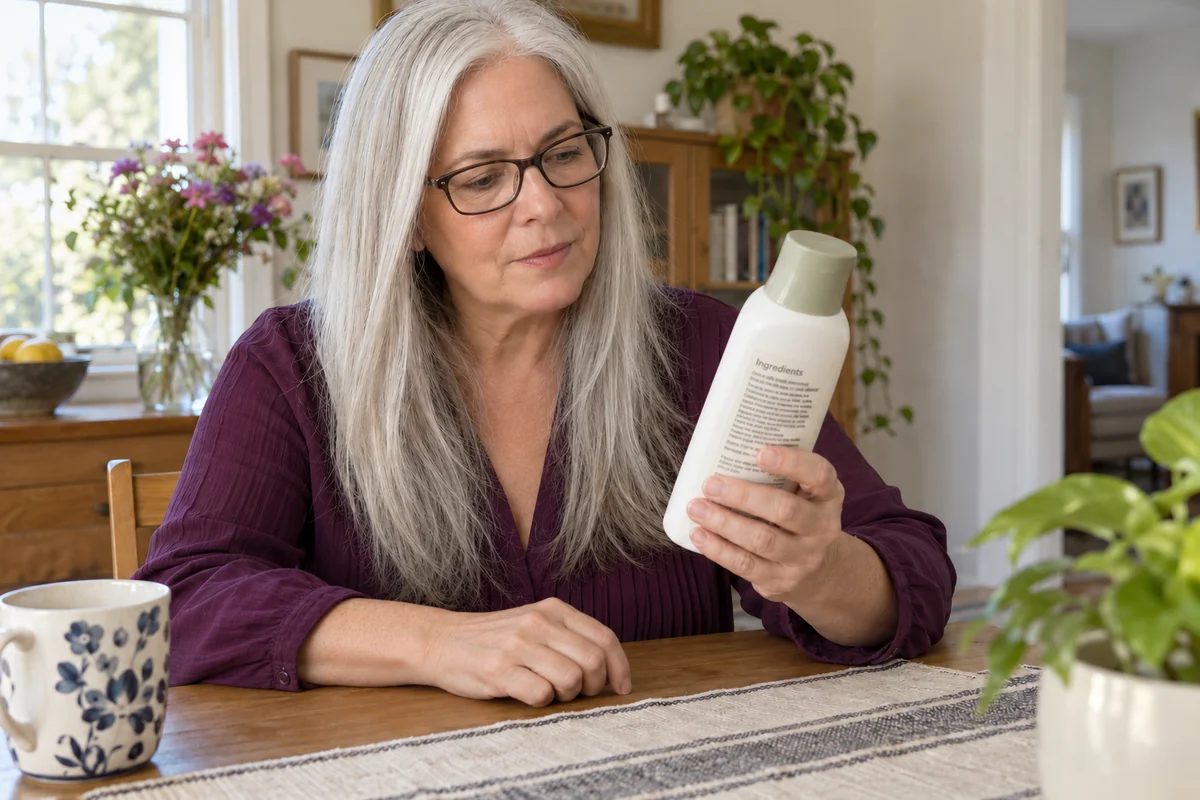
A woman wearing glasses reads a hair product ingredient panel.

Recheck when you buy it again

Confirm the current product name, the variant and the evidence before you reorder. Packaging, formulas and policies all change. If something has changed and you can’t resolve it, leave it marked unresolved rather than assuming the old answer still holds.

Illustrated care examples: before & after

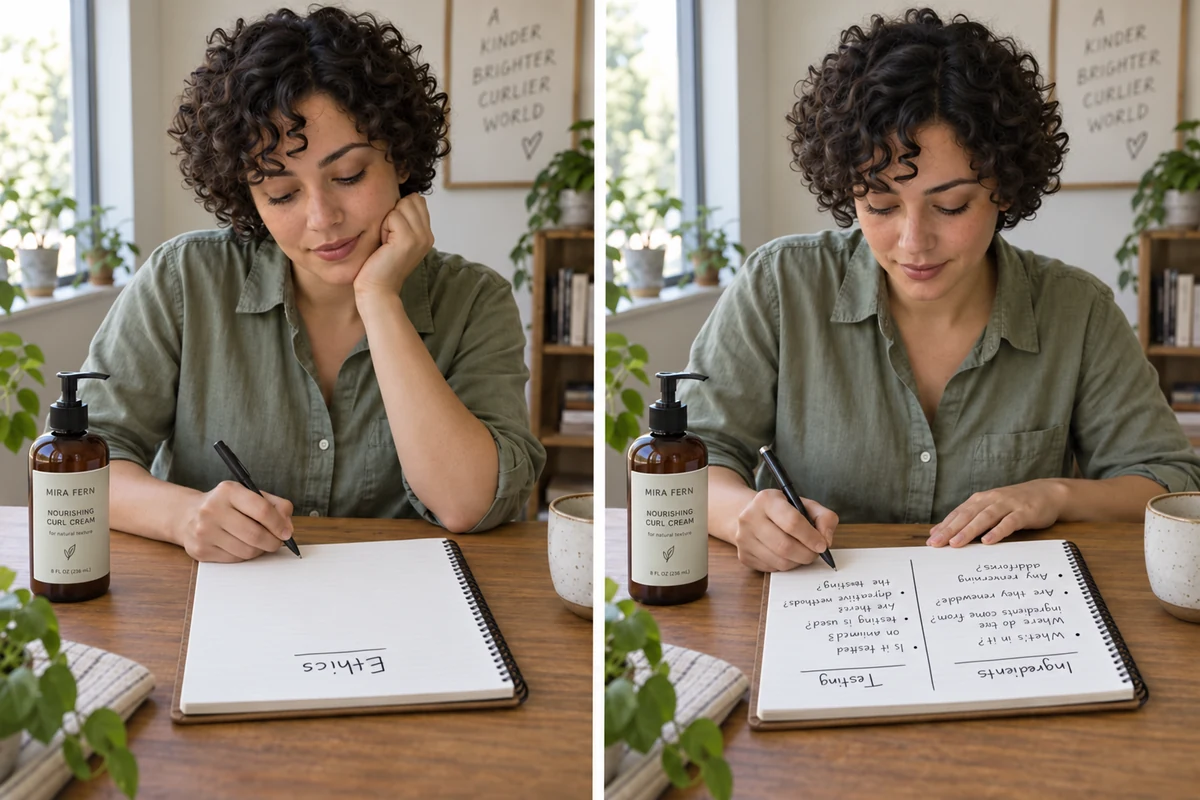
Two questions, two columns

A notebook headed Ethics becomes two columns headed Ingredients and Testing beside the same bottle.
Before · one broad ethics headingAfter this step · origins and testing split apart
Ingredient origins and animal testing get a column each instead of one shared heading. Some standards cover both, so read their scope before trusting a label.

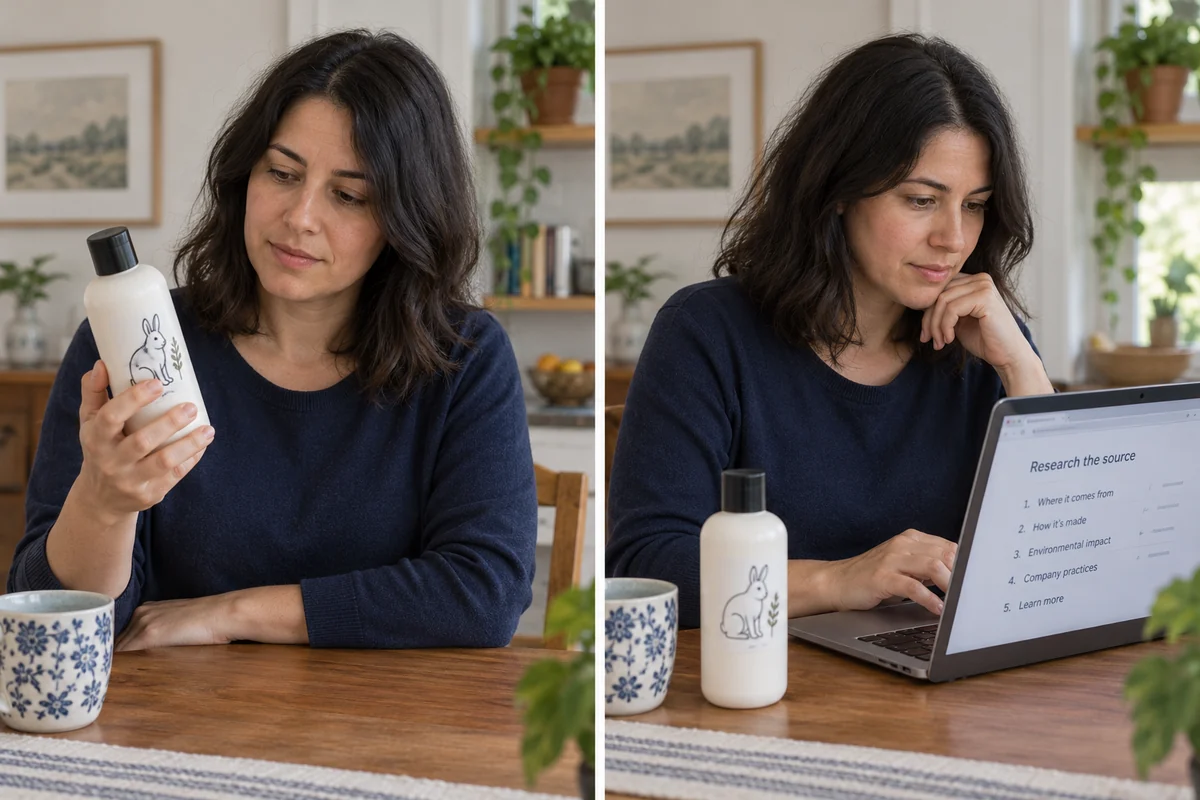
Behind the animal on the label

An adult inspects a bottle with an animal drawing, then looks at a source checklist on a laptop with the bottle set down.
Before · an eye-catching animal drawingAfter this step · checking beyond the package
A drawing on the bottle is where the question starts, not where it ends. Look up the program behind it and its current listing.
A woman with curls writing a routine note beside her hair-care products.

Help with your hair-care routine

Bring your hair-care questions to the consultation. You can also read reading cosmetic marketing claims.

  • Do I care about one of these or both?
  • Does this source actually cover the product in my hand?
  • What do I do when the answer is unknown?

The plan uses the hair and scalp details you share, past treatments, current products, preferences and the time and budget you have.

The Hair Care Consultation gives you a personal plan with product recommendations, routines and guidance on your hair-care questions.

$49 with 60 days of follow-ups, or $99 with 12 months. Pay once; the year renews only if you choose.