Hair Care Guides

Turn a buzzword into a question.
What does it do, and what’s in it?

Clean, natural and chemical-free sound reassuring, and they tell you almost nothing about whether a product will suit you. It’s easy to feel you’ve been buying the wrong things. Start with what you want the product to do, then check what the claim actually means.

Your personal hair-care planProduct choices, routines and answers shaped around your hair.$49one-timeStart my consultation
An adult with long dark hair studies a hair-care bottle’s back panel at a table.
What does it do, and what’s in it?

What is going on

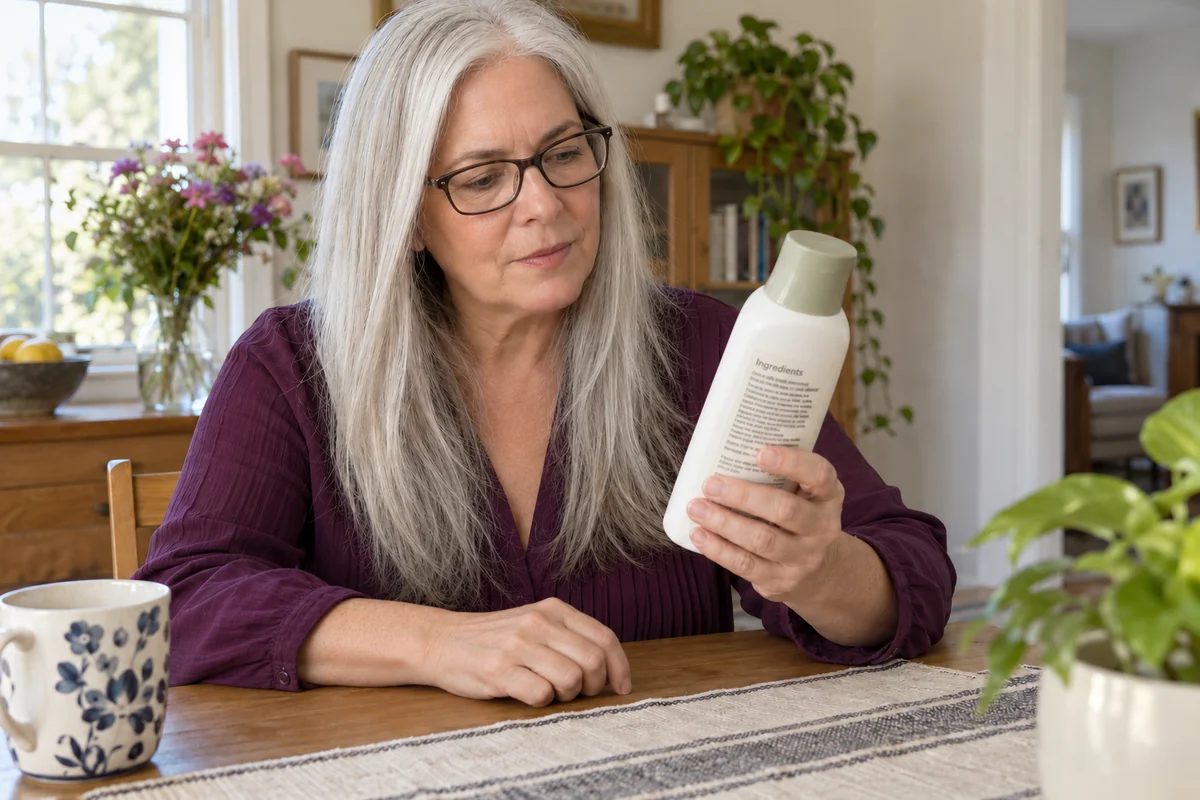
A woman wearing glasses reads a hair product ingredient panel.

Ask what the phrase means

Look for the brand’s own definition and the ingredient list. Chemical-free is impossible, since water and plant extracts are chemicals too. Clean has no fixed meaning, so it won’t tell you what’s left out, how it performs or whether it suits you.

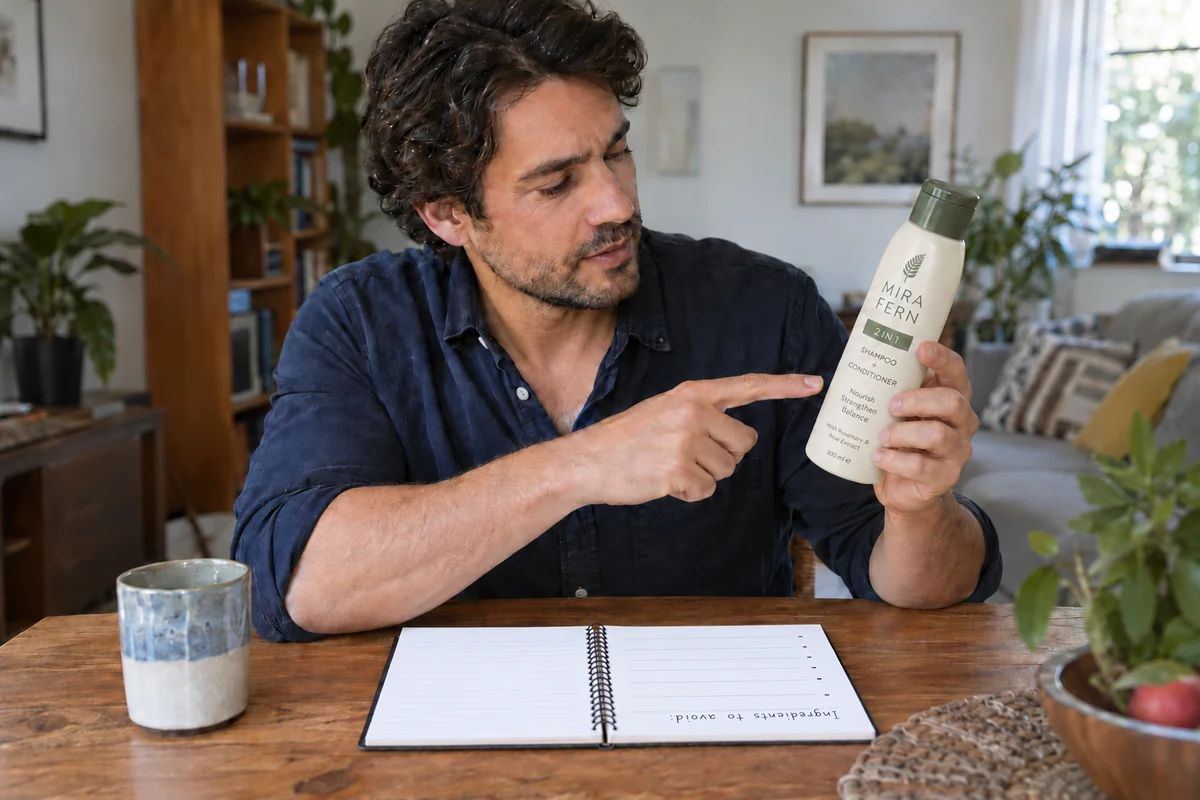
A man checks a bottle label beside his written ingredient avoidance note.

Where it comes from and whether it suits you are different

Natural or organic says where an ingredient came from, not how your skin or hair will react to it. If there’s something you know you need to avoid, look for it by name. A green-looking package can’t do that checking for you.

What helps, day to day

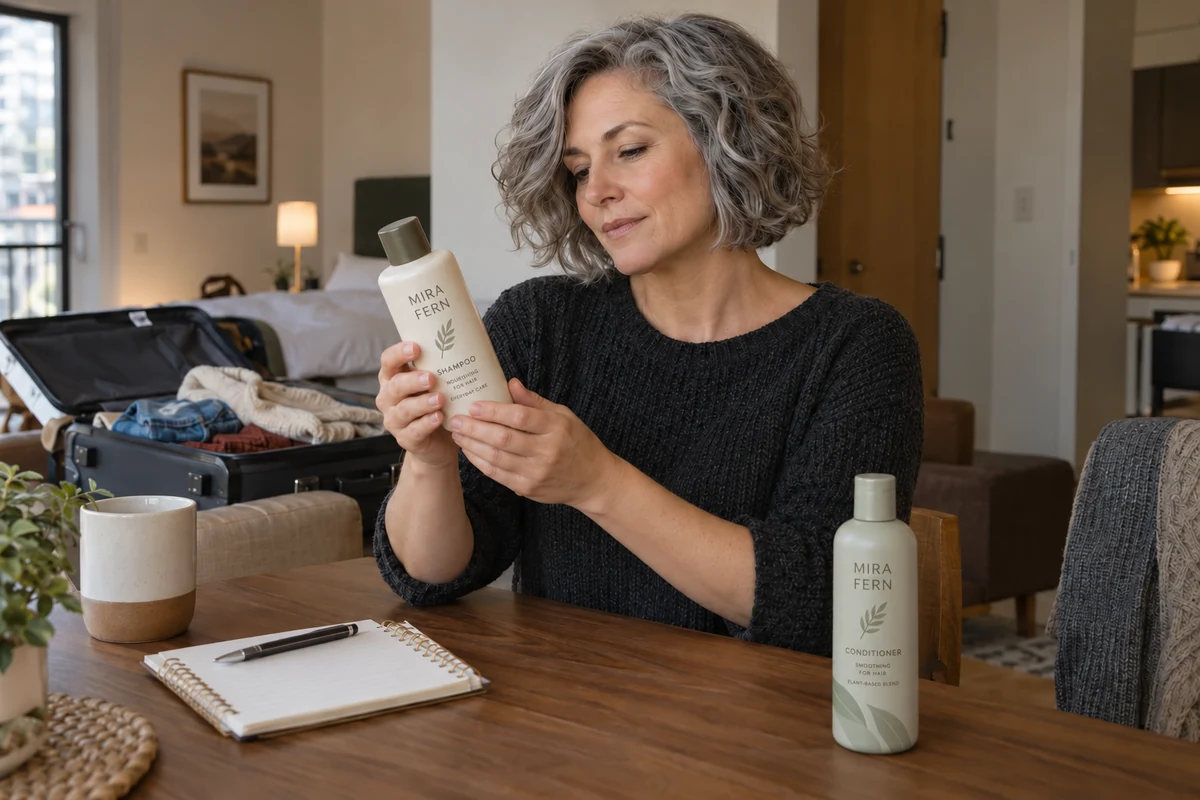
A woman with a gray wavy bob examines a bottle in both hands at a temporary apartment table beside a notebook and open suitcase.

The front of the bottle sounds better than the back

  • Turn it over and read what it’s for, how to use it and the warnings.
  • Look for a precise explanation of any claim you care about.
  • If the meaning stays vague, treat it as unknown rather than filling in a benefit yourself.
Two adults compare a bottle's directions and a hair-care shopping note, with separate closed products in front of them.

The free-from list becomes the whole decision

  • Name the one ingredient you actually want to avoid, and why it matters to you.
  • Then check whether the product still does the job you bought it for.
  • Leaving something out doesn’t make a formula work better or feel nicer on its own.
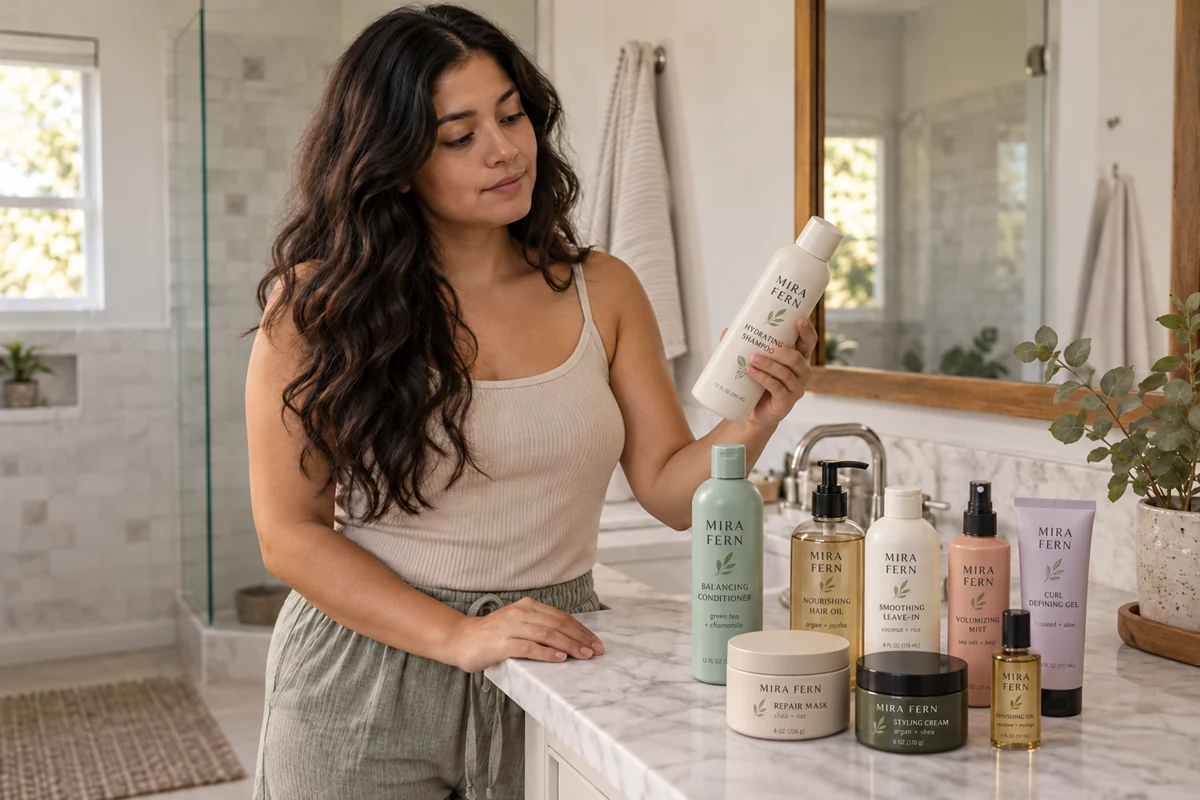
A woman considering several hair-care bottles and jars on her bathroom counter.

The marketing makes your working shelf feel wrong

  • If what you have does the job and respects your known restrictions, keep it.
  • A new word on the packaging is not a reason for a detox or a fresh start.
  • Change something when there’s a specific job it isn’t doing, not because of a blanket ingredient list.

Products, by the job they do

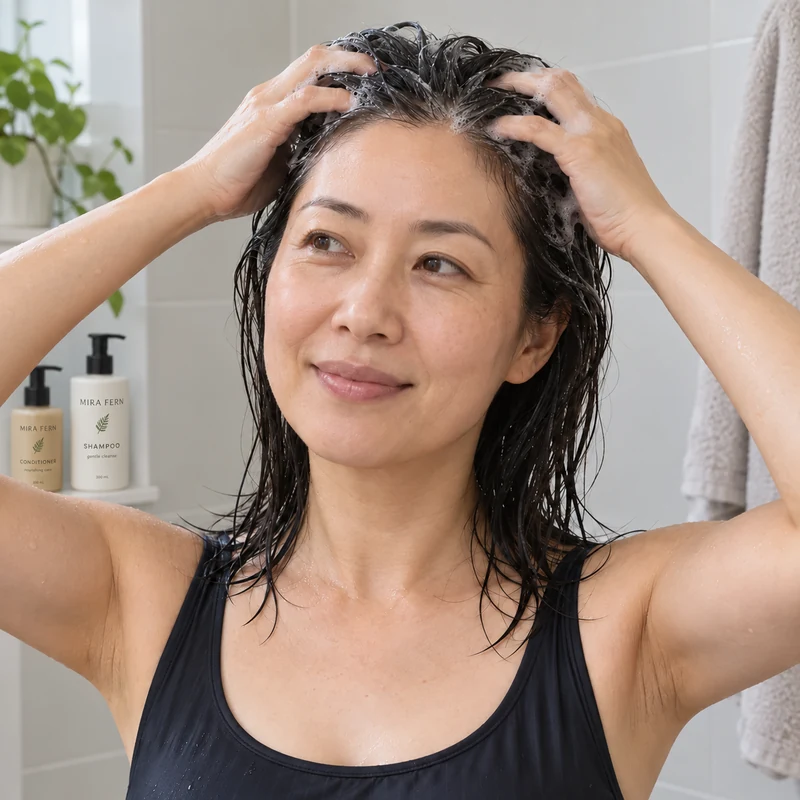
A woman massaging shampoo lather onto her scalp with her fingertips.

Judge a cleanser by how it cleanses

Check that it’s actually made to wash hair or scalp and that the directions fit your routine. The botanical look on the bottle is a design choice. How it cleanses is a separate question.

Browse cleansing products. The consultation uses your wash frequency and scalp concerns to recommend a shampoo.

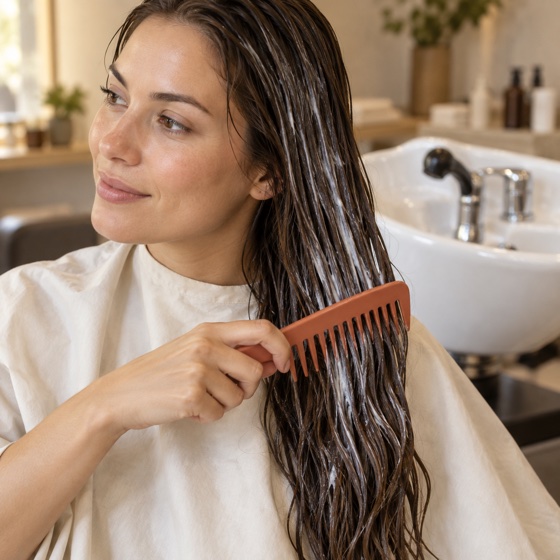
A woman detangling conditioned hair with a wide-tooth comb.

Judge a conditioner by the job

Work out which conditioning step you need and whether it should rinse out or stay in.

Browse rinse-out conditioners. The consultation uses your hair details and treatment history to compare conditioner options.

Put it into practice

A woman uses a tablet displaying product directions beside a capped hair-care bottle at a dry desk.

Write down one question you can answer

Something like whether this rinse-out conditioner contains the ingredient you avoid. Then find the full label, or ask the maker about that exact version. If you can’t get a clear answer, write down that you don’t know.

An adult with shoulder-length dark hair writes in a small notebook beside two closed bottles.

Note why you chose it

Write down the job, the one preference that mattered and where you checked. Next time you’re standing in the aisle, you’ll have a reason to go on, without having to rank every ingredient as good or bad.

Illustrated care examples: before & after

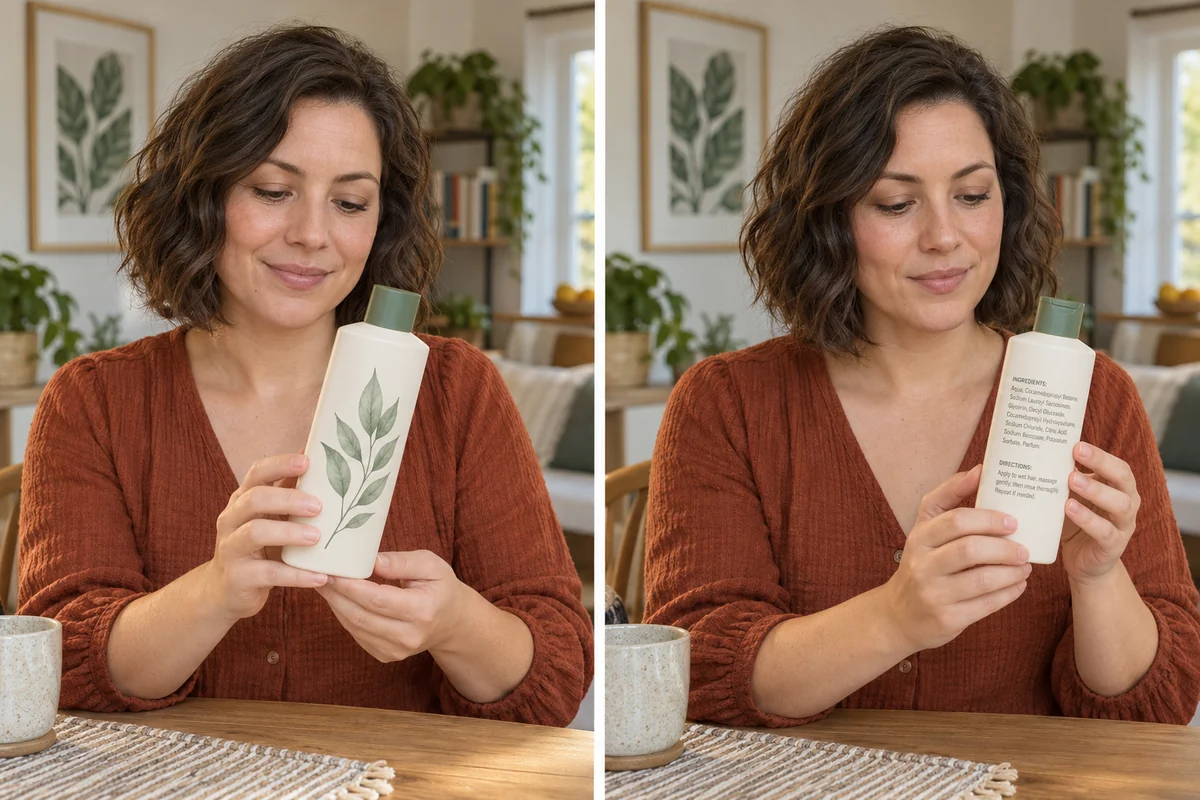
Past the leaf artwork

The same adult presents a bottle’s leaf-decorated front, then turns it to reveal its back information panel.
Before · leaf artwork facing outAfter this step · back panel turned to read
The front shows leaves. The back shows the directions and the ingredient list, which are what actually tell you about the product.

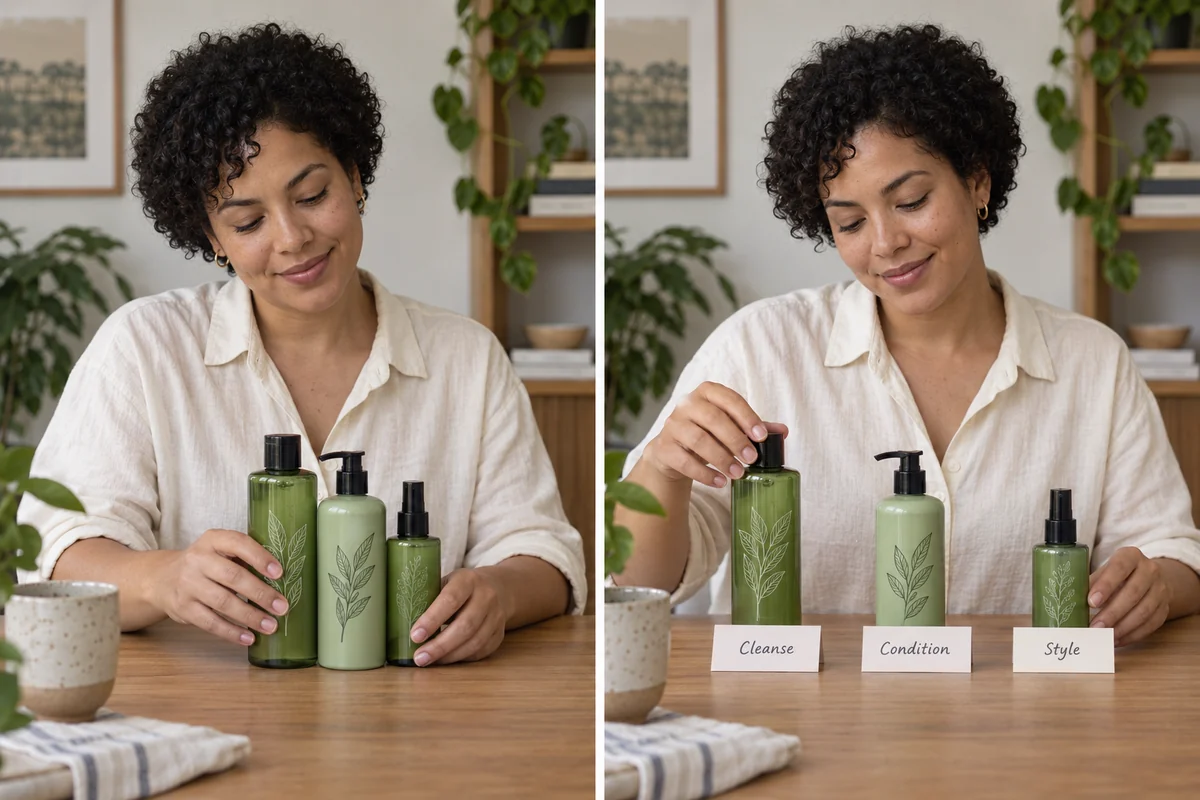
Sort by job, not by look

Three similar botanical-looking bottles are grouped together, then separated beside Cleanse, Condition and Style cards.
Before · bottles grouped by appearanceAfter this step · cleansing, conditioning, styling apart
The lookalike bottles are regrouped by what each one does. With a real product, read the label before deciding which pile it belongs in.
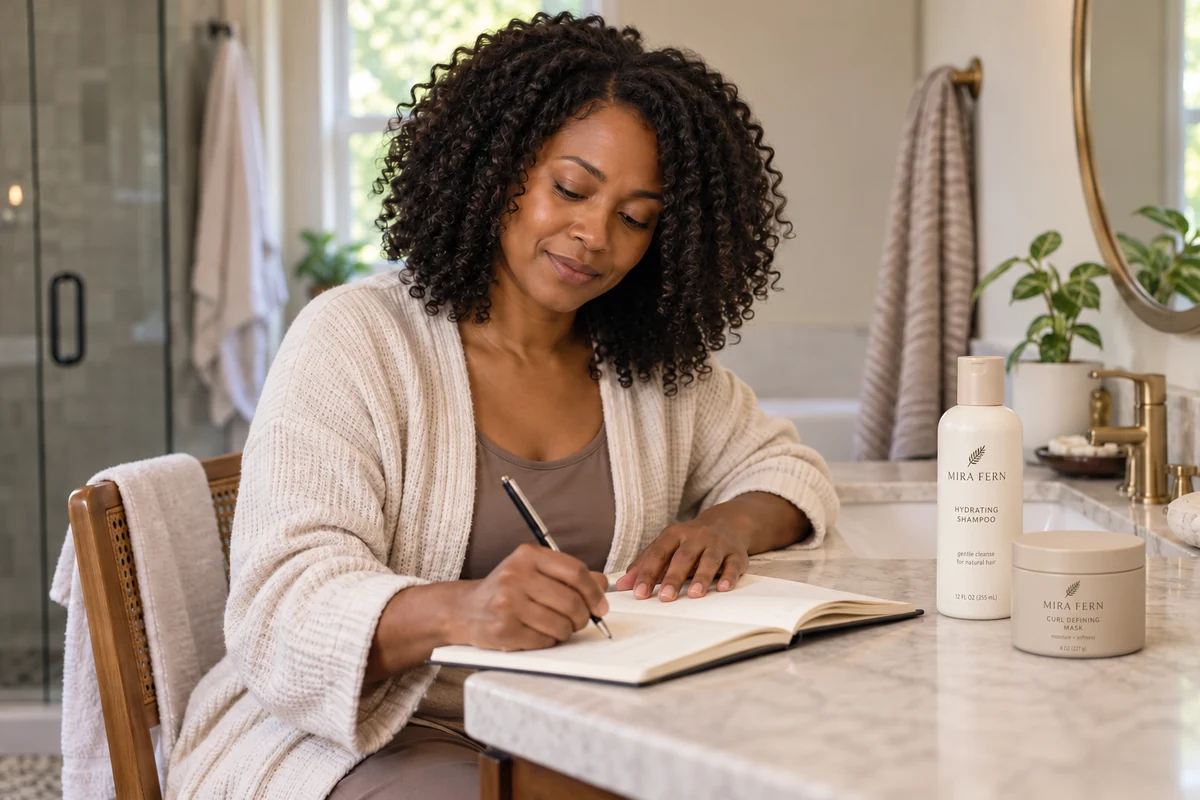
A woman with curls writing a routine note beside her hair-care products.

Help with your hair-care routine

Bring your hair-care questions to the consultation. You can also read choosing products by their purpose.

  • Which claim actually matters to me?
  • Does this product do the job I need?
  • Which of my preferences are firm, and which are flexible?

The plan uses the hair and scalp details you share, past treatments, current products, preferences and the time and budget you have.

The Hair Care Consultation gives you a personal plan with product recommendations, routines and guidance on your hair-care questions.

$49 with 60 days of follow-ups, or $99 with 12 months. Pay once; the year renews only if you choose.