Hair Care Guides

Bring back the routine your plan allows.
List what you own. Your team says when.

After a transplant your old routine goes on hold, and it can be hard to know when or how it comes back. Keep your team’s instructions next to your product list. Once ordinary care is allowed, rebuild it with a clear job for each product.

Your personal hair-care planProduct choices, routines and answers shaped around your hair.$49one-timeStart my consultation
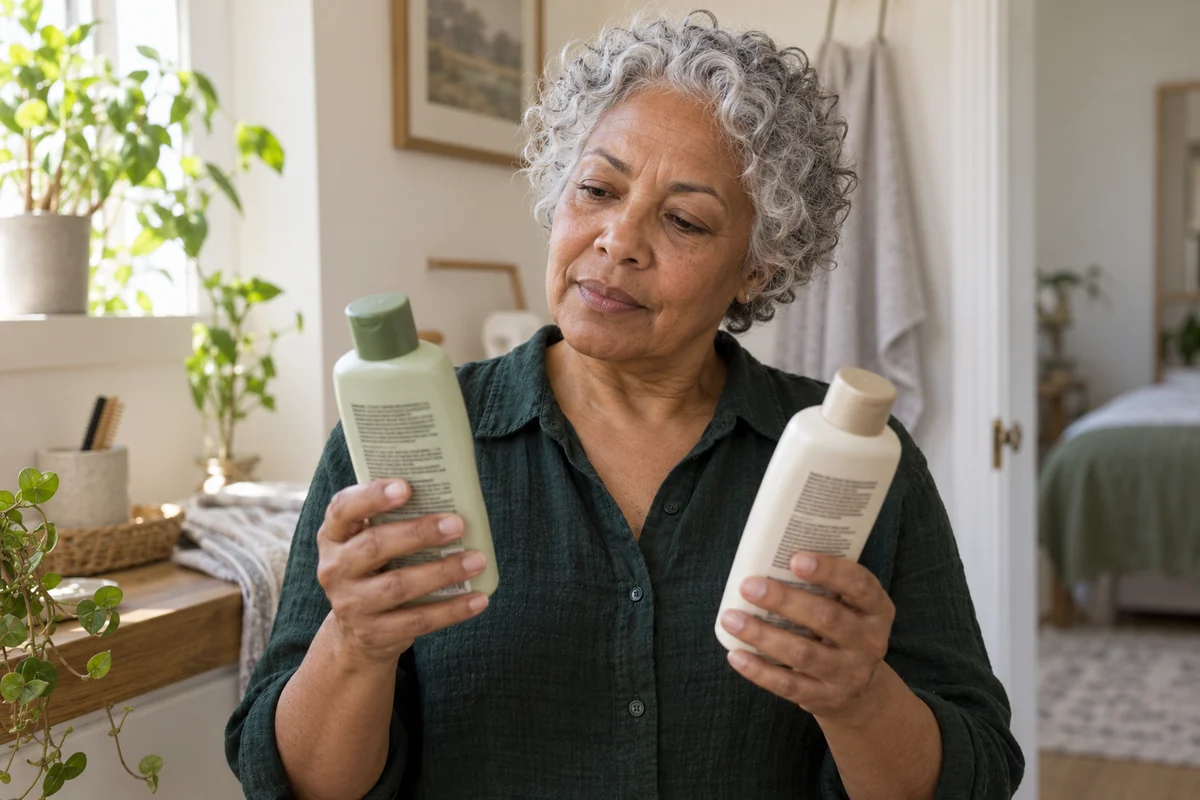
A woman reads the backs of two cosmetic bottles beside a printed care sheet.
List what you own. Your team says when.

What is going on

A woman holds a notebook while a clinician reviews a folder with her across a desk.

Early aftercare and ordinary care are different stages

During recovery, wash and handle your scalp the way you were shown. Feeling fine, or hitting a milestone you read about online, isn’t the same as being told a product can come back. Write down what your follow-up allowed and what’s still off limits.

An adult with short silver curls holds two closed hair-care bottles while comparing their labels.

List everything you own

Write each product’s exact name, what it does and where you normally put it. Include scalp products, dry shampoo, concealers, styling sprays and any color service. If copying labels is a chore, photograph them instead.

What helps, day to day

A woman uses a tablet displaying product directions beside a capped hair-care bottle at a dry desk.

Get precise answers about restarting

  • Ask about each product and tool by name, so you know when it can come back, where it can go and how to use it.
  • Ask whether the donor area and the recipient area have different rules.
  • Anything about restarting, dosing or combining medicines stays with the team that prescribed it. Don’t swap in advice from a cosmetic guide.
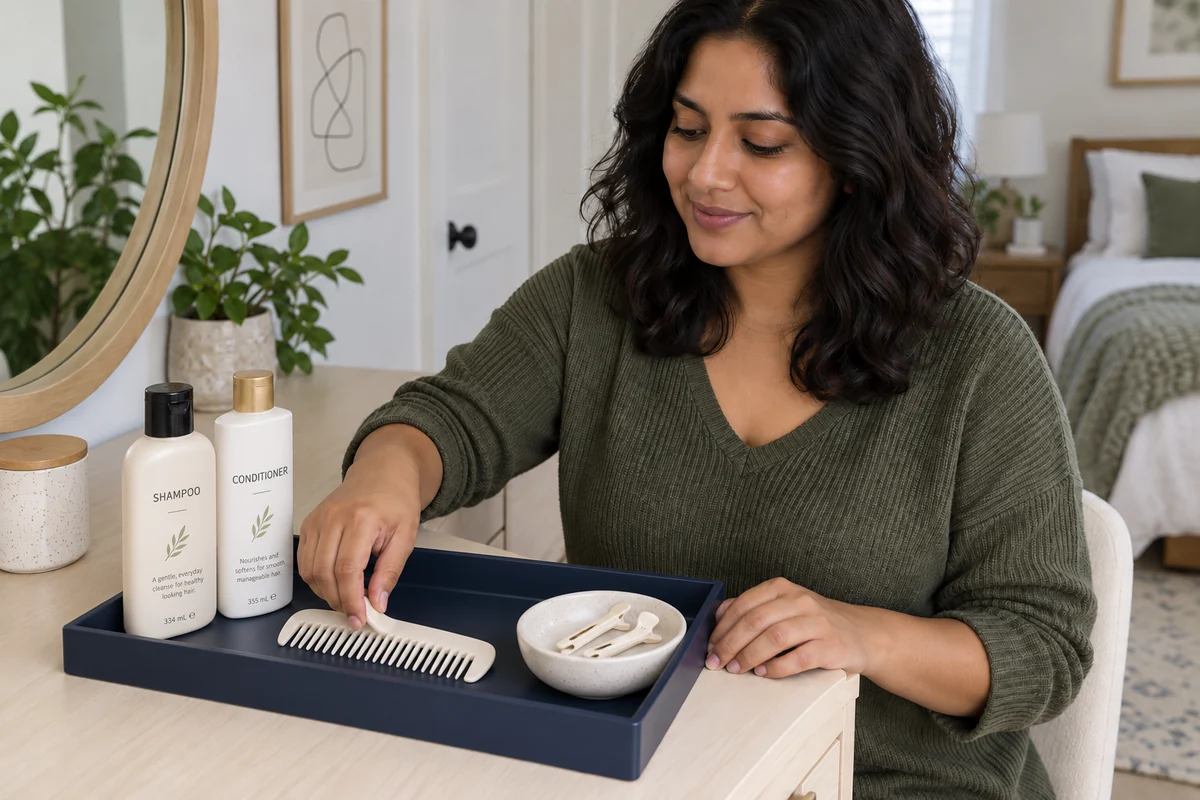
A woman returns a pale comb to a dark tray containing capped shampoo and conditioner bottles and a bowl of clips.

Keep the current routine easy to tell apart

  • Put the products you’re allowed to use together, labels intact.
  • Set anything you’re still unsure about to one side and note the question.
  • Keep following the aftercare you were given. A shorter cosmetic routine never means dropping a prescribed step.
A client and stylist examine reference photographs with idle drying tools on the counter behind them.

Include the salon or barber in the plan

  • Before you book, find out when washing, cutting, clippers, color and chemical services are allowed again.
  • Tell the salon what’s still restricted and agree exactly what the appointment covers.
  • Being cleared for a haircut isn’t clearance for everything else on the menu.

Give each product a job once you’re cleared

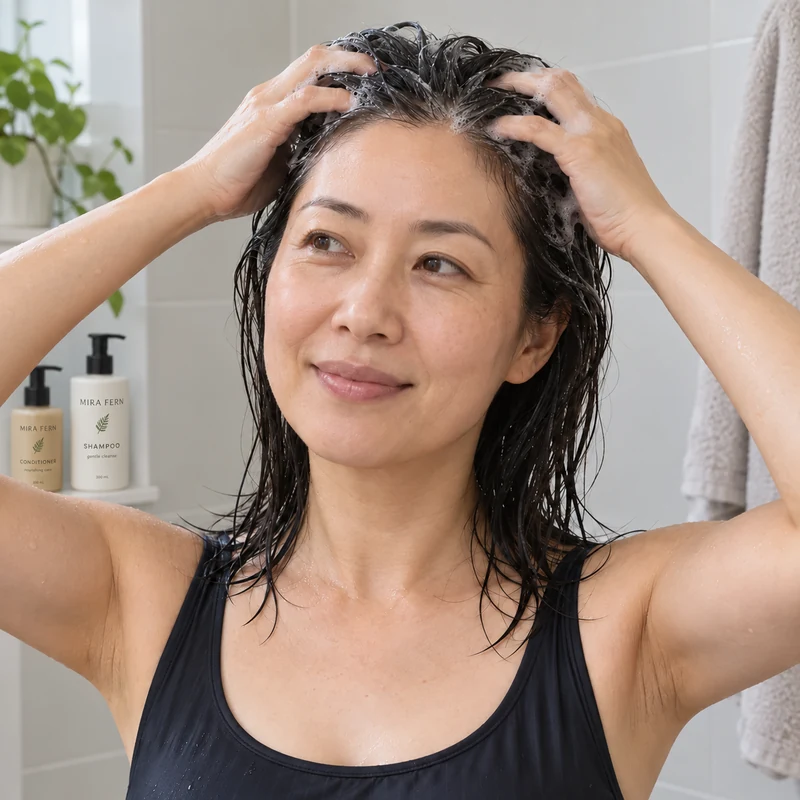
A woman massaging shampoo lather onto her scalp with her fingertips.

Cleansing once normal washing is allowed

Once your team says ordinary washing is fine, choose a shampoo for your scalp’s oil, dirt and product use, within any limits that still apply. A gentle-sounding label is no guarantee it suits a healing scalp, so ask if you’re unsure.

Explore ordinary product-choice questions.

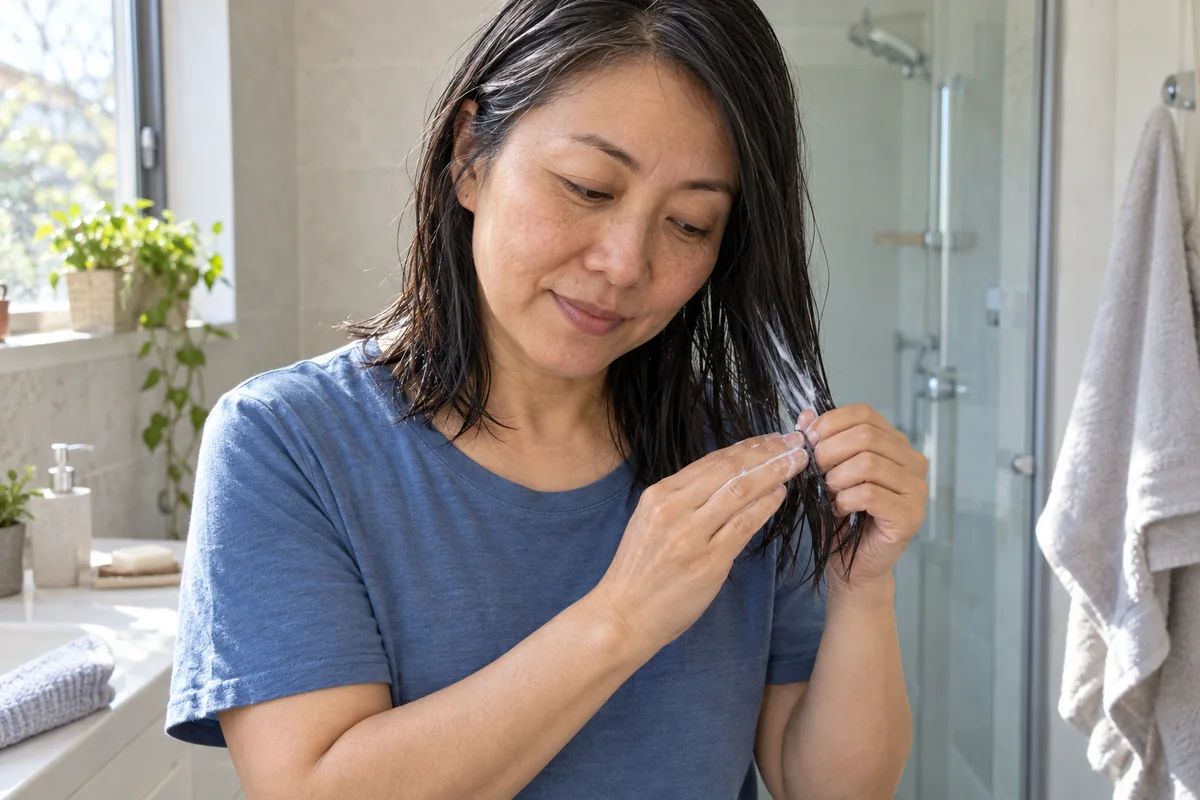
A woman applying conditioner to her damp lengths and ends.

Conditioning the lengths you have

When conditioner is allowed, use it for softness and detangling in the areas you’ve been cleared for. With short hair there isn’t much distance between the ends and the scalp, so ask where it can go rather than assuming an ends-only rule is workable.

Review a simple everyday routine.

Leave with a next step you can use

An adult with coils and glasses writes in a notebook beside two current hair-care bottles.

Keep a small restart record

Three columns are enough. Product or tool, what it’s allowed for, and the open question. Add the date and who told you. When your team changes the plan, update the record and keep the old instructions clearly marked as old.

A couple look together at a planner held open toward them.

Fit the care to your actual day

Once the restrictions that matter are lifted, settle on a sequence you can keep up and notice how it feels. Bring the ordinary worries, like tangles, heaviness or styling effort, to your Hair Care Consultation along with whatever limits still apply.

When to get help

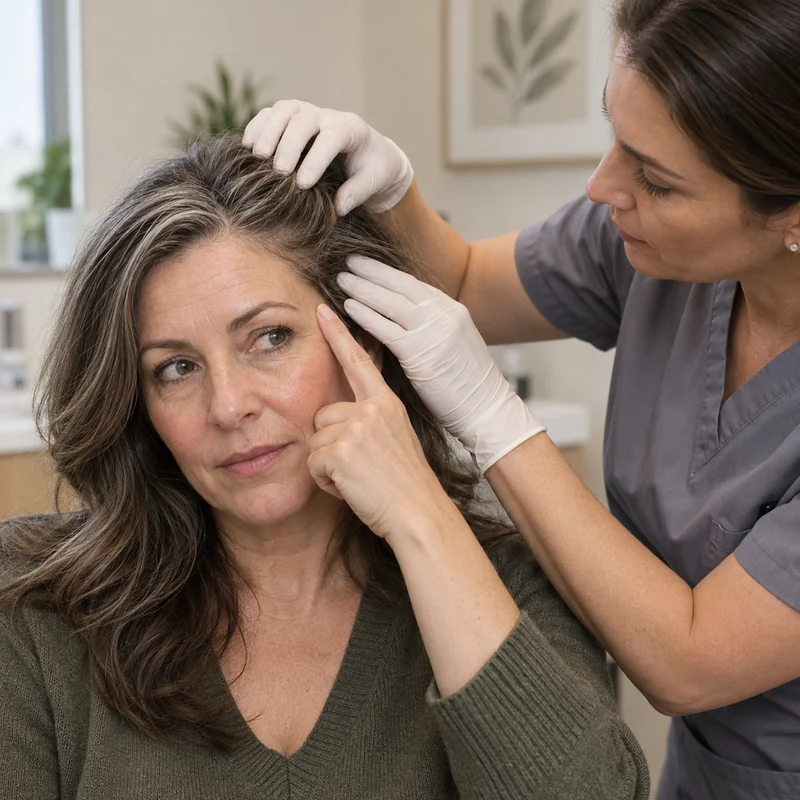
A medical professional examining the scalp where a woman points.

Signs that need more than routine care

  • For severe pain or anything that doesn’t look like the recovery you were told to expect, contact your treating clinic straight away. Questions about healing, grafts and medicine changes belong with them, not with a cosmetic guide. If a product you’ve been cleared to use stings or causes a rash, rinse it off, stop, and tell a medical professional.

Illustrated care examples: before & after

Pending products kept apart

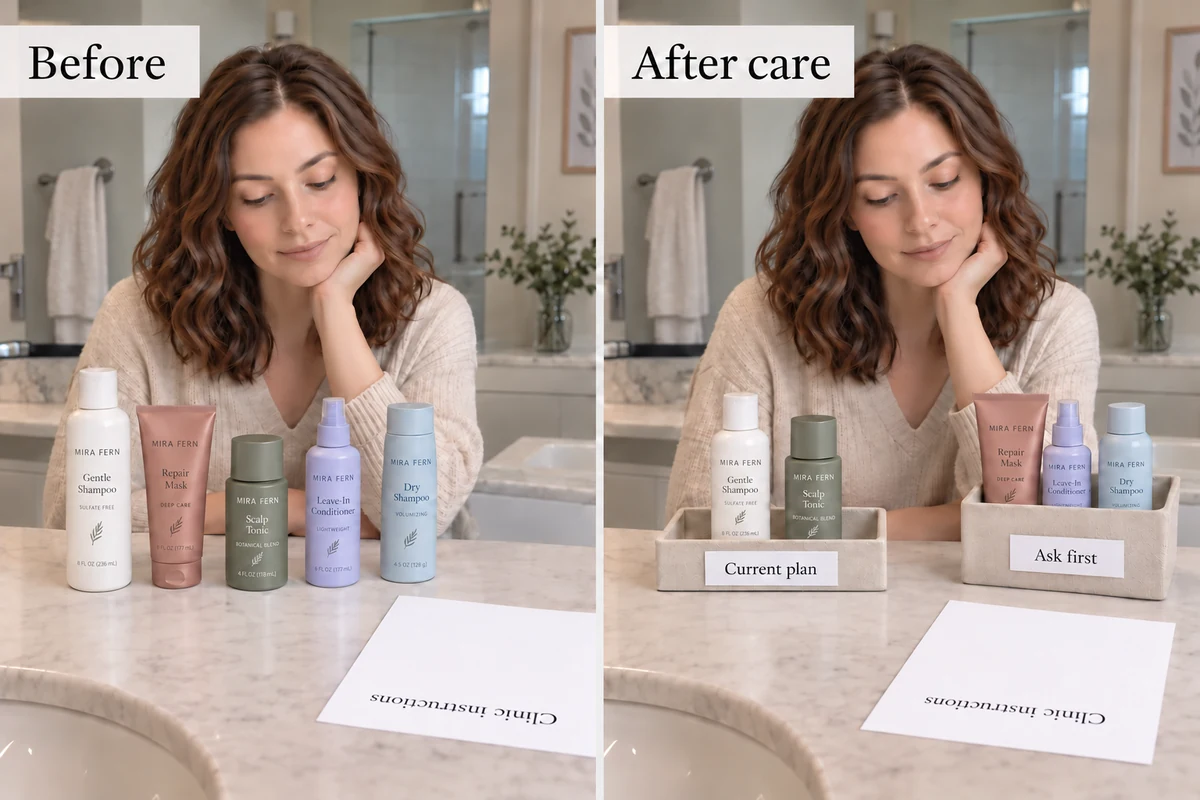
The same woman sorts five closed cosmetics into Current plan and Ask first groups beside clinic instructions.
Before · cosmetic products mixed togetherAfter care · current-plan items set apart
Once the instructions are clear, products in the current plan sit on one side and the ones still in question on the other. The tray itself decides nothing.

Specific restart questions

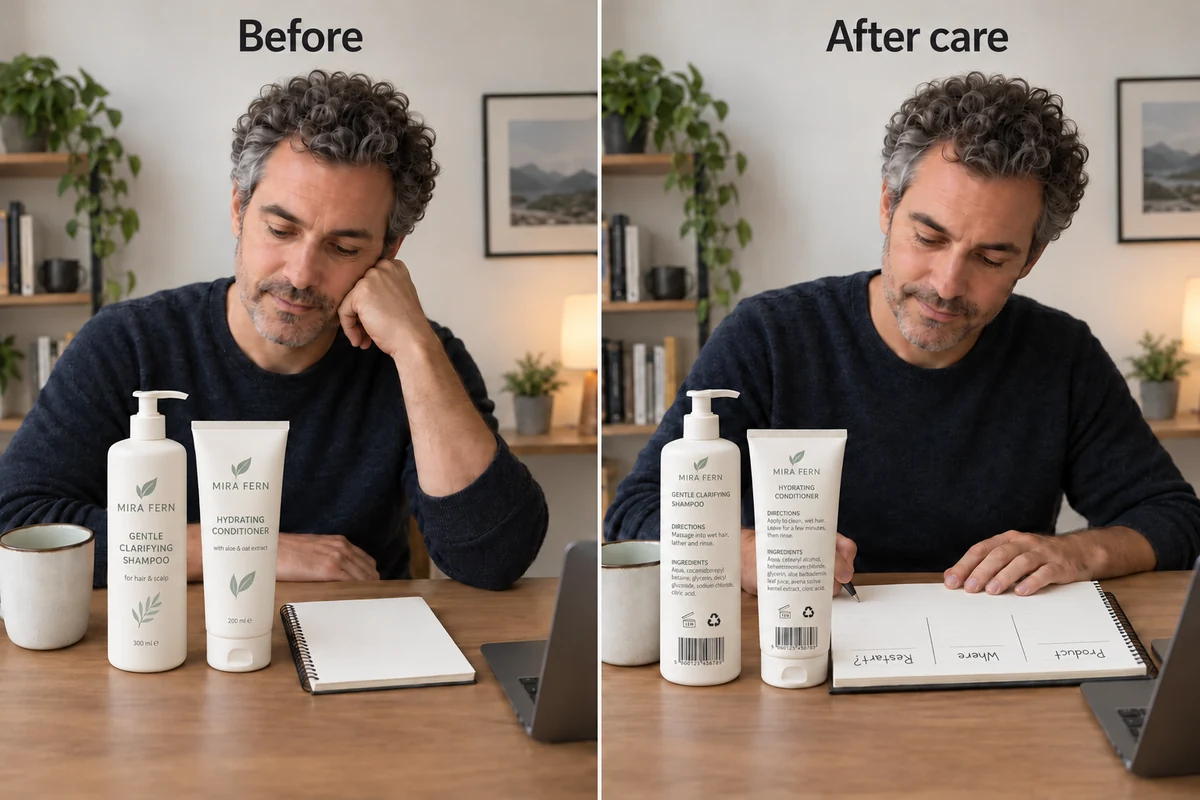
The same man turns a cosmetic pump bottle and conditioner tube to their back labels beside a Product, Where and Restart notebook.
Before · closed products, blank notebookAfter care · labels out beside the questions
The products come out so each question names a specific label and area, with the treating team’s answers written beside them. Planning only, no result shown.
An adult with shoulder-length dark hair writes in a small notebook beside two closed bottles.

Help with your hair-care routine

Bring your hair-care questions to the consultation. You can also read planning everyday recovery arrangements.

  • Which of the products I’m allowed to use are actually worth using now?
  • How do I look after my lengths with the limits I still have?
  • What everyday styling fits my time and the look I want?

Your length, texture, how your scalp feels, the products you own and the limits you’re under all shape ordinary care advice. Share the restrictions that still apply. Hair You Love doesn’t clear products for a healing scalp, change your aftercare instructions or manage medicines.

The Hair Care Consultation gives you a personal plan with product recommendations, routines and guidance on your hair-care questions.

$49 with 60 days of follow-ups, or $99 with 12 months. Pay once; the year renews only if you choose.