Hair Care Guides

Coming back to your hair, slowly.
You don’t owe it a makeover.

When life has been hard for a while, hair is often the thing that got left, and that’s nothing to be ashamed of. The first job is to see what’s manageable today. You can ask for help without explaining anything.

Your personal hair-care planProduct choices, routines and answers shaped around your hair.$49one-timeStart my consultation
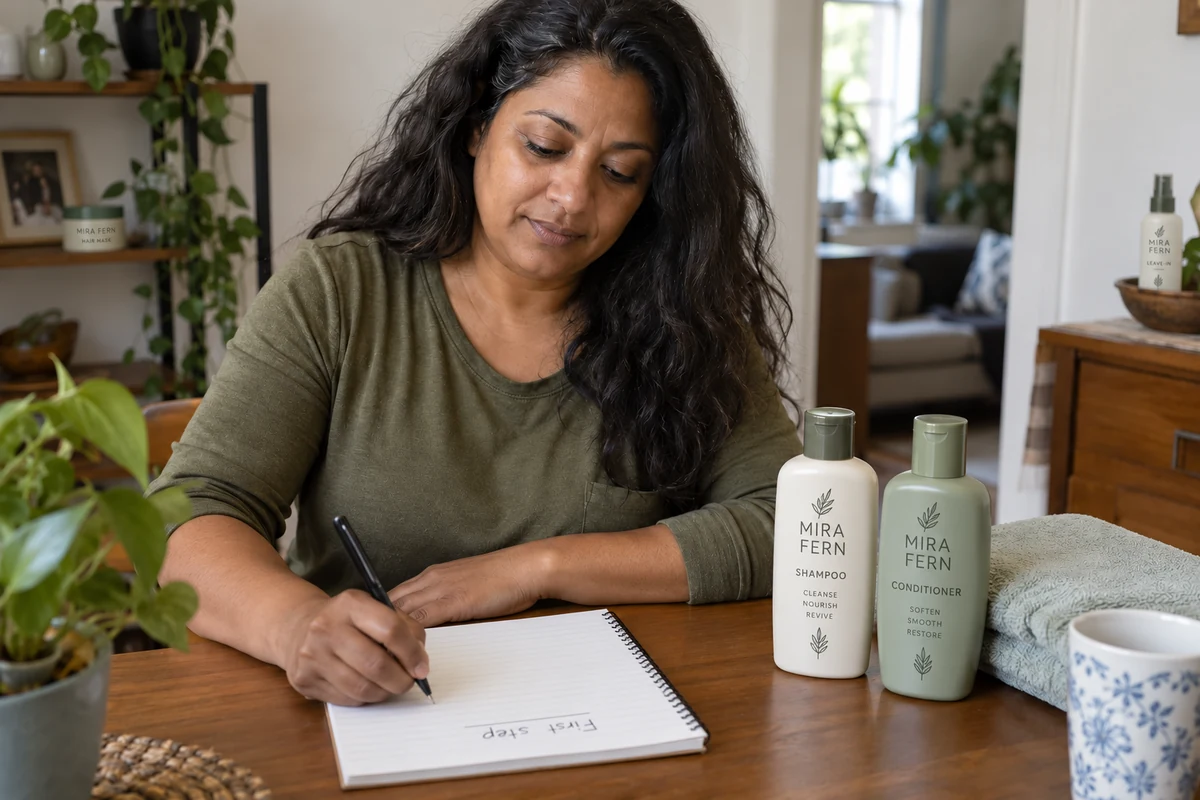
An adult considers a notebook beside two closed bottles and a folded towel.
You don’t owe it a makeover.

What is going on

An adult plans one initial care step beside a towel and closed original hair products.

Pick the first useful thing

Decide what would make today easier. Getting the supplies together, lining up some help, or doing one wash you can finish. A planning step counts. Don’t stack every overdue task into one day, and don’t treat a polished finish as proof you’re doing better.

An adult gently holds loose lengths to observe their condition without pulling or working through a dense mat.

Look before you add water

Gently look at the hair you can reach, without pulling. Ordinary loose snags are one thing. Dense felted areas, knots fixed close to the scalp, or hair that won’t separate without hurting are another. If you find those, stop and get experienced hands to help.

What helps, day to day

A helper in a blue shirt supports the wet hair ends while rinsing out conditioner with a handheld sprayer.

You can start but can’t finish alone

  • Ask for one specific thing.
  • Gathering supplies, helping you rinse, or finding someone experienced to book.
  • Agree on when you’ll pause and what you want left alone.
  • Help can be for one day or for a while.
  • It never means someone else gets to decide your haircut.
An adult shows loose lengths while discussing the next care task with a stylist at a dry table.

The tangles need someone’s hands

  • Before you book, say how much matting there is, what you can tolerate and whether anything is installed.
  • Ask whether they deal with this situation and will talk through the options before starting.
  • No photo and no product can promise every mat will come out without cutting.
A man reads a shampoo bottle while making a note, with a second hair-care bottle beside the notebook.

The old shelf is too many decisions

  • Pick a small set you know and that still looks fine to use.
  • Keep the directions, and set aside anything that looks or smells off.
  • You don’t need to replace the whole shelf before you do one small thing.

Products, by the job they do

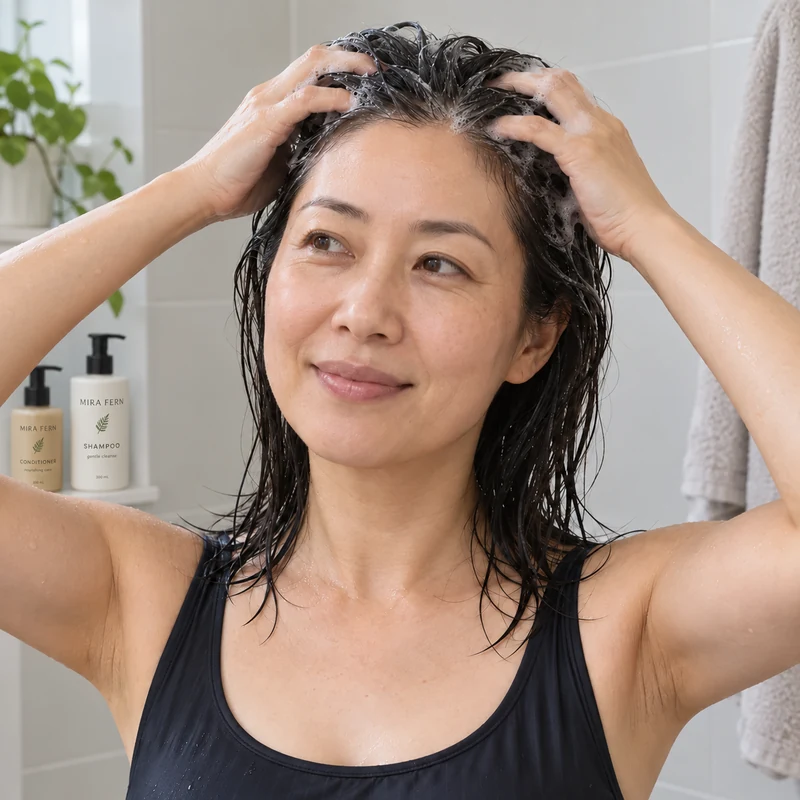
A woman massaging shampoo lather onto her scalp with her fingertips.

A wash you can get through

A long gap doesn’t call for the strongest shampoo or a harsh scrub. Use something you can finish with the help you’ve got. Sort out serious matting before a full wash.

Browse cleansing products. The consultation uses your wash frequency and scalp concerns to recommend a shampoo.

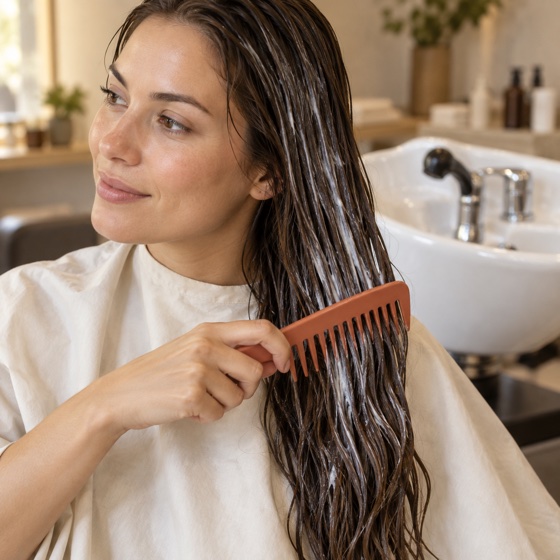
A woman detangling conditioned hair with a wide-tooth comb.

Conditioner for the ordinary tangles

Conditioner gives slip for the loose, ordinary snags, where its label says it can be used that way. It isn’t a way to push through pain, a fixed mat or a style you can’t make sense of. Those need hands, not more product.

Browse rinse-out conditioners. The consultation uses your hair details and treatment history to compare conditioner options.

How to do it

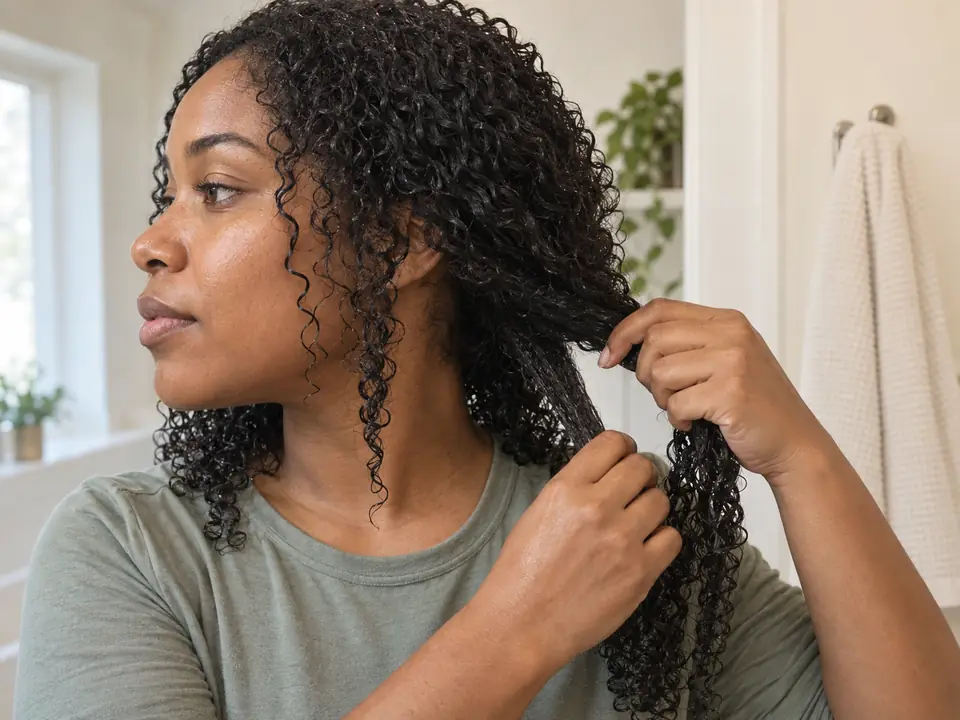
Woman with wet coily-curly hair using both hands to separate one reachable side section for finger detangling.

1. Work only the snags you can reach

Only use this on a loose section that separates comfortably. Start the hair in the state that suits your pattern and follow the rinse directions of any product. If a snag tightens or hurts, stop. Severe matting, locs and installed extensions aren’t for this method.

Guide: Detangle with your fingers
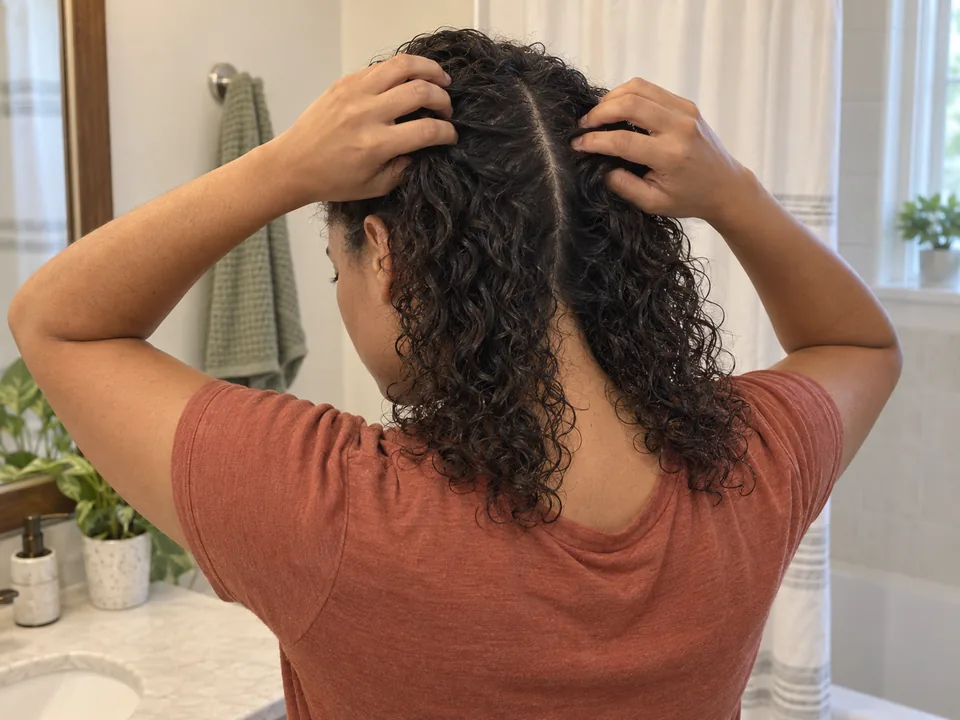
A woman uses both hands to separate her own damp curls along a rough part toward the back of her head.

2. Keep the rest of the loose hair in order

Separate only the parts that already come apart without force. Stay within reach, drop your arms between sections and take breaks. Rinse out or finish any product as directed before you stop. This doesn’t loosen dense mats, and it isn’t meant to.

Guide: Section your hair for washing and styling

When to get help

A woman and a medical professional seated together, looking at a calendar.

Signs that need more than routine care

  • If your scalp has sores, hurts, or stays irritated, or you notice new patchy loss, it’s worth seeing a medical professional rather than waiting until the rest feels sorted. And if low mood is still making ordinary days hard, please tell someone who can help with that too. In a crisis, reach for urgent local support straight away.

Illustrated care examples: before & after

Just today’s small kit

The same adult groups shampoo and conditioner on a towel while other closed styling products stay aside.
Before · several options togetherA simpler next step · a small familiar kit
Out of everything on the table, just the few familiar products for the step you can manage today. The rest wait, and the hair is unchanged.

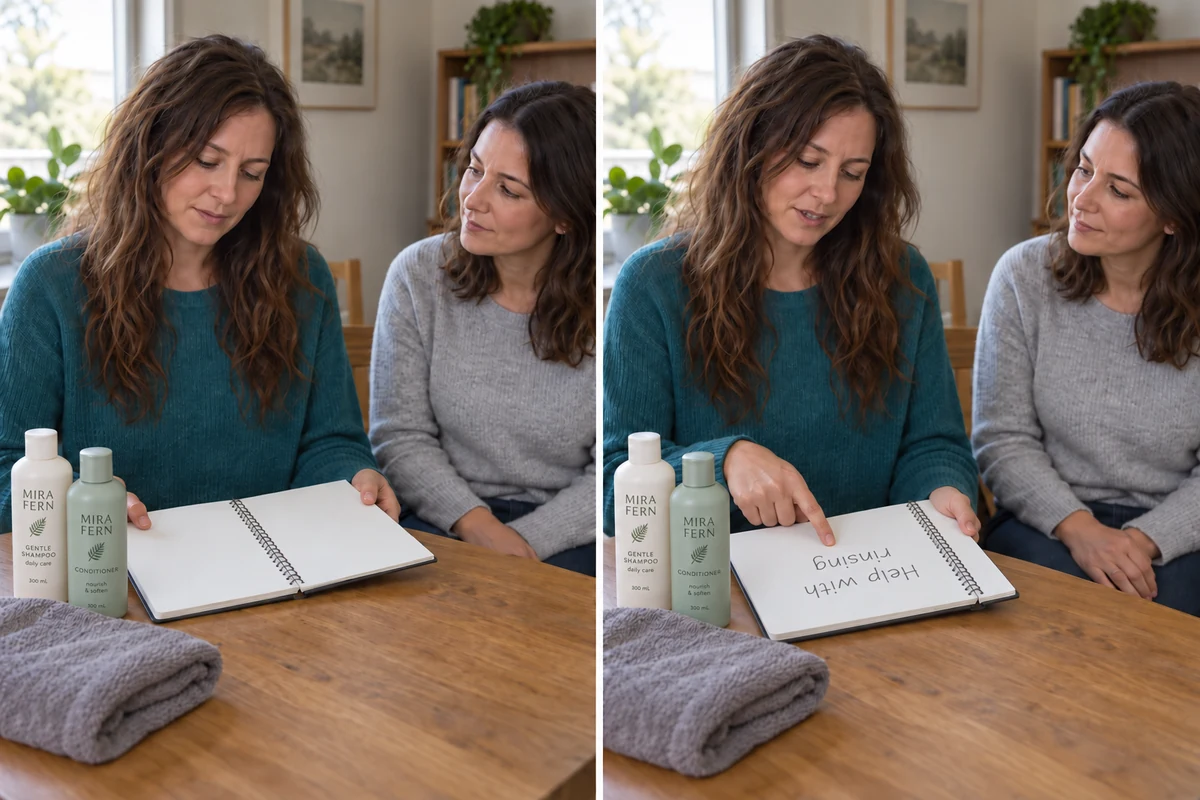
Ask for one specific thing

The same adult points to a notebook request for help with rinsing while a seated friend listens.
Before · request not yet writtenName the help you want · one clear request shared
A request as specific as help with rinsing lets you choose the support you want. These pictures show planning together, nothing is washed yet.
A woman with curls writing a routine note beside her hair-care products.

Help with your hair-care routine

Bring your hair-care questions to the consultation. You can also read pacing ordinary care when energy is limited.

  • What’s the smallest thing I can actually finish today?
  • Which bits need someone experienced before I can do normal care?
  • What help would make the next step easier?

Tell us what’s manageable now, where it gets hard, what products you have and what help you’d like. You can set practical limits without going into any history. The consultation organizes the care and leaves the rest alone.

The Hair Care Consultation gives you a personal plan with product recommendations, routines and guidance on your hair-care questions.

$49 with 60 days of follow-ups, or $99 with 12 months. Pay once; the year renews only if you choose.