Hair Care Guides

Your hair routine after you stop working.
Keep what feels like you. Lose the timetable.

Retirement changes your mornings, what fills your week and who you’re getting ready for. It doesn’t change what you like about your hair. It’s a good moment to notice which habits were really about the office, and which you’d keep regardless.

Your personal hair-care planProduct choices, routines and answers shaped around your hair.$49one-timeStart my consultation
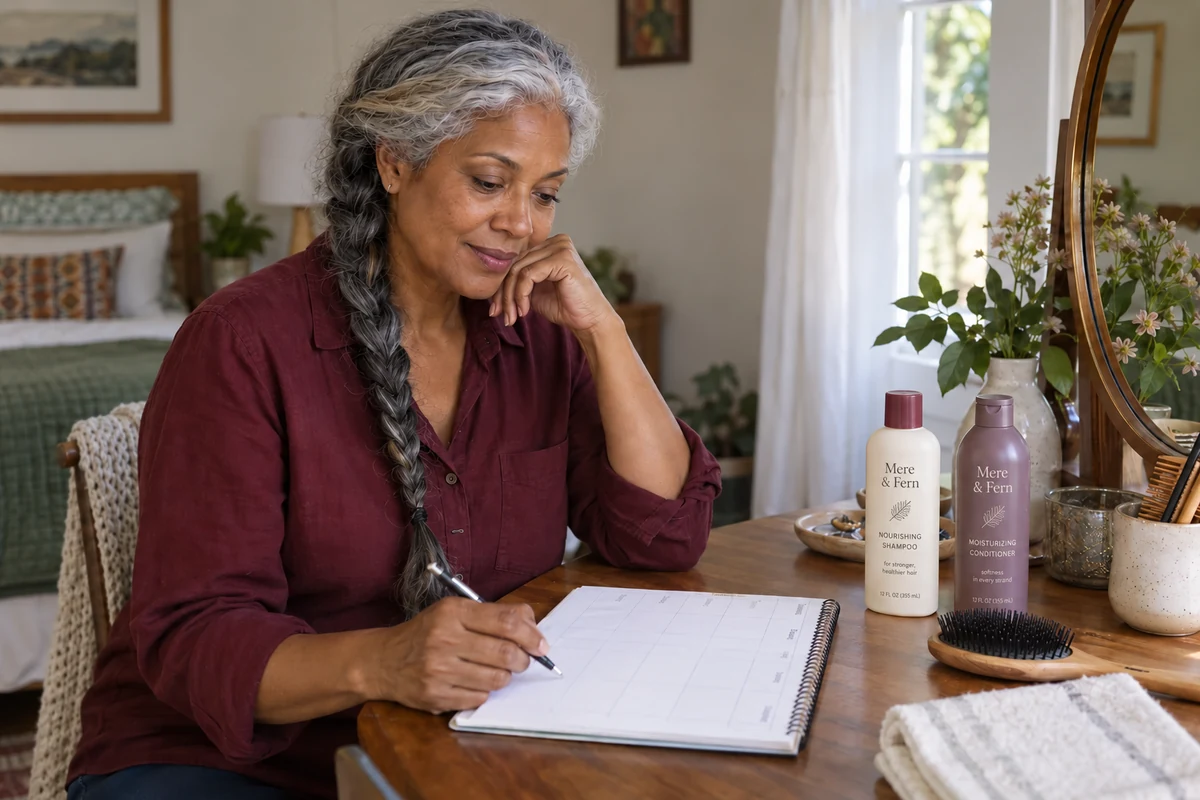
An adult with a long silver-and-dark braid writes in a planner beside a small hair-care kit.
Keep what feels like you. Lose the timetable.

What is going on

A woman with curls writing a routine note beside her hair-care products.

Was it you, or was it the job?

Think about what you enjoyed and what you did mainly for work. The early blow-dry, the polished finish, the salon visit squeezed around a commute. Keep what still matters. Fewer scheduled mornings doesn’t mean less care, or a less expressive style.

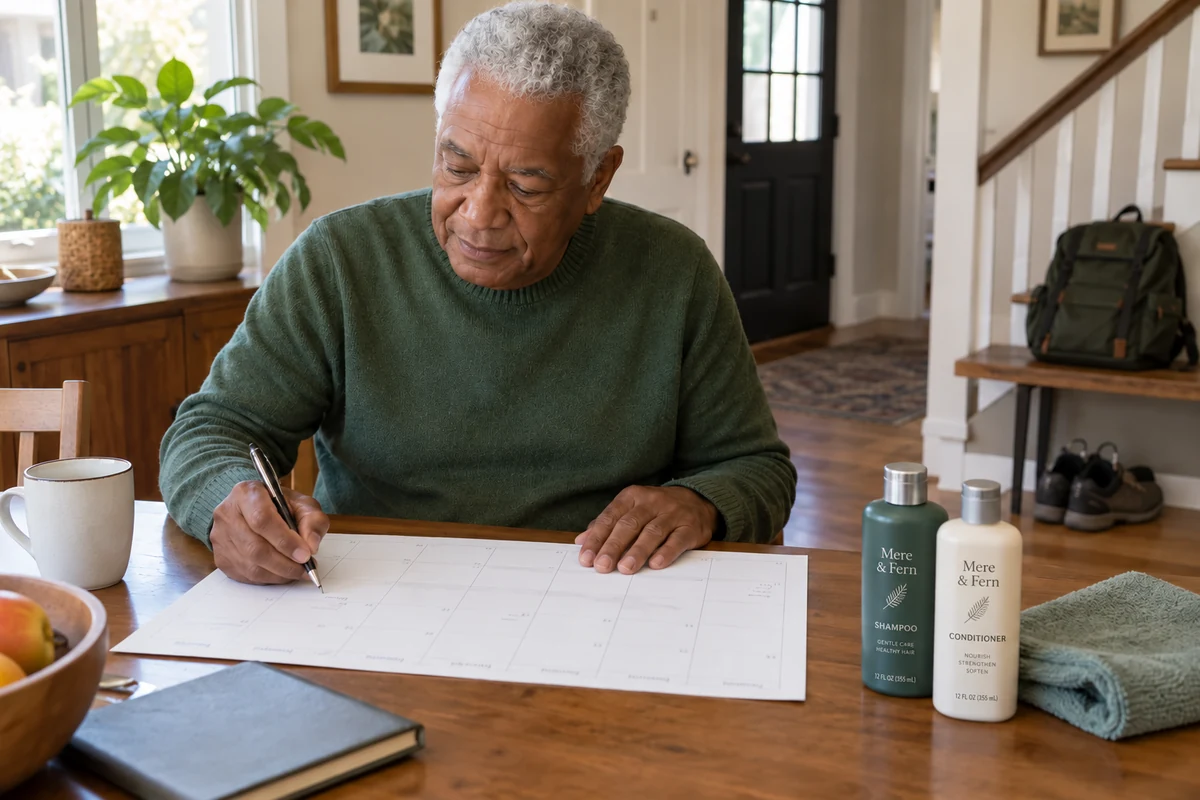
An adult with short silver hair writes on a weekly calendar beside closed hair-care bottles and a towel.

Plan around the week you actually have

Fit washing and drying around what you do now and when you like. Make room for new exercise, volunteering, travel or slow days. Retirement doesn’t always mean more free time. Let your scalp tell you when to wash, not an old workday rule.

What helps, day to day

An adult with auburn-and-gray waves lightly holds the ends while looking in a bedroom mirror.

You’d like an easier everyday finish

  • Try a lower-effort finish you already know, keeping your length and the conditioning that helps.
  • See how it holds up through an ordinary day.
  • You can still dress it up for the occasions you choose.
  • A simple weekday look and a favorite polished one can both belong.
A woman uses a tablet displaying product directions beside a capped hair-care bottle at a dry desk.

Your products still work

  • Keep the formulas that suit your scalp and lengths now.
  • Stopping work isn’t a reason to switch to a richer conditioner, gray-hair products or anything for thinning.
  • If something about your hair has genuinely changed, look at that on its own, apart from the date you retired.
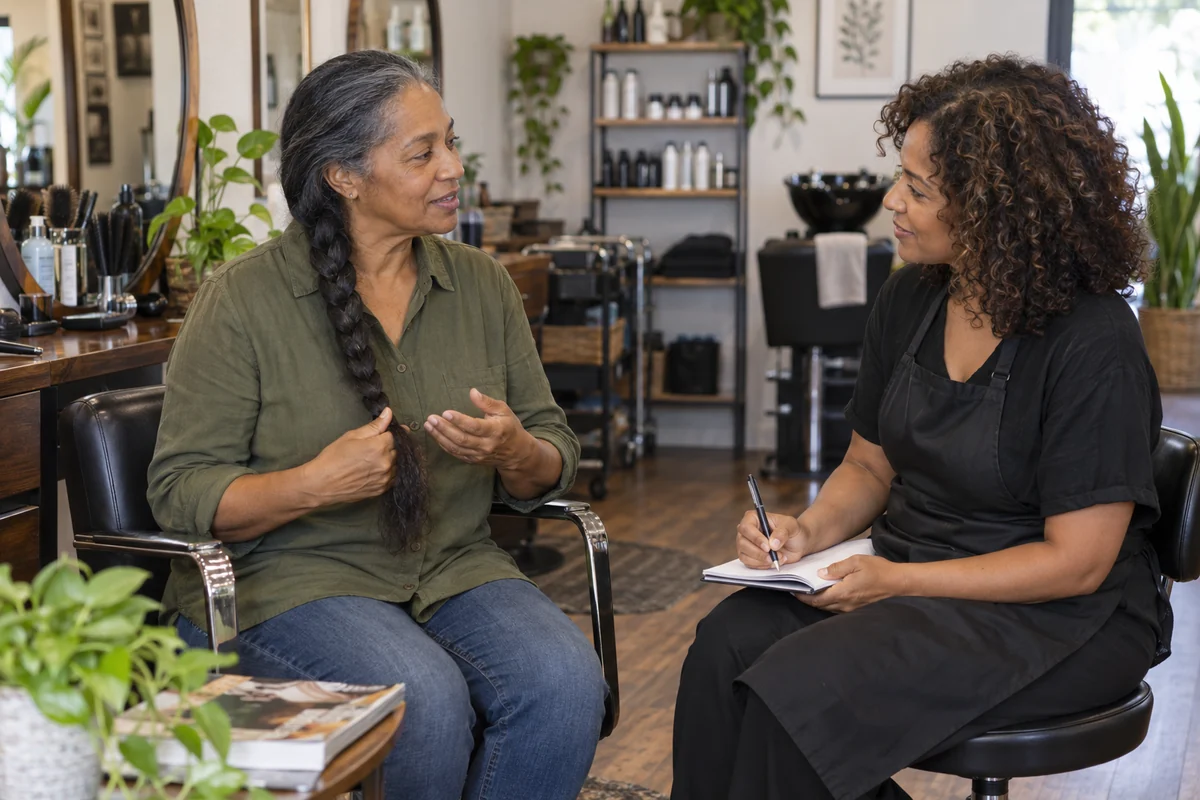
An adult holding a long braid discusses care with a stylist who takes notes in a salon.

You want to rethink your salon appointments

  • Decide which services you really value and how often you want to keep them up.
  • Ask the salon about time, cost and upkeep before you change anything.
  • Put the ones you keep in your own budget.
  • You don’t have to continue every service, or drop them all.

Products, by the job they do

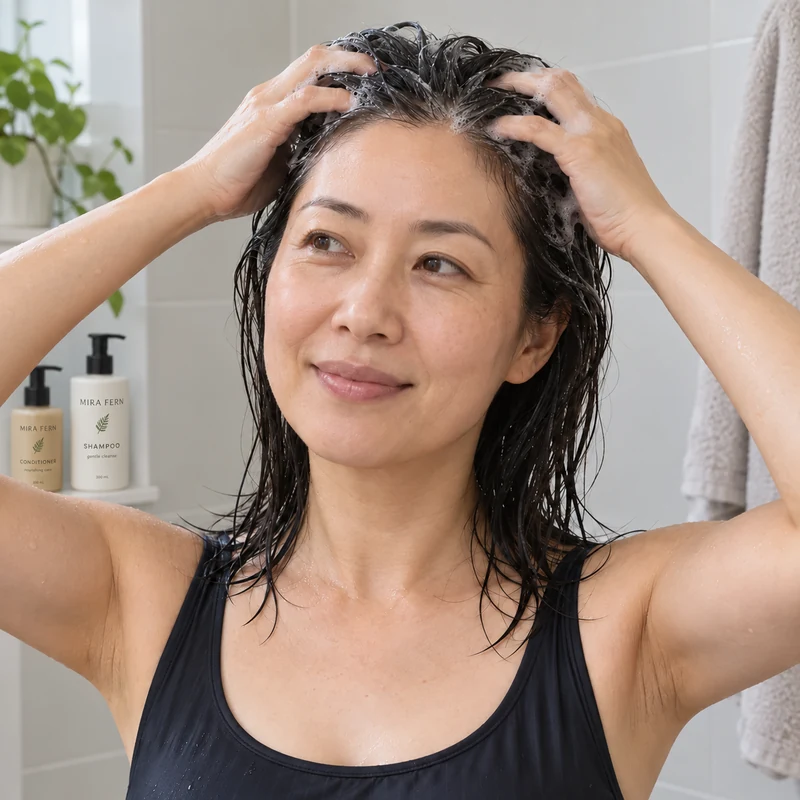
A woman massaging shampoo lather onto her scalp with her fingertips.

A cleanser for the life you have now

Choose shampoo for your scalp, your activities and what you put in your hair, not for the calendar. A later start or fewer busy days doesn’t decide how often you wash. Your scalp does.

Browse cleansing products. Bring the shampoos you are choosing between to the consultation, along with what you liked or disliked about them.

A woman smoothing conditioner through her mid-lengths and ends.

Conditioner that answers your lengths

Judge conditioner by how easily your hair detangles and the finish you like. Keeping long hair or going shorter changes the job it has to do.

Browse rinse-out conditioners. For conditioner recommendations, share where your hair tangles and which products you have tried.

How to do it

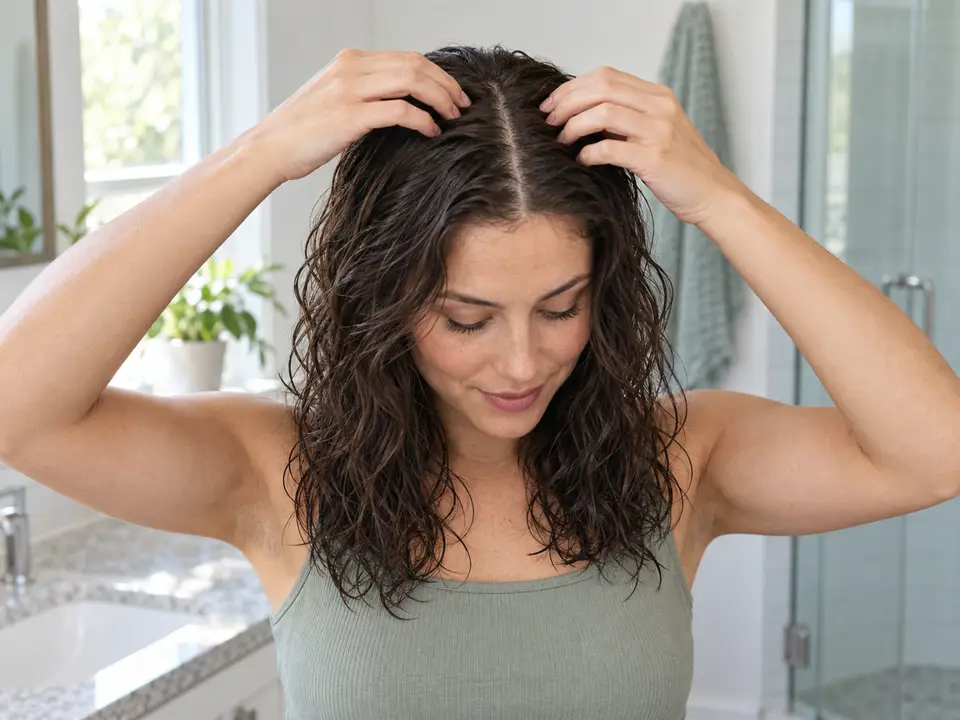
A woman places her fingertips on either side of the part in her damp hair, with the lengths hanging loose.

1. Air dry when the day allows

Let loose hair dry on its own when there’s time for the roots and inner lengths to catch up. It takes some of the styling out of your hands, though not always faster. Keep your usual drying for days it suits better.

Guide: Air-dry your hair
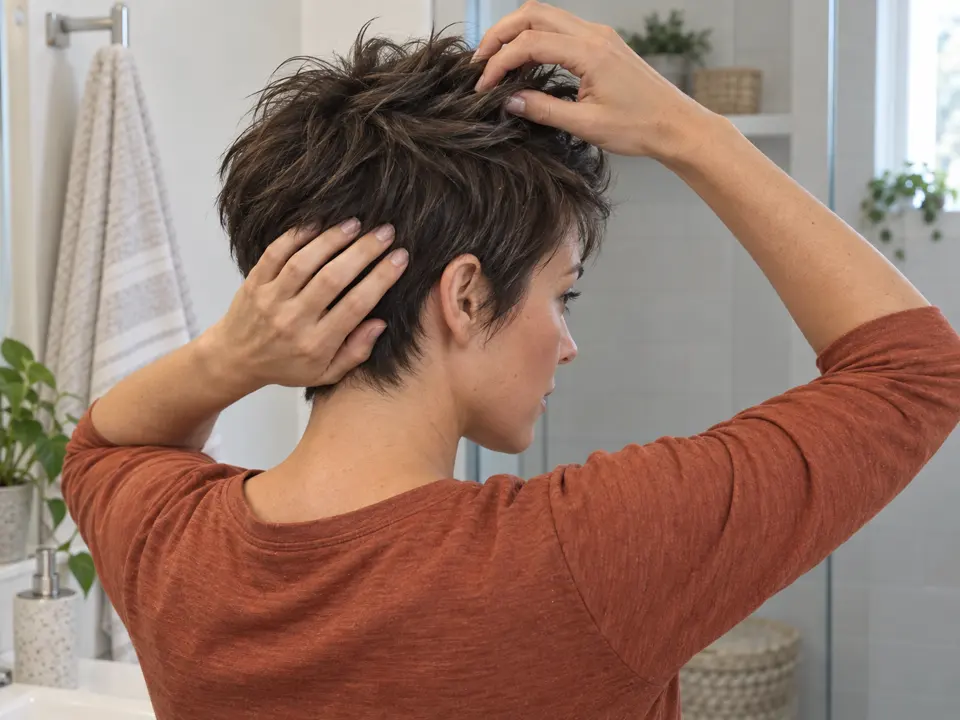
A woman uses her fingertips to work styling paste through a small area at the crown of her short hair.

2. Keep one small styling step you enjoy

If your hair is dry, loose and short, choose a paste whose label permits dry use. Shape one reachable area and check it before adding more. This is an optional finish; it does not mean you need to cut your hair shorter.

Guide: Shape short hair with styling paste

Illustrated care examples: before & after

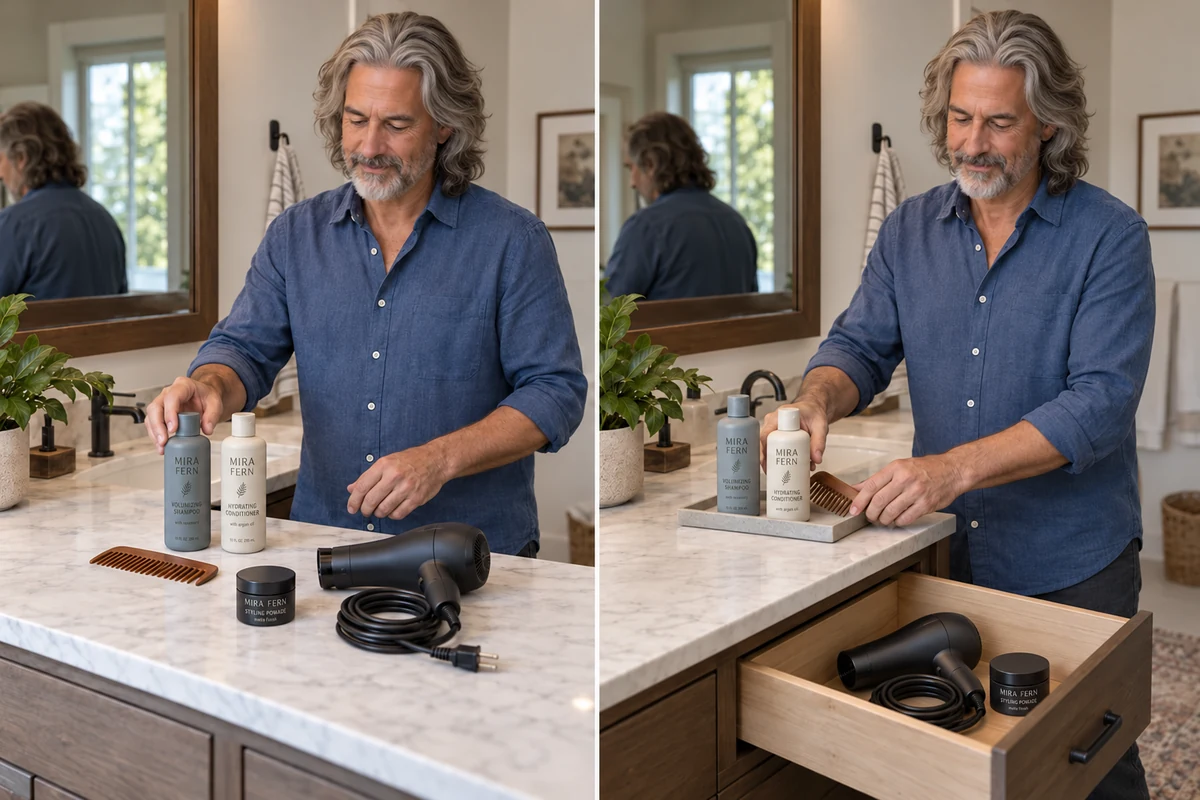
Keep the steps you want

Matched panels show the same adult and hair, first with a full styling kit and then with optional tools stored in a drawer.
Before · every styling item laid outAfter care · everyday kit chosen, extras stored
The everyday items are picked out and the optional styling tools are put away for the days you feel like using them.

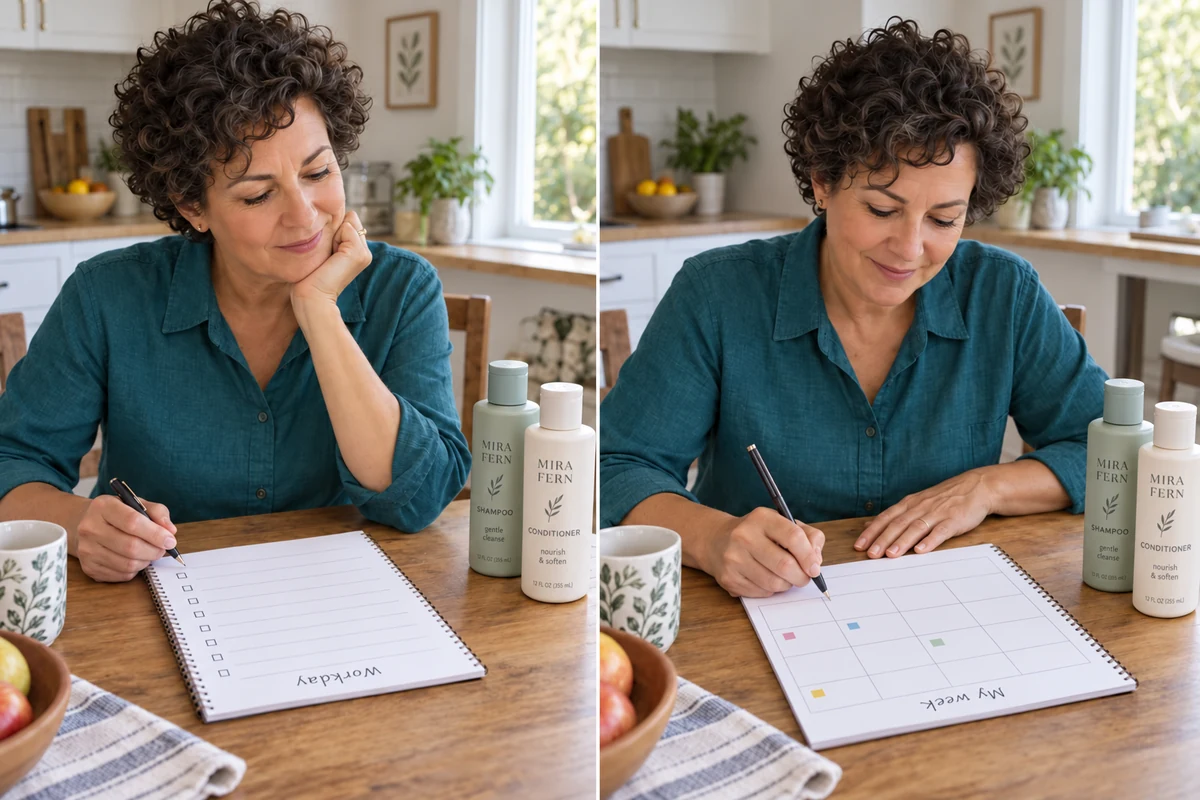
Plan around the week you have

Matched panels show the same adult reviewing a Workday list and then writing in a My week planner.
Before · the old workday listAfter care · care planned around this week
The old workday schedule is set down and wash days are placed around the week you actually live now and what your scalp needs.
A woman gently squeezing damp hair with a towel.

Help with your hair-care routine

Bring your hair-care questions to the consultation. You can also read planning hair-care and replacement costs.

  • Which of my old work-morning habits do I actually still enjoy?
  • Where does washing fit now that my week looks different?
  • Which salon appointments are still worth it for me?

What your week looks like now, the style you like, your length, any treatments, your products and your budget all shape the timing. Knowing those means the optional steps can shift around while the parts of your look that matter to you stay put.

The Hair Care Consultation gives you a personal plan with product recommendations, routines and guidance on your hair-care questions.

$49 with 60 days of follow-ups, or $99 with 12 months. Pay once; the year renews only if you choose.