Day 3 and beyond - intense oil absorption
This is a marketing claim; an ingredient list cannot speak to it.
—
Stated by brand
Can’t be confirmed from label.
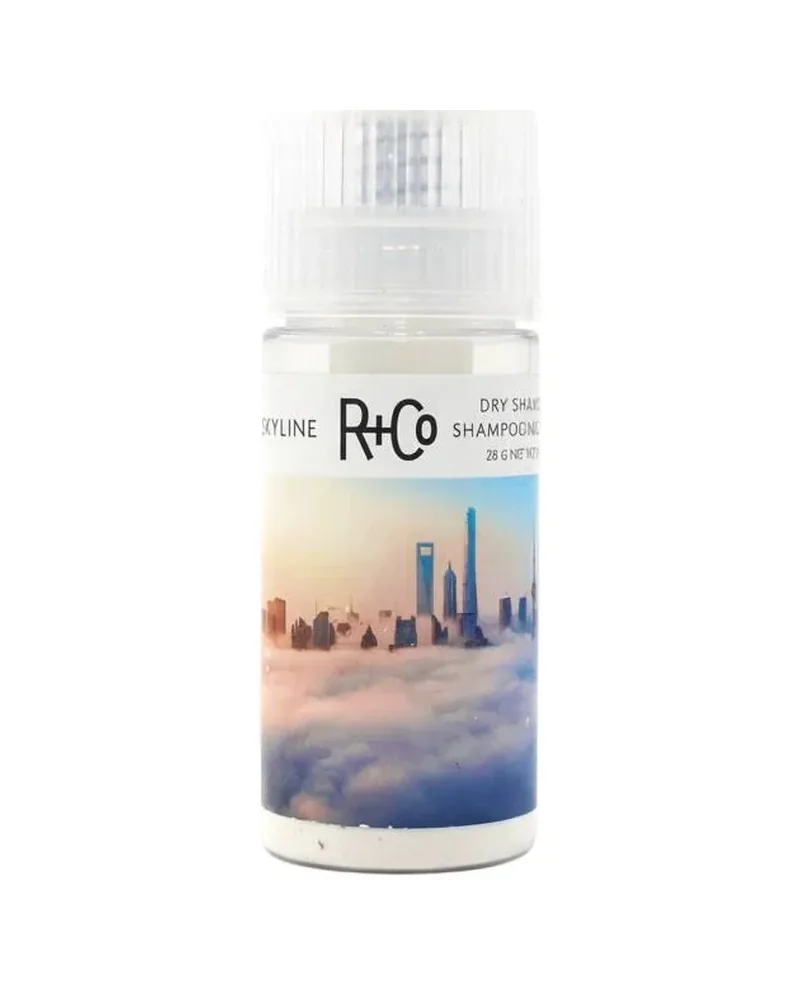
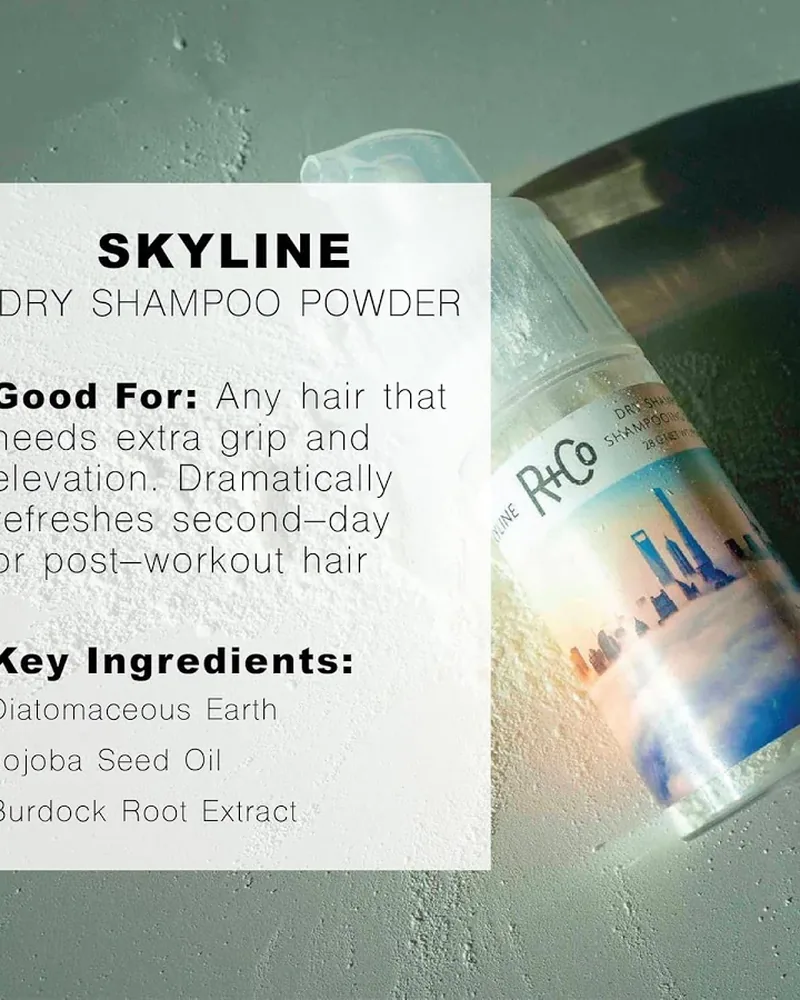
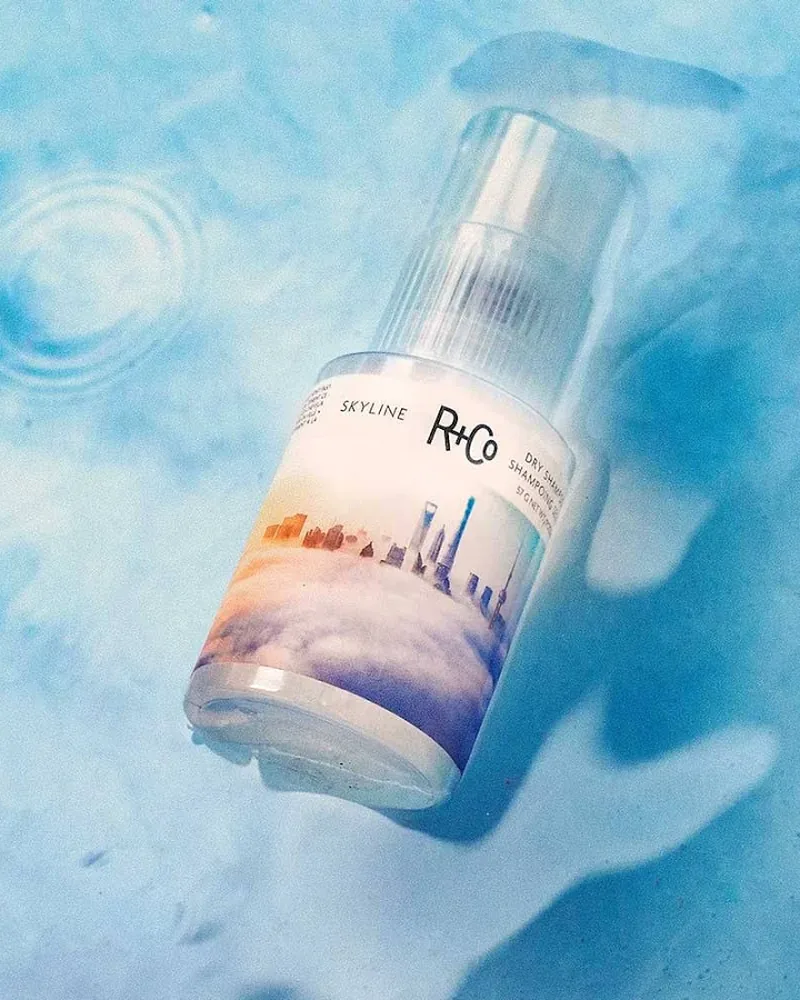
Dry shampoo
Add it to your products. We’ll tell you if it’s ever recalled.
Scent:
Reviewers describe it as bergamot, cedar, cyclamen, lotus flower, powdery, tonka beans, wild fig.
“Rosy Eyed: Bergamot, Wild Fig, Cyclamen, Lotus Flower, Cedarwood, Tonka Beans” (Brand page)
Strength: Light
Manufacturer page: randco.com
Not enough priced dry shampoos to place it
We have not priced enough dry shampoos to place this one.
Great for
Maybe skip if
What the formula actually does
Each row says where it comes from: F means we derived it from this product’s own ingredient list, S means it is a claim the brand makes that the formula neither confirms nor contradicts.
Absorbent powders or starches high in the list.
No fast-drying alcohol in the list.
Water-insoluble silicones or waxes: a detergent wash is what removes them.
Fragrance is listed; it sits below the working ingredients.
Ingredients that matter
The workhorse ingredients, plus anything lower down that changes a decision. The chips name what an ingredient does. They are not safety scores, and no ingredient here is rated good or bad on its own.
| Ingredient | What it does | Why it matters | Chip |
|---|---|---|---|
| Zea Mays (Corn) Starch | starch | Soaks up oil and adds grip | Neutral |
| Kaolin | clay | Absorbs oil and adds texture | Neutral |
| Tapioca Starch | starch | Soaks up oil and adds grip | Neutral |
| Polysilicone-1 Crosspolymer | polymer | The hold system | Buildup |
| Aluminum Starch Octenylsuccinate | starch | Soaks up oil and adds grip | Neutral |
| Diatomaceous EarthSolum Diatomeae/Diatomaceous Earth/Terre de Diatomées | absorbent | — | Neutral |
| Silica | powder | Mattifies and absorbs oil | Stabilizes |
| Mica | colourant | Colours the product, not the hair | Neutral |
| Simmondsia Chinensis (Jojoba) Seed Oil | emollient | A softening touch, low in the list | Buildup |
| FragranceParfum/Fragrance | fragrance | The scent | Fragrance |
| Alpha-Isomethyl Ionone | fragrance | The scent | Fragrance |
| Citral | fragrance | The scent | Fragrance |
In the US, ingredients above 1% are listed from most to least. Below 1% they can appear in any order. Each note keeps three things apart: what the ingredient generally does, its role in this type of product, and what its position can tell you.
A starch that soaks up oil at the roots and adds texture.
Listed in the first three ingredients, it is likely a structural part of this formula.
Adds grip and body with no oil attached, which is what lifts fine hair at the root instead of weighing it down.
Starch gives texture and grip rather than a set film; firm hold usually needs a polymer alongside it.
A soft white clay that absorbs oil and adds body without much grit.
Listed in the first three ingredients, it is likely a structural part of this formula.
Absorbs oil and adds texture, which is what gives fine hair grip at the root instead of slip.
An absorbent solid takes up oil, and hair already short of it has less to give.
A fine starch that absorbs oil and leaves a dry, grippy feel.
Listed in the first three ingredients, it is likely a structural part of this formula.
Adds grip and body with no oil attached, which is what lifts fine hair at the root instead of weighing it down.
Starch gives texture and grip rather than a set film; firm hold usually needs a polymer alongside it.
A modified starch that absorbs oil and leaves a dry, matte feel.
Listed in positions 4–8, it likely makes a meaningful contribution alongside the formula's main ingredients.
Adds grip and body with no oil attached, which is what lifts fine hair at the root instead of weighing it down.
Starch gives texture and grip rather than a set film; firm hold usually needs a polymer alongside it.
A fine silica powder from fossilised algae, used to absorb oil and add grip.
Listed in positions 4–8, it likely makes a meaningful contribution alongside the formula's main ingredients.
A fine mineral powder that absorbs oil and adds grip. It is what makes texture powders and matte pastes feel dry to the touch.
Listed in positions 4–8, it likely makes a meaningful contribution alongside the formula's main ingredients.
A dry powder takes up oil and adds friction between strands, which is most of what root lift in fine hair actually is.
A mineral that adds shimmer or opacity to the product. It affects how the bottle looks, not how hair behaves.
It appears around or below the estimated 1% line, where label order no longer indicates relative amount; its role may be minor or technical.
A violet or blue colorant sits opposite yellow on the colour wheel, so a trace of it deposited on the surface makes a warm cast read cooler. It washes out over the following few washes.
Not chemically an oil: about 97% of it is liquid wax esters, which is why it resists going rancid and sits close to the scalp's own sebum. It smooths without a heavy finish.
It appears around or below the estimated 1% line, where label order no longer indicates relative amount; its role may be minor or technical.
Coats the surface and slows water leaving the strand, which is usually what coarse hair that dries out fast is missing.
A thin oil layer lowers friction between strands and flattens the raised cuticle that scatters light and catches on its neighbours.
A wax holds by staying solid on the strand, which gives grip and separation rather than a set film that cracks.
A UV filter added to keep the product itself, and dyed hair, from fading in light.
It appears around or below the estimated 1% line, where label order no longer indicates relative amount; its role may be minor or technical.
Sunlight oxidises hair pigment, and on gray, silver or lightened hair that shows up as yellowing. A UV filter on the label absorbs some of the light that drives it.
Glycerin, also called glycerol, attracts moisture and mixes completely with water.
It appears around or below the estimated 1% line, where label order no longer indicates relative amount; its role may be minor or technical.
High-porosity hair loses water fast; a humectant holds some of it in place for longer than the wash itself would.
Binds water into the outer layers of the strand, and water is what makes dry hair flexible again rather than brittle.
Water moves both ways. Measured across concentrations, glycerin solutions give water up in some conditions and take it from the air in others. What it does for you depends on how much of it is there and on the air around it.
An undisclosed blend of scent ingredients. Regulations let it stay unlisted, so a fragrance-free product is the only way to be certain what is not in it.
It appears around or below the estimated 1% line, where label order no longer indicates relative amount; its role may be minor or technical.
Declared fragrance. On a fragrance-sensitive routine this is the line that decides it, wherever it sits on the label.
A violet-like fragrance component named separately as a recognised allergen.
It appears around or below the estimated 1% line, where label order no longer indicates relative amount; its role may be minor or technical.
One of the 26 scent components the EU requires to be named individually above a threshold. It is named because it is a known contact allergen, not because it is unusual.
A lemon-scented fragrance component listed separately as a recognised allergen.
It appears around or below the estimated 1% line, where label order no longer indicates relative amount; its role may be minor or technical.
One of the 26 scent components the EU requires to be named individually above a threshold. It is named because it is a known contact allergen, not because it is unusual.
A rose-like fragrance component named separately as a recognised allergen.
It appears around or below the estimated 1% line, where label order no longer indicates relative amount; its role may be minor or technical.
One of the 26 scent components the EU requires to be named individually above a threshold. It is named because it is a known contact allergen, not because it is unusual.
A sweet, hay-like fragrance component listed separately as a recognised allergen.
It appears around or below the estimated 1% line, where label order no longer indicates relative amount; its role may be minor or technical.
One of the 26 scent components the EU requires to be named individually above a threshold. It is named because it is a known contact allergen, not because it is unusual.
A clove-scented fragrance component listed separately as a recognised allergen.
It appears around or below the estimated 1% line, where label order no longer indicates relative amount; its role may be minor or technical.
One of the 26 scent components the EU requires to be named individually above a threshold. It is named because it is a known contact allergen, not because it is unusual.
A rose-scented fragrance component, listed on its own because some people react to it.
It appears around or below the estimated 1% line, where label order no longer indicates relative amount; its role may be minor or technical.
One of the 26 scent components the EU requires to be named individually above a threshold. It is named because it is a known contact allergen, not because it is unusual.
A soft floral fragrance component named separately as a recognised allergen.
It appears around or below the estimated 1% line, where label order no longer indicates relative amount; its role may be minor or technical.
One of the 26 scent components the EU requires to be named individually above a threshold. It is named because it is a known contact allergen, not because it is unusual.
A citrus-smelling fragrance component that EU rules require to be named separately because some people react to it.
It appears around or below the estimated 1% line, where label order no longer indicates relative amount; its role may be minor or technical.
One of the 26 scent components the EU requires to be named individually above a threshold. It is named because it is a known contact allergen, not because it is unusual.
A floral fragrance component listed separately as a recognised contact allergen.
It appears around or below the estimated 1% line, where label order no longer indicates relative amount; its role may be minor or technical.
One of the 26 scent components the EU requires to be named individually above a threshold. It is named because it is a known contact allergen, not because it is unusual.
A certified colour that tints the product itself. It does not colour hair.
It appears around or below the estimated 1% line, where label order no longer indicates relative amount; its role may be minor or technical.
A violet or blue colorant sits opposite yellow on the colour wheel, so a trace of it deposited on the surface makes a warm cast read cooler. It washes out over the following few washes.
Ingredient list captured 2026-10-17. Formulas change, so check the package in your hand when an ingredient matters to you.
Price · 1 oz
Priced above the products that do the same job. Stores sell it above the $4 line; products that do this job typically go for about $10 at this size.
Sorted by price per ounce. Dated observations from our research, not live prices. Direct store pages, no affiliate links. We don’t sell this product.
Dry shampoo refreshes hair between washes. We describe its ingredient functions without assigning a formula score.
Does the same job
Formulas that do the same things (cleanse, condition, coat or hold) for less per ounce. Scent, texture and where you buy them can still differ.
See more alternatives in the product library
These products do a similar job. We haven’t matched them to you. Find the one that fits your hair, routine and budget
Final decision
Hair that stiffens on protein who want a protein-free formula and a matte finish
Less suited to anyone sensitive to fragrance, curly-method routines, or people shopping on a budget
Nothing in our library matches it closely at a lower price.
We do not sell products or take placement fees. This page states what the formula and the prices show; the consultation is what matches it to a person.
Claims check
Claims are quoted from the brand. We mark a claim supported, partly supported or conflicting only when the ingredient list speaks to it. Everything else stays "stated by the brand". That isn’t a criticism: most claims can’t be checked from a label.
Day 3 and beyond - intense oil absorption
This is a marketing claim; an ingredient list cannot speak to it.
—
Can’t be confirmed from label.
TSA approved
This is a marketing claim; an ingredient list cannot speak to it.
—
Can’t be confirmed from label.
We look at the first 10–15 ingredients and what they do in a formula, not at the marketing. If the list doesn't speak to a claim, we don't assume.
Reviewers
Themes that come up again and again in sourced reviews, written by our researchers in their own words. We don’t store or scrape star ratings.
Many reviewers like that it adds volume and some texture or lift at the roots.
fine, thin and short-haired usersReviewers say it absorbs oil well and extends time between washes, including days four or five for some.
oily-rooted and busy users stretching wash daysReviewers appreciate the non-aerosol powder pump, a light and subtle scent, and that it does not irritate the scalp.
users avoiding aerosols or strong fragrance