
#1 Scalp Care Conditioner (salon sales in US, Q3 2024-Q2 2025)
A sales or award claim. It says nothing about what is in the bottle.
—
Stated by brand
Popularity, not performance.
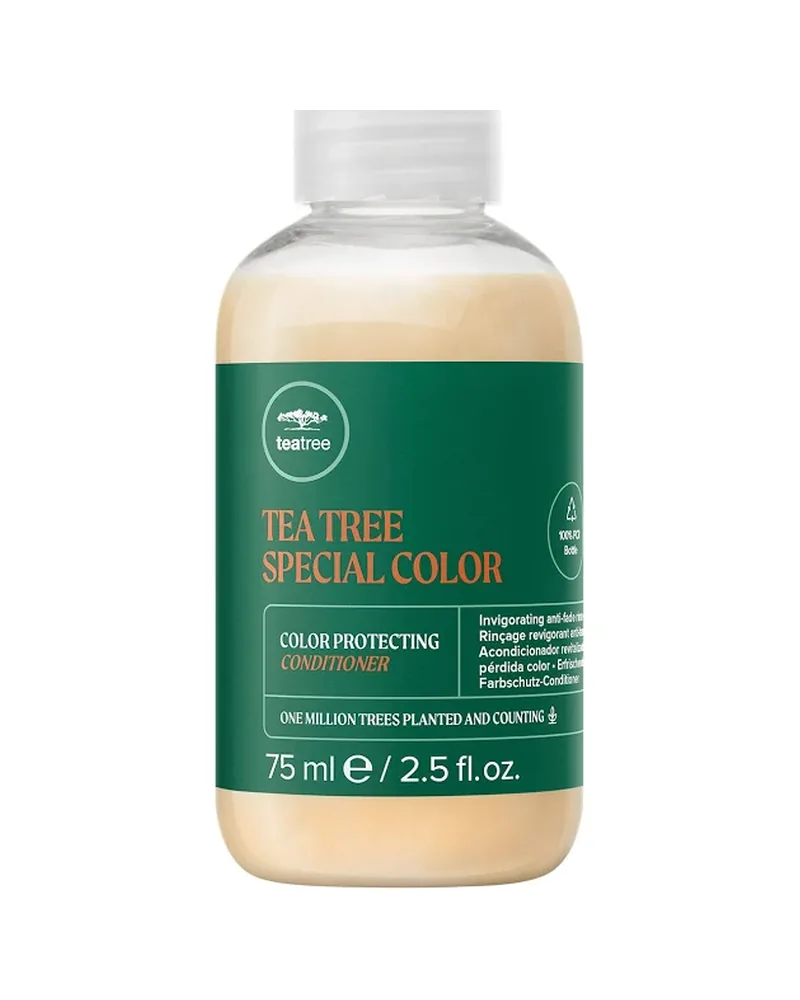
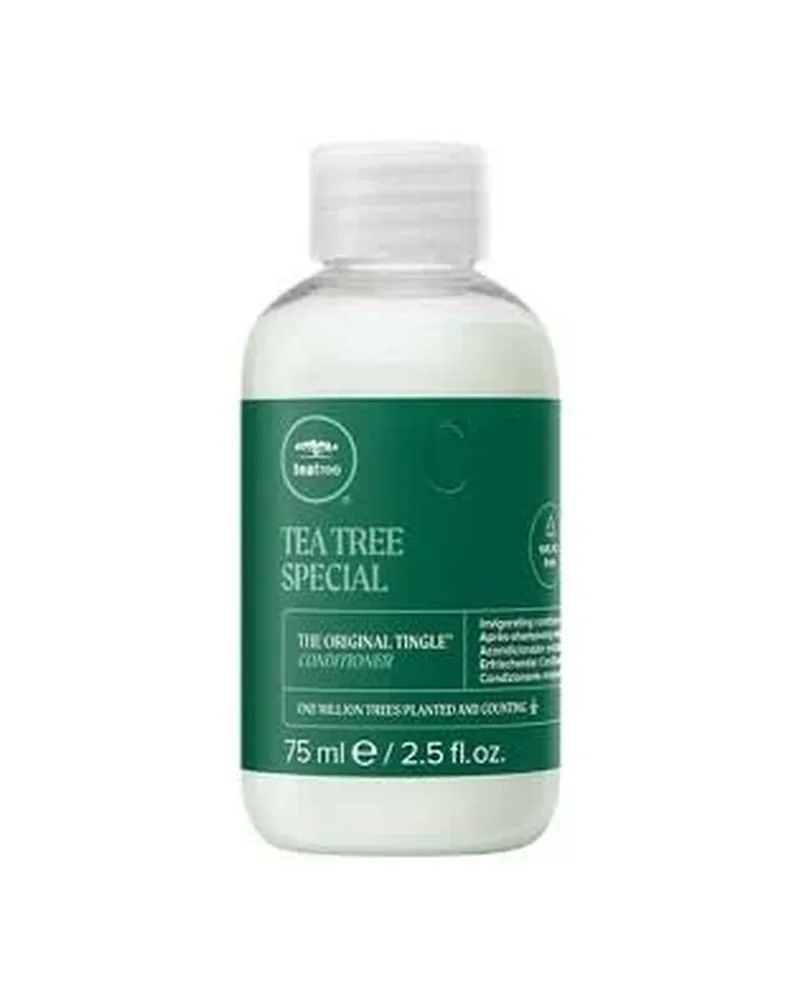
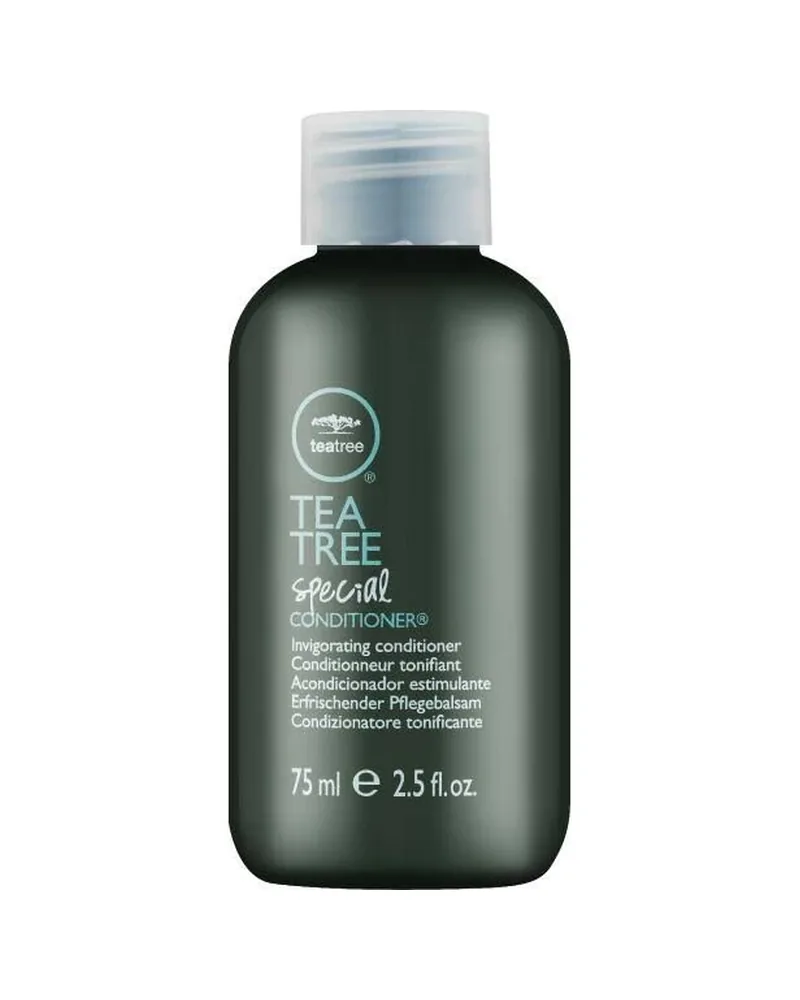
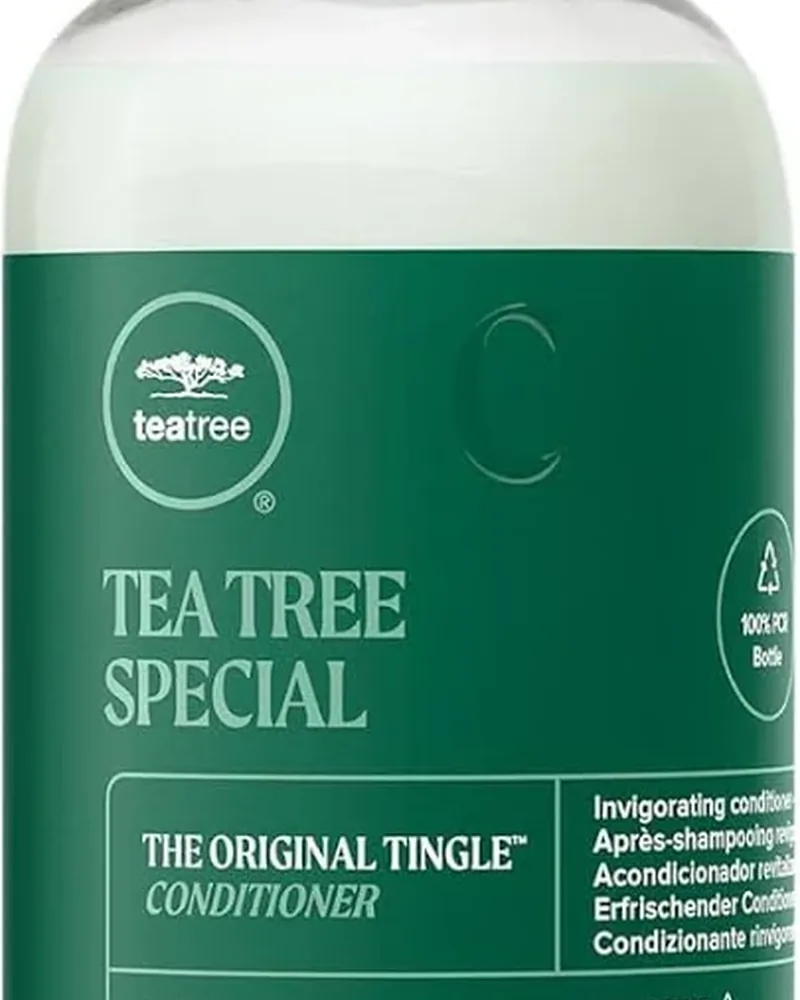
Conditioner / Light rinse-out, detangling
Scent:
Notes: floral, menthol, mint.
Manufacturer page: paulmitchell.com
Personal fit
Complete the consultation to see exactly how well this product fits your hair and your goals. With 2,400+ products in our library we can match exactly the right products to you.
$49.00 one-time consultation, no subscription
Add the optional $49/year membership for unlimited adjustments for changes in weather and lifestyle.
The rest of what your plan weighs on this product.
The consultation builds your hair profile, then reads every factor in this table against it — and tells you where this product fits, or what to use instead.
Start your consultation$49.00 once, for your consultation and hair profile. No subscription, no required purchases.
Your avoid-list
Same job for less elsewhere
$3.80/oz at 2.5 oz — more than 82% of the 689 conditioners , which mostly run $0.91–3.10/oz.
Great for
Maybe skip if
What the formula actually does
Each row says where it comes from: F means we derived it from this product’s own ingredient list, S means it is a claim the brand makes that the formula neither confirms nor contradicts.
Conditioning agents sit high in the list — this is a detangling formula.
No oils or butters in the list.
Water-first and light: unlikely to flatten fine hair.
No humectants found — nothing here pulls water into the hair.
No protein or amino acids in the list.
Nothing here needs a detergent wash to remove.
Chelators are present — they bind hard-water and pool minerals.
Fragrance is listed; it sits below the working ingredients.
Ingredients that matter
The workhorse ingredients plus anything lower down that changes a decision. These chips name what an ingredient does — they are not safety scores, and no ingredient here is rated good or bad on its own.
| Ingredient | What it does | Why it matters | Chip |
|---|---|---|---|
| WaterWater (Aqua, Eau) | solvent | The base everything else is dissolved in | Neutral |
| Isododecane | solvent | The base everything else is dissolved in | Softens |
| Cetearyl Alcohol | fatty alcohol | Thickens and conditions — not a drying alcohol | Softens |
| Behentrimonium Methosulfate | conditioning agent | Conditions and softens — this is what makes it comb through | Detangles |
| Melaleuca Alternifolia (TEA Tree) Leaf Water | botanical extract | A plant extract, marketed as much as functional | Neutral |
| Magnesium Nitrate | salt | Thickens the formula | Stabilizes |
| Magnesium Chloride | salt | Thickens the formula | Stabilizes |
| Tetrasodium EDTA | hard-water chelator | Binds trace metals | Stabilizes |
| Methylchloroisothiazolinone | isothiazolinone | — | Stabilizes |
| Methylisothiazolinone | isothiazolinone | — | Stabilizes |
| FragranceParfum (Fragrance) | fragrance | The scent | Fragrance |
| Menthol | fragrance | The scent | Fragrance |
US labelling rules put ingredients above 1% in descending order of amount; below 1% they may be listed in any order. Annotations keep three readings separate: the ingredient's general function, its role in this product type, and what its position can support.
The base of almost every rinse-off and cream hair product. It carries everything else and is normally the first ingredient on the label.
Listed in the first three ingredients, it is likely a structural part of this formula.
A fast-evaporating carrier that lets oils and polymers spread thinly, then leaves nothing behind.
Listed in the first three ingredients, it is likely a structural part of this formula.
Emollients fill and smooth the surface of the strand, which lowers the friction that lifts the cuticle and reads as roughness.
A waxy fatty alcohol - nothing like drying alcohol. It gives conditioners their body and leaves a soft, smoothing film on the hair.
In conditioner, cetearyl alcohol gives the emulsion its creamy structure and helps it spread evenly through the hair. Its emollient layer adds slip and a smoother feel.
Listed in the first three ingredients, it is likely a structural part of this formula.
May suit dry, coarse, or high-porosity hair that benefits from added slip and a more substantial conditioning film.
Deposits with the cationic conditioners and helps them lie flat along the strand, which is where the detangling actually comes from.
Consider if hair is fine or easily flattened: a formula built heavily around fatty alcohols can feel richer than a lightweight conditioner.
A mild cationic conditioner known for heavy detangling with a light rinse-out feel. Common in curly-hair conditioners.
Listed in positions 4–8, it likely makes a meaningful contribution alongside the formula's main ingredients.
A C22 conditioning quat, the chain length that deposits most heavily in electrokinetic testing. It is the slip coarse or porous hair usually needs, delivered by chain length rather than by charge alone.
A cationic conditioning agent: it binds to the damaged, negatively charged parts of the cuticle and lowers combing friction there.
The class that does the detangling in a conditioner. It deposits lubrication where the cuticle is worn.
Tea tree water used in place of some of the plain water, for scent and label appeal.
Listed in positions 4–8, it likely makes a meaningful contribution alongside the formula's main ingredients.
A stabilising salt that accompanies certain preservative systems.
Listed in positions 4–8, it likely makes a meaningful contribution alongside the formula's main ingredients.
A mineral salt used to thicken a cleanser or stabilise the formula.
Listed in positions 4–8, it likely makes a meaningful contribution alongside the formula's main ingredients.
Binds the metal ions in hard water so they cannot dull hair or destabilise the formula.
It appears around or below the estimated 1% line, where label order no longer indicates relative amount; its role may be minor or technical.
Binds the calcium and magnesium in hard water, which is what stops mineral deposits accumulating on the strand wash after wash.
Copper and iron carried in tap water deposit on the strand and read as a dull, warm cast on gray or light hair. A chelator holds those metals in solution so the wash carries them off.
Used to bring the product to a slightly acidic pH, which helps the cuticle lie flat. It is almost always near the end of the list.
It appears around or below the estimated 1% line, where label order no longer indicates relative amount; its role may be minor or technical.
Holds hard-water minerals in solution so they rinse away instead of depositing on the hair.
The acid side of pH adjustment, and the reason it matters is measured: alkaline formulas raise the fibre's surface negative charge, increase friction between strands and lift the scales, while lower-pH ones do the reverse.
Where a warm cast comes from water minerals rather than from the hair itself, holding those metals in solution is what removes it.
An undisclosed blend of scent ingredients. Regulations let it stay unlisted, so a fragrance-free product is the only way to be certain what is not in it.
It appears around or below the estimated 1% line, where label order no longer indicates relative amount; its role may be minor or technical.
Declared fragrance. On a fragrance-sensitive routine this is the line that decides it, wherever it sits on the label.
Produces the cooling, tingling feeling on the scalp. The sensation is real; it is not evidence that anything else is happening.
It appears around or below the estimated 1% line, where label order no longer indicates relative amount; its role may be minor or technical.
Declared fragrance. On a fragrance-sensitive routine this is the line that decides it, wherever it sits on the label.
A lilac-like fragrance component found naturally in several essential oils.
It appears around or below the estimated 1% line, where label order no longer indicates relative amount; its role may be minor or technical.
Declared fragrance. On a fragrance-sensitive routine this is the line that decides it, wherever it sits on the label.
An individual aroma chemical. It is part of the product's fragrance; brands that print these are disclosing more of the blend than the rules require.
It appears around or below the estimated 1% line, where label order no longer indicates relative amount; its role may be minor or technical.
Declared fragrance. On a fragrance-sensitive routine this is the line that decides it, wherever it sits on the label.
A pine-scented component of essential oils, declared as part of the fragrance.
It appears around or below the estimated 1% line, where label order no longer indicates relative amount; its role may be minor or technical.
Declared fragrance. On a fragrance-sensitive routine this is the line that decides it, wherever it sits on the label.
An individual aroma chemical. It is part of the product's fragrance; brands that print these are disclosing more of the blend than the rules require.
It appears around or below the estimated 1% line, where label order no longer indicates relative amount; its role may be minor or technical.
Declared fragrance. On a fragrance-sensitive routine this is the line that decides it, wherever it sits on the label.
A certified colour added to tint the product itself. It does not colour hair.
It appears around or below the estimated 1% line, where label order no longer indicates relative amount; its role may be minor or technical.
A violet or blue colorant sits opposite yellow on the colour wheel, so a trace of it deposited on the surface makes a warm cast read cooler. It washes out over the following few washes.
A certified colour used to tint the product itself, not the hair.
It appears around or below the estimated 1% line, where label order no longer indicates relative amount; its role may be minor or technical.
A violet or blue colorant sits opposite yellow on the colour wheel, so a trace of it deposited on the surface makes a warm cast read cooler. It washes out over the following few washes.
Ingredient list captured 2026-08-22. Formulas change — check the package in your hand when an ingredient matters to you.
Price · 2.5 oz
Priced above the products that do the same job. Stores sell it above the $1 line; products that do this job typically go for about $4 at this size.
Sizes
The 33.8 oz costs 61% less per ounce than the 2.5 oz.
2.5 ozmost listed
10.14 oz
25 ozBest per ounce
33.8 oz
Sorted by price per ounce. Dated observations from our research, not live prices. Direct store pages, no affiliate links. We don’t sell this product. and 1 listing we don’t count — grey-market or unverified sellers.
Formula
The formula carries what a conditioner is built around, and 8 products we score as close matches cost at least a quarter less per ounce. The difference is buying the label, not a different formula.
The formula score is completeness for the job: the share of the systems this product type is normally built around that we can find in this list, weighted. It is not efficacy, not quality, and it never compares across product types.
Does the same job, for less
Same derived functions — what it cleans, conditions, coats or holds — at a lower cost per ounce. Scent, texture and where you buy it can still differ.
See more alternatives in the product library
These are functional neighbours, not personal recommendations — they are close on formula, not chosen for anyone. Get the one that fits your hair, routine, and budget

Final decision
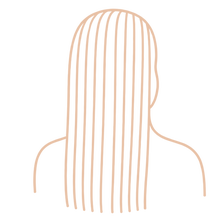
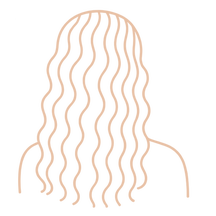
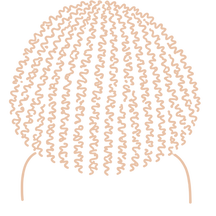
Hair that stiffens on protein, looking for a protein-free formula and real detangling slip
Less suited to anyone sensitive to fragrance, soft, over-stretchy hair that needs protein, or very dry hair looking for water-binding
We do not sell products or take placement fees. This page states what the formula and the prices show; the consultation is what matches it to a person.
Claims check
Claims are quoted from the brand. We only mark one supported, partly supported, or conflicting when the ingredient list actually speaks to it; everything else stays "stated by the brand", which is not a criticism — most claims simply cannot be read off a label.
#1 Scalp Care Conditioner (salon sales in US, Q3 2024-Q2 2025)
A sales or award claim. It says nothing about what is in the bottle.
—
Popularity, not performance.
Invigorating conditioner helps to detangle, smooth and soften
Conditioning agents that reduce combing force sit high in the list.
Easier detangling, less breakage.
Color safe, vegan, paraben-free, gluten-free
No parabens appear in the ingredient list.
—
Preserved without parabens.
Made with 100% Australian tea tree from certified responsible sourcing
A brand-run study. We report it as stated and do not repeat the number as fact.
—
Only the brand’s testing shows this.
We look at the first 10–15 ingredients and what they do in a formula — not marketing. If the list doesn't speak to a claim, we don't assume.
Reviewers
Recurring themes our researchers wrote in their own words from sourced reviews. We do not store or scrape star ratings.
The cooling and tingling tea-tree-mint scent is consistently called out as a refreshing, enjoyable sensory experience.
general reviewer baseReviewers with scalp irritation or dry scalp report noticeable relief, with some describing improvement after the very first use.
buyers using it for scalp concerns, including on behalf of family membersSome users report weak lather and poor detangling performance, finding it does not fully work through tangles.
general reviewer baseShoppers question whether results justify the price point at the 33.8oz size ($50), citing value-for-money concerns.
price-sensitive reviewers