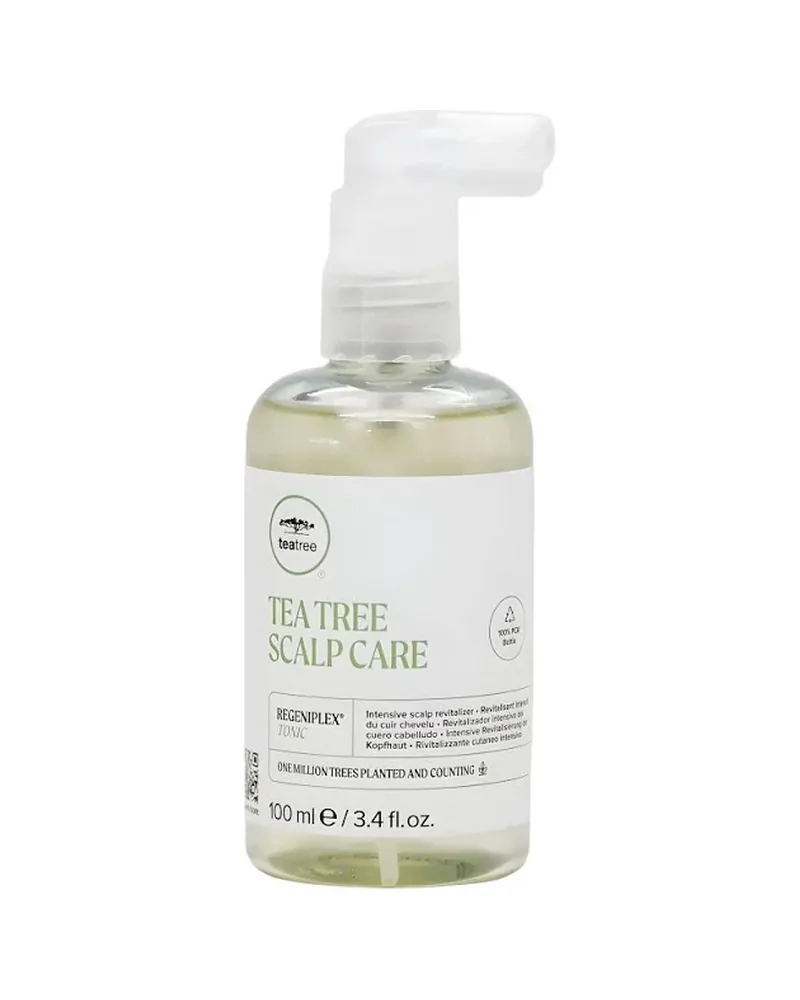
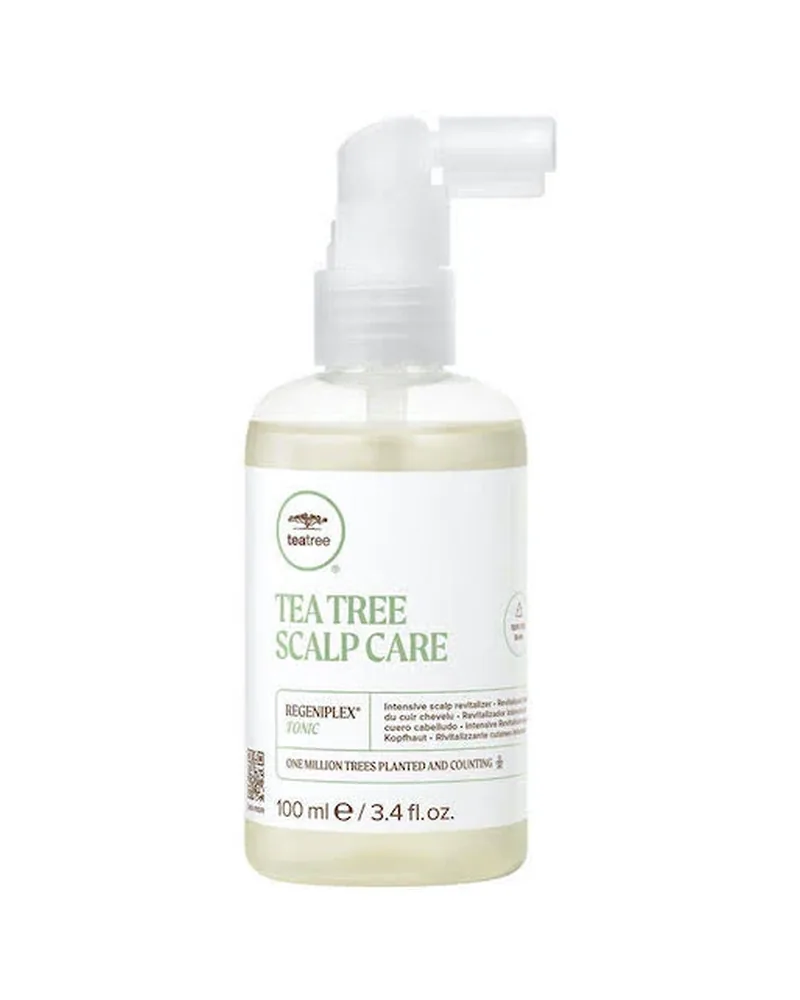
Scalp Care Regeniplex Tonic
Scalp treatment
- Scalp treatment
- Sulfate-free
- Silicone-free
- Moisture-rich
- Cruelty-free · PETA-listed
Add it to your products. We’ll tell you if it’s ever recalled.
Scent:
The ingredient list declares fragrance. What it smells of is not stated, and we do not guess.
Manufacturer page: paulmitchell.com
Personal fit
Is this right for you?
Complete the consultation to see how well this product fits your hair and your goals. With 6,000+ products in our library, we can match you to the right ones.
- About 20 minutes, and your answers save as you go.
- Every product matched against your hair across the 19 factors we check.
- A personalized routine built around your schedule, styling habits, and local weather.
- Find products that do the same job at a lower cost.
- Your goals, scalp, damage history, water, budget, and scent preferences all shape your plan.
$49 with 60 days of follow-up questions and plan updates
$99 with 12 months. Pay once; the year renews only if you choose.
Show all 19 factors we check
The rest of what your plan weighs on this product.
The consultation builds your hair profile, checks every factor in this table against it, and tells you where this product fits or what to use instead.
Start your consultation$49 once, with 60 days of follow-up questions and plan updates. Nothing renews, and you never have to buy a product.
Your avoid-list
Upper-mid price for a scalp treatment
$17.65/oz at 3.4 oz, more than 72% of the 280 scalp treatments , which mostly run $3.84–19.05/oz. The cost less.
Great for
Maybe skip if
What the formula actually does
Read from the label, not the marketing
Each row says where it comes from: F means we derived it from this product’s own ingredient list, S means it is a claim the brand makes that the formula neither confirms nor contradicts.
Conditioning agents are present, lower in the list.
Oils are present, but low enough to be a finishing touch.
Water-first and light: unlikely to flatten fine hair.
Humectants near the top: binding water is one of its main jobs.
Protein appears, low enough to be a supporting ingredient.
Nothing here needs a detergent wash to remove.
Contains chelators, which bind hard-water and pool minerals.
Fragrance is listed; it sits below the working ingredients.
Ingredients that matter
The ingredients that change a decision
The workhorse ingredients, plus anything lower down that changes a decision. The chips name what an ingredient does. They are not safety scores, and no ingredient here is rated good or bad on its own.
| Ingredient | What it does | Why it matters | Chip |
|---|---|---|---|
| WaterWater (Aqua, Eau) | solvent | The base everything else is dissolved in | Neutral |
| Alcohol Denat.Alcohol Denat. (SD Alcohol 40-B) | drying alcohol | Speeds drying but can leave hair feeling dry | Drying |
| Butylene Glycol | humectant | Pulls water into the hair | Moisturizes |
| Ethoxydiglycol | solvent | The base everything else is dissolved in | Moisturizes |
| Methyl Gluceth-20Methyl Glucate-20 | humectant | Pulls water into the hair | Moisturizes |
| Biotin | vitamin | A marketed vitamin addition | Neutral |
| Niacin | conditioning agent | Reduces combing force | Detangles |
| Panthenol | humectant | Pulls water into the hair | Detangles |
| Pisum Sativum (Pea) Peptide | protein | A small amount of protein | Protein |
| Hydrolyzed Vegetable Protein PG-Propyl Silanetriol | film former | A supporting film former | Protein |
| Hydrolyzed Yeast Protein | film former | A supporting film former | Protein |
| Acetyl Tetrapeptide-3 | active | A secondary active | Active |
Full ingredient list (55)
In the US, ingredients above 1% are listed from most to least. Below 1% they can appear in any order. Each note keeps three things apart: what the ingredient generally does, its role in this type of product, and what its position can tell you.
-
1
Water
· Water (Aqua, Eau)
General function
The base of almost every rinse-off and cream hair product. It carries everything else and is normally the first ingredient on the label.
Leading ingredientListed in the first three ingredients, it is likely a structural part of this formula.
- solvent
-
2
Alcohol Denat.
· Alcohol Denat. (SD Alcohol 40-B)
General function
Fast-drying alcohol used to make sprays set quickly. In leave-on products it can leave hair feeling dry, especially in high position on the list.
Leading ingredientListed in the first three ingredients, it is likely a structural part of this formula.
PubChemMay suitFine or easily flattened hairEvaporates on contact, which is how a spray sets almost instantly and leaves no weight behind it.
May not suitDry, coarse, or high-porosity hairPorous hair gives water up easily as it is; a fast-evaporating solvent high on the list accelerates that.
May not suitVery dry or highly damaged hairIt evaporates quickly and takes some water with it. On hair already short of moisture, a formula built on a lot of it can finish drier than it started.
- drying alcohol
- solvent
-
3
Butylene Glycol
General function
A light humectant and carrier that helps extracts dissolve.
Leading ingredientListed in the first three ingredients, it is likely a structural part of this formula.
PubChemMay suitFine or easily flattened hairLight and water-binding rather than oily, so it adds less weight than oils or butters do.
May suitVery dry or highly damaged hairA small water-binding solvent. It holds moisture and helps the rest of the formula spread evenly over the strand.
DependsClimate-sensitive or frizz-prone hairA humectant follows the air: it holds water in humid conditions and can give it up in very dry ones. Climate decides what it does more than the label does.
- humectant
- solvent
-
4
Ethoxydiglycol
General function
A solvent that helps dissolve ingredients that resist both oil and water, and improves how evenly they deposit.
Supporting ingredientListed in positions 4–8, it likely makes a meaningful contribution alongside the formula's main ingredients.
May suitFine or easily flattened hairLight and water-binding rather than oily, so it adds less weight than oils or butters do.
May suitVery dry or highly damaged hairA small water-binding solvent. It holds moisture and helps the rest of the formula spread evenly over the strand.
DependsClimate-sensitive or frizz-prone hairA humectant follows the air: it holds water in humid conditions and can give it up in very dry ones. Climate decides what it does more than the label does.
- solvent
- humectant
-
5
Methyl Gluceth-20
· Methyl Glucate-20
General function
A sugar-derived humectant that holds water with a lighter, satin feel rather than glycerin's tack. It also helps other ingredients stay dissolved.
Supporting ingredientListed in positions 4–8, it likely makes a meaningful contribution alongside the formula's main ingredients.
May suitFine or easily flattened hairLight and water-binding rather than oily, so it adds less weight than oils or butters do.
May suitFrizz-prone, damaged, or high-friction hairEmollients fill and smooth the surface of the strand, which lowers the friction that lifts the cuticle and reads as roughness.
May suitVery dry or highly damaged hairA small water-binding solvent. It holds moisture and helps the rest of the formula spread evenly over the strand.
- humectant
- emollient
- solvent
-
6
Biotin
General function
Vitamin B7, included for label appeal in thickening and growth-positioned products. Applied to hair it does not reach the follicle.
Supporting ingredientPubChemListed in positions 4–8, it likely makes a meaningful contribution alongside the formula's main ingredients.
- vitamin
-
7
Niacin
- conditioning agent
- vitamin
-
8
Panthenol
General function
Provitamin B5. It draws in water and penetrates the strand a little, which is why it is the standard ingredient for softness and shine claims.
Supporting ingredientListed in positions 4–8, it likely makes a meaningful contribution alongside the formula's main ingredients.
PubChemMay suitFine or easily flattened hairIt hydrates without adding oil or a film, which is the combination fine hair usually needs.
May suitFrizz-prone, damaged, or high-friction hairDeposits a lubricating layer that makes combing easier, which is most of what stops mechanical damage adding to frizz.
May suitVery dry or highly damaged hairA humectant that also penetrates the cuticle, so it holds water inside the strand rather than only on the surface.
- humectant
- conditioning agent
- vitamin
-
9
Melaleuca Alternifolia (TEA Tree) Leaf Water
- botanical extract
-
10
Pisum Sativum (Pea) Peptide
General function
A short-chain pea protein used for strength and body claims in vegan formulas.
Secondary ingredientLower in the ordered portion of the list, it is more likely playing a supporting role than defining the formula.
DependsVery dry or highly damaged hairUnhydrolysed protein is too large to enter the strand. It sits on the surface, which is a coating effect rather than internal reinforcement.
- protein
- ▾Below about here, the order stops meaning much. These are usually used at 1% or less.
-
11
Terminalia Ferdinandiana Fruit Extract
- botanical extract
- antioxidant
-
12
Trifolium Pratense (Clover) Flower Extract
- botanical extract
-
13
Curcuma Longa (Turmeric) Root Extract
- botanical extract
- antioxidant
- 14 Dioscorea Villosa (Wild Yam) Root Extract
-
15
Panax Ginseng Root Extract
- botanical extract
- 16 Glycine Soja Seed Extract
-
17
Hydrolyzed Vegetable Protein PG-Propyl Silanetriol
General function
A plant protein modified to bind more firmly to hair than a plain hydrolysed protein. Used for strength and body claims.
Estimated lower-concentration zoneIt appears around or below the estimated 1% line, where label order no longer indicates relative amount; its role may be minor or technical.
May suitFrizz-prone, damaged, or high-friction hairFilling surface gaps evens out the cuticle, which is part of what makes damaged hair comb and reflect light more like undamaged hair.
May suitMaximum-hold stylingFilm formers are what hold a style: they dry into a connected film across the strands so the shape resists movement.
May suitVery dry or highly damaged hairHydrolysed fragments are small enough to sit in the gaps of a worn cuticle for a wash or two, temporarily restoring stiffness and cutting breakage in combing.
- film former
- protein
- hydrolysed protein
-
18
Hydrolyzed Yeast Protein
General function
A protein broken into fragments small enough to cling to the hair. It fills gaps on damaged strands and firms the feel for a few washes; too much reads as stiff.
Estimated lower-concentration zoneIt appears around or below the estimated 1% line, where label order no longer indicates relative amount; its role may be minor or technical.
May suitFrizz-prone, damaged, or high-friction hairFilling surface gaps evens out the cuticle, which is part of what makes damaged hair comb and reflect light more like undamaged hair.
May suitMaximum-hold stylingFilm formers are what hold a style: they dry into a connected film across the strands so the shape resists movement.
May suitVery dry or highly damaged hairHydrolysed fragments are small enough to sit in the gaps of a worn cuticle for a wash or two, temporarily restoring stiffness and cutting breakage in combing.
- film former
- protein
- hydrolysed protein
-
19
Leuconostoc/Radish Root Ferment Filtrate
- preservative
-
20
Saccharomyces Cerevisiae Extract
- botanical extract
-
21
Saccharomyces Lysate Extract
- botanical extract
-
22
Serenoa Serrulata Fruit Extract
- botanical extract
-
23
Acetyl Tetrapeptide-3
- active
- protein
-
24
Alcohol Denat.
· Alcohol
General function
Fast-drying alcohol used to make sprays set quickly. In leave-on products it can leave hair feeling dry, especially in high position on the list.
Estimated lower-concentration zoneIt appears around or below the estimated 1% line, where label order no longer indicates relative amount; its role may be minor or technical.
PubChemMay suitFine or easily flattened hairEvaporates on contact, which is how a spray sets almost instantly and leaves no weight behind it.
- drying alcohol
- solvent
-
25
Dextran
- polymer
- thickener
- binder
-
26
Glycerin
General function
Glycerin, also called glycerol, attracts moisture and mixes completely with water.
Estimated lower-concentration zoneIt appears around or below the estimated 1% line, where label order no longer indicates relative amount; its role may be minor or technical.
Scientific ReportsMay suitDry, coarse, or high-porosity hairHigh-porosity hair loses water fast; a humectant holds some of it in place for longer than the wash itself would.
May suitVery dry or highly damaged hairBinds water into the outer layers of the strand, and water is what makes dry hair flexible again rather than brittle.
DependsClimate-sensitive or frizz-prone hairWater moves both ways. Measured across concentrations, glycerin solutions give water up in some conditions and take it from the air in others. What it does for you depends on how much of it is there and on the air around it.
- humectant
-
27
Tetrasodium EDTA
General function
Binds the metal ions in hard water so they cannot dull hair or destabilise the formula.
Estimated lower-concentration zoneIt appears around or below the estimated 1% line, where label order no longer indicates relative amount; its role may be minor or technical.
PubChemMay suitBuild-up-sensitive routinesBinds the calcium and magnesium in hard water, which is what stops mineral deposits accumulating on the strand wash after wash.
May suitGray, silver, or brass-prone hairCopper and iron carried in tap water deposit on the strand and read as a dull, warm cast on gray or light hair. A chelator holds those metals in solution so the wash carries them off.
- hard-water chelator
-
28
Phenoxyethanol
- preservative
-
29
Polyquaternium-37
General function
A thickening polymer that gives creams and curl products their bounce and helps them cling to the strand.
Estimated lower-concentration zoneIt appears around or below the estimated 1% line, where label order no longer indicates relative amount; its role may be minor or technical.
May suitCurls or waves needing flexible holdCationic polymers hold a curl loosely and stay soft, which is why they turn up in definition products rather than firm-hold ones.
May suitFrizz-prone, damaged, or high-friction hairA cationic polymer stays on the hair through rinsing, which is what keeps static and combing friction down after the wash.
May suitMaximum-hold stylingFilm formers are what hold a style: they dry into a connected film across the strands so the shape resists movement.
- conditioning agent
- film former
- polymer
- thickener
-
30
Potassium Sorbate
- preservative
-
31
Sodium Benzoate
- preservative
-
32
Fragrance
· Fragrance (Parfum)
General function
An undisclosed blend of scent ingredients. Regulations let it stay unlisted, so a fragrance-free product is the only way to be certain what is not in it.
Estimated lower-concentration zoneIt appears around or below the estimated 1% line, where label order no longer indicates relative amount; its role may be minor or technical.
May not suitFragrance-sensitive routinesDeclared fragrance. On a fragrance-sensitive routine this is the line that decides it, wherever it sits on the label.
- fragrance
- declared fragrance
-
33
Citral
General function
A lemon-scented fragrance component listed separately as a recognised allergen.
Estimated lower-concentration zoneIt appears around or below the estimated 1% line, where label order no longer indicates relative amount; its role may be minor or technical.
PubChemMay not suitFragrance-sensitive routinesOne of the 26 scent components the EU requires to be named individually above a threshold. It is named because it is a known contact allergen, not because it is unusual.
- fragrance
- named fragrance allergen
-
34
Citronellol
General function
A rose-like fragrance component named separately as a recognised allergen.
Estimated lower-concentration zoneIt appears around or below the estimated 1% line, where label order no longer indicates relative amount; its role may be minor or technical.
PubChemMay not suitFragrance-sensitive routinesOne of the 26 scent components the EU requires to be named individually above a threshold. It is named because it is a known contact allergen, not because it is unusual.
- fragrance
- named fragrance allergen
-
35
Coumarin
General function
A sweet, hay-like fragrance component listed separately as a recognised allergen.
Estimated lower-concentration zoneIt appears around or below the estimated 1% line, where label order no longer indicates relative amount; its role may be minor or technical.
PubChemMay not suitFragrance-sensitive routinesOne of the 26 scent components the EU requires to be named individually above a threshold. It is named because it is a known contact allergen, not because it is unusual.
- fragrance
- named fragrance allergen
-
36
Eugenol
General function
A clove-scented fragrance component listed separately as a recognised allergen.
Estimated lower-concentration zoneIt appears around or below the estimated 1% line, where label order no longer indicates relative amount; its role may be minor or technical.
PubChemMay not suitFragrance-sensitive routinesOne of the 26 scent components the EU requires to be named individually above a threshold. It is named because it is a known contact allergen, not because it is unusual.
- fragrance
- named fragrance allergen
-
37
Geraniol
General function
A rose-scented fragrance component, listed on its own because some people react to it.
Estimated lower-concentration zoneIt appears around or below the estimated 1% line, where label order no longer indicates relative amount; its role may be minor or technical.
May not suitFragrance-sensitive routinesOne of the 26 scent components the EU requires to be named individually above a threshold. It is named because it is a known contact allergen, not because it is unusual.
- fragrance
- named fragrance allergen
-
38
Limonene
General function
A citrus-smelling fragrance component that EU rules require to be named separately because some people react to it.
Estimated lower-concentration zoneIt appears around or below the estimated 1% line, where label order no longer indicates relative amount; its role may be minor or technical.
PubChemMay not suitFragrance-sensitive routinesOne of the 26 scent components the EU requires to be named individually above a threshold. It is named because it is a known contact allergen, not because it is unusual.
- fragrance
- named fragrance allergen
-
39
Linalool
General function
A floral fragrance component listed separately as a recognised contact allergen.
Estimated lower-concentration zoneIt appears around or below the estimated 1% line, where label order no longer indicates relative amount; its role may be minor or technical.
PubChemMay not suitFragrance-sensitive routinesOne of the 26 scent components the EU requires to be named individually above a threshold. It is named because it is a known contact allergen, not because it is unusual.
- fragrance
- named fragrance allergen
-
40
Linalyl Acetate
General function
A lavender-like fragrance component, related to linalool and listed for the same allergen reason.
Estimated lower-concentration zoneIt appears around or below the estimated 1% line, where label order no longer indicates relative amount; its role may be minor or technical.
May not suitFragrance-sensitive routinesOne of the 26 scent components the EU requires to be named individually above a threshold. It is named because it is a known contact allergen, not because it is unusual.
- fragrance
- named fragrance allergen
-
41
Pogostemon Cablin Oil
General function
Patchouli essential oil, used as an earthy fragrance note.
Estimated lower-concentration zoneIt appears around or below the estimated 1% line, where label order no longer indicates relative amount; its role may be minor or technical.
May not suitFragrance-sensitive routinesEssential oils are fragrance. Several carry constituents on the EU list of declared fragrance allergens, so a label with no fragrance line can still be a scented product.
- botanical extract
- essential oil
- fragrance
-
42
Camphor
General function
Produces a cooling, medicinal sensation on the scalp and contributes scent.
Estimated lower-concentration zoneIt appears around or below the estimated 1% line, where label order no longer indicates relative amount; its role may be minor or technical.
PubChemMay not suitFragrance-sensitive routinesDeclared fragrance. On a fragrance-sensitive routine this is the line that decides it, wherever it sits on the label.
- fragrance
- active
-
43
Pinene
General function
A pine-scented component of essential oils, declared as part of the fragrance.
Estimated lower-concentration zoneIt appears around or below the estimated 1% line, where label order no longer indicates relative amount; its role may be minor or technical.
May not suitFragrance-sensitive routinesDeclared fragrance. On a fragrance-sensitive routine this is the line that decides it, wherever it sits on the label.
- fragrance
-
44
Eucalyptus Globulus Oil
General function
The essential oil of Eucalyptus Globulus. Essential oils are aromatic — they are in the formula for scent, and they are a common source of declared fragrance allergens.
Estimated lower-concentration zoneIt appears around or below the estimated 1% line, where label order no longer indicates relative amount; its role may be minor or technical.
May not suitFragrance-sensitive routinesEssential oils are fragrance. Several carry constituents on the EU list of declared fragrance allergens, so a label with no fragrance line can still be a scented product.
- botanical extract
- essential oil
- fragrance
-
45
Pelargonium Graveolens Flower Oil
General function
The essential oil of Pelargonium Graveolens. Essential oils are aromatic — they are in the formula for scent, and they are a common source of declared fragrance allergens.
Estimated lower-concentration zoneIt appears around or below the estimated 1% line, where label order no longer indicates relative amount; its role may be minor or technical.
May not suitFragrance-sensitive routinesEssential oils are fragrance. Several carry constituents on the EU list of declared fragrance allergens, so a label with no fragrance line can still be a scented product.
- botanical extract
- essential oil
- fragrance
-
46
Geranyl Acetate
General function
A rose-scented fragrance component related to geraniol.
Estimated lower-concentration zoneIt appears around or below the estimated 1% line, where label order no longer indicates relative amount; its role may be minor or technical.
May not suitFragrance-sensitive routinesOne of the 26 scent components the EU requires to be named individually above a threshold. It is named because it is a known contact allergen, not because it is unusual.
- fragrance
- named fragrance allergen
-
47
Terpineol
General function
A lilac-like fragrance component found naturally in several essential oils.
Estimated lower-concentration zoneIt appears around or below the estimated 1% line, where label order no longer indicates relative amount; its role may be minor or technical.
May not suitFragrance-sensitive routinesDeclared fragrance. On a fragrance-sensitive routine this is the line that decides it, wherever it sits on the label.
- fragrance
-
48
Citrus Limon (Lemon) Peel Oil
General function
A cold-pressed citrus oil used for a fresh scent; naturally high in limonene.
Estimated lower-concentration zoneIt appears around or below the estimated 1% line, where label order no longer indicates relative amount; its role may be minor or technical.
May not suitFragrance-sensitive routinesEssential oils are fragrance. Several carry constituents on the EU list of declared fragrance allergens, so a label with no fragrance line can still be a scented product.
- botanical extract
- essential oil
- fragrance
-
49
beta-caryophyllene
General function
An individual aroma chemical. It is part of the product's fragrance; brands that print these are disclosing more of the blend than the rules require.
Estimated lower-concentration zoneIt appears around or below the estimated 1% line, where label order no longer indicates relative amount; its role may be minor or technical.
May not suitFragrance-sensitive routinesDeclared fragrance. On a fragrance-sensitive routine this is the line that decides it, wherever it sits on the label.
- fragrance
-
50
Carvone
General function
A mint- or caraway-scented fragrance component.
Estimated lower-concentration zoneIt appears around or below the estimated 1% line, where label order no longer indicates relative amount; its role may be minor or technical.
May not suitFragrance-sensitive routinesDeclared fragrance. On a fragrance-sensitive routine this is the line that decides it, wherever it sits on the label.
- fragrance
-
51
Vanillin
General function
The main scent compound in vanilla, used as a fragrance note.
Estimated lower-concentration zoneIt appears around or below the estimated 1% line, where label order no longer indicates relative amount; its role may be minor or technical.
PubChemMay not suitFragrance-sensitive routinesDeclared fragrance. On a fragrance-sensitive routine this is the line that decides it, wherever it sits on the label.
- fragrance
-
52
Eugenia Caryophyllus Oil
General function
The oil pressed from Eugenia Caryophyllus. How much weight a plant oil leaves depends on the hair it lands on; coarse hair tends to take more of it than fine hair.
Estimated lower-concentration zoneIt appears around or below the estimated 1% line, where label order no longer indicates relative amount; its role may be minor or technical.
May suitDry, coarse, or high-porosity hairCoats the surface and slows water leaving the strand, which is usually what coarse hair that dries out fast is missing.
May suitFrizz-prone, damaged, or high-friction hairA thin oil layer lowers friction between strands and flattens the raised cuticle that scatters light and catches on its neighbours.
- oil
- emollient
-
53
anethole
General function
An individual aroma chemical. It is part of the product's fragrance; brands that print these are disclosing more of the blend than the rules require.
Estimated lower-concentration zoneIt appears around or below the estimated 1% line, where label order no longer indicates relative amount; its role may be minor or technical.
May not suitFragrance-sensitive routinesDeclared fragrance. On a fragrance-sensitive routine this is the line that decides it, wherever it sits on the label.
- fragrance
-
54
Hexamethylindanopyran
General function
A synthetic musk used as a long-lasting fragrance base note.
Estimated lower-concentration zoneIt appears around or below the estimated 1% line, where label order no longer indicates relative amount; its role may be minor or technical.
PubChemMay not suitFragrance-sensitive routinesDeclared fragrance. On a fragrance-sensitive routine this is the line that decides it, wherever it sits on the label.
- fragrance
-
55
Benzyl Benzoate
General function
A fragrance component with a faint balsamic scent, named separately on the label because it is a recognised contact allergen.
Estimated lower-concentration zoneIt appears around or below the estimated 1% line, where label order no longer indicates relative amount; its role may be minor or technical.
PubChemMay not suitFragrance-sensitive routinesOne of the 26 scent components the EU requires to be named individually above a threshold. It is named because it is a known contact allergen, not because it is unusual.
- fragrance
- named fragrance allergen
What the whole list adds up to
- 23 fragrances
- 12 botanical extracts
- 10 named fragrance allergens
- 6 solvents
- 5 humectants
- 4 proteins
- 4 preservatives
- 4 essential oils
- 3 vitamins
- 3 film formers
- 2 drying alcohols
- 2 emollients
- 2 conditioning agents
- 2 antioxidants
Ingredient list captured 2026-10-07. Formulas change, so check the package in your hand when an ingredient matters to you.
Price · 3.4 oz
Priced above the products that do the same job. Stores sell it above the $19 line; products that do this job typically go for about $22 at this size.
Show the price ladder
Where we’ve seen it6 listings · 6 stores
-
Beauty Plus Salon
$43.193.4 oz · $12.70/ozOct 8Lowest per oz
-
Paul Mitchell (brand site)
$60.003.4 oz · $17.65/ozOct 7
-
Ulta Beauty
$60.003.4 oz · $17.65/ozOct 8
-
John Paul Mitchell Systems
$60.003.4 oz · $17.65/ozOct 8
-
Sephora
$60.003.4 oz · $17.65/ozOct 8
-
Target
$60.003.4 oz · $17.65/ozOct 8
Sorted by price per ounce. Dated observations from our research, not live prices. Direct store pages, no affiliate links. We don’t sell this product.
How we work this out
- 3.4 oz is the size stores list most often; every comparison on this page is made at it. Other sizes are shown in the Sizes row and the store list.
- Commonly seen is the middle half of current prices for the 3.4 oz at recognised stores. We leave out the cheapest and most expensive quarters, so one sale or one overpriced listing can’t move it.
- Good value under $19 comes from the 8 products we score as doing the same job as this one. A quarter of them cost less than $5.61/oz; at 3.4 oz that is $19. Under that line you are paying less than most of them.
- About $22 is what those same products typically cost at this size: the midpoint of their prices per ounce, scaled to 3.4 oz.
Formula
Both the formula and the price land mid-range: it covers the core of what a scalp treatment does and costs about what scalp treatments cost per ounce.
How the score is counted
- 6 products we score as doing the same job cost less per ounce
- Costs more per ounce than 72% of the 280 scalp treatments we’ve priced
- No conditioning agents up front in the formula
- Reviewers mention 2 recurring complaints
- Conditioning agents up frontWhat makes wet hair comb through.3 pts
- Oils or butters in the working zoneSoftens the strand rather than just coating it.2 pts
- Slip for detanglingReduces the force it takes to comb wet hair.2 pts
- A humectantBinds water into the hair.1 pt
- A pH adjusterBrings the formula to the acidic pH hair prefers.1 pt
- Fragrance kept out of the top eightScent as a finishing touch, not a major share.1 pt
The formula score measures completeness for the job: a weighted share of the systems this product type is usually built around that we find in this list. It does not rate how well the product works or its quality, and it never compares across product types.
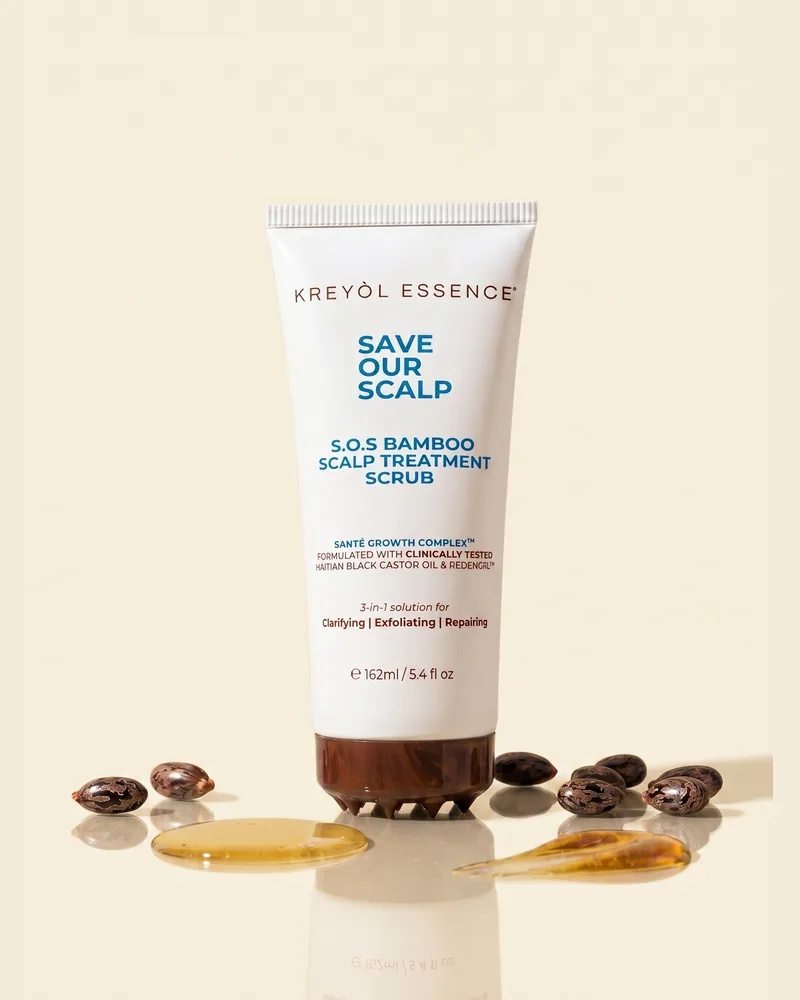
Does the same job, for less
Formulas that do the same things (cleanse, condition, coat or hold) for less per ounce. Scent, texture and where you buy them can still differ.
- Lightweight
- Silicone-free
- Alcohol-free
- Differs
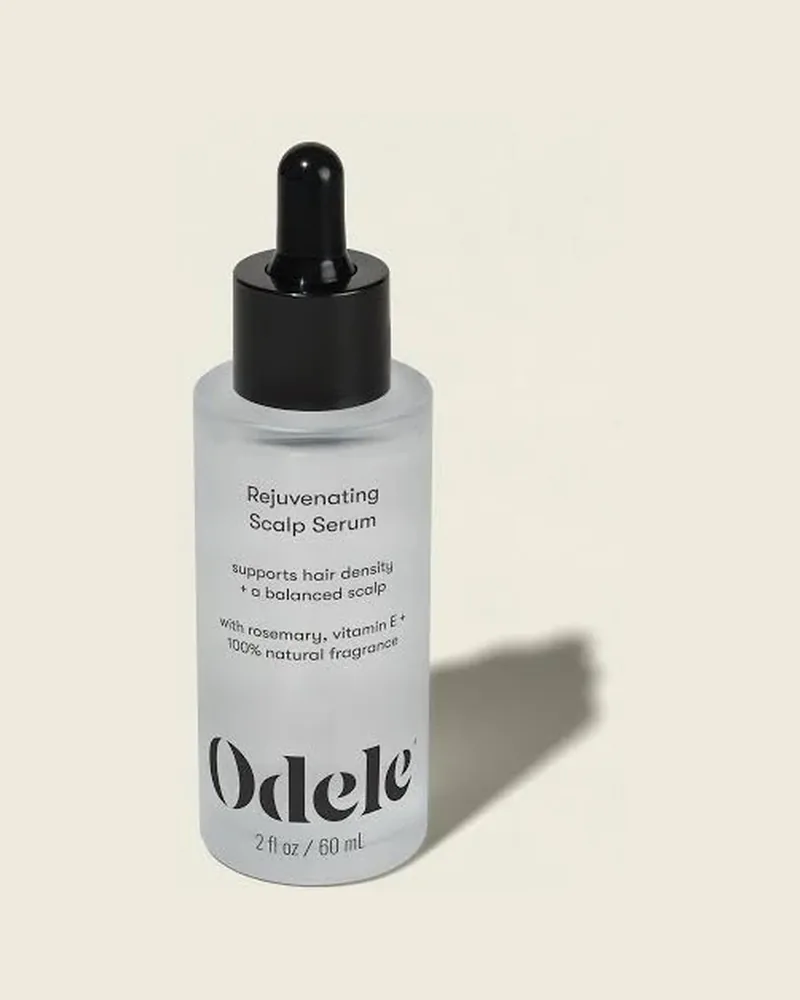
- Lightweight
- Silicone-free
- Alcohol-free
- Function
- Also
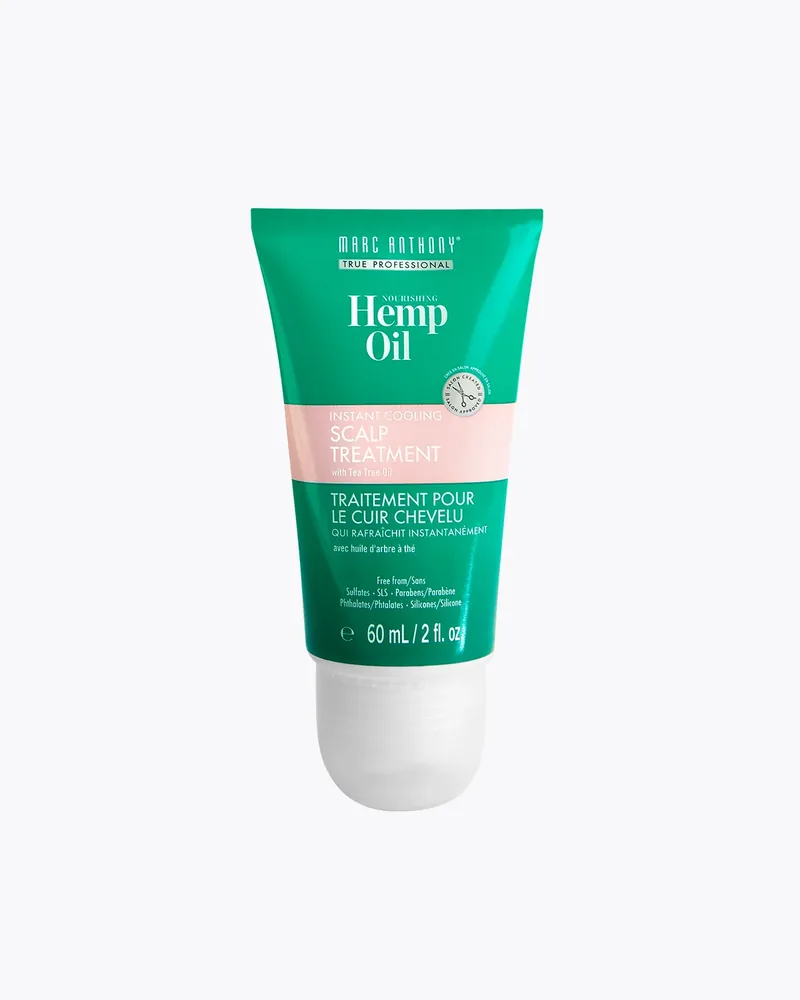
- Lightweight
- Silicone-free
- Function
- Also
See more alternatives in the product library
These products do a similar job. We haven’t matched them to you. Find the one that fits your hair, routine and budget


Final decision
Should you buy it?
Only for a specific needHair that craves moisture, for moisture that stays in and something that will not weigh hair down
Worth skipping for anyone sensitive to fragrance, very dry or high-damage hair, or very dry or very humid climates
We do not sell products or take placement fees. This page states what the formula and the prices show; the consultation is what matches it to a person.
Reviewers
What people report
Themes that come up again and again in sourced reviews, written by our researchers in their own words. We don’t store or scrape star ratings.
Many reviewers like the scent, though a few find it too masculine or not to their liking.
Reviewers across hair typesSeveral reviewers feel the price is high for the small bottle, so they would not repurchase.
Reviewers across hair typesSeveral reviewers find the tonic leaves hair greasy, sticky, or coated, especially when applied heavily or to wet roots.
Reviewers with fine, oily or curly hairResults on thinning are split: some reviewers report less shedding or thicker growth, while others see no change after months.
Reviewers with thinning or fine hairSome reviewers say the tonic left their scalp dry, flaky, or tingling, though a few found it calmed itchiness.
Reviewers with oily or sensitive scalpsMore from Paul Mitchell
How this page was made
- Everything above comes from our researched product record: identity, the ingredient list as printed, the brand's own claims, dated prices and review themes our researchers wrote in their own words. No part of this page is written by hand for one product.
- The value band is a fixed label over two stored numbers: this product’s cost per ounce as a percentile of every product of this type we have priced, each at the size it is most often sold in, and how many products we score as doing the same job cost at least a quarter less per ounce.
- Both scores out of ten are defined on this page. The formula score is completeness for the job, computed from a fixed per-format checklist shown beneath the gauge; the price score is cost per ounce against every product of this type we have priced.
- The "Is this right for you?" panel reads only your own consultation answers, and it applies exactly the filters our recommendation engine applies. It is computed when you load the page and is never stored on it.
- 4 sources consulted for this product (0 manufacturer or regulatory, 1 retailer, 3 editorial), last checked 2026-10-31.
- Ingredient references are linked for 16 of 36 product-aware annotations on this page. Fit notes are general formulation guidance. They aren’t a verdict on the finished product or on you.
- We haven’t tested this product in a lab, and we don’t physically test your hair. Formula readings come from the ingredient list. Claims about how it behaves are labelled as the brand's.
- Ingredient order tells you relative amount only above roughly 1%. Prices are what we saw on the dates shown and can change.
- Ingredient names link to our ingredient library, where each entry shows what it does, which product types use it, and where it usually sits on a label across everything we have researched.
- This is cosmetic information, not medical advice, and nothing here diagnoses or treats a health condition.
- Formula readings: derivation v23. Record last updated 2026-10-07.