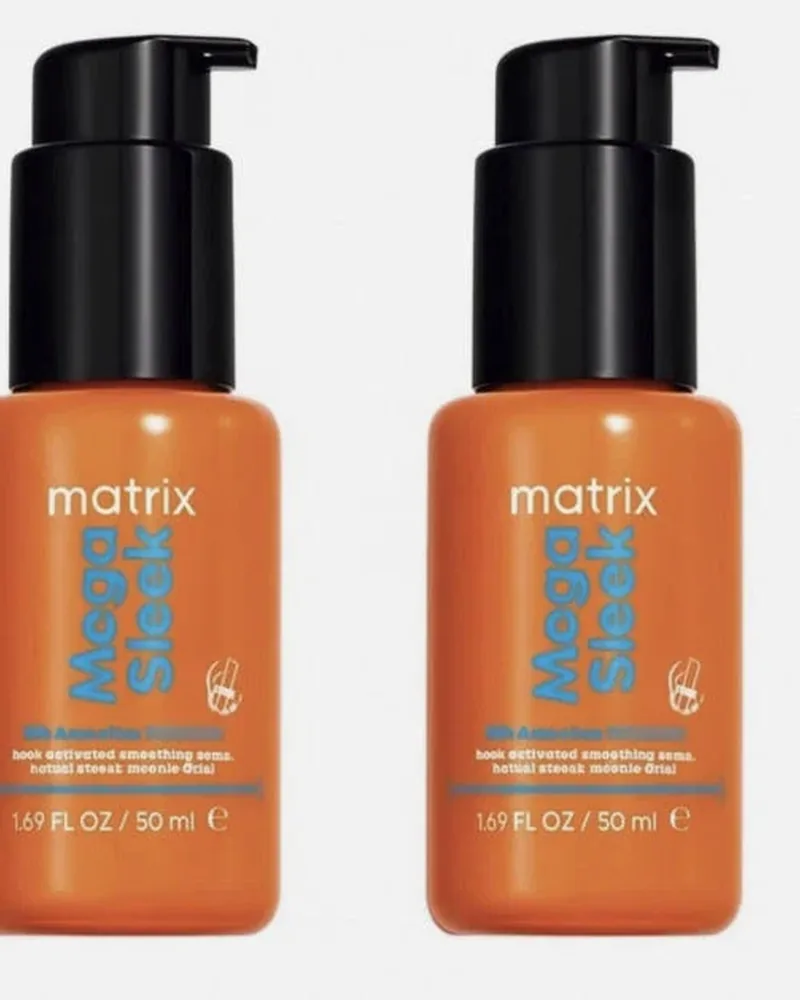
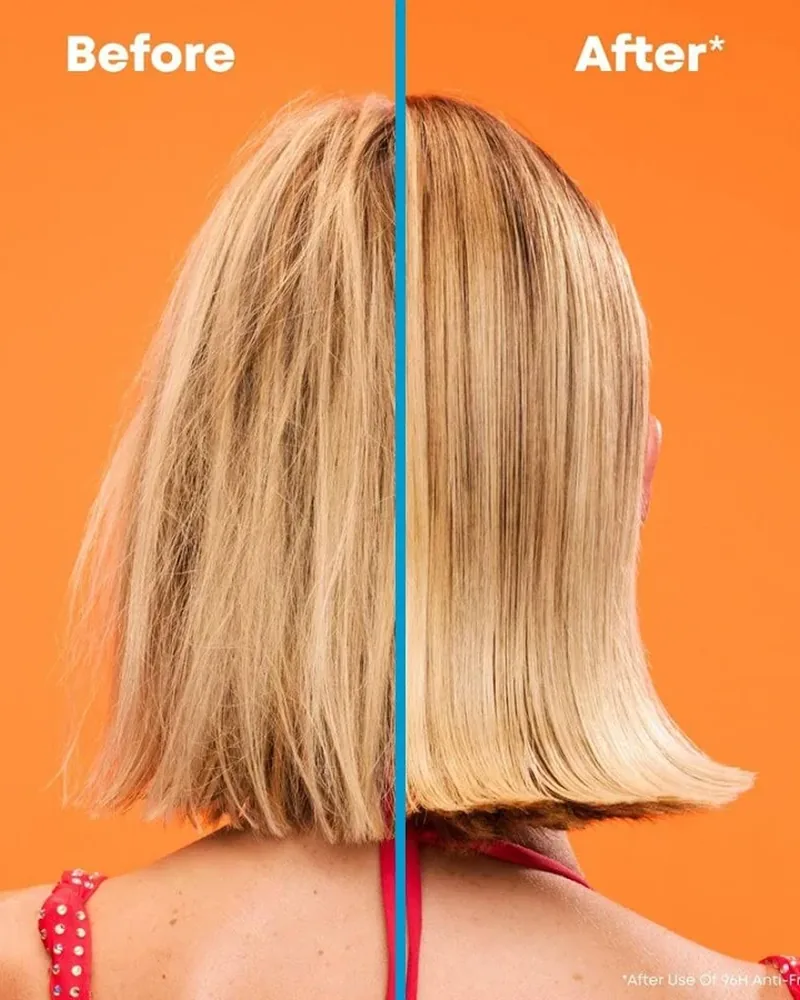
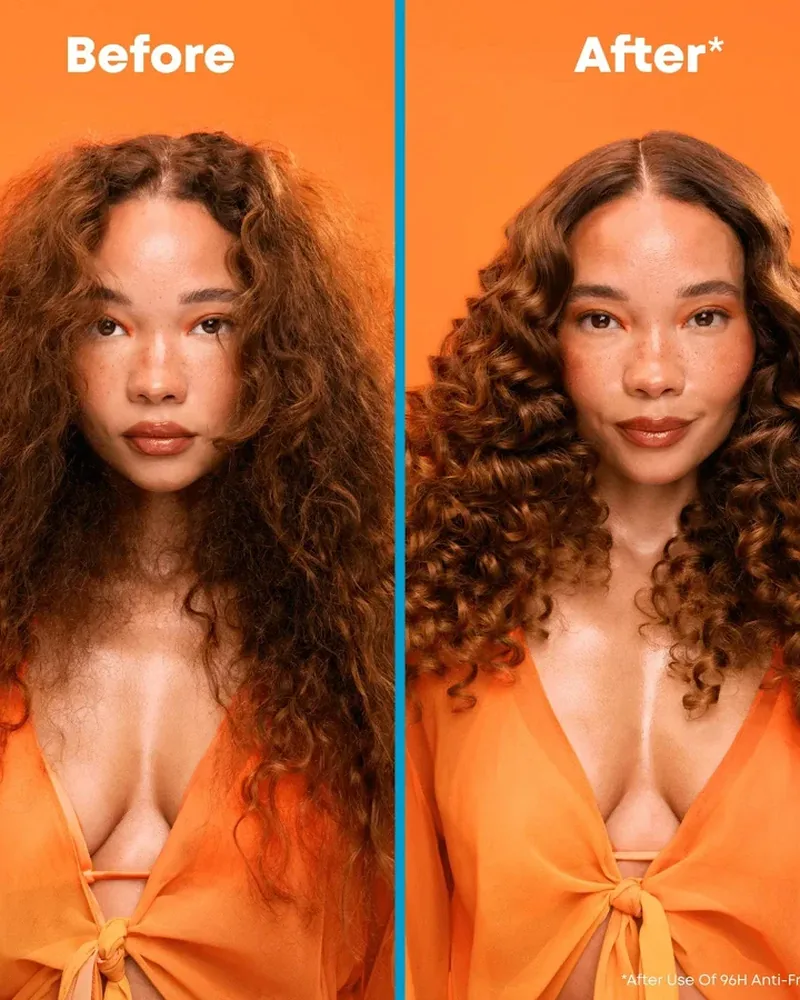
96H of Frizz Control
Silicones or film formers smooth the cuticle, which is the usual mechanism.
- Dimethicone
- Bis-(Morpholinomethyl C1-4 Dialkoxysiloxy) Dimethicone
- Bis-Cetearyl Amodimethicone
Supported
Smoother strands, less frizz.
Heat protectant / Lotion, heat-protecting
Scent:
The ingredient list declares fragrance. What it smells of is not stated, and we do not guess.
Manufacturer page: matrix.com
Personal fit
Complete the consultation to see exactly how well this product fits your hair and your goals. With 2,400+ products in our library we can match exactly the right products to you.
$49.00 one-time consultation, no subscription
Add the optional $49/year membership for unlimited adjustments for changes in weather and lifestyle.
The rest of what your plan weighs on this product.
The consultation builds your hair profile, then reads every factor in this table against it — and tells you where this product fits, or what to use instead.
Start your consultation$49.00 once, for your consultation and hair profile. No subscription, no required purchases.
Your avoid-list
Same job for less elsewhere
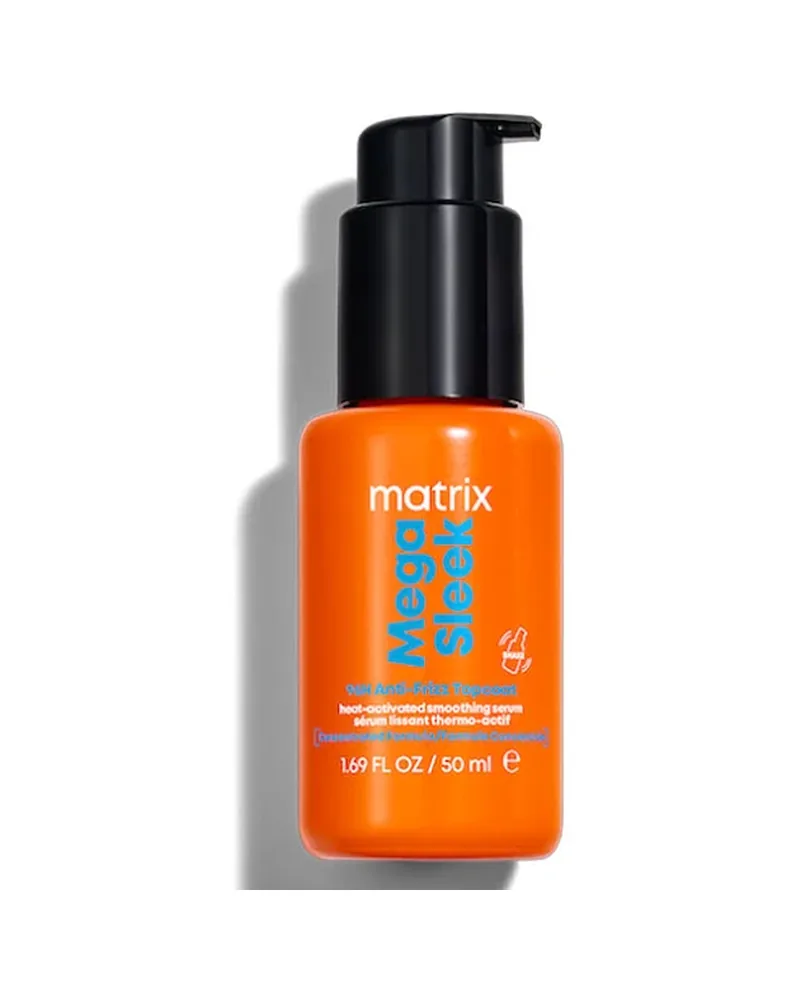
$11.24/oz at 1.69 oz — more than 85% of the 890 heat protectants , which mostly run $1.65–7.87/oz.
Great for
Maybe skip if
What the formula actually does
Each row says where it comes from: F means we derived it from this product’s own ingredient list, S means it is a claim the brand makes that the formula neither confirms nor contradicts.
The brand states a protection temperature — a label claim, not a measurement.
Middle of the range — noticeable on fine hair, light on coarse hair.
Some slip, mostly from esters or silicones rather than conditioners.
Water-insoluble silicones or waxes: a detergent wash is what removes them.
No humectants found — nothing here pulls water into the hair.
No fast-drying alcohol in the list.
Fragrance sits in the first eight ingredients — a larger share of the formula.
Ingredients that matter
The workhorse ingredients plus anything lower down that changes a decision. These chips name what an ingredient does — they are not safety scores, and no ingredient here is rated good or bad on its own.
| Ingredient | What it does | Why it matters | Chip |
|---|---|---|---|
| Dimethicone | silicone | Spreads heat across the strand | Buildup |
| Bis-(Morpholinomethyl C1-4 Dialkoxysiloxy) Dimethicone | silicone | Spreads heat across the strand | Buildup |
| Bis-Cetearyl Amodimethicone | conditioning agent | Reduces combing force | Buildup |
| FragranceParfum/Fragrance | fragrance | The scent | Fragrance |
| Tetramethyl Acetyloctahydronaphthalenes | fragrance | The scent | Fragrance |
| Benzyl Alcohol | preservative | Keeps the product from spoiling | Stabilizes |
| Vanillin | fragrance | The scent | Fragrance |
| Coumarin | fragrance | The scent | Fragrance |
| Citrus Limon (Lemon) Peel OilCitrus Limon Peel Oil | botanical extract | A trace plant extract | Fragrance |
| Carvone | fragrance | The scent | Fragrance |
| Limonene | fragrance | The scent | Fragrance |
| benzaldehyde | fragrance | The scent | Fragrance |
US labelling rules put ingredients above 1% in descending order of amount; below 1% they may be listed in any order. Annotations keep three readings separate: the ingredient's general function, its role in this product type, and what its position can support.
The most common conditioning silicone. It coats the strand for shine, slip, and frizz control, and needs a detergent (not just water) to wash out.
Listed in the first three ingredients, it is likely a structural part of this formula.
A surface film slows how quickly humidity reaches the cortex, which is what limits swelling-driven frizz in damp air.
Lays a smooth film along the cuticle, which lowers combing friction and flattens the surface irregularities that read as frizz.
Dimethicone does not disperse in water. On a routine that skips detergent it stays on the hair and accumulates wash after wash.
A silicone. Silicones coat the strand for slip, shine and frizz control; unless the name carries PEG or PPG, removing one takes a detergent rather than water.
Listed in the first three ingredients, it is likely a structural part of this formula.
A conditioning silicone that deposits selectively on damaged hair for slip and shine.
Listed in the first three ingredients, it is likely a structural part of this formula.
A surface film slows how quickly humidity reaches the cortex, which is what limits swelling-driven frizz in damp air.
Amino-functional silicone carries a positive charge, so it binds where the cuticle is worn rather than coating evenly. Damaged areas get most of it.
Film formers are what hold a style: they dry into a connected film across the strands so the shape resists movement.
An undisclosed blend of scent ingredients. Regulations let it stay unlisted, so a fragrance-free product is the only way to be certain what is not in it.
It appears around or below the estimated 1% line, where label order no longer indicates relative amount; its role may be minor or technical.
Declared fragrance. On a fragrance-sensitive routine this is the line that decides it, wherever it sits on the label.
A synthetic musk or woody-amber note used as a fragrance base.
It appears around or below the estimated 1% line, where label order no longer indicates relative amount; its role may be minor or technical.
Declared fragrance. On a fragrance-sensitive routine this is the line that decides it, wherever it sits on the label.
A preservative and solvent that also occurs naturally in some essential oils.
It appears around or below the estimated 1% line, where label order no longer indicates relative amount; its role may be minor or technical.
The main scent compound in vanilla, used as a fragrance note.
It appears around or below the estimated 1% line, where label order no longer indicates relative amount; its role may be minor or technical.
Declared fragrance. On a fragrance-sensitive routine this is the line that decides it, wherever it sits on the label.
A sweet, hay-like fragrance component listed separately as a recognised allergen.
It appears around or below the estimated 1% line, where label order no longer indicates relative amount; its role may be minor or technical.
One of the 26 scent components the EU requires to be named individually above a threshold. It is named because it is a known contact allergen, not because it is unusual.
A cold-pressed citrus oil used for a fresh scent; naturally high in limonene.
It appears around or below the estimated 1% line, where label order no longer indicates relative amount; its role may be minor or technical.
Essential oils are fragrance. Several carry constituents on the EU list of declared fragrance allergens, so a label with no fragrance line can still be a scented product.
A mint- or caraway-scented fragrance component.
It appears around or below the estimated 1% line, where label order no longer indicates relative amount; its role may be minor or technical.
Declared fragrance. On a fragrance-sensitive routine this is the line that decides it, wherever it sits on the label.
A citrus-smelling fragrance component that EU rules require to be named separately because some people react to it.
It appears around or below the estimated 1% line, where label order no longer indicates relative amount; its role may be minor or technical.
One of the 26 scent components the EU requires to be named individually above a threshold. It is named because it is a known contact allergen, not because it is unusual.
An individual aroma chemical. It is part of the product's fragrance; brands that print these are disclosing more of the blend than the rules require.
It appears around or below the estimated 1% line, where label order no longer indicates relative amount; its role may be minor or technical.
Declared fragrance. On a fragrance-sensitive routine this is the line that decides it, wherever it sits on the label.
A pine-scented component of essential oils, declared as part of the fragrance.
It appears around or below the estimated 1% line, where label order no longer indicates relative amount; its role may be minor or technical.
Declared fragrance. On a fragrance-sensitive routine this is the line that decides it, wherever it sits on the label.
An individual aroma chemical. It is part of the product's fragrance; brands that print these are disclosing more of the blend than the rules require.
It appears around or below the estimated 1% line, where label order no longer indicates relative amount; its role may be minor or technical.
Declared fragrance. On a fragrance-sensitive routine this is the line that decides it, wherever it sits on the label.
Ingredient list captured 2026-08-23. Formulas change — check the package in your hand when an ingredient matters to you.
Price · 1.69 oz
Sorted by price per ounce. Dated observations from our research, not live prices. Direct store pages, no affiliate links. We don’t sell this product.
Formula
Above the range for heat protectants per ounce for a formula that 7 lower-priced products come close to on ingredients and attributes.
The formula score is completeness for the job: the share of the systems this product type is normally built around that we can find in this list, weighted. It is not efficacy, not quality, and it never compares across product types.
Does the same job, for less
Same derived functions — what it cleans, conditions, coats or holds — at a lower cost per ounce. Scent, texture and where you buy it can still differ.
See more alternatives in the product library
These are functional neighbours, not personal recommendations — they are close on formula, not chosen for anyone. Get the one that fits your hair, routine, and budget

Final decision
People who blow-dry or flat-iron, looking for heat protection and a protein-free formula
Worth skipping for anyone sensitive to fragrance, curly-method routines, or vegan and cruelty-free shopping
We do not sell products or take placement fees. This page states what the formula and the prices show; the consultation is what matches it to a person.
Claims check
Claims are quoted from the brand. We only mark one supported, partly supported, or conflicting when the ingredient list actually speaks to it; everything else stays "stated by the brand", which is not a criticism — most claims simply cannot be read off a label.
96H of Frizz Control
Silicones or film formers smooth the cuticle, which is the usual mechanism.
Smoother strands, less frizz.
Instant Fiber Smoothness
This is a marketing claim; an ingredient list cannot speak to it.
—
Can’t be confirmed from label.
Vibrant Shine
The formula carries a recognised shine system — silicone, oil, or light ester.
Reflects light for visible shine.
Lasts Up To 5 Shampoos
This is a marketing claim; an ingredient list cannot speak to it.
—
Can’t be confirmed from label.
97% humidity protection
A brand-run study. We report it as stated and do not repeat the number as fact.
—
Only the brand’s testing shows this.
Heat-activated hydrophobic seal, up to 120F-450F heat protection
Our library captures this as a heat protectant, but thermal protection is measured in a lab, not read off a list.
Sold for hot tools; untestable here.
We look at the first 10–15 ingredients and what they do in a formula — not marketing. If the list doesn't speak to a claim, we don't assume.
Reviewers
Recurring themes our researchers wrote in their own words from sourced reviews. We do not store or scrape star ratings.
Tames frizz and adds shine, works even in humid conditions
Caused breakage/crispy, damaged ends for some users
Unpleasant/strong chemical-like scent