Hair Care Guides

Getting your hair ready for photos.
Keep it familiar, and keep it you.

A portrait session doesn’t call for a new routine, whatever the nerves say. Wash and style the way you know, leave time for it to settle and bring a touch-up or two. Decide what you want the photo to show before you chase the preview.

Your personal hair-care planProduct choices, routines and answers shaped around your hair.$49one-timeStart my consultation
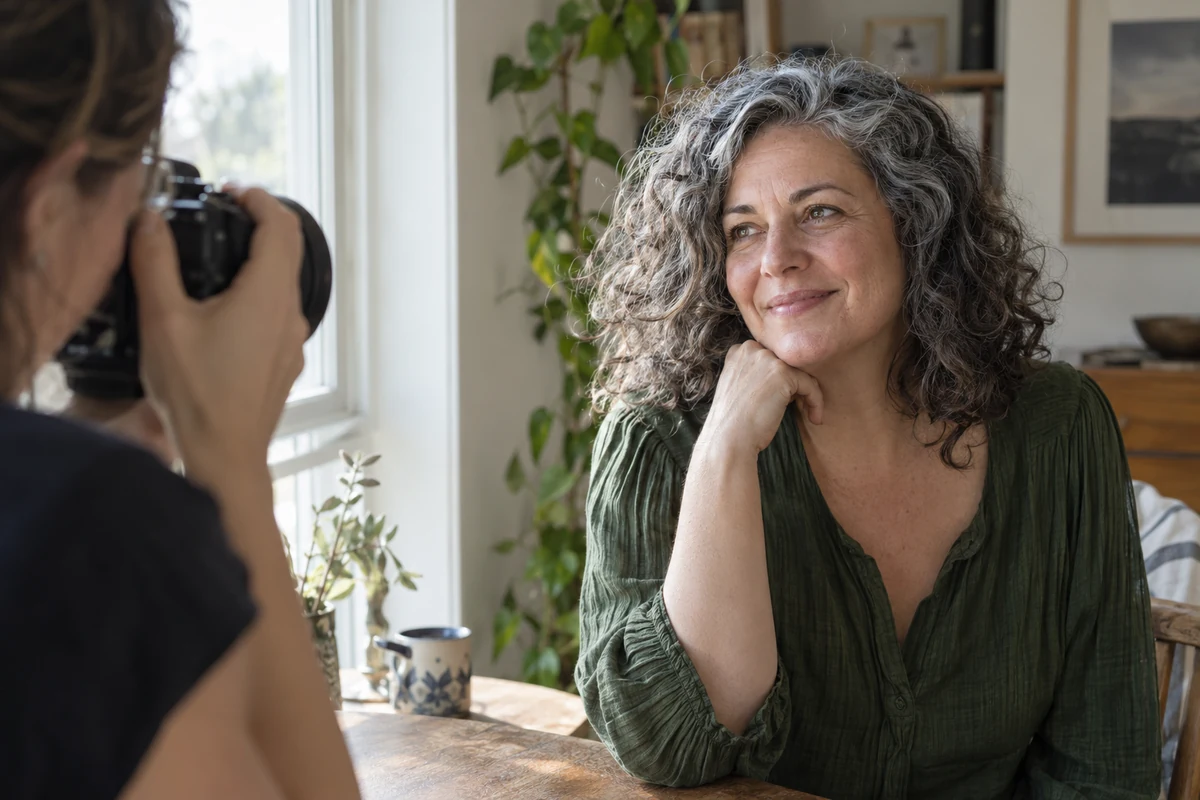
An adult with natural salt-and-pepper curls sits in window light while a photographer prepares the portrait.
Keep it familiar, and keep it you.

What is going on

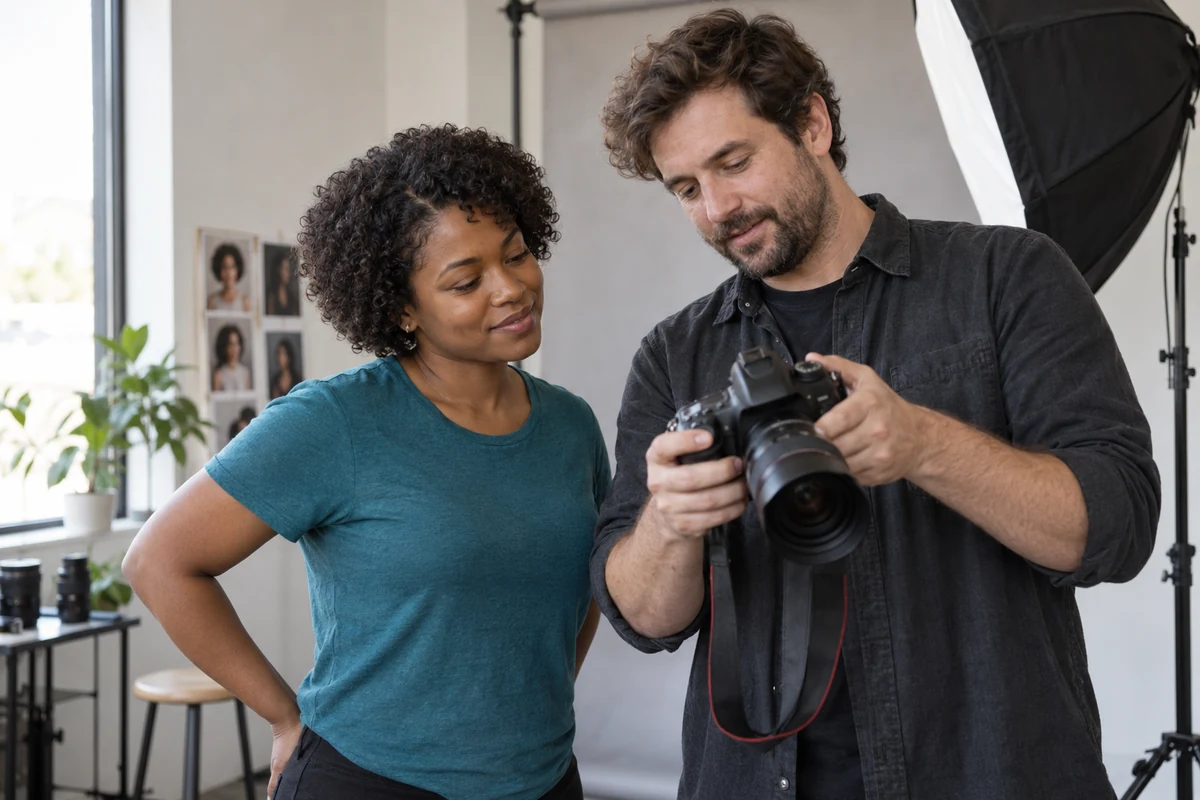
A portrait subject with short curls and a photographer look together at the back of a camera.

Agree the look before the first shot

Tell the photographer whether you want your everyday texture, your usual part, a covering or a familiar tied-back style. Ask for a quick preview in the real setup. Lighting and lens choices change how hair looks, so a preview is a picture, not a verdict.

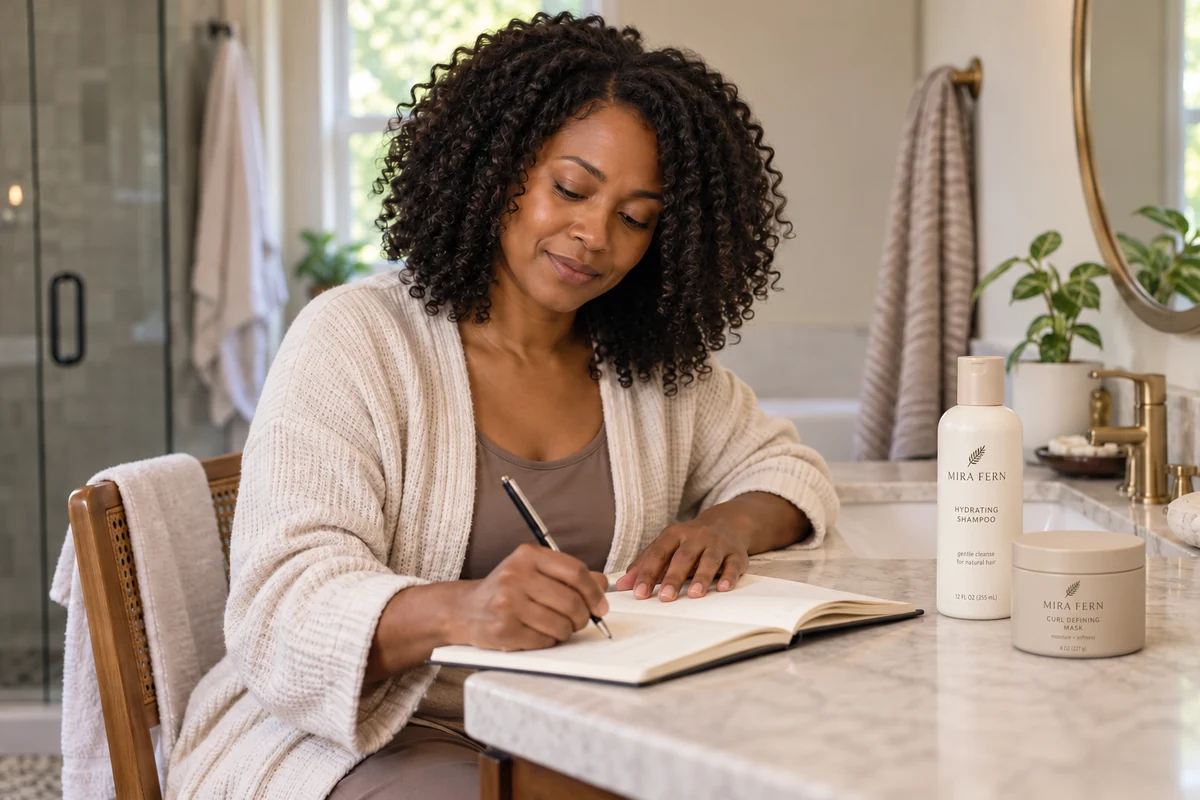
A woman with curls writing a routine note beside her hair-care products.

Do the routine you already know

Wash in your usual window and give your ordinary finish its full drying time. If you want one small change, practice it before the session. A last-minute cut, color or unfamiliar treatment is a whole different project from preparing hair you know.

What helps, day to day

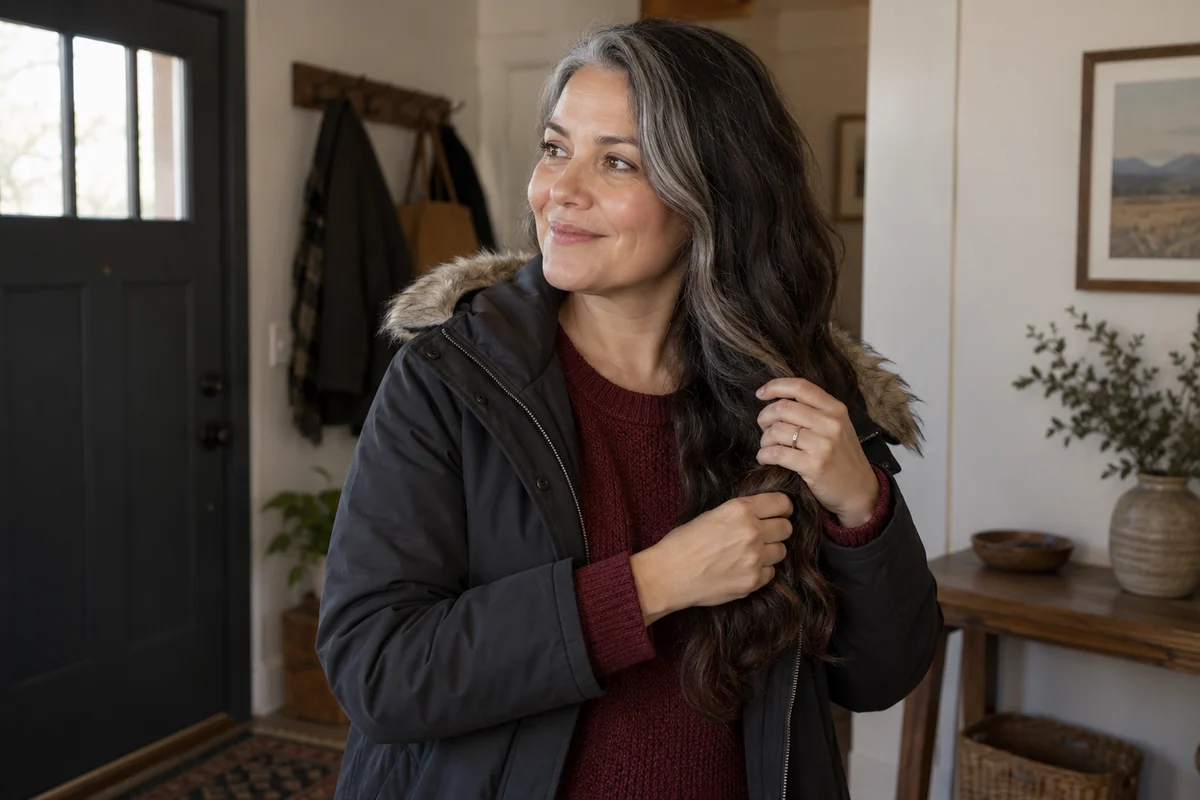
A woman with long gray-streaked waves holds the lengths forward, clear of the open front of her winter coat.

Changing outfits messes up the shape

  • Where you can, put the portrait outfit on before the last quick hair check.
  • Free any lengths caught under a collar or strap.
  • Settle them where you like them in the frame without tightening the style to pin every strand down.
Two adults compare a bottle's directions and a hair-care shopping note, with separate closed products in front of them.

You’re tempted to add another layer

  • Look at the preview and pick the one detail you actually want different.
  • Use only a product you know, in the amount you’d normally use.
  • Hair looking shinier or duller under studio light isn’t a reason for more oil or a whole restyle.
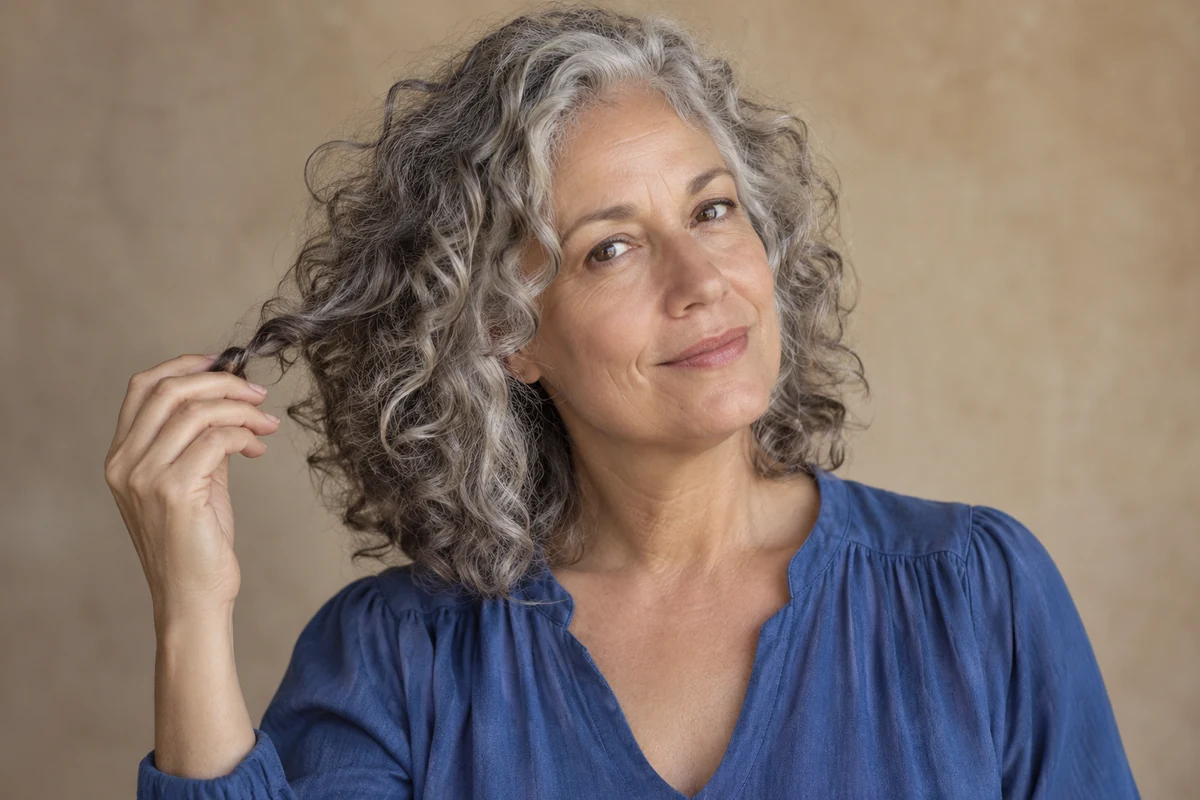
An adult with gray curls lightly holds a curl beside a neutral portrait backdrop, with natural flyaways visible.

Your natural texture looks different on screen

  • Ask to go over the lighting, the angle and the finish you’re after with the photographer.
  • Keep your own texture, and your own asymmetry, when that’s the look you want.
  • A portrait isn’t a scalp check, so don’t read your density off a studio screen.
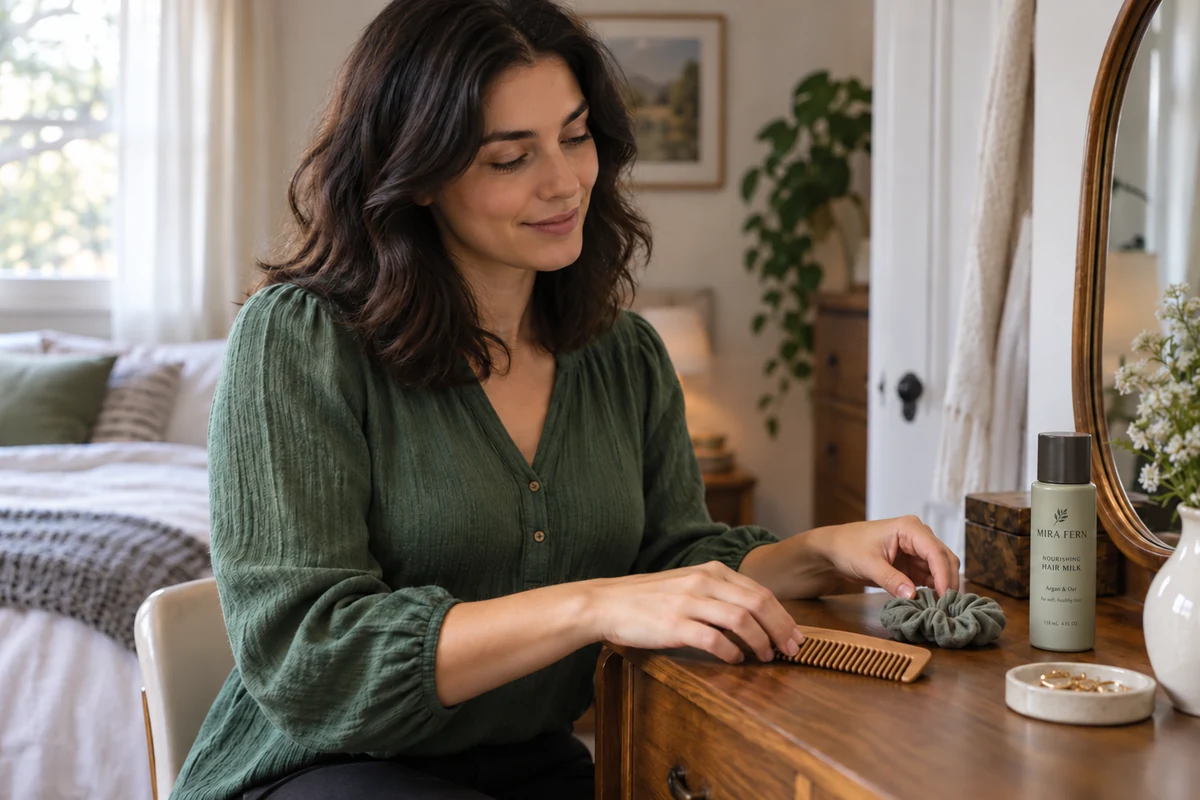
An adult with loose waves places a clean comb and soft tie beside one closed bottle at a dressing table.

Know when to stop fiddling

  • After one small fix, drop your hands and look at the whole picture. Keep a clean comb or a familiar clip nearby if it helps. A photo that looks like you can include a few flyaways. You don’t need to touch your hair between every frame.

Products, by the job they do

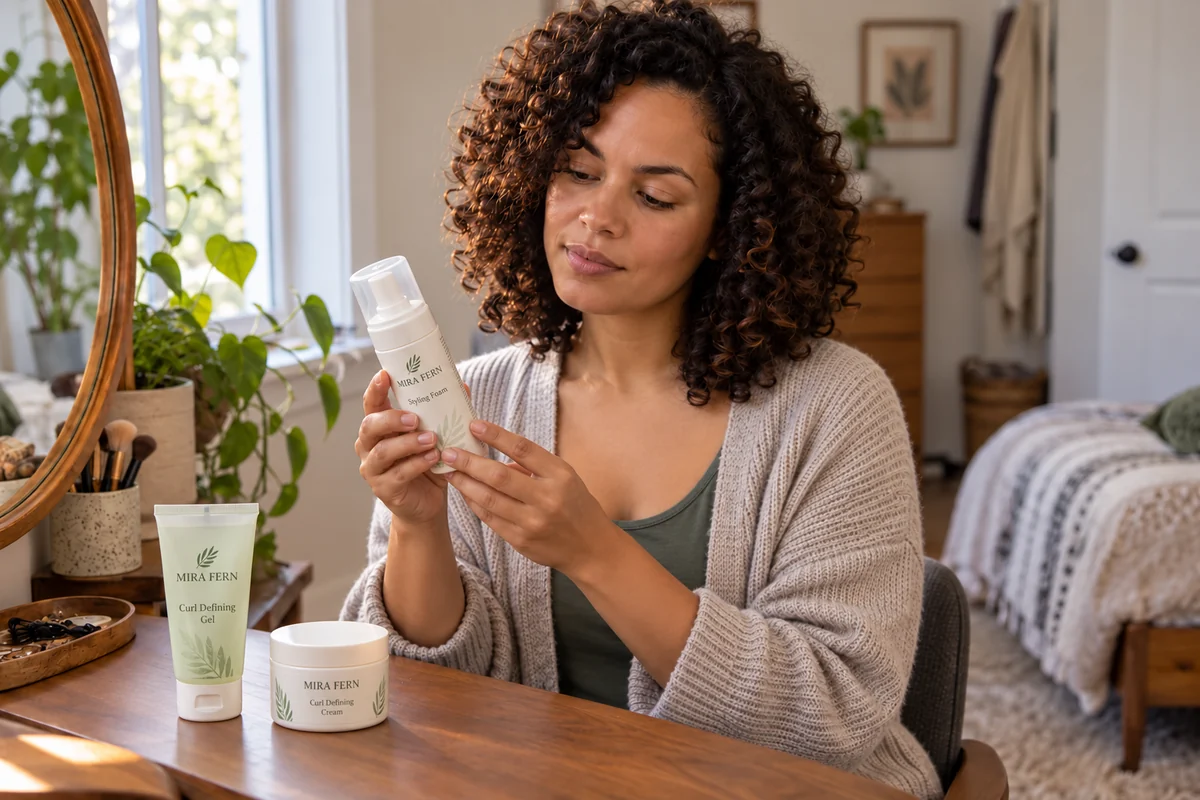
A woman studies a capped styling-foam bottle held in both hands, with a gel tube and cream jar on the table.

Bring one product you trust

A styler you know is optional when the style already works. Bring it with its directions if you want it on hand. No product photographs well for every texture under every light, so the familiar one is the safe bet.

Browse styling products. The consultation uses your hair details and styling habits to compare creams, mousses and gels.

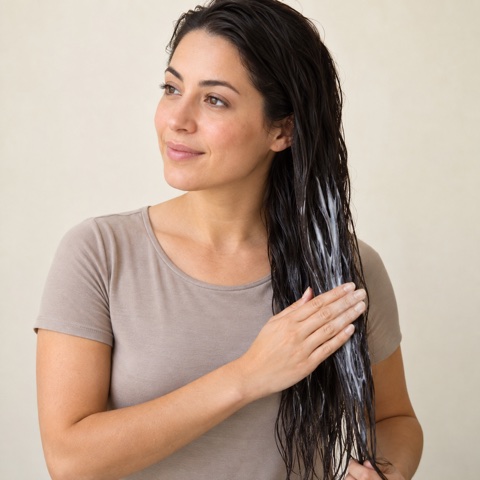
A woman smoothing conditioner through her mid-lengths and ends.

Condition the way you usually do

Use the conditioning step that normally helps your hair settle. A heavier mask right before a portrait isn’t automatically better than your established routine.

Browse rinse-out conditioners. Tell the consultation what you want from a conditioner and what you disliked about previous ones.

Keep the final check small

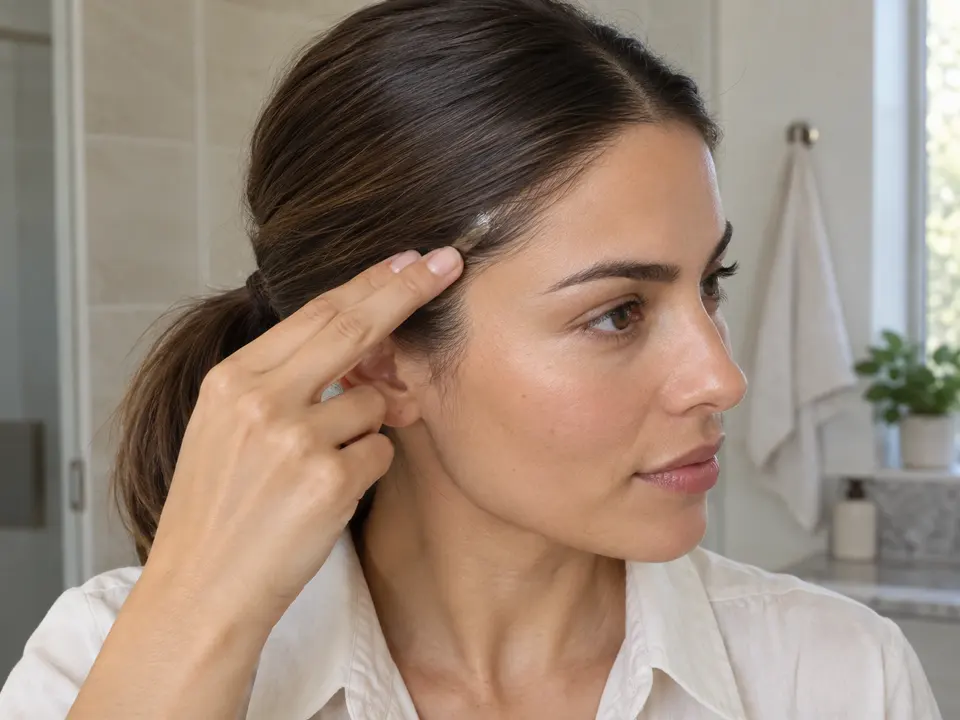
A woman uses two fingertips to guide one small hairline flyaway toward her low ponytail.

1. Smooth just the hairs that bother you

On a dry, finished style, spread a small amount on clean fingertips and lightly guide a stray hair you can reach. Keep it away from your eyes and face. Stop after that one area rather than going over the whole surface.

Guide: Smooth flyaways with a finishing product

Illustrated care examples: before & after

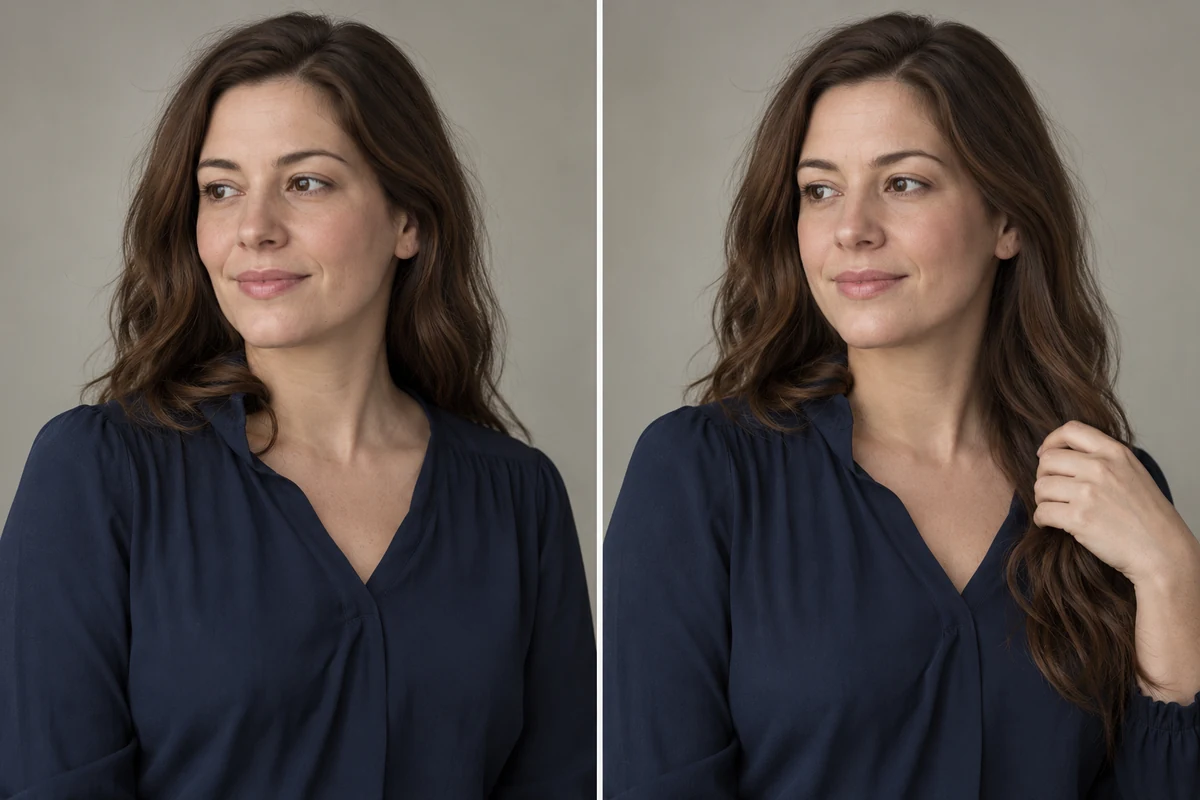
Lengths freed from the collar

The same adult first has lengths tucked at one side of a blouse, then brings those lengths free over the shoulder.
Before · lengths tucked at the collarAfter care · lengths brought forward
The hair looks longer only because it is freed from the collar and brought over the shoulder. Nothing was cut, grown or smoothed.

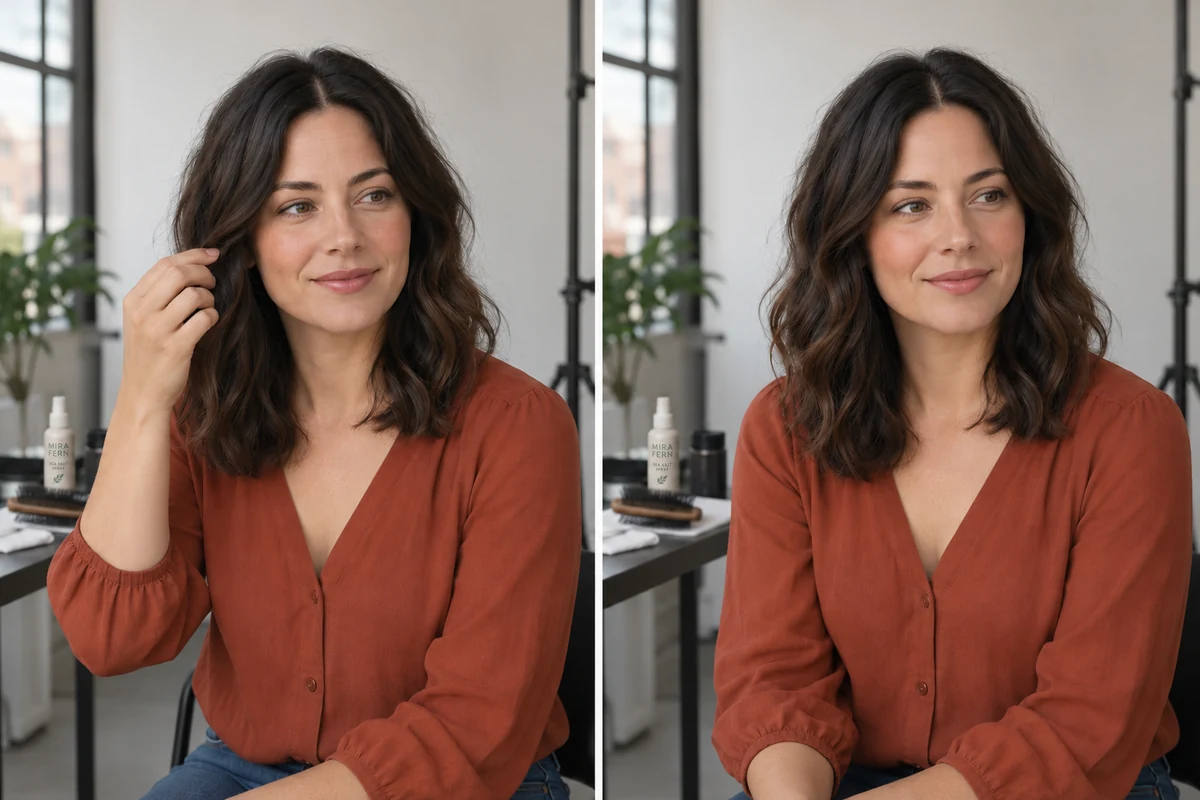
One touch, then stop

The same adult lightly guides one face-side piece, then lowers both hands with the familiar wavy style retained.
Before · one piece being guidedAfter care · hands lowered, adjustment done
One piece is guided into place and the hands come down. The natural texture and a few flyaways stay, which is the point of a familiar portrait.
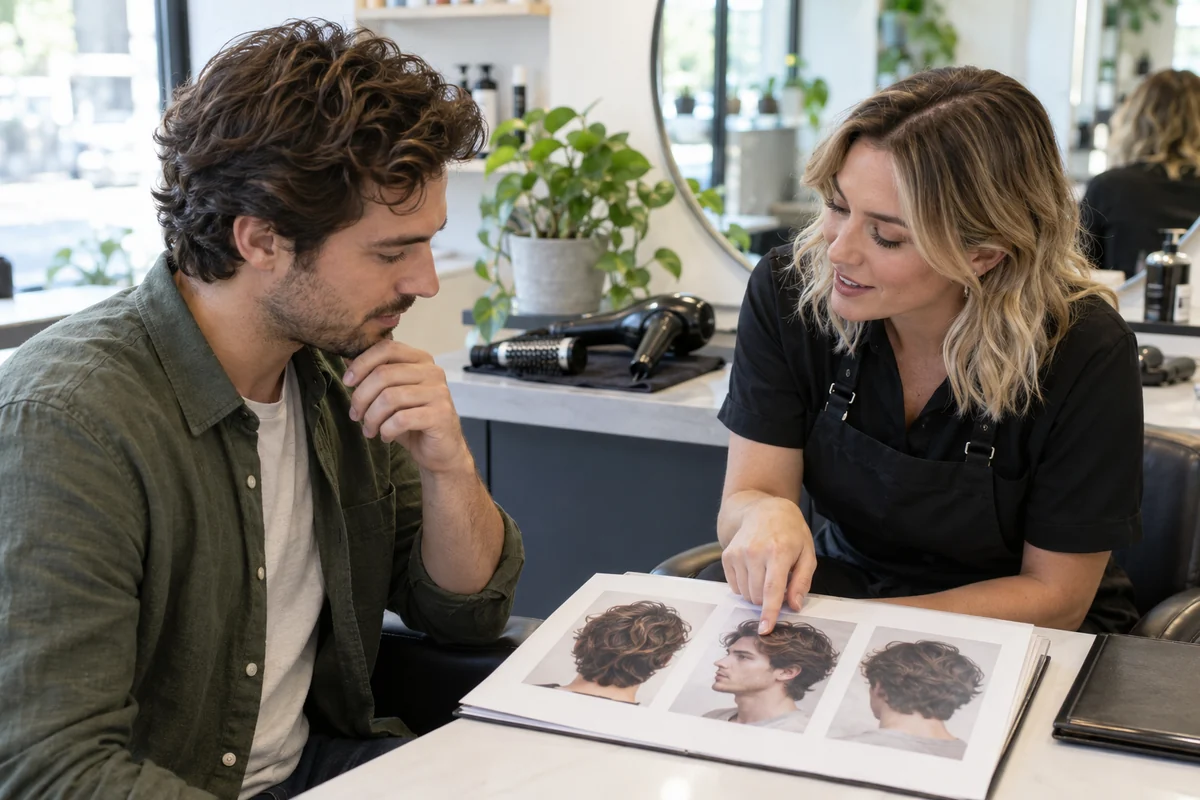
A client and stylist examine reference photographs with idle drying tools on the counter behind them.

Help with your hair-care routine

Bring your hair-care questions to the consultation. You can also read using hairstyle references clearly.

  • What do I want the photo to actually show about my hair?
  • Is the preview telling me to fix my hair, or to talk about the lighting?
  • What’s the one touch-up worth doing before I leave it alone?

The kind of portrait, your everyday styling, the texture you want to show and any specific finish you have in mind are what shape the plan. The photographer takes care of the light and the composition. Your part is turning up with hair you recognise.

The Hair Care Consultation gives you a personal plan with product recommendations, routines and guidance on your hair-care questions.

$49 with 60 days of follow-ups, or $99 with 12 months. Pay once; the year renews only if you choose.