Hair Care Guides

Your first curl cut starts before the chair.
Ask how this salon wants you to arrive.

A first curl-focused haircut is exciting and nerve-racking, especially if past cuts haven’t gone well. Ask how they want you to arrive, what they’re proposing and what it will look like on an ordinary day. Agree the dry length and the home effort first.

Your personal hair-care planProduct choices, routines and answers shaped around your hair.$49one-timeStart my consultation
A client holds a resting curl while a stylist looks at it from beside her shoulder.
Ask how this salon wants you to arrive.

What is going on

A woman and a medical professional seated together, looking at a calendar.

Ask this salon how to arrive

Should you come washed or dry, loose or styled, and with which products in? Approaches differ. Not every appointment needs dry cutting or product-free hair, so don’t skip the conditioning your hair needs to follow a rule you read elsewhere.

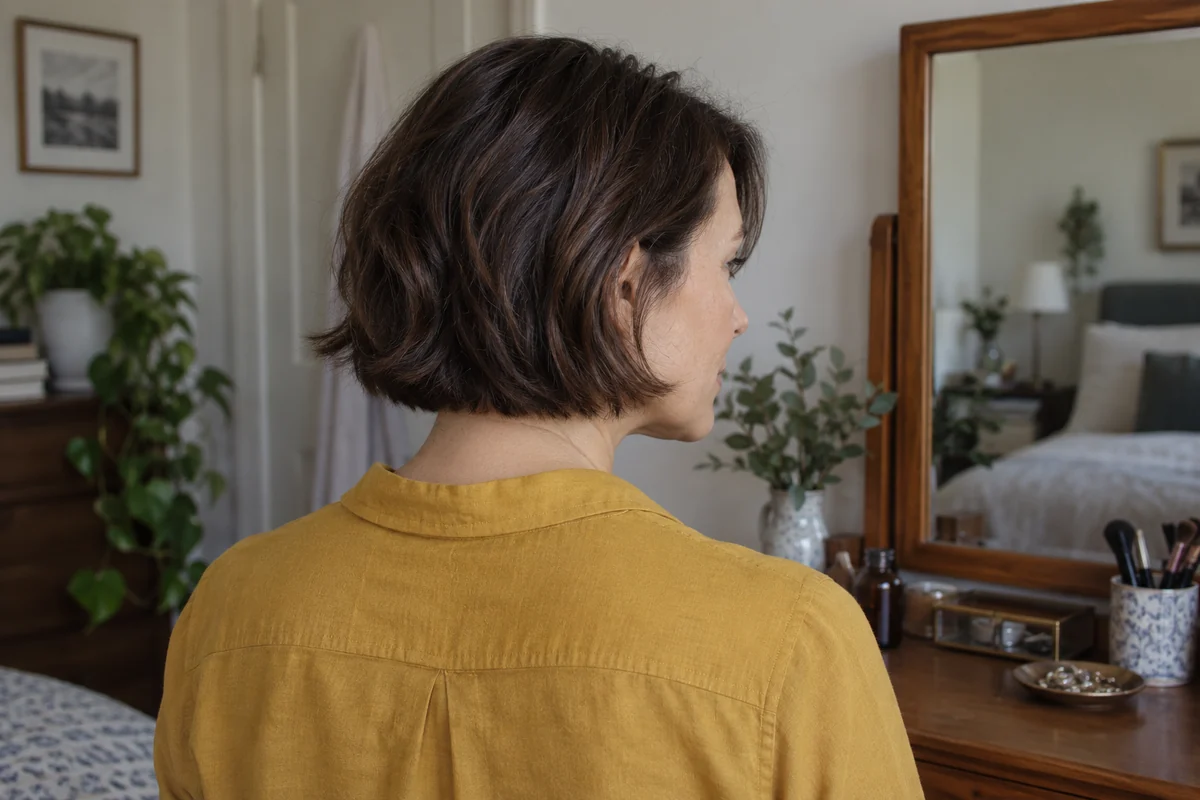
A rear three-quarter view shows the dry nape and side perimeter of a wavy bob.

Describe every way you wear it

Do you wear your curls loose, tied back, under a scarf, sometimes stretched out? Mention any chemical treatments still in the lengths and any patches that curl differently. Then ask how the cut will behave in each of those, not just at the salon.

What helps, day to day

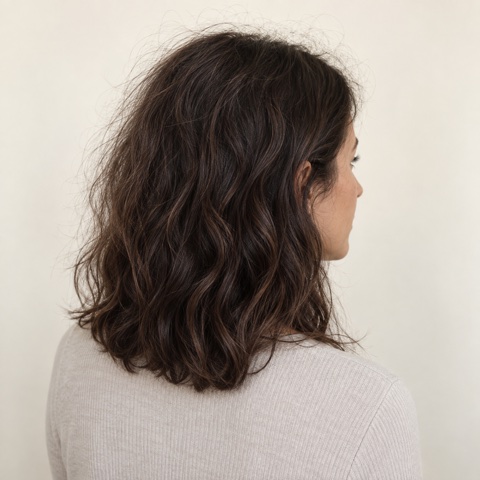
A side view of wavy hair with flyaways around the crown.

Different patches curl differently

  • Show the stylist how each area dries on an ordinary day.
  • Point out the sections that behave differently after a wash.
  • You don’t have to pick one curl type for your whole head before you go.
A woman supports an outward-turning end of her silver bob on an open palm.

You want to keep a certain length

  • Point to the shortest dry length you’d be happy with.
  • Say whether you need to be able to tie it back.
  • Ask how the stylist will check that line, since a stretched curl is much longer than a dry one.
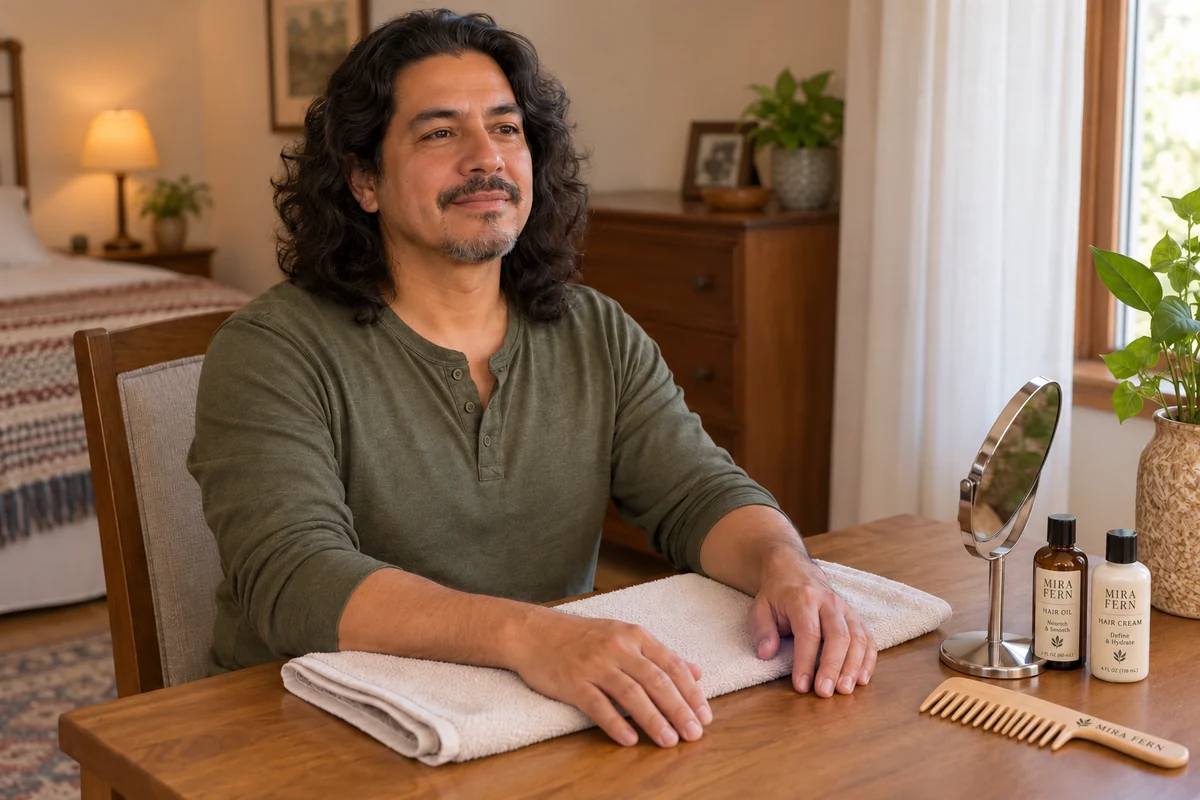
A man seated at a dry dressing table with both forearms resting on a folded towel beside a mirror, comb and bottles.

The routine they describe sounds like a lot

  • Be honest about the time, tools and fuss you’re actually up for at home.
  • Ask for a simpler version and what it would look like.
  • Settle that before you agree to the cut.

Products, by the job they do

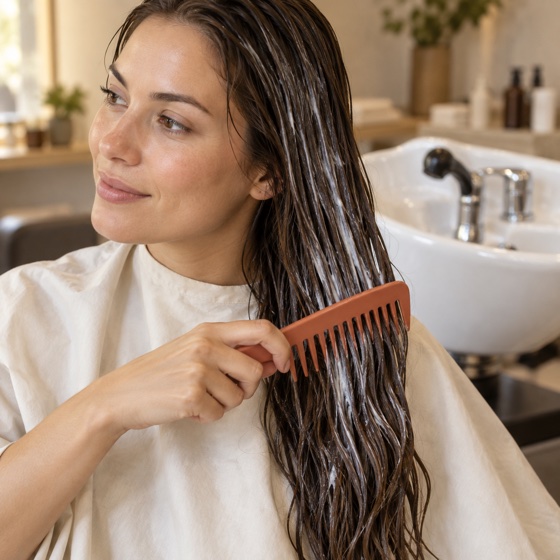
A woman detangling conditioned hair with a wide-tooth comb.

Don’t skip the care you need to arrive

Tell the salon what helps you detangle comfortably and ask how to fit that into their arrival instructions. There’s no need to strip your hair or force it apart dry just to show an untreated pattern.

Browse rinse-out conditioners. Your tangles, past treatments and preferred finish help guide a personal conditioner recommendation.

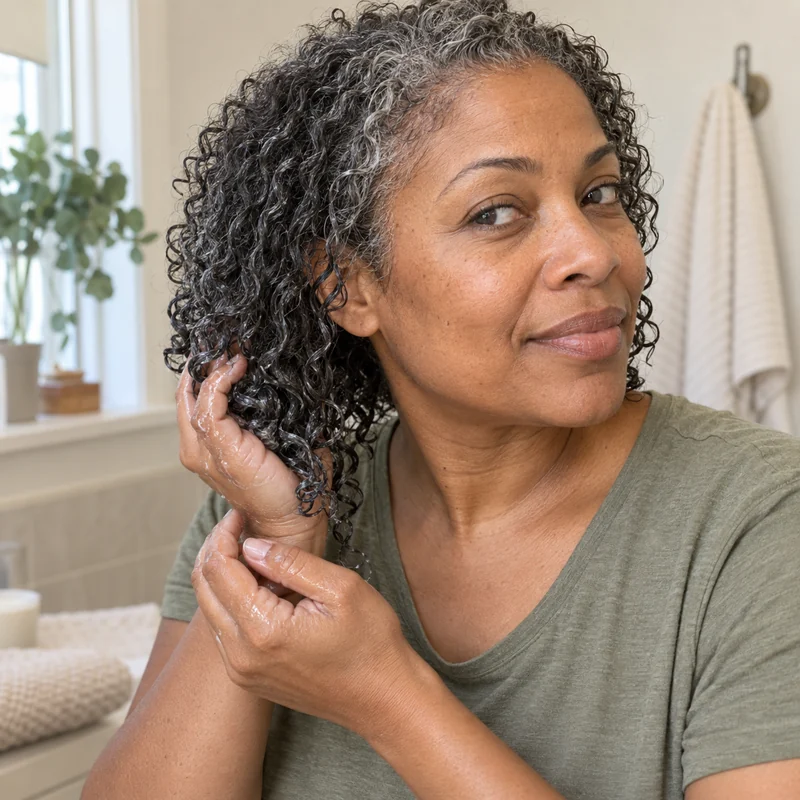
A woman cupping a damp curl section with styling gel on her hands.

Ask what makes the salon finish

Find out which parts of the finished look come from a styling product and which from how they dried it. A new cut doesn’t mean buying everything that touched your hair during the appointment.

Browse styling products. For styling recommendations, share the finish you want, how you dry your hair and your budget.

How to do it

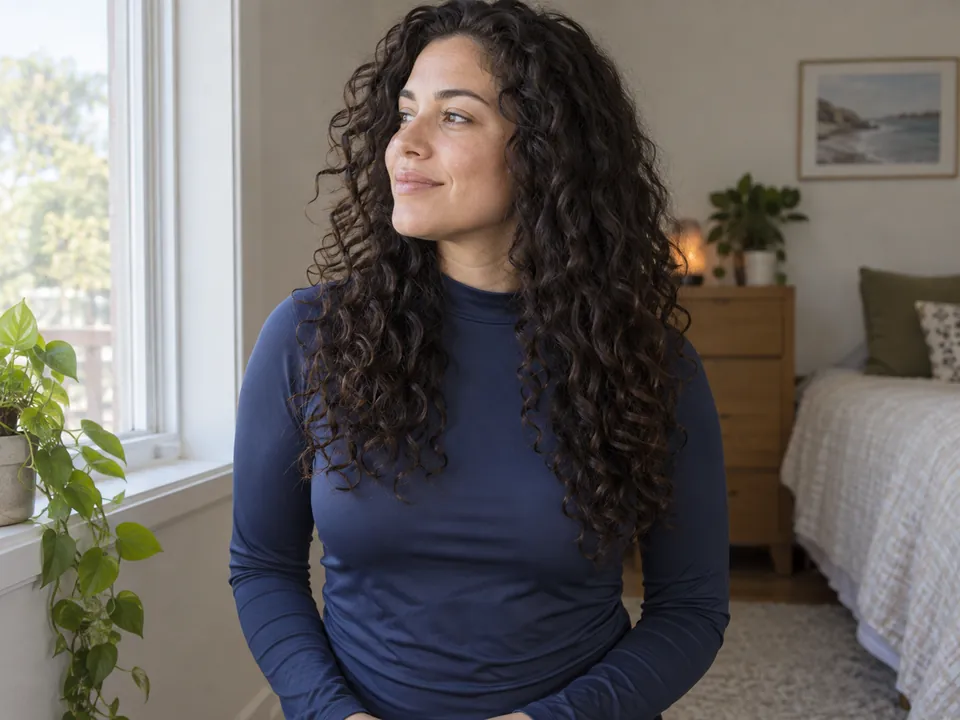
Letting loose curls air-dry without stretching them.

1. Let it dry the way it usually does

If it suits your routine, let your hair air-dry loose with its usual conditioning, and notice how the different areas settle without stretching them to fit a label. If the salon has told you to arrive a certain way, that comes first.

Guide: Observe your air-dried pattern
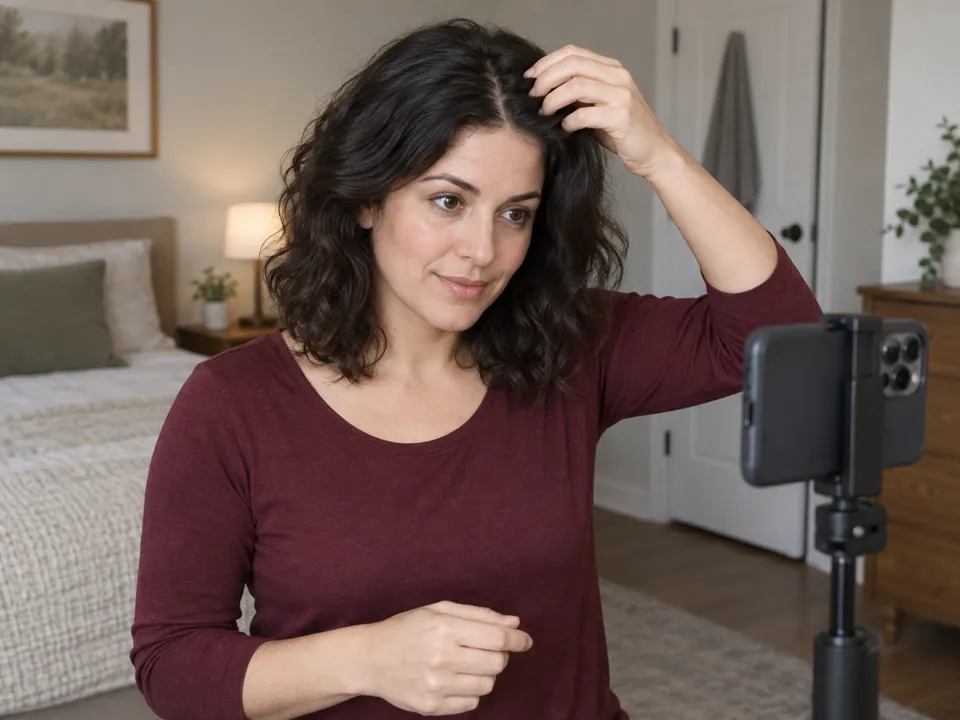
Showing a reachable part to the supported phone camera.

2. Bring a photo of a normal day

Take a photo of your dry hair in even light, no filters, from whatever angles you can manage. It shows the stylist your real everyday result, so you can point to what you’d keep and what you’d change.

Guide: Photograph your hair and scalp

Illustrated care examples: before & after

The curls as they fall

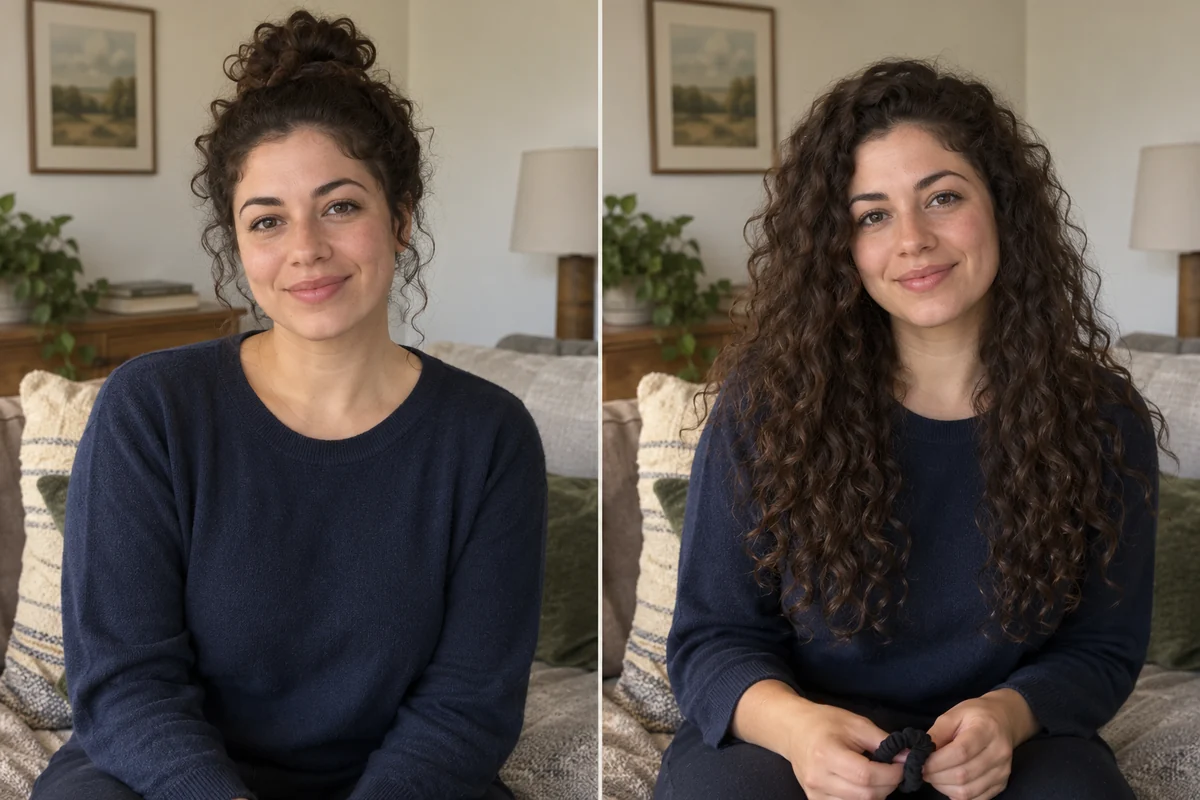
Matched views show long curls loosely gathered in a bun, then released with the removed tie held in the person’s lap.
Before · curls gathered in a bunAfter this step · curls let down, uncut
Letting the curls down shows how they actually rest, which helps the conversation at the chair. Follow the salon’s own instructions on how to arrive.

Point to the length you mean

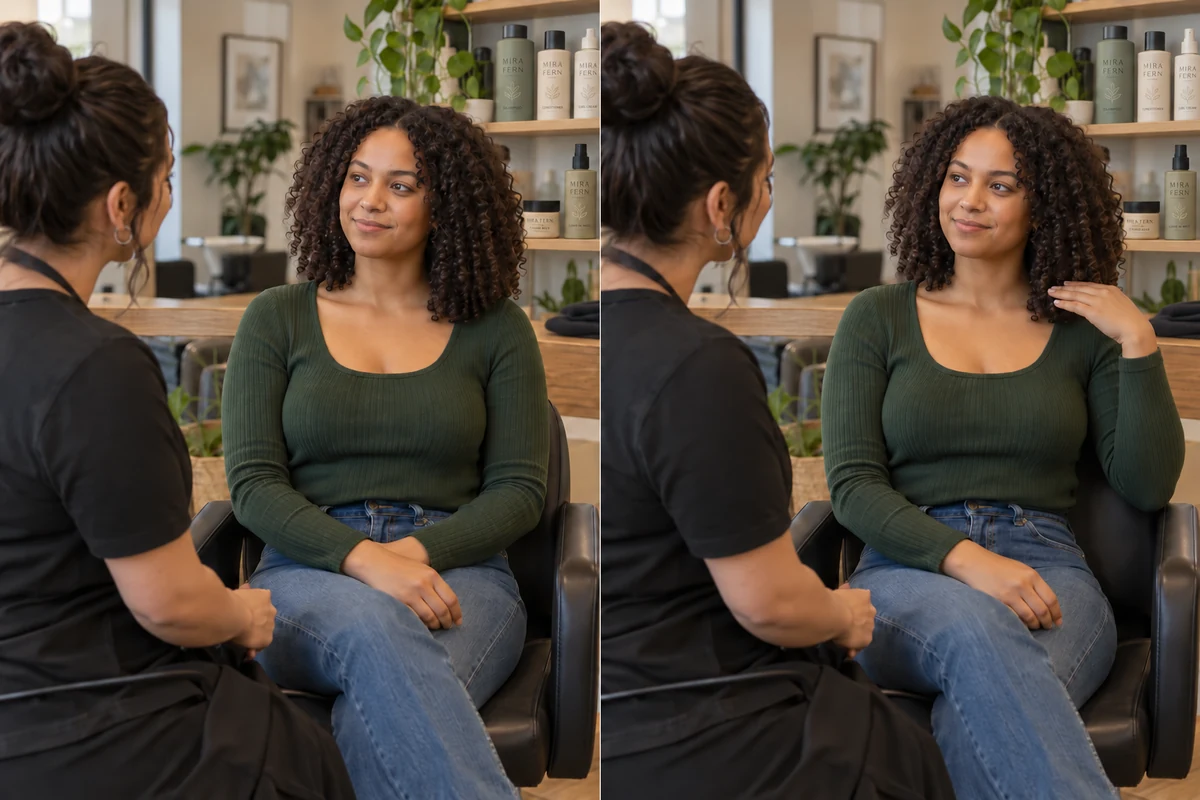
A curly-haired client talks to a stylist with hands in her lap, then raises one hand to indicate a shoulder-level resting point.
Before · describing the request in wordsAfter this step · hand marking the resting point
A hand at the spot where you want the dry curls to rest says more than words. It opens the conversation, and the stylist still judges shrinkage.
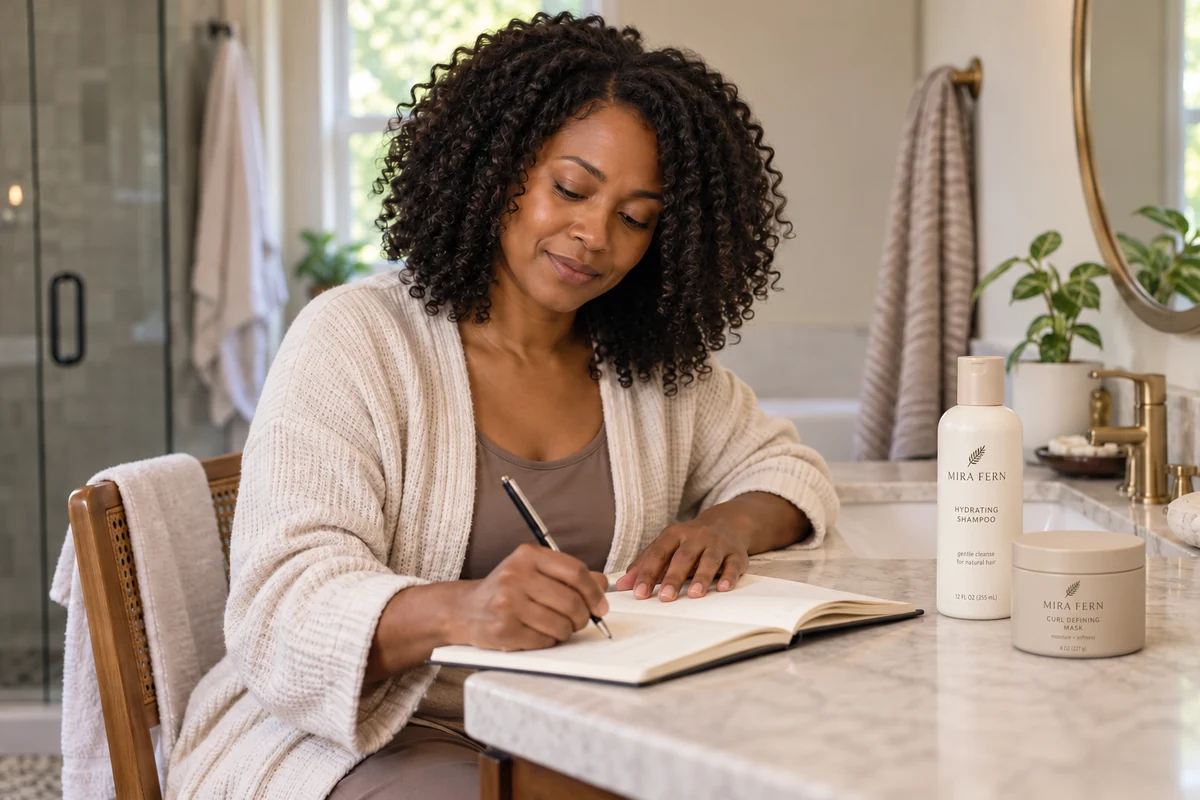
A woman with curls writing a routine note beside her hair-care products.

Help with your hair-care routine

Bring your hair-care questions to the consultation. You can also read building an everyday curl routine.

  • How does this salon want me to turn up?
  • What dry length do I need to keep, and what do I need to do with it?
  • What will this shape ask of me on a normal morning?

The plan uses the hair and scalp details you share, past treatments, current products, preferences and the time and budget you have.

The Hair Care Consultation gives you a personal plan with product recommendations, routines and guidance on your hair-care questions.

$49 with 60 days of follow-ups, or $99 with 12 months. Pay once; the year renews only if you choose.