Hair Care Guides

Start with the rule that actually applies.
Then find a look you can keep up.

Grooming standards differ by organization, role and even policy version, and it’s frustrating to change your hair for a rule that turns out not to apply. Find the real requirement first. Then weigh the permitted options against your length, texture, equipment and mornings.

Your personal hair-care planProduct choices, routines and answers shaped around your hair.$49one-timeStart my consultation
An adult with loose curls reviews a printed sheet beside soft hair ties and a comb at home.
Then find a look you can keep up.

What is going on

An adult compares printed policy documents beside an open notebook at a home desk.

Read the current rule and what it covers

Confirm the policy version, your role and the situations it applies to. Everyday appearance rules are one thing. Instructions for a specific task or piece of protective equipment are another. A rule from another employer or team is their rule, not yours.

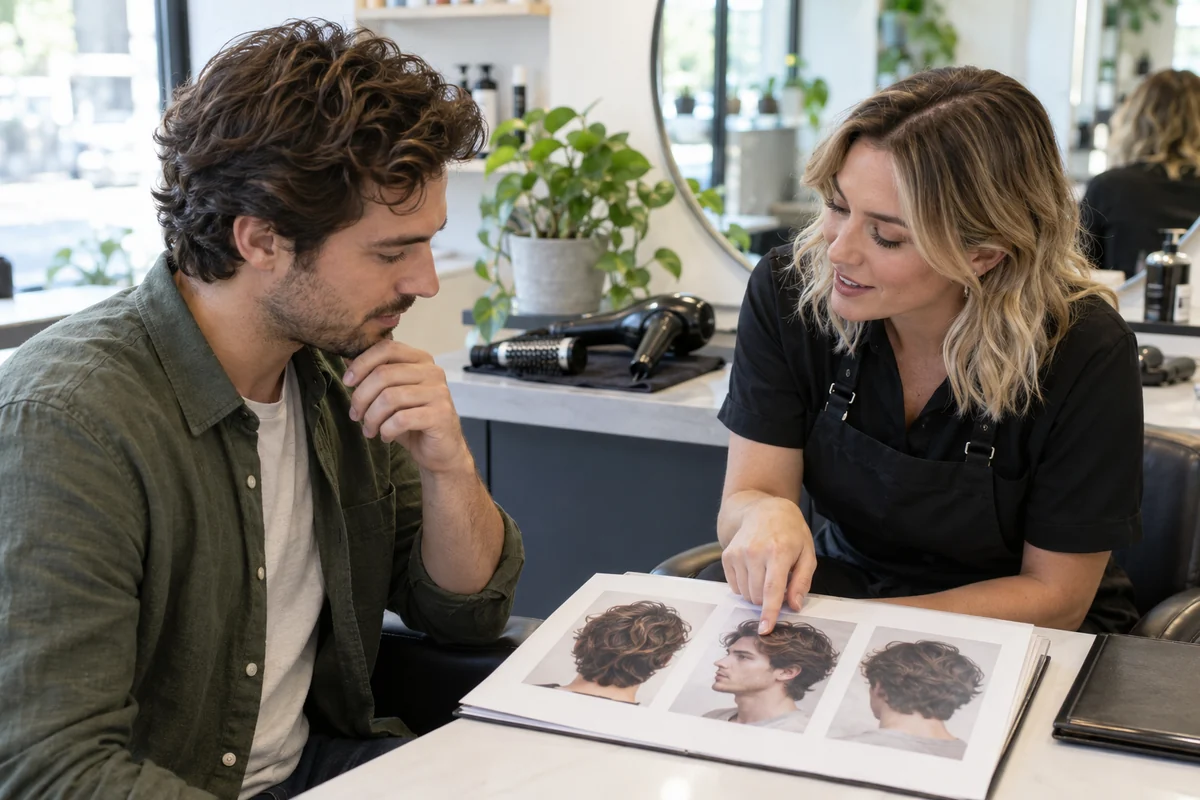
A client and stylist examine reference photographs with idle drying tools on the counter behind them.

Turn the rule into real options

Talk the requirement through with a stylist or someone who knows your hair. A permitted gathered style, a different trim schedule or a cut you’d actually like might all meet it. Compliance doesn’t have to mean shorter hair or a tighter style.

What helps, day to day

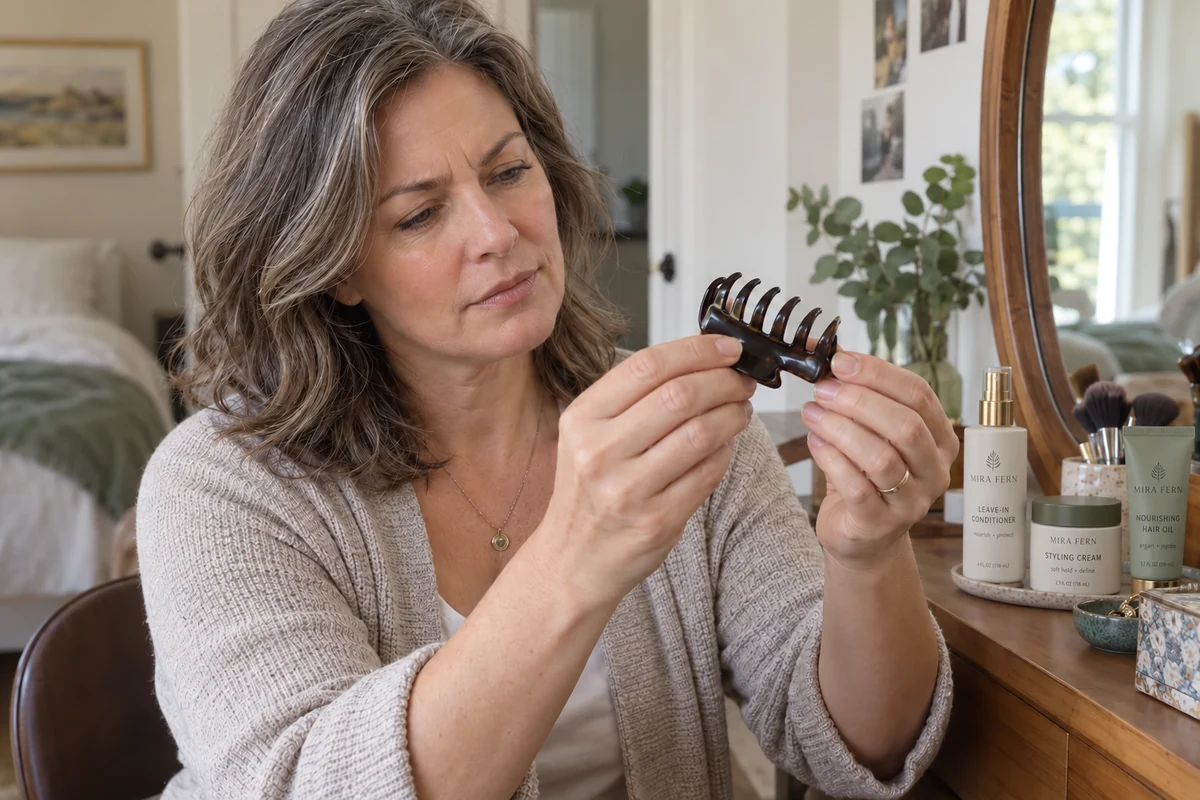
A woman examines a claw clip away from her hair, holding its solid body.

Your usual clip isn’t allowed

  • Find out exactly which accessories are restricted before you replace anything.
  • Try an allowed option with the full uniform and any required equipment on.
  • Keep your roots comfortable. An approved material is only part of whether the whole style works.
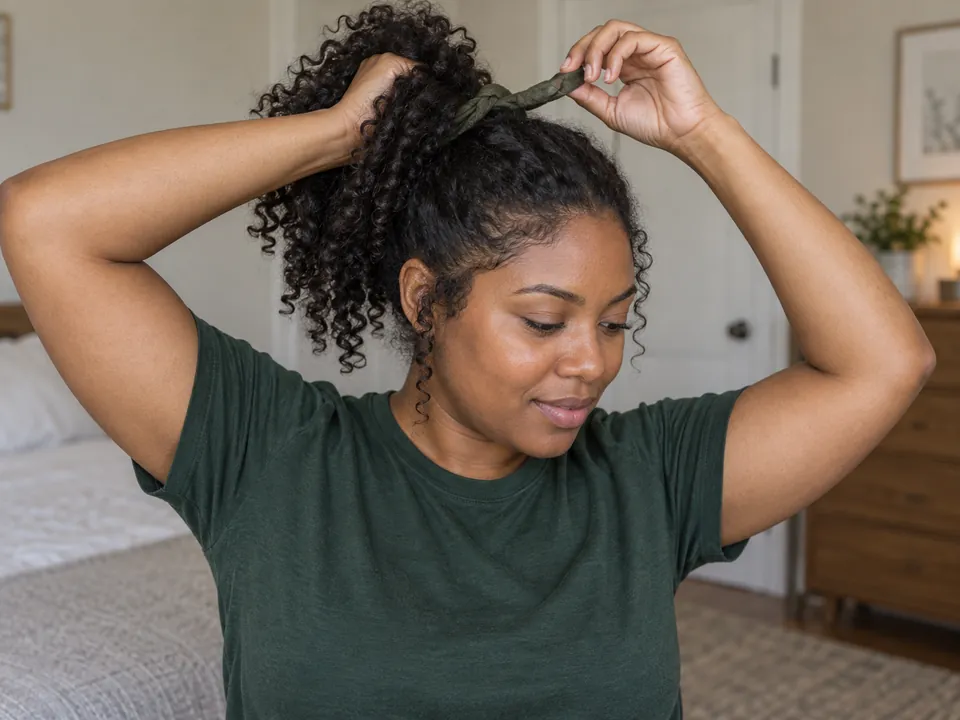
Supporting the ponytail while loosening its fabric tie.

The required look keeps pulling

  • Take it down somewhere you’re allowed to and try another permitted style.
  • Ask the policy contact what the process is when a style or care routine isn’t working for you.
  • You don’t have to put up with painful tension to meet an appearance rule, and you don’t have to invent your own exception either.
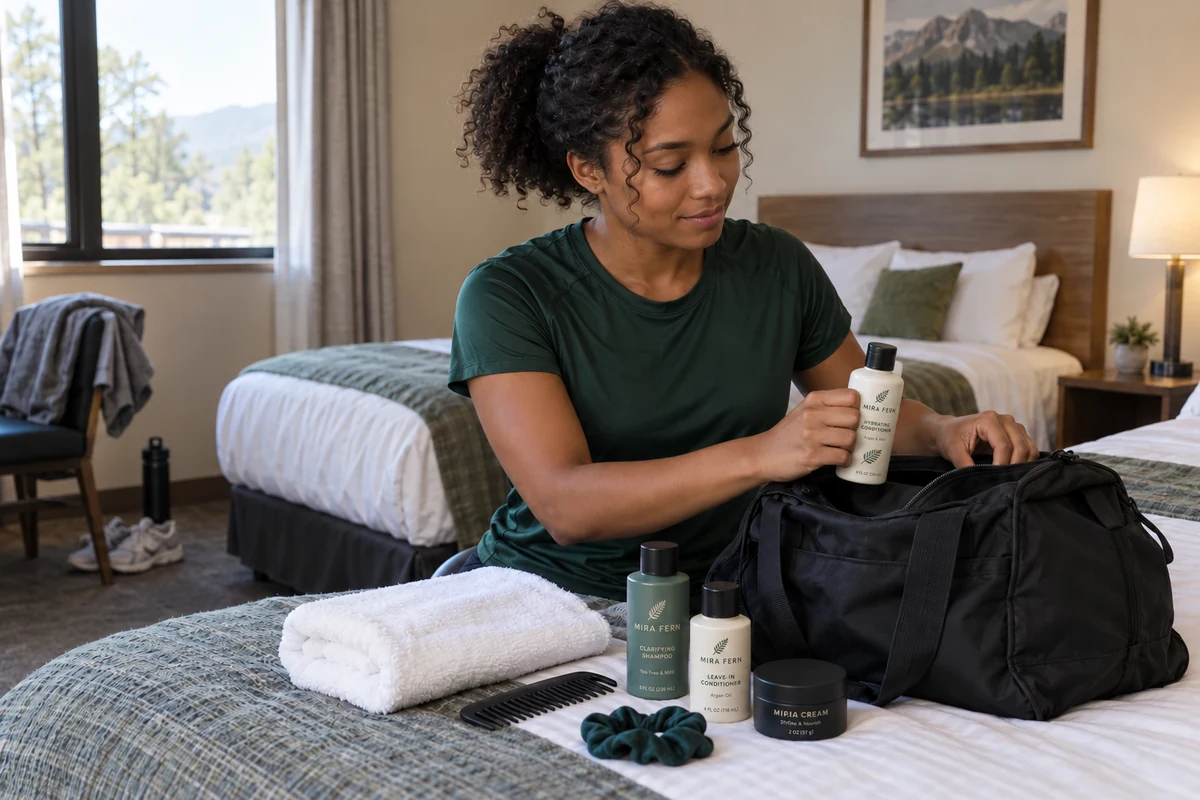
An adult packs personal hair products, a clean towel, comb and soft tie beside a sports bag.

Mornings take too long

  • Practice the approved style on a day off first.
  • Keep your permitted supplies and a spare where you’re allowed to have them.
  • Count the wash, dry and takedown time as well as the styling, not just the first five minutes in front of the mirror.

Products, by the job they do

A woman uses a tablet displaying product directions beside a capped hair-care bottle at a dry desk.

Hold for the style you’re allowed

Use a hold product you know, where it’s permitted. Extra hold won’t make a banned accessory allowed, and it won’t make protective equipment fit.

Browse styling products. Bring your styling questions and current products to the consultation for personal recommendations.

A woman smoothing conditioner through her mid-lengths and ends.

Make the daily repeat easier on your hair

If you’re wearing the same style every working day, plan conditioner and a gentle takedown around it. Choose for your length, any treatments and how often you tangle. No product makes every policy workable with the same hairstyle.

Browse rinse-out conditioners. For conditioner recommendations, share where your hair tangles and which products you have tried.

How to do it

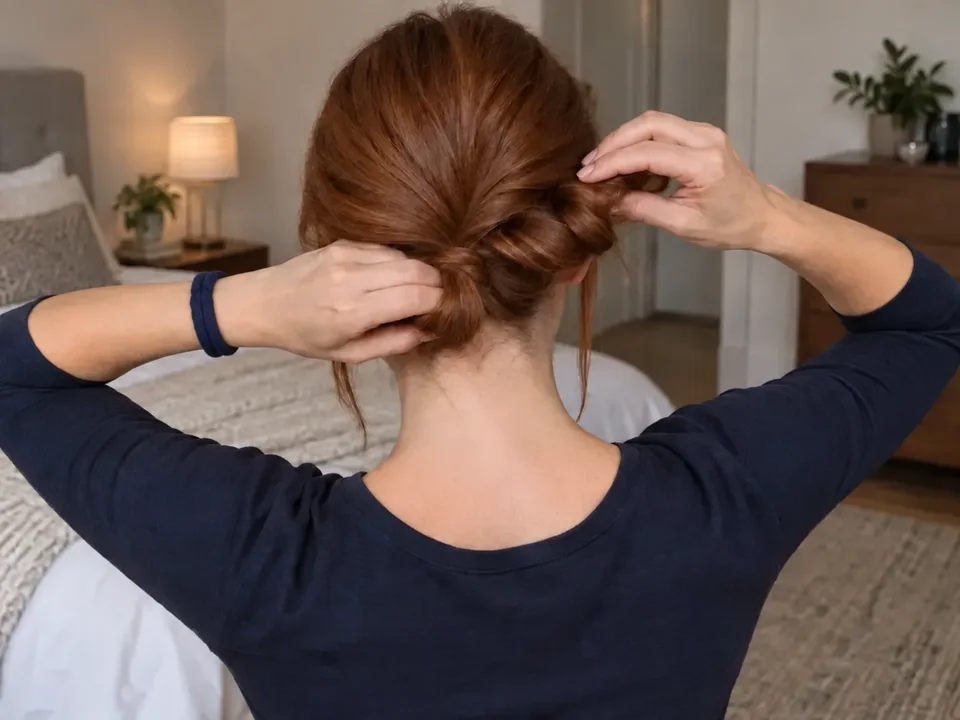
A woman supports an unsecured low coil with one hand while guiding the loose twisted length around its base; the soft tie is still on her wrist.

1. Practice the bun only if it’s permitted

On loose hair, try the ordinary bun with comfortable tension on a day off. Then check it against the actual grooming rules and your equipment. Being able to make the bun doesn’t mean the policy allows it.

Guide: Make a loose bun
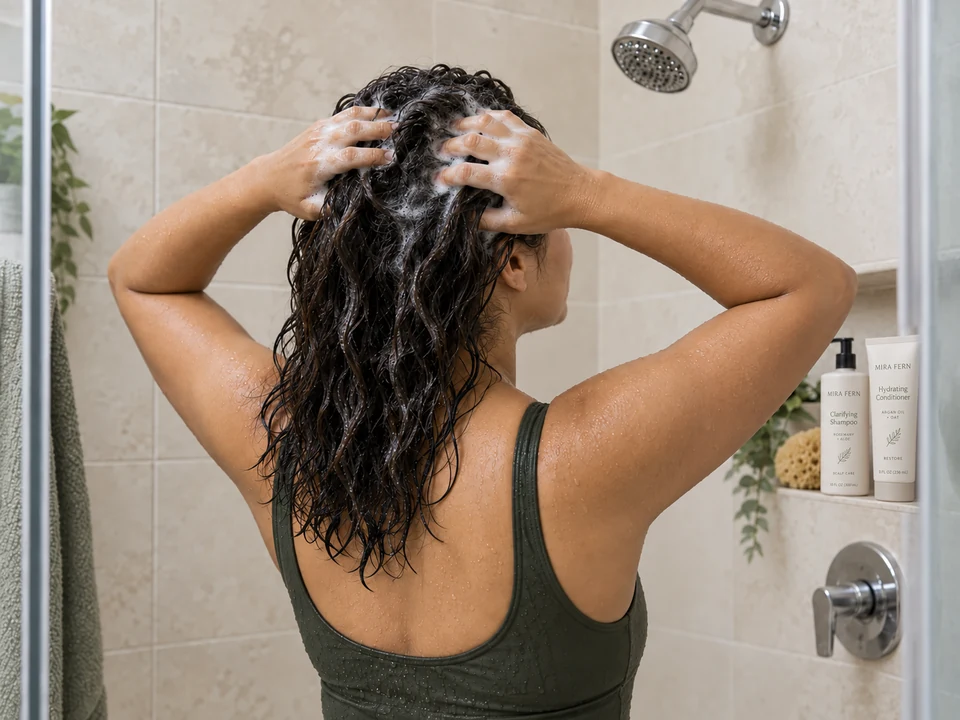
A woman uses both hands to gently work shampoo at the back and sides of her scalp, with the lengths hanging loose.

2. Plan the wash behind the finished look

Once the style is down, wash the scalp when it needs it and leave time to dry before you restyle. Ordinary hair washing is separate from any workplace procedure for equipment or exposure.

Guide: Shampoo your scalp

Illustrated care examples: before & after

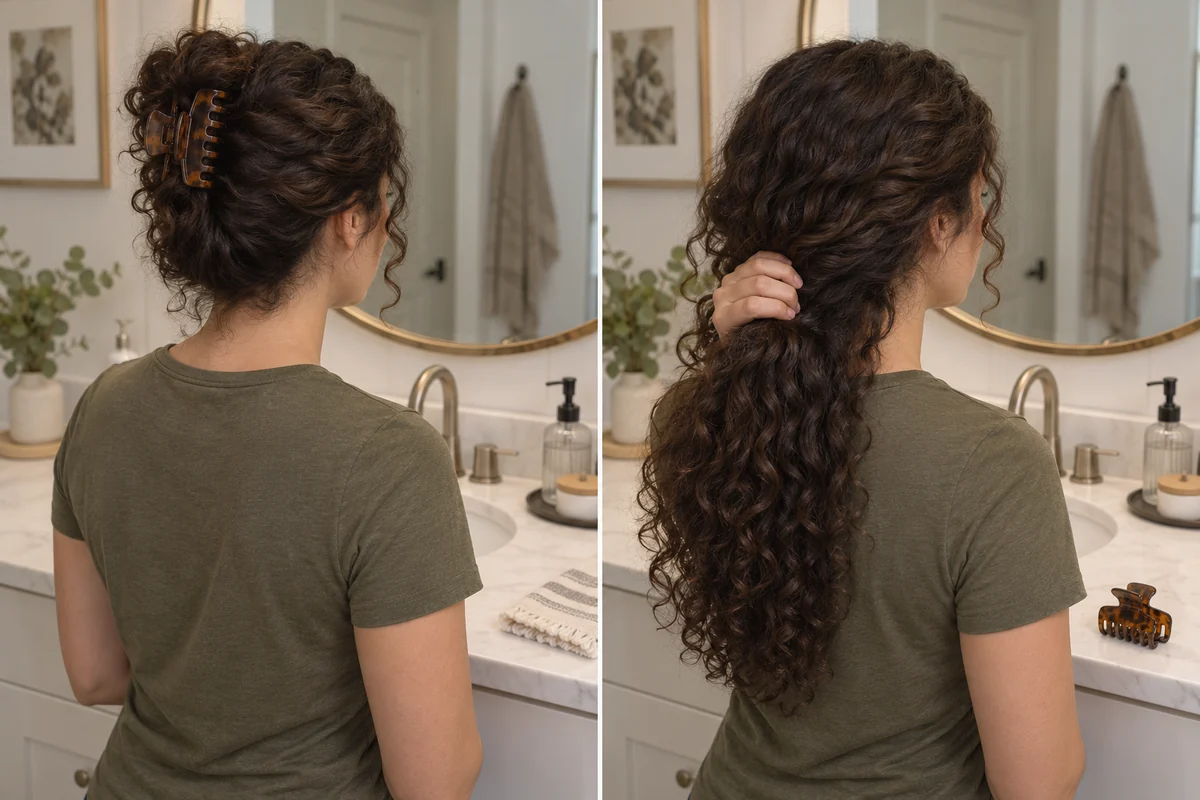
Clip out, then choose again

The same adult releases curls from a claw clip and supports the loose lengths; the removed clip rests on the counter.
Before · bulky clip holding the lengthsAfter care · clip out, choosing an alternative
The bulky clip comes out before a permitted alternative is picked. What counts as permitted is set by the policy you work under, not by these pictures.

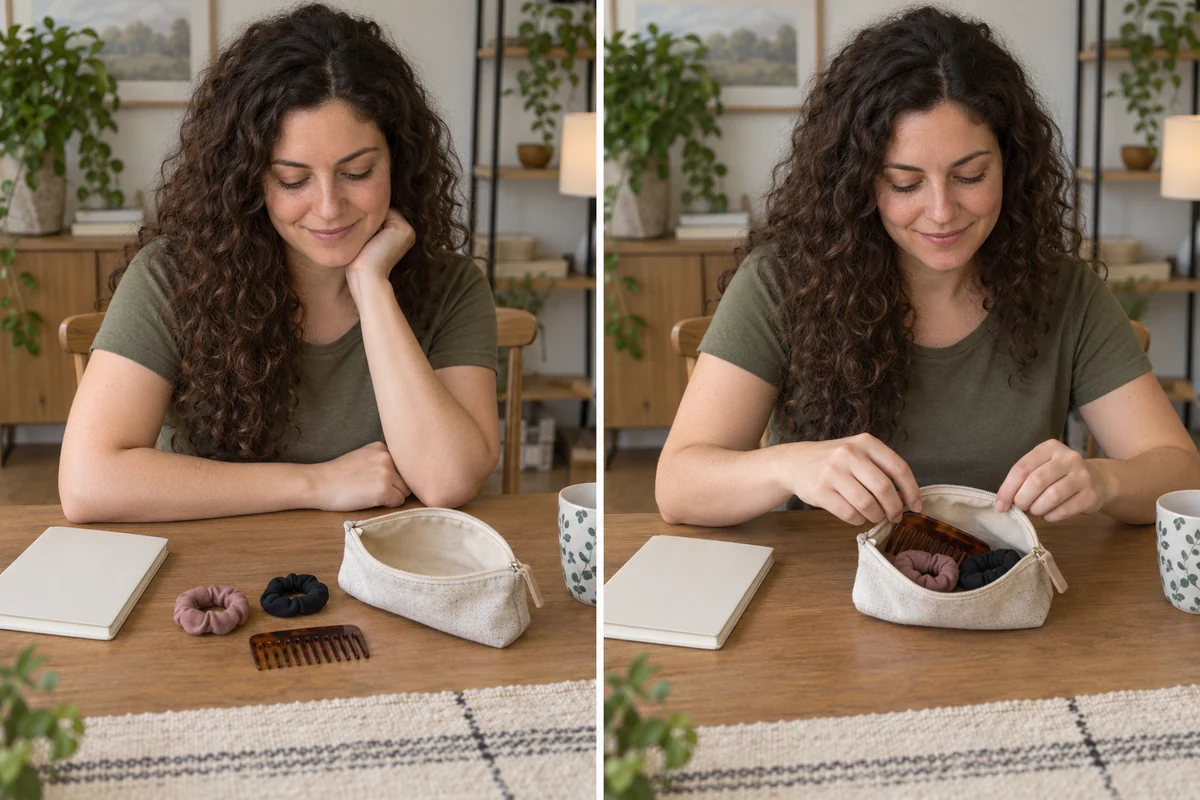
A small familiar kit

The same adult moves two soft ties and a comb from the table into an open pouch beside a notebook.
Before · care items, open pouchAfter care · same items packed to use
The familiar items go into the pouch so they are ready when there is a moment. What you may carry and use on shift is workplace policy.
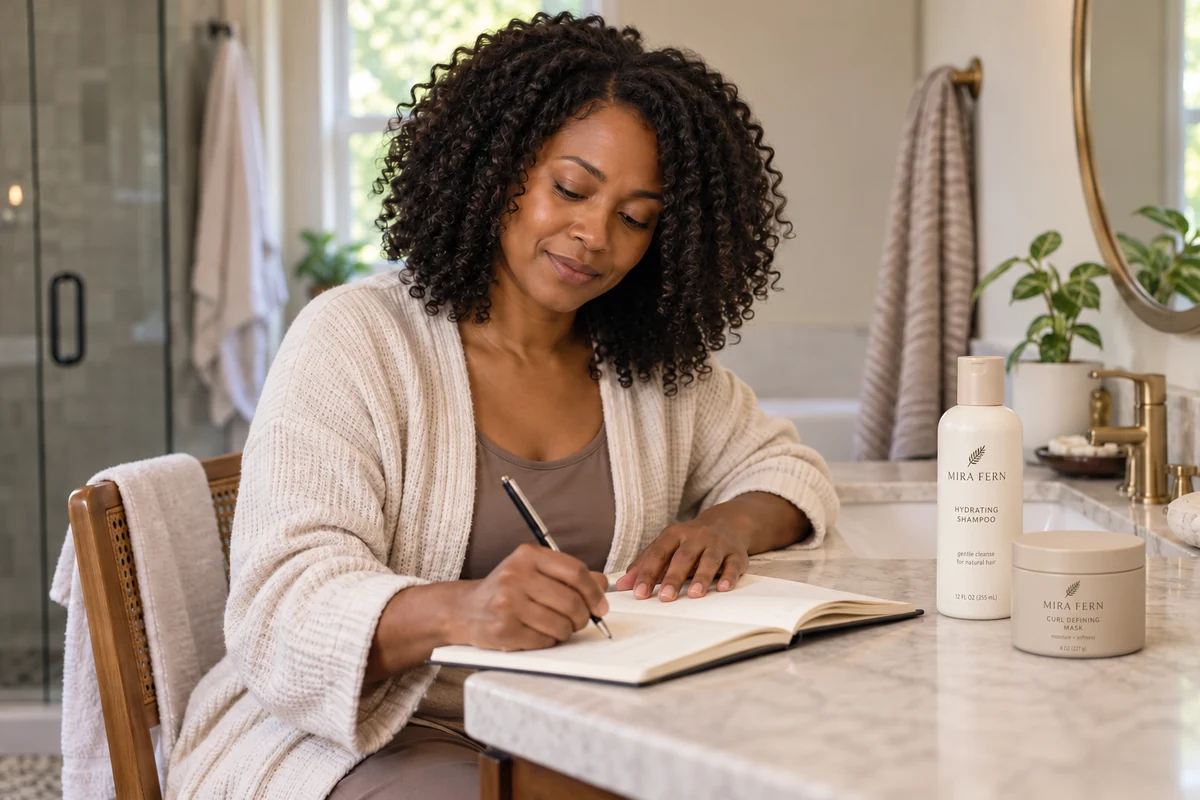
A woman with curls writing a routine note beside her hair-care products.

Help with your hair-care routine

Bring your hair-care questions to the consultation. You can also read separating grooming choices from required protective fit.

  • Which policy and which role-specific rules actually apply to me?
  • What permitted styles suit my texture, length and gear?
  • Who do I ask about an unclear rule, and how long will the routine take?

Tell us the exact requirements, the accessories you’re allowed, your equipment, your hair pattern and how much time you have. The consultation can compare ordinary care options within that. Your organization is the one that interprets its own policy.

The Hair Care Consultation gives you a personal plan with product recommendations, routines and guidance on your hair-care questions.

$49 with 60 days of follow-ups, or $99 with 12 months. Pay once; the year renews only if you choose.