Hair Care Guides

Let the useful details travel with them.
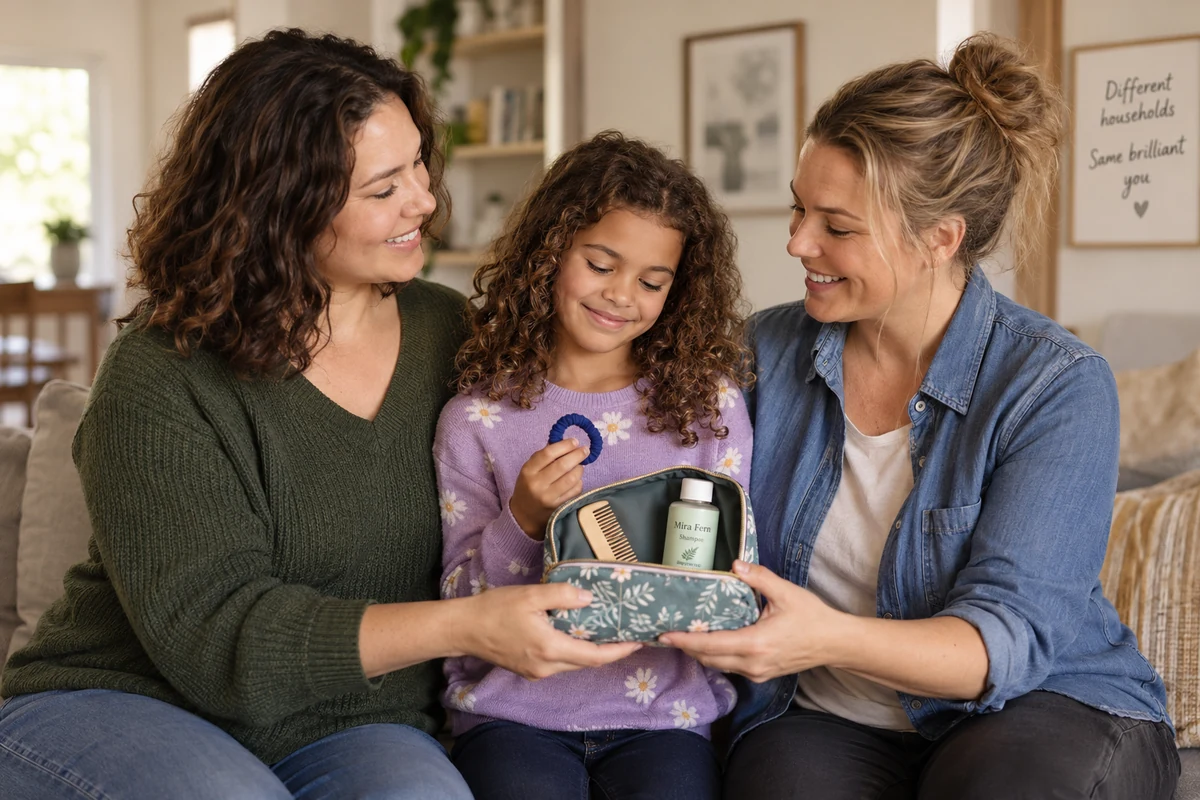
The grown-ups do the handover, not the child.

Two homes don’t need matching bathrooms or matching hairstyles, and trying to make them match is exhausting. A short shared note tells each home what was done, what the child likes and what’s next. The adults pass it along. The child helps choose what’s comfortable.

Your personal hair-care planProduct choices, routines and answers shaped around your hair.$49one-timeStart my consultation
Two caregivers pass a hair-care pouch between them beside a child holding a soft hair tie.
The grown-ups do the handover, not the child.

What is going on

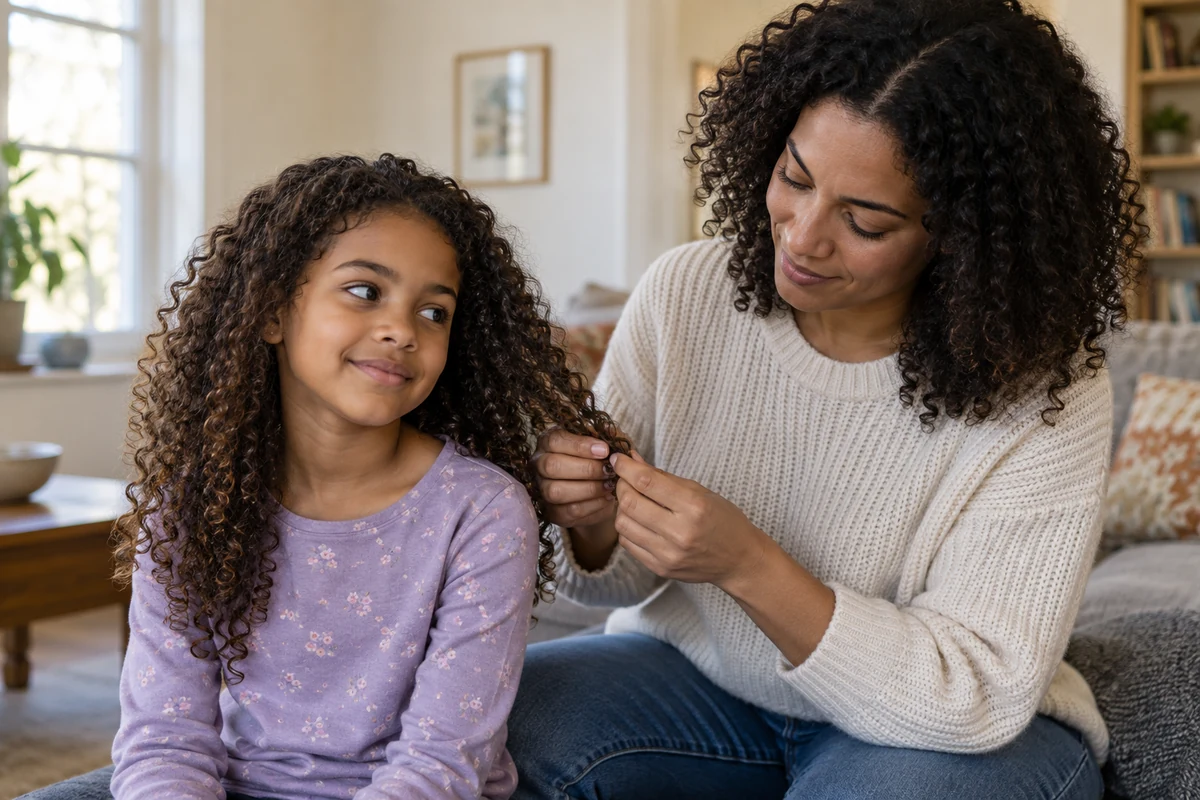
A caregiver supporting a small section of a child’s curly hair during gentle detangling.

Agree on the essentials

Write down the current wash products, how you detangle and anything that’s off limits. Add which steps need an adult. Keep it short enough to actually use at either house. Knowing how to care for the hair comfortably matters more than matching every style.

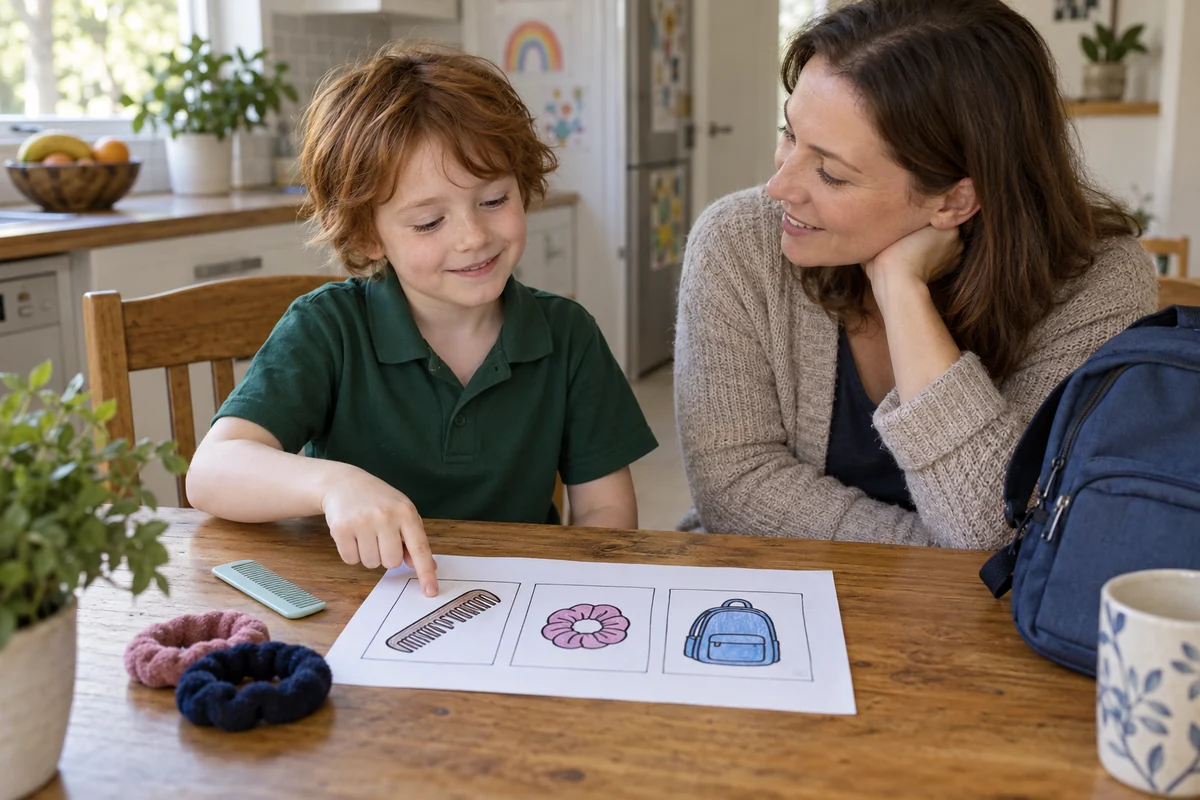
A child with short auburn hair points to a picture checklist while an adult listens beside a school bag.

Ask the child what they like

Which ties feel fine, which sensations they hate, which styles they want to keep. A child can point, choose or explain without becoming the go-between. Familiar routines help, and so does letting the two homes be a little different.

What helps, day to day

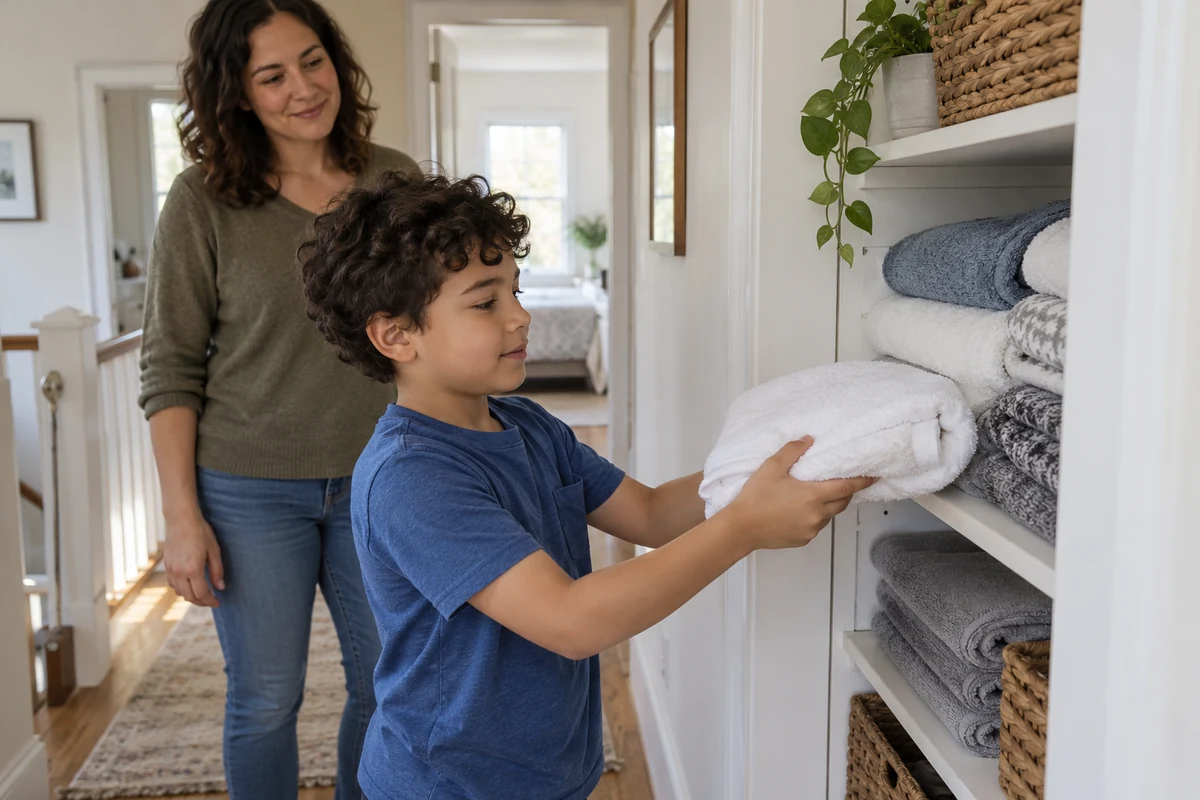
A child takes a folded towel from a low linen shelf while a caregiver watches nearby.

Decide what stays and what travels

  • Buy two of a cheap essential, or keep one in an agreed travel kit.
  • Name who checks the kit before a move and who replaces things that run low.
  • Label each child’s tools, and treat a missing item as a reason to adjust the plan.
A child points to the back of their dry hair while an adult watches during a practice session in a living room.

Hand over how things stand

  • Note the last wash, what’s already in the hair and anything left half done.
  • Say what you saw, plainly. Tangled at the nape is more useful than a verdict on the other house.
  • There’s no need to wash or restyle on arrival just because the child has changed homes.
A woman considering several hair-care bottles and jars on her bathroom counter.

The usual product isn’t at this house

  • Check the exact product name and what it does before you swap it.
  • Tell the other adult what you used and whether the hair reacted, through whatever channel you’ve agreed.
  • Keep any standing instructions handy, and swap one thing, not several.

Products, by the job they do

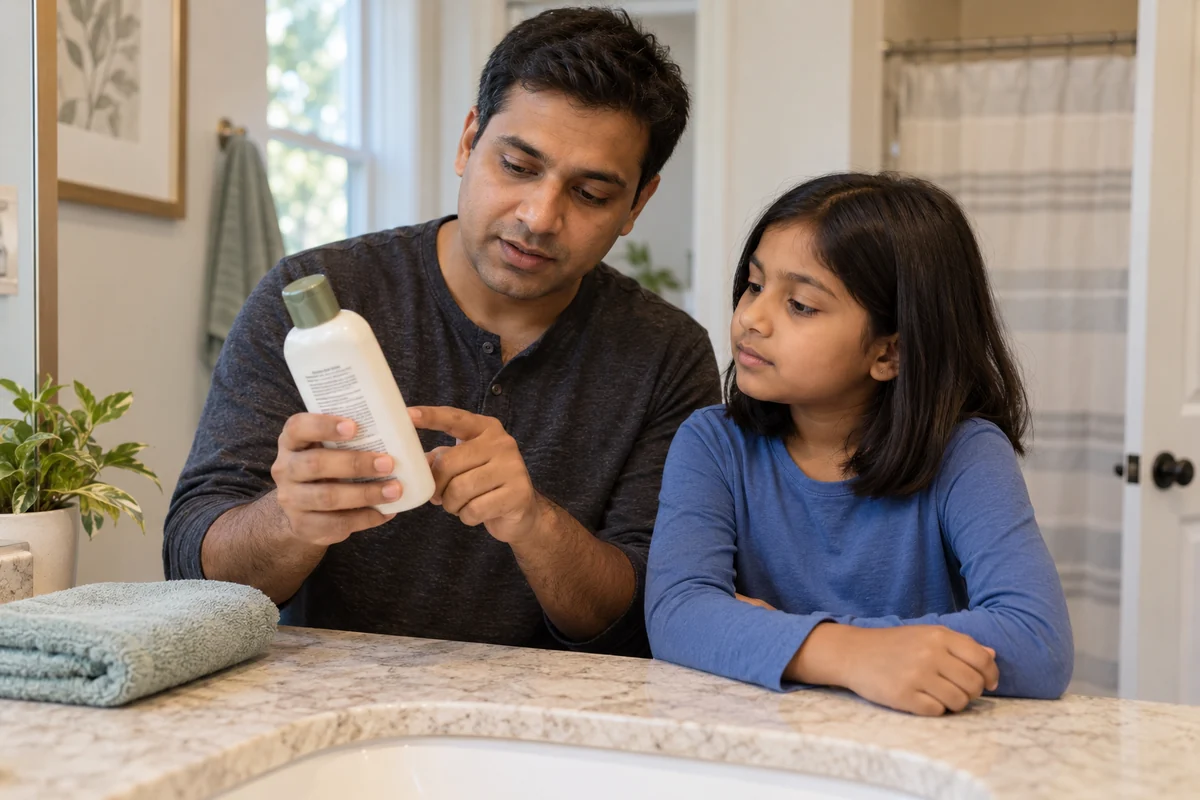
An adult and child look at the back label of a hair-care bottle together at a dry vanity.

Keep the shampoo easy to identify

Take a photo of the shampoo label and its directions for the other house. The child’s scalp, how active they are and what’s worked before all point to a cleanser that fits. Each house still follows the bottle it has in hand.

Browse cleansing products. Your current shampoo, wash schedule and past treatments help guide a personal recommendation.

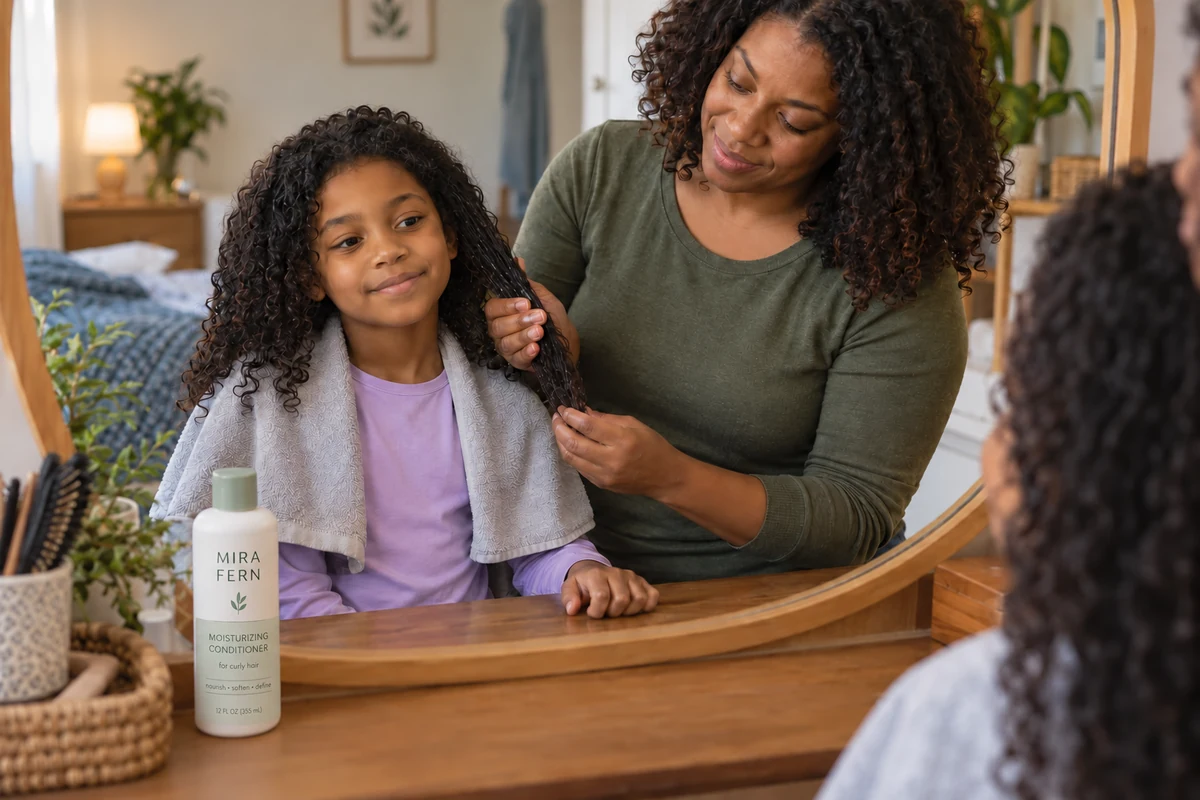
An adult supports a damp section of a child’s curly hair while smoothing conditioner through its lower lengths.

Share what helps the lengths

Note where the conditioner goes and how the child’s hair gets detangled gently. Share that between the adults rather than making the child explain the other house’s method.

Browse rinse-out conditioners. Your tangles, past treatments and preferred finish help guide a personal conditioner recommendation.

A short handover the adults can keep up

A woman with curls writing a routine note beside her hair-care products.

Keep one current note

Use a shared note or whatever channel you two already use. Products, recent care, anything off limits, and the next job. When something changes, update the fact. Don’t let it turn into a running commentary on the other house.

A woman uses a tablet displaying product directions beside a capped hair-care bottle at a dry desk.

Sort out a change directly

When a product is swapped or an instruction changes, the adults confirm it directly. The child’s preferences stay in the plan, but the child doesn’t carry messages or settle disagreements. Reread the note when the hair, the routine or the help changes.

Illustrated care examples: before & after

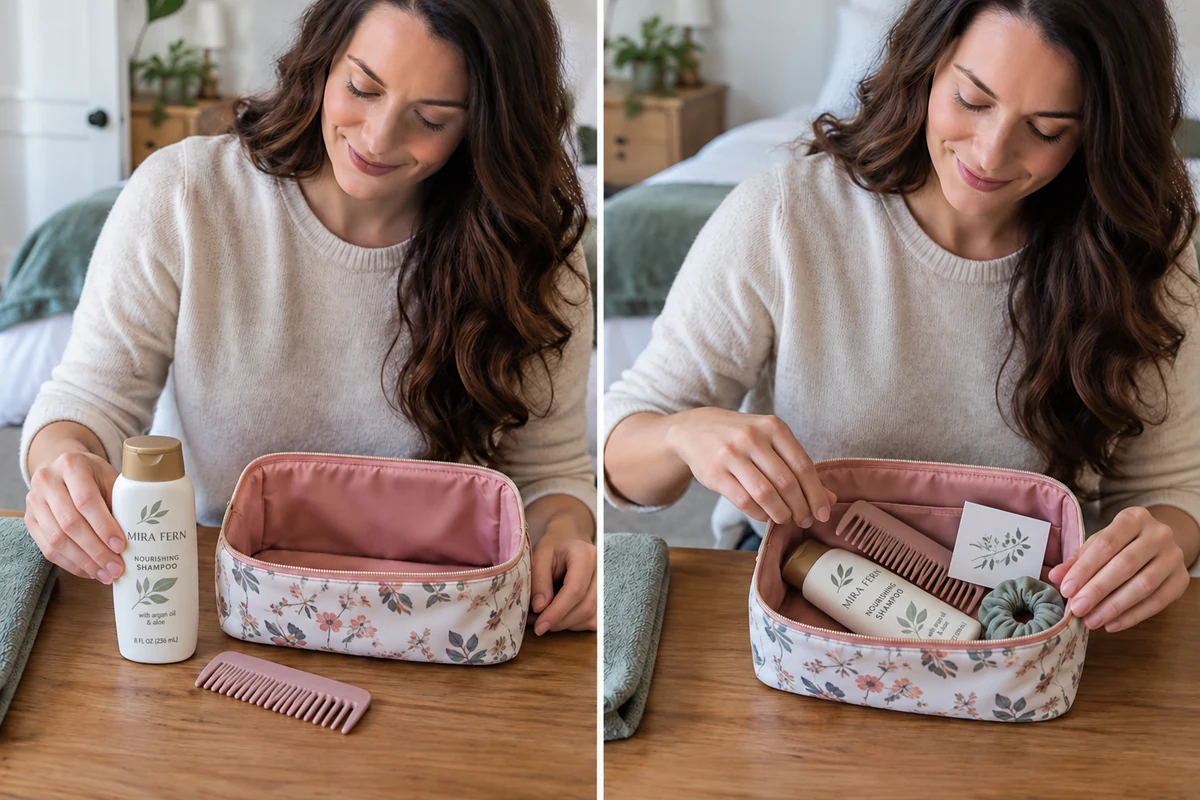
The agreed essentials, packed

Two panels show a bottle and comb beside an empty pouch, then the same items inside it with a covered tie and card.
Before · essentials beside an empty pouchAfter the change · essentials in the open kit
The agreed items go into the pouch together. Keep each product’s name and directions with the kit so either household knows what is what.

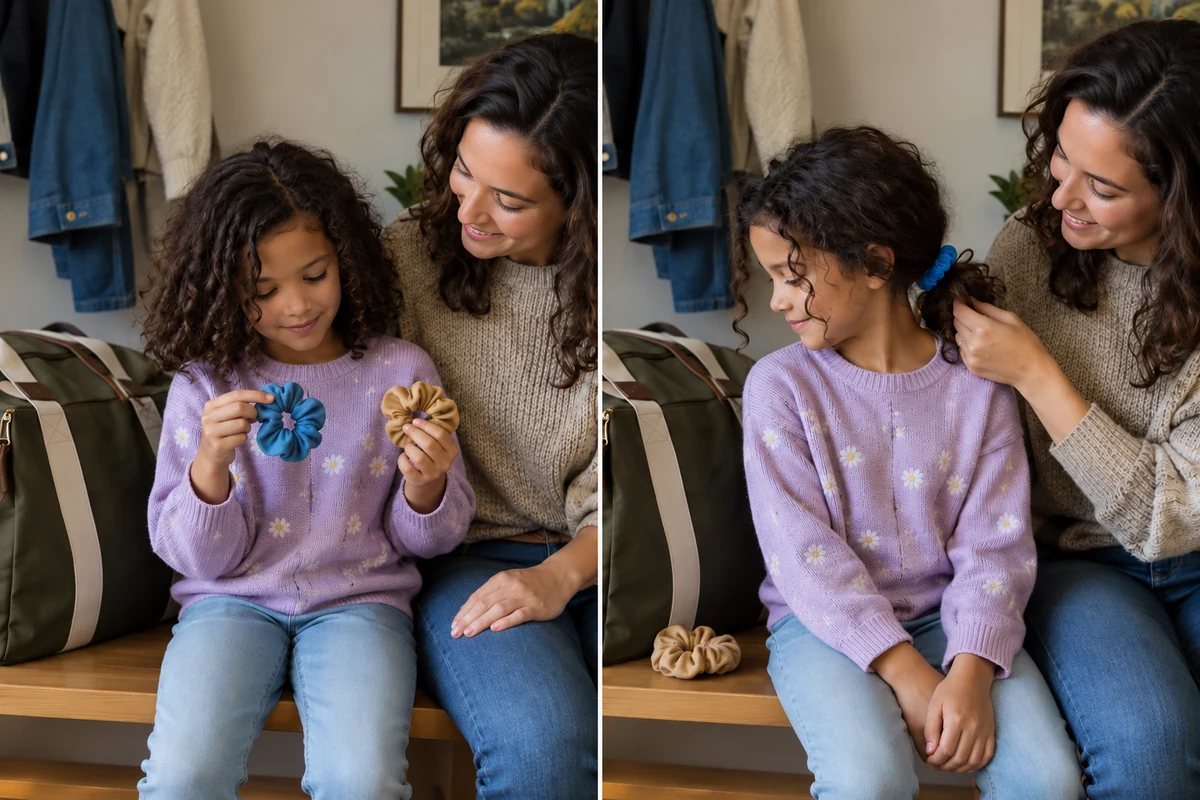
The child picks the tie

A child chooses between two covered ties, then wears the blue tie in a loose low ponytail beside the caregiver.
Before · choosing a covered tieAfter the change · chosen tie, loose hold
The child picks the tie and it goes in with a loose hold. What they like and what feels comfortable matter more than matching both homes.
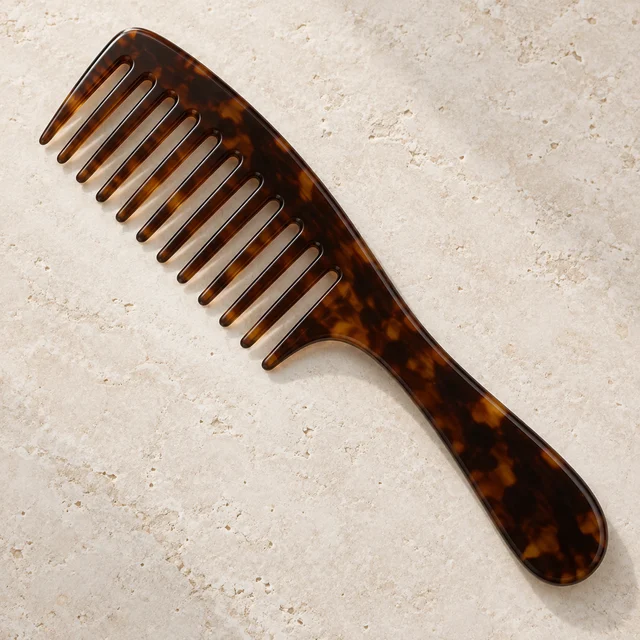
Wide-tooth comb

Help with your hair-care routine

Bring your hair-care questions to the consultation. You can also read a comfortable approach to a child’s tangles.

  • What information should move with my child?
  • What should stay at each house?
  • How do we keep care comfortable without identical routines?

Tell us the child’s hair pattern and length, the styles they’re comfortable in, which products live at each house and who’s around to help. A consultation can turn that into care steps both homes can realistically follow.

The Hair Care Consultation gives you a personal plan with product recommendations, routines and guidance on your hair-care questions.

$49 with 60 days of follow-ups, or $99 with 12 months. Pay once; the year renews only if you choose.