Hair Care Guides

Thinking about going short?
Plan the ordinary Tuesday, not just the reveal.

Cutting off hair you’ve had for years is exciting and a little frightening, and both are reasonable. A short cut changes how you wash, style and tie your hair, not just how it looks. Talk about the shape alongside the everyday things you want easy.

Your personal hair-care planProduct choices, routines and answers shaped around your hair.$49one-timeStart my consultation
A long-haired client indicates a possible chin-length outline while a stylist listens.
Plan the ordinary Tuesday, not just the reveal.

What is going on

A woman and a medical professional seated together, looking at a calendar.

Say what long hair does for you now

Maybe you tie it back, cover it, leave it loose, or barely touch it. Tell your stylist which of those you rely on and ask which still work with the shape you’re considering. Shorter isn’t automatically less work in the morning.

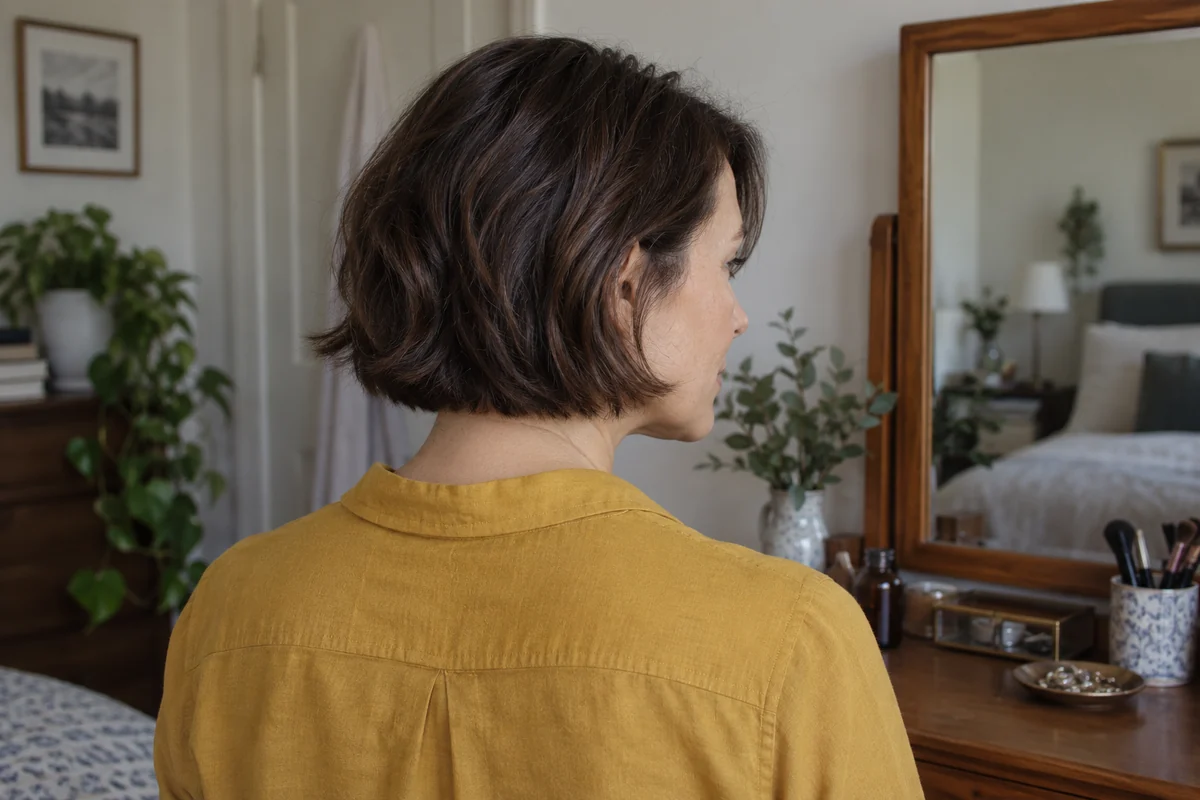
A rear three-quarter view shows the dry nape and side perimeter of a wavy bob.

Talk about living with it, not just the cut

Ask how the cut will sit with your pattern, what styling it needs, and how the outline changes as it grows. Agree how often you’d need to come back and what that costs. Trim schedules differ from cut to cut.

What helps, day to day

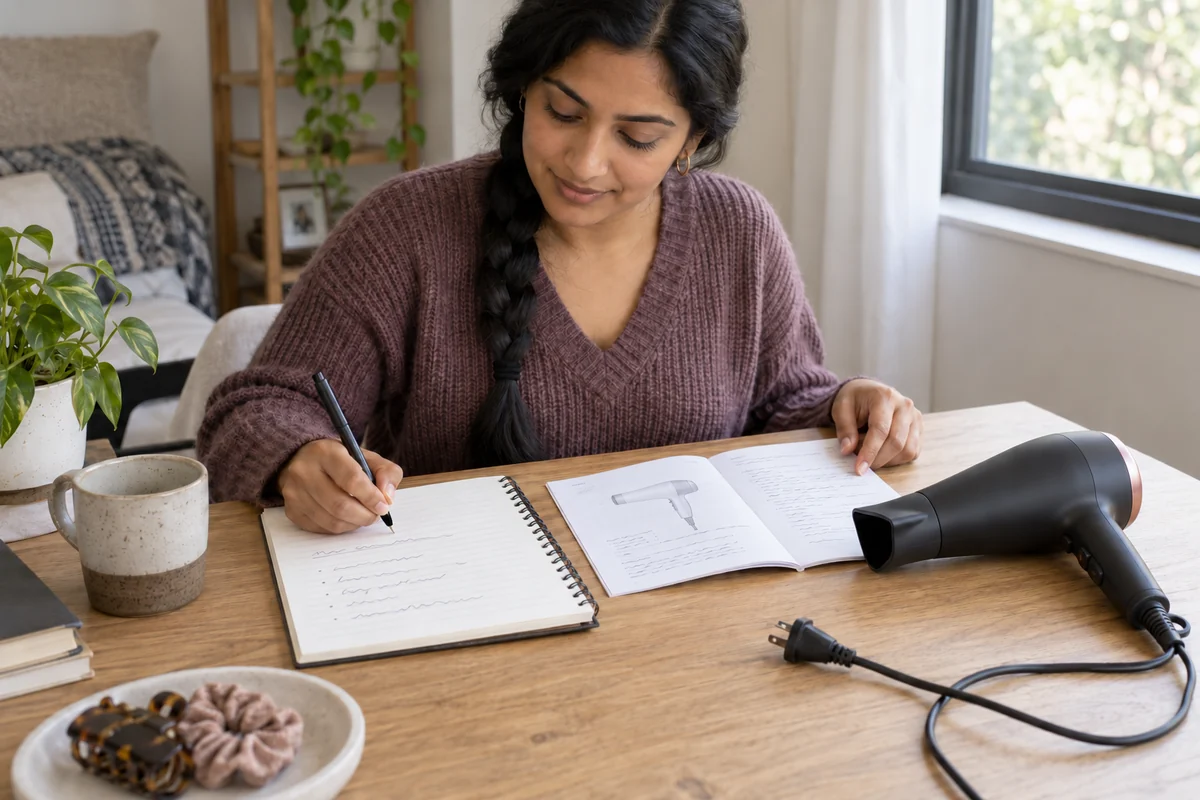
A woman writes notes beside a manual and a visibly unplugged dryer on a dry desk.

You like several short styles

  • Name the features you like and how much daily work you’d honestly accept.
  • Ask the stylist which of those are realistic with your own hair.
  • Bring reference photos as a way to talk, not as a promise of the same result.
A woman supports an outward-turning end of her silver bob on an open palm.

You’re not sure about losing the ponytail

  • Show the stylist the tasks you tie it back for now.
  • Ask about a longer first cut, or a length you can still clip up.
  • You don’t have to go to the shortest version straight away. A staged cut is allowed.
A man seated at a dry dressing table with both forearms resting on a folded towel beside a mirror, comb and bottles.

You want to see a shorter shape first

  • If your length allows, fold it under comfortably for a rough look.
  • Treat what you see as a conversation starter, nothing more.
  • Folded long hair can’t show you the movement, weight or behaviour of a real short cut.

Products, by the job they do

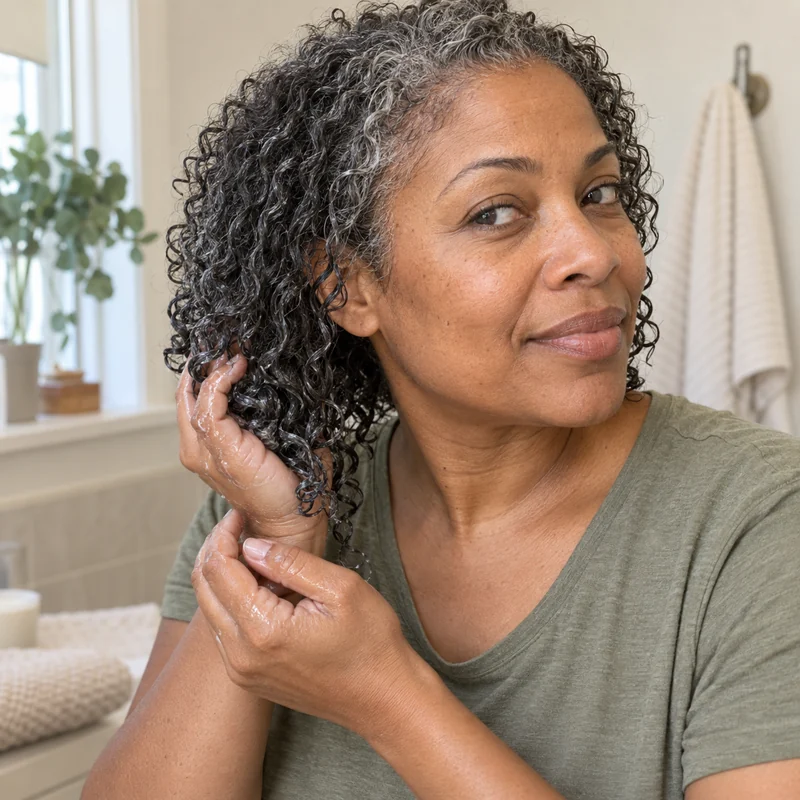
A woman cupping a damp curl section with styling gel on her hands.

Buy styling products after the cut, not before

Ask your stylist what job the new shape might need a product for and how to apply it. Live with the cut for a bit before buying several unfamiliar finishing products.

Browse styling products. For styling recommendations, share the finish you want, how you dry your hair and your budget.

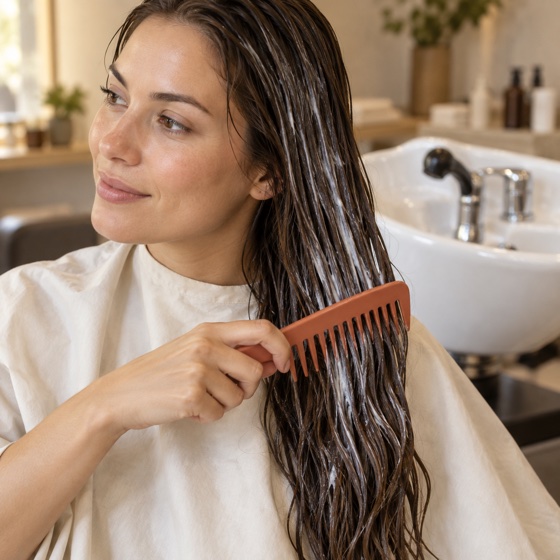
A woman detangling conditioned hair with a wide-tooth comb.

Rethink where conditioner goes

Keep conditioning where the hair needs help with handling. Losing length changes the area you cover, so the amount you use may shift, but most people still need some.

Browse rinse-out conditioners. The consultation uses your hair details and treatment history to compare conditioner options.

How to do it

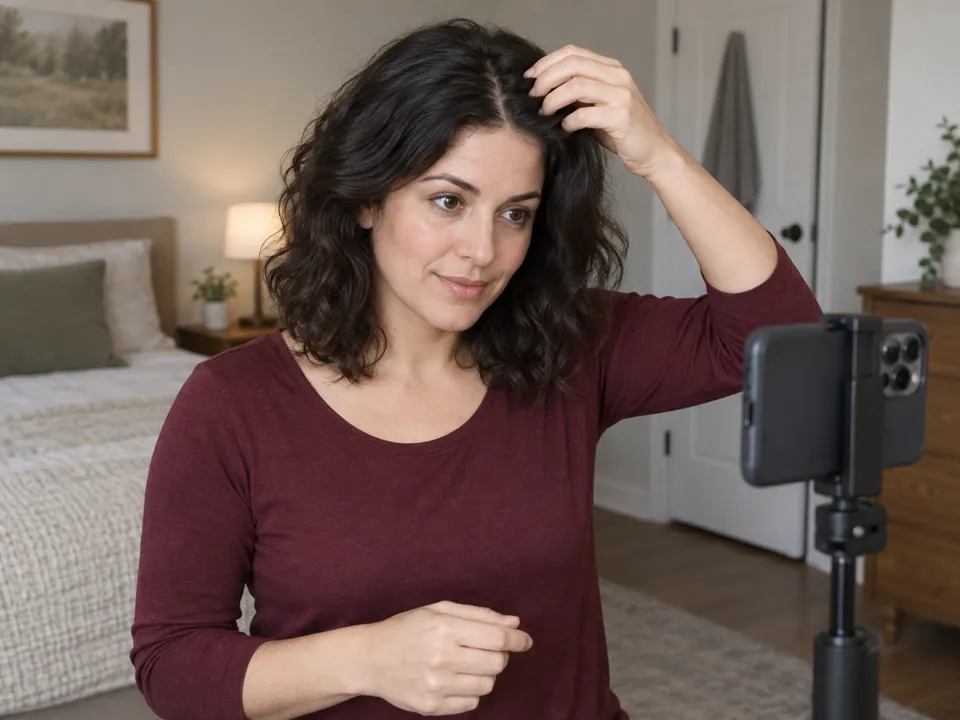
Showing a reachable part to the supported phone camera.

1. Photograph your hair as it is now

Take a few dry views you can reach, in the same light each time. Write down the everyday things you want to keep doing and bring them to the appointment. Photos help the conversation, not predict the final cut.

Guide: Photograph your hair and scalp
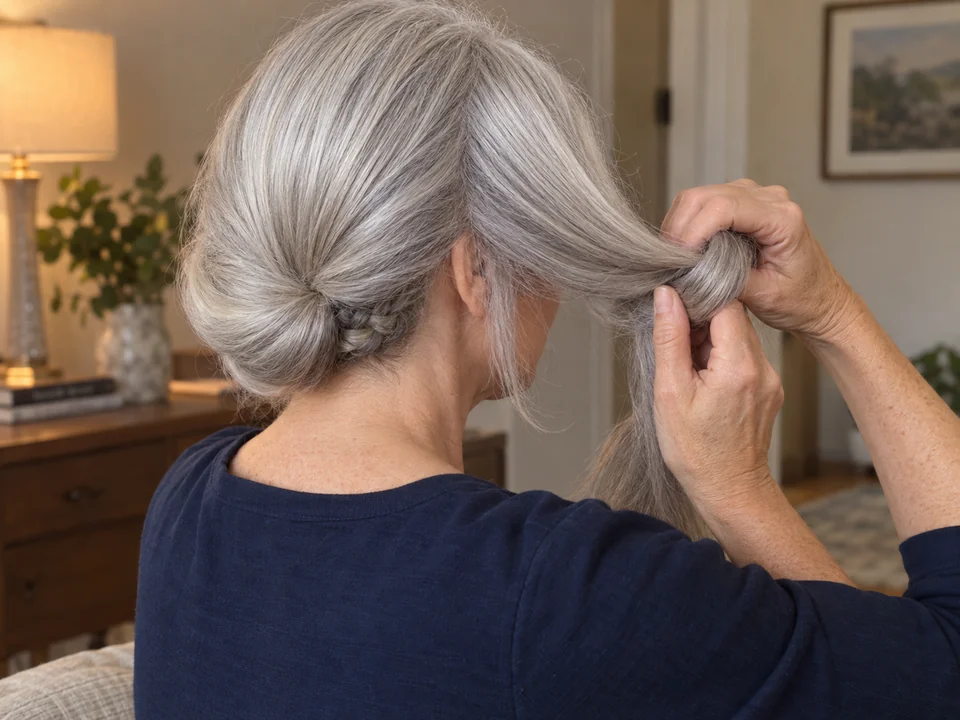
An adult rolls one long side section inward beneath a temporary bob outline.

2. Try a temporary bob if you’re curious

On dry, detangled long hair, follow the loose braid anchor and inward fold, without pins that hurt. Take it out if it’s uncomfortable. It’s a styling experiment, not a preview of how a real short cut will behave.

Guide: Pin long hair into a faux bob

Illustrated care examples: before & after

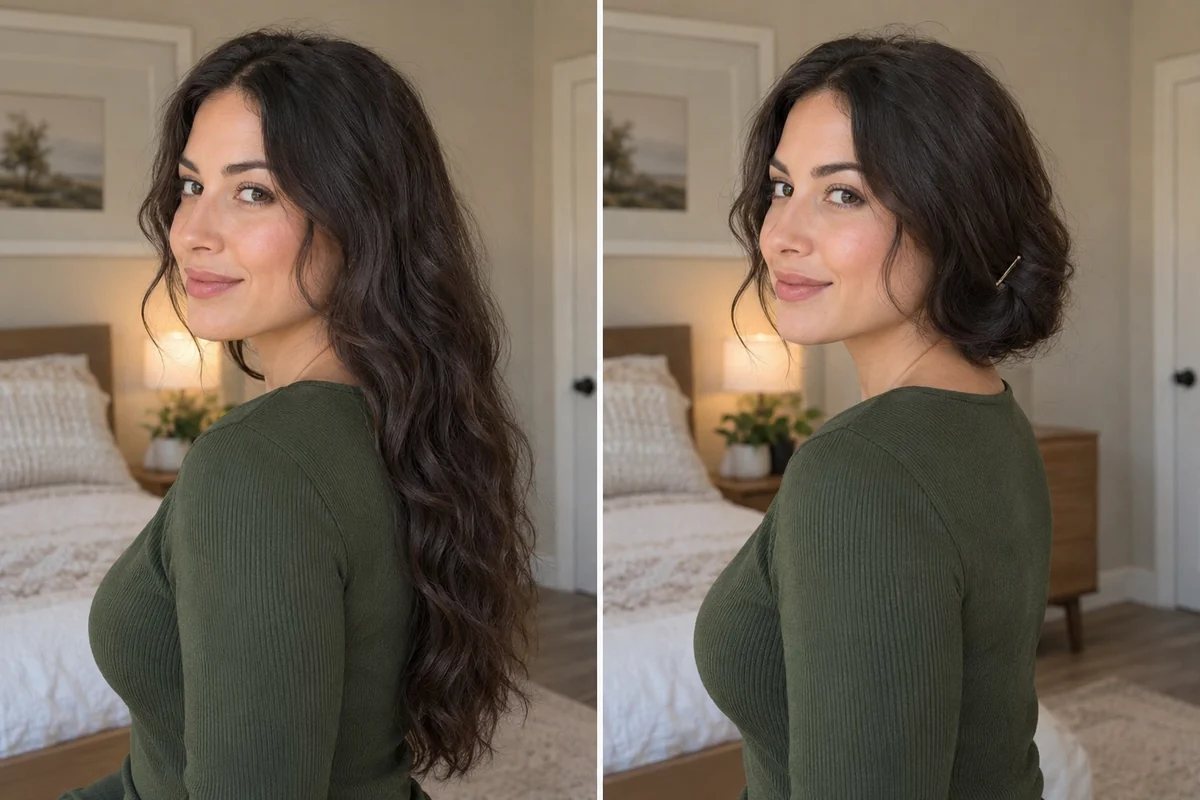
A pinned-up preview

Matched views show long waves loose, then folded inward into a temporary bob with a visible pin and rounded fold near the nape.
Before · long waves looseAfter this step · lengths pinned up short
No hair was cut. The lengths are folded under and pinned into a rough shorter outline, a talking point that cannot show a real cut’s movement or weight.

From photos to a plan

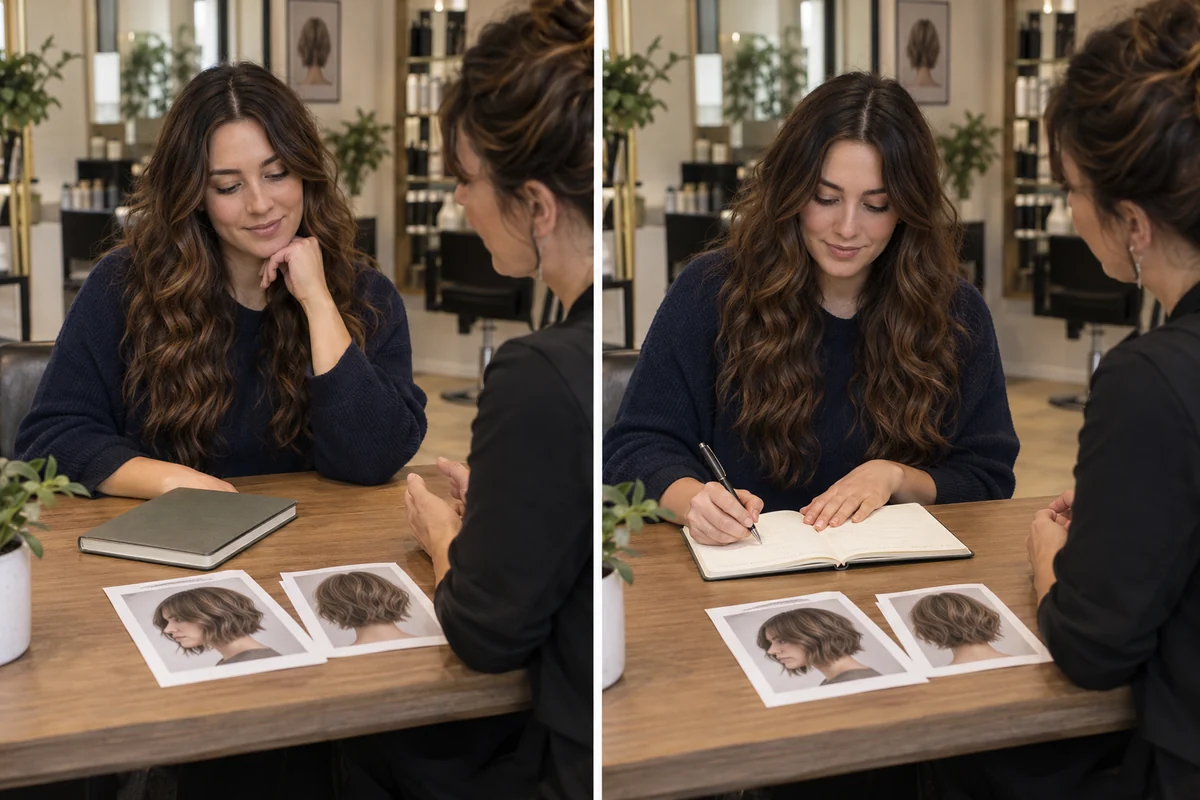
A client with long waves sits beside two reference pictures and a closed notebook, then writes in the notebook while the stylist listens.
Before · pictures by a closed notebookAfter this step · agreed points written down
The photos become notes on the shape, the practical limits and the upkeep you’ll accept. The hair is untouched, this happens before deciding to cut.
A woman with curls writing a routine note beside her hair-care products.

Help with your hair-care routine

Bring your hair-care questions to the consultation. You can also read caring for hair as it grows.

  • Which things about my long hair would I miss most?
  • How much daily work and how many appointments would this cut mean?
  • Would a smaller first change help me decide?

The plan uses the hair and scalp details you share, past treatments, current products, preferences and the time and budget you have.

The Hair Care Consultation gives you a personal plan with product recommendations, routines and guidance on your hair-care questions.

$49 with 60 days of follow-ups, or $99 with 12 months. Pay once; the year renews only if you choose.