Hair Care Guides

Make time for a careful braid takedown.
Plan removal, detangling and the wash afterward.

A takedown can become tiring before you reach the last braid. Check how the style comes apart, arrange help for sections you can’t reach and leave time for detangling and washing. For twists, get the removal method for that particular installation.

Your personal hair-care planProduct choices, routines and answers shaped around your hair.$49one-timeStart my consultation
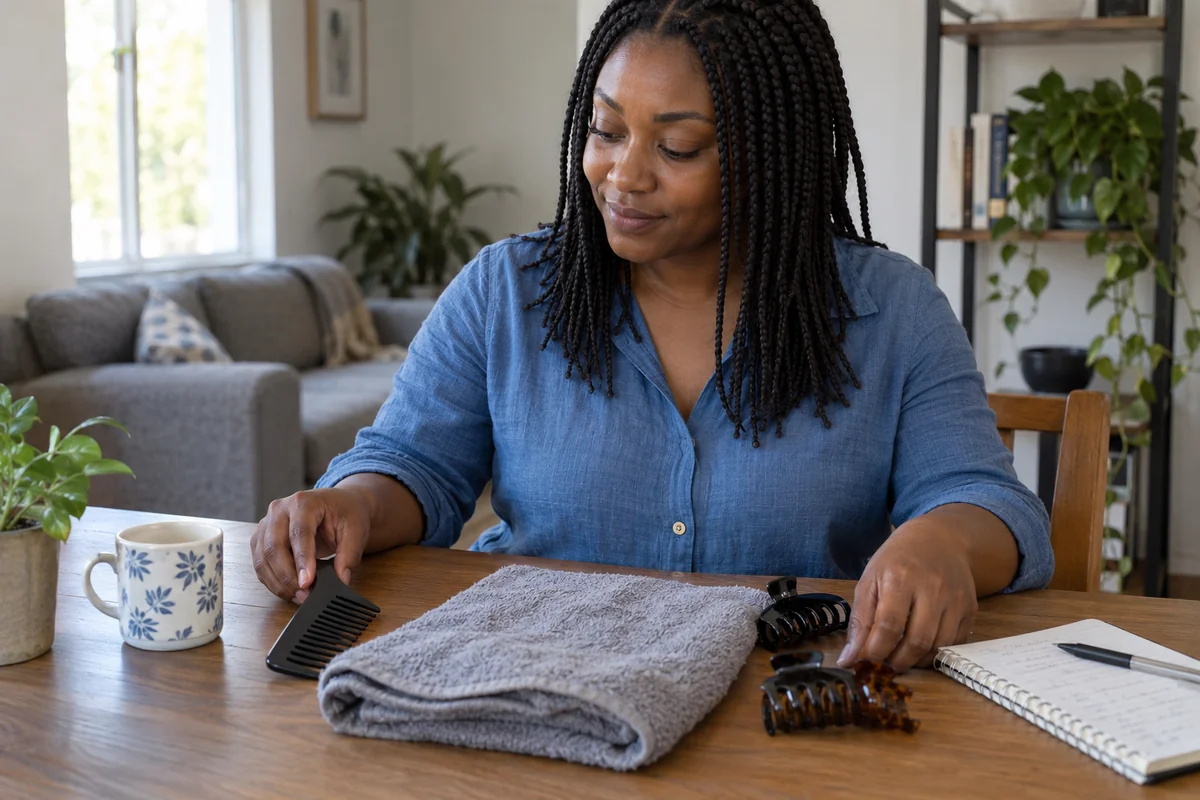
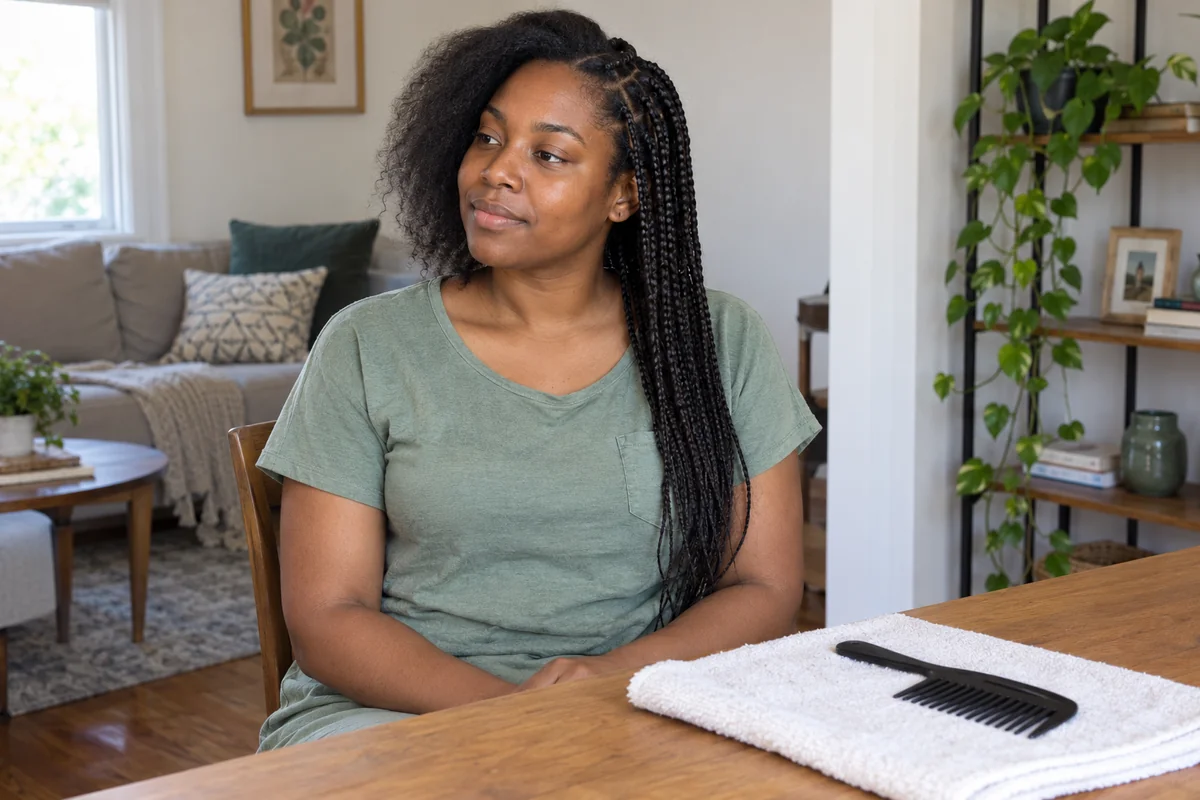
An adult with braids arranges a towel, comb, clips and notes before removal.
Plan removal, detangling and the wash afterward.

What is going on

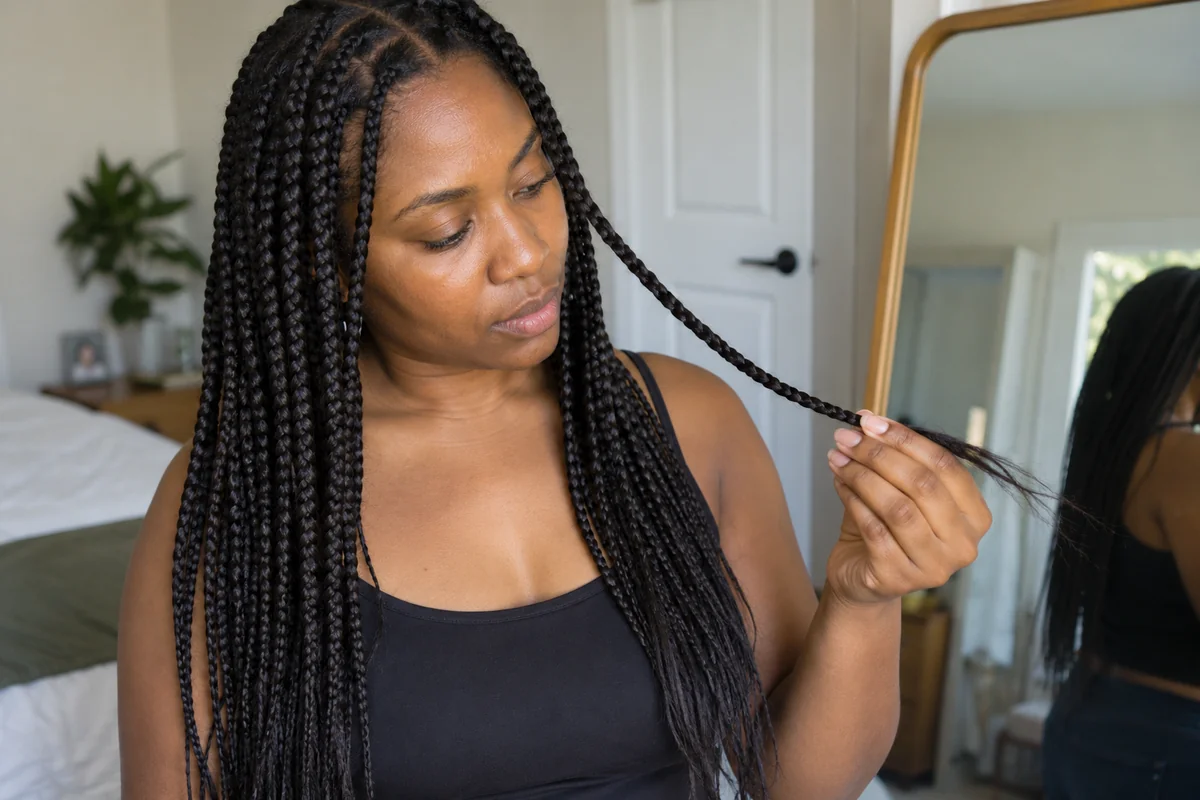
An adult supports an individual braid while inspecting its open end before removal.

Find out how the ends are secured

Ask the installer how to release the added hair and whether any ends are sealed, tied or glued. The linked home tutorial covers individual three-strand braids with open ends. Twists, crochet attachments and sealed ends need a different method demonstrated before you begin.

A woman with loose coils looks at her phone beside an open calendar, notebook, towel and hair ties.

Book enough time for the whole job

Allow for breaks, removing loose shed hairs, detangling, washing and drying. If booking a service, ask which of these are included. At home, set a comfortable chair near good light, put supplies within reach and arrange help for the back if needed.

What helps, day to day

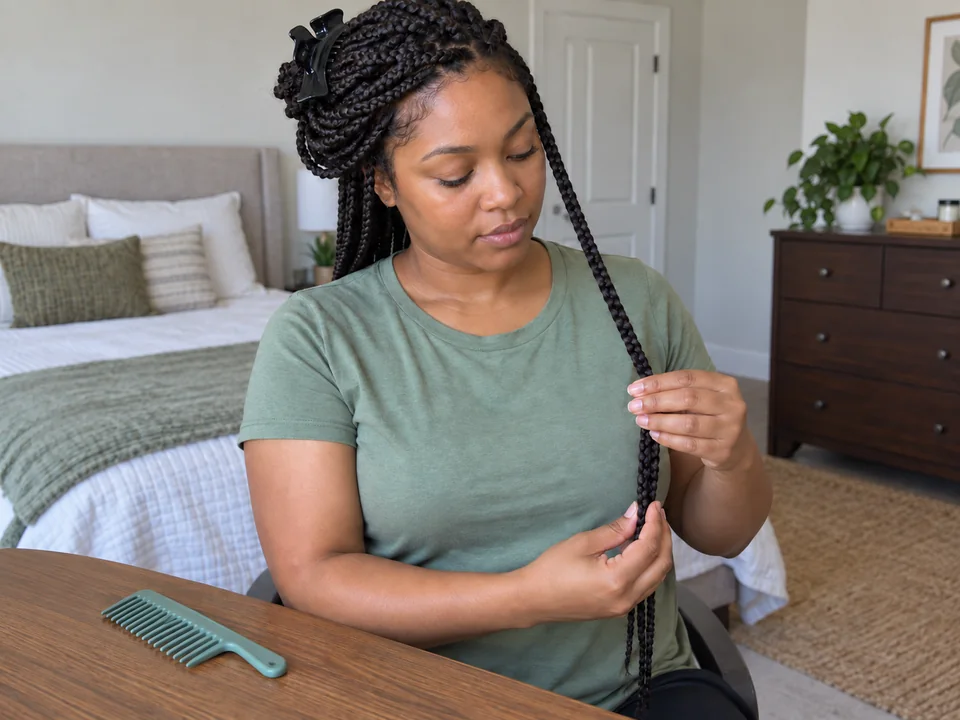
Supporting a single reachable braid while the remaining braids are held aside.

An end won’t open gently

  • Stop and show that section to the installer.
  • Ask how it is secured and whether they need to remove it.
  • Keep scissors away when you cannot tell where your own hair ends.
  • Pulling harder or using a sharp point can cut or catch your hair.
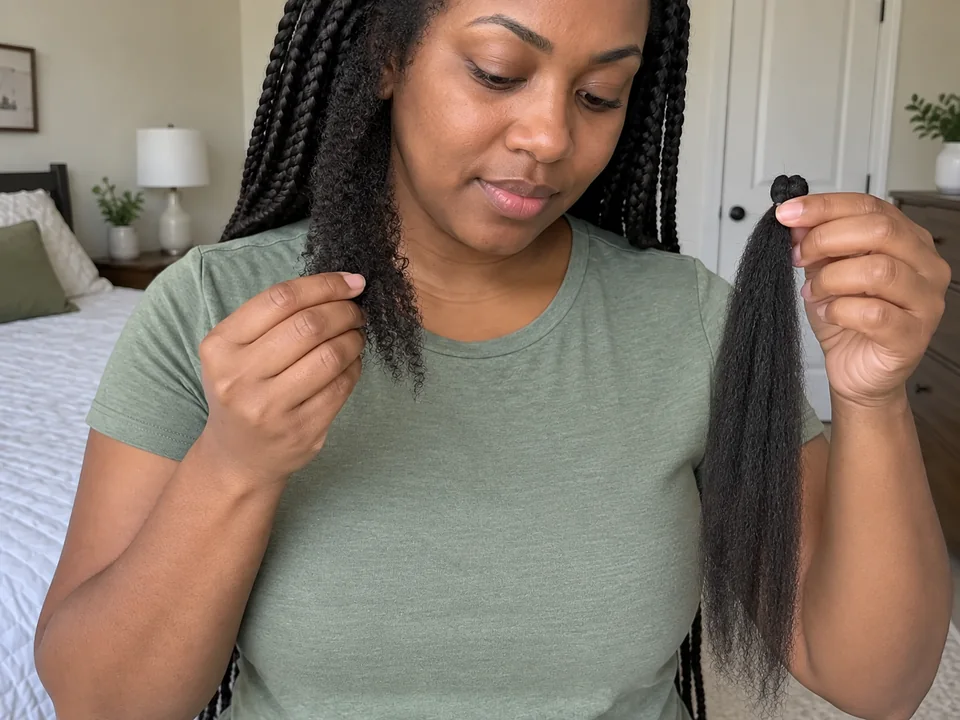
A woman supports a completely unplaited natural section and holds the detached added fiber separately in her other hand.

Released hair gets mixed with the remaining braids

  • Finish detaching the extension from one braid before setting it aside in a separate container.
  • Gently detangle your released section, then keep it apart with a loose clip.
  • Leave a partly attached extension in place until you can see and release the connection.
An adult rests with tools set down during a partially completed braid takedown.

You need to stop before finishing

  • Put the tools down and keep the released hair separate from the remaining braids with loose clips or soft ties.
  • Remove anything that pinches or pulls before resting.
  • Resume when your hands feel comfortable.
  • Arrange help for a section that stays firmly matted.

Products, by the job they do

A woman massaging shampoo lather onto her scalp with her fingertips.

Wash after ordinary tangles are released

Once the added hair is out and loose tangles separate gently, wash your scalp with your usual shampoo and rinse through the lengths. Clean in sections if that helps you reach. Avoid rubbing still-tangled hair into a pile on top of your head.

Browse cleansing products. The consultation uses your wash frequency and scalp concerns to recommend a shampoo.

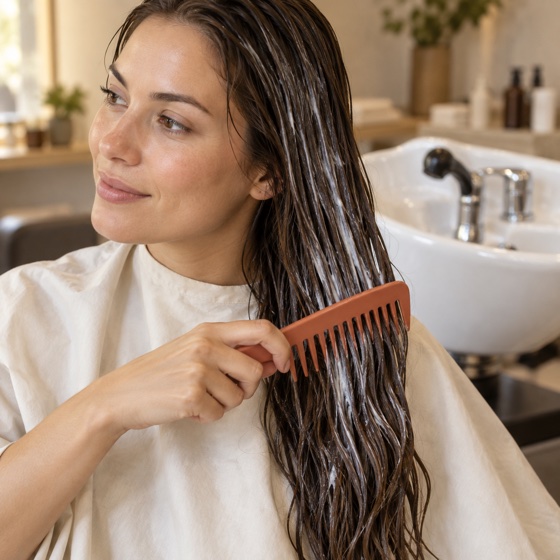
A woman detangling conditioned hair with a wide-tooth comb.

Help the released lengths slide apart

A detangling conditioner can help released lengths slide apart. For curly or coily hair, work on damp hair with a product intended for detangling. Rinse out rinse-out conditioner when finished. Stop for a hard mat that won’t loosen gently.

Browse rinse-out conditioners. The consultation uses your hair details and treatment history to compare conditioner options.

How to do it

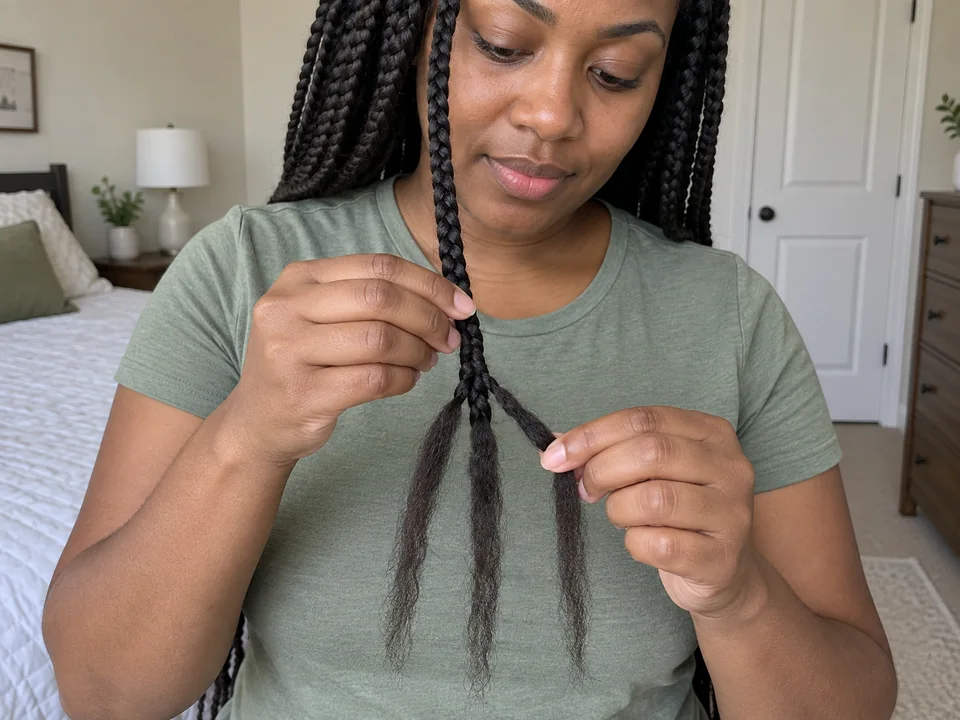
Separating the lowest crossing of a braid into three loose strand bundles.

1. Undo an open-ended three-strand braid

Follow the photographed steps only for individual extension braids with open ends, comfortable roots and reachable sections. Work from the end toward the root. Stop for a sealed end, an unfamiliar attachment or a section that will not open gently.

Guide: Take down extension braids at home
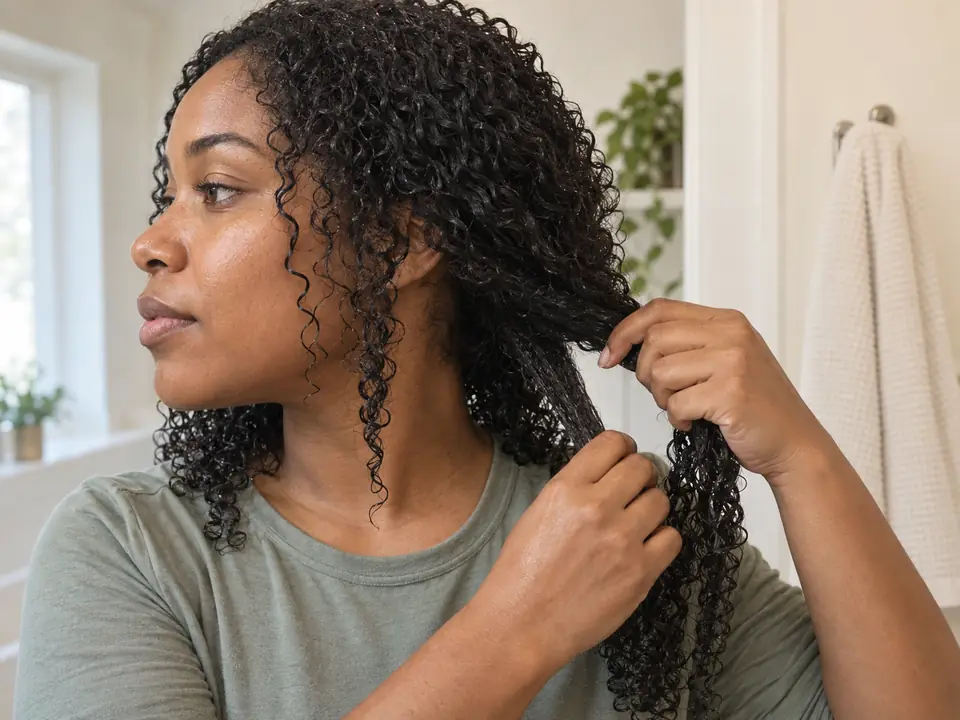
Woman with wet coily-curly hair using both hands to separate one reachable side section for finger detangling.

2. Separate ordinary tangles with your fingers

With the extension fully detached, support the released hair above the snag and start at the ends. Work in small sections. The tutorial explains wetness and conditioner choices for different hair patterns. Stop if separating the hair hurts or requires force.

Guide: Detangle with your fingers

When to get help

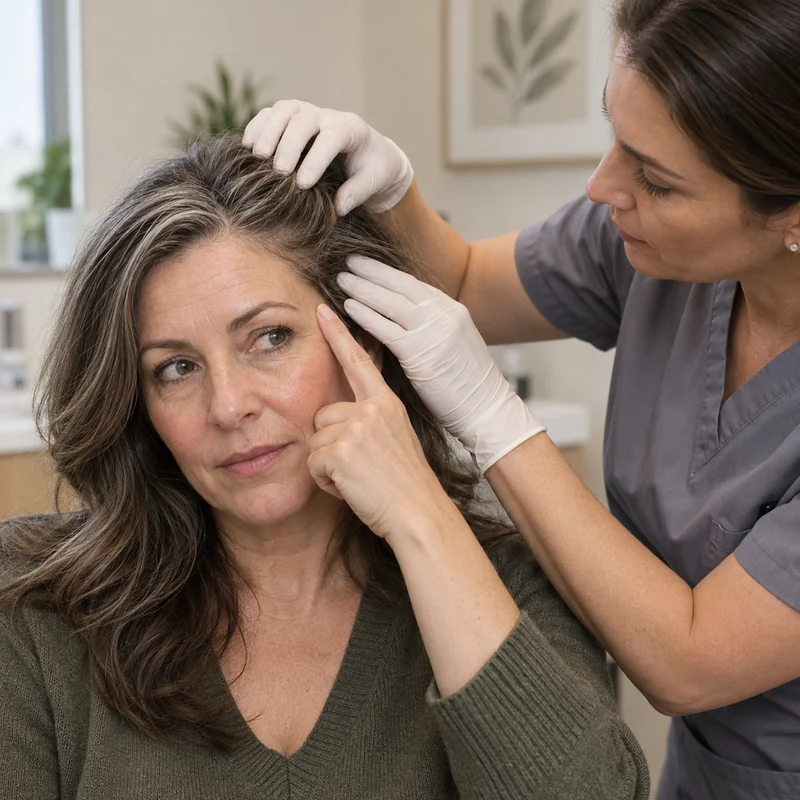
A medical professional examining the scalp where a woman points.

Signs that need more than routine care

  • Loose hairs shed during wear can come out together at takedown. If you notice new thinning or bare patches, unusually heavy shedding that continues afterward, or scalp pain, sores or crusts, contact a medical professional before putting in another pulling style.

Illustrated care examples: before & after

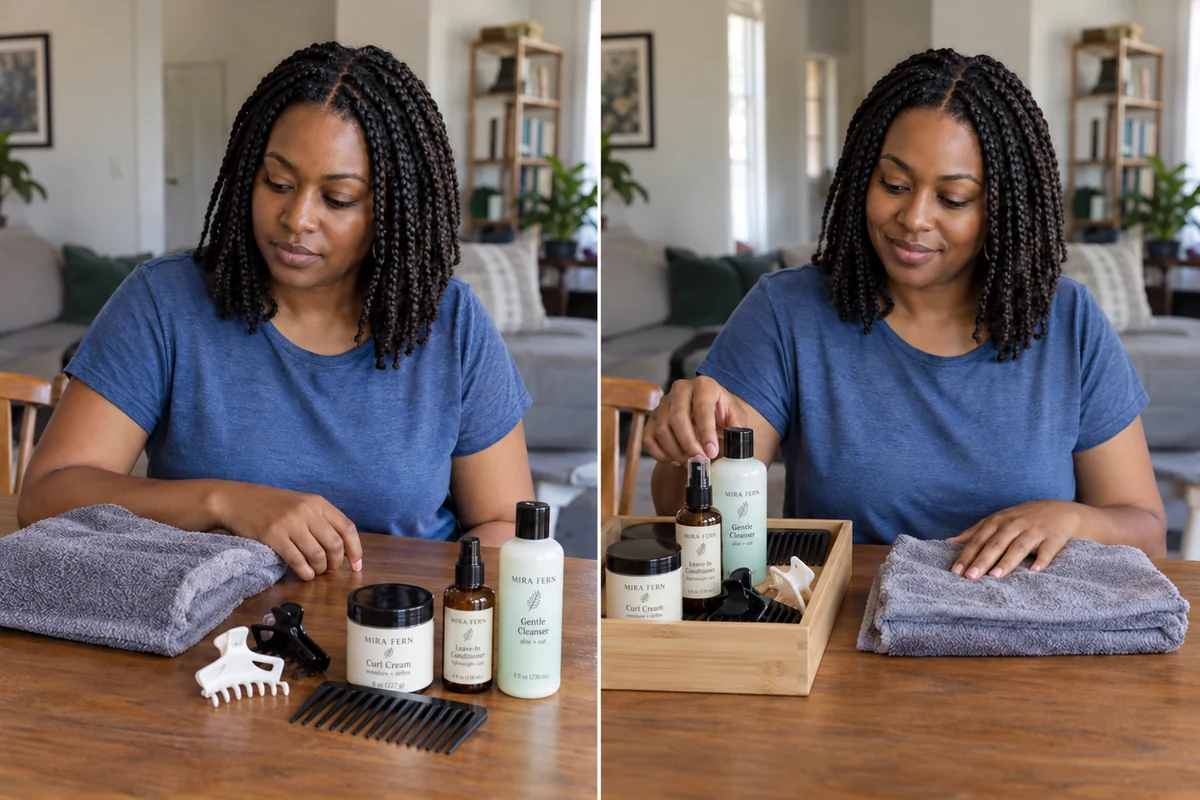
Keep supplies within easy reach

The same adult arranges a comb and clips into a reachable tray beside a towel.
Before · supplies spread across the tableAfter care · supplies gathered in a tray
Gather the supplies you will use beside your chair before starting. Leave space for detached extension hair and keep the removal instructions nearby.

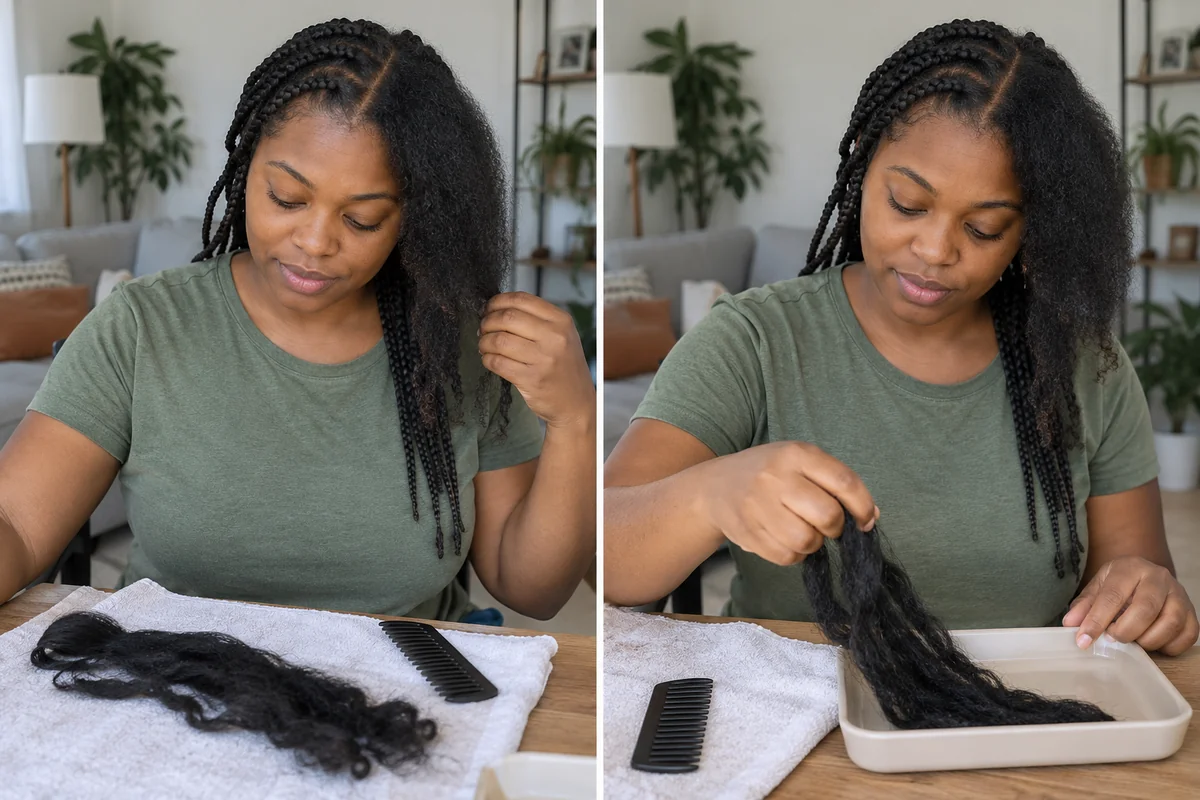
Set detached extension hair aside

Fully detached added hair is moved to its own tray beside a partially removed braid style.
Before · detached hair on the towelAfter care · detached hair in its tray
Put fully detached extension hair in its own tray or container. Keep it separate from your released hair and the braids still attached to your head.
An adult with a long silver-and-dark braid writes in a planner beside a small hair-care kit.

Help with your hair-care routine

Bring your hair-care questions to the consultation. You can also read deciding what comes after removal.

  • How should I divide my takedown into shorter sessions?
  • What should I use to detangle my hair afterward?
  • How can I make the first wash after removal easier?

Share your hair pattern, treatment history and the products used during wear, along with the installer’s removal instructions. The consultation can help plan detangling and washing afterward. An experienced stylist can help with unfamiliar attachments, hard mats and sections you cannot reach.

The Hair Care Consultation gives you a personal plan with product recommendations, routines and guidance on your hair-care questions.

$49 with 60 days of follow-ups, or $99 with 12 months. Pay once; the year renews only if you choose.