Hair Care Guides

Head lice, without upending the whole house.
Confirm it first, then follow one plan.

The school letter lands, someone starts scratching, and suddenly you’re eyeing every pillow in the house. Take a breath. A notice or an itch isn’t a confirmed case. Once lice really are found, it’s the affected people, one set of instructions, and a short list.

Your personal hair-care planProduct choices, routines and answers shaped around your hair.$49one-timeStart my consultation
A father reads a care-instructions sheet while his daughter draws separately at the table.
Confirm it first, then follow one plan.

What is going on

A mother reads a care-instructions sheet while her son looks at a picture book.

Found, or just suspected?

Lice are confirmed by finding a live, crawling louse. Dandruff and other specks get mistaken for eggs all the time, and an itch or a photo proves nothing on its own. Keep a maybe separate from a definite yes when deciding what to do next.

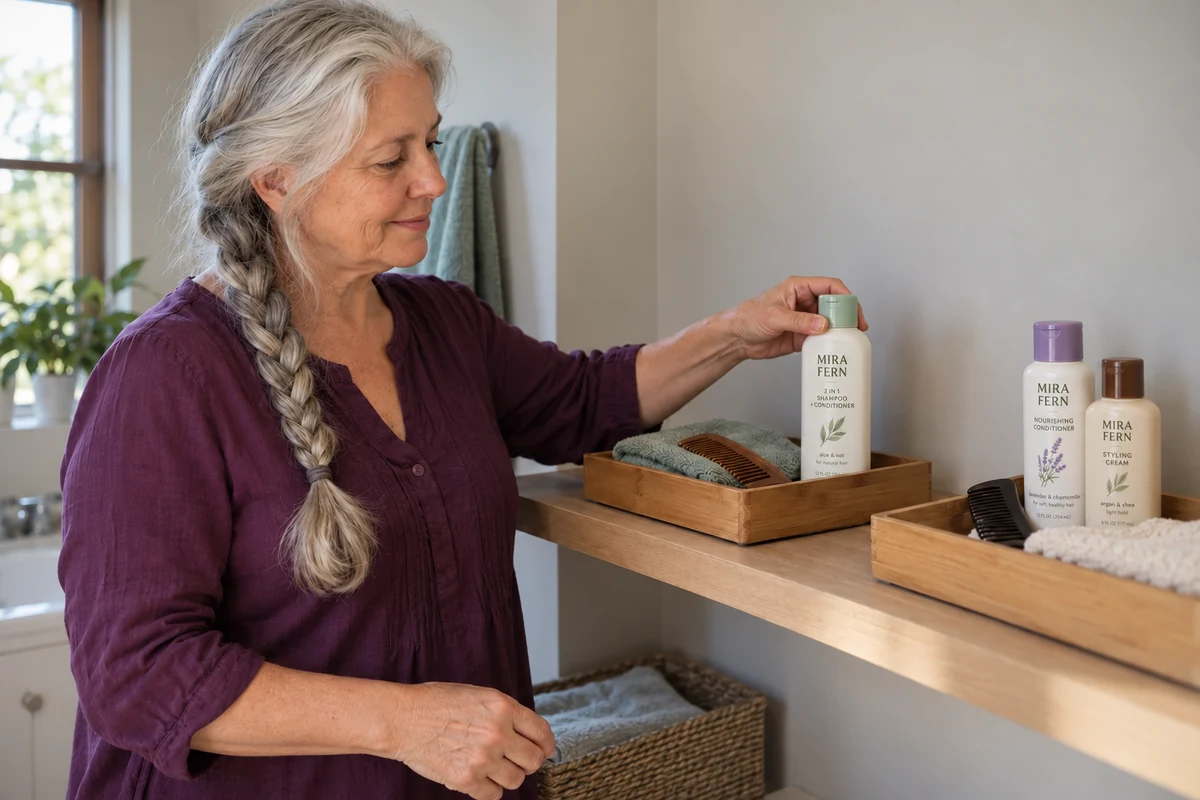
A woman with a long silver braid places a bottle marked Lee in her own tray beside a separate tray of products and tools.

Check the people, keep the combs personal

Follow the official guidance for checking everyone in the house and close contacts, and treat only those who need it. Give each person their own comb, brush and hair ties. Lice spread mostly by heads touching. Having them says nothing about how clean anyone is.

What helps, day to day

A woman wearing glasses reads a hair product ingredient panel.

Your usual conditioner clashes with the treatment

  • Some lice treatments say when conditioner can be used and when hair can next be washed.
  • Stick to the exact product’s plan.
  • Don’t mix a separate wet-combing routine into it, or add conditioner just because it normally makes detangling easier.
A father writes a household plan beside a folded fabric item and laundry basket while his daughter reads.

The cleaning is eating the whole day

  • Use the official checklist: recently used bedding, clothing, combs and brushes, and a vacuum over where the person sat or lay.
  • That’s it.
  • Scrubbing the whole house doesn’t help, and fumigant sprays and foggers aren’t a shortcut.
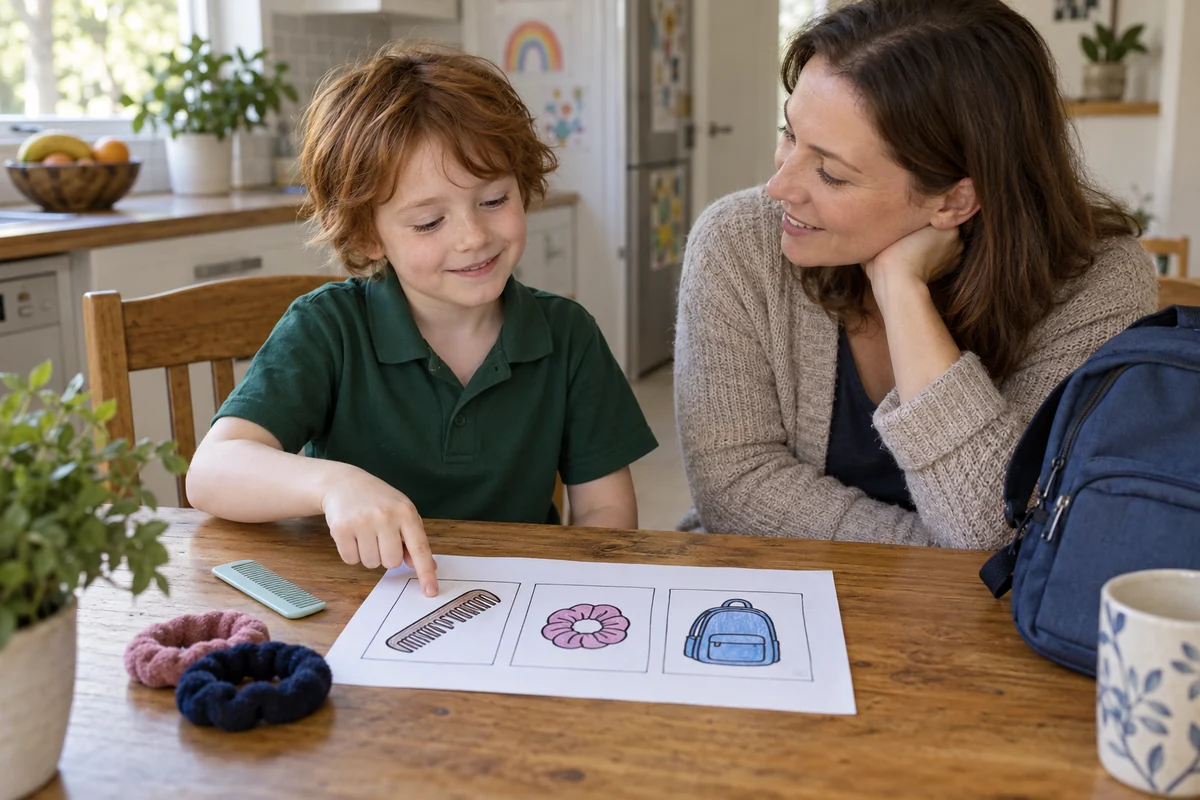
A child with short auburn hair points to a picture checklist while an adult listens beside a school bag.

School and home need to say the same thing

  • Talk to the school or nursery privately about their process and the care you’re following.
  • CDC doesn’t recommend sending a child home early just for lice.
  • Skip the blame, the public announcements about the child, and the assumption that every classmate has them.

Products, by the job they do

A mother reads a closed shampoo bottle beside a leaflet while her daughter reads separately.

Ordinary shampoo stays ordinary shampoo

A cosmetic shampoo isn’t a lice treatment. Once the treatment plan says normal washing can resume, the usual things decide the shampoo: age, hair pattern and how often you can wash.

Browse cleansing products. For shampoo recommendations, share how your roots feel between washes and what you use now.

A father reads a closed conditioner bottle beside a leaflet while his son looks at a book.

Conditioner, once the plan allows it

When the lice-care instructions allow it, conditioner helps with ordinary tangles again, chosen for length and how the hair handles. A wide-tooth detangling comb isn’t a substitute for the lice or nit comb the treatment specifies.

Browse rinse-out conditioners. Tell the consultation what you want from a conditioner and what you disliked about previous ones.

Keep a short care record

A mother reads directions beside a blank calendar grid and follow-up notebook while her daughter draws.

Write down the actual dates

Keep the product or protocol name, its written directions and any follow-up dates together in one place. Set reminders from that plan, not from a calendar someone posted online. Don’t repeat or combine treatments because an itch makes you worry it didn’t work.

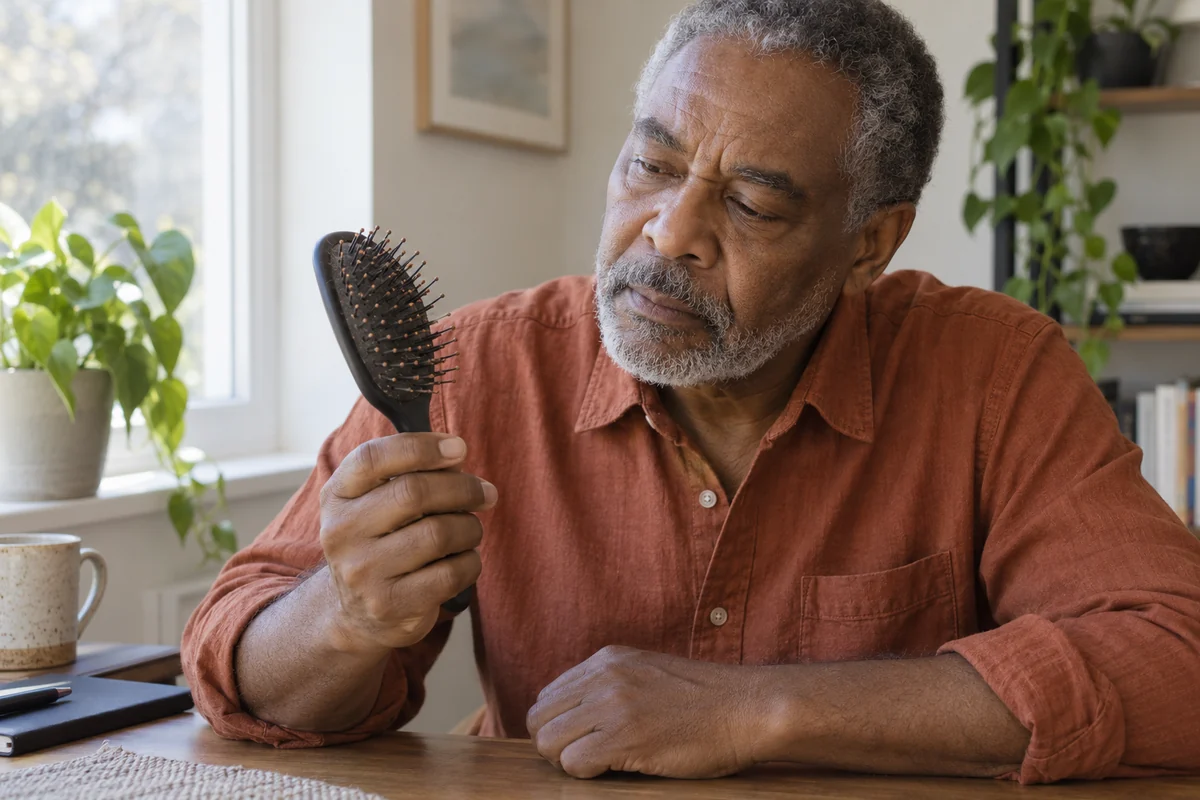
A man holds a used brush by its handle and examines the bristles.

Deal with combs separately from rooms

Follow the official directions for combs and brushes, keeping in mind what the item is made of. Keep them apart from everyone else’s until that’s done. Don’t improvise with household insecticides, essential-oil recipes or a homemade hair-product mix.

When to get help

A woman and a medical professional seated together, looking at a calendar.

Signs that need more than routine care

  • If you can’t tell whether what you’re seeing is lice, if the treatment you followed hasn’t worked, if the scalp has sores, or if a treatment causes a reaction, ask a medical professional. Age and other factors change which treatments can be used, and guessing at a second round rarely ends well.
  • Trouble breathing, or swelling of the mouth or throat, after a treatment is an emergency. Get emergency help straight away.

Illustrated care examples: before & after

Directions and notebook together

The same father places a care-instructions sheet into a folder beside an undated calendar and notebook.
Before · directions and blank pagesAfter care · directions with a follow-up notebook
The exact directions are kept together with a notebook for tracking what was done and when. No dates or results are shown, only a place to record them.

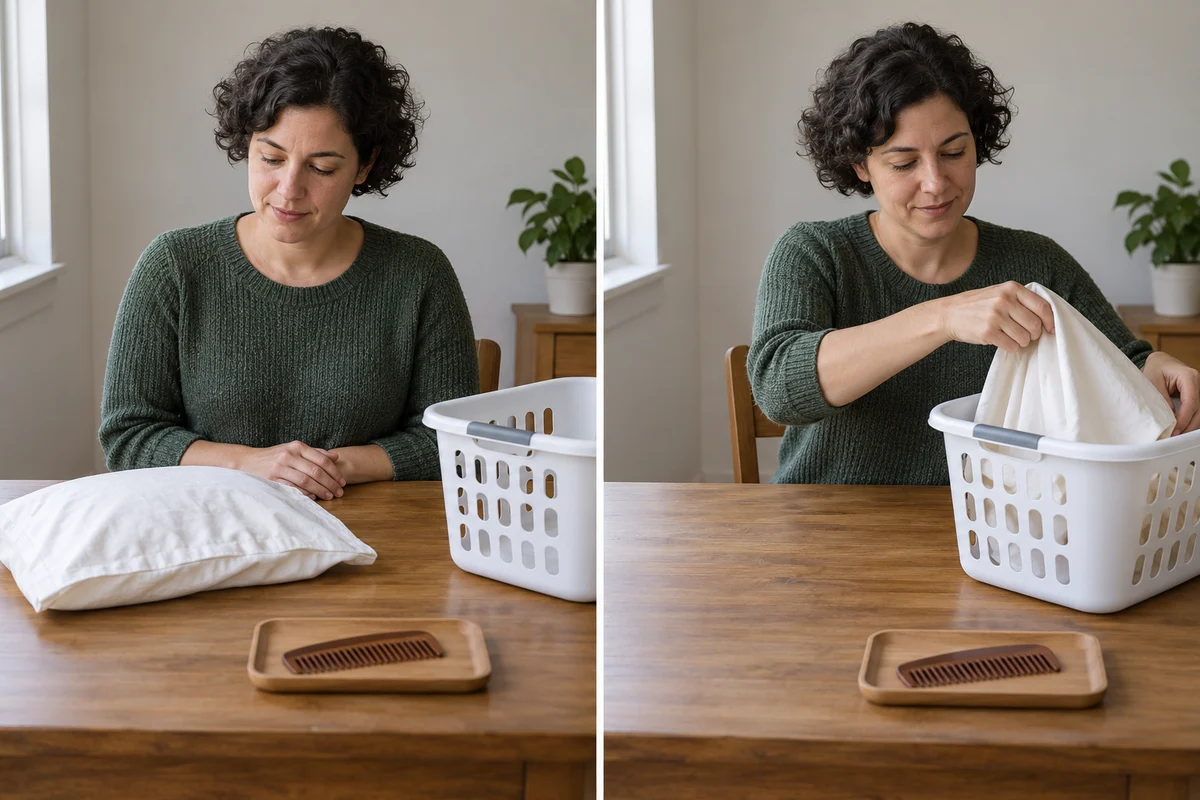
Bedding into the basket

The same woman moves a personal bedding item into a laundry basket while a comb stays on its separate dry tray.
Before · one recent fabric item apartAfter care · the item in the basket
The recently used personal item joins the basket, ready for whatever care the official guidance calls for. Gathering only, no washing or comb cleaning here.
A woman with very short hair writing an appointment checklist.

Help with your hair-care routine

Bring your hair-care questions to the consultation. You can also read ordinary care for itch when the cause is not established.

  • Have we actually found a live louse, or are we guessing?
  • What exactly does this treatment say to do, and when do we check again?
  • Which things really need washing, and which can we leave alone?

Tell us the routine you want to get back to, the age of the person affected, their hair pattern and length, and what the lice-care plan restricts. The consultation can help with everyday handling. It won’t confirm lice, pick a treatment or promise they’re gone.

The Hair Care Consultation gives you a personal plan with product recommendations, routines and guidance on your hair-care questions.

$49 with 60 days of follow-ups, or $99 with 12 months. Pay once; the year renews only if you choose.