Hair Care Guides

Washing mature locs from scalp to ends.
Allow time for a thorough rinse and complete drying.

Mature natural locs hold their structure during washing. Work in small groups so water can reach the scalp and pass through the lengths, then leave enough time to dry. Starter locs, added hair and recent repairs need their own aftercare.

Your personal hair-care planProduct choices, routines and answers shaped around your hair.$49one-timeStart my consultation
An adult with loose mature locs prepares a clean towel for wash day.
Allow time for a thorough rinse and complete drying.

What is going on

A man in navy swim trunks moves his own mature locs aside under a fixed shower while supporting the hanging lengths.

Check the care your locs need

Use this routine for established natural locs that hold together during washing. If you are unsure about maturity, ask your loctician before starting. Keep any instructions for color, repairs or added hair with your wash supplies.

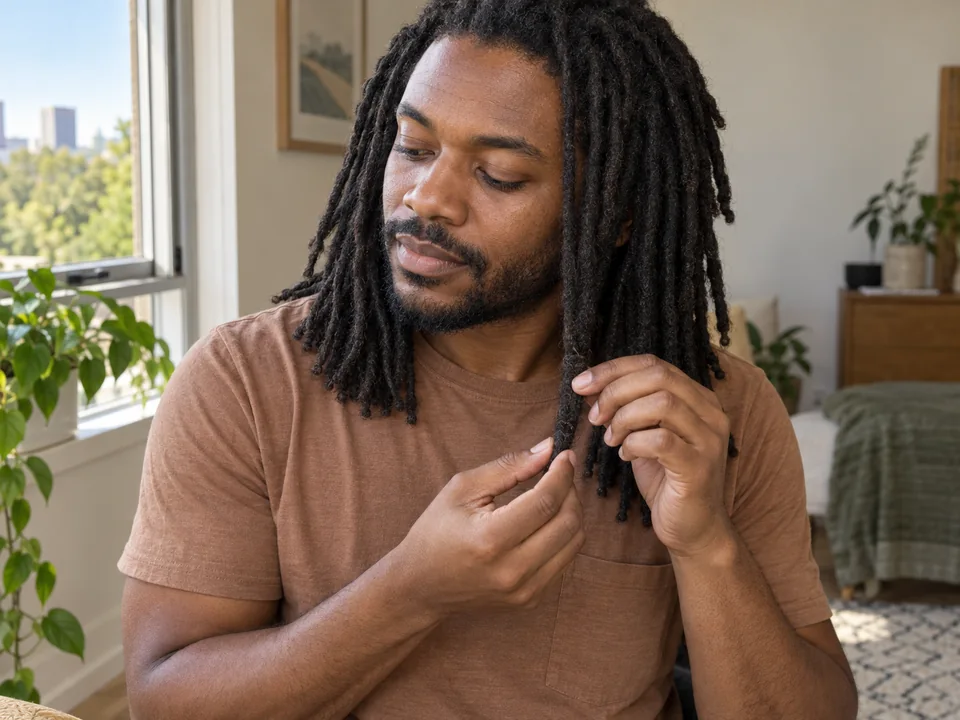
A man moves small groups of loose locs apart to expose their roots and undersides to air.

Prepare for drying before you wash

Choose a wash time that leaves several hours or longer before bed or close covering. Set out clean, smooth towels and a comfortable place where locs can hang loose. If you need cool airflow, check your dryer’s unheated setting before washing.

What helps, day to day

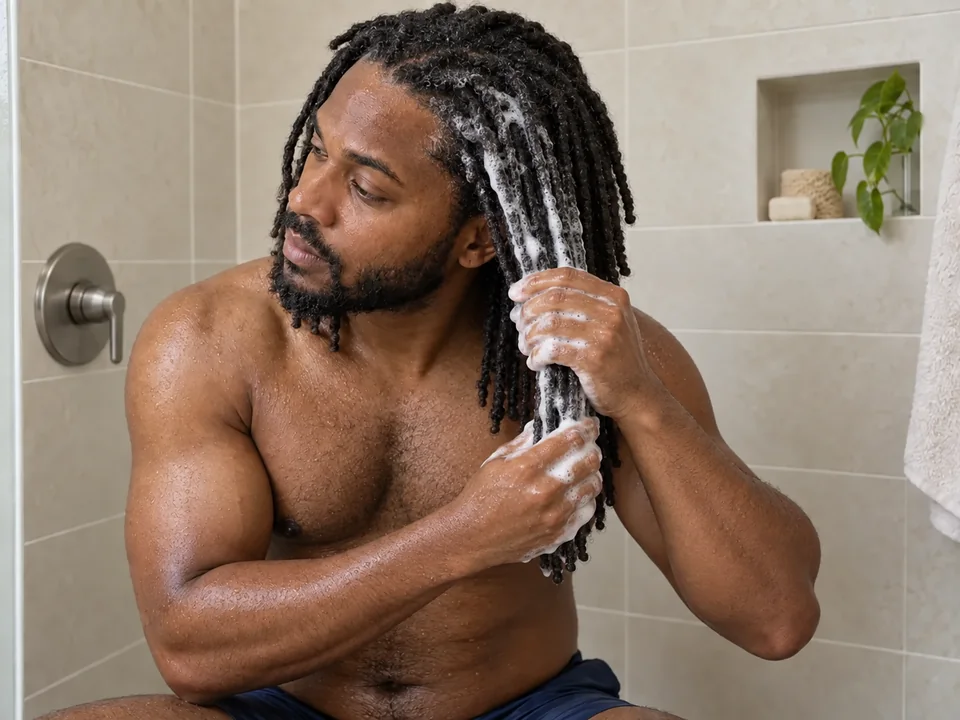
A man in navy swim trunks presses the lower lengths of his mature locs while running water rinses diluted suds through them.

Lather remains in a thick group

  • Support a few locs under running water.
  • Gently press and release along their lengths to help water pass through; keep rinsing until visible lather is gone and the water runs clear.
  • Do not twist them or add more shampoo to remove lather.
A man with loose, uncovered mature locs supports one loc and feels along its length to check for remaining dampness.

The ends dry before the roots

  • With dry hands, check the crown, nape and thicker lengths as well as the ends.
  • Keep groups loose and continue drying wherever dampness remains.
  • A dry outer surface cannot confirm the center is dry; allow more time if you are unsure.
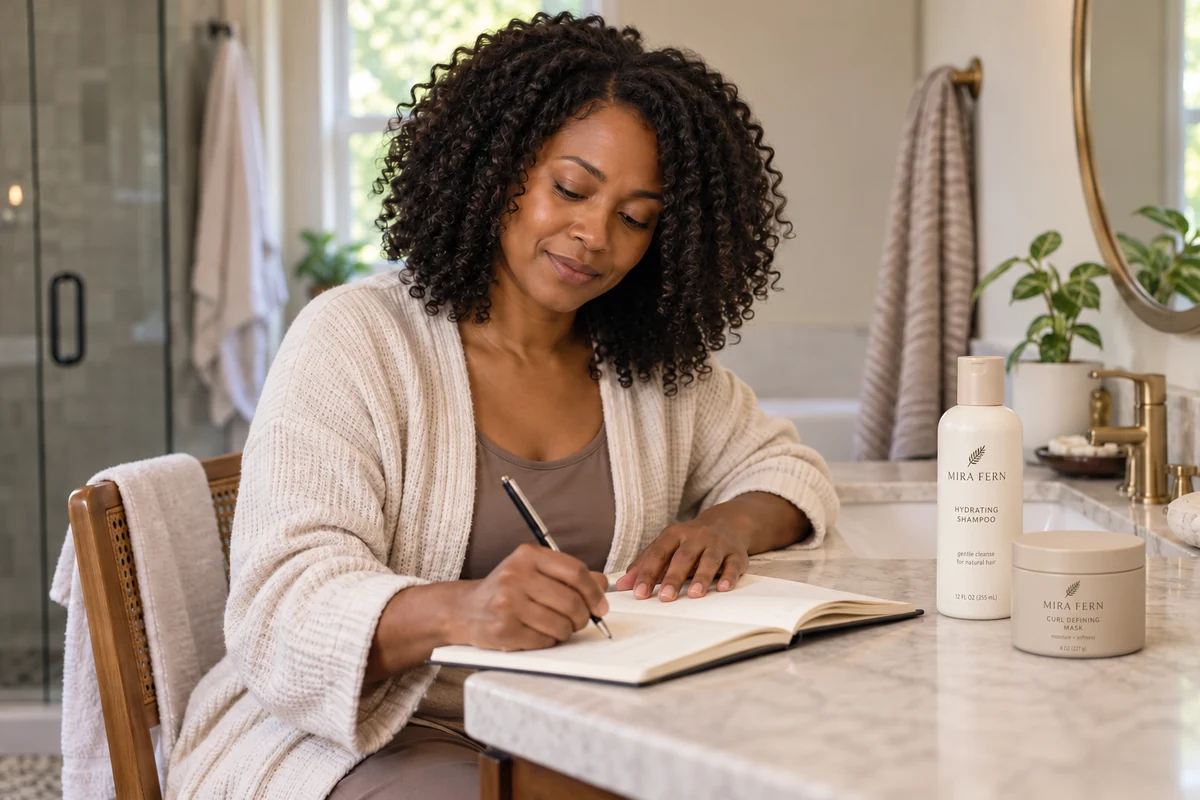
A woman with curls writing a routine note beside her hair-care products.

Your locs keep feeling coated after washing

  • Write down the shampoo, amount, other products and how you rinse.
  • Take those details to your loctician to review the routine and any retained residue.
  • Avoid scraping inside locs or trying a homemade detox soak while you work out what is happening.

Products, by the job they do

A man supports wet locs and gently presses shampoo lather through their lengths.

Use a familiar rinse-out shampoo

Choose shampoo whose directions suit your locs. Wet them thoroughly, use the labeled amount and work gently over the scalp with finger pads. Rinse through the lengths. Judge rinsing from your experience and the directions, rather than a “residue-free” claim.

Browse cleansing products. Bring the shampoos you are choosing between to the consultation, along with what you liked or disliked about them.

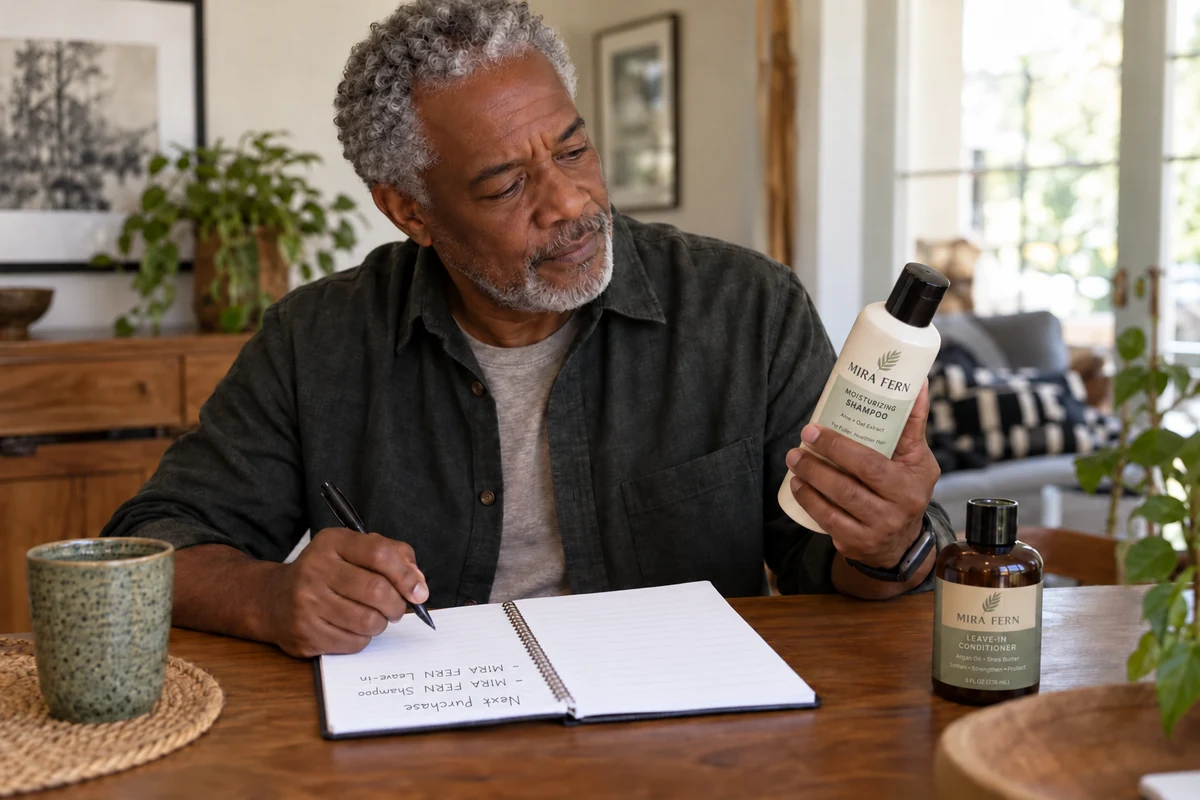
A man reads a shampoo bottle while making a note, with a second hair-care bottle beside the notebook.

Condition only where your aftercare calls for it

Use conditioner only as your loc aftercare allows, following its amount, placement and rinse directions. Ask your loctician about unfamiliar, colored or repaired locs. The consultation can review product options using that aftercare and your product history.

Browse rinse-out conditioners for your own hair.

How to do it

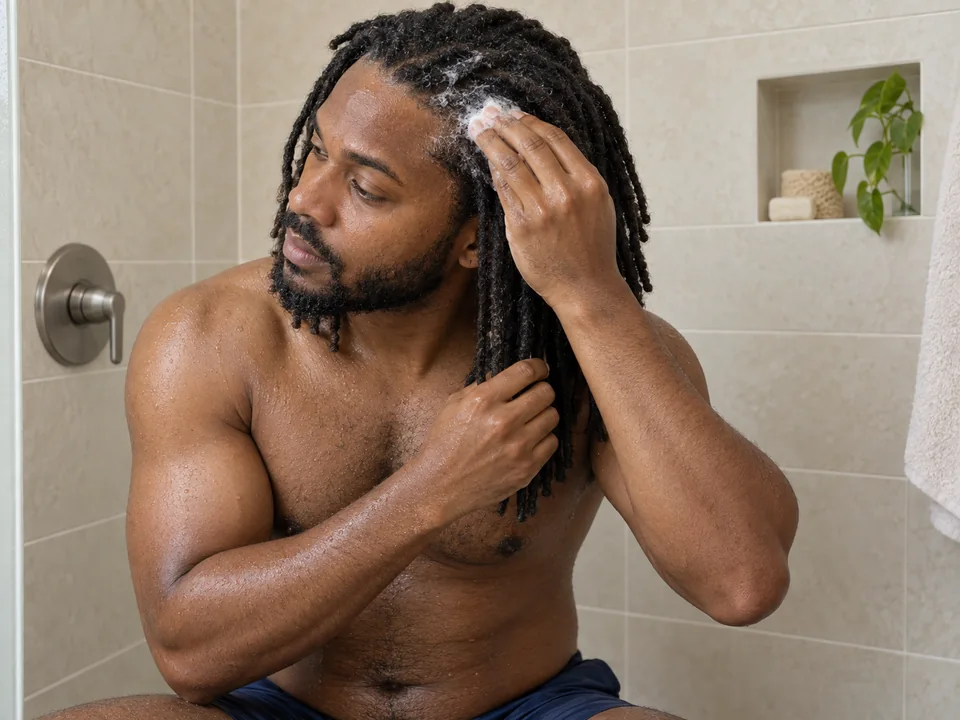
A man in navy swim trunks gently works shampoo along his scalp with finger pads while holding adjacent mature locs.

1. Wash and rinse in small groups

Follow the photographed sequence for wetting, scalp cleansing, gentle length handling and separate scalp and length rinses. It uses ordinary rinse-out shampoo on mature natural locs. Keep wet lengths supported so their weight does not pull at the roots.

Guide: Wash mature locs
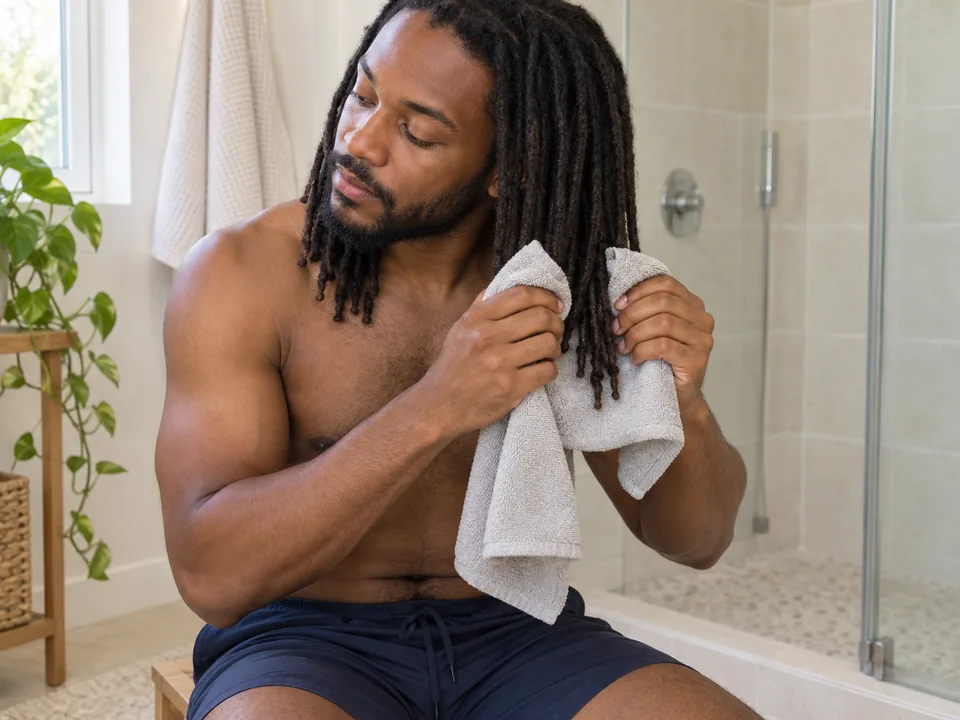
A man seated outside the shower presses a light gray towel against his own mature loc lengths.

2. Blot, dry and check the hidden areas

Press out dripping water, blot roots and lengths separately, then leave locs loose. The method shows optional unheated airflow as well as air drying. Check roots and thick lengths before tying, covering or going to bed; continue drying if you find dampness.

Guide: Dry mature locs after washing

Illustrated care examples: before & after

Let air reach loose locs

Matched panels show mature locs resting in a towel and then hanging in separated groups.
Before · towel around the shouldersAfter removing the towel · loc groups open to air
After blotting, remove the towel and leave space between loose groups. Move groups occasionally so air reaches the undersides, keeping the roots relaxed.

Check thicker lengths too

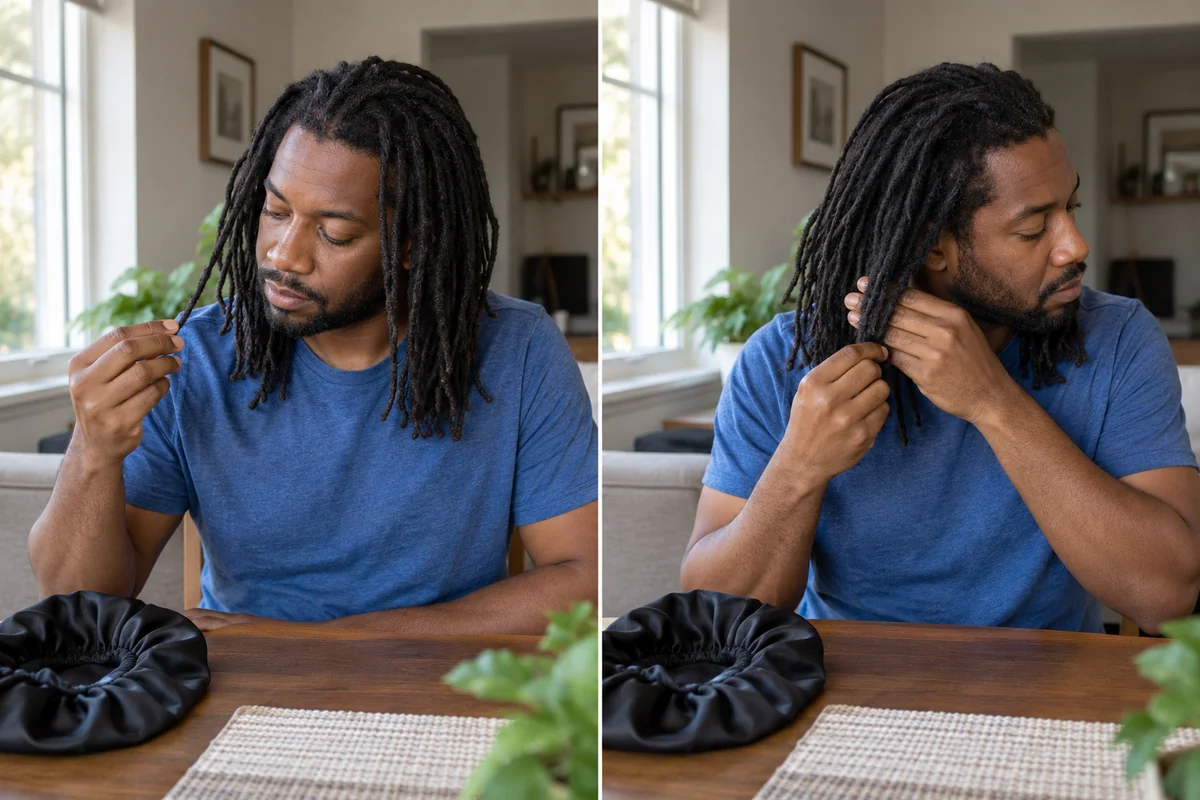
A man first feels a loc tip, then supports and feels a thicker length beside his neck.
Before · feeling an exposed endChecking a thicker length · feeling a thicker length
Check thicker lengths as well as exposed tips, then feel hidden roots separately. Keep drying damp areas. A dry surface cannot confirm internal dryness.
An adult with a long silver-and-dark braid writes in a planner beside a small hair-care kit.

Help with your hair-care routine

Bring your hair-care questions to the consultation. You can also read fitting loc care around exercise.

  • How can I rinse shampoo out of my thicker locs?
  • How can I fit complete drying into my wash day?
  • Which products belong in my loc-care routine?

Share your loc method, stage, products and any aftercare instructions, along with what makes washing or drying difficult. The consultation can help organize everyday scalp and hair care. Your loctician handles repairs, retightening and hands-on checks of the locs.

The Hair Care Consultation gives you a personal plan with product recommendations, routines and guidance on your hair-care questions.

$49 with 60 days of follow-ups, or $99 with 12 months. Pay once; the year renews only if you choose.