
EMULSIFIER
Polysorbate 60
- emulsifier
An emulsifier that holds oils in suspension and keeps a cream stable.
- products in our library
- 167
- of researched products
- 4%
- on the label, in our conditioners
- usually #20
- most common in
- Conditioner
- in water
- Water-soluble
At a glance
Four named levels, read from this ingredient’s chemical class, its charge, its solubility, or where it sits on the labels we have. More dots means more of the property named — never “better”.
How much of it is left on hair between washes.
What it takes to get it off the hair again.
How much oil it strips, as a class.
The foam the class is known for, not a measured volume.
| Property | Level | Out of |
|---|---|---|
| Buildup risk | Low | 1 of 5 |
| Rinse-out behaviour | Rinses clean | 5 of 5 |
| Cleansing strength | Not a cleanser | 1 of 5 |
| Lather | Little | 1 of 5 |
What it does for a formula
What Polysorbate 60 does
The general function first, then how the role changes by product type where we have researched it.
Without one, a cream separates in the bottle.
How a clear liquid can carry an oil or a fragrance without going cloudy.
Water alone removes it, so it does not accumulate between washes.
Hair neither pulls it in nor pushes it away.
Charge
Carries no charge, so it neither clings to hair nor is pushed away by it. Nonionic ingredients are the mild, pH-tolerant workhorses of a formula.
Solubility
Rinses out with water alone — it does not accumulate on hair between washes.
Where it appears
Where it appears
One row per product category in our library: how many products list it, what share of that category that is, and where it typically sits on the label.
| Product type | How common | Typical position on label ? |
|---|---|---|
Conditioner
48 products
|
secondary · #20 | |
Mask / treatment
22 products
|
secondary · #21 | |
Leave-in
21 products
|
secondary · #13 | |
Co-wash
18 products
|
secondary · #20 | |
Styler: curl cream
11 products
|
secondary · #14 | |
Styler: smoothing cream
9 products
|
secondary · #19 | |
Heat protectant
8 products
|
secondary · #18 | |
Scalp treatment
7 products
|
secondary · #19 | |
Styler: gel
7 products
|
secondary · #26 | |
Shampoo
3 products
|
secondary · #18 |
8 more product types
| Product type | How common | Typical position on label ? |
|---|---|---|
Styler: mousse
3 products
|
secondary · #47 | |
Finisher: serum
2 products
|
secondary · #11 | |
Styler: paste
2 products
|
secondary · #10 | |
Styler: volumizer
2 products
|
secondary · #13 | |
Finisher: anti frizz finish
1 product
|
secondary · #48 | |
Styler: edge control
1 product
|
secondary · #22 | |
Styler: lotion
1 product
|
supporting · #6 | |
Styler: texture spray
1 product
|
secondary · #22 |
| Product type | Products | Share of category | Median position | Earliest position | Band |
|---|---|---|---|---|---|
| Conditioner | 48 | 7% | 20 | 4 | secondary |
| Mask / treatment | 22 | 6% | 21 | 9 | secondary |
| Leave-in | 21 | 5% | 13 | 6 | secondary |
| Co-wash | 18 | 18% | 20 | 5 | secondary |
| Styler: curl cream | 11 | 10% | 14 | 5 | secondary |
| Styler: smoothing cream | 9 | 16% | 19 | 4 | secondary |
| Heat protectant | 8 | 6% | 18 | 3 | secondary |
| Scalp treatment | 7 | 4% | 19 | 9 | secondary |
| Styler: gel | 7 | 4% | 26 | 7 | secondary |
| Shampoo | 3 | 0% | 18 | 16 | secondary |
| Styler: mousse | 3 | 2% | 47 | 24 | secondary |
| Finisher: serum | 2 | 3% | 11 | 6 | secondary |
| Styler: paste | 2 | 2% | 10 | 7 | secondary |
| Styler: volumizer | 2 | 3% | 13 | 11 | secondary |
| Finisher: anti frizz finish | 1 | 4% | 48 | 48 | secondary |
| Styler: edge control | 1 | 6% | 22 | 22 | secondary |
| Styler: lotion | 1 | 8% | 6 | 6 | supporting |
| Styler: texture spray | 1 | 2% | 22 | 22 | secondary |
No product-type differences have been researched yet — the reading below is computed from where it sits on the labels in our library.
Position footprint
Every listing in our library, by position on the label.
| Positions | Zone | Listings |
|---|---|---|
| 1-3 | Leading | 3 |
| 4-8 | Supporting | 22 |
| 9-15 | Secondary | 52 |
| 16-25 | Lower | 71 |
| 26+ | Trace | 43 |
How to read this
US labelling rules put ingredients above 1% in descending order of amount; below 1% they may be listed in any order.
So position tells you about relative amount only above that line, and we never convert a position into a percentage.
Why it matters to shoppers
What this ingredient is evidence of, what it is not evidence of, and what our own method can and cannot tell you.
- a stable cream that does not separate
- a clear formula that still carries oils
- a rinse-clean feel
- an exact safety score — we do not publish one, for any ingredient
- how a finished product performs by itself — that is the whole formula, not one line of it
- the exact percentage in a bottle — label position never converts into a number
- a secondary emulsifier, listed below the main ingredients in our conditioners
- it was on the label of every product we counted — we read printed ingredient lists, not marketing copy
- that a product is right or wrong for you
We do not publish safety scores or hazard grades. Where a regulator has published a restriction or a use condition, we state it and cite it; otherwise we describe what the ingredient does and stop.
Commonly paired with
Ingredients that appear alongside this one most often in our library. Near-universal ingredients are excluded — they pair with everything and tell you nothing.
- Hydroxyethylcellulose · 95
- Cetyl Alcohol · 90
- Disodium Phosphate · 70
- Sodium Phosphate · 67
- Cetrimonium Chloride · 67
- Benzyl Alcohol · 63
- Caprylyl Glycol · 60
- Tocopherol · 56
- Stearamidopropyl Dimethylamine · 51
- Behentrimonium Chloride · 48
The number beside a name is how many products in our library list both.
These ingredients tend to appear together to give the formula body and hold, soften the strand, and keep the formula stable.
Found in these products
The most prominent placements first. The badge is the position on that product’s own ingredient list.
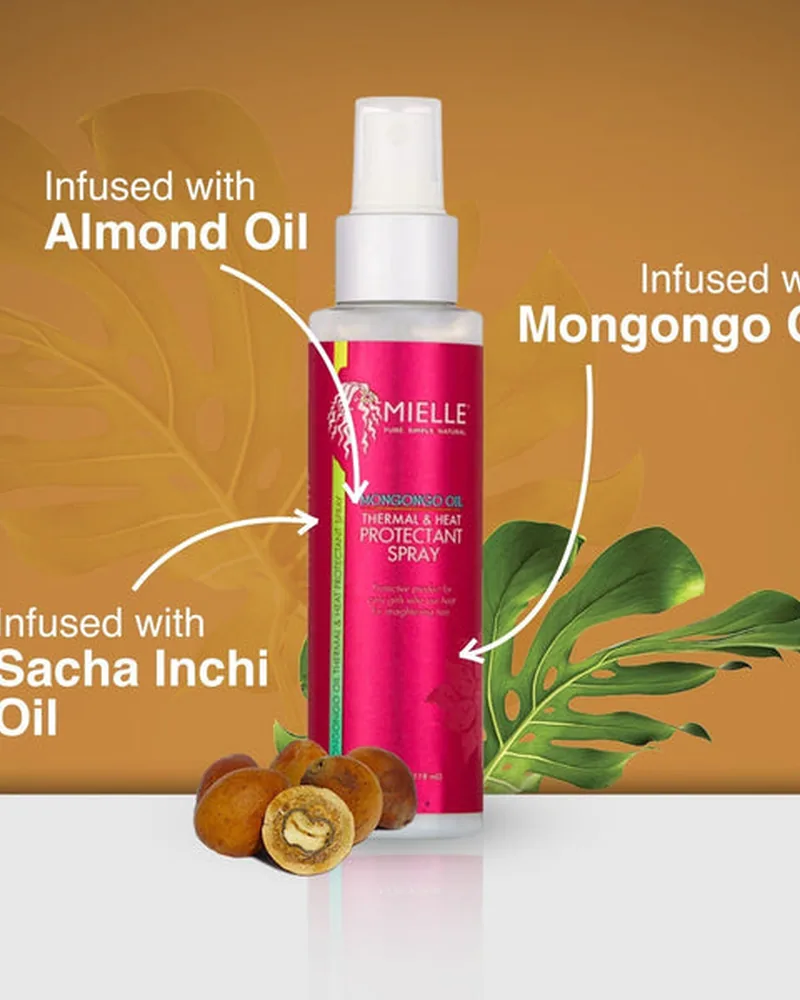 Mielle · Heat protectant
Heat Protectant Near Me Mongongo Oil Heat Protectant Spray For
#3 on the label · $1.25/oz
Mielle · Heat protectant
Heat Protectant Near Me Mongongo Oil Heat Protectant Spray For
#3 on the label · $1.25/oz
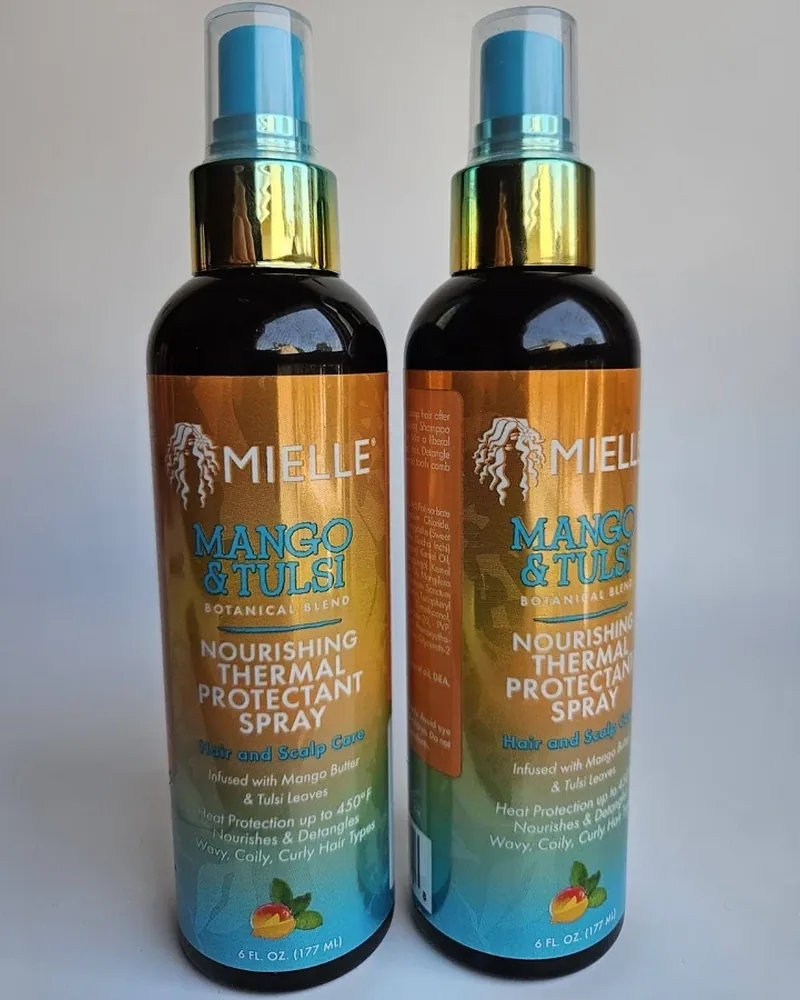 Mielle · Heat protectant
Mango & Tulsi Nourishing Thermal Protectant Spray
#3 on the label · $38.42/oz
Mielle · Heat protectant
Mango & Tulsi Nourishing Thermal Protectant Spray
#3 on the label · $38.42/oz
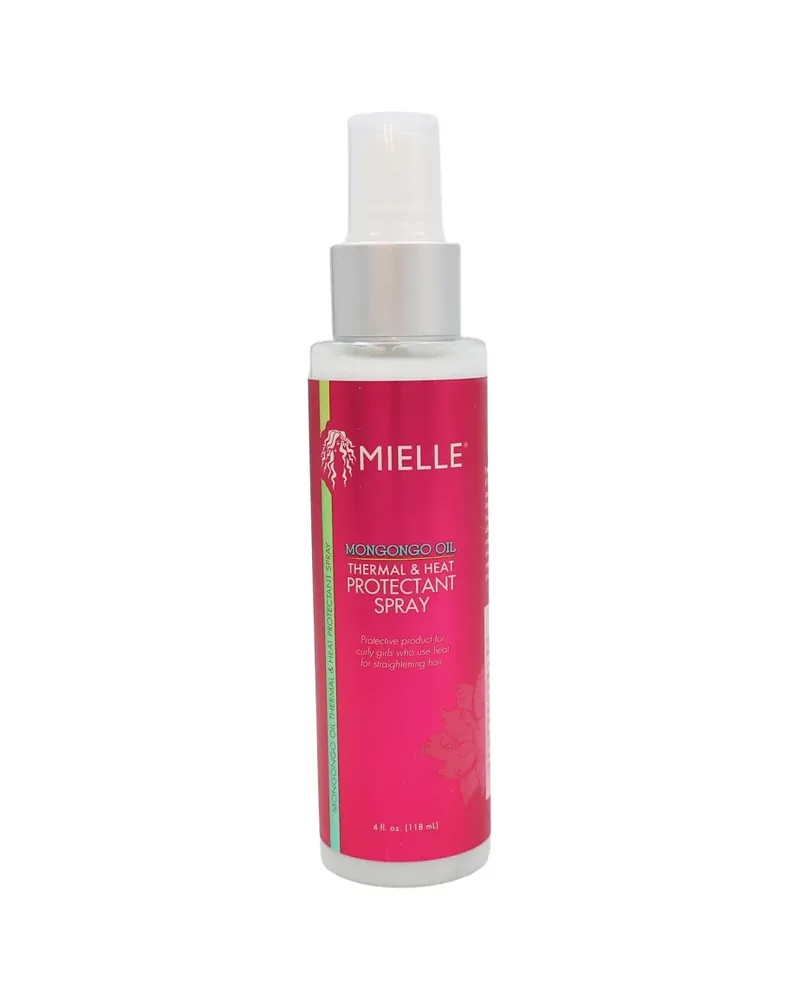 Mielle · Heat protectant
Mongongo Oil Thermal & Heat Protectant Spray
#3 on the label · $2.71/oz
Mielle · Heat protectant
Mongongo Oil Thermal & Heat Protectant Spray
#3 on the label · $2.71/oz
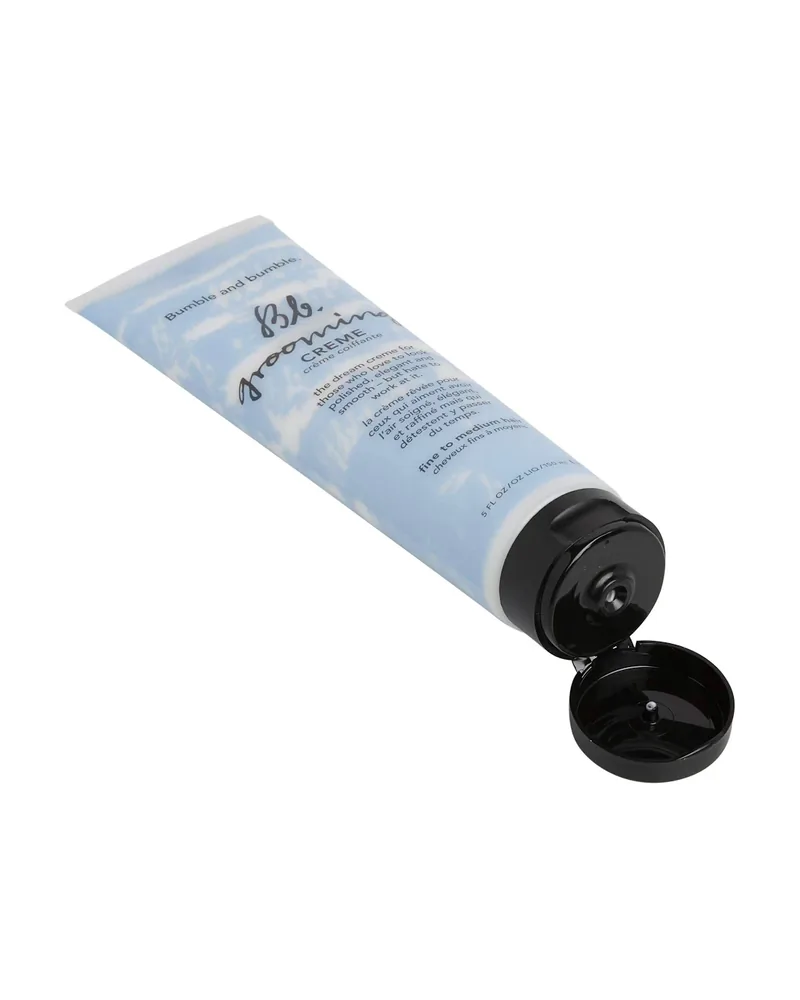 Bumble and bumble · Styler
Grooming Hair Styling Cream
#4 on the label · $8.93/oz
Bumble and bumble · Styler
Grooming Hair Styling Cream
#4 on the label · $8.93/oz
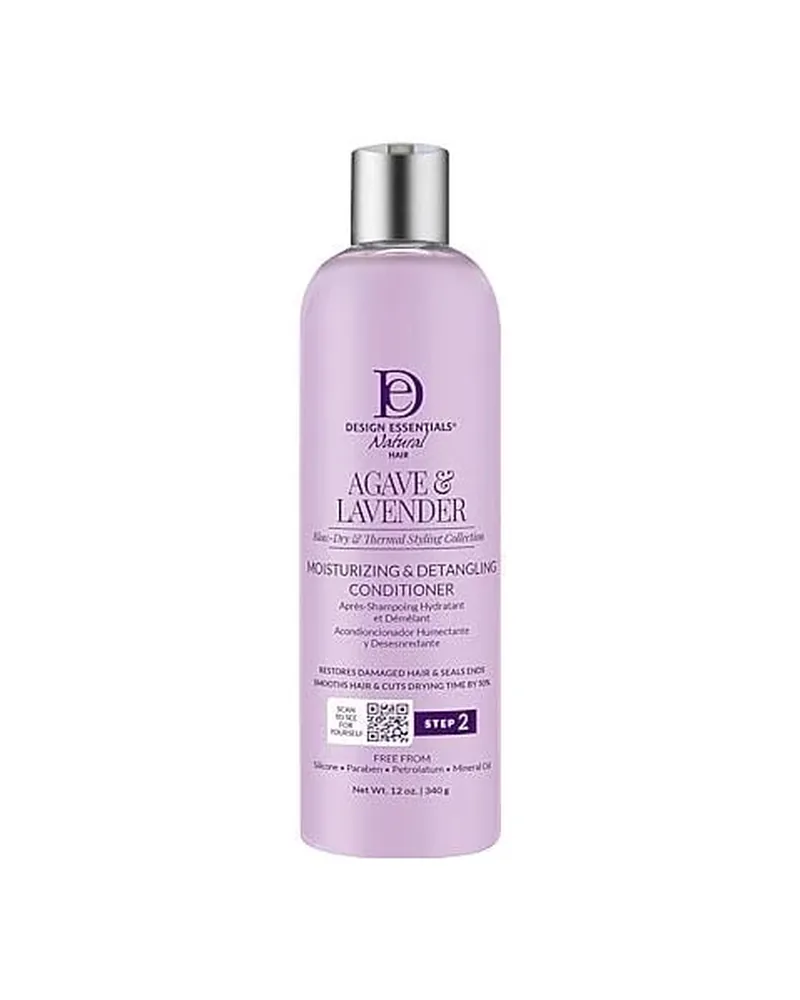 Design Essentials · Conditioner
Almond & Avocado Moisturizing & Detangling Conditioner
#4 on the label · $1.17/oz
Design Essentials · Conditioner
Almond & Avocado Moisturizing & Detangling Conditioner
#4 on the label · $1.17/oz
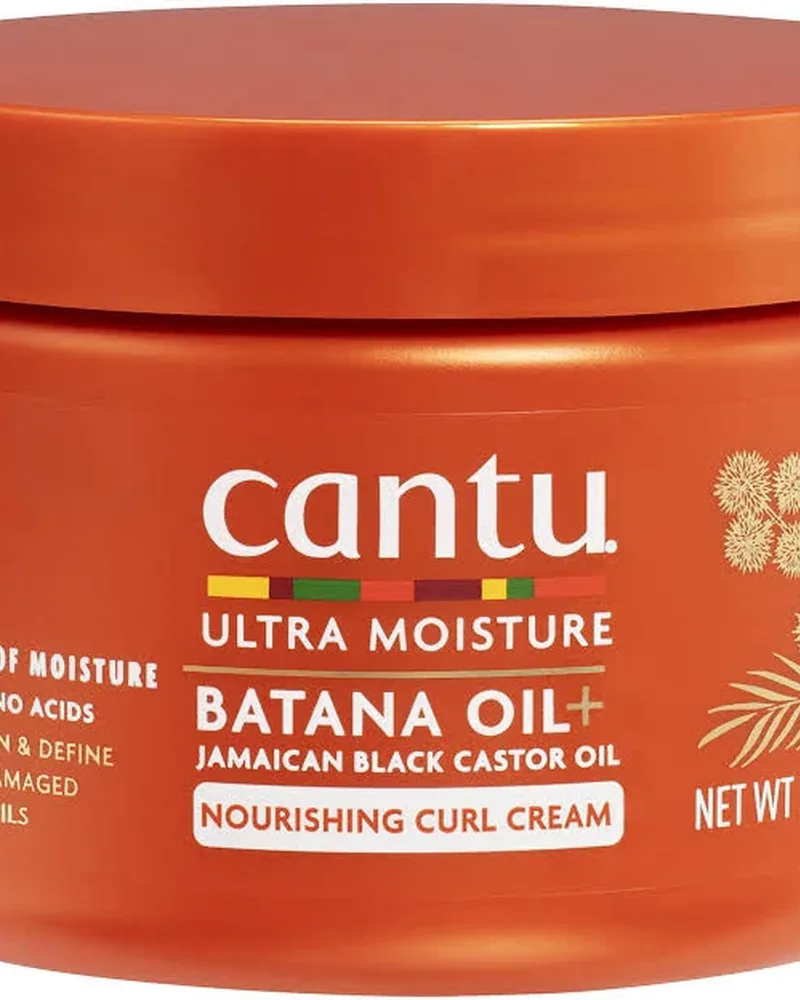 Cantu · Styler
Ultra Moisture Nourishing Curling Cream with Batana Oil Jamaican Black Castor Oil
#5 on the label · $0.70/oz
Cantu · Styler
Ultra Moisture Nourishing Curling Cream with Batana Oil Jamaican Black Castor Oil
#5 on the label · $0.70/oz
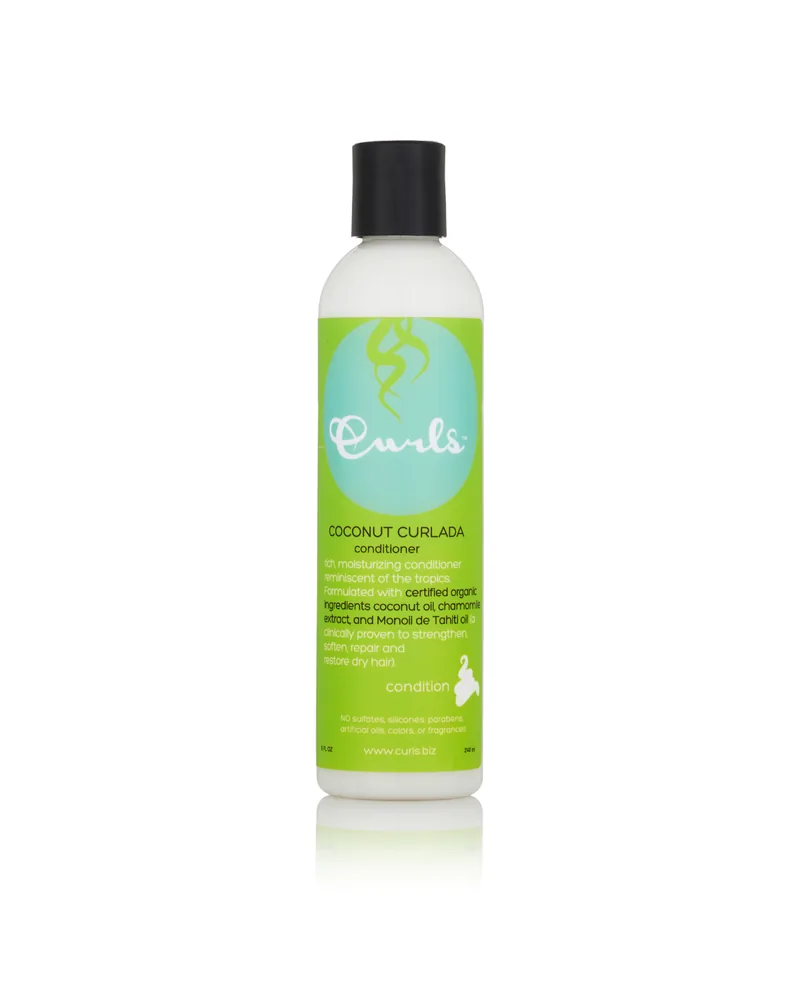 Curls · Conditioner
Coconut Curlada Conditioner
#5 on the label · $1.59/oz
Curls · Conditioner
Coconut Curlada Conditioner
#5 on the label · $1.59/oz
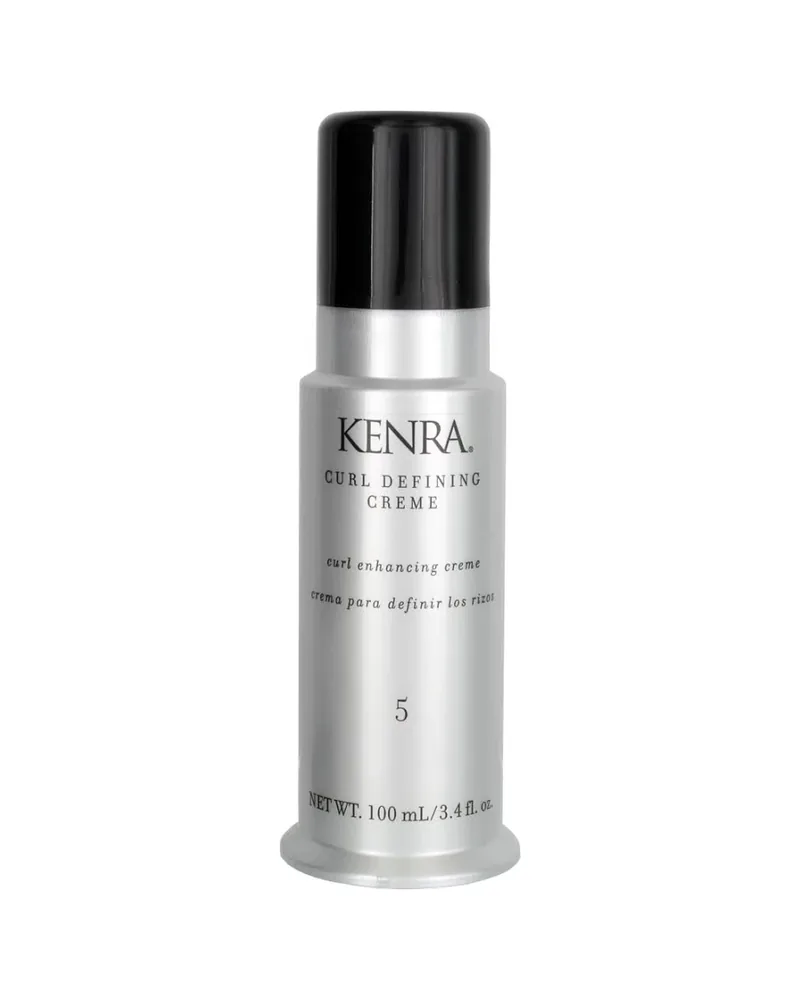 Kenra Professional · Styler
Curl Defining Creme 5
#5 on the label · $5.88/oz
Kenra Professional · Styler
Curl Defining Creme 5
#5 on the label · $5.88/oz
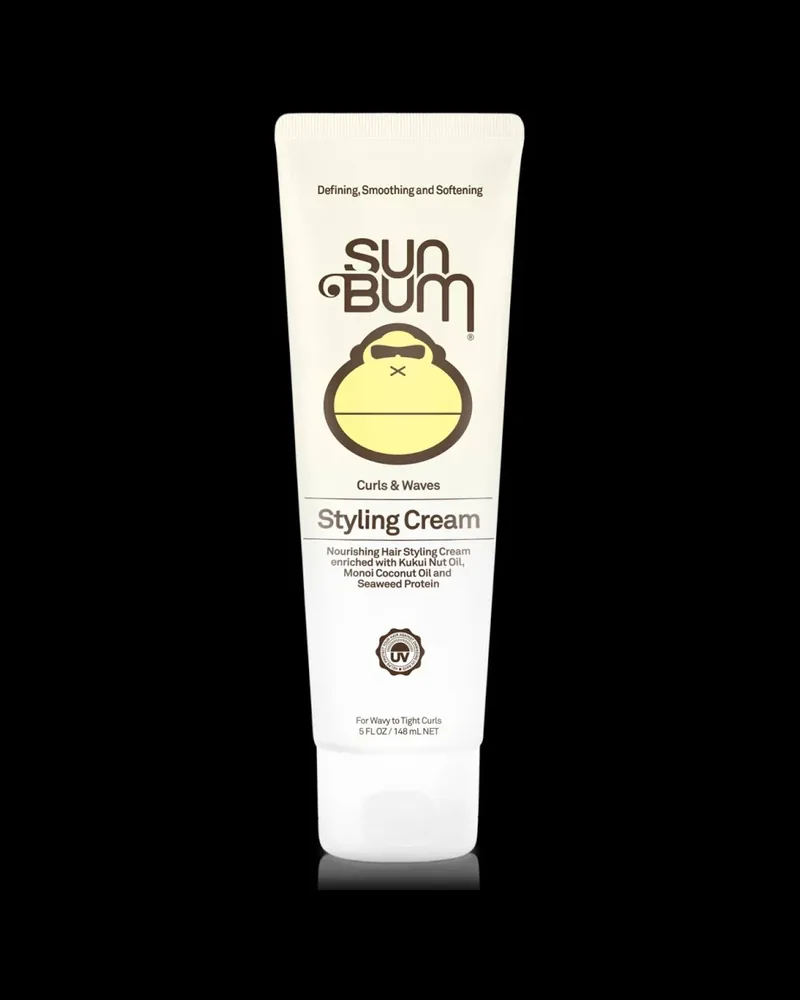 Sun Bum · Styler
Curls Styling Cream
#5 on the label · $3.40/oz
Sun Bum · Styler
Curls Styling Cream
#5 on the label · $3.40/oz
 WEN by Chaz Dean · Co-wash
WEN Kids Apple Cleansing Conditioner
#5 on the label · $2.00/oz
WEN by Chaz Dean · Co-wash
WEN Kids Apple Cleansing Conditioner
#5 on the label · $2.00/oz
 WEN by Chaz Dean · Co-wash
WEN Kids Watermelon Cleansing Conditioner
#5 on the label · $2.00/oz
WEN by Chaz Dean · Co-wash
WEN Kids Watermelon Cleansing Conditioner
#5 on the label · $2.00/oz
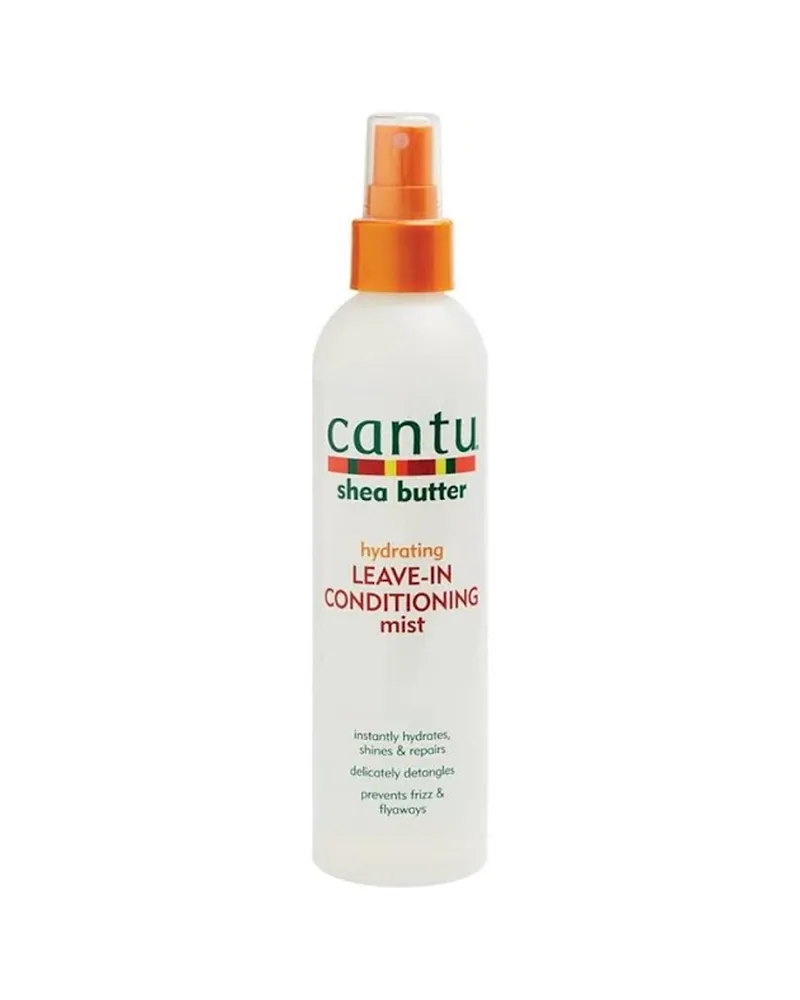 Cantu · Leave-in
Hydrating Leave-In Conditioning Mist
#6 on the label · $0.75/oz
Cantu · Leave-in
Hydrating Leave-In Conditioning Mist
#6 on the label · $0.75/oz
See all 167 products in the library that list Polysorbate 60
Identity
What this entry is, and what our references call it.
No public-domain structure depiction is available for this entry.
Polysorbate 60
- solubilizer
- polysorbate 60
- polysorbate-60
- polysorbate-60 (plant derived)


For your hair?
Whether Polysorbate 60 matters for your hair depends on your hair.
the 9th most-listed cleanser or emulsifier in our libraryWhat this ingredient does, and where it sits on the labels we have researched.
A verdict on any product that contains it, and never a safety grade.
We do not physically test your hair. Everything above is read from the ingredient lists in our library and from published references — the consultation is what turns it into a plan.
References
Seed entry — sourcing in progress Written from our reference work; primary sourcing is still being attached.
No published source is attached to this entry yet.
How this page was made
- Every number above is counted from the ingredient lists in our own product library — 167 of 3889 researched products list this ingredient. Nothing on this page is written per ingredient.
- The dots are named levels read from an ingredient’s chemical class, charge, solubility, or where it sits on the labels we have — never a score.
- US labelling rules put ingredients above 1% in descending order of amount; below 1% they may be listed in any order. Position tells you about relative amount only above that line, and we never convert a position into a percentage.
- The prominence bands (leading, supporting, secondary) are the same ones the product pages use to read a single label, applied here to the median position across a category.
- We do not publish safety scores or hazard grades. Where a regulator has published a restriction or a use condition, we state it and cite it; otherwise we describe what the ingredient does and stop.
- Identifiers and references appear only when a published source is attached to this entry; where none is, the row is simply absent rather than filled in.
- This is cosmetic information, not medical advice, and nothing here diagnoses or treats a health condition.
- Entry last updated 2026-08-28. Product-page methodology: the product library.