OIL
Paraffinum Liquidum
- oil
Mineral oil under its European name. It seals the surface and adds slip, and takes a detergent to remove.
- products in our library
- 21
- of researched products
- 0.3%
- on the label, in our leave-ins
- usually #8
- most common in
- Leave-in
- in water
- Oil-soluble
At a glance
Four things worth knowing about how this ingredient behaves on hair.
How much of it is left on hair between washes.
What it takes to get it off the hair again.
Where the class sits between an ester and a butter.
How much it slows water leaving the strand.
| Property | Level | Out of |
|---|---|---|
| Buildup risk | Needs a cleanser | 4 of 5 |
| Rinse-out behaviour | Rinses with a cleanser | 2 of 5 |
| Weight | Rich | 4 of 5 |
| Sealing | Strongest | 5 of 5 |
What it does for a formula
What Paraffinum Liquidum does
The general function first, then how the role changes by product type where we have researched it.
Smooths the feel of the strand without adding hold or cleaning.
Slows evaporation from the strand more than any other lipid class.
Coats the surface and makes hair feel more pliable.
Sits on the outside of the cuticle and holds moisture in.
Charge
Charge is not recorded for this ingredient.
Solubility
Needs a surfactant to remove. On a low-detergent routine it can build up over time.
Where it appears
Where it appears
One row per product category in our library: how many products list it, what share of that category that is, and where it typically sits on the label.
| Product type | How common | Typical position on label ? |
|---|---|---|
Leave-in
6 products
|
supporting · #8 | |
Conditioner
4 products
|
leading · #3 | |
Styler: curl cream
4 products
|
secondary · #10 | |
Scalp treatment
2 products
|
leading · #3 | |
Finisher: oil
1 product
|
leading · #2 | |
Finisher: shine spray
1 product
|
leading · #1 | |
Styler: hairspray
1 product
|
secondary · #11 | |
Styler: mousse
1 product
|
leading · #2 | |
Styler: paste
1 product
|
leading · #1 |
| Product type | Products | Share of category | Median position | Earliest position | Band |
|---|---|---|---|---|---|
| Leave-in | 6 | 1% | 8 | 4 | supporting |
| Conditioner | 4 | 0% | 3 | 2 | leading |
| Styler: curl cream | 4 | 2% | 10 | 3 | secondary |
| Scalp treatment | 2 | 1% | 3 | 2 | leading |
| Finisher: oil | 1 | 0% | 2 | 2 | leading |
| Finisher: shine spray | 1 | 1% | 1 | 1 | leading |
| Styler: hairspray | 1 | 0% | 11 | 11 | secondary |
| Styler: mousse | 1 | 0% | 2 | 2 | leading |
| Styler: paste | 1 | 1% | 1 | 1 | leading |
We have not researched differences by product type yet. The reading below comes from where it sits on the labels in our library.
Position footprint
Every listing in our library, by position on the label.
| Positions | Zone | Listings |
|---|---|---|
| 1-3 | Leading | 9 |
| 4-8 | Supporting | 5 |
| 9-15 | Secondary | 3 |
| 16-25 | Lower | 4 |
| 26+ | Trace | 0 |
How to read this
US labelling rules put ingredients above 1% in descending order of amount; below 1% they may be listed in any order.
So position tells you about relative amount only above that line, and we never convert a position into a percentage.
Who should pay attention
Formulation guidance for specific hair conditions, limited to the label positions where it applies. It is not a conclusion about any finished product, or about you.
Coats the surface and slows water leaving the strand, which is usually what coarse hair that dries out fast is missing.
A thin oil layer lowers friction between strands and flattens the raised cuticle that scatters light and catches on its neighbours.
The EU label name for mineral oil. It slows water leaving the fibre from the outside, but in the comparison against coconut oil it did not reduce protein loss from washing — none of it enters the strand.
Read where it is listed in the first three ingredients, positions 4–8 or the lower half of the ordered list.It does not disperse in water at all: removing it means a detergent wash, and until then it stays exactly where it landed.
Read where it is listed in the first three ingredients, positions 4–8 or the lower half of the ordered list.Near the top of a list an oil is weight before it is anything else, and fine hair shows that first at the roots.
Read where it is listed in the first three ingredients or positions 4–8.Rows marked “researched” were read for this ingredient and cited below; the rest are read from its chemical class.
Why it matters to shoppers
What seeing this ingredient tells you, what it does not, and the limits of our own method.
- softness and shine
- a softer feel
- a barrier that slows water loss
- something that lasts through the day
- an exact safety score (we do not publish one for any ingredient)
- how a finished product performs, which depends on the whole formula, not one line of it
- the exact percentage in a bottle, because label position never converts into a number
- a supporting emollient alongside the main ingredients in our leave-ins
- it was on the printed ingredient list of every product we counted (we read labels, not marketing copy)
- that a product is right or wrong for you
We do not publish safety scores or hazard grades. Where a regulator has published a restriction or a use condition, we state it and cite it; otherwise we describe what the ingredient does and stop.
Commonly paired with
The ingredients that most often appear alongside this one in our library. We leave out the near-universal ones, because they pair with everything and tell you nothing.
- Ethylhexylglycerin · 13
- Petrolatum · 10
- Cetyl Alcohol · 9
- Glycereth-2 Cocoate · 8
- Benzoic Acid · 8
- Polyquaternium-32 · 7
- PPG-1 Trideceth-6 · 7
- Dimethicone · 7
- Hexyl Cinnamal · 7
- Benzyl Benzoate · 6
The number beside a name is how many products in our library list both.
These ingredients tend to appear together to soften the strand, clean and build foam, and keep the formula stable.
Found in these products
The most prominent placements first. The badge is the position on that product’s own ingredient list.
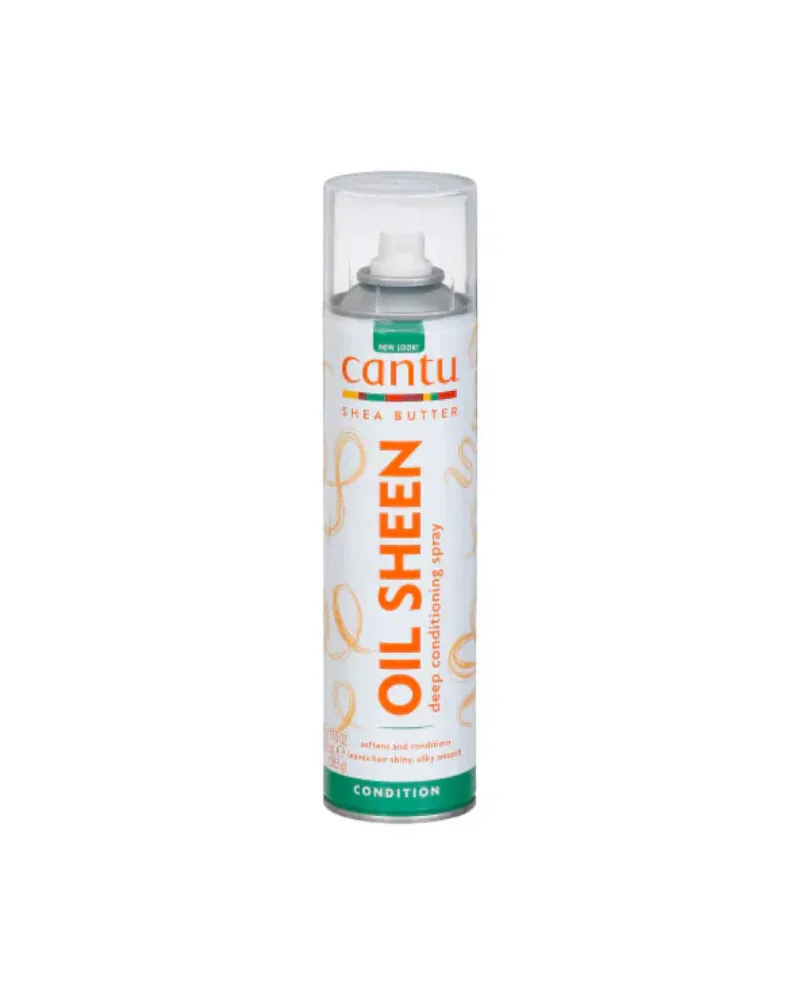 Cantu · Finisher
Shea Butter Oil Sheen Spray
#1 on the label · $0.50/oz
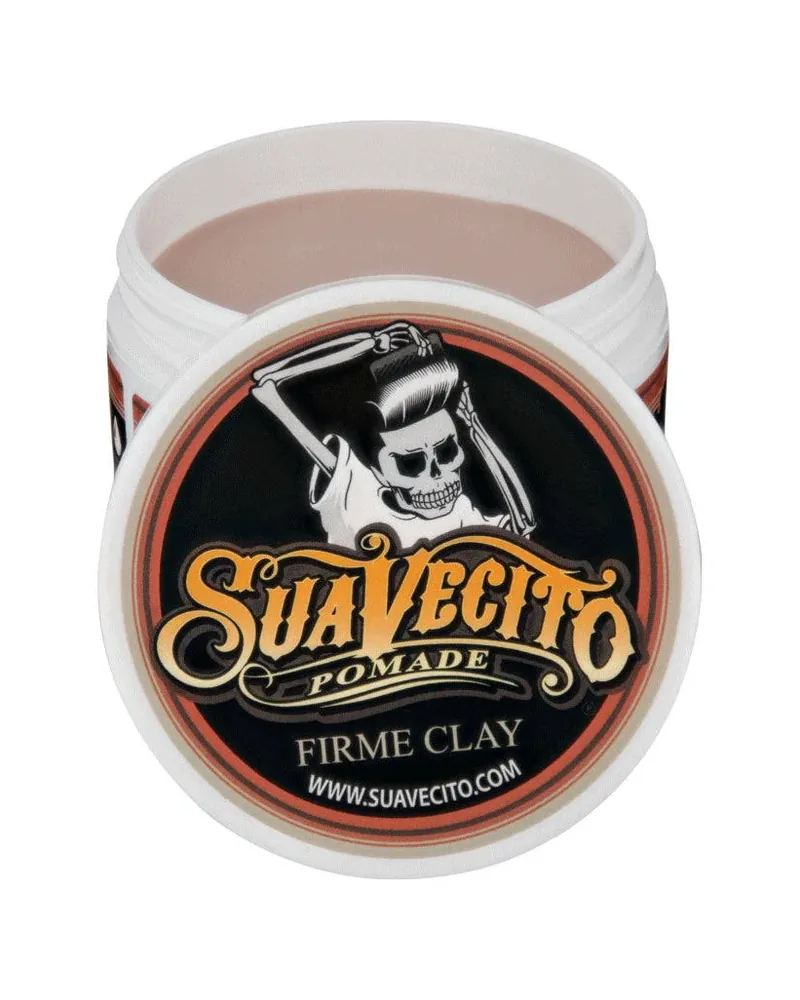 Suavecito · Styler
Clay Pomade
#1 on the label · $3.75/oz
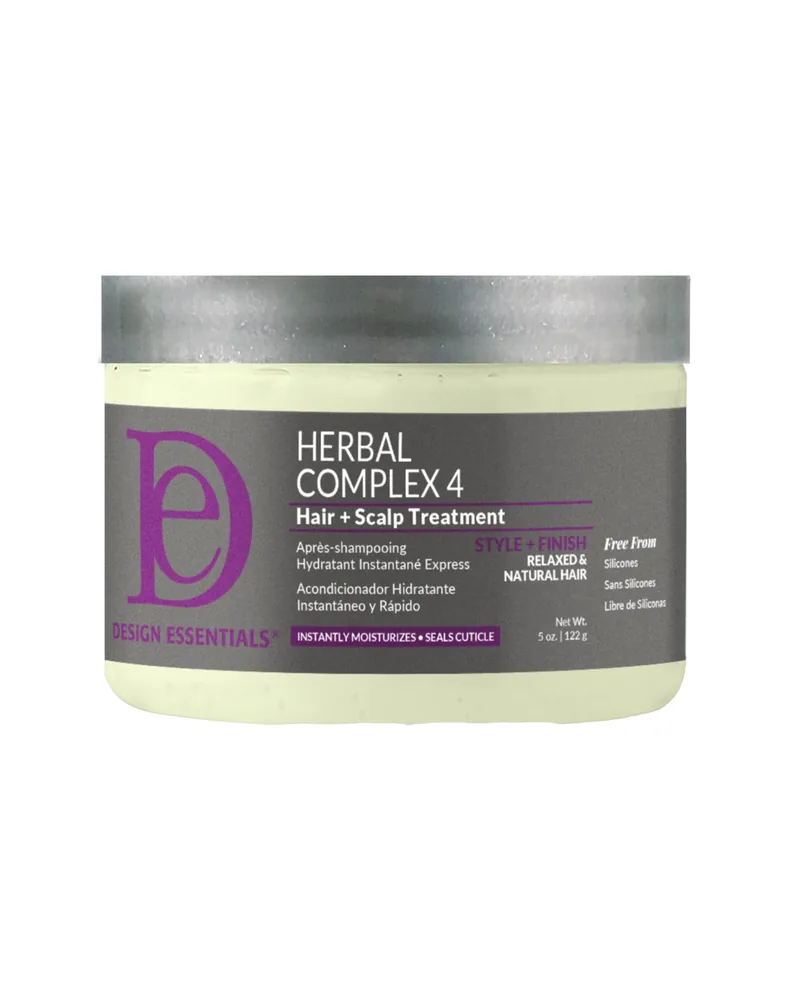 Design Essentials · Scalp treatment
Herbal Complex 4 Hair & Scalp Treatment
#2 on the label · $2.80/oz
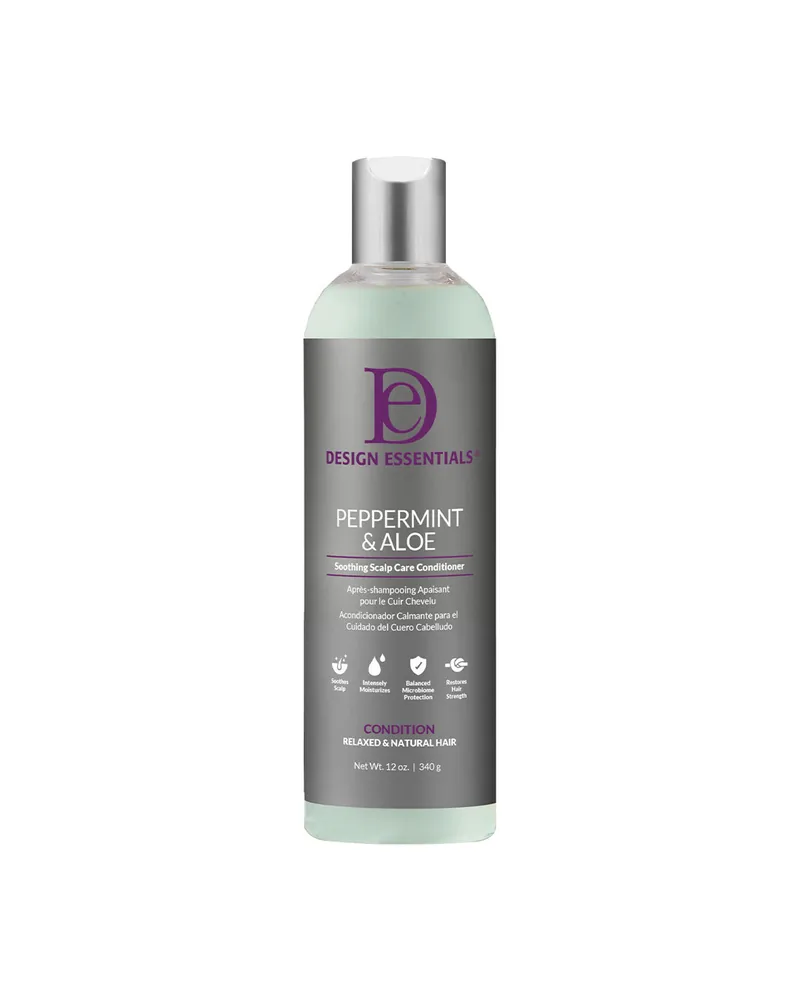 Design Essentials · Conditioner
Peppermint & Aloe Soothing Scalp Care Conditioner
#2 on the label · $1.28/oz
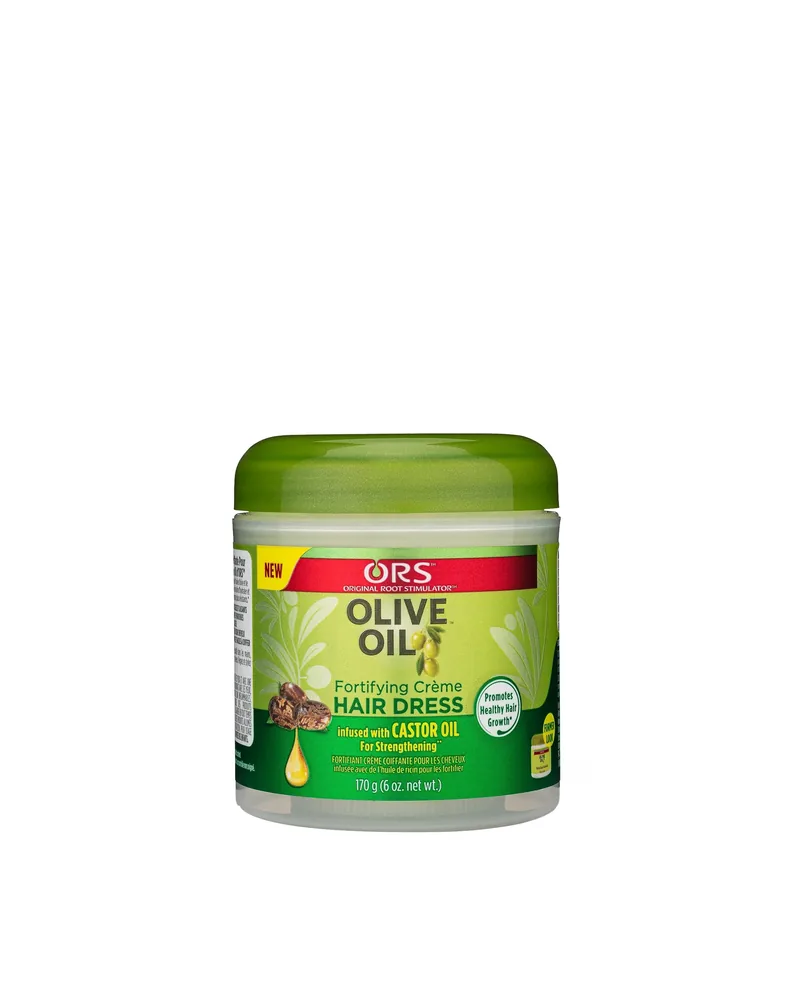 ORS · Finisher
Olive Oil Fortifying Creme Hair Dress for Strengthening
#2 on the label · $1.33/oz
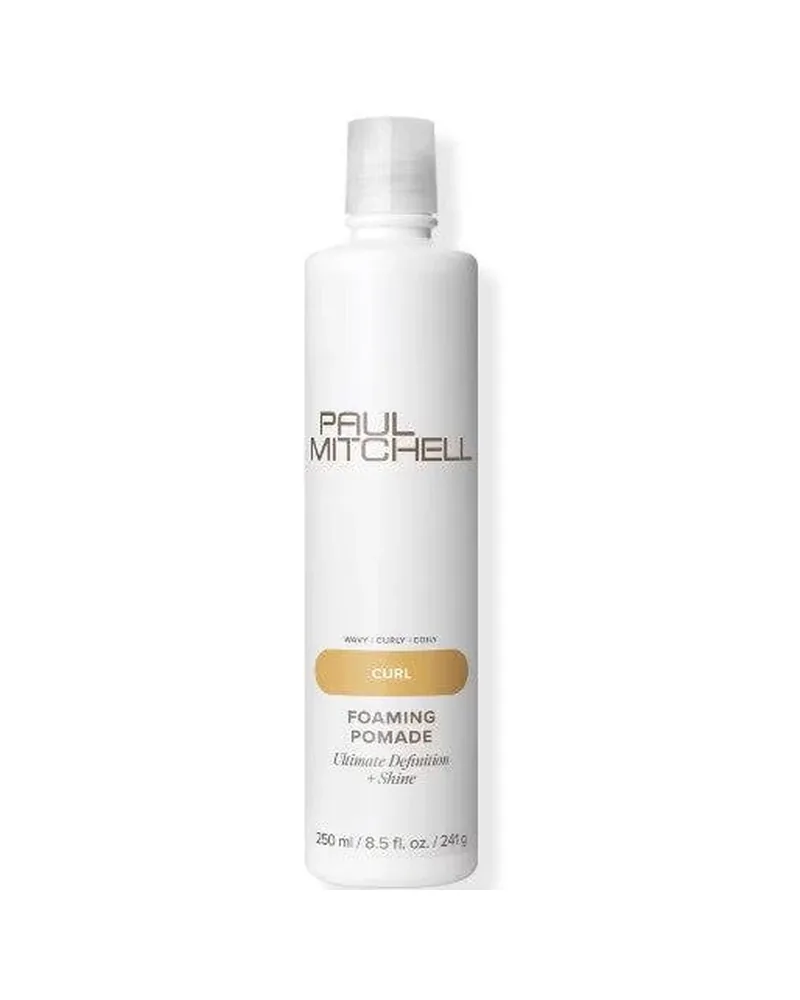 Paul Mitchell · Styler
Foaming Pomade
#2 on the label · $3.53/oz
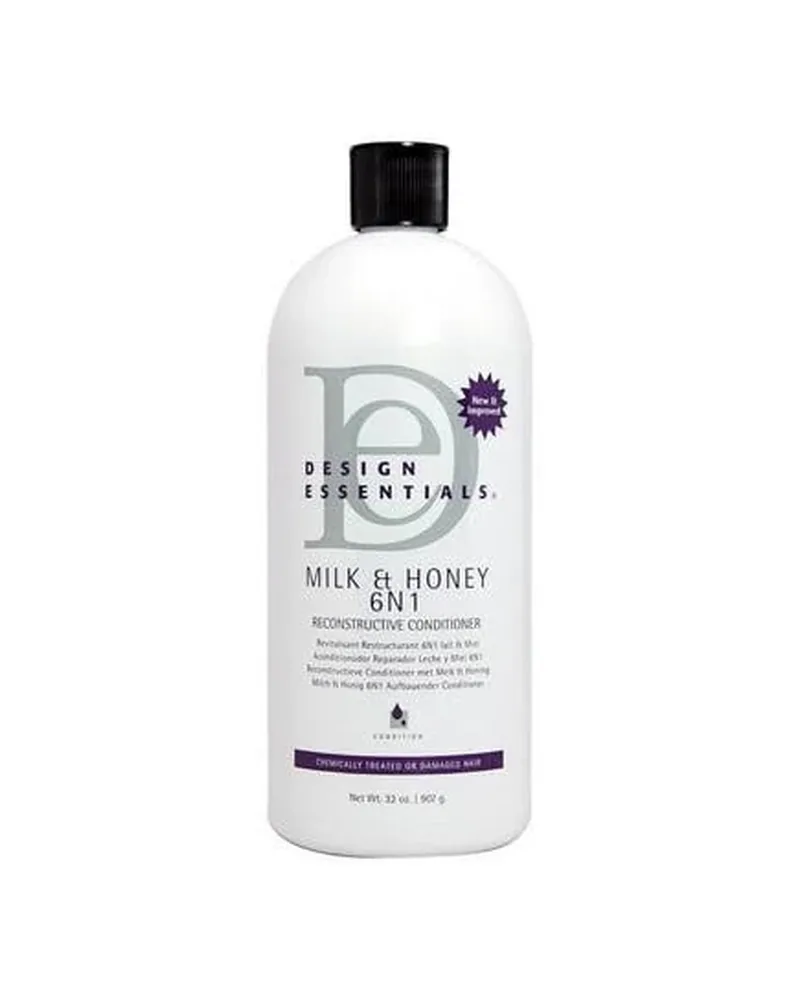 Design Essentials · Conditioner
Milk & Honey 6N1 Reconstructive Conditioner
#3 on the label · $1.60/oz
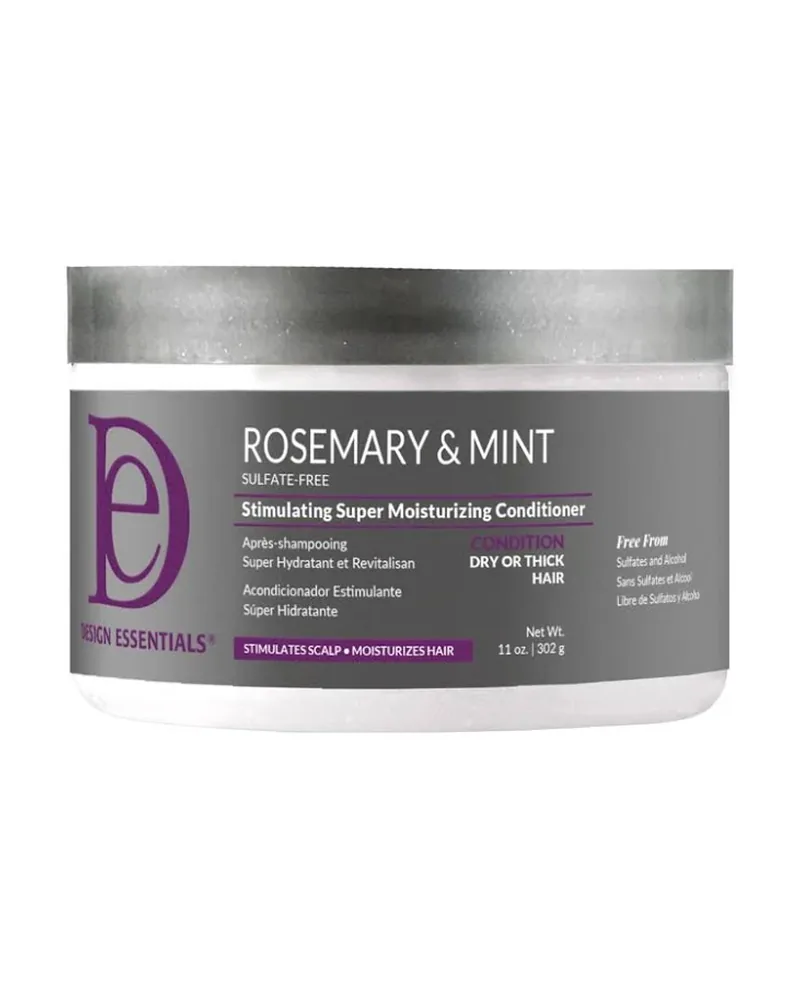 Design Essentials · Conditioner
Rosemary & Mint Stimulating Super Moisturizing Conditioner
#3 on the label · $1.17/oz
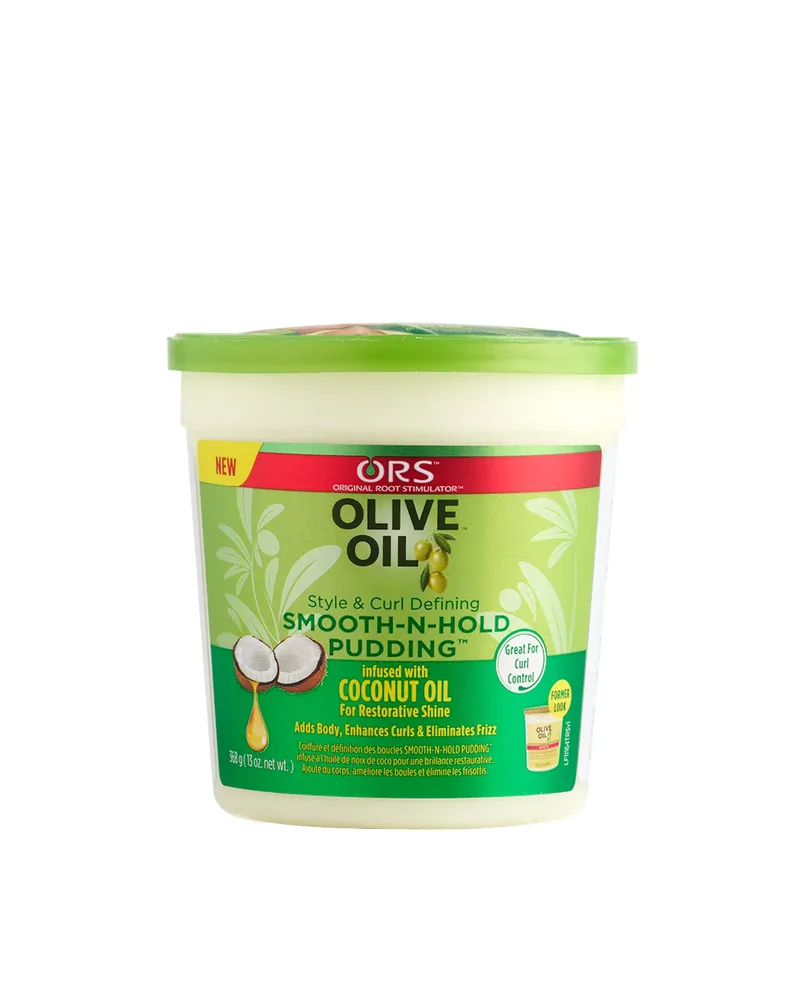 ORS · Styler
Olive Oil Style and Curl Smooth n' Hold Pudding
#3 on the label · $0.69/oz
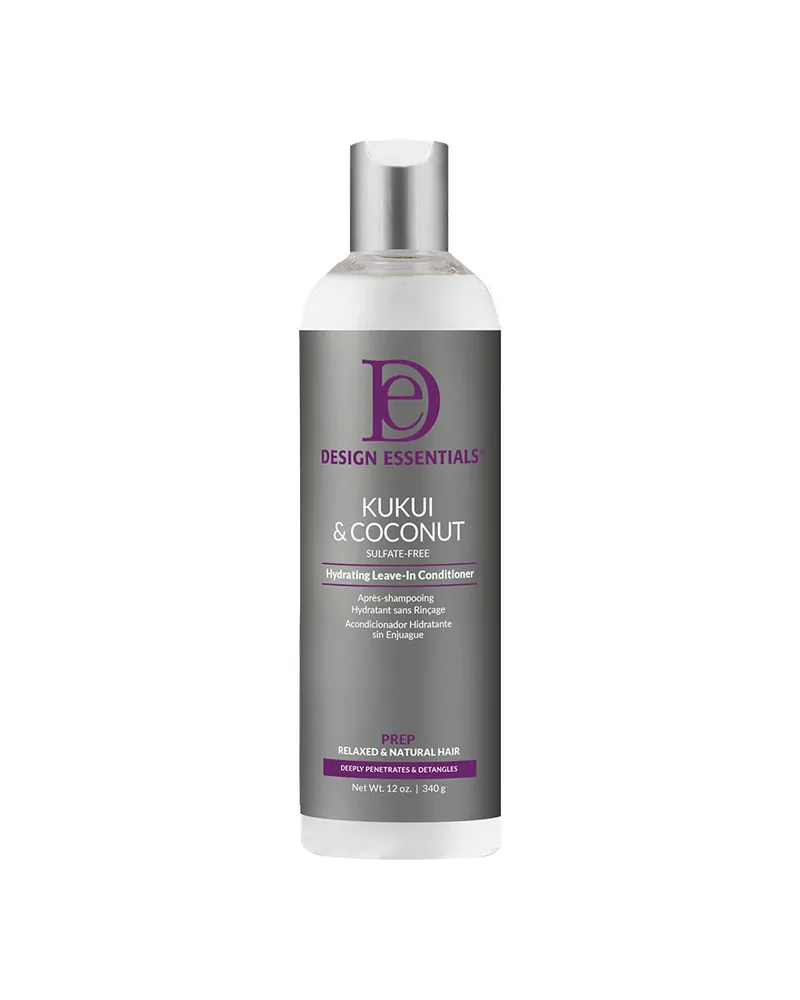 Design Essentials · Leave-in
Kukui & Coconut Hydrating Leave-In Conditioner
#4 on the label · $1.08/oz
 Design Essentials · Scalp treatment
Peppermint & Aloe Soothing Scalp Care Treatment
#4 on the label · $2.80/oz
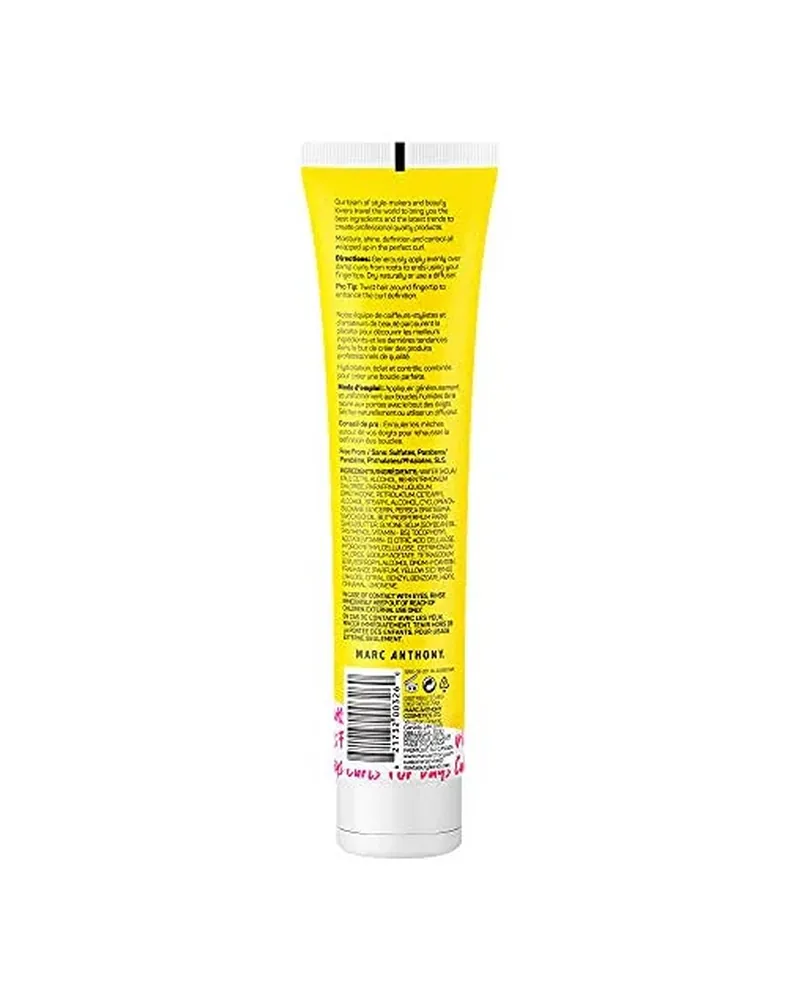 Marc Anthony · Styler
Strictly Curls Curl Envy Cream
#4 on the label · $1.81/oz
See all 21 products in the library that list Paraffinum Liquidum
Identity
What this entry is, and what our references call it.
No public-domain structure depiction is available for this entry.
Paraffinum Liquidum
- emollient
- sealant
- paraffinum liquidum
- paraffinum liquidum (mineral oil, huile minerale)
For your hair?
Whether Paraffinum Liquidum matters for your hair depends on your hair.
21 products in our library list itWhat this ingredient does, and where it sits on the labels we have researched.
A verdict on any product that contains it, and never a safety grade.
We do not physically test your hair. Everything above comes from the ingredient lists in our library and from published references. The consultation is what turns it into a plan.
References
Sourced Backed by a manufacturer or regulatory source.
This ingredient
- Manufacturer or regulatory International Journal of Trichology : Gavazzoni Dias (2015): the same hydrocarbon oil as Mineral Oil under its EU label name; only coconut oil reduced protein loss in the three-oil comparison. · accessed 2026-08-30
How this page was made
- Every number above is counted from the ingredient lists in our own product library: 21 of 6816 researched products list this ingredient. Nothing on this page is written per ingredient.
- The dots are levels, not scores. Each one comes from what kind of ingredient it is (its chemical class, charge and solubility) or from where it sits on the labels we have.
- US labelling rules put ingredients above 1% in descending order of amount; below 1% they may be listed in any order. Position tells you about relative amount only above that line, and we never convert a position into a percentage.
- The prominence bands (leading, supporting, secondary) are the same ones the product pages use to read a single label, applied here to the median position across a category.
- We do not publish safety scores or hazard grades. Where a regulator has published a restriction or a use condition, we state it and cite it; otherwise we describe what the ingredient does and stop.
- Identifiers and references appear only when a published source is attached to this entry. Without one, we leave the row out rather than fill it in.
- This is cosmetic information, not medical advice, and nothing here diagnoses or treats a health condition.
- Entry last updated 2026-09-22. Product-page methodology: the product library.