NAMED FRAGRANCE ALLERGEN
Cinnamyl Alcohol
- named fragrance allergen
A soft cinnamon-floral fragrance component named as a recognised allergen.
- products in our library
- 42
- of researched products
- 1%
- on the label, in our leave-ins
- usually #36
- most common in
- Leave-in
- in water
- Oil-soluble
At a glance
Four named levels, read from this ingredient’s chemical class, its charge, its solubility, or where it sits on the labels we have. More dots means more of the property named — never “better”.
How much of it is left on hair between washes.
What it takes to get it off the hair again.
How specifically the label has to name it.
Where it sits on the labels we have, in the category it appears in most.
| Property | Level | Out of |
|---|---|---|
| Buildup risk | Needs a cleanser | 4 of 5 |
| Rinse-out behaviour | Rinses with a cleanser | 2 of 5 |
| Declaration | Named allergen | 5 of 5 |
| Prominence | Secondary | 2 of 5 |
What it does for a formula
What Cinnamyl Alcohol does
The general function first, then how the role changes by product type where we have researched it.
A declared blend: the individual components are not named unless rules require it.
EU rules require this one to be listed by name rather than inside "fragrance".
It takes a surfactant to remove — worth knowing on a low-detergent routine.
Charge
Charge is not recorded for this ingredient.
Solubility
Needs a surfactant to remove. On a low-detergent routine it can build up over time.
Where it appears
Where it appears
One row per product category in our library: how many products list it, what share of that category that is, and where it typically sits on the label.
| Product type | How common | Typical position on label ? |
|---|---|---|
Leave-in
11 products
|
secondary · #36 | |
Styler: paste
5 products
|
secondary · #32 | |
Heat protectant
4 products
|
secondary · #27 | |
Finisher: serum
3 products
|
secondary · #27 | |
Styler: gel
3 products
|
secondary · #33 | |
Styler: mousse
3 products
|
secondary · #25 | |
Styler: smoothing cream
3 products
|
secondary · #31 | |
Finisher: oil
2 products
|
secondary · #24 | |
Styler: volumizer
2 products
|
secondary · #27 | |
Finisher: anti frizz finish
1 product
|
secondary · #59 |
5 more product types
| Product type | How common | Typical position on label ? |
|---|---|---|
Mask / treatment
1 product
|
secondary · #24 | |
Scalp treatment
1 product
|
secondary · #38 | |
Styler: curl cream
1 product
|
secondary · #24 | |
Styler: hairspray
1 product
|
secondary · #23 | |
Styler: texture spray
1 product
|
secondary · #22 |
| Product type | Products | Share of category | Median position | Earliest position | Band |
|---|---|---|---|---|---|
| Leave-in | 11 | 3% | 36 | 24 | secondary |
| Styler: paste | 5 | 6% | 32 | 16 | secondary |
| Heat protectant | 4 | 3% | 27 | 24 | secondary |
| Finisher: serum | 3 | 4% | 27 | 18 | secondary |
| Styler: gel | 3 | 2% | 33 | 21 | secondary |
| Styler: mousse | 3 | 2% | 25 | 18 | secondary |
| Styler: smoothing cream | 3 | 5% | 31 | 30 | secondary |
| Finisher: oil | 2 | 1% | 24 | 20 | secondary |
| Styler: volumizer | 2 | 3% | 27 | 17 | secondary |
| Finisher: anti frizz finish | 1 | 4% | 59 | 59 | secondary |
| Mask / treatment | 1 | 0% | 24 | 24 | secondary |
| Scalp treatment | 1 | 1% | 38 | 38 | secondary |
| Styler: curl cream | 1 | 1% | 24 | 24 | secondary |
| Styler: hairspray | 1 | 1% | 23 | 23 | secondary |
| Styler: texture spray | 1 | 2% | 22 | 22 | secondary |
No product-type differences have been researched yet — the reading below is computed from where it sits on the labels in our library.
Position footprint
Every listing in our library, by position on the label.
| Positions | Zone | Listings |
|---|---|---|
| 1-3 | Leading | 0 |
| 4-8 | Supporting | 0 |
| 9-15 | Secondary | 0 |
| 16-25 | Lower | 15 |
| 26+ | Trace | 30 |
How to read this
US labelling rules put ingredients above 1% in descending order of amount; below 1% they may be listed in any order.
So position tells you about relative amount only above that line, and we never convert a position into a percentage.
Who should pay attention
Conditional formulation guidance, scoped to a hair condition and to the positions where it is meaningful. It is not a conclusion about any finished product, and not a conclusion about you.
One of the 26 scent components the EU requires to be named individually above a threshold. It is named because it is a known contact allergen, not because it is unusual.
Read from this ingredient’s chemical class. Where we have researched the ingredient itself, that reading replaces the class one.
Why it matters to shoppers
What this ingredient is evidence of, what it is not evidence of, and what our own method can and cannot tell you.
- a scented product
- scent components named individually
- something that lasts through the day
- an exact safety score — we do not publish one, for any ingredient
- how a finished product performs by itself — that is the whole formula, not one line of it
- the exact percentage in a bottle — label position never converts into a number
- a secondary fragrance, listed below the main ingredients in our leave-ins
- it was on the label of every product we counted — we read printed ingredient lists, not marketing copy
- that the product will suit you if you react to scent
- that it is riskier than the unnamed components of a fragrance blend
- that a product is right or wrong for you
We do not publish safety scores or hazard grades. Where a regulator has published a restriction or a use condition, we state it and cite it; otherwise we describe what the ingredient does and stop.
Commonly paired with
Ingredients that appear alongside this one most often in our library. Near-universal ingredients are excluded — they pair with everything and tell you nothing.
- Citronellol · 35
- Hexyl Cinnamal · 29
- Alpha-Isomethyl Ionone · 25
- Hydroxycitronellal · 25
- Geraniol · 24
- Benzyl Alcohol · 24
- Coumarin · 23
- Amyl Cinnamal · 20
- Tocopherol · 17
- Benzyl Benzoate · 16
The number beside a name is how many products in our library list both.
These ingredients tend to appear together to give it a scent, carry the formula and let it dry, and deliver a stated effect.
Found in these products
The most prominent placements first. The badge is the position on that product’s own ingredient list.
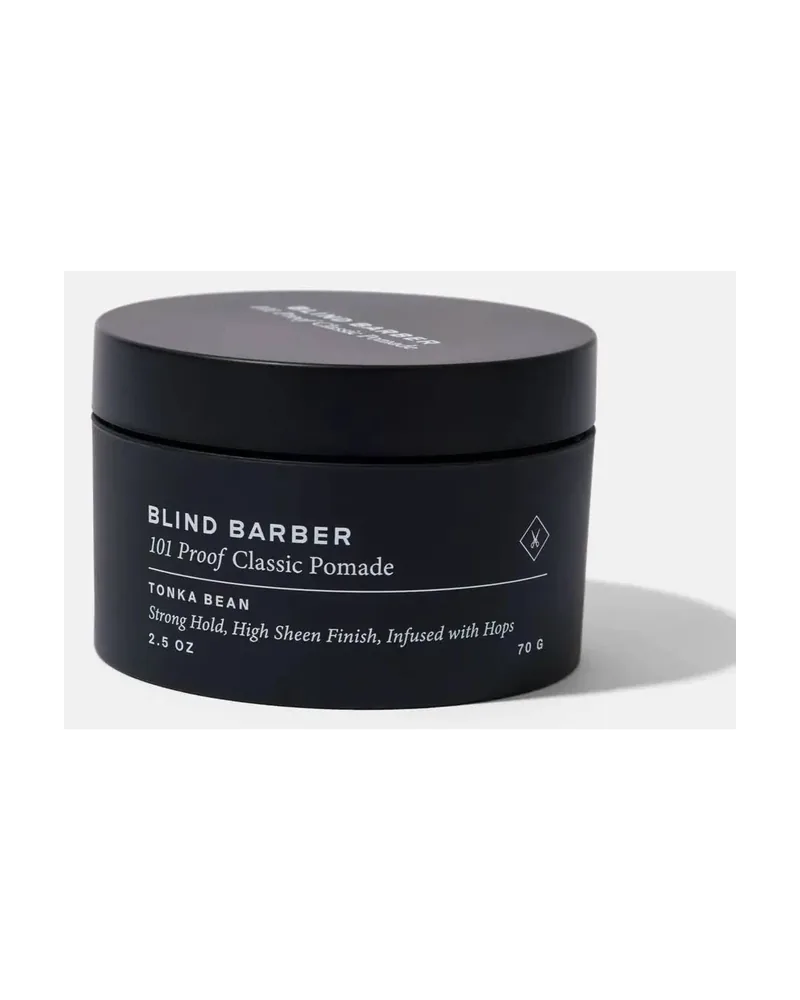 Blind Barber · Styler
101 Proof Classic Natural Shine Strong Hold Pomade
#16 on the label · $9.60/oz
Blind Barber · Styler
101 Proof Classic Natural Shine Strong Hold Pomade
#16 on the label · $9.60/oz
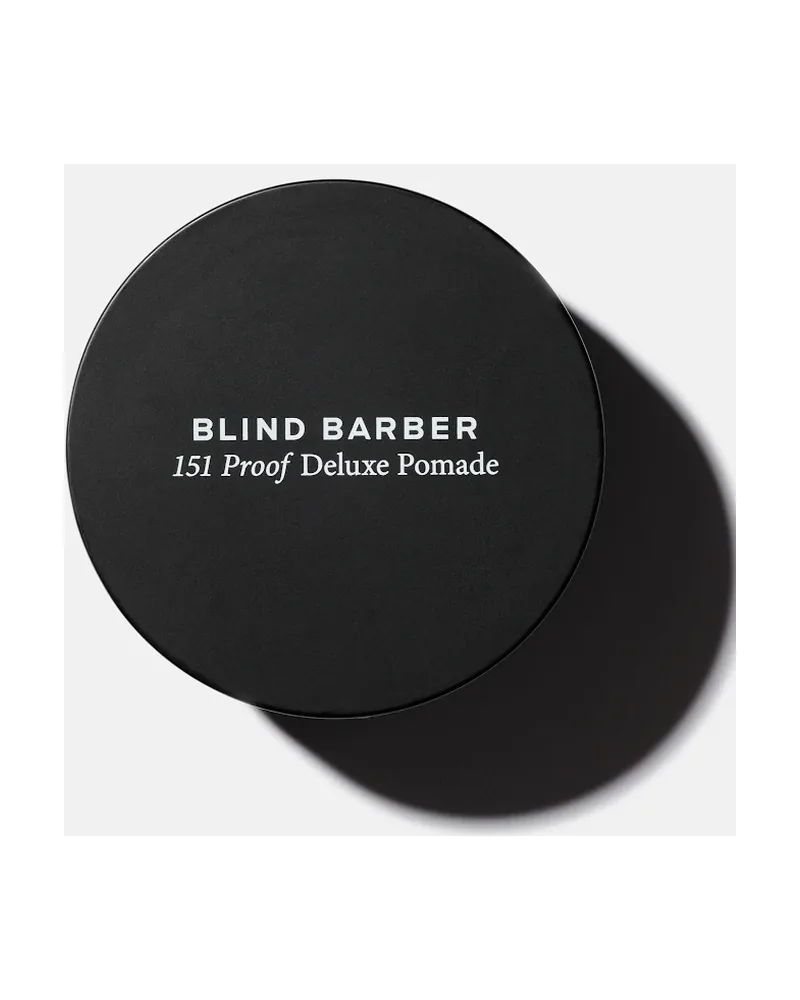 Blind Barber · Styler
151 Proof Deluxe Pomade
#16 on the label · $9.60/oz
Blind Barber · Styler
151 Proof Deluxe Pomade
#16 on the label · $9.60/oz
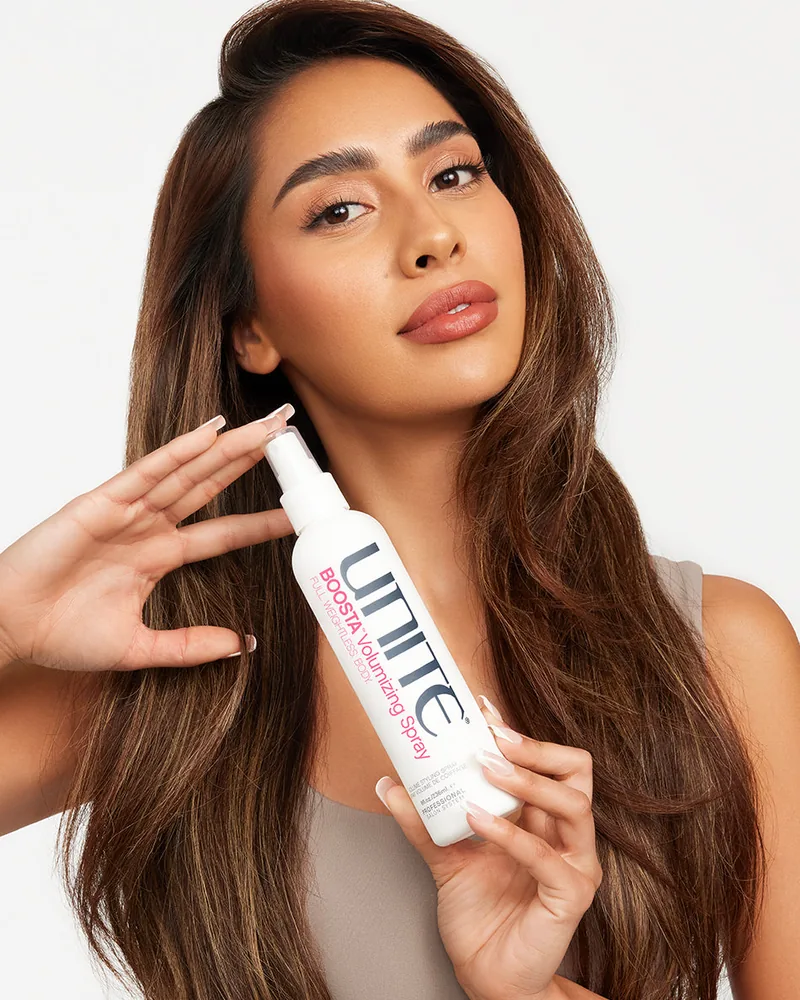 UNITE Hair · Styler
BOOSTA Volumizing Spray
#17 on the label · $4.81/oz
UNITE Hair · Styler
BOOSTA Volumizing Spray
#17 on the label · $4.81/oz
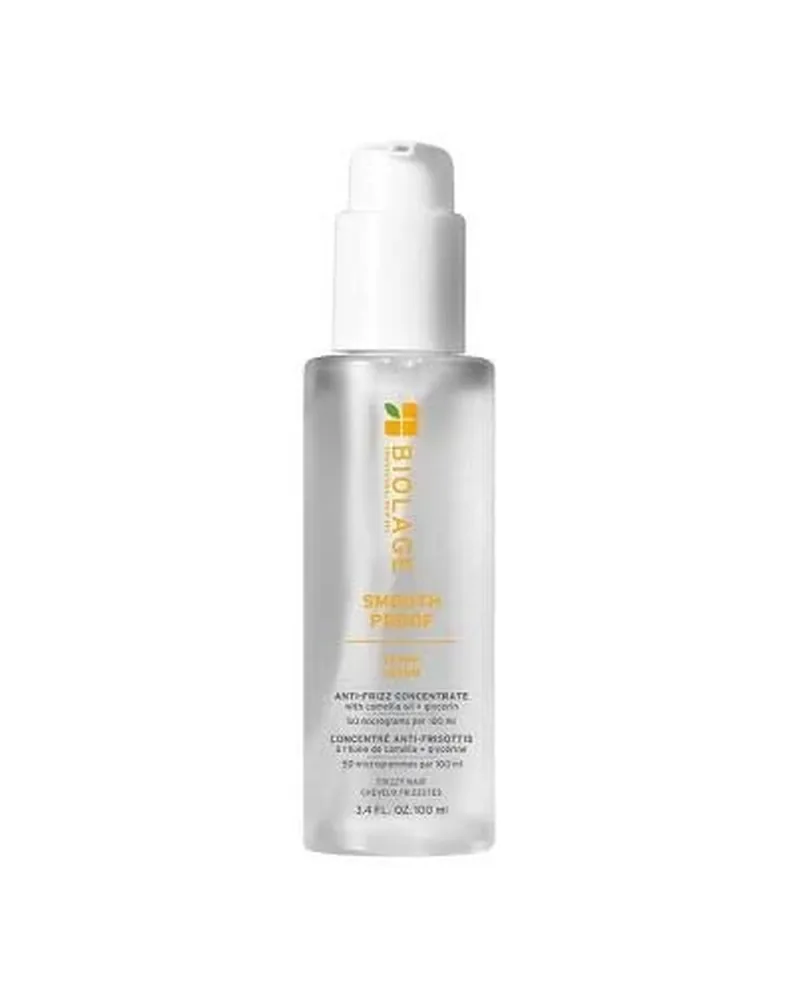 Biolage · Finisher
Smooth Proof Hair Serum for Anti-Frizz and Hair Shine
#18 on the label · $8.24/oz
Biolage · Finisher
Smooth Proof Hair Serum for Anti-Frizz and Hair Shine
#18 on the label · $8.24/oz
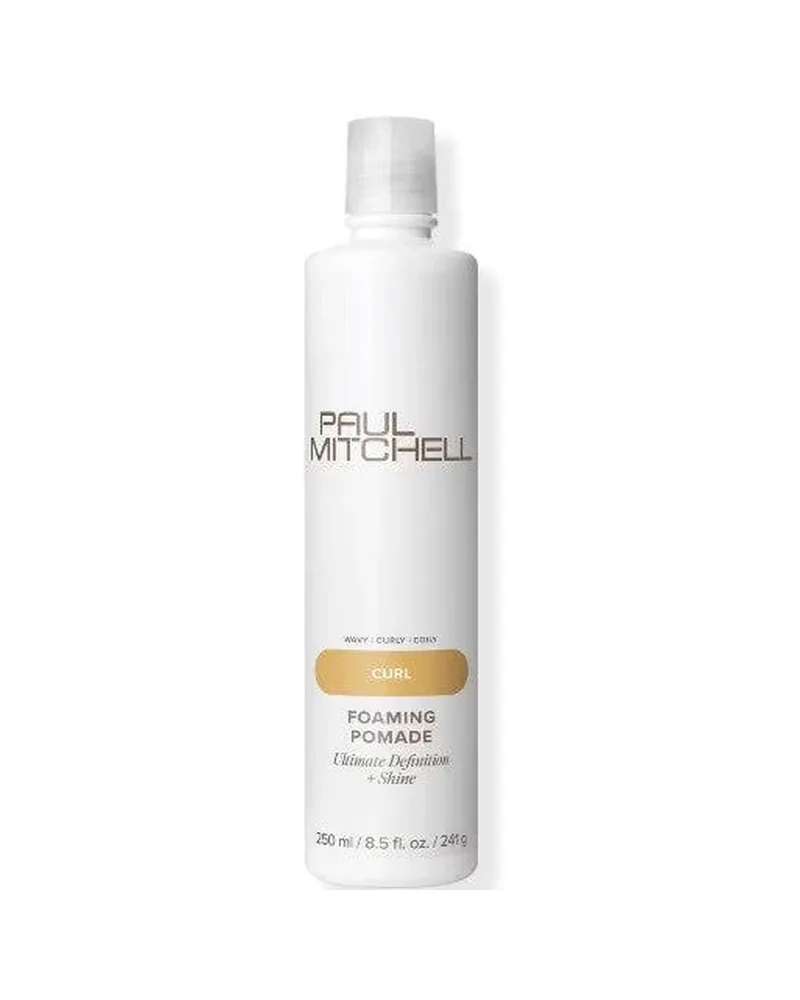 Paul Mitchell · Styler
Foaming Pomade
#18 on the label · $3.53/oz
Paul Mitchell · Styler
Foaming Pomade
#18 on the label · $3.53/oz
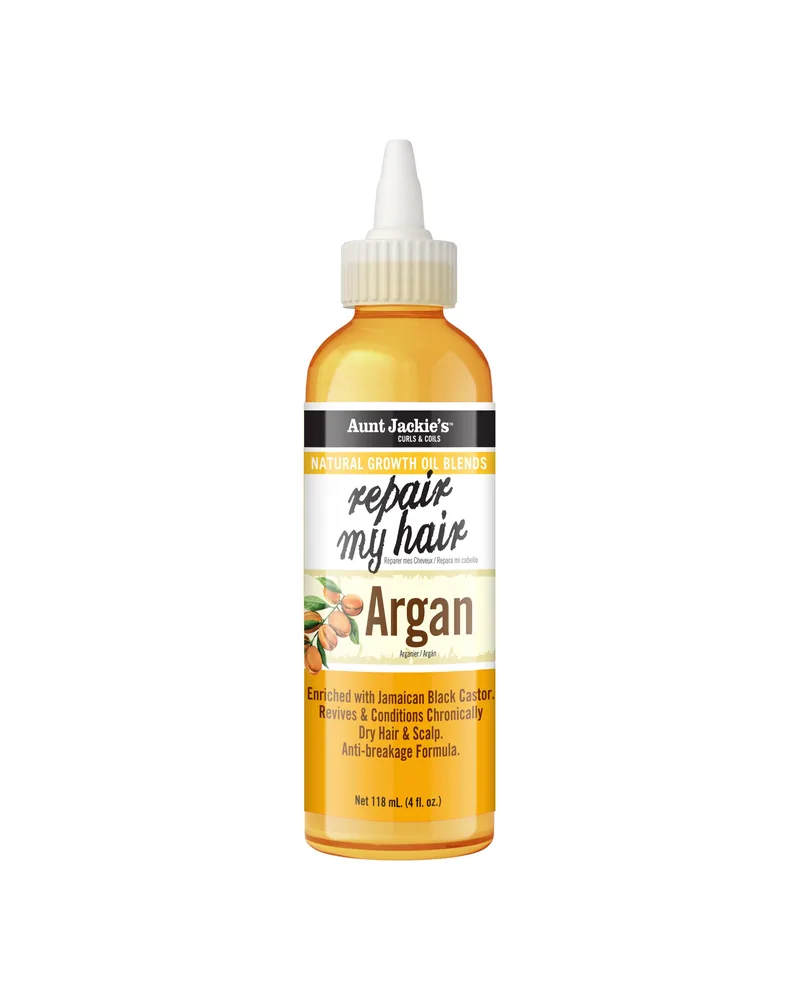 Aunt Jackie's · Finisher
Repair My Hair - Argan Natural Growth Oil Blend
#20 on the label · $1.74/oz
Aunt Jackie's · Finisher
Repair My Hair - Argan Natural Growth Oil Blend
#20 on the label · $1.74/oz
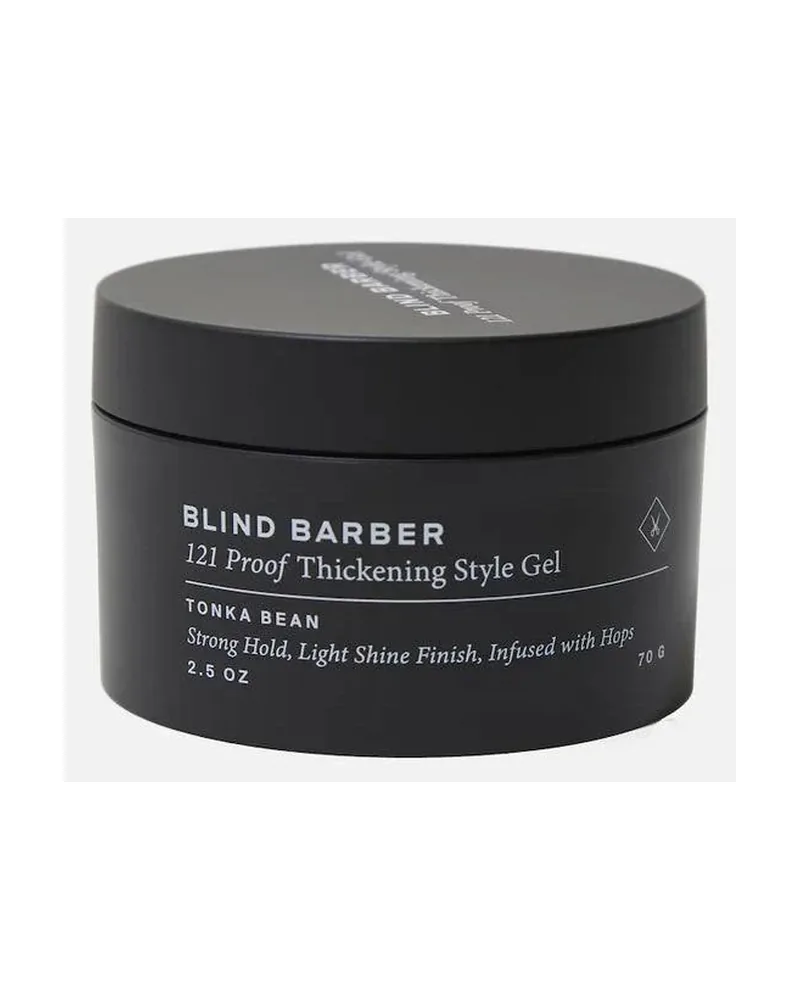 Blind Barber · Styler
121 Proof Thickening Style Gel
#21 on the label · $9.60/oz
Blind Barber · Styler
121 Proof Thickening Style Gel
#21 on the label · $9.60/oz
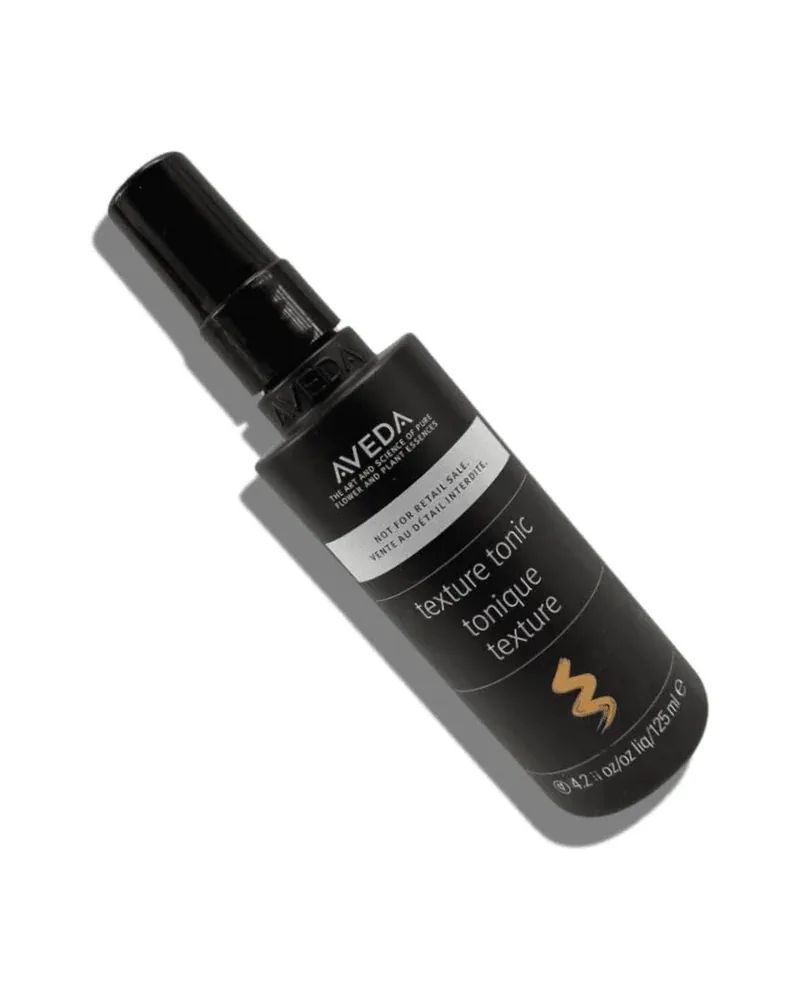 Aveda · Styler
Texture Tonic Texturizing Spray
#22 on the label · $7.62/oz
Aveda · Styler
Texture Tonic Texturizing Spray
#22 on the label · $7.62/oz
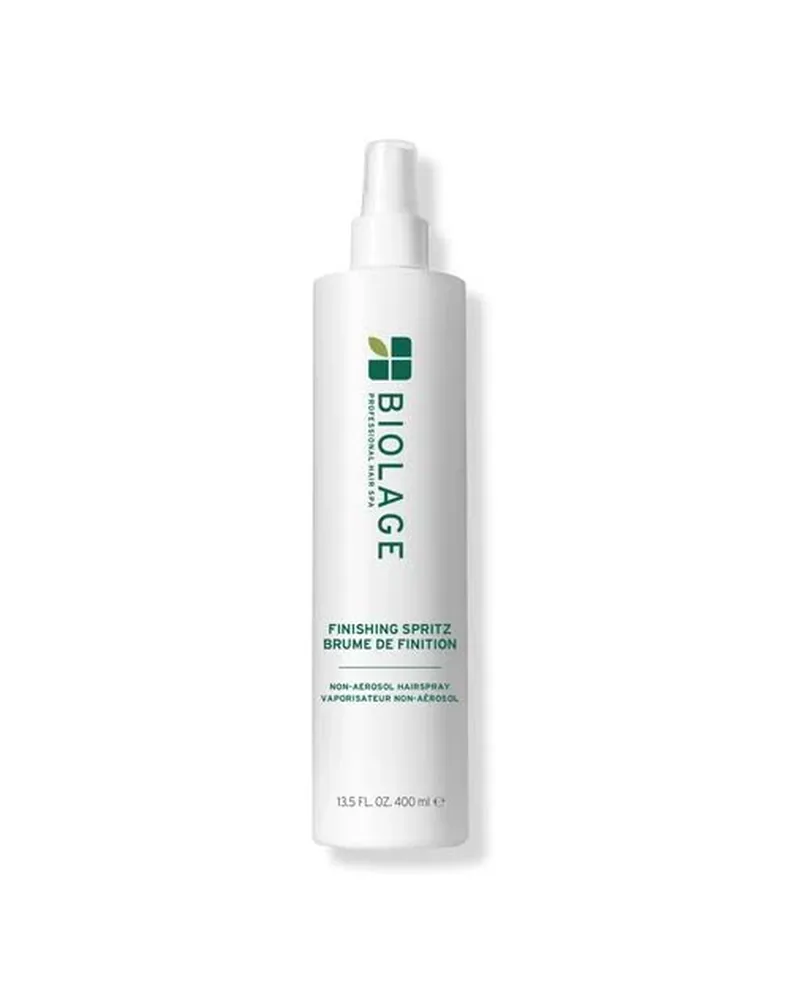 Biolage · Styler
Finishing Spritz Hairspray
#23 on the label · $2.82/oz
Biolage · Styler
Finishing Spritz Hairspray
#23 on the label · $2.82/oz
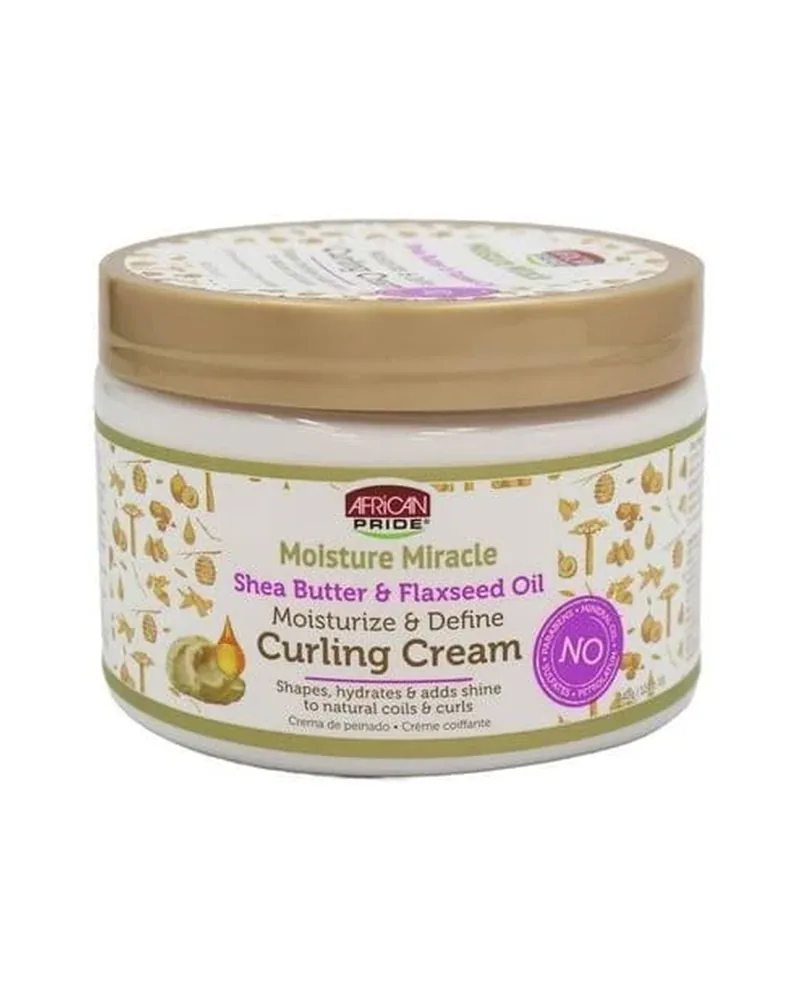 African Pride · Styler
Moisture Miracle Curling Cream
#24 on the label · $0.83/oz
Kerastase · Heat protectant
Discipline Kératine Thermique
#24 on the label · $9.02/oz
African Pride · Styler
Moisture Miracle Curling Cream
#24 on the label · $0.83/oz
Kerastase · Heat protectant
Discipline Kératine Thermique
#24 on the label · $9.02/oz
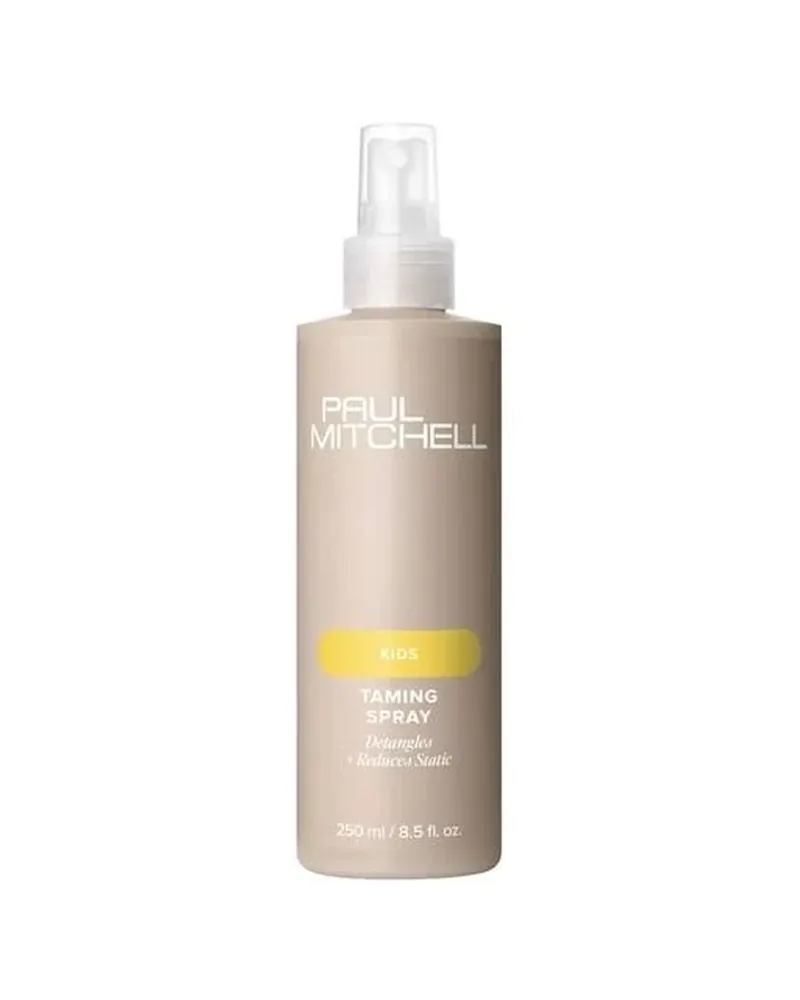 Paul Mitchell · Leave-in
Kids Taming Spray
#24 on the label · $1.65/oz
Paul Mitchell · Leave-in
Kids Taming Spray
#24 on the label · $1.65/oz
See all 42 products in the library that list Cinnamyl Alcohol
Identity
What this entry is, and what our references call it.
No public-domain structure depiction is available for this entry.
Cinnamyl Alcohol
- fragrance
- cinnamyl alcohol

For your hair?
Whether Cinnamyl Alcohol matters for your hair depends on your hair.
42 products in our library list itWhat this ingredient does, and where it sits on the labels we have researched.
A verdict on any product that contains it, and never a safety grade.
We do not physically test your hair. Everything above is read from the ingredient lists in our library and from published references — the consultation is what turns it into a plan.
References
Seed entry — sourcing in progress Written from our reference work; primary sourcing is still being attached.
No published source is attached to this entry yet.
How this page was made
- Every number above is counted from the ingredient lists in our own product library — 42 of 3889 researched products list this ingredient. Nothing on this page is written per ingredient.
- The dots are named levels read from an ingredient’s chemical class, charge, solubility, or where it sits on the labels we have — never a score.
- US labelling rules put ingredients above 1% in descending order of amount; below 1% they may be listed in any order. Position tells you about relative amount only above that line, and we never convert a position into a percentage.
- The prominence bands (leading, supporting, secondary) are the same ones the product pages use to read a single label, applied here to the median position across a category.
- We do not publish safety scores or hazard grades. Where a regulator has published a restriction or a use condition, we state it and cite it; otherwise we describe what the ingredient does and stop.
- Identifiers and references appear only when a published source is attached to this entry; where none is, the row is simply absent rather than filled in.
- This is cosmetic information, not medical advice, and nothing here diagnoses or treats a health condition.
- Entry last updated 2026-08-28. Product-page methodology: the product library.