Hair Care Guides

Let the experiment be theirs.
Plan the look, the limits and the way back.

A streak of temporary color or a new style is a small way for a teenager to try out who they are. You can help without taking over. Agree on the look, read the age limits together, and plan how it comes out first.

Your personal hair-care planProduct choices, routines and answers shaped around your hair.$49one-timeStart my consultation
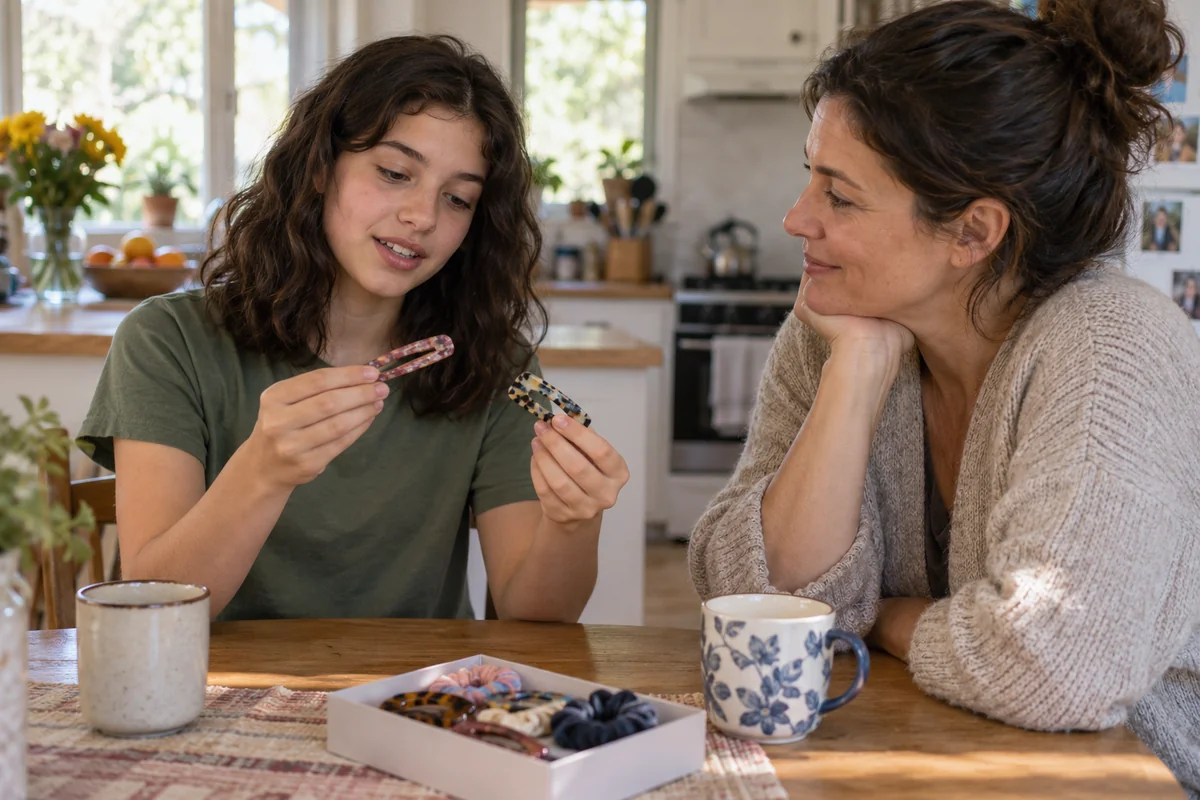
A teen compares removable colorful hair accessories while a caregiver listens.
Plan the look, the limits and the way back.

What is going on

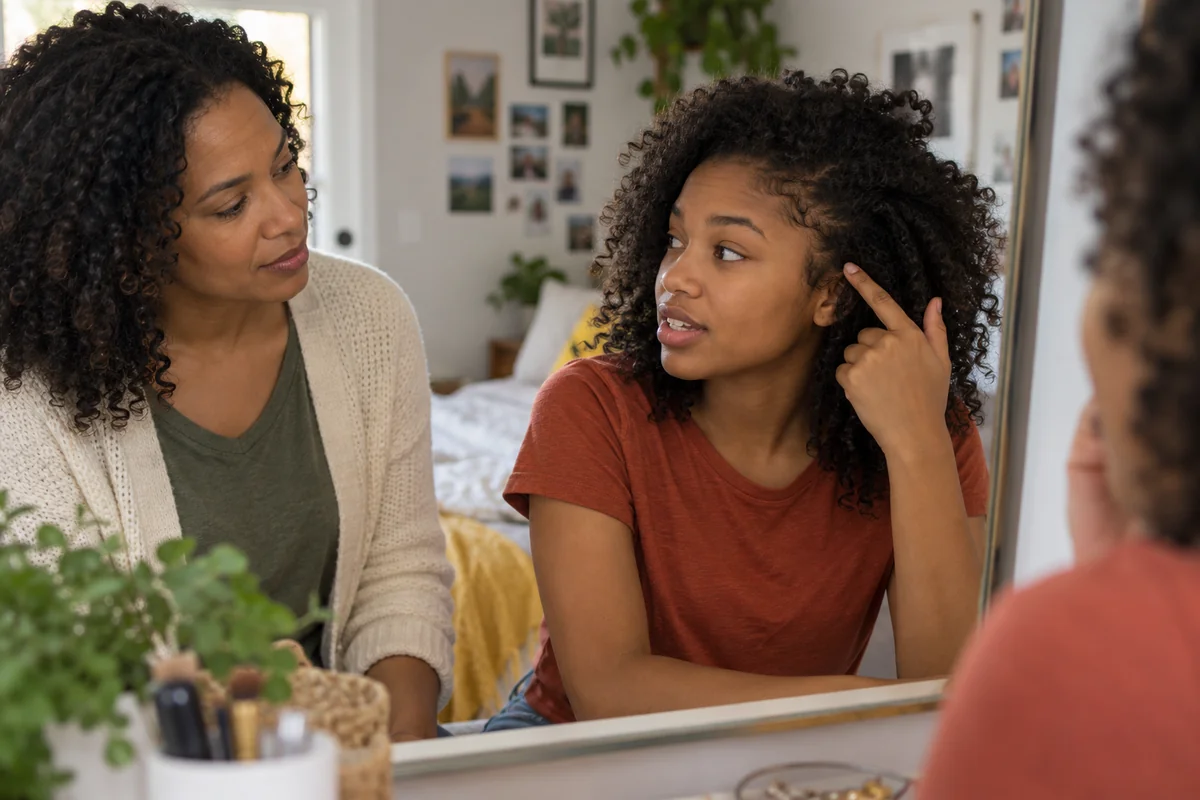
A teen points to a side section of their own hair while a caregiver listens with hands away.

Agree on how big a change this is

Let your teen say what they want to try and what they don’t want touched. Talk about how visible it will be, how long you have and whether they want help. Your job is reading the instructions and spotting snags, not picking the look.

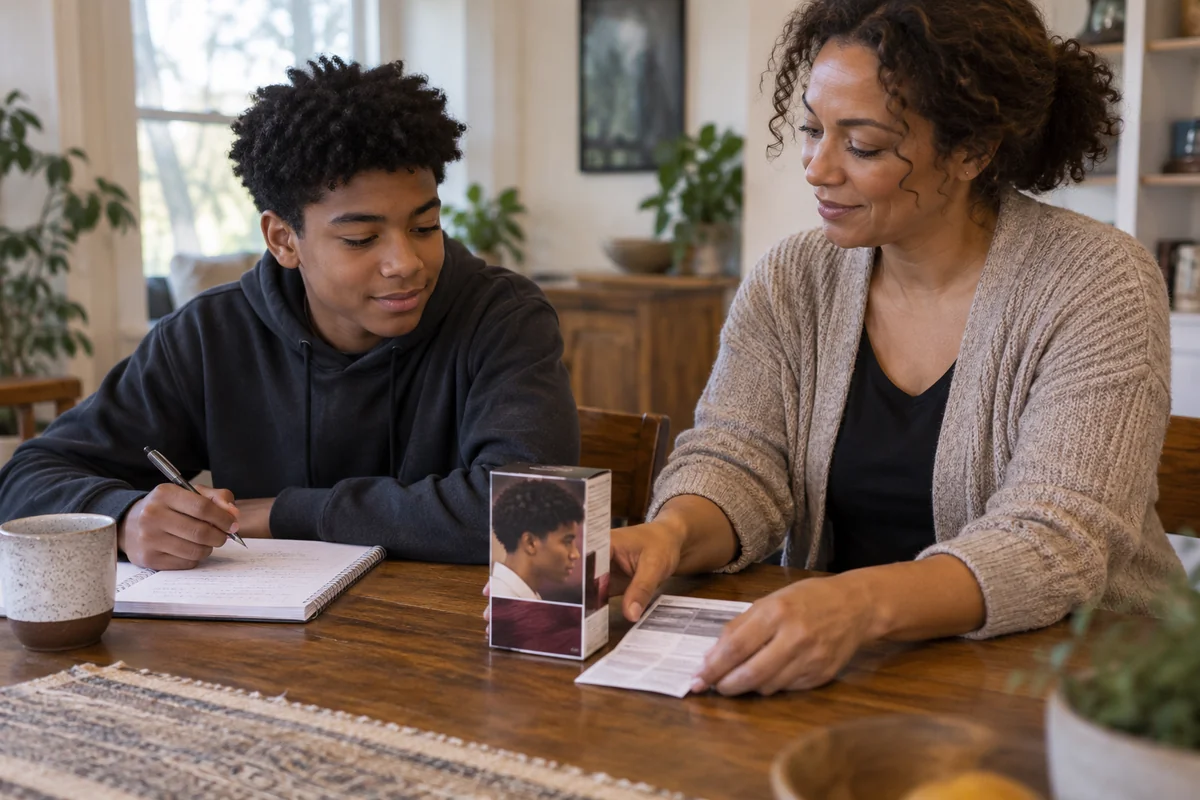
A teen and caregiver inspect the back label of a sealed temporary hair-color carton.

Temporary doesn’t mean fine for every age

Read the product’s intended use, age limits, warnings and removal directions with your teen. If it isn’t clear whether they’re old enough, ask the maker. An adult color tutorial isn’t a teen method, and cosmetic hair chalk isn’t art chalk.

What helps, day to day

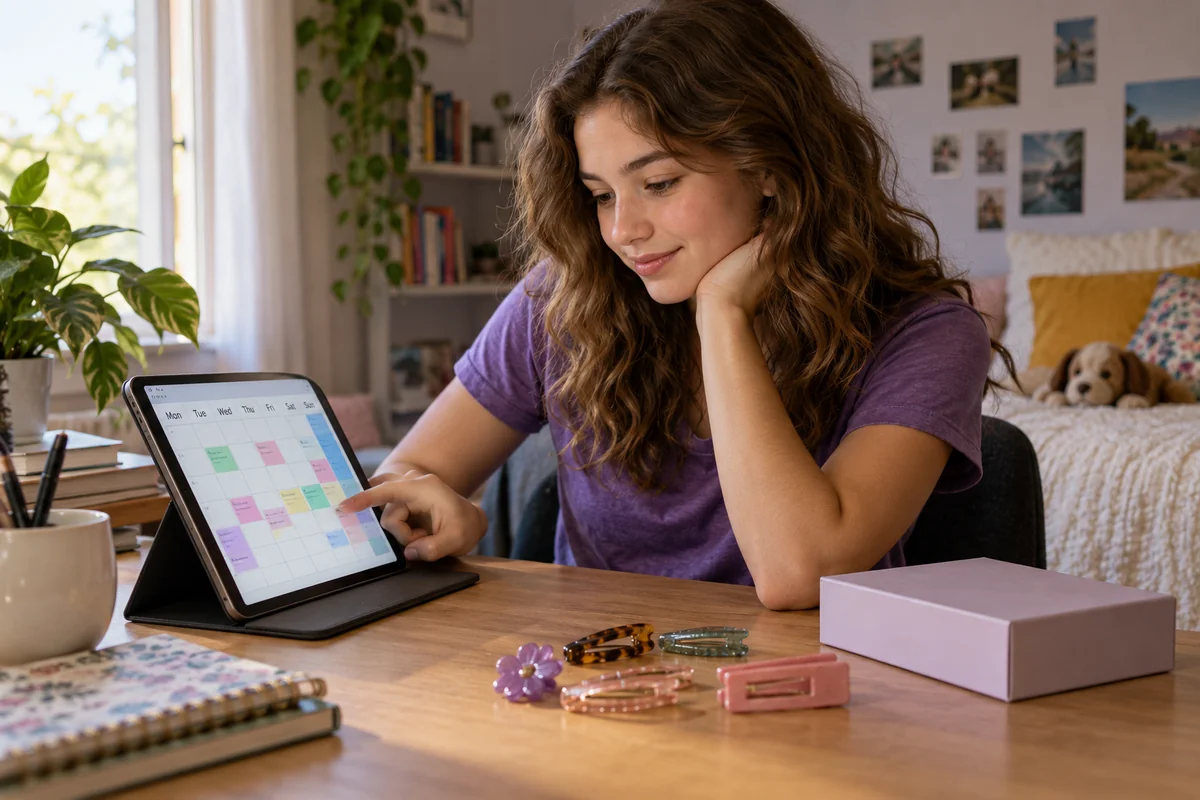
A teen checks a calendar beside removable hair accessories and a closed carton.

It has to be gone by Monday

  • Check school or team rules before you pick the product or the day.
  • Washes out on the box doesn’t promise every shade leaves every head of hair in one wash.
  • If the deadline is firm, a clip-in accessory or a new parting might suit the weekend better.
A teen holds a white collared shirt beside a sealed temporary hair-color carton while a caregiver listens.

The color might rub off on things

  • Follow the drying and transfer precautions on the pack.
  • Think about collars, pillowcases, hats and any sports kit before it goes on.
  • Never loosen a helmet or mouthguard to protect a hairstyle.
  • Don’t share open color or applicators, and keep hair color well away from eyebrows and lashes.
A teen gives a calm stop gesture while a caregiver holds a removed accessory away from the hair.

It stops being fun

  • Stop when your teen wants to stop, when a style pulls or when a product feels uncomfortable.
  • Undo a tight style rather than adding another clip.
  • Take color out the way the pack says.
  • Scrubbing harder or improvising a remover to hit a deadline isn’t worth it.

Products, by the job they do

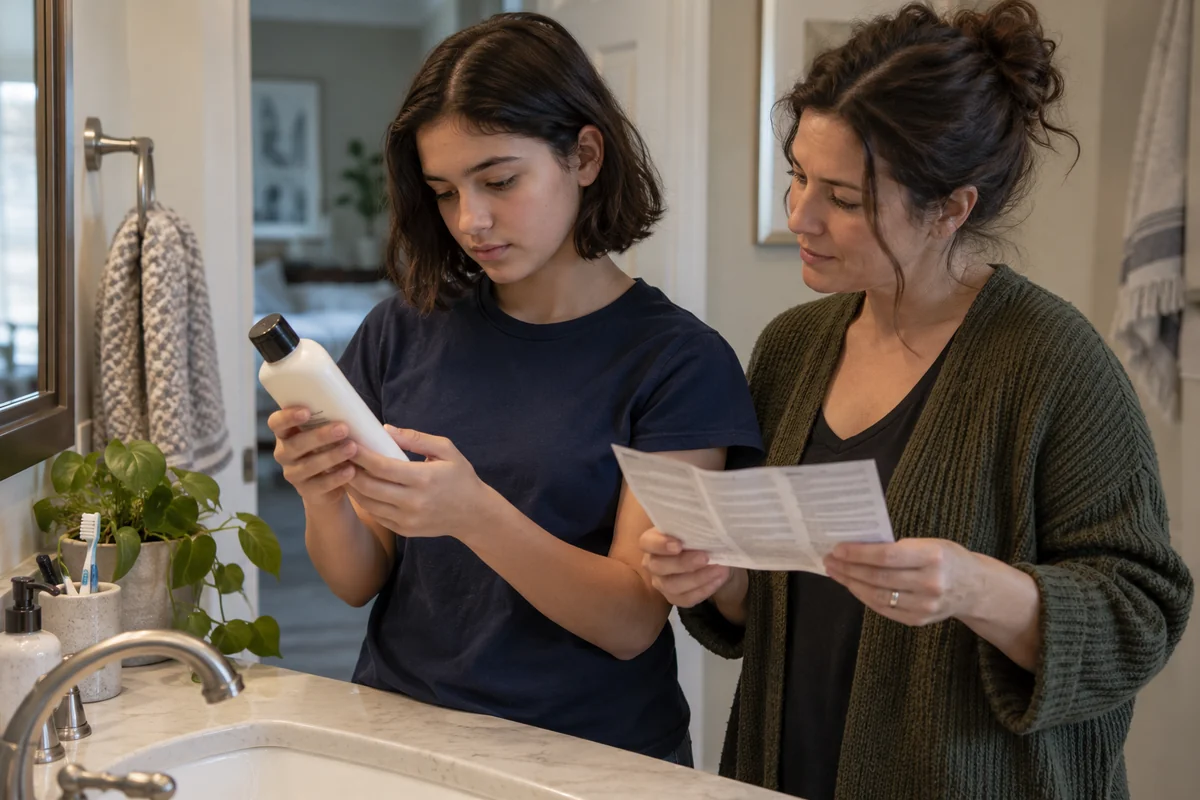
A teen reads a shampoo bottle while a caregiver holds product instructions beside a bathroom sink.

Pick color you can actually get out

Keep the removal directions and use your ordinary shampoo the way it’s meant. A temporary label isn’t a reason for harsh repeated washing, mixing products or ignoring an earlier reaction.

Browse cleansing products. Your current shampoo, wash schedule and past treatments help guide a personal recommendation.

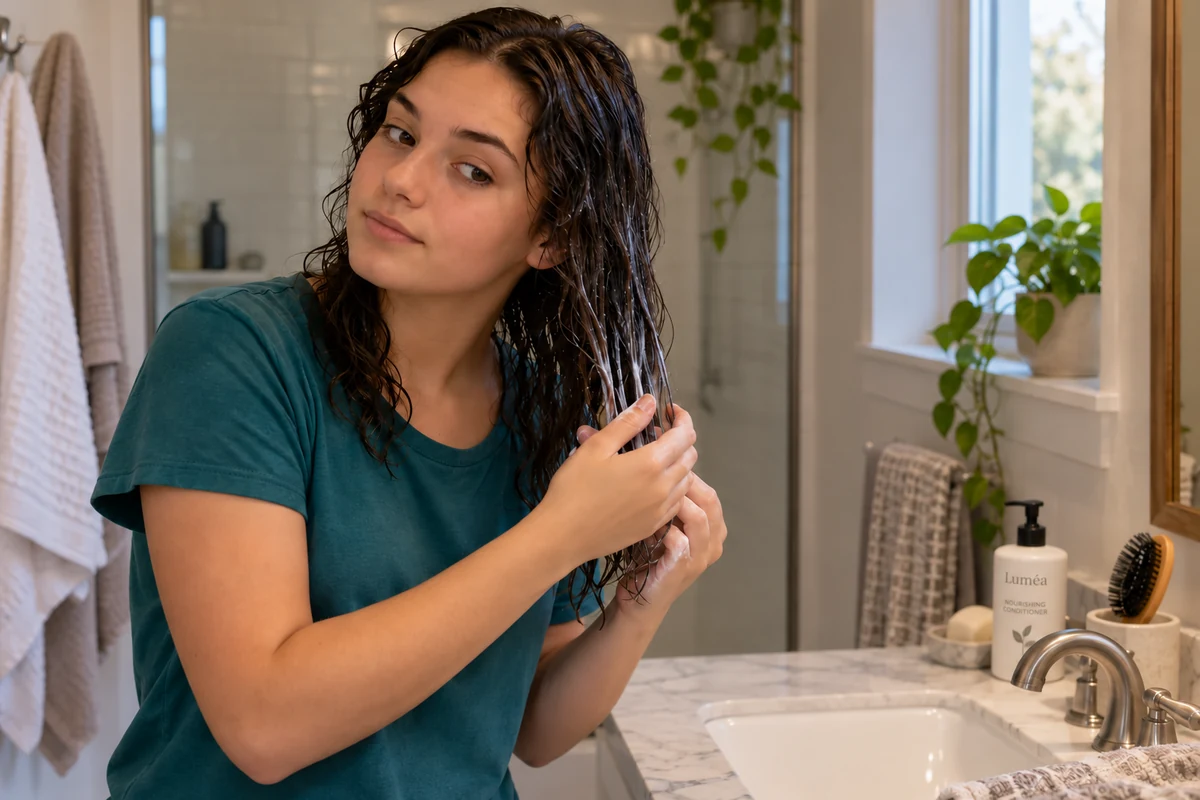
A teen in an opaque shirt gently distributes conditioner through supported damp lower lengths at a sink.

Keep everyday combing comfortable

Use conditioner as directed where the hair needs to comb more easily, especially on long or treated lengths. A small styling experiment doesn’t call for a whole new set of products.

Browse rinse-out conditioners. Your tangles, past treatments and preferred finish help guide a personal conditioner recommendation.

Put the decision into practice

A teen checks a small side barrette positioned clear of an eyeglass arm.

Try the easy, reversible thing first

A new parting or a clip-in accessory that suits the amount of hair it holds is a complete experiment. Check it doesn’t pull or get in the way of glasses or kit. Take it out before it catches. It doesn’t have to escalate into color.

A teen and caregiver keep a sealed color carton with its leaflet while making notes.

Decide on the product before opening it

Keep the label and removal directions together. Confirm the age limit and any prep with a parent or the maker. If you can’t pin those details down, put the color off and stick with the styling-only option.

Illustrated care examples: before & after

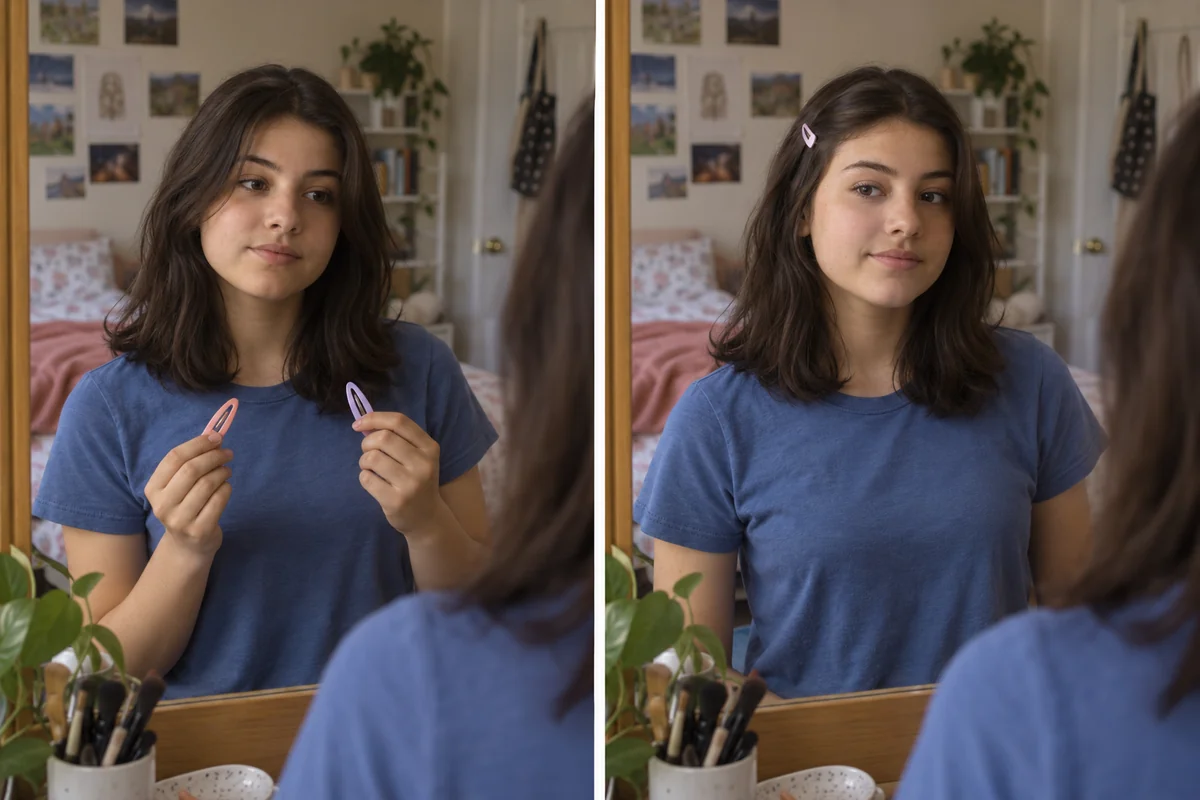
A small, removable change

The same teen considers two barrettes, then wears one small side barrette with the rest of the hair unchanged.
Before · accessories still in handAfter styling · one section in a barrette
One small side section held by a barrette that comes out whenever they like, which can be the whole experiment. Take it out if it pulls.

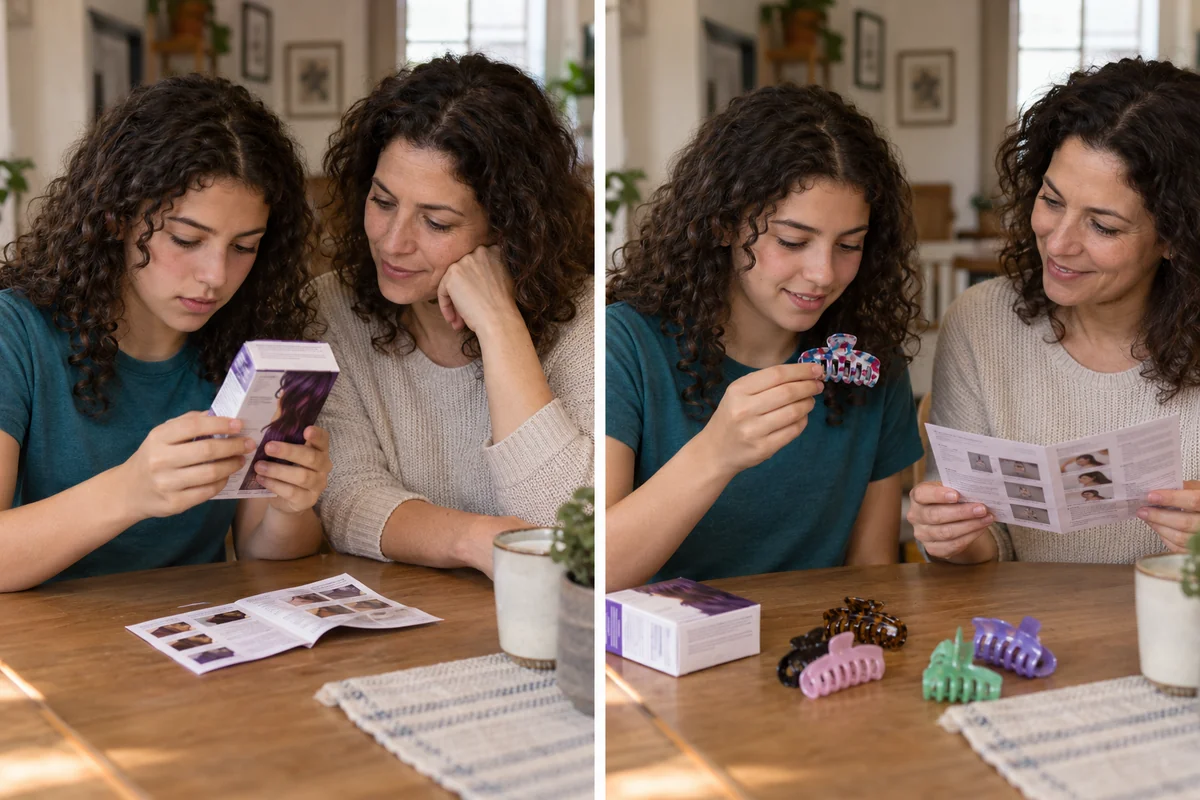
Accessory now, dye box closed

The same teen and caregiver read a sealed color carton, then set it aside while choosing a removable clip.
Before · still weighing the color productAfter care · box unopened, accessory considered
The color carton stays shut while the teen considers an accessory instead. If the age rules or how to remove it are still unclear, the box waits.
A woman with curls writing a routine note beside her hair-care products.

Help with your hair-care routine

Bring your hair-care questions to the consultation. You can also read planning a supported first salon visit.

  • What does my teen actually want to try?
  • Is this exact product okay for their age and what they want to do with it?
  • Can we get it out comfortably before the next match or school day?

The plan uses the hair and scalp details you share, past treatments, current products, preferences and the time and budget you have.

The Hair Care Consultation gives you a personal plan with product recommendations, routines and guidance on your hair-care questions.

$49 with 60 days of follow-ups, or $99 with 12 months. Pay once; the year renews only if you choose.