Hair Care Guides

When the cap is harder than the hair.
Opening, holding and letting go all count.

Sometimes the hard part isn’t reaching your hair, it’s twisting the cap, squeezing the bottle or pinching a clip open. That gets tiring. Look at the force and finger movement each item asks for. Keep what’s comfortable and change one thing, not the whole routine.

Your personal hair-care planProduct choices, routines and answers shaped around your hair.$49one-timeStart my consultation
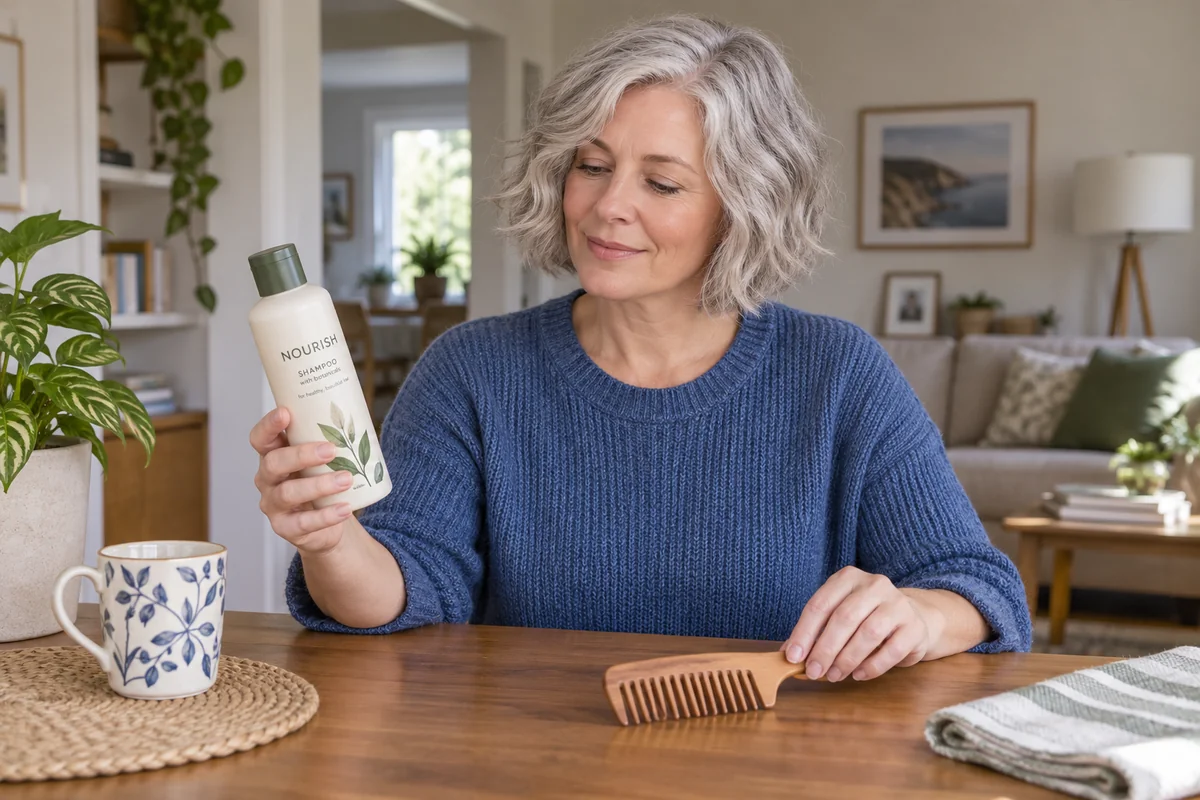
An adult considers a closed shampoo bottle and broad-handle comb at a dry table.
Opening, holding and letting go all count.

What is going on

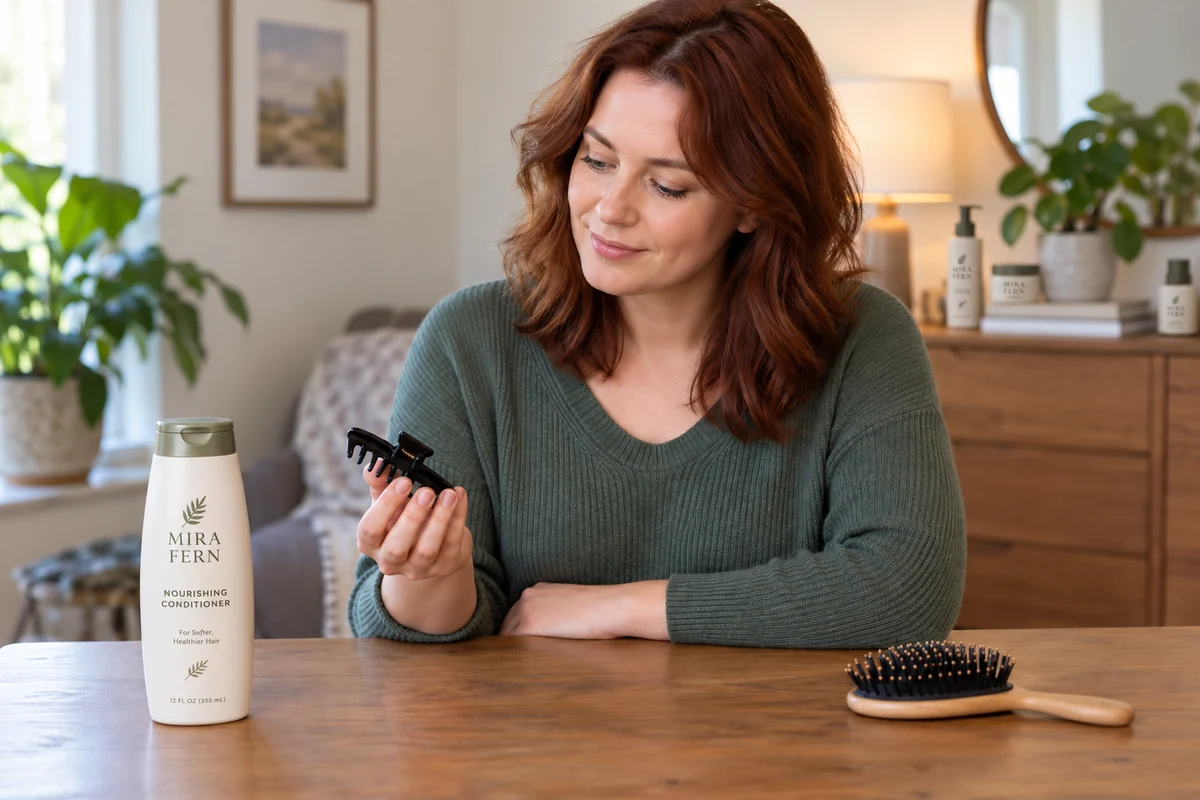
An adult examines a sectioning clip beside a closed bottle and a narrow-handled brush.

Pin down which movement is the problem

Is it twisting a cap, squeezing a bottle, pinching a clip or holding a narrow handle? They’re different demands. A bigger item can spare you a tight pinch and then be harder to hold because of its width or weight.

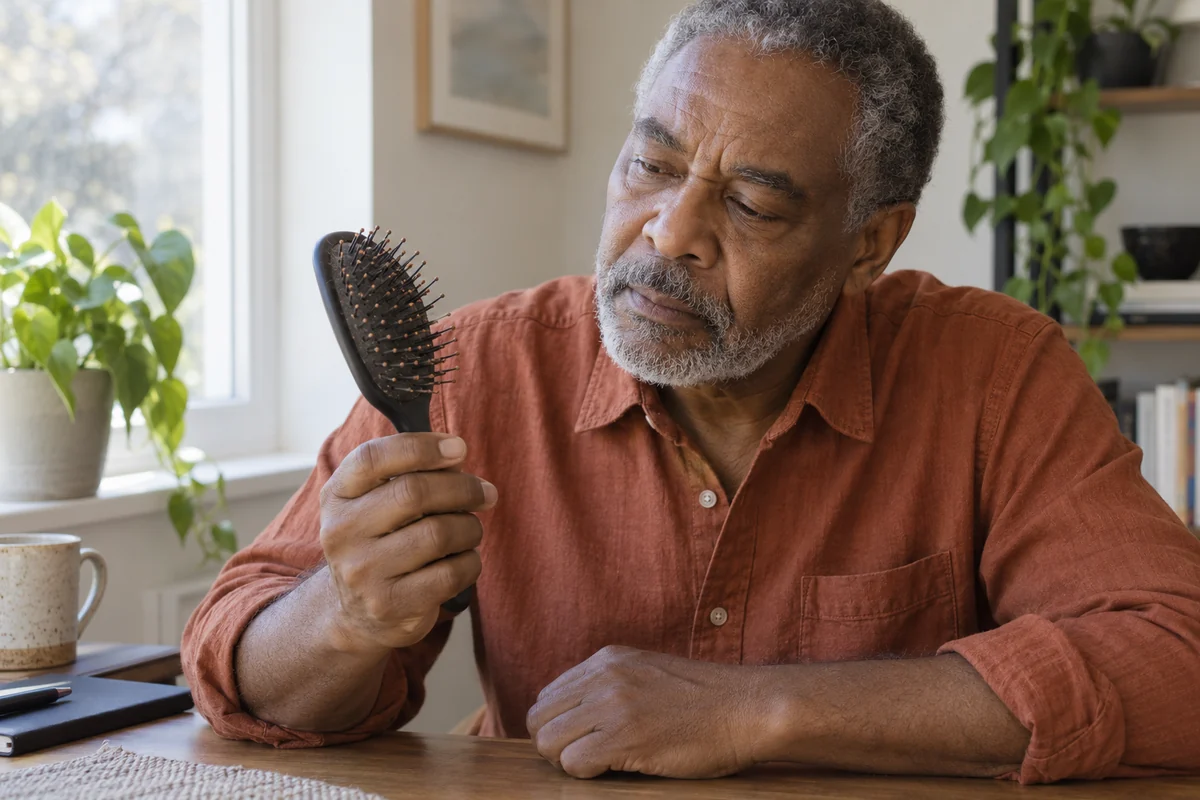
A man holds a used brush by its handle and examines the bristles.

Look at the tool you already have

With it switched off and unplugged, look at the handle, the weight and the controls. Can you keep hold of it without squeezing harder than feels right? Keep what fits. Ergonomic on the label doesn’t mean it fits your hand.

What helps, day to day

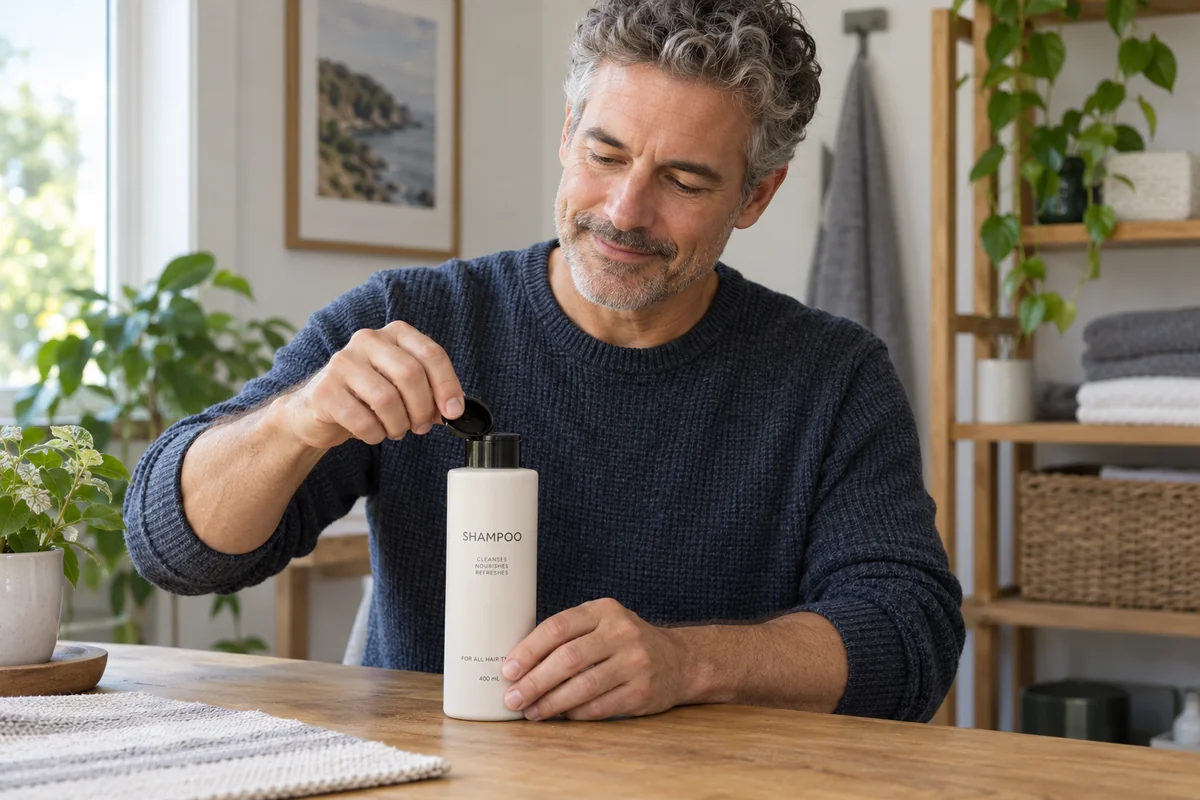
An adult checks an original bottle’s hinged flip top while supporting the bottle on a table.

Try the whole open-and-close cycle

  • Before relying on a new package, open it, get product out and close it again.
  • Pumps, flip tops and screw caps each need a different movement and amount of force.
  • Stick with the original container when it’s manageable.
  • If a closure hurts, get someone to open it rather than forcing it.
An adult loosely holds a broad comb handle to assess its shape and balance.

A wider handle is one option, not the only one

  • Compare a light handle you can hold comfortably against any grip aid made for that tool.
  • Think about reach, balance and cleaning too.
  • Don’t stick makeshift grips on anything hot, moving or electrical, or over the maker’s instructions.
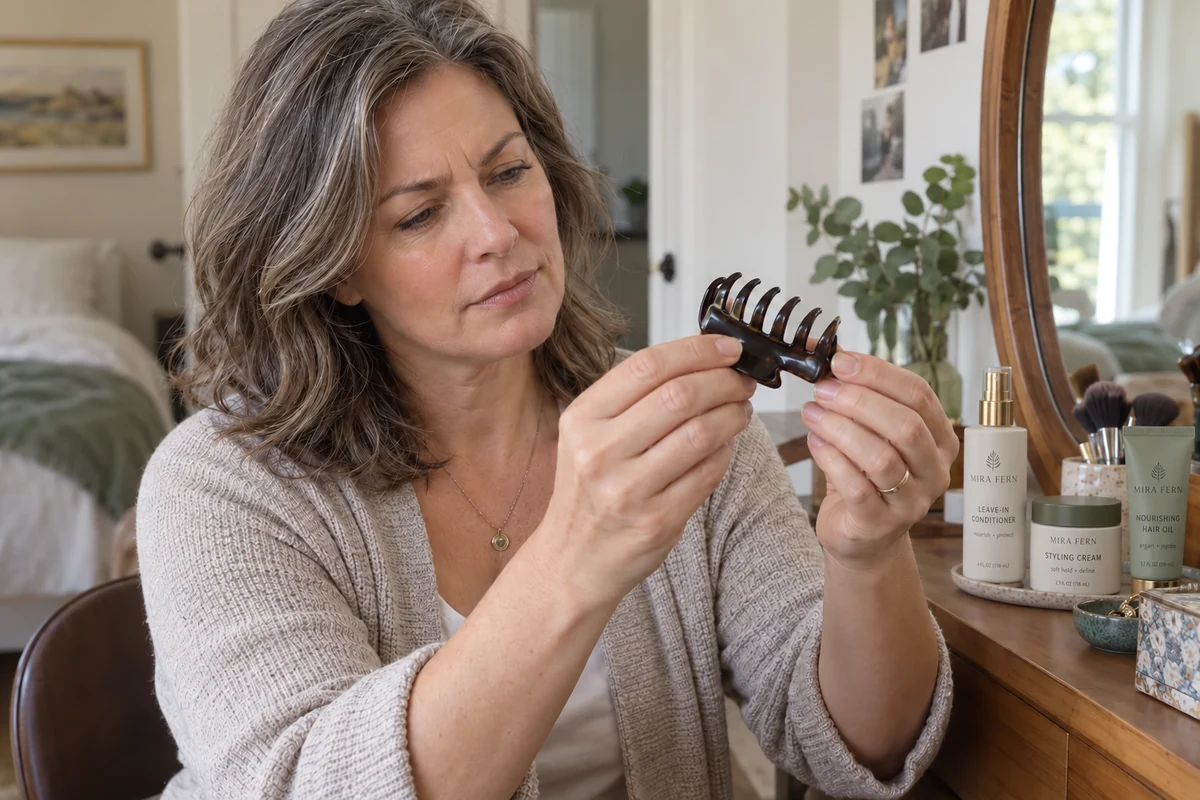
A woman examines a claw clip away from her hair, holding its solid body.

Getting it out can be harder than putting it in

  • Before a clip or tie goes in your hair, check you can open it again.
  • A gentle hold is only useful with a release you can manage.
  • If opening, unwinding or freeing a caught strand is hard, leave it out or arrange specific help.

Products, by the job they do

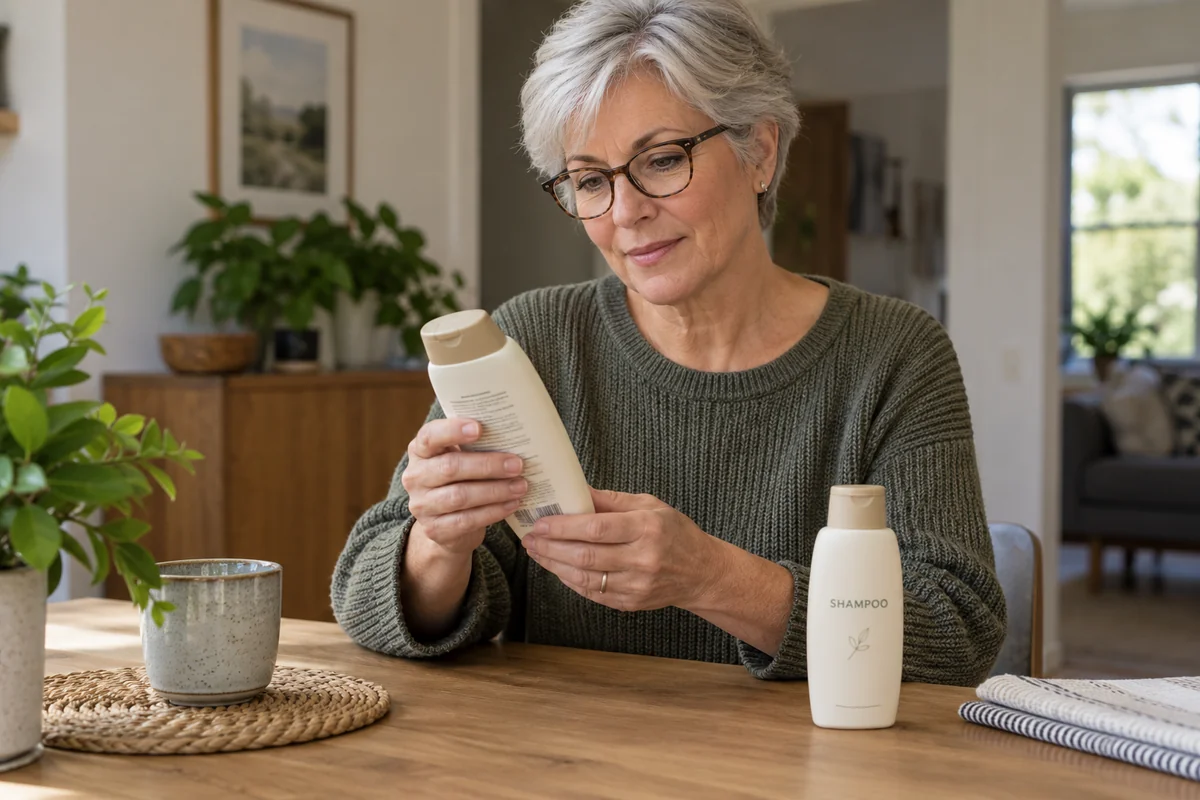
An adult reads a shampoo bottle’s directions beside a smaller original package.

Keep the shampoo, rethink the package

If a shampoo works for you, look first for a size or closure you can manage before changing the formula. A big value bottle is no bargain when lifting and squeezing it is the hard part.

Browse cleansing products. Your current shampoo, wash schedule and past treatments help guide a personal recommendation.

An adult reads a conditioner tube’s directions beside a comb and a closed conditioner bottle.

Conditioning you can actually handle

Conditioner makes ordinary detangling easier, but it can’t replace the support a section needs while you work through it. Arrange help where you need it, and rinse it out fully.

Browse rinse-out conditioners. The consultation uses your hair details and treatment history to compare conditioner options.

Try one small comparison

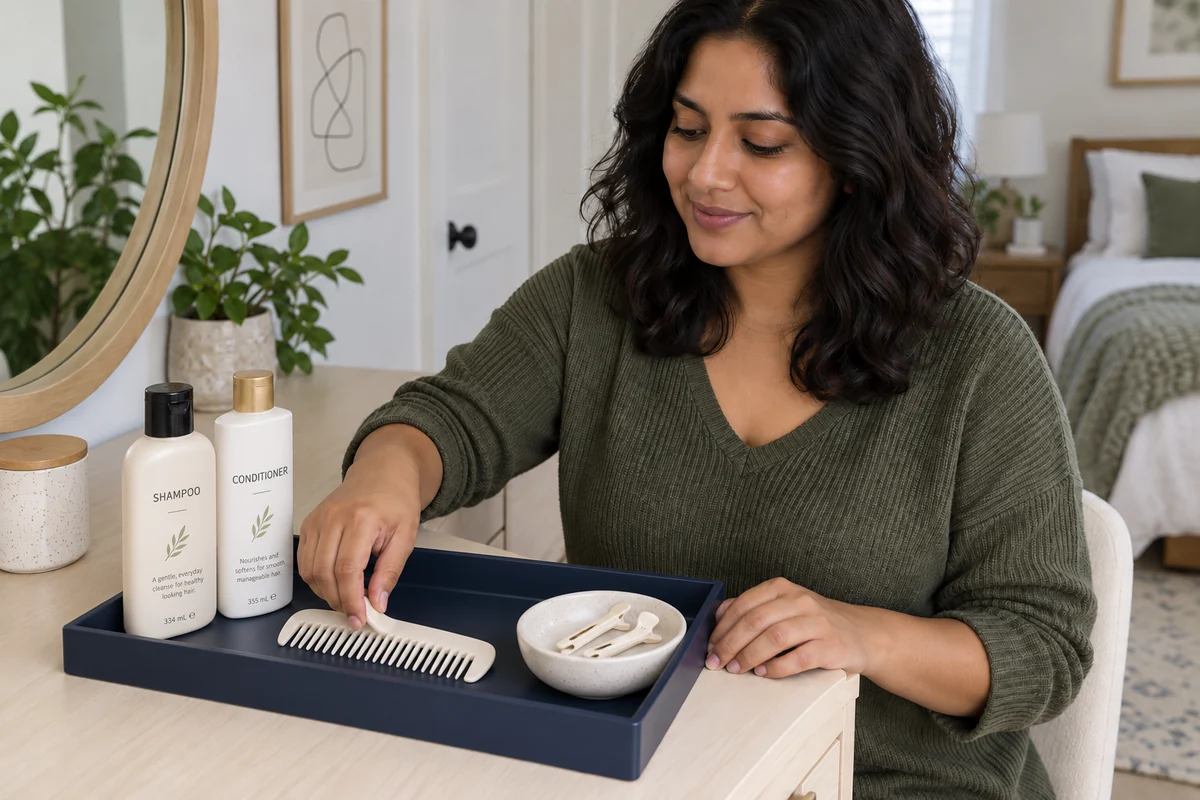
A woman returns a pale comb to a dark tray containing capped shampoo and conditioner bottles and a bowl of clips.

Put it down between steps

Keep a steady spot within reach for the bottle or brush and set it down when you switch tasks, instead of gripping it the whole way through. Stay within any limits you’ve been given and stop anything that makes the discomfort worse.

A woman with curls writing a routine note beside her hair-care products.

Note what actually got easier

Try one change, a different cap or a lighter handle, on a day the task feels manageable. Judge the use and the cleanup. Keep it only if the whole sequence works for you. Buying something doesn’t oblige you to keep using it.

When to get help

A woman and a medical professional seated together, looking at a calendar.

Signs that need more than routine care

  • Hand pain that’s getting worse, or tingling, is worth a conversation with a medical professional, as is a scalp that stays irritated. Loss of feeling after an injury, or a finger you can’t move, needs urgent attention. An occupational therapist can look at the tasks that are hardest and suggest ways round them.

Illustrated care examples: before & after

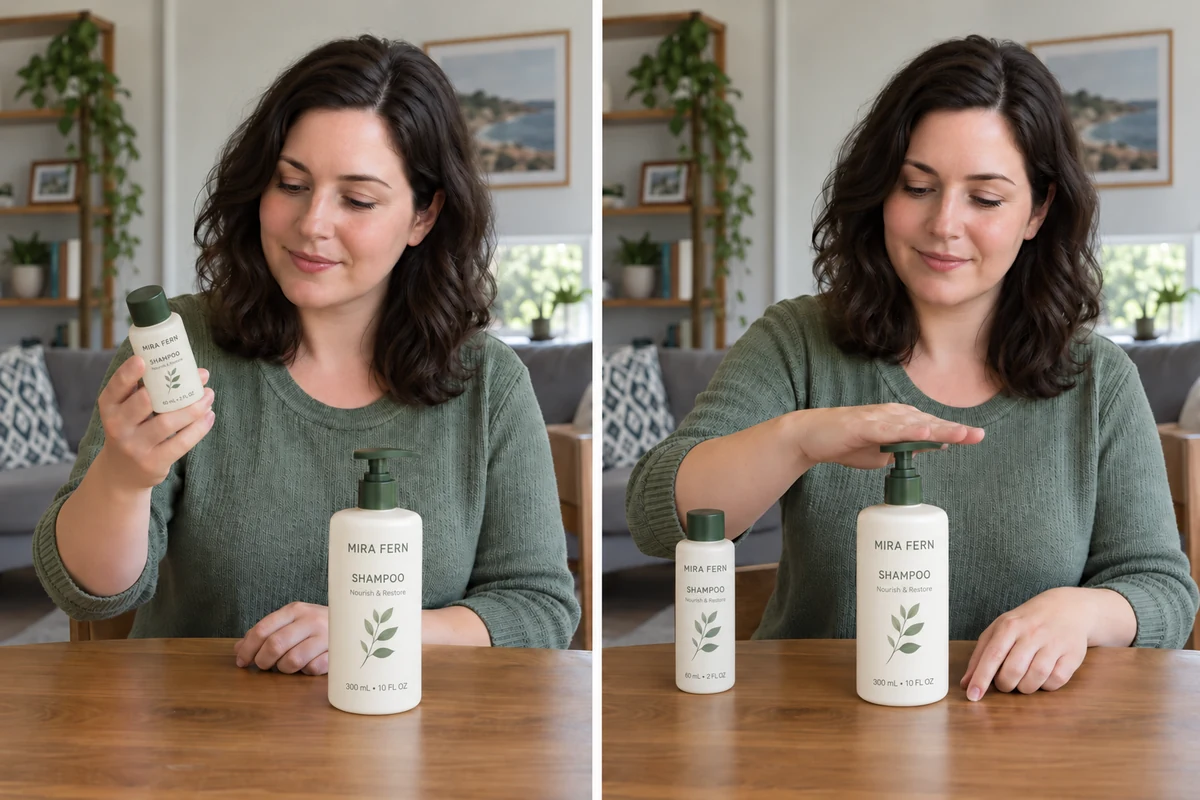
Compare closures on a steady surface

The same adult considers a small screw cap, then checks a different original pump bottle while it stands on the table.
Before · a small screw cap consideredAfter care · a different closure, steady surface
A small screw cap, then a different closure on a steady surface. Try opening, dispensing and closing each. Keep a pump only if the whole sequence is easy.

Try the handle in your hand

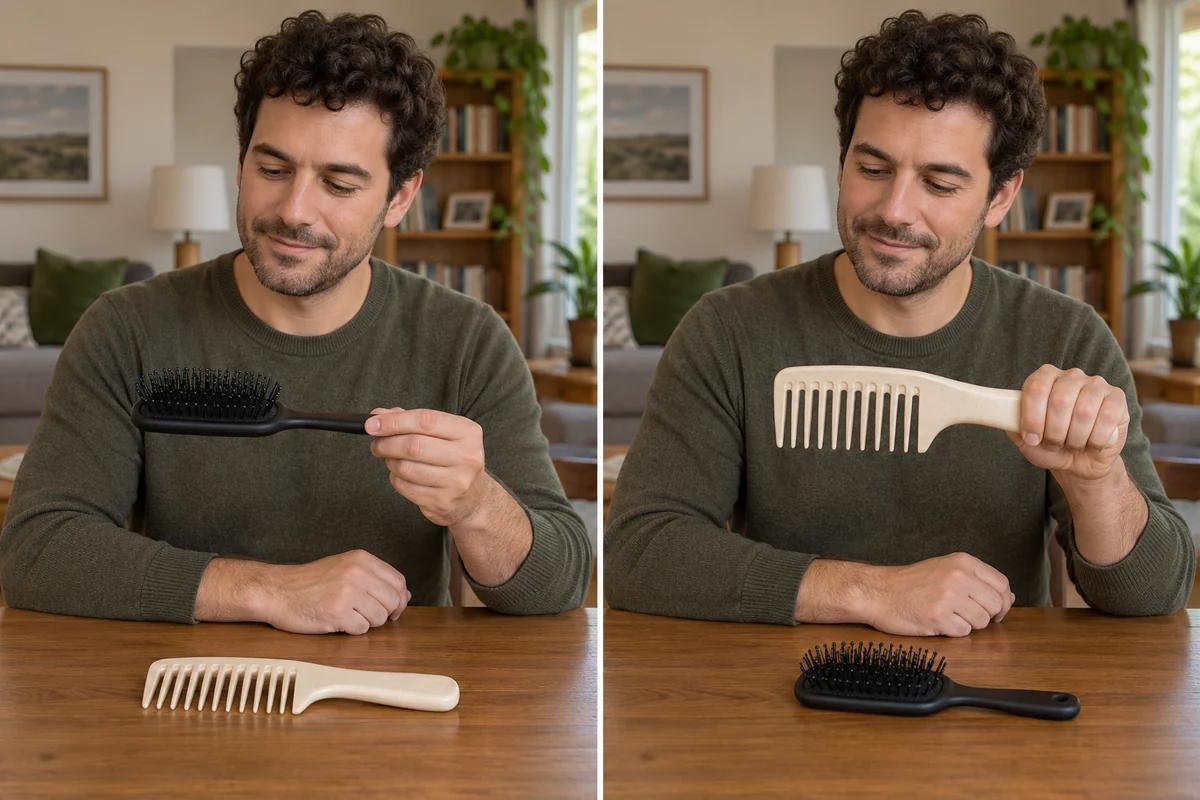
The same adult sets down a narrow-handled brush and holds a broad-handled comb for comparison.
Before · narrow brush handle in handAfter care · different handle tried, no brushing
A second brush is held to compare handle weight, grip span and balance before it touches hair. A wider handle is something to try, not a cure.
Two adults compare a bottle's directions and a hair-care shopping note, with separate closed products in front of them.

Help with your hair-care routine

Bring your hair-care questions to the consultation. You can also read separating grip needs from difficult arm reach.

  • Which cap, clip or movement is the real obstacle?
  • Can I hold this without squeezing the whole time?
  • Can I open it and clean it afterwards without a struggle?

Tell us which grip movements are hard, which products and tools are still comfortable and what help you have. The consultation adapts the choices around that, without assuming a diagnosis or sending you to buy a full adaptive kit.

The Hair Care Consultation gives you a personal plan with product recommendations, routines and guidance on your hair-care questions.

$49 with 60 days of follow-ups, or $99 with 12 months. Pay once; the year renews only if you choose.