Hair Care Guides

Choose how to grow out your color.
Keep your length, trim gradually or discuss a salon blend.

When you stop coloring the roots, new gray growth sits beside dyed lengths. You can keep the contrast, remove dyed hair through cuts, or discuss blending with a colorist. Compare how much length you want to keep and the upkeep each option needs.

Your personal hair-care planProduct choices, routines and answers shaped around your hair.$49one-timeStart my consultation
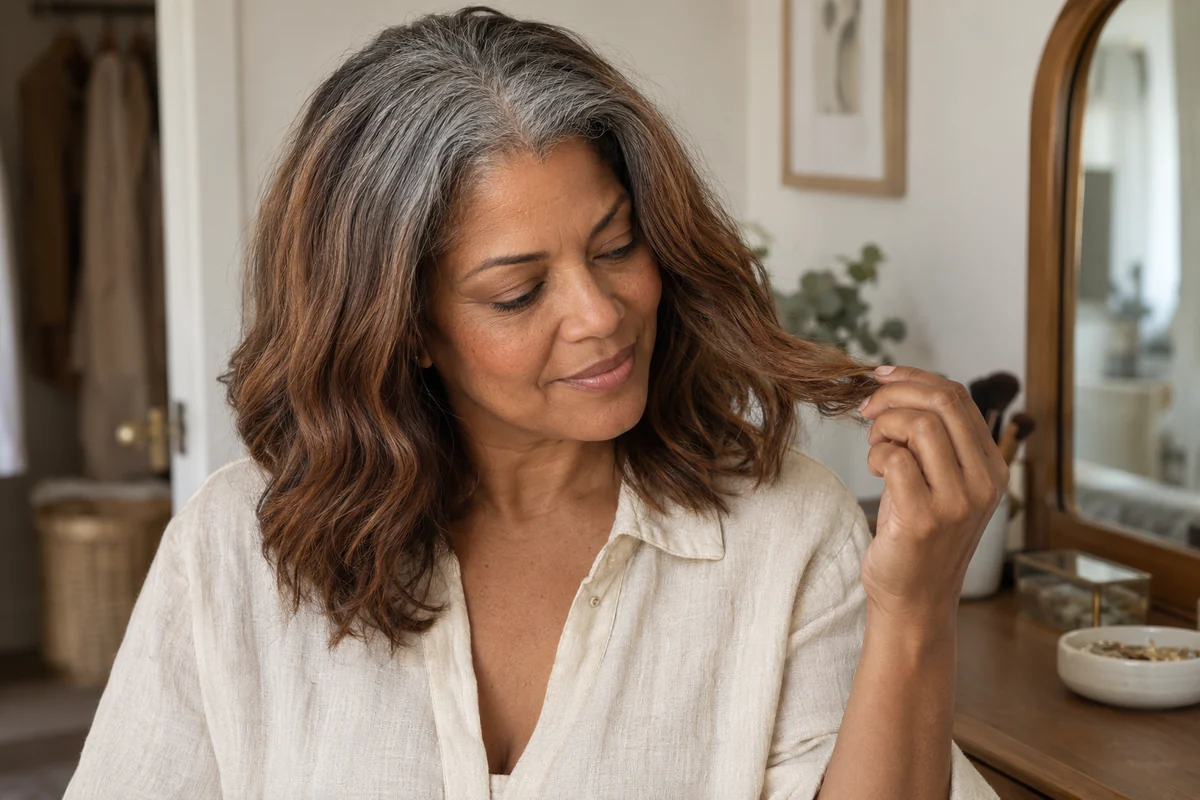
A woman holds her chestnut-colored ends beneath visible natural gray roots.
Keep your length, trim gradually or discuss a salon blend.

What is going on

A woman with curls writing a routine note beside her hair-care products.

Work out what matters most to you

Compare length, a visible color line and salon upkeep. Keeping the length also keeps the dyed portion longer. Cutting removes some immediately. A salon blend may soften the contrast but can add cost and repeat appointments. Decide which tradeoff you would prefer.

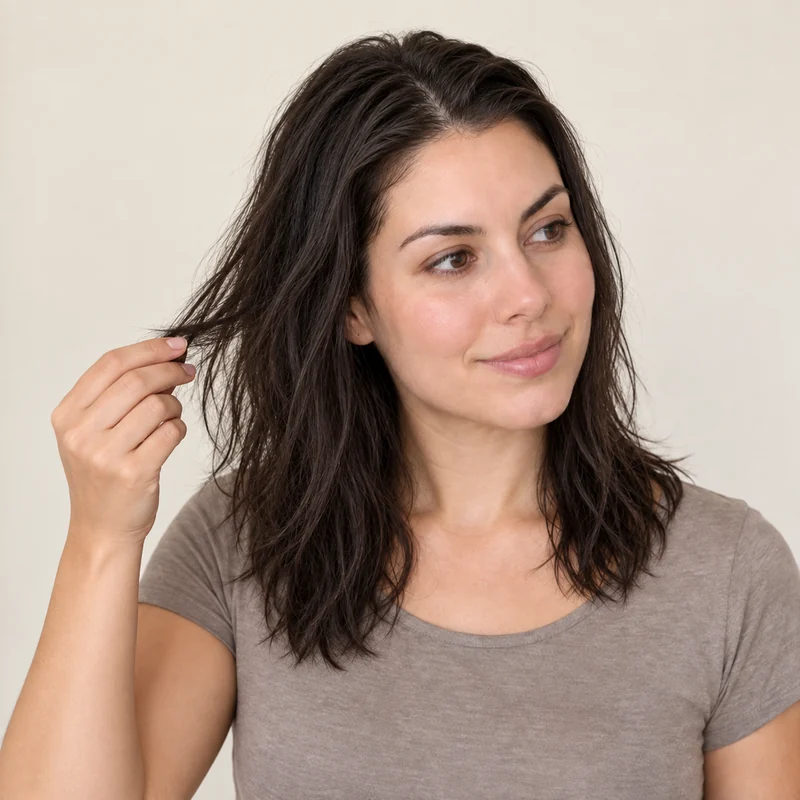
A woman gently feeling a section of her loose hair with her fingers, with no visible product.

Grow it out at your current length

Stop covering the roots and let the gray grow in. Trim to maintain the shape or remove more dyed ends. The time needed depends on your growth, starting length and cuts; there is no fixed timeline for reaching an entirely natural color.

A woman feeling the ends of her highlighted hair.

A shorter cut, or a salon blend

Ask how much dyed hair a proposed cut would remove. For blending, ask whether it requires lightening, how to care for the treated lengths, and whether repeat visits are needed. Before choosing, find out how the next new growth will look.

What helps, day to day

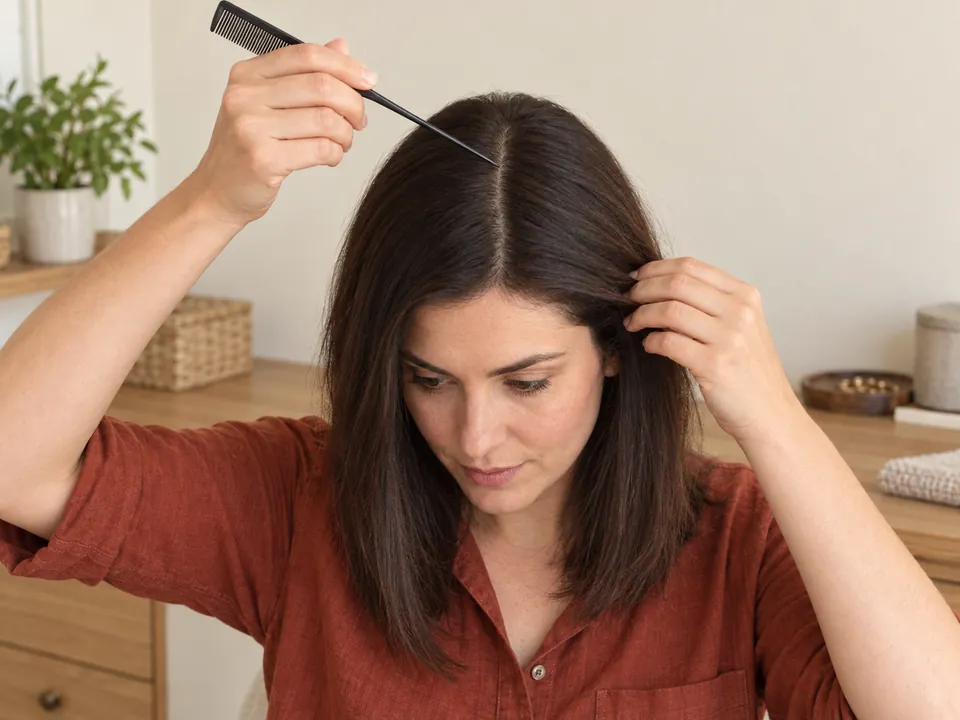
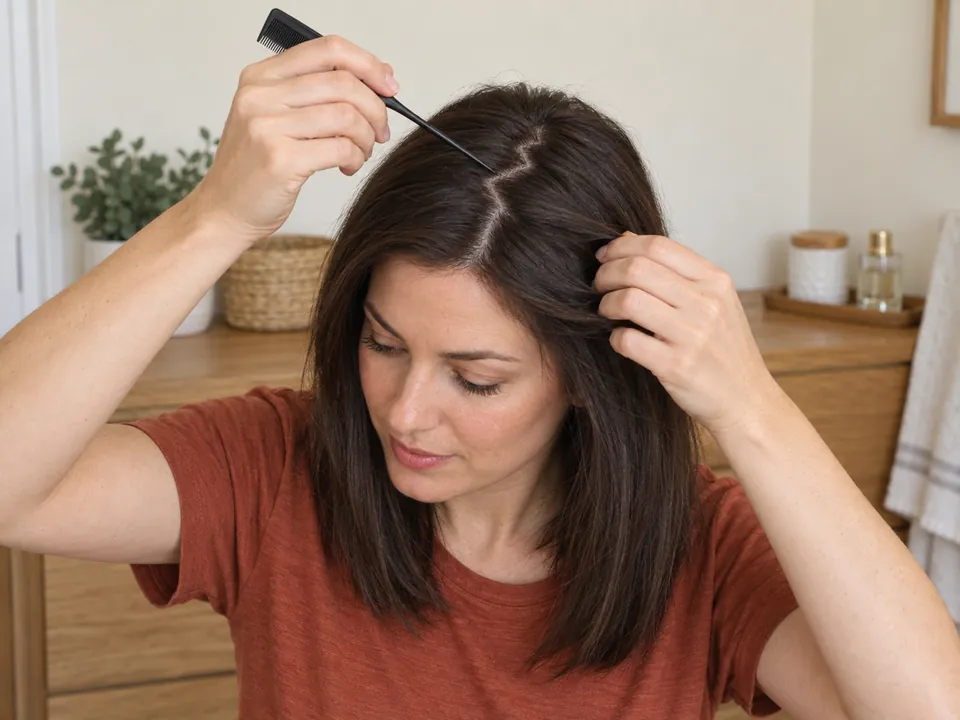
Holding a tail comb above the dry part before moving it.

The line at the part keeps catching your eye

  • A shallow zigzag part can break up a straight color line.
  • Try it on dry, detangled hair using the illustrated technique below.
  • Check the result from the front and above; the gray will still be visible.
  • Keep your usual part if you prefer its shape.
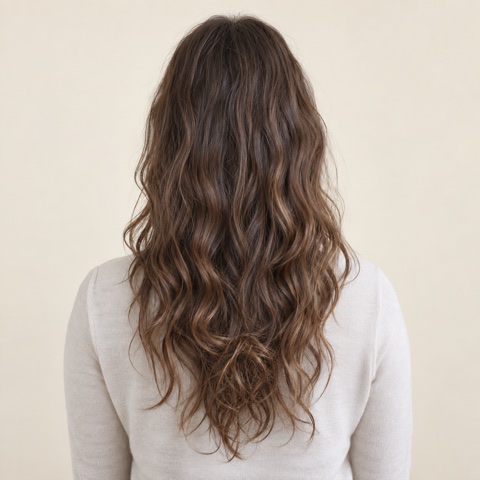
Wavy hair with tangles concentrated near the ends.

The dyed lengths still feel rough

  • Keep conditioning the dyed lengths while the roots grow.
  • To detangle, hold a small section above the tangle and comb toward the ends.
  • Clear the tips first, then begin each stroke a little higher.
  • Stop and loosen a snag with your fingers instead of pulling through it.
A woman with silver roots and dyed lengths checking a salon appointment on her phone.

You’re thinking about one last color service

  • Ask what it changes now, what will be left as it grows out and whether it needs repeat visits.
  • Take your dye, bleach, henna and straightening history with you.
  • If you’re not sure about something, say so rather than guessing.

Products, by the job they do

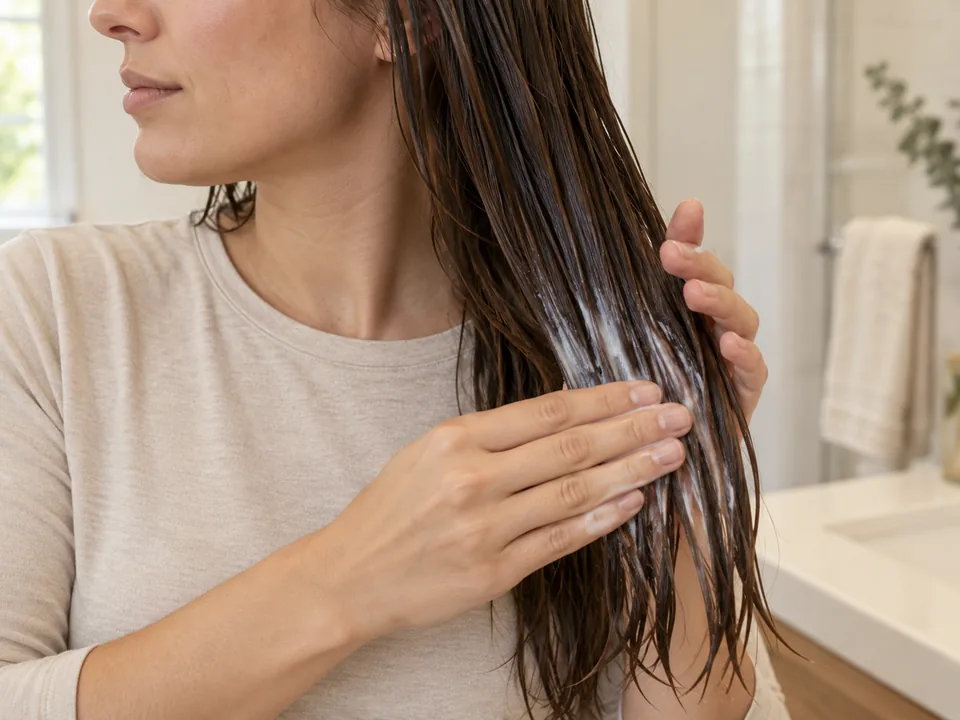
A woman smoothing conditioner through her mid-lengths and ends.

Condition the hair you have today

Choose conditioner for the tangles and roughness you want to manage. A gray-hair label alone does not tell you how much conditioning you need. Concentrate it on the lengths that catch, and follow the product’s rinse directions.

Browse rinse-out conditioners. The consultation uses your hair details and treatment history to compare conditioner options.

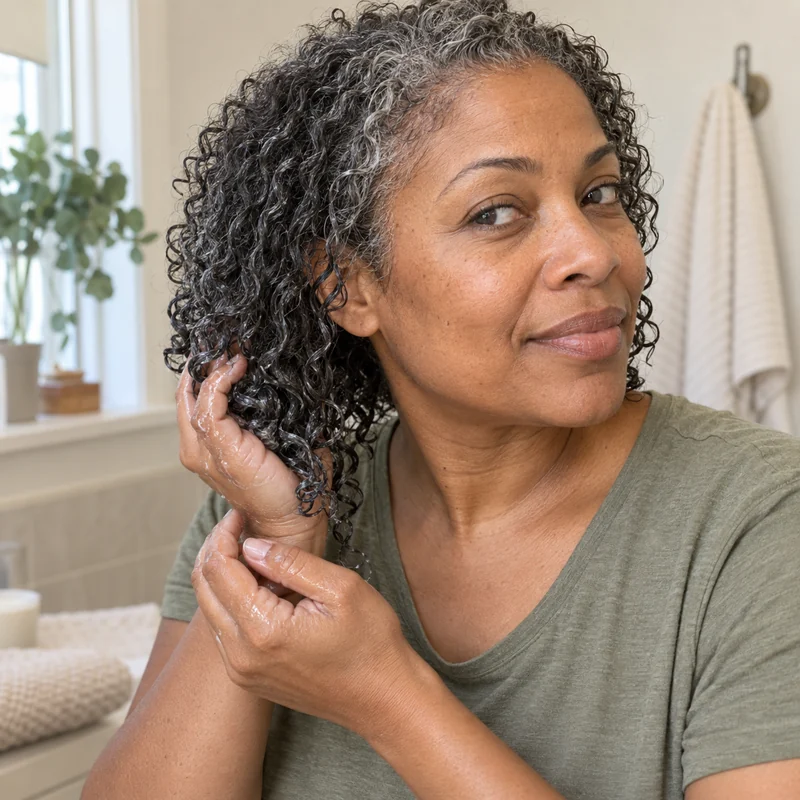
A woman cupping a damp curl section with styling gel on her hands.

Keep the hold you already like

You can keep using a styler that gives your waves or curls the finish you want. If it leaves a sticky coating or flattens the shape, try less next time or apply it only to the sections that need hold.

Browse styling products. Tell the consultation how much hold you want and which stylers you have tried.

Techniques for the grow-out

Checking appointment preparation instructions on a phone.

Have the conversation before you commit

Use the appointment checklist to record your treatment history, questions, budget and the upkeep you would accept before booking a color service.

Guide: Prepare for a color appointment
Moving a small section aside while drawing a shallow zigzag part.

Try a small change of part

Follow the photos to mark a shallow zigzag and move small sections to either side. This changes the part while leaving the gray visible.

Guide: Change or zigzag your part
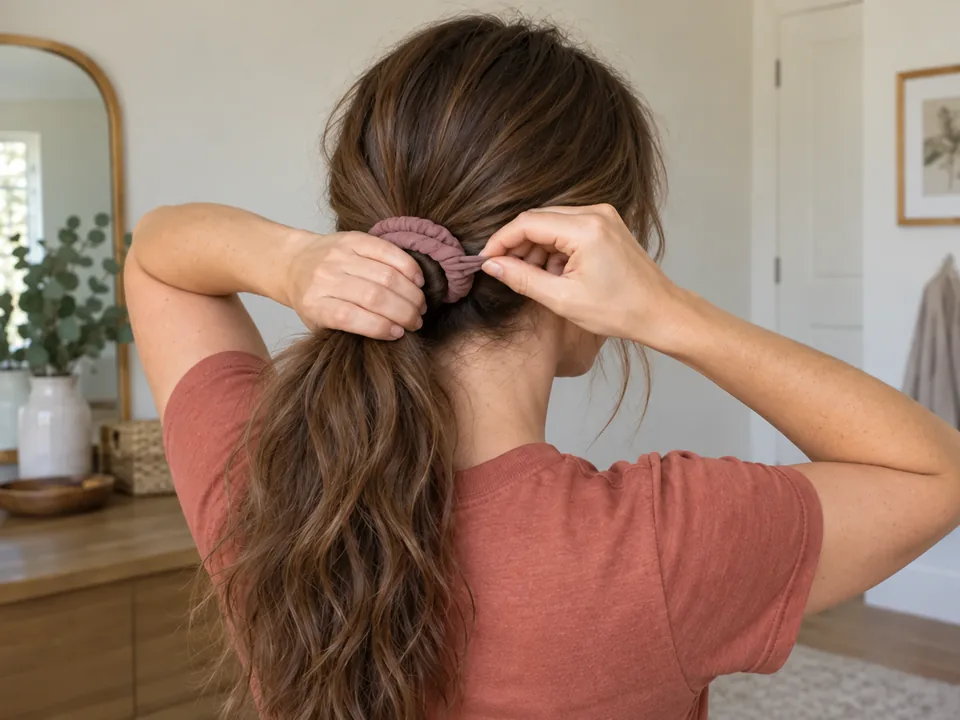
A woman supports her low ponytail with her left hand while her right fingers release the opened loop of a mauve fabric scrunchie around the base.

Keep an easy fallback style

For dry, detangled loose hair that reaches without pulling, use the illustrated ponytail method. Leave short layers free and release the tie if it pulls at the roots. Open each wrap before taking it out.

Guide: Tie a loose ponytail

When to get help

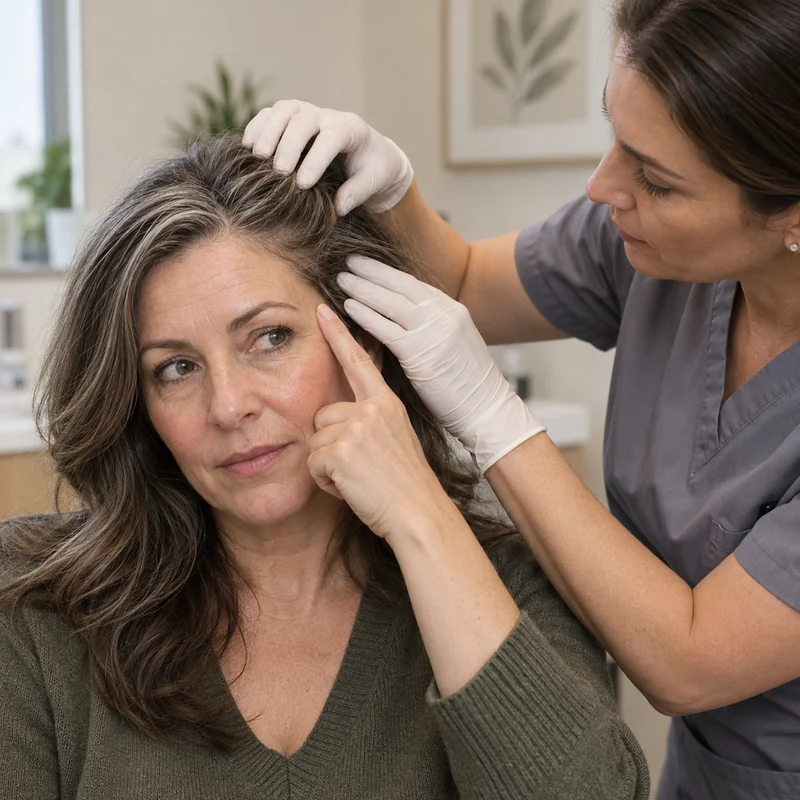
A medical professional examining the scalp where a woman points.

Signs that need more than routine care

  • A sore scalp that doesn’t settle, ongoing irritation, or hair loss you can’t explain is worth showing a medical professional rather than putting down to the grow-out. If a product burns, rinse it off straight away.
  • Trouble breathing or swelling of the lips, mouth or throat after a dye is an emergency. Get emergency help at once.

Illustrated care examples: before & after

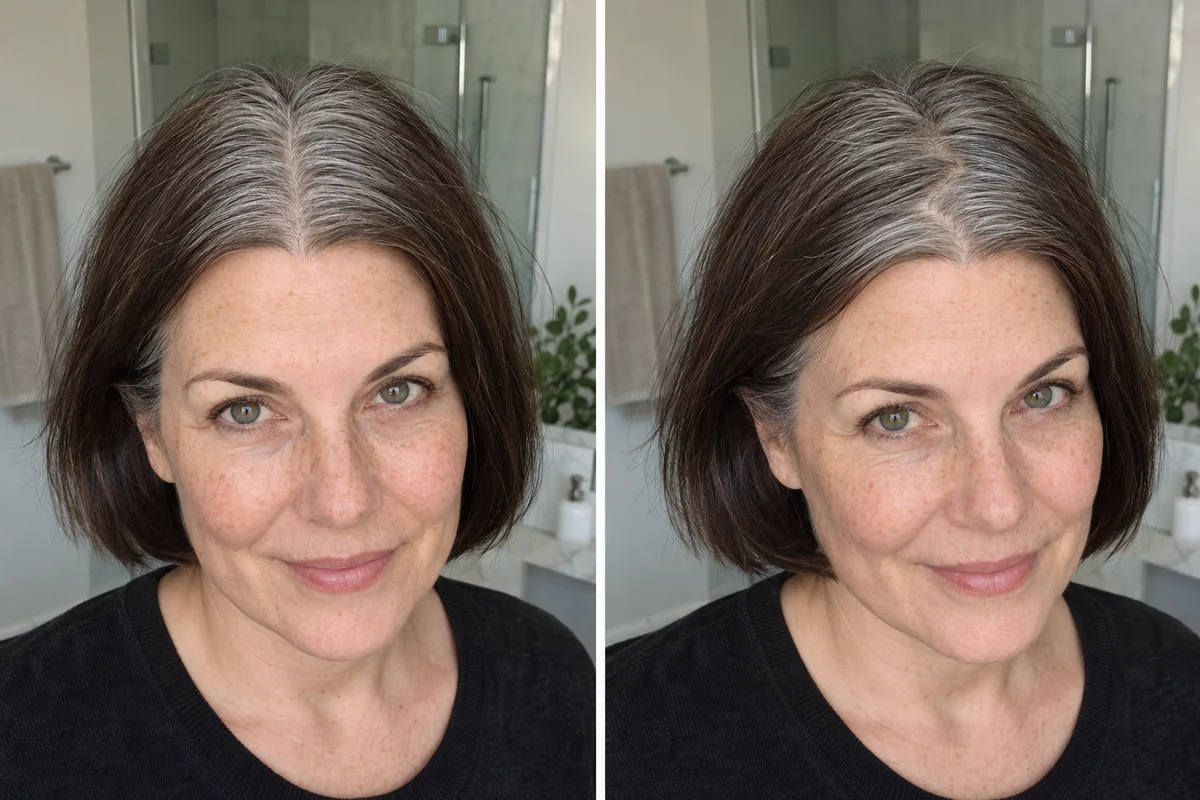
A softer part, same roots

Illustrated styling comparison of a straight part and a shallow zigzag part with the same visible gray grow-out.
Before · a straight center partAfter styling · a shallow zigzag part
A shallow zigzag changes where the hair separates, breaking up the straight color line while keeping the gray roots visible.

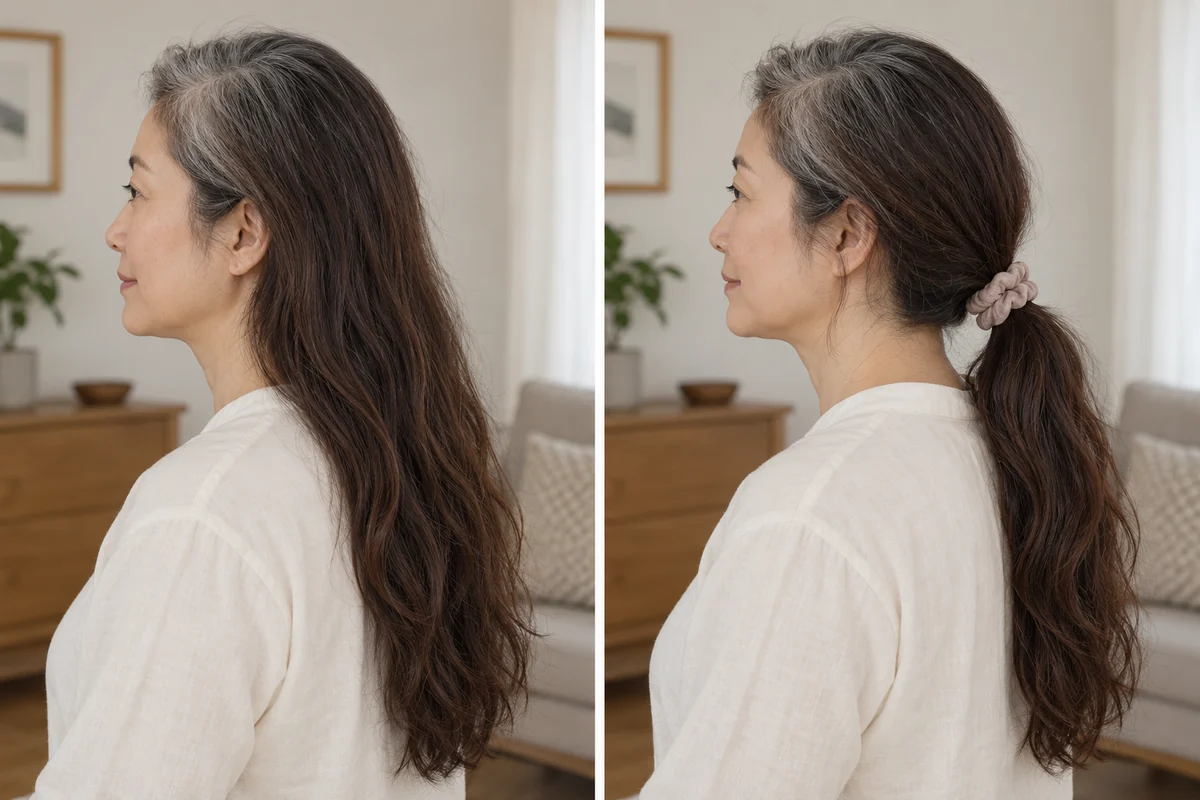
A loose ponytail, gray still showing

Illustrated styling comparison of two-color gray grow-out worn loose and gathered into a low ponytail.
Before · lengths worn looseAfter styling · lengths gathered loosely
A low ponytail keeps the lengths together. Leave the tie loose enough that it does not pull at your roots.
A woman gently squeezing damp hair with a towel.

Help with your hair-care routine

Bring your hair-care questions to the consultation. You can also read care for gray and silver hair.

  • How do I keep my hair comfortable while the dye grows out?
  • Which products still make sense for gray roots and dyed ends?
  • What small styling changes work with my texture and the time I have?

The plan uses the hair and scalp details you share, past treatments, current products, preferences and the time and budget you have.

The Hair Care Consultation gives you a personal plan with product recommendations, routines and guidance on your hair-care questions.

$49 with 60 days of follow-ups, or $99 with 12 months. Pay once; the year renews only if you choose.