Hair Care Guides

Fine hair, and a lot of it.
Reach the layers you can’t see.

Fine strands can lose volume under heavy products, while a dense head of hair takes time to wash and dry. Working in sections helps you reach the scalp and inner layers without piling more product onto the surface.

Your personal hair-care planProduct choices, routines and answers shaped around your hair.$49one-timeStart my consultation
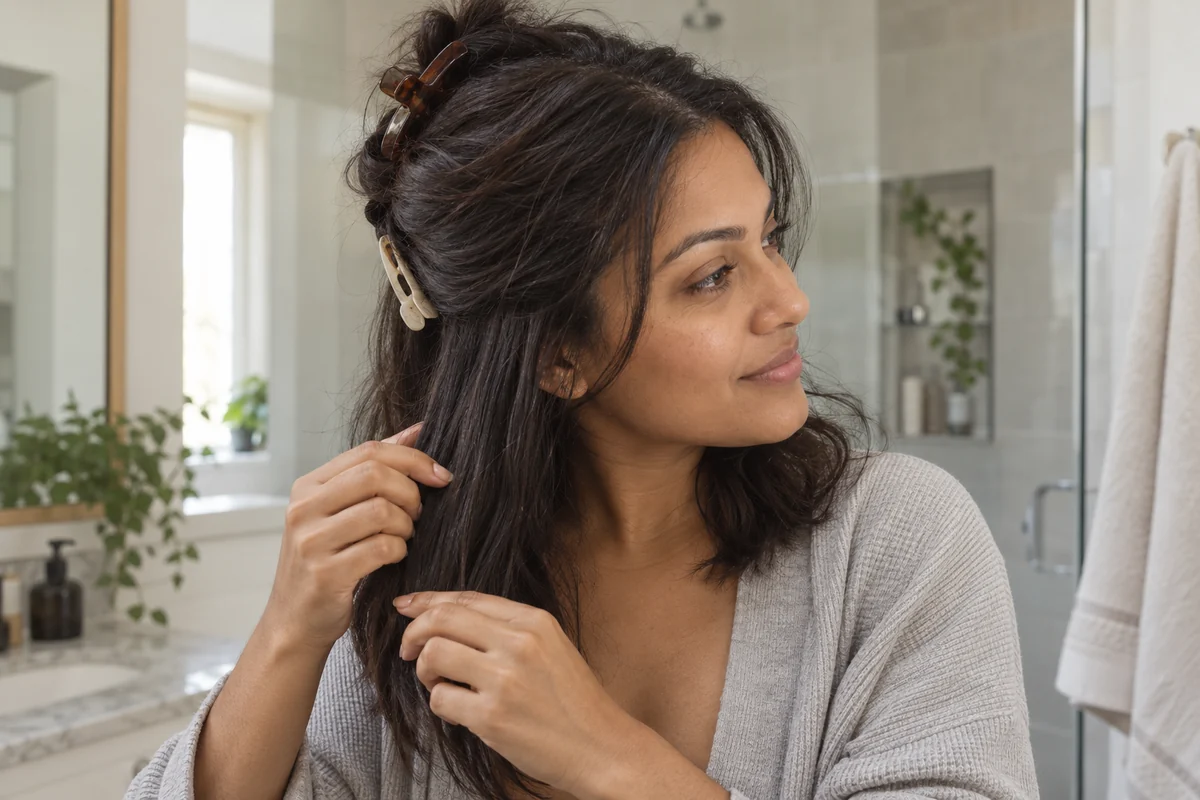
A woman separates a manageable section of abundant fine hair while the rest is loosely clipped aside.
Reach the layers you can’t see.

What is going on

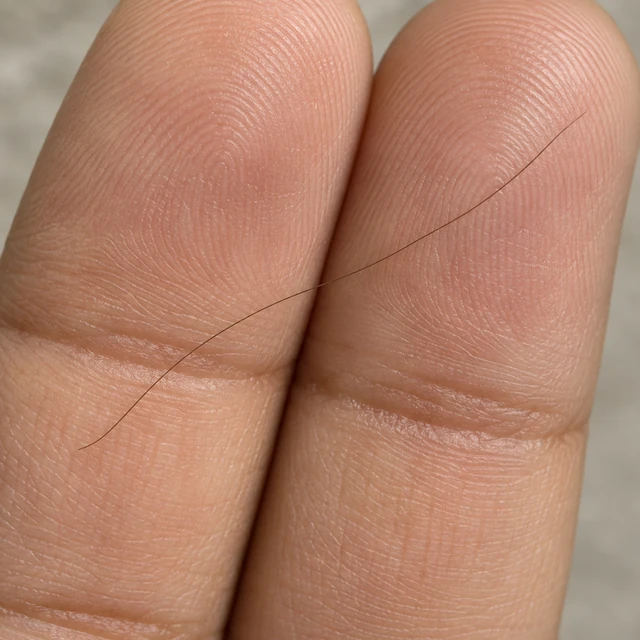
A single fine hair strand resting across two finger pads

Fine strands can still make a thick ponytail

Fine describes the width of each strand. Density describes how many strands grow on your scalp. You can have both fine strands and high density, so you may need smaller sections for washing without needing a richer conditioner.

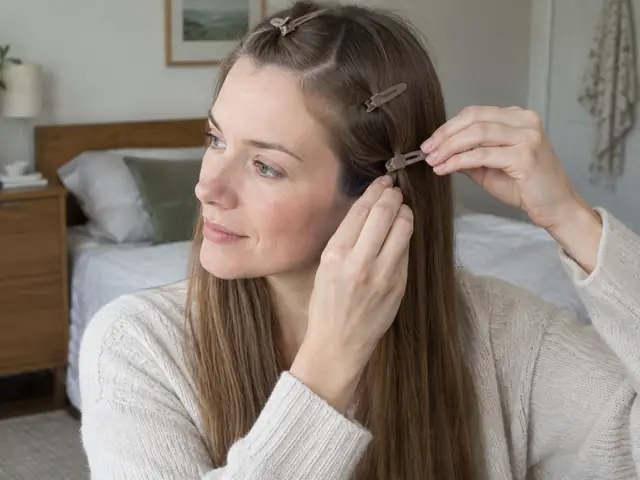
A woman with fine straight hair secures a small folded section with a small duckbill clip.

Separate a section you can reach through

Start with a section you can hold comfortably in one hand. If you can’t reach the hair inside it, divide it again. Use clips to keep the rest aside, or your fingers for hair too short to clip.

What helps, day to day

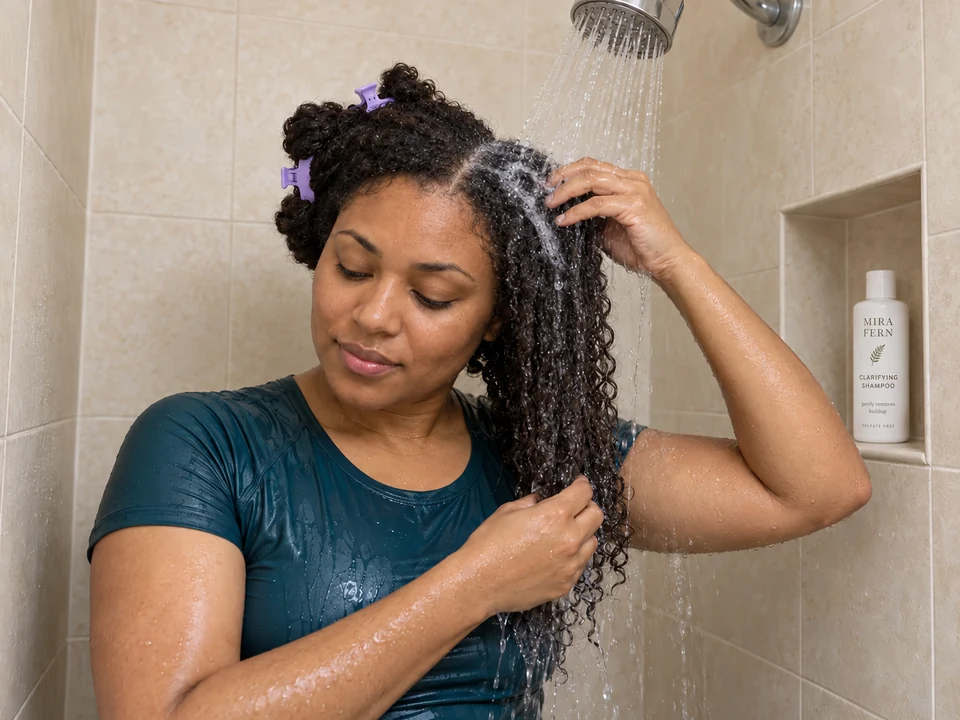
A woman lifts an open section at the roots under a fixed shower stream so water can rinse through its loose lengths.

Rinse the inner layers as well as the surface

  • Lift each section so water reaches the scalp and the hair underneath.
  • Rinse it before moving on.
  • Remove all clips for the final rinse.
  • Divide your usual shampoo amount across the sections rather than adding a full dose to each one.
Woman holds above a small tangle and loosens strands at its edge with her other hand; the comb is on the counter.

Detangle one section from the ends

  • For straight hair, let it partly dry first.
  • For curls or coils, work damp with conditioner for slip.
  • Hold above the tangle and comb down through the tips.
  • Start each pass a little higher as the ends clear.
  • Stop and loosen snags with your fingers.
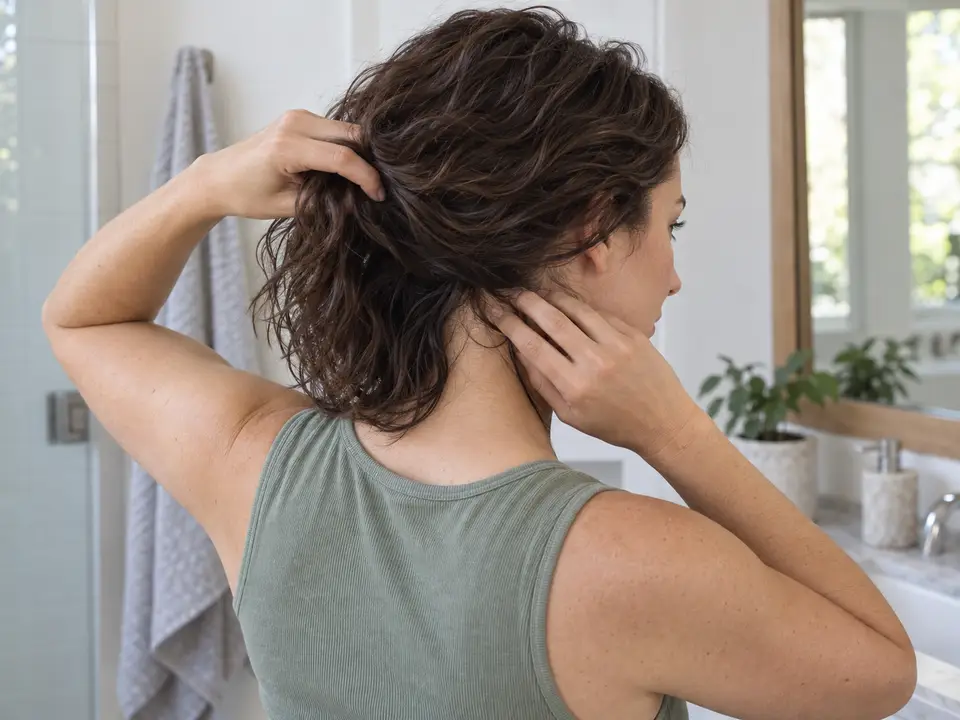
A woman checks the inside of her loose hair near the nape with clean fingers while the rest falls freely.

Check underneath before tying it up

  • After gently blotting, release the sections to dry.
  • Feel the roots at the crown and nape, then the inner lengths.
  • If they’re still damp, leave the hair loose longer or finish with your usual dryer on a low heat setting.

Products, by the job they do

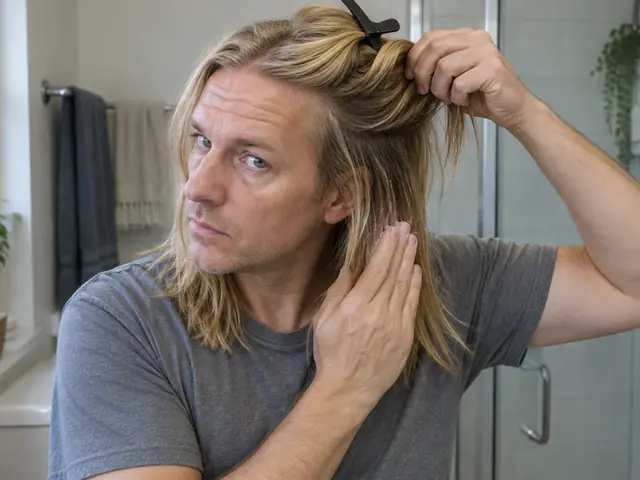
A man with fine layered hair keeps the top layer clipped while applying product to the underlayer.

Get styler into the inner layers

Divide your usual amount between sections, including the hair underneath. Let it dry before deciding whether you need more. If the surface feels coated but the inner layers have little hold, change where you apply it first.

Browse styling products. For styling recommendations, share the finish you want, how you dry your hair and your budget.

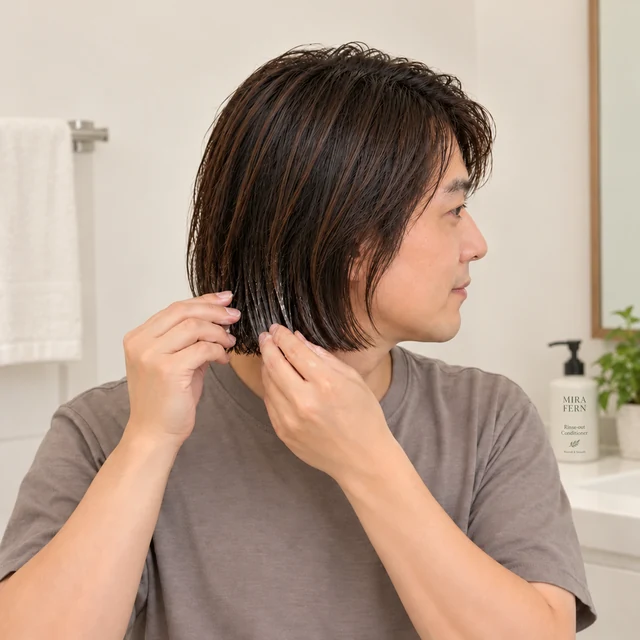
A person with medium straight hair applying conditioner to the ends.

Put conditioner where the hair catches

Smooth conditioner through the inner lengths as well as the outside, then rinse thoroughly. If your hair still feels coated or falls flat once dry, try less next time or a lighter formula.

Browse rinse-out conditioners. Your tangles, past treatments and preferred finish help guide a personal conditioner recommendation.

How to do it

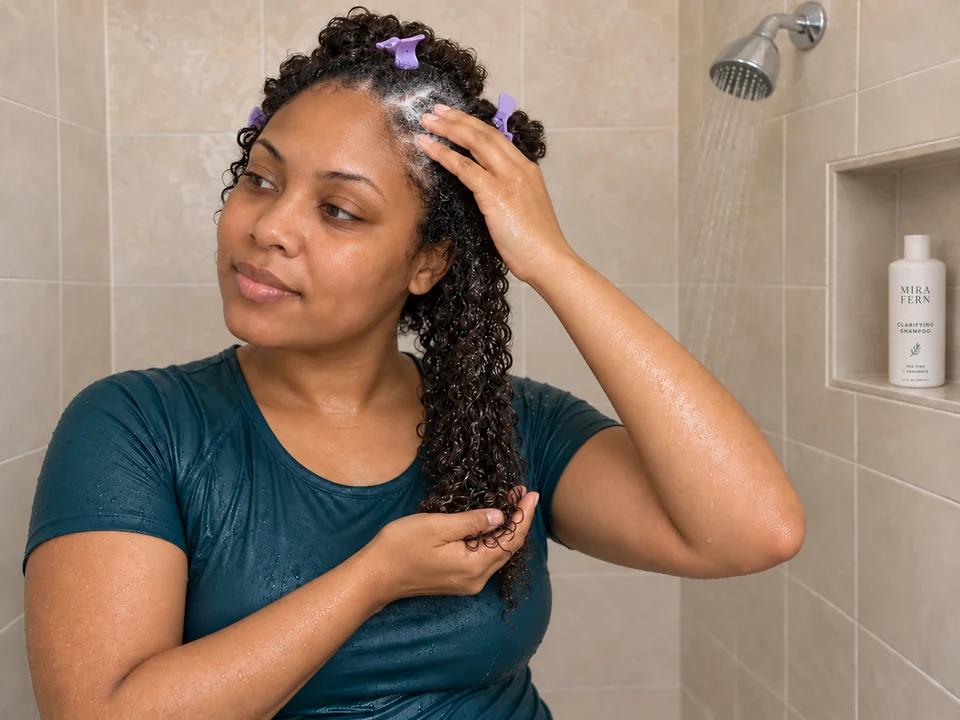
A woman lifts one loose section and gently massages shampoo into its scalp area while other sections are clipped aside.

2. Wash and rinse each section

Open one section at a time to get water and shampoo to the scalp. Spread your usual shampoo amount across the sections, then rinse each one thoroughly.

Guide: Wash your hair in sections
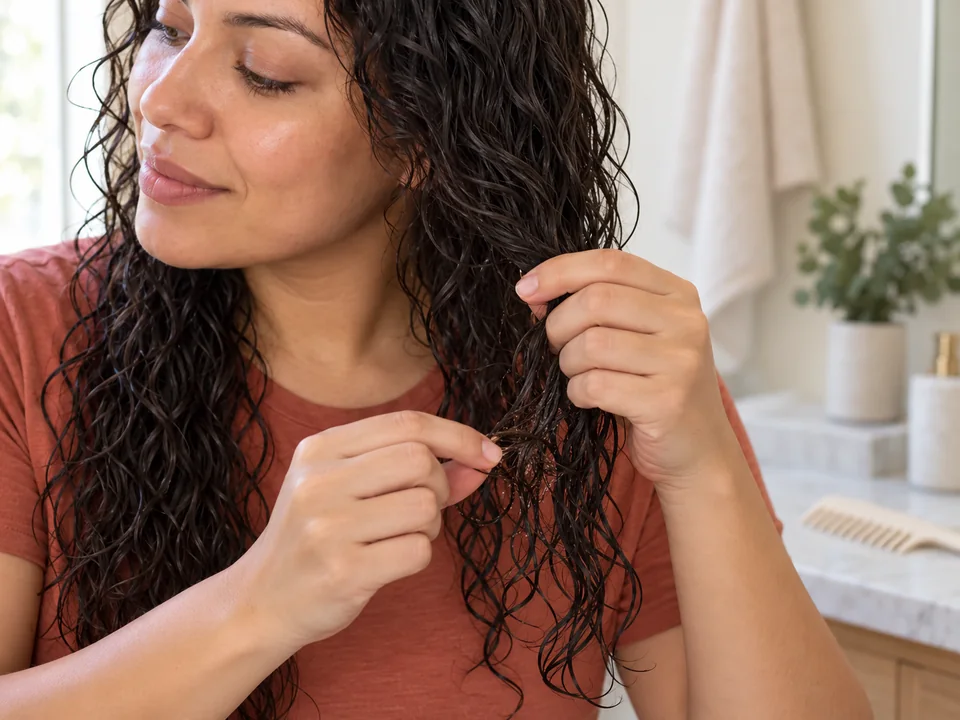
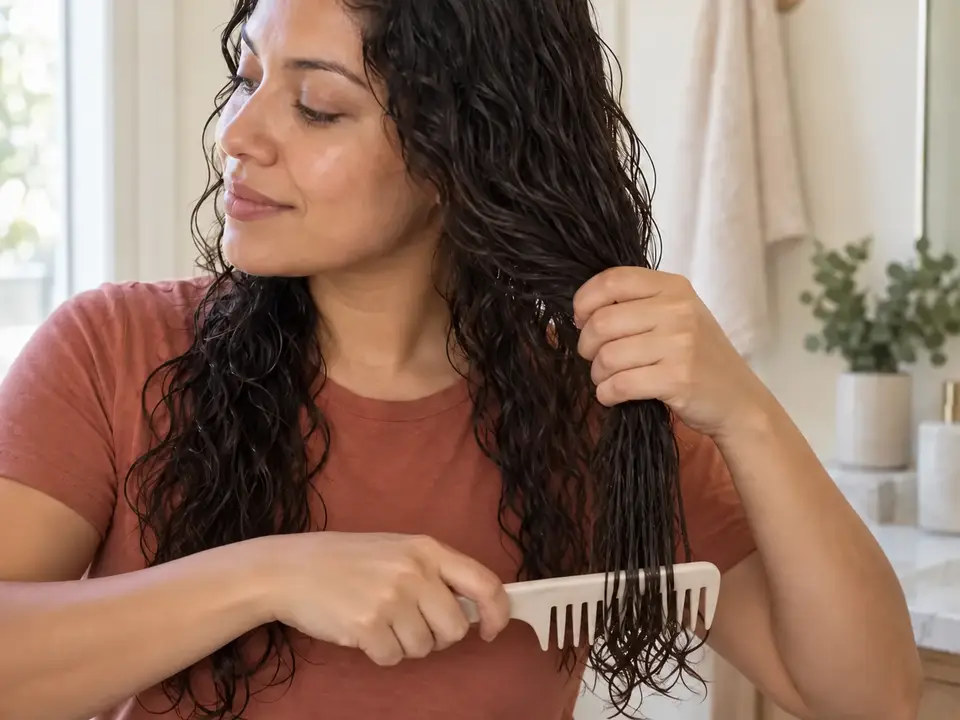
Woman supports a damp wavy-curly section while a wide-tooth comb begins at the lowest hair tips.

3. Comb down, starting at the tips

Hold the section above the tangle. Comb toward the ends, starting each new pass a little higher only when the hair below it is clear. Never pull the comb upward toward your scalp.

Guide: Detangle with a wide-tooth comb
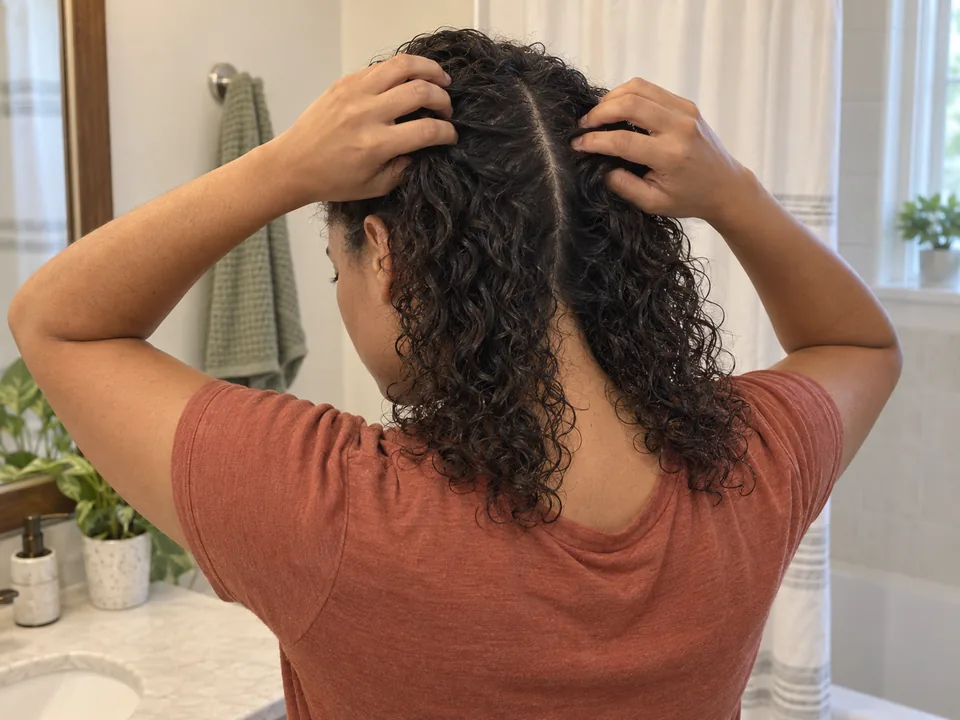
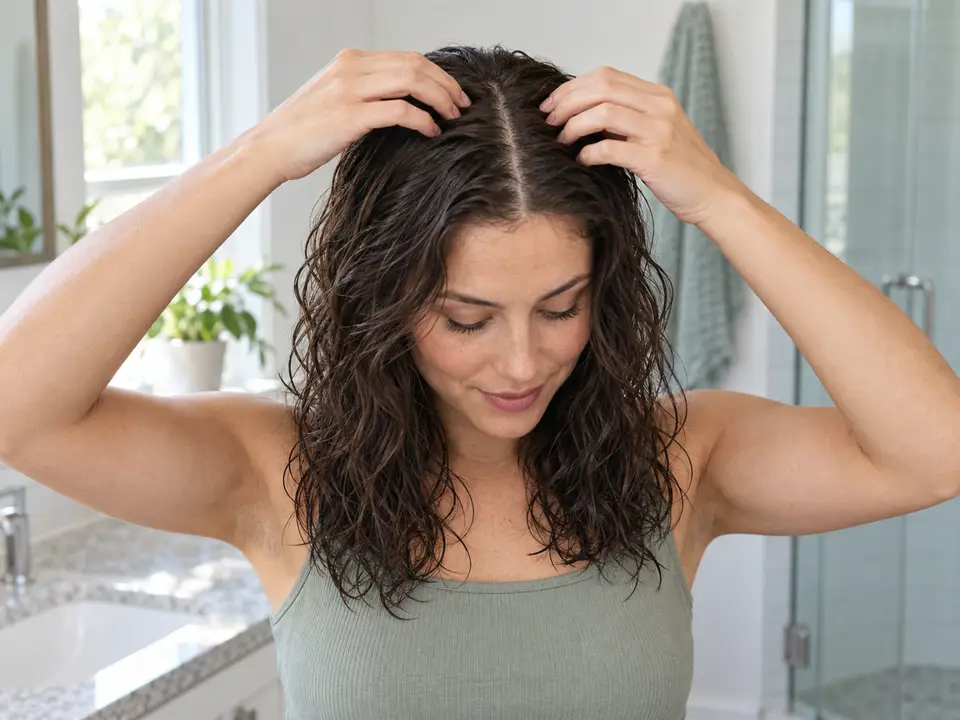
A woman places her fingertips on either side of the part in her damp hair, with the lengths hanging loose.

4. Let the inner layers dry

Leave the hair loose while it dries. Check the crown, nape and underneath before putting it up. The surface feeling dry is only the first check.

Guide: Air-dry your hair

Illustrated care examples: before & after

Sections you can reach

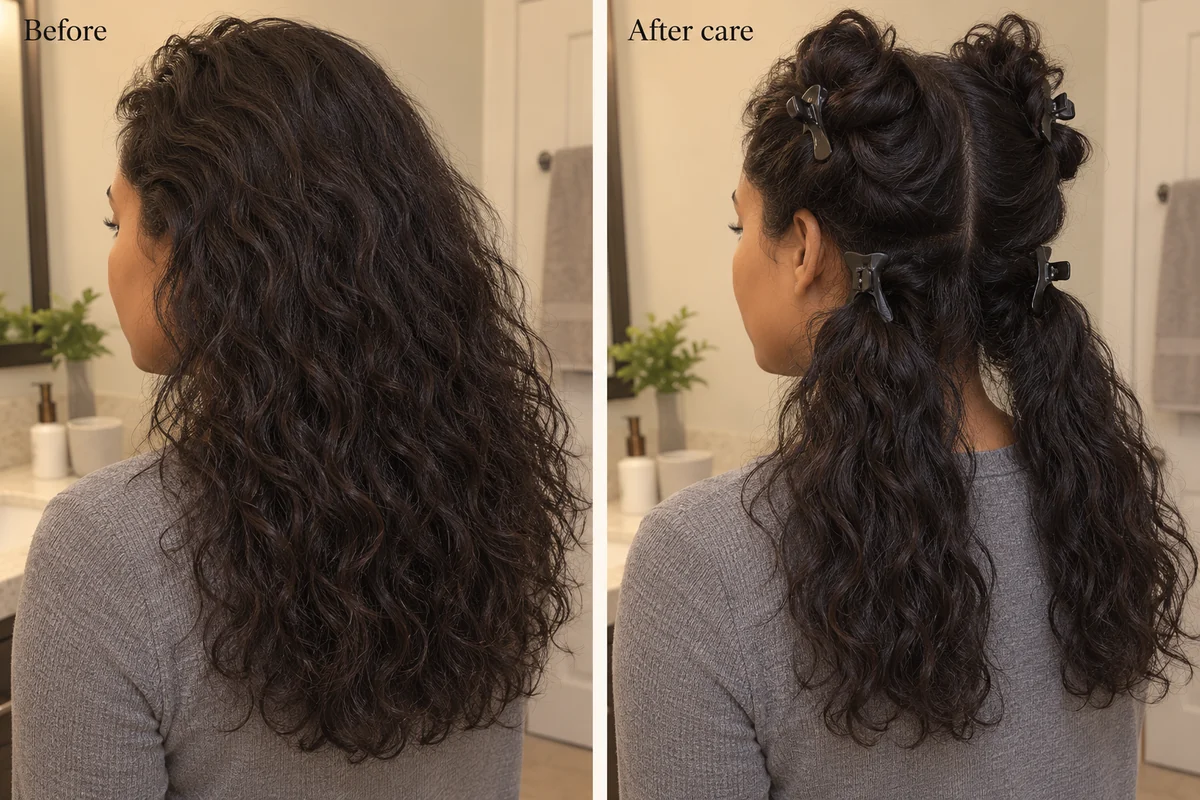
The same abundant wavy hair before sectioning and after division into loose manageable portions.
Before · one large massAfter care · loose sections held aside
Clips hold the other sections aside so you can wash or detangle one section at a time.

Underneath layers let down

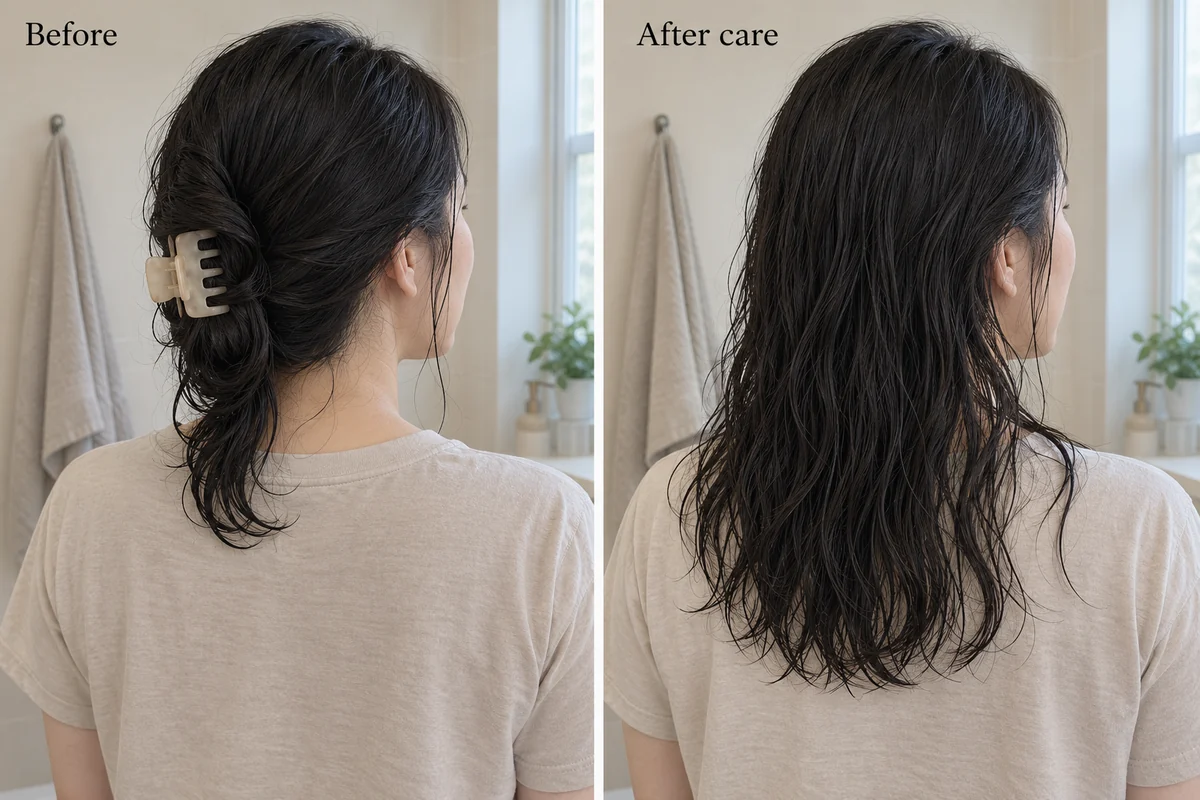
The same damp hair loosely bundled with a clip and then fully released for drying.
Before · damp lengths clipped upAfter care · clip out, hair hanging loose
Removing the clip lets the damp inner layers spread out. Leave them loose to dry, then check underneath before putting the hair up.
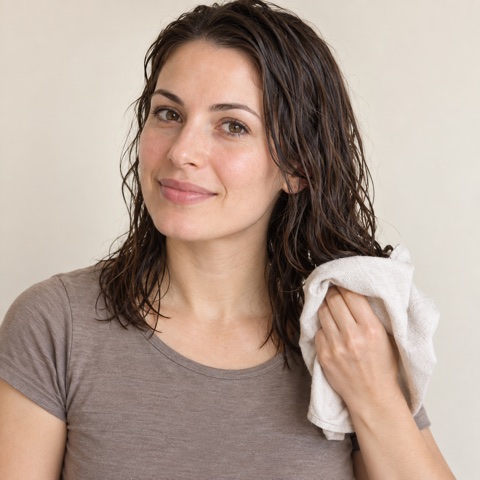
A woman gently squeezing damp hair with a towel.

Help with your hair-care routine

Bring your hair-care questions to the consultation. You can also read care for fine hair.

  • How many sections would make my wash day easier?
  • Is my conditioner too rich, or just not reaching the right places?
  • How can I dry all of this in the time I actually have?

The plan uses the hair and scalp details you share, past treatments, current products, preferences and the time and budget you have.

The Hair Care Consultation gives you a personal plan with product recommendations, routines and guidance on your hair-care questions.

$49 with 60 days of follow-ups, or $99 with 12 months. Pay once; the year renews only if you choose.