Hair Care Guides

Is your blonde really brassy?
Work out what you’re seeing before buying toner.

It’s disheartening when the blonde you paid for starts looking yellow or orange. Before you buy toner, though, look at your dry hair in ordinary daylight and find the exact area that bothers you. A warm blonde isn’t a mistake, and dullness isn’t always brassiness.

Your personal hair-care planProduct choices, routines and answers shaped around your hair.$49one-timeStart my consultation
An adult supports a golden blonde front section in ordinary window light.
Work out what you’re seeing before buying toner.

What is going on

A woman feeling the ends of her highlighted hair.

Say where the warmth is, not how bad it is

Point to the actual spot. A golden face frame, an orange-looking band, ends that look too cool. Then say what you’d rather see. A photo is a good way to show someone, as long as you remember that screens and lighting change color.

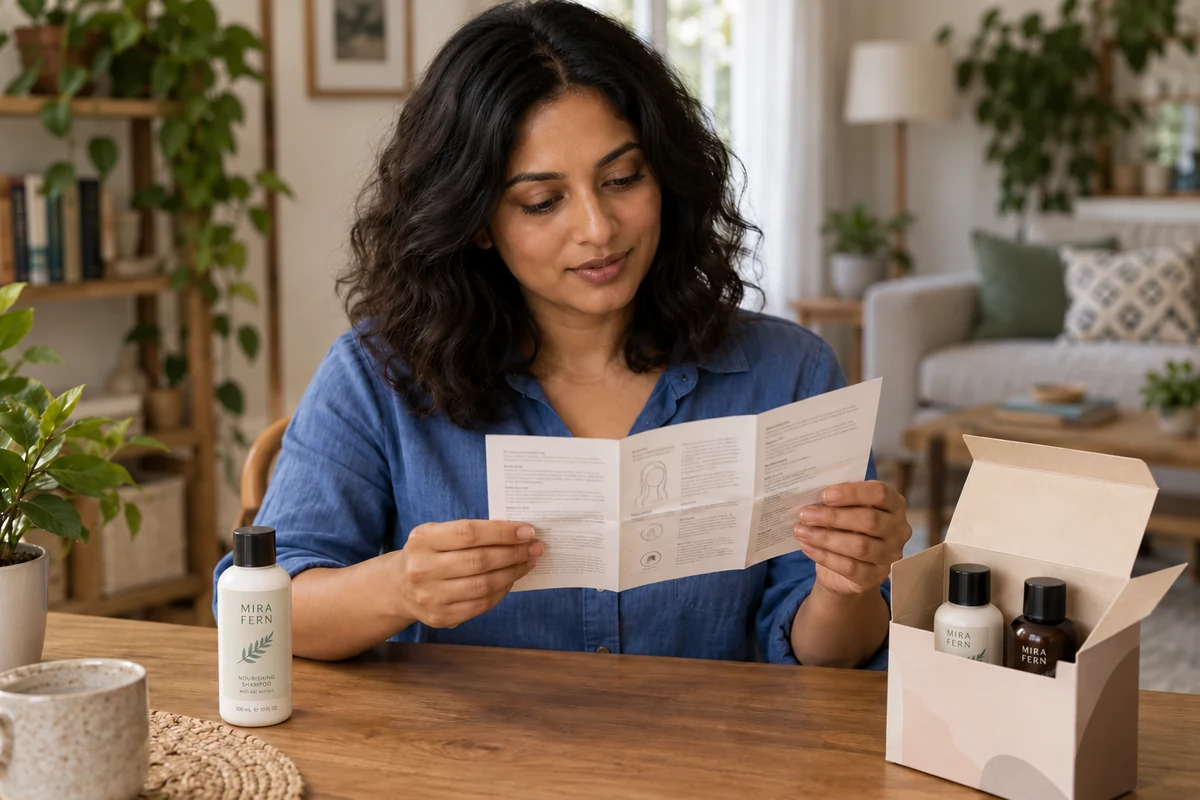
An adult reads a leaflet beside a single capped bottle and a separate open carton holding two capped components.

Check what this toner actually is

A pigmented shampoo and a product you mix with developer are completely different jobs. Read the whole package, every component, before you decide. Don’t borrow timing from another product, and don’t assume something called gloss is pigment-free or ready to use.

What helps, day to day

An adult checks a dry blonde bob beside a window with a handheld mirror.

It looks different in every room

  • Compare fully dry hair by a window and under your usual indoor light, with no filters or colored bulbs.
  • If only one light makes it look wrong, show your colorist both before adding more pigment.
  • You don’t have to chase every reflection.
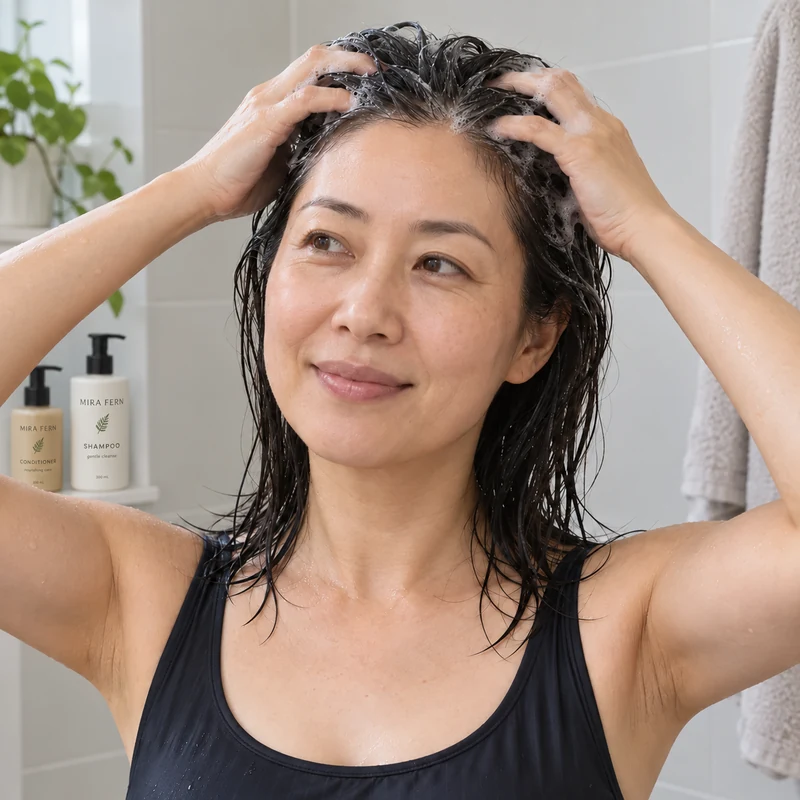
A woman massaging shampoo lather onto her scalp with her fingertips.

It looks dull and feels a bit coated

  • Think about recent styling layers and whether your normal wash is clearing them.
  • Wash as you usually would and look again once it’s dry.
  • That isn’t a reason to clarify over and over.
  • If it still looks off and you can’t tell why, ask your colorist.
An adult shows a lighter face-framing panel to a stylist without applying product.

Only a few pieces look wrong

  • Keep it local when you describe it.
  • A whole-head toning product also lands on the hair you already like.
  • Ask whether those few pieces need their own plan rather than coating every section again and again.

Products, by the job they do

A woman wearing glasses reads a hair product ingredient panel.

Pigment for one specific unwanted tone

If you do want pigment, check the product says which starting shades it suits and follow its exact directions. A purple label on its own isn’t enough. The shampoo library also lists ordinary cleansers, so a listing there isn’t a toning recommendation.

Browse cleansing products. For shampoo recommendations, share how your roots feel between washes and what you use now.

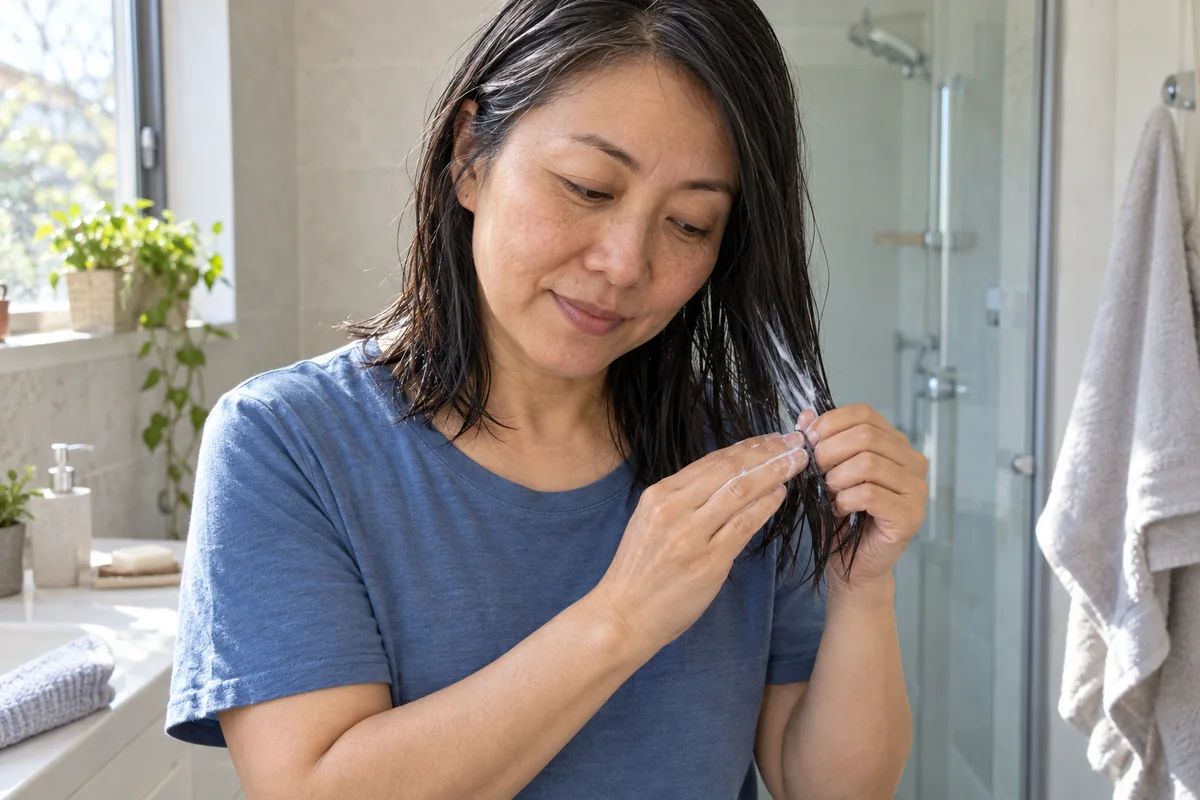
A woman applying conditioner to her damp lengths and ends.

Conditioner for rough ends, separate from shade

If the ends catch or feel dry, that’s a conditioning need, not a color one. A conditioner with no pigment can take care of it without touching the tone. Check the exact variant, since color-depositing masks and plain conditioners aren’t interchangeable.

Browse rinse-out conditioners. Tell the consultation what you want from a conditioner and what you disliked about previous ones.

How to do it

Checking appointment preparation instructions on a phone.

1. Bring your color history

List the lightening, dyes, toners and straightening still in your lengths. If you don’t know what something was, say so. Show the exact area you don’t like and ask what change is realistic before agreeing to another service.

Guide: Prepare for a color appointment
Writing separate pre-use checks and waiting periods in a notebook.

2. Leave time for the checks the product asks for

If you go ahead with a product, keep its full directions and plan for the checks it requires. A skin check and a strand check answer different questions. A past reaction is a reason not to test that product again.

Guide: Plan product skin and strand checks

When to get help

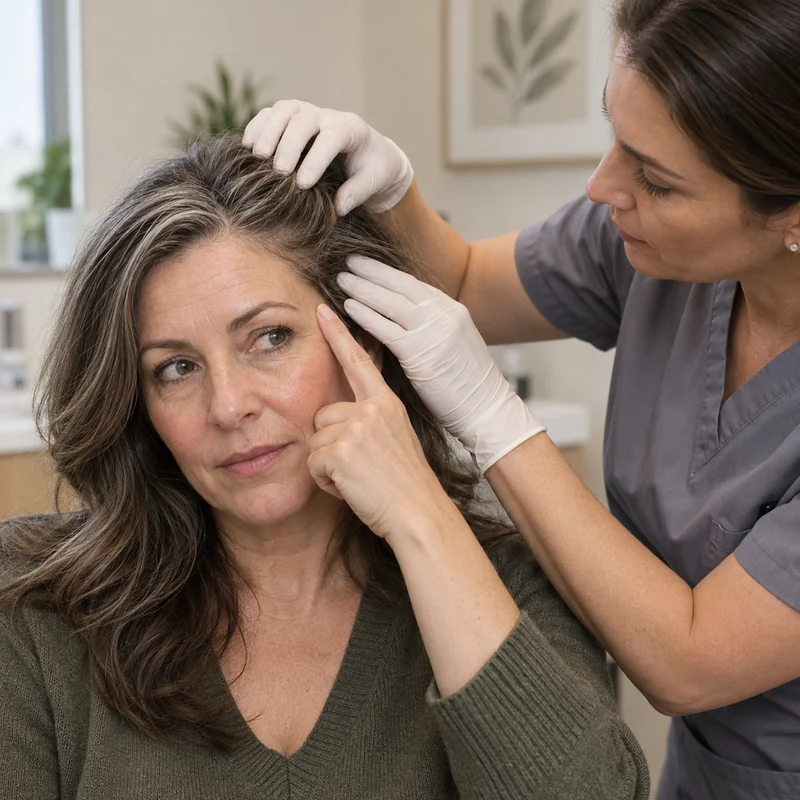
A medical professional examining the scalp where a woman points.

Signs that need more than routine care

  • If a toner or pigmented product leaves your scalp burning, itchy or with a rash that doesn’t settle, stop using it, keep the packaging, and show a medical professional. One uneventful use before, or a clear patch test, doesn’t mean the next application will be fine, so don’t wait it out.
  • Swelling of the face, mouth or throat, or any trouble breathing after a color product, is an emergency. Get emergency help at once.

Illustrated care examples: before & after

Point to the part you mean

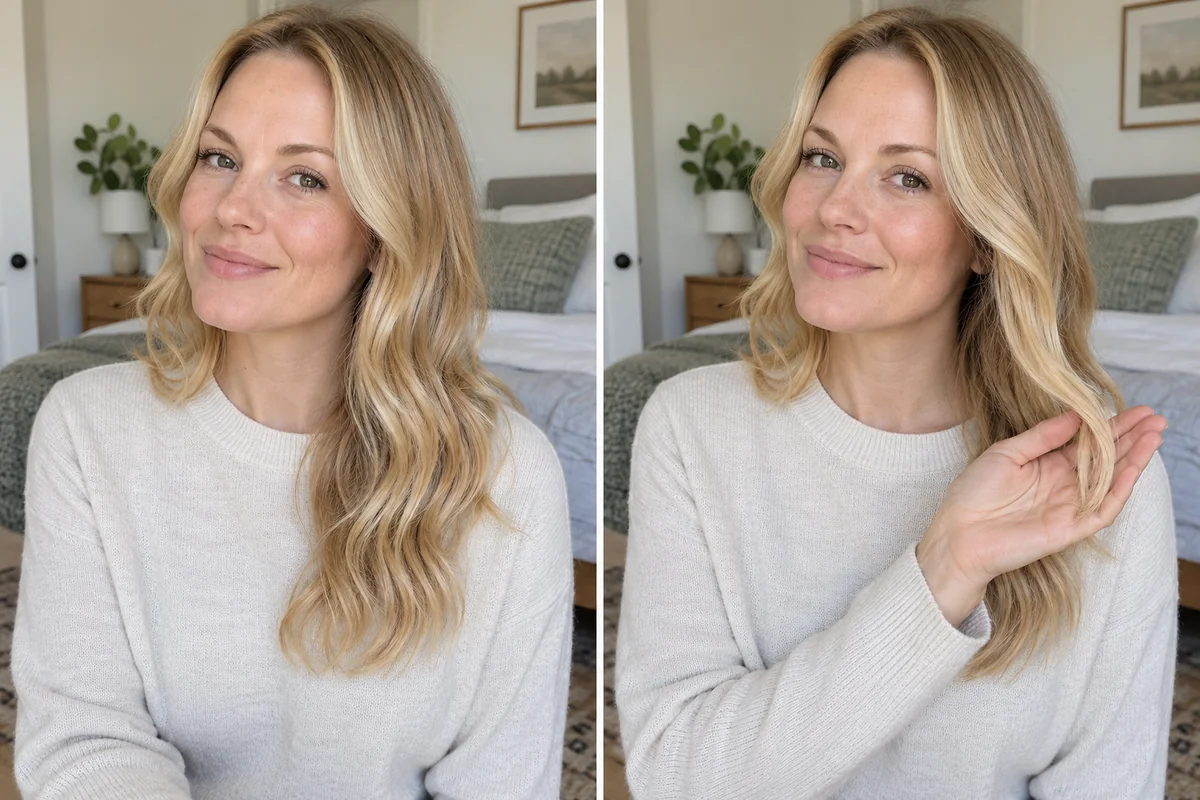
The same adult first wears blonde lengths together, then brings one front panel forward.
Before · all the lengths togetherAfter care · one front area separated
One front area is brought forward loosely, with no pulling and no pigment, so the area you mean can be described apart from the blonde you already like.

Read the back, not the color

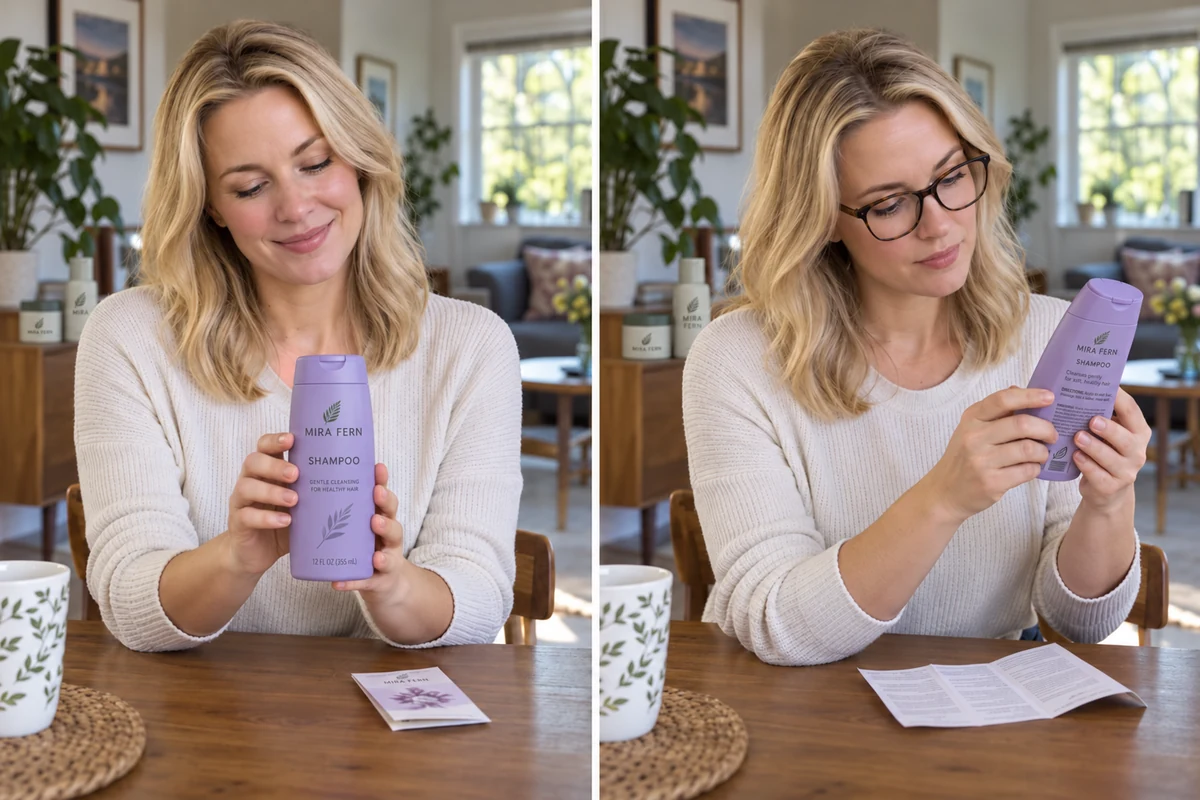
The same adult turns a closed shampoo bottle to read its back directions.
Before · the front of the bottleAfter care · reading the directions
Turn the bottle around and read which starting shades it is for. A purple bottle, or the word toner on the front, tells you very little.
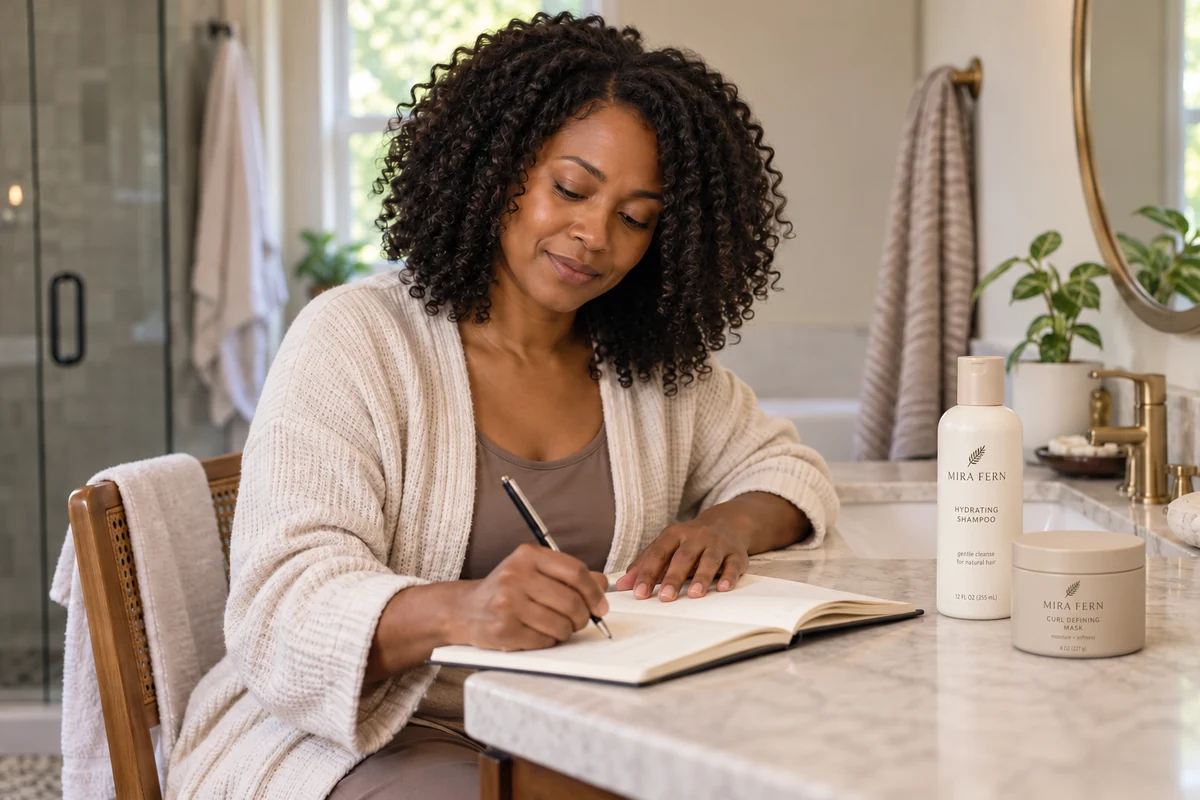
A woman with curls writing a routine note beside her hair-care products.

Help with your hair-care routine

Bring your hair-care questions to the consultation. You can also read caring for highlights among untreated strands.

  • Which bit of my hair looks brassy, and in what light?
  • Does this product add pigment, need mixing, or just clean?
  • Could my colorist fix the few pieces I don’t like without changing the rest?

Tell us the exact area you’re unhappy with and the products you’ve already used. The consultation can connect the shade worry to your treatments, your scalp, your washing and how the lengths feel. Any chemical formula or corrective service stays a decision for your colorist.

The Hair Care Consultation gives you a personal plan with product recommendations, routines and guidance on your hair-care questions.

$49 with 60 days of follow-ups, or $99 with 12 months. Pay once; the year renews only if you choose.