Side by side
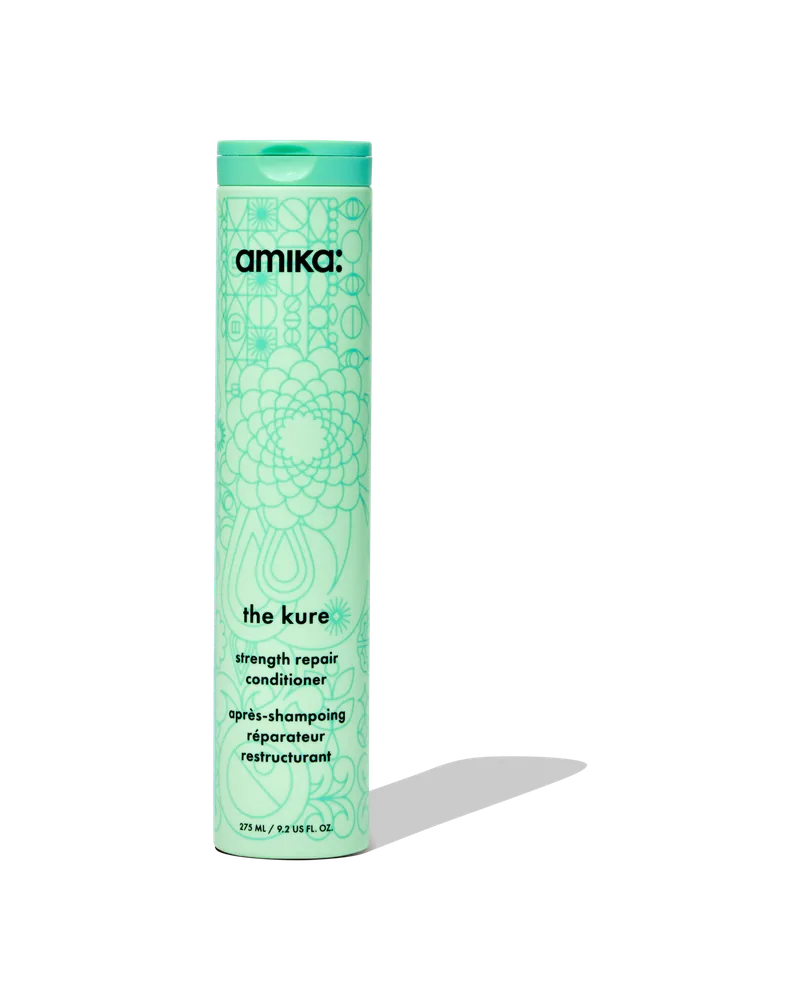
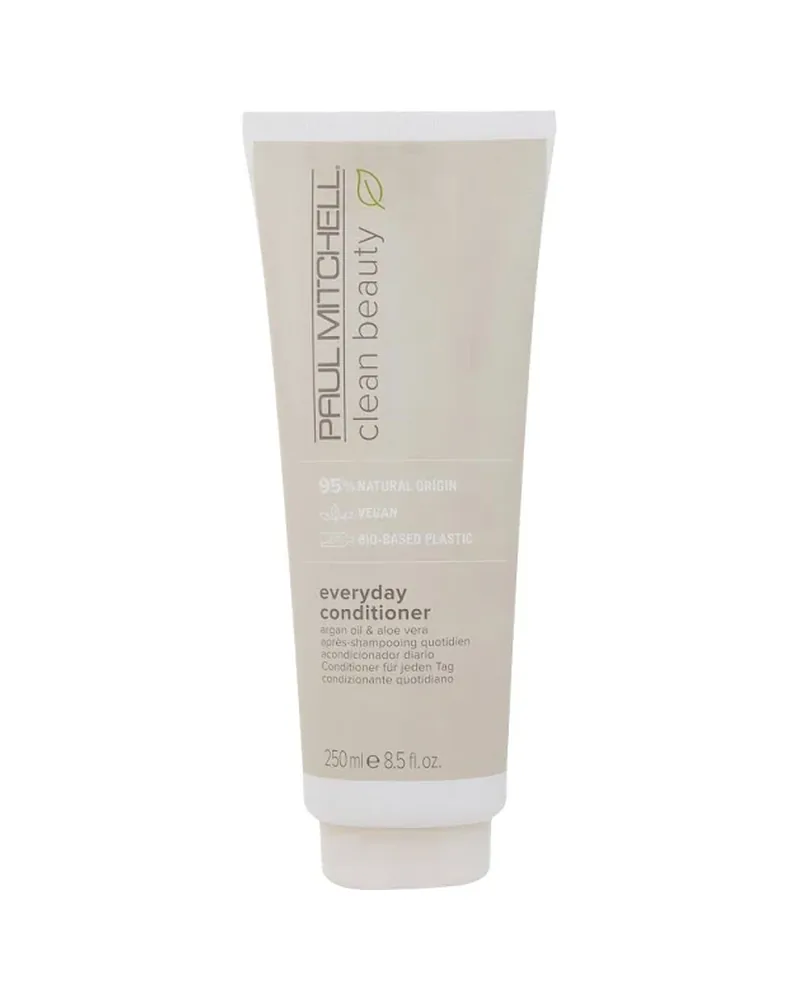
amika The Kure Strength Repair Conditioner vs Paul Mitchell Clean Beauty Everyday Conditioner
93% function match · 8 of the 10 functions we compared match Formula overlap 49%. amika The Kure Strength Repair Conditioner and Paul Mitchell Clean Beauty Everyday Conditioner share 4 ingredients among each other's most prominent.
Which of these fits your hair?
We check your pattern, moisture need, scalp, fragrance tolerance, weight sensitivity and more against each formula — and say which one lines up.
Your profile at a glance
- Your answers appear here
- Your answers appear here
- Your answers appear here
- Your answers appear here
When each one is the right call
What each formula is built for, from its own ingredient list.
- The Kure Strength Repair Conditioner — maximum slip
- Clean Beauty Everyday Conditioner — maximum slip
Side by side
Every trait, aligned
One row per trait, read from each product’s own ingredient list and record. A dash means we have not researched that field for that product — it is not a “no”.
- Maximum slipfor hair that tangles the moment it is wet
- Dry, thirsty hairhumectants and emollients both sit up front
- Coarse or dry hairthat absorbs everything you give it
- Very dry hairno fast-drying alcohol in the list
- Maximum slipfor hair that tangles the moment it is wet
- Dry, thirsty hairhumectants and emollients both sit up front
- Very dry hairno fast-drying alcohol in the list
- Cuticle-smoothing pHa pH adjuster brings it to the acidic range hair prefers
- Scents bother youthis product carries a strong scent
- Curly-method routinesthese silicones need a detergent to remove
- Oily scalp or fine hairthat gets weighed down
- Scents bother youthis product carries a scent
- Curly-method routinesthese silicones need a detergent to remove
- Dry or very humid airwhere heavy humectants work against you
More facts about each one
- sulfate-free
- sulfate-free
Facts as we recorded them. A dash means we have not researched that field for that product — it is not a "no".
The bottom line
The bottom line depends on your hair
Which of these two suits you is a question about your hair, not about them. The consultation answers it — and tells you what your routine needs around it.
$49.00 once, for your consultation and hair profile. No subscription, no required purchases.
The detail behind the table
Where the readings above come from: the ingredient lists themselves, each brand’s claims checked against them, what owners report, and cost per ounce in context.
Shared and distinct ingredients
Shared and distinct ingredients
Computed from the ingredient lists as printed. "Shared" means both lists carry it; where it sits on each label is stated, because position is what tells you how much.
What both formulas carry
What only one of them carries
The Kure Strength Repair Conditioner
Full ingredient list — The Kure Strength Repair Conditioner (37)
-
1
Water
- solvent
-
2
Myristyl Alcohol
- fatty alcohol
- emollient
-
3
Propylene Glycol
- humectant
- solvent
-
4
Cetearyl Alcohol
- fatty alcohol
- emollient
- thickener
-
5
Cetrimonium Chloride
- conditioning agent
- cleanser
- Below about this point, order stops being meaningful — these are typically used at 1% or less.
-
6
Hippophae Rhamnoides (Sea Buckthorn) Fruit Oil
- oil
- emollient
- antioxidant
-
7
Borago Officinalis (Borage) Seed Oil
- oil
- emollient
-
8
Mangifera Indica (Mango) Seed Butter
- butter
- emollient
-
9
Butyrospermum Parkii (Shea) Butter
- butter
- emollient
- sealant
-
10
Hydroxypropyl Guar Hydroxypropyltrimonium Chloride
- conditioning agent
- polymer
- gum
-
11
Aloe Barbadensis Leaf Juice
- humectant
- botanical extract
- gum
-
12
Glycerin
- humectant
-
13
Hydrolyzed Quinoa
- film former
- protein
- hydrolysed protein
-
14
Aminomethyl Propanol
- pH adjuster
-
15
Bis-Pca Dimethicone
- silicone
- conditioning agent
-
16
Butylene Glycol
- humectant
- solvent
-
17
C11-15 Pareth-7
- emulsifier
- solubilizer
-
18
C12-16 Pareth-9
- emulsifier
-
19
Caprylyl Glycol
- preservative
- humectant
-
20
Decyl Oleate
- light ester
- emollient
-
21
Disodium Peg-12 Dimethicone Sulfosuccinate
- mild anionic cleanser
- emollient
- light ester
- silicone
- water-soluble silicone
-
22
Trideceth-12
- emulsifier
- solubilizer
-
23
Trimethylsiloxyamodimethicone
- conditioning agent
- film former
- silicone
-
24
Citric Acid
- pH adjuster
- hard-water chelator
-
25
Etidronic Acid
- hard-water chelator
-
26
Lauryl Alcohol
- fatty alcohol
- emollient
- 27 Hydrogenated Palm Glycerides Citrate
-
28
Phenoxyethanol
- preservative
-
29
Potassium Sorbate
- preservative
-
30
Sodium Benzoate
- preservative
-
31
Cetyl Alcohol
- fatty alcohol
- emollient
- thickener
-
32
Benzyl Alcohol
- preservative
- solvent
-
33
Tocopherol
- antioxidant
- vitamin
-
34
Fragrance
- fragrance
- declared fragrance
-
35
Benzyl Benzoate
- fragrance
- named fragrance allergen
-
36
Hydroxycitronellal
- fragrance
- named fragrance allergen
-
37
Limonene
- fragrance
- named fragrance allergen
Full ingredient list — Clean Beauty Everyday Conditioner (34)
-
1
Water
- solvent
-
2
Myristyl Alcohol
- fatty alcohol
- emollient
-
3
Glycerin
- humectant
-
4
Distearoylethyl Hydroxyethylmonium Methosulfate
- conditioning agent
-
5
Prunus Amygdalus Dulcis (Sweet Almond) Oil
- oil
- emollient
-
6
Argania Spinosa Kernel Oil
- oil
- emollient
-
7
Aloe Barbadensis Leaf Juice
- humectant
- botanical extract
- gum
-
8
Butyrospermum Parkii (Shea) Butter
- butter
- emollient
- sealant
-
9
Verbascum Densiflorum Flower/Stem Extract
- botanical extract
-
10
Helichrysum Italicum Extract
- botanical extract
-
11
Cota Tinctoria Flower/Leaf/Stem Extract
- botanical extract
-
12
Linum Usitatissimum (Linseed) Seed Extract
- gum
- film former
- botanical extract
- Below about this point, order stops being meaningful — these are typically used at 1% or less.
-
13
Citrus Aurantium Dulcis (Orange) Peel Oil
- fragrance
- botanical extract
-
14
Tilia Tomentosa Bud Extract
- botanical extract
-
15
Hydrolyzed Vegetable Protein
- film former
- protein
- hydrolysed protein
-
16
Hydrolyzed Soy Protein
- film former
- protein
- hydrolysed protein
-
17
Cetrimonium Chloride
- conditioning agent
- cleanser
-
18
Amodimethicone
- silicone
- conditioning agent
- film former
-
19
Caprylyl Glycol
- preservative
- humectant
-
20
Cetearyl Alcohol
- fatty alcohol
- emollient
- thickener
-
21
Dimethicone
- silicone
- emollient
- conditioning agent
-
22
Sodium PCA
- humectant
-
23
Trideceth-12
- emulsifier
- solubilizer
-
24
Simethicone
- silicone
- conditioning agent
-
25
Citric Acid
- pH adjuster
- hard-water chelator
-
26
Phenoxyethanol
- preservative
-
27
Sodium Benzoate
- preservative
-
28
Disodium EDTA
- hard-water chelator
-
29
Potassium Sorbate
- preservative
-
30
Fragrance
- fragrance
- declared fragrance
-
31
Citronellol
- fragrance
- named fragrance allergen
-
32
Geraniol
- fragrance
- named fragrance allergen
-
33
Linalool
- fragrance
- named fragrance allergen
-
34
Benzyl Alcohol
- preservative
- solvent
Claims check
What each brand says, against what each formula shows
Claims are quoted from each brand. We only mark one supported, partly supported, or conflicting when that product’s ingredient list actually speaks to it.
The Kure Strength Repair Conditioner
55% less breakage + 2x stronger hair after one use (used as a system with shampoo)
Stated by brandOnly the brand’s testing shows this.Color-safe
SupportedLess fade per wash.
Clean Beauty Everyday Conditioner
Color safe, vegan, sulfate-free, paraben-free
SupportedGentler on colour and coils.95% natural origin ingredients in recyclable bio-based packaging
Stated by brandOnly the brand’s testing shows this.
What owners say
What people report
Recurring themes our researchers wrote in their own words from sourced reviews. We do not store or scrape star ratings, and we never balance one product’s themes against another’s by inventing them.
Amika The Kure Strength Repair Conditioner draws complaints about weight and the packaging.
The Kure Strength Repair Conditioner
Reviewers report noticeably softer hair with reduced breakage and frizz
general users, damaged/color-treated hairFragrance is frequently praised as pleasant and long-lasting
general usersBottle dispensing design frustrates some users, described as hard to squeeze with product waste
general usersSome reviewers found hair felt greasy/weighed down when more than a small amount was used
users cautioning against overuseClean Beauty Everyday Conditioner
Some reviewers with thick or coarse hair find it too thin or light to provide real slip or moisture.
Reviewers with thick or curly hair describe it as leaving hair silky, soft and manageable with a pleasant, not-overpowering scent.
A few reviewers report scalp irritation or unexpectedly oily hair after switching to this conditioner.
Price check
Cost per ounce, in context
Cost per ounce against every product of this type we have priced, each at the size it is most often sold in. Value labels are computed from that percentile and from how many products that do the same job cost less; they are comparisons, not judgements about a brand.
$2.55/oz vs $3.04/oz — amika The Kure Strength Repair Conditioner costs about 1.2× more per ounce than Paul Mitchell Clean Beauty Everyday Conditioner.
Every mark sits on one distribution because these are compared against the same set: 689 conditioners with a computable unit price.
Computed from cost per ounce against every product of this type we have priced, and from how many products that do the same job cost less. It is a comparison, not a judgement about the brand.
Compare with something else
Close formulas to each of these, as their own comparison pages.
The Kure Strength Repair Conditioner · Clean Beauty Everyday Conditioner · All conditioners in the library
How this page was made
- This page is assembled from the same researched records the individual product pages render: identity, each ingredient list as printed, each brand's own claims, dated price observations, and review themes written in our researchers' own words. Nothing on it is written per comparison.
- We do not rank these against each other. Which of them suits you depends on your hair, and that is what the consultation works out.
- The formula similarity percentage is a stored, precomputed number: position-weighted overlap of the two ingredient lists blended with agreement on the attributes we derive. It measures how alike two formulas are, not how well either works.
- The value band is a fixed label over two stored numbers: this product’s cost per ounce as a percentile of every product of this type we have priced, each at the size it is most often sold in, and how many products we score as doing the same job cost at least a quarter less per ounce.
- The "Is this right for you?" panel reads only your own consultation answers, and it applies exactly the filters our recommendation engine applies. It is computed when you load the page and is never stored on it.
- 10 sources were consulted across the products on this page.
- Ingredient order tells you relative amount only above roughly 1%. Prices are observations on the dates shown and change without notice. We do not sell these products and take no placement fees.
- This is cosmetic information, not medical advice, and nothing here diagnoses or treats a health condition.
Still unsure? Take your consultation or browse more products.
Your personalized hair plan
Tell us what’s going on with your hair, see what we understand, and get a plan built around it — with the reason behind every recommendation.
Free to start · $49.00 for your consultation and hair profile · No subscription · Nothing you must buy
Start your consultation