Hair Care Guides

Should you choose a shampoo bar or bottle?
Compare the washing, handling and storage.

A shampoo bar needs a comfortable grip and somewhere to dry. A bottle needs a cap or pump you can manage. Choose a format that fits your bathroom, then judge whether that particular shampoo cleans comfortably and leaves your hair manageable.

Your personal hair-care planProduct choices, routines and answers shaped around your hair.$49one-timeStart my consultation
A man compares a shampoo bar with a pump bottle labelled shampoo.
Compare the washing, handling and storage.

What is going on

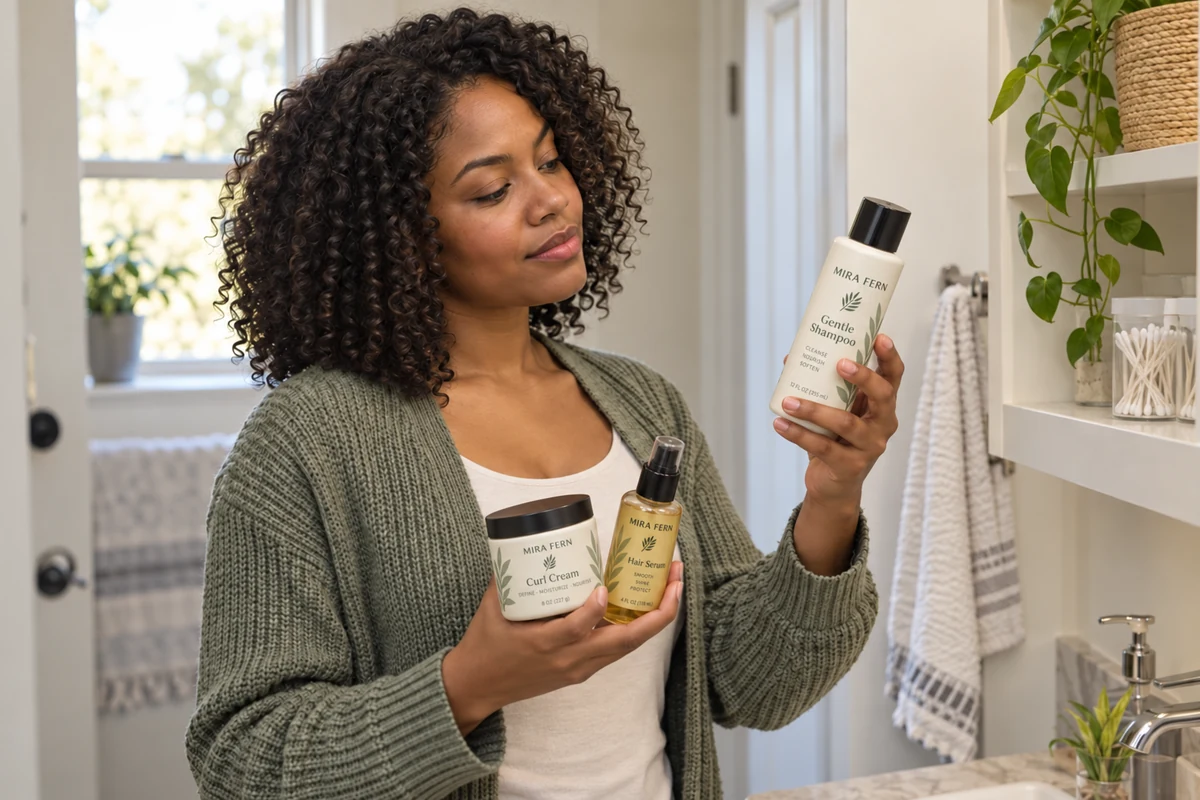
A woman comparing hair-care bottles beside her bathroom mirror.

Check what the bar is made for

Choose a bar labeled for washing hair. Some use soap, made from fatty-acid salts; others use different cleansers. If the maker does not explain the formula or use clearly, ask before buying. Shape alone tells you little about how it will wash.

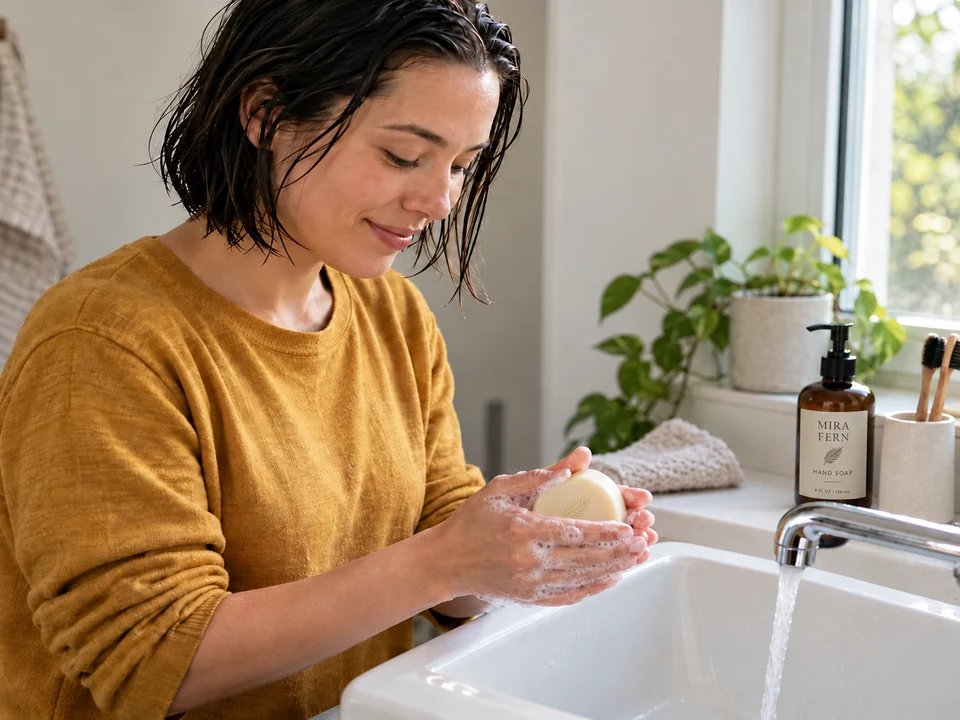
A woman rubs a wet shampoo bar between her palms to make lather over a home basin.

Choose a method you can handle

Check whether the bar allows lathering between your palms or needs direct passes over wet hair. For a liquid, consider opening the cap, squeezing or pressing the pump. Put either product within reach on a stable surface before washing.

What helps, day to day

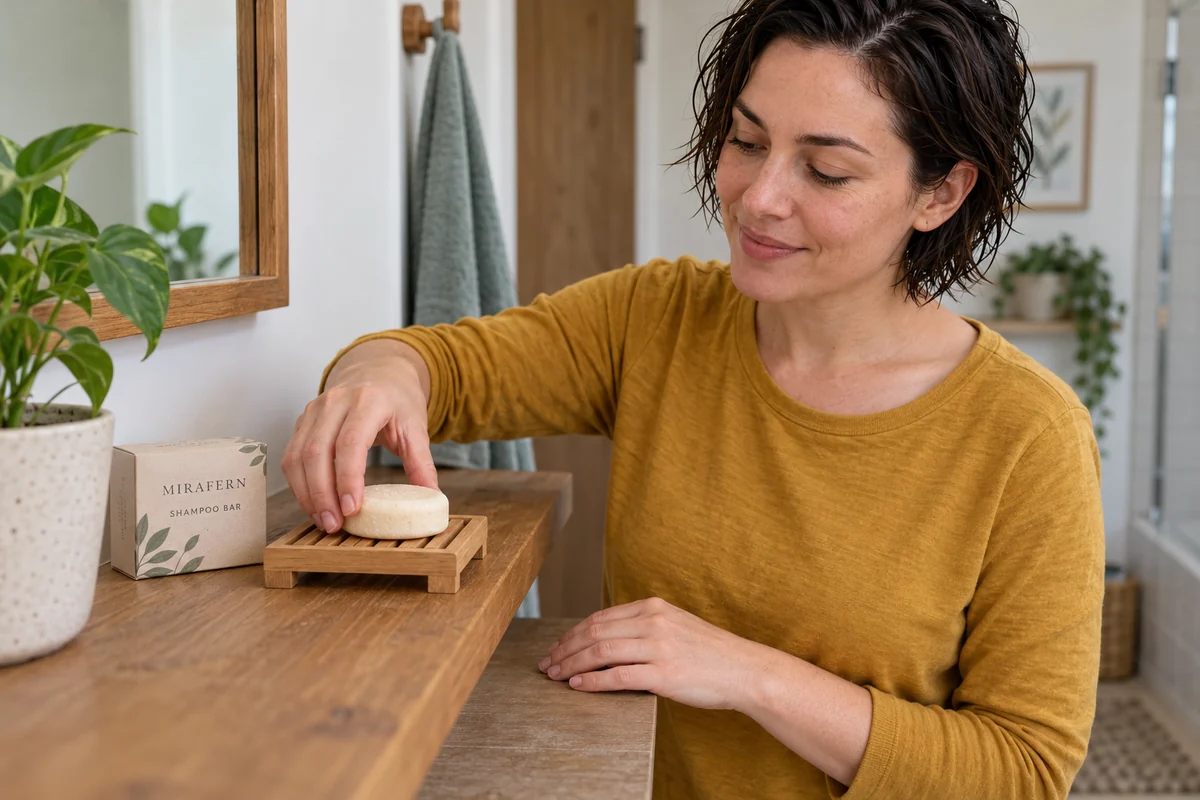
A woman sets a damp shampoo bar on an open slatted dish on a bathroom shelf.

The bar stays soft between washes

  • Set it on a dish with drainage holes or slats, away from shower spray.
  • Empty water collected underneath and leave the bar uncovered to air-dry.
  • Let it dry fully before closing a travel case, and arrange a drying spot at your destination.
A camper with a loose side braid packs a small toiletry pouch beside spare soft hair ties.

You need to pack just after washing

  • If the bar will still be wet when you leave, take a familiar liquid shampoo in a securely closed bottle for this trip.
  • Keep the product separate from clean clothes.
  • Bring its directions, including any restrictions for your color or salon treatment.
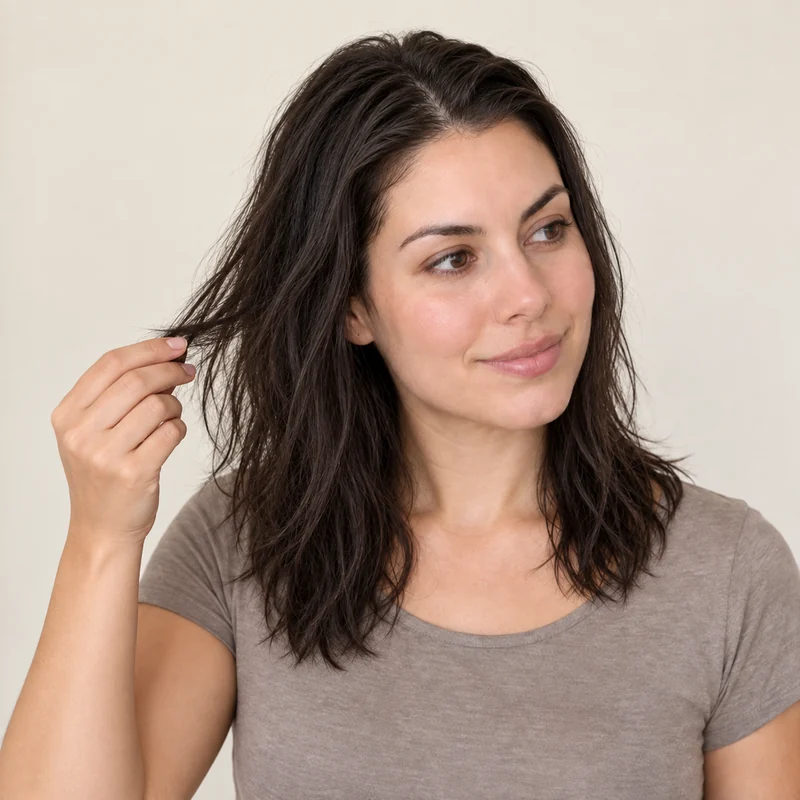
A woman gently feeling a section of her loose hair with her fingers, with no visible product.

The new shampoo leaves hair rough or coated

  • Check the amount and complete the rinse, including underneath the crown.
  • Keep your usual conditioner while judging the result.
  • If handling stays worse, return to a cleanser that worked for you.
  • Since soap can form residue with hard-water minerals, ask the maker whether the bar contains soap before choosing a replacement.
  • Stop using a shampoo that stings or irritates.

Products, by the job they do

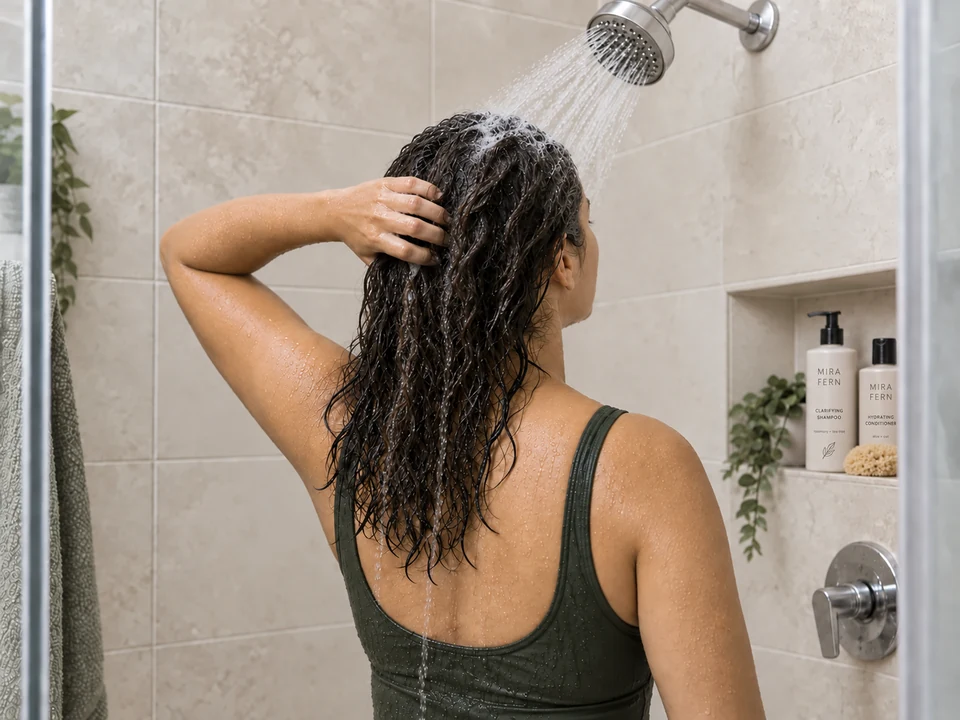
A woman lifts her own wet hair at the back while water from a fixed showerhead reaches her crown.

Choose for the cleansing you need

Start with your scalp oil, styling-product use and any color or salon-treatment restrictions. Check the shampoo’s stated purpose and directions. Compare value by what you actually use per wash and how long it lasts, including any storage equipment you need.

Browse cleansing products. Your current shampoo, wash schedule and past treatments help guide a personal recommendation.

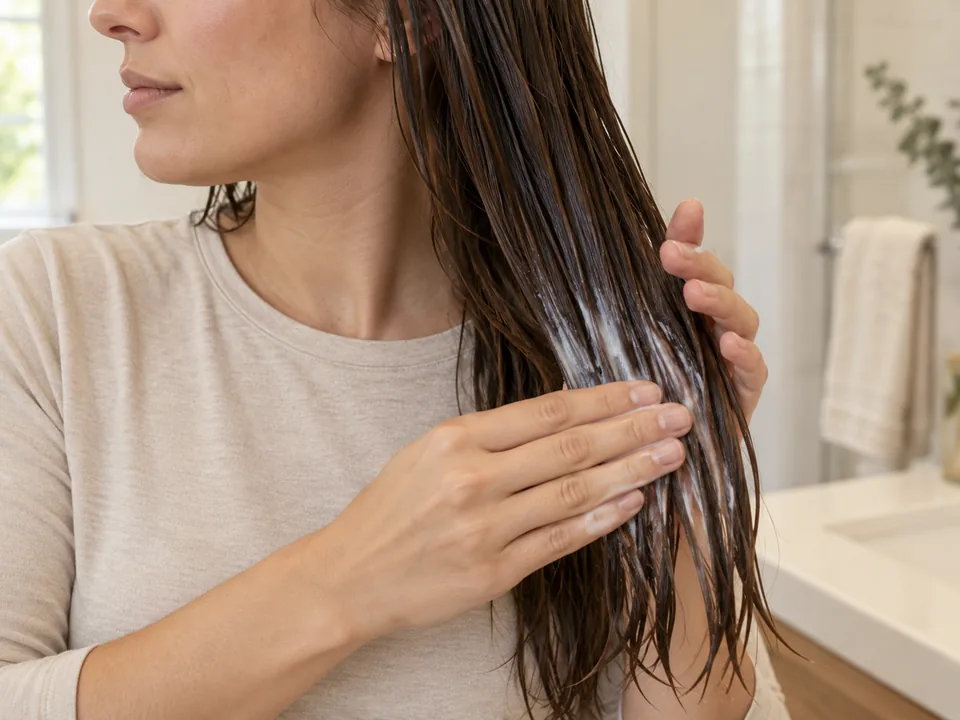
A thin coating of conditioner being smoothed over the lower lengths and ends, away from the scalp.

Keep useful conditioning

You can keep your current rinse-out conditioner when changing shampoo format. Apply it to the lengths that catch, allow its stated waiting time, then rinse. If the hair separates easily, there is no need to replace it with a matching bar.

Browse rinse-out conditioners. The consultation uses your hair details and treatment history to compare conditioner options.

Choose the method for your shampoo

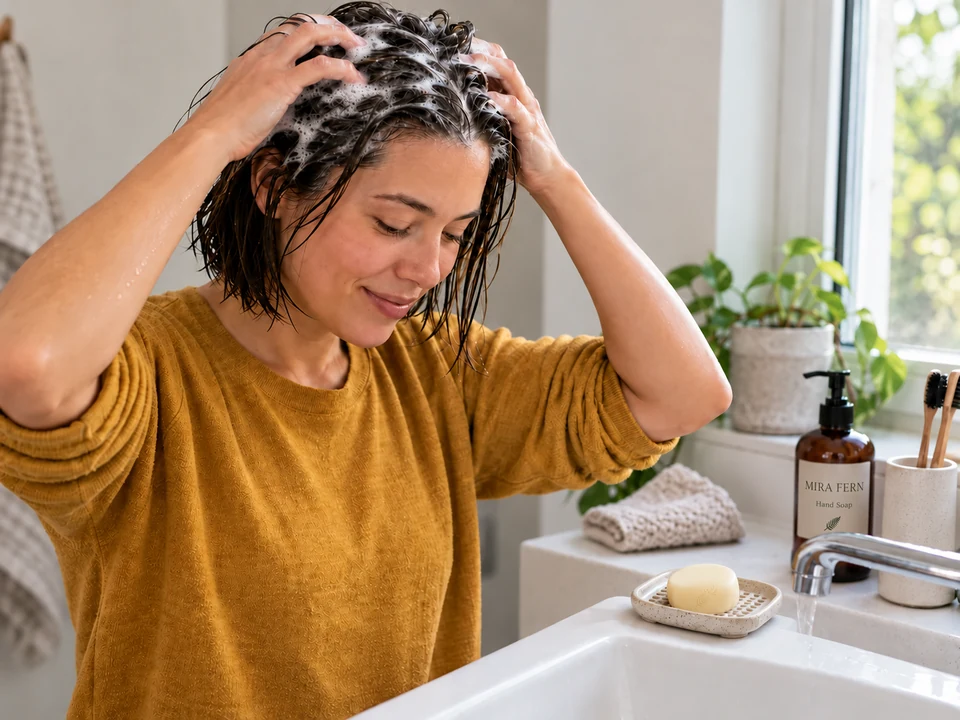
A woman massages lather over her scalp with finger pads while the shampoo bar rests on its draining dish.

Using a solid shampoo

Wet the scalp and hair thoroughly. Use the bar’s own palm-lather or direct-application method, then set it down before massaging. Stop direct passes if they catch; use palm lather only when allowed. The linked method demonstrates a home basin setup.

Guide: Wash with a shampoo bar
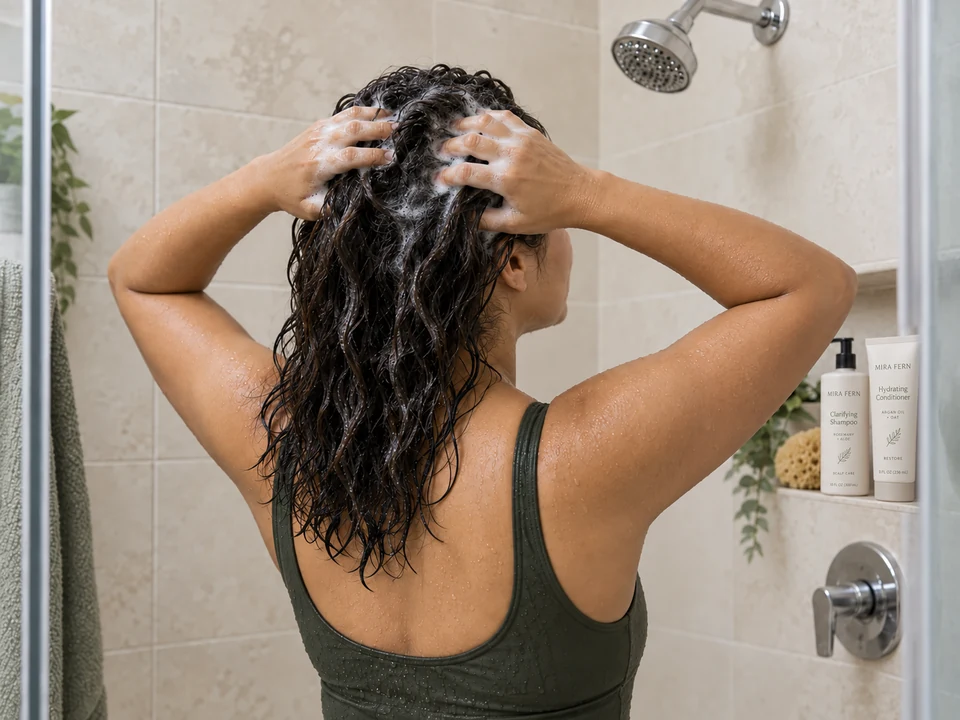
A woman uses both hands to gently work shampoo at the back and sides of her scalp, with the lengths hanging loose.

Using a liquid shampoo

Wet the roots underneath first. Dispense the bottle’s starting amount, set it down, and spread shampoo over the scalp with your finger pads. Keep lengths hanging loose. Rinse every scalp area, then follow the conditioner’s instructions.

Guide: Shampoo your scalp

Illustrated care examples: before & after

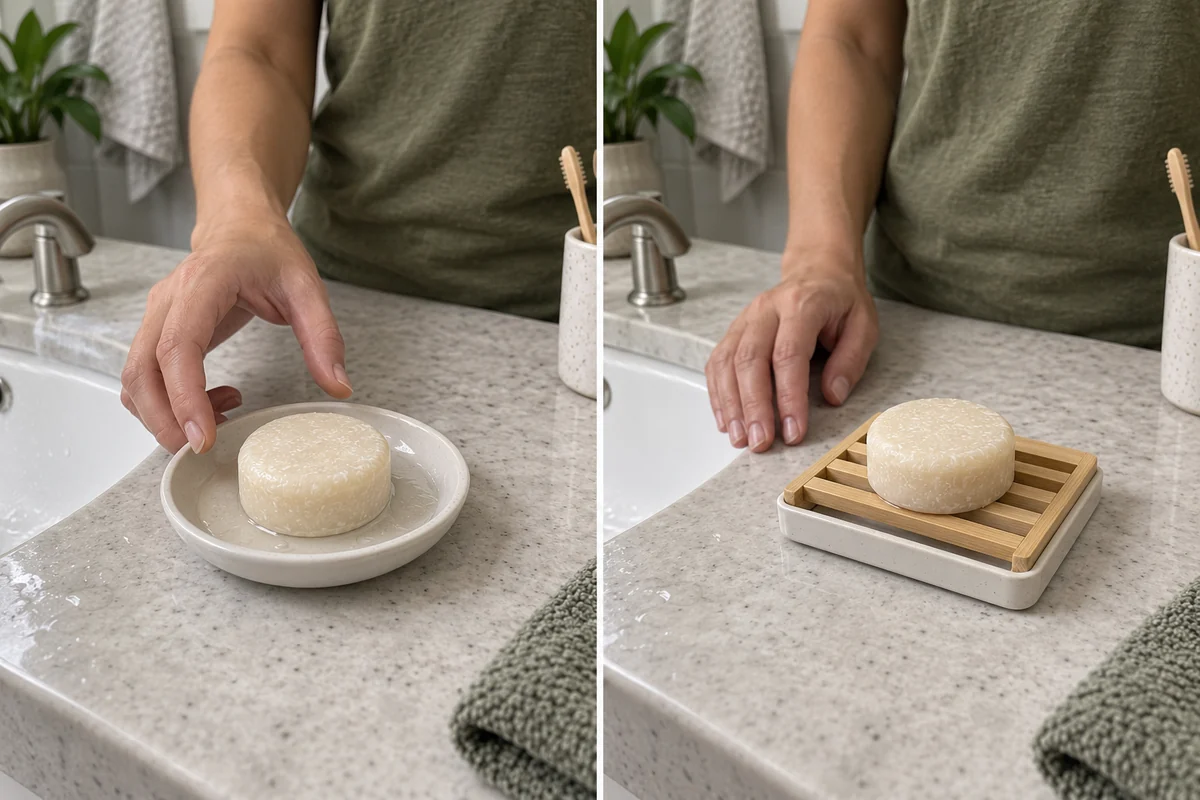
Give the bar drainage

A damp bar in a shallow water-filled saucer and then raised on a draining dish.
Before · bar sitting in waterAfter setup · bar raised on slats
Raise the bar above standing water on an open dish. Empty collected water and leave it uncovered, away from shower spray.

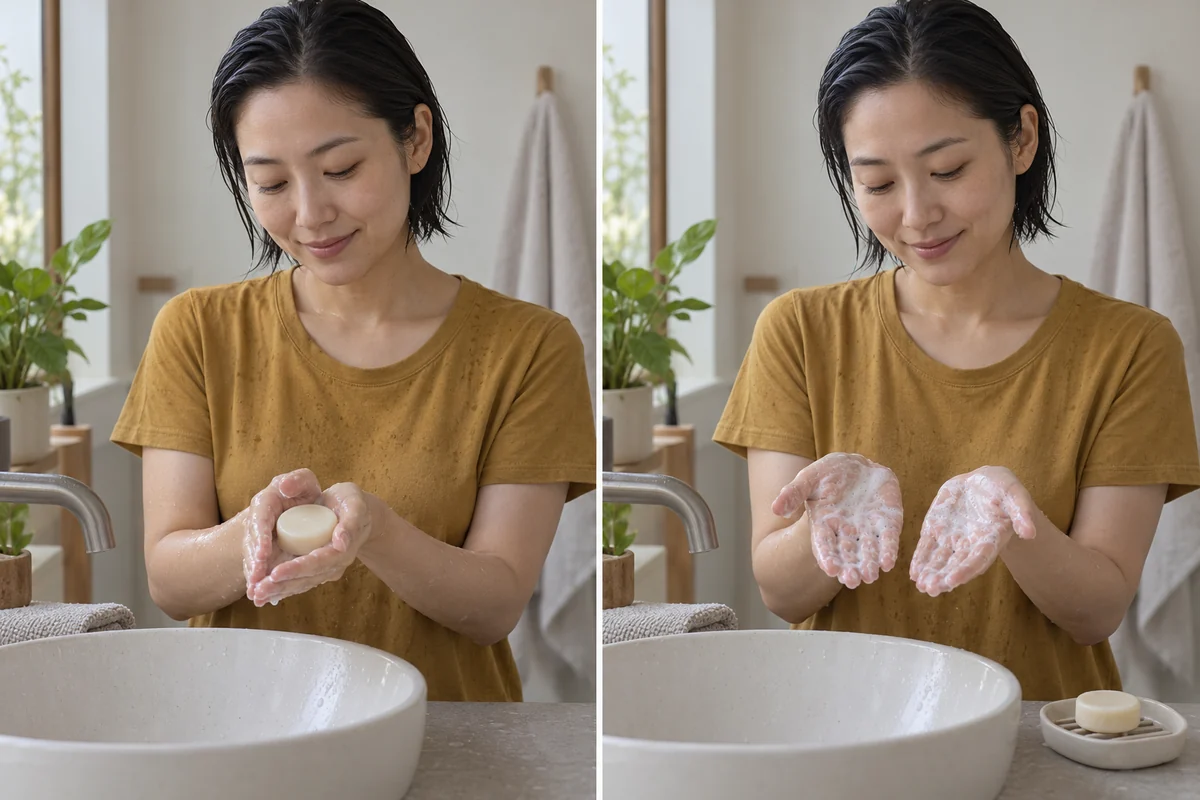
Put the bar down

A woman holds a wet shampoo bar between her palms, then puts it down and holds lather in both hands.
Before · lathering between the palmsAfter setup · bar down, hands free
For a bar that allows palm lathering, build the lather first. Set it on its dish before using your finger pads on the scalp.
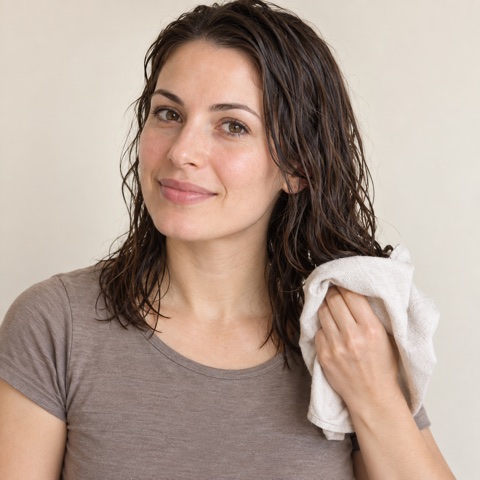
A woman gently squeezing damp hair with a towel.

Help with your hair-care routine

Bring your hair-care questions to the consultation. You can also read choosing hair products.

  • Would a bar or a pump be easier in my shower?
  • Can I keep my conditioner when I change shampoo?
  • What should I change if a new bar leaves my hair rough?

Describe your grip, where you wash and whether you can leave a bar out to dry. Bring the shampoos you are considering and any color or salon-treatment restrictions. Your consultation can help compare their cleansing jobs and keep the conditioning that works.

The Hair Care Consultation gives you a personal plan with product recommendations, routines and guidance on your hair-care questions.

$49 with 60 days of follow-ups, or $99 with 12 months. Pay once; the year renews only if you choose.