Hair Care Guides

Sleek doesn’t have to mean tight.
Smooth the surface instead of pulling harder.

A sleek look can leave your scalp aching if you get it by pulling. Decide where the hair will sit, smooth the surface you can see, and keep the tie comfortable. A few soft waves or short pieces can stay part of the finish.

Your personal hair-care planProduct choices, routines and answers shaped around your hair.$49one-timeStart my consultation
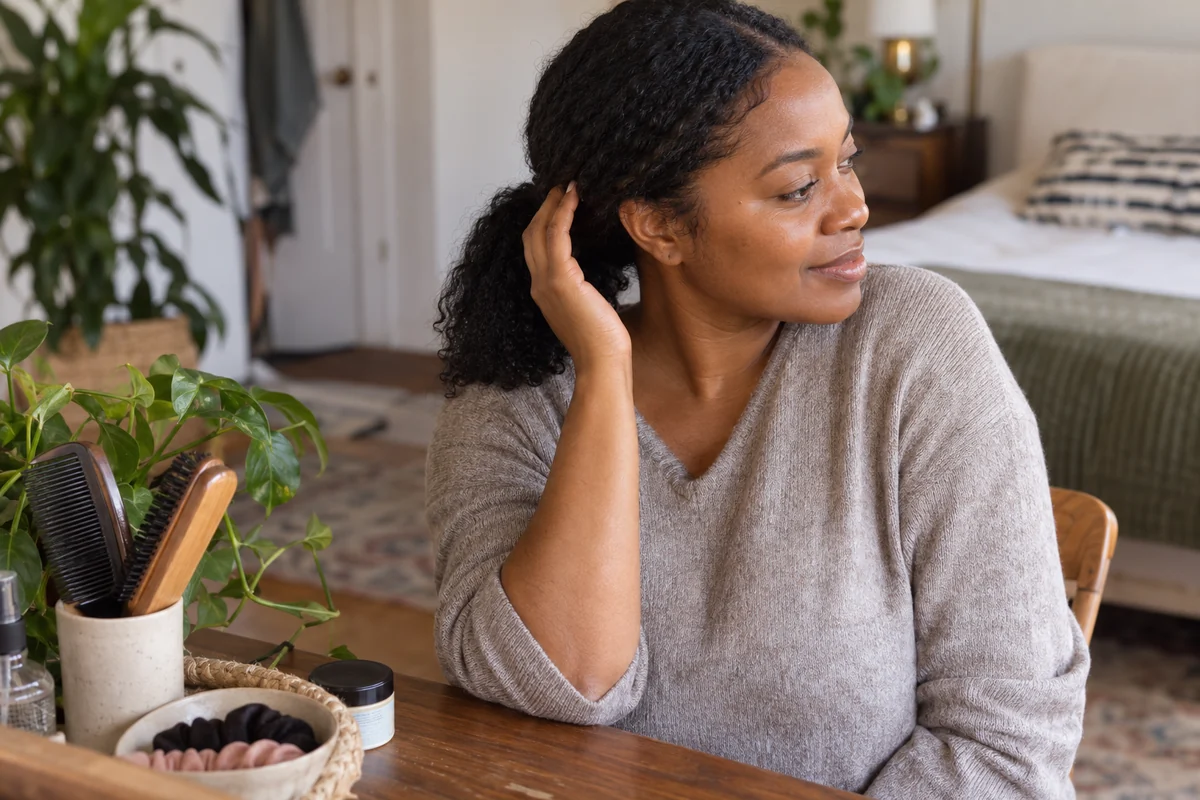
A woman with coily hair rests a hand beside a low ponytail; natural hairline texture remains visible.
Smooth the surface instead of pulling harder.

What is going on

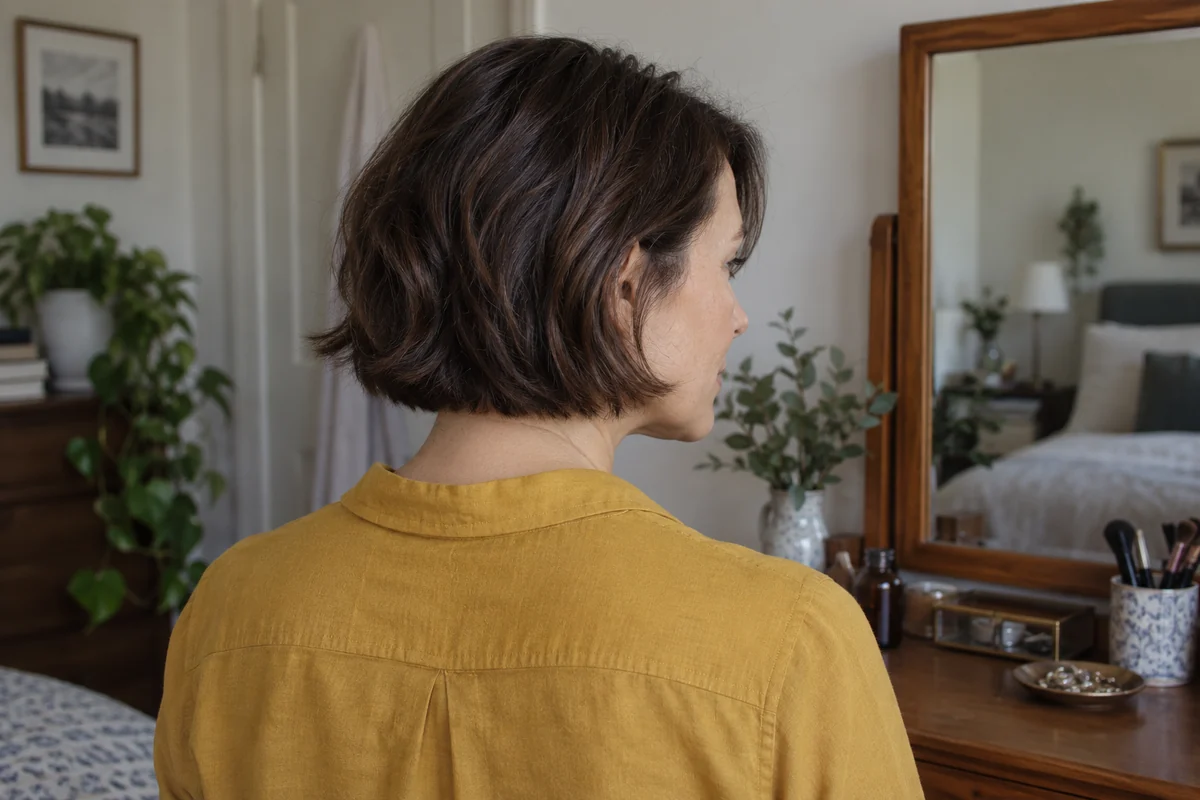
A rear three-quarter view shows the dry nape and side perimeter of a wavy bob.

Pick the shape before you pick up a brush

Do you want a low ponytail, a loose bun or hair simply resting back with no tie? Start with whatever your length reaches without effort. The higher or farther back the anchor, the farther the short pieces at the front have to travel.

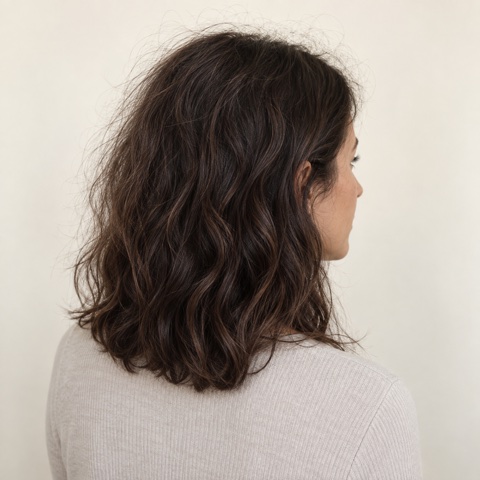
A side view of wavy hair with flyaways around the crown.

Hold on the surface is not the same as tension

A product lays the surface flat. Pulling the tie tighter is a different thing, and it’s what hurts. If the look only works when you pull harder, choose a looser shape or a nearer anchor. Short hairline pieces don’t all have to lie down.

What helps, day to day

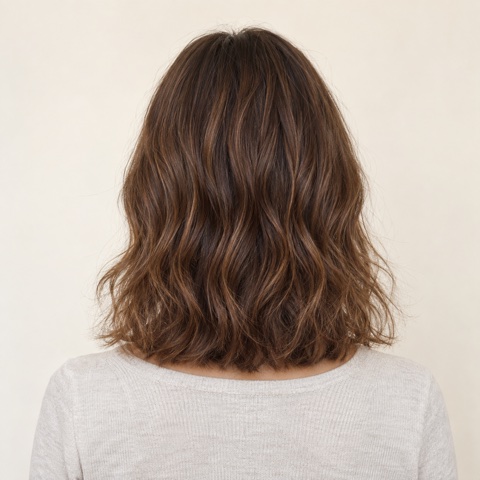
A rear view of wavy hair with flyaways near the ends.

The front won’t reach the back

  • Guide the front pieces to a side spot nearby, or leave them out on purpose.
  • With a layered bob, a swept-to-the-side shape is usually easier than a ponytail.
  • Don’t tighten the whole style to catch one piece that keeps escaping.
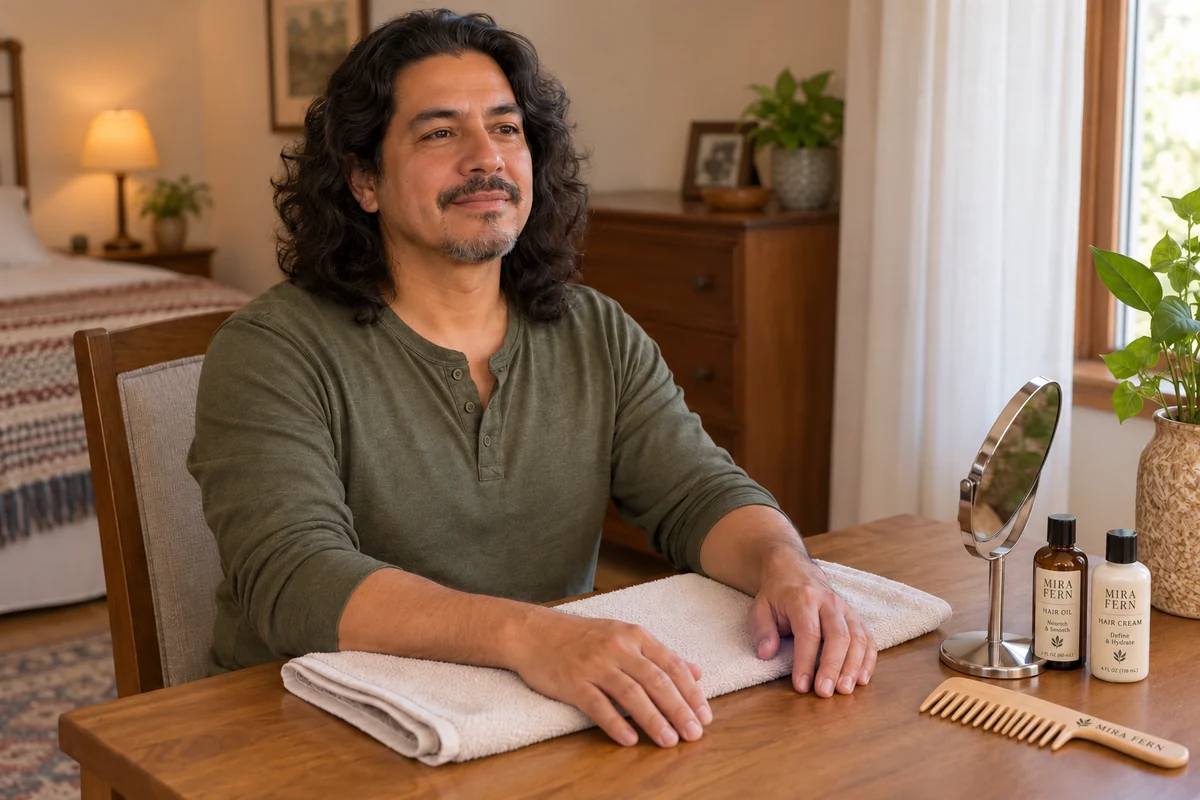
A man seated at a dry dressing table with both forearms resting on a folded towel beside a mirror, comb and bottles.

It feels tight once it’s fastened

  • If it hurts, stings or pulls at the skin, take it down.
  • Hold the gathered hair with one hand while you remove the tie, so nothing snaps back.
  • Try a looser version only once the scalp has settled. Comfort comes before the outline.
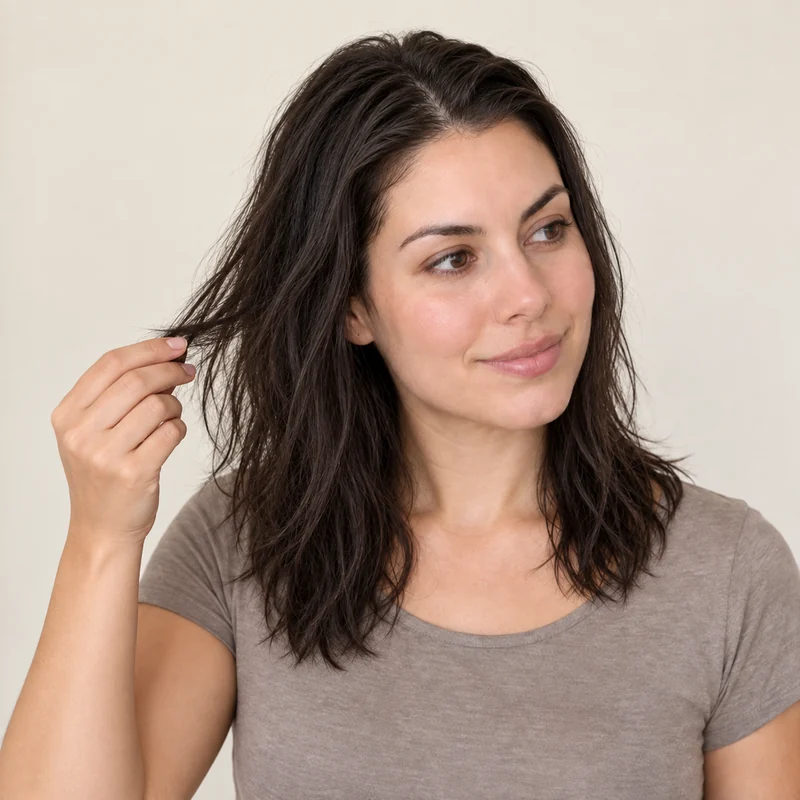
A woman gently feeling a section of her loose hair with her fingers, with no visible product.

You keep brushing to get rid of texture

  • Once the surface is laid, stop brushing it.
  • If your hair is coily, a low, loose gather can keep your texture showing and still look polished.
  • A smooth outline doesn’t mean erasing the curl or going over the same edge again and again.

Products, by the job they do

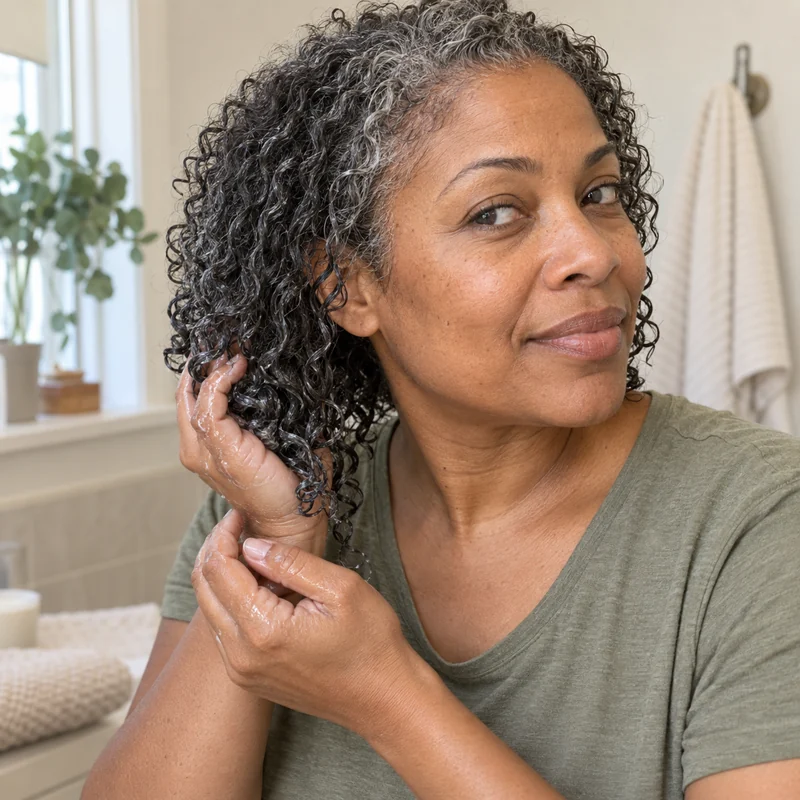
A woman cupping a damp curl section with styling gel on her hands.

Use hold for the surface, not for strength

Choose a styler for the finish you want on top and check whether it goes on damp or dry hair. More hold product is never a reason to leave in a tie that’s pulling.

Browse styling products. Tell the consultation how much hold you want and which stylers you have tried.

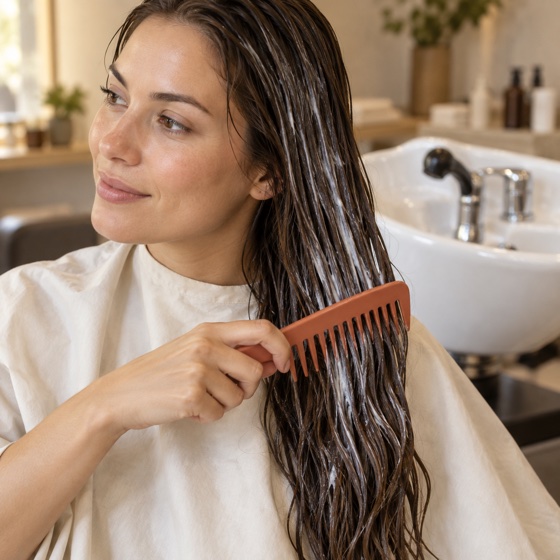
A woman detangling conditioned hair with a wide-tooth comb.

Get the tangles out before you gather

Work out the knots before you pull anything back. Conditioner gives you the slip to do that gently, which beats dragging a brush through resistance to make the surface look smooth.

Browse rinse-out conditioners. Your tangles, past treatments and preferred finish help guide a personal conditioner recommendation.

How to do it

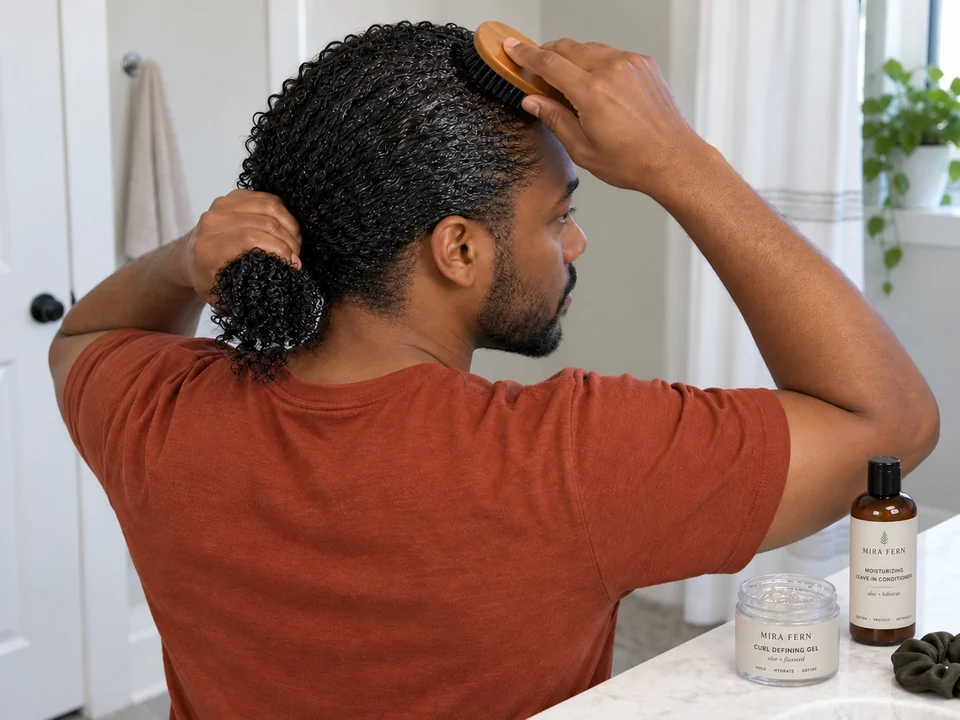
Soft-brushing damp surface hair backward while the other hand gathers lengths with visibly slack tension.

1. Lay the surface with short strokes

Apply the product as the label says, use short gentle strokes and gather only what reaches. If you use a tie, keep it comfortable and don’t cinch it tighter to chase every flyaway.

Guide: Slick hair back with low tension
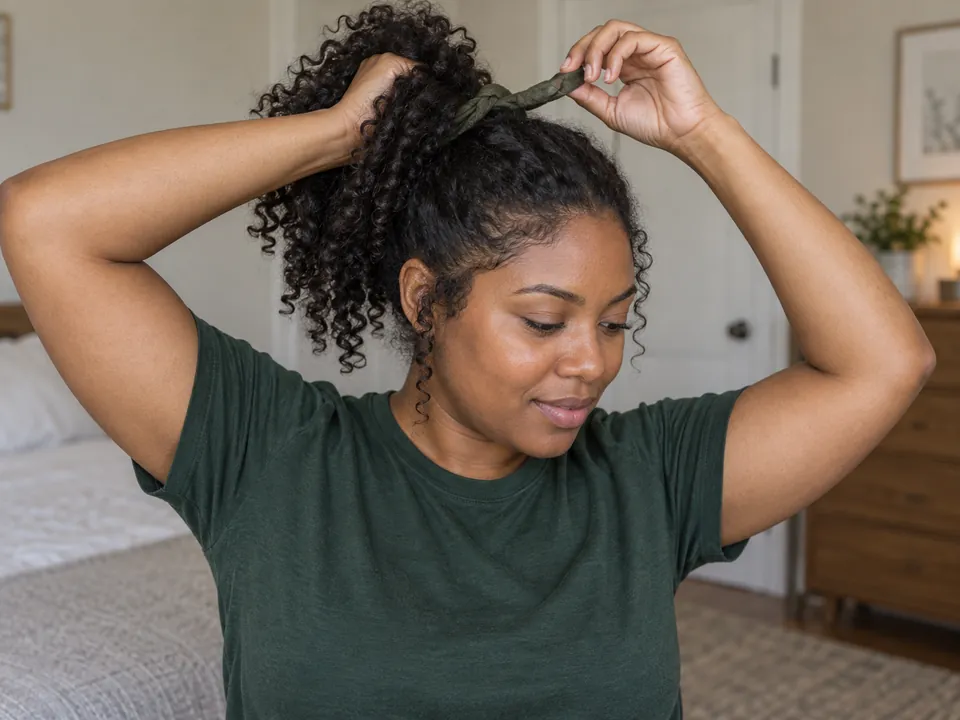
Supporting the ponytail while loosening its fabric tie.

2. Check how it feels once it’s up

Notice any pulling, stinging or skin that looks stretched, without tugging on the style to test it. If it’s uncomfortable, hold the hair and let the tie out.

Guide: Loosen a hairstyle that pulls

Illustrated care examples: before & after

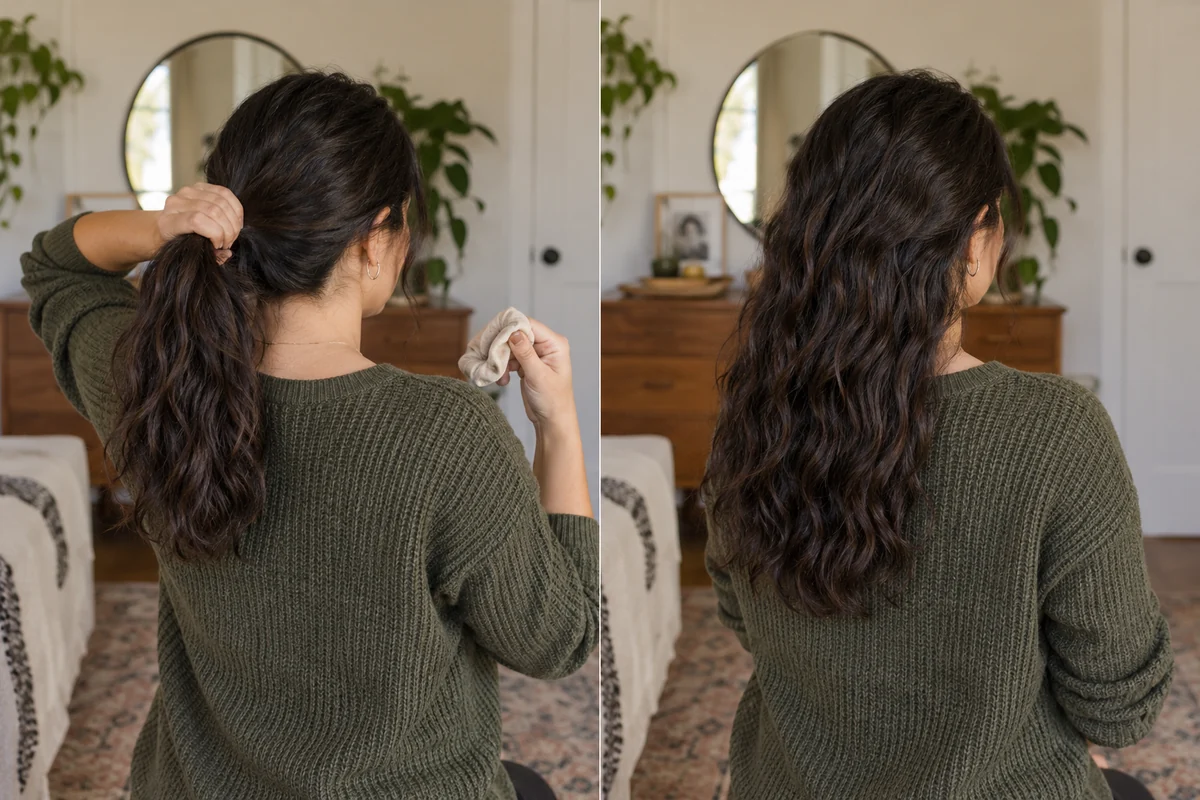
Letting the gather go

Rear views show the same woman holding long waves in a low gather with a removed scrunchie in her other hand, then wearing the hair loose.
Before · hair in a low gatherAfter this step · lengths loose
Hold the hair, take the fastener out, then let the lengths down. Comfort wins over keeping an outline that pulls.

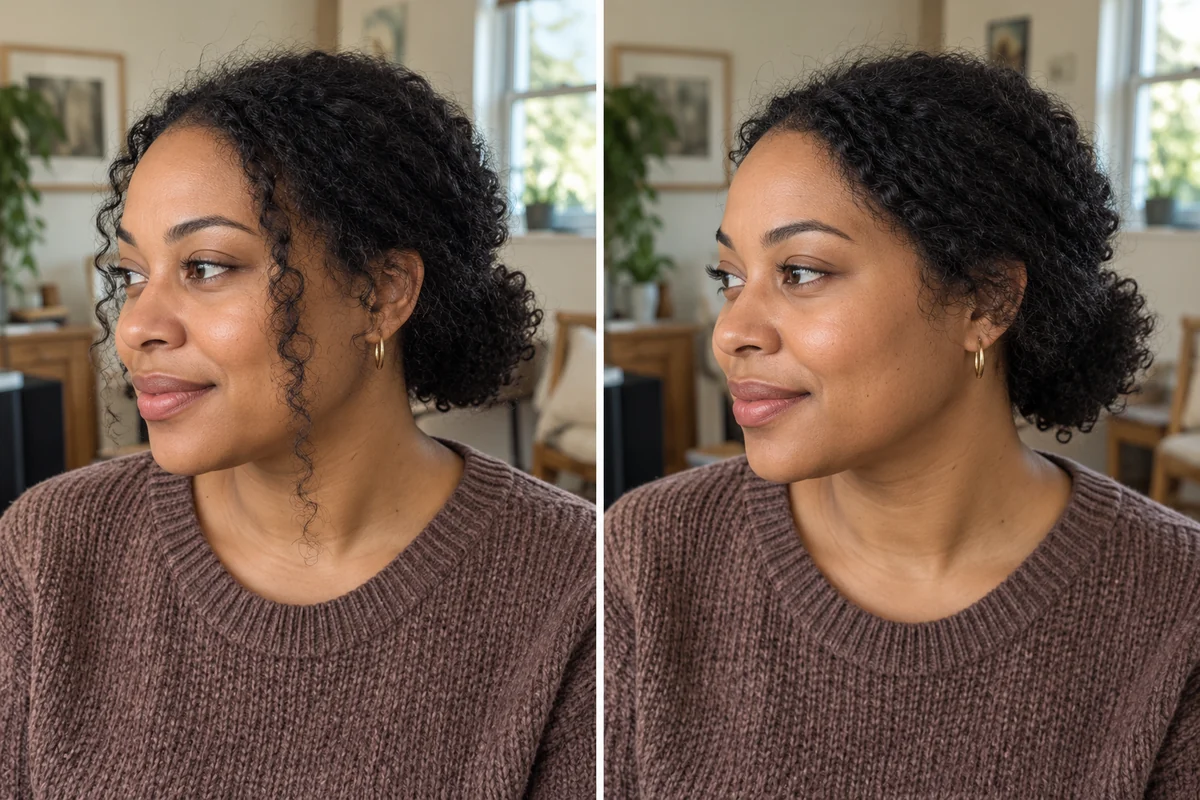
Front piece tucked, anchor unmoved

A woman with a low coily bun has a front curl loose beside her face, then arranged back at the side while the bun remains in place.
Before · front curl by the faceAfter this step · same curl placed back
The same front curl, smoothed back to the side without touching the anchor behind it. Where the surface sits and how tight you fasten are separate choices.
A woman with curls writing a routine note beside her hair-care products.

Help with your hair-care routine

Bring your hair-care questions to the consultation. You can also read choosing a finish for flyaways.

  • Where should the ponytail or bun sit for the length I have?
  • Can I get this look without pulling so hard?
  • Which product gives me the finish I like?

The plan uses the hair and scalp details you share, past treatments, current products, preferences and the time and budget you have.

The Hair Care Consultation gives you a personal plan with product recommendations, routines and guidance on your hair-care questions.

$49 with 60 days of follow-ups, or $99 with 12 months. Pay once; the year renews only if you choose.