Hair Care Guides

Thick, straight strands can keep it simple.
Sort out handling first, then the finish.

If your straight hair feels firm and substantial between your fingers, you’ve probably been told it’s dry or damaged. Often it isn’t. Build a routine around a comfortable scalp, hair that separates easily, and a shape you don’t have to force every morning.

Your personal hair-care planProduct choices, routines and answers shaped around your hair.$49one-timeStart my consultation
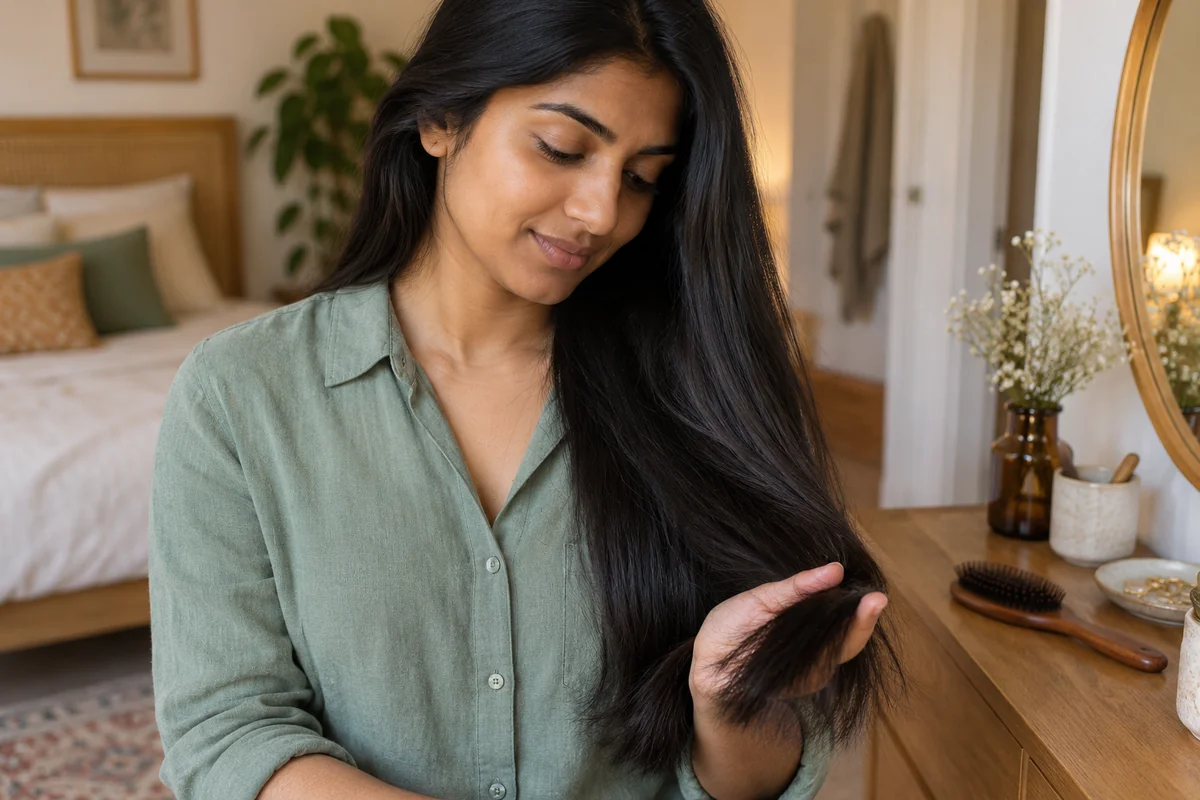
An adult supports long dark loose ends in an open palm beside a brush.
Sort out handling first, then the finish.

What is going on

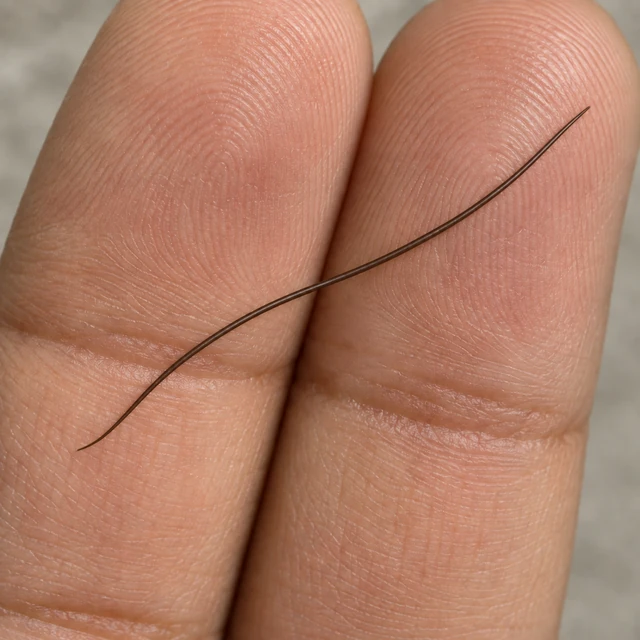
A single coarse hair strand resting across two finger pads

Coarse is a width, not a verdict

Coarse just means each strand is wide. It says nothing about damage or how much hair you have. The firm feel you’ve always had is one thing. New roughness, tangling or snapping is something else, and worth noticing on its own.

An adult wears loose chin-length dark hair with a modest outward bend near the jaw; a brush and soft tie rest on the counter.

Pick the finish you actually want most days

Do you want it to move freely, sit in a neat straight line, or stay off your face? Start there, before smoothing treatments or a daily hot tool. Straight hair doesn’t have to look like glass to be well looked after.

What helps, day to day

A person with long straight hair locating tangles around the ends.

The brush catches even though it’s straight

  • Let freshly washed hair dry a little before you comb it gently.
  • When brushing dry, bring a small section forward, hold it above the snag and start at the ends.
  • Firm strands aren’t an excuse for force.
  • When a knot resists, stop.
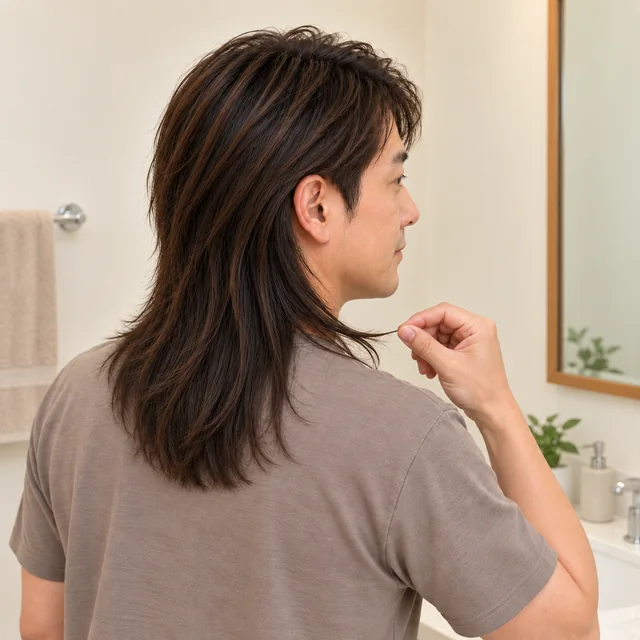
An adult gently lifts outward-flicking salt-and-pepper ends away from a shirt collar.

The ends flick out but don’t feel rough

  • That’s a shape question, not a condition one.
  • You can keep a small flick, change how the lengths sit on your collar, or talk about the outline at your next trim.
  • Ironing comfortable hair every day because it won’t curve the way you’d like isn’t required.
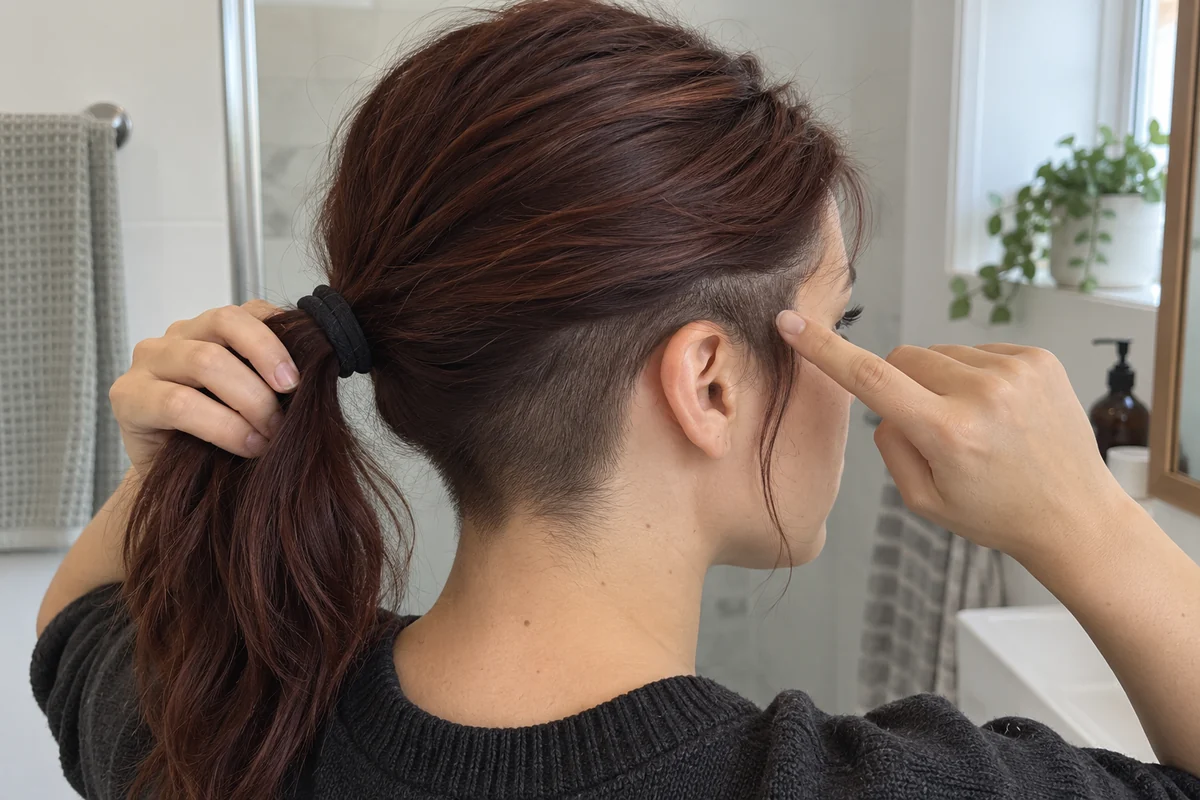
An adult supports a low ponytail made from the long top while indicating the short free side above the ear.

A tight ponytail pulls before it feels secure

  • Gather the hair where the lengths reach easily, with a tie that holds the bundle without squeezing it.
  • Leave the shorter pieces out.
  • If you keep adding tighter turns to make it hold, change the tie or wear it looser instead.

Products, by the job they do

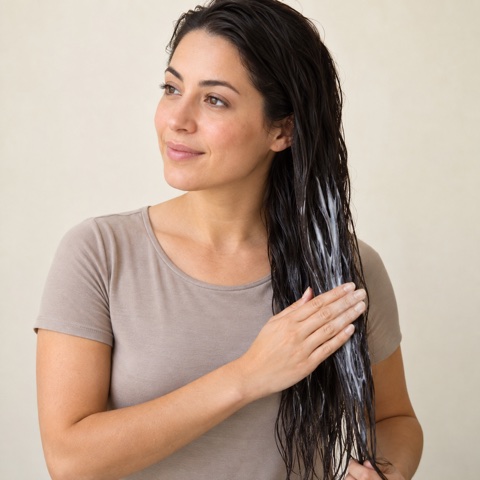
A woman smoothing conditioner through her mid-lengths and ends.

Condition the parts that actually catch

Put conditioner where your lengths need slip, and rinse it as the label says. How much depends on how your hair tangles, how thick the strands are, how much hair there is, and any treatments. Coarse strands alone aren’t a reason to coat comfortable roots.

Browse rinse-out conditioners. Tell the consultation what you want from a conditioner and what you disliked about previous ones.

A woman spreads finishing product between her own palms with the bottle on a nearby counter.

Finishing is optional, and only on the tips

If you’d like smoother ends, choose a product made for that job and the hair state you’ll apply it to. Think about how soft or coated your hair already feels. A finisher changes how the tips feel. It won’t fix a haircut you don’t like.

Browse hair finishing products.

How to do it

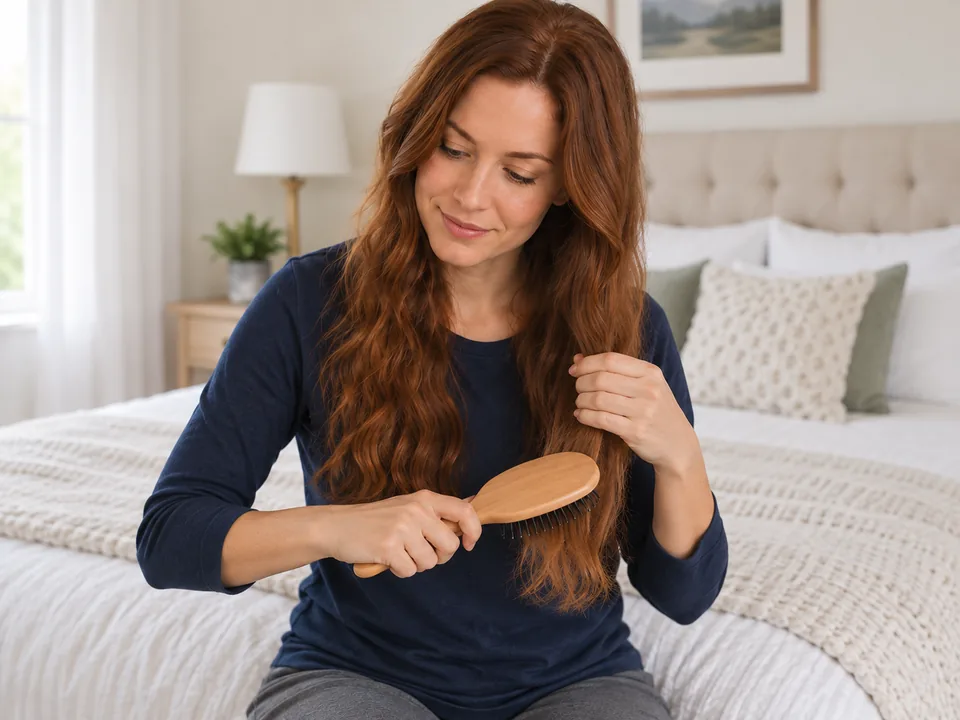
A woman holds a dry hair section above a paddle brush positioned near its ends.

1. Brush dry hair only as much as it needs

Use a clean, smooth brush. Hold a section you can reach, clear its ends with short strokes and work upward bit by bit. Once it moves freely, stop. Matting that won’t shift needs a different approach than more brushing.

Guide: Brush dry straight or wavy hair without pulling
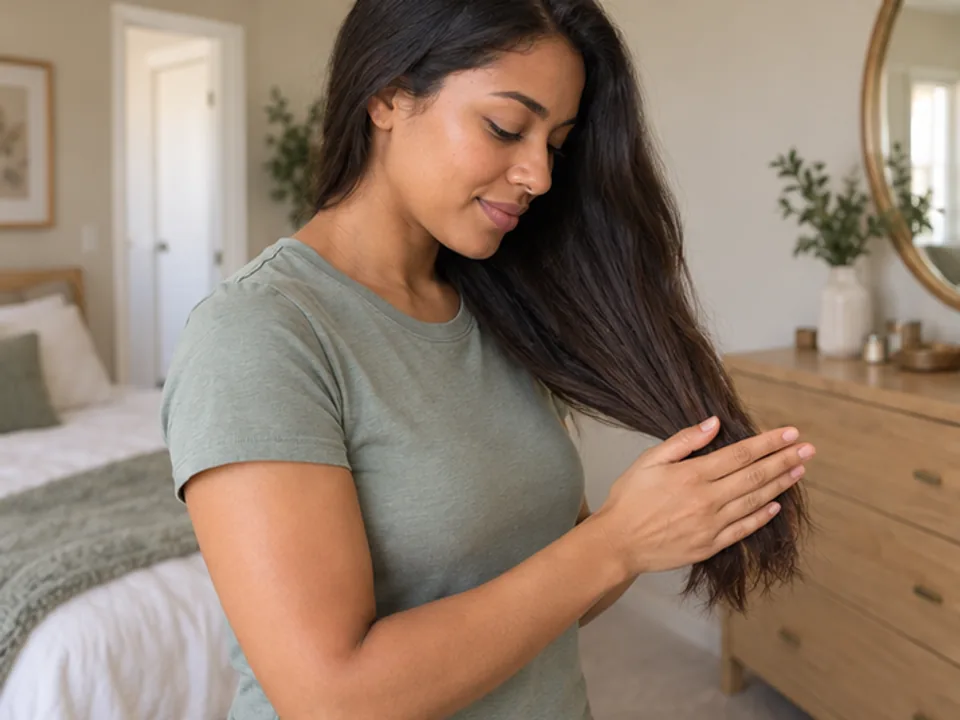
A woman brings her own dry hair forward and smooths the ends between relaxed hands.

2. Smooth the dry tips when you want to

Use a leave-in serum or oil meant for dry ends, applied by hand. Spread it on your palms first, smooth the tips you’ve chosen, and stop once they look how you want. Keep it off the scalp and never pull it through a knot.

Guide: Apply finishing serum or oil to ends

Illustrated care examples: before & after

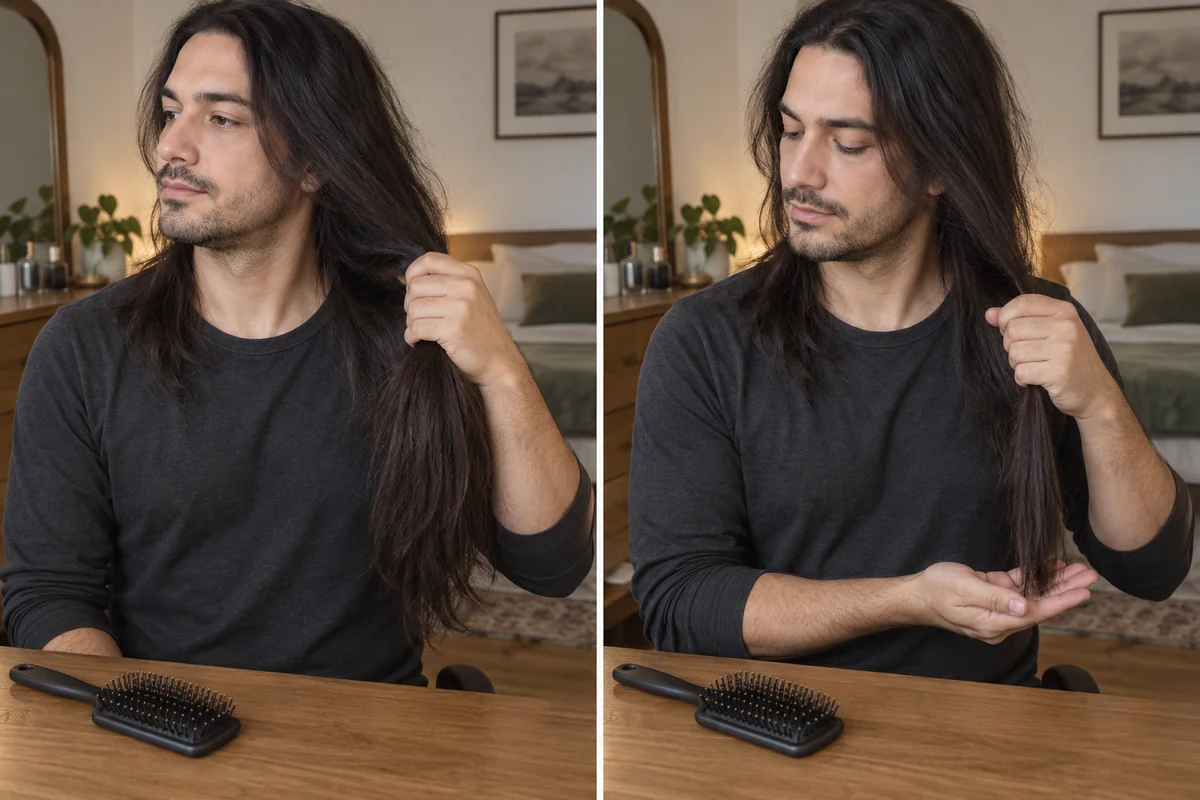
A smaller section, supported

The same adult holds a large forward bundle, then supports a smaller section at mid-length and cradles its free ends while the brush stays on the table.
Before · one large loose bundleAfter choosing a smaller section · small section held above ends
A smaller section is brought forward and held above its free ends before the brush goes in. Start at the ends and stop if a knot resists.

Finisher only at the tips

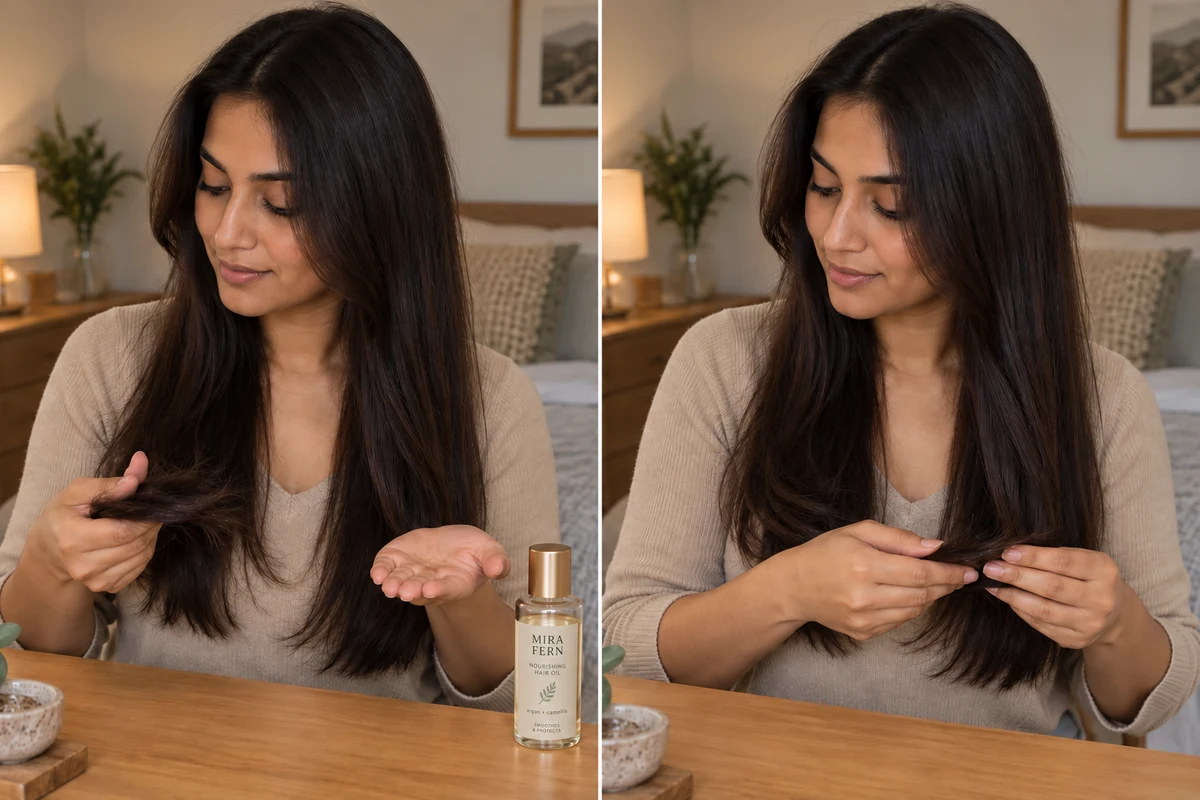
The same adult holds dry ends beside a finishing bottle, then smooths only the lower tips with relaxed hands.
Before · dry ends, nothing on yetAfter local application · tips smoothed, roots untouched
The finisher goes only on the lowest tips, and the roots and shape are left alone. Use it where you want a change in feel and stop there.
A woman with curls writing a routine note beside her hair-care products.

Help with your hair-care routine

Bring your hair-care questions to the consultation. You can also read checking a heavy straight underside.

  • Is it the feel of the strands, tangled ends or the haircut that bothers me?
  • Where should I put conditioner so combing is easier?
  • What everyday shape can I wear with less heat and pulling?

The plan uses the hair and scalp details you share, past treatments, current products, preferences and the time and budget you have.

The Hair Care Consultation gives you a personal plan with product recommendations, routines and guidance on your hair-care questions.

$49 with 60 days of follow-ups, or $99 with 12 months. Pay once; the year renews only if you choose.