Hair Care Guides

A half-used bottle isn’t an obligation.
Keep it only if it has a job.

Money spent makes a bottle you don’t like feel like something you owe. You don’t. Decide whether it still does a real job, whether a smaller amount would change your mind, or whether it should leave. Emptying it isn’t worth extra steps or discomfort.

Your personal hair-care planProduct choices, routines and answers shaped around your hair.$49one-timeStart my consultation
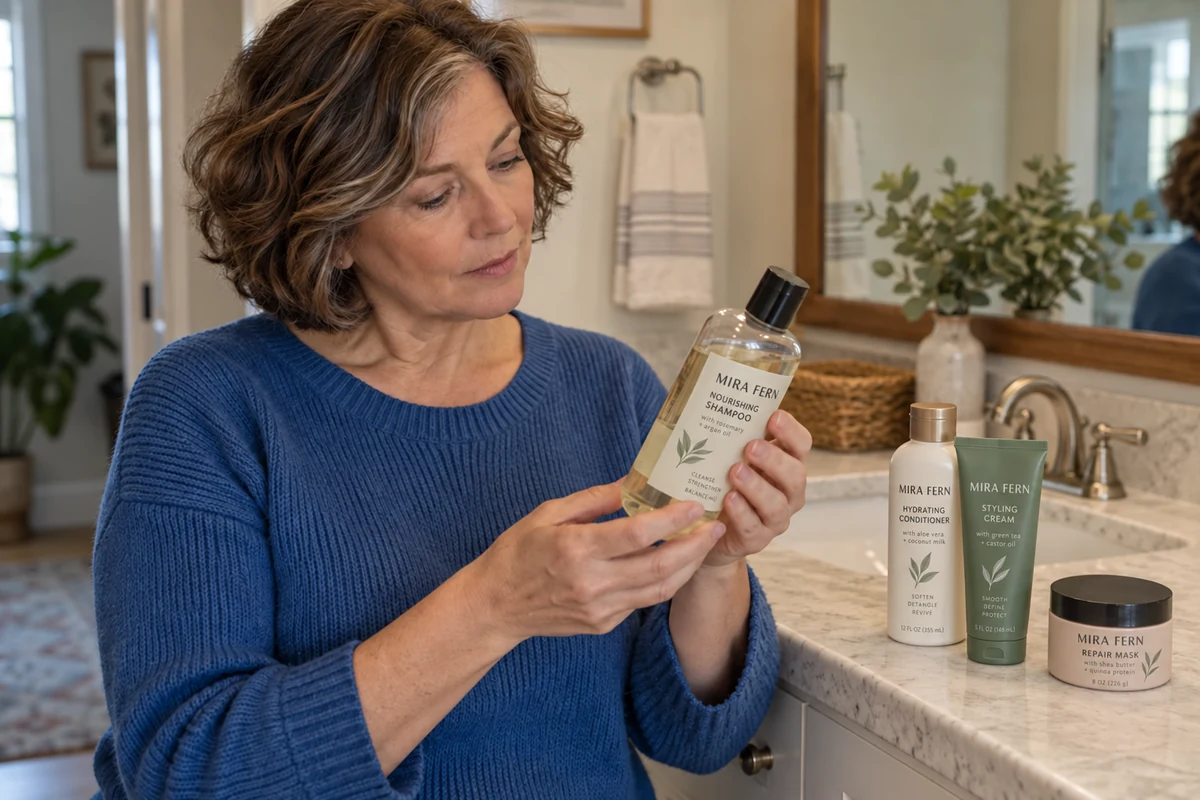
A woman reads a partly used shampoo bottle beside other closed products.
Keep it only if it has a job.

What is going on

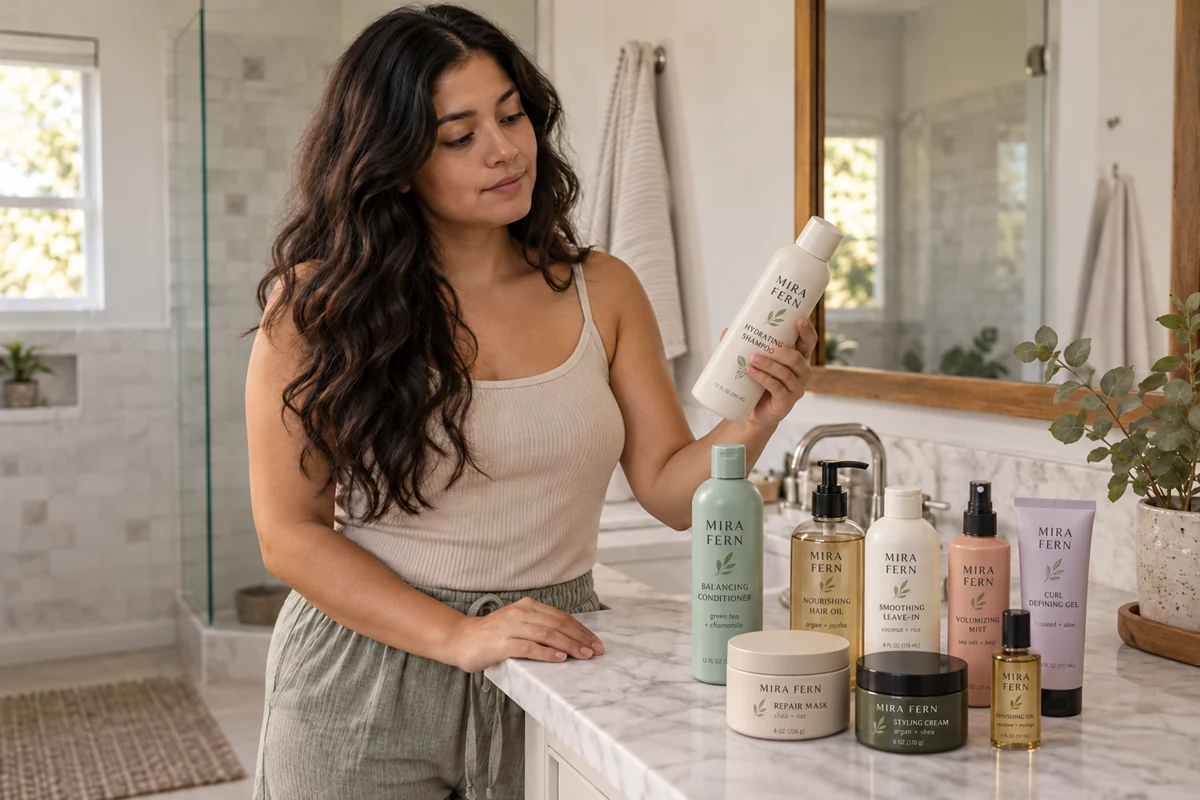
A woman considering several hair-care bottles and jars on her bathroom counter.

Sunk cost isn’t the same as useful

Line up the bottles you’re unsure about and say what each one actually does for you. If one duplicates a step you already like better, it has no place right now. You can stop using it without that creating a new problem to fix.

A woman wearing glasses reads a hair product ingredient panel.

Check it’s still fine to use

Read the packaging for storage directions and any expiry or opening-period note. If you can’t remember how old it is or how it’s been kept, ask the maker. Looks alone won’t tell you it’s still fine, and there’s no one shelf life for every product.

What helps, day to day

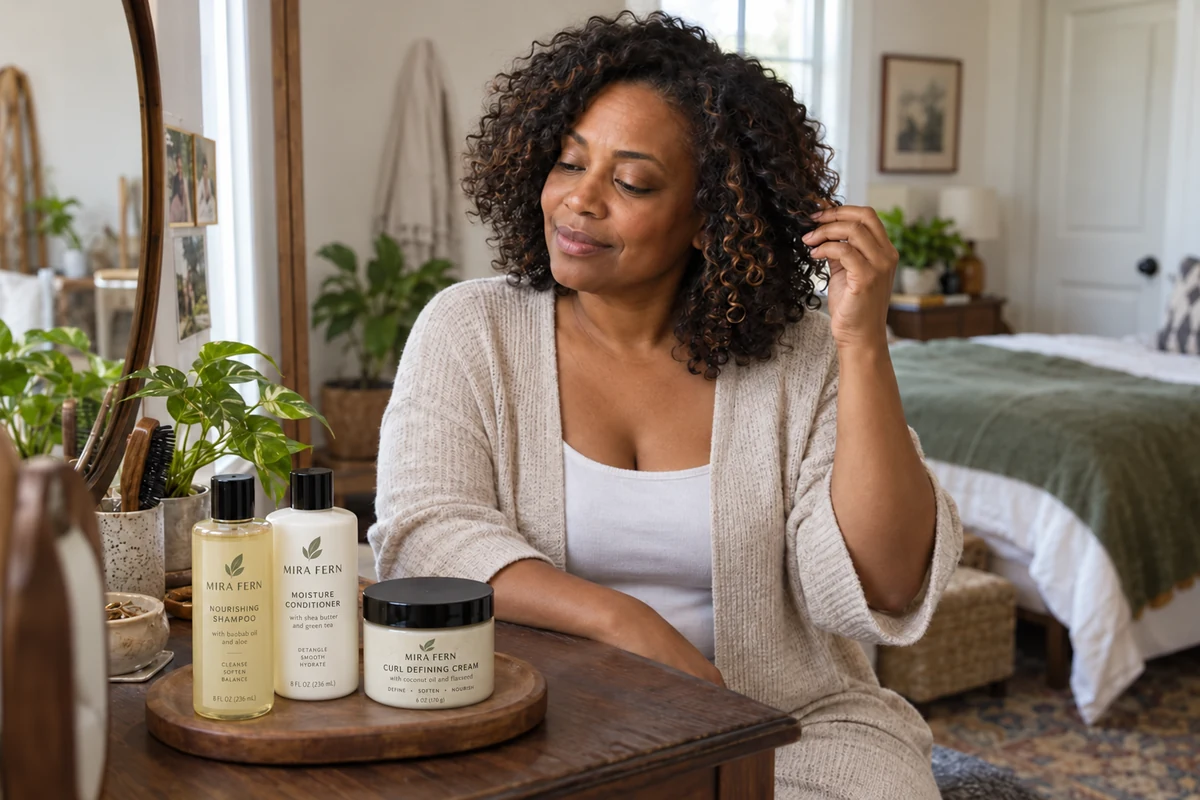
A woman with shoulder-length curls gently holds a curl at a dressing table with a small group of products.

It works, but it feels heavy

  • If the directions let you adjust the amount, try less next time rather than using it more often.
  • Keep it where the label says it goes.
  • See whether it still does its job with less.
  • Needing less isn’t a reason to wash or style more just to get through the bottle.
A woman uses a tablet displaying product directions beside a capped hair-care bottle at a dry desk.

It suits an occasional job

  • Using something now and then is a perfectly good use.
  • Keep its directions handy and store it the way the label says between uses.
  • Don’t invent a mask day, layer it over a styler you prefer, or leave a rinse-out product in just to finish it.
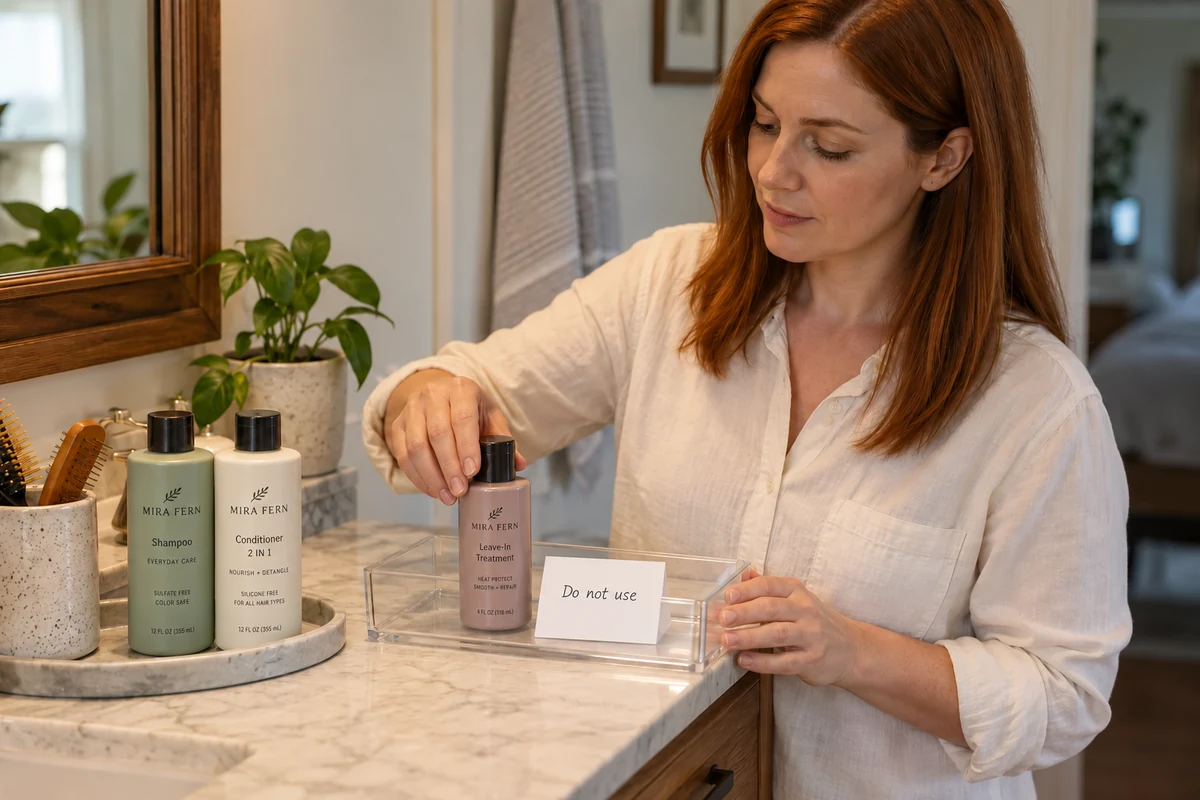
A woman sets a closed bottle in a separate tray marked Do not use.

Something about it has changed

  • If the smell or color has changed, there’s something floating in it, or you suspect it’s been contaminated, stop using it.
  • Follow any recall notice.
  • Don’t water it down, mix it with a new bottle or hand an opened problem product to someone else.

Products, by the job they do

A woman massaging shampoo lather onto her scalp with her fingertips.

Wash because your scalp needs it

Use a shampoo that suits you when your hair and scalp actually need washing. Washing more often just to get through a shampoo you dislike adds work without fixing why you dislike it.

Browse cleansing products. Bring the shampoos you are choosing between to the consultation, along with what you liked or disliked about them.

A woman smoothing conditioner through her mid-lengths and ends.

Keep conditioner if it earns its slip

Hang on to a conditioner that gives you real slip or a finish you like. If it feels heavy, that’s worth knowing. Follow its rinse directions. An unwanted conditioner doesn’t turn into a scalp treatment or a body lotion just because it’s there.

Browse rinse-out conditioners. Tell the consultation what you want from a conditioner and what you disliked about previous ones.

One clear decision for each bottle

A woman with curls writing a routine note beside her hair-care products.

Keep, pause or stop

Write one reason next to each bottle. Keep the ones with a real job, pause an optional one whose value you’re not sure of, and stop anything that doesn’t suit you. Pausing doesn’t make it last longer, so keep the packaging and its directions.

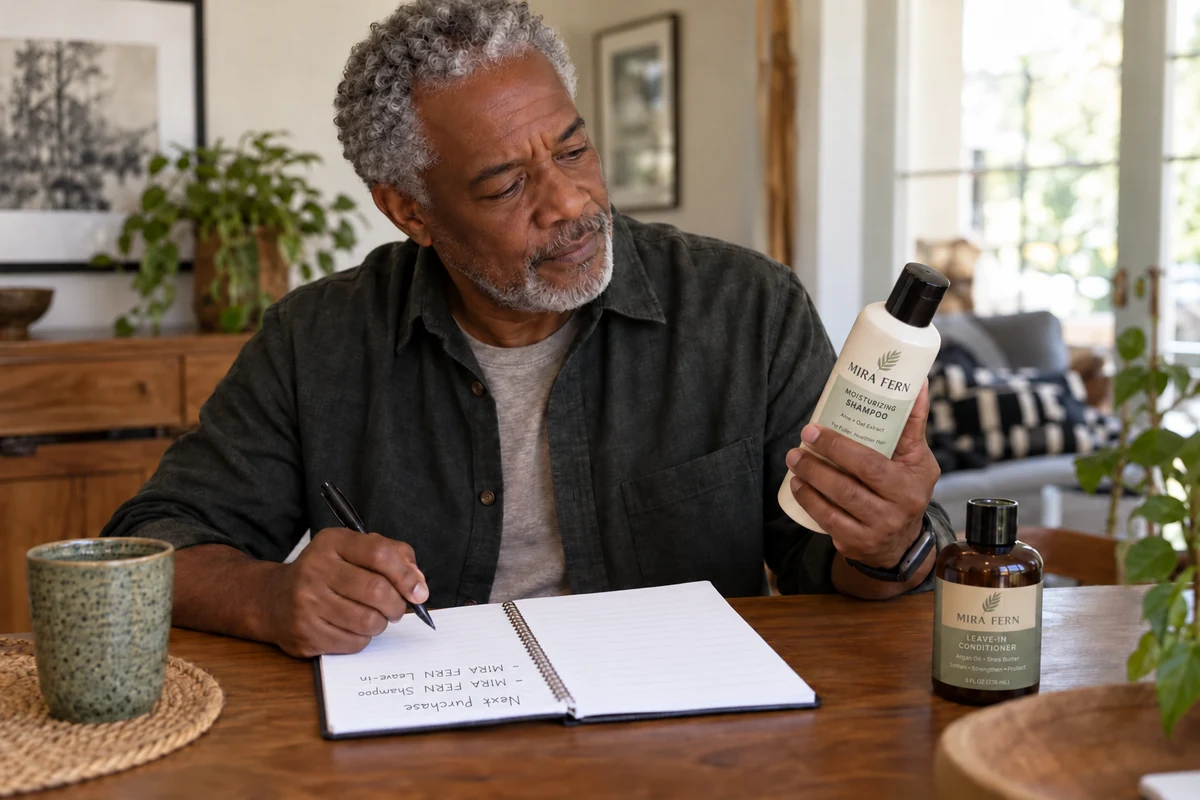
A man reads a shampoo bottle while making a note, with a second hair-care bottle beside the notebook.

Let this bottle teach the next purchase

Before you replace it, jot down why it did or didn’t suit you. If it’s going in the bin, follow the package and your local waste rules, especially for aerosols. And don’t decant it into another container to avoid making the call.

Illustrated care examples: before & after

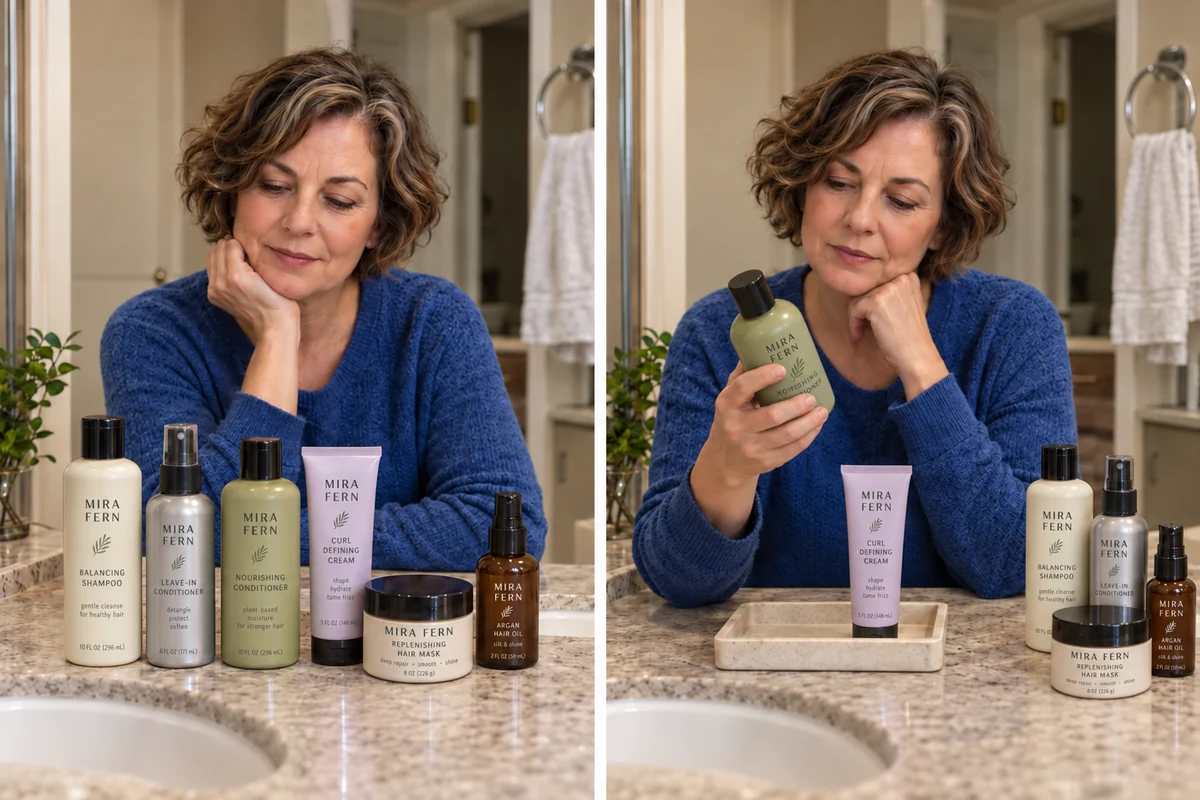
Keep what has a job

The same woman separates selected bottles from other closed products.
Before · several overlapping productsAfter the decision · the useful ones grouped
Only the products with a clear job in your routine are kept together here. The pictures show the sorting, nothing about whether a product agrees with you.

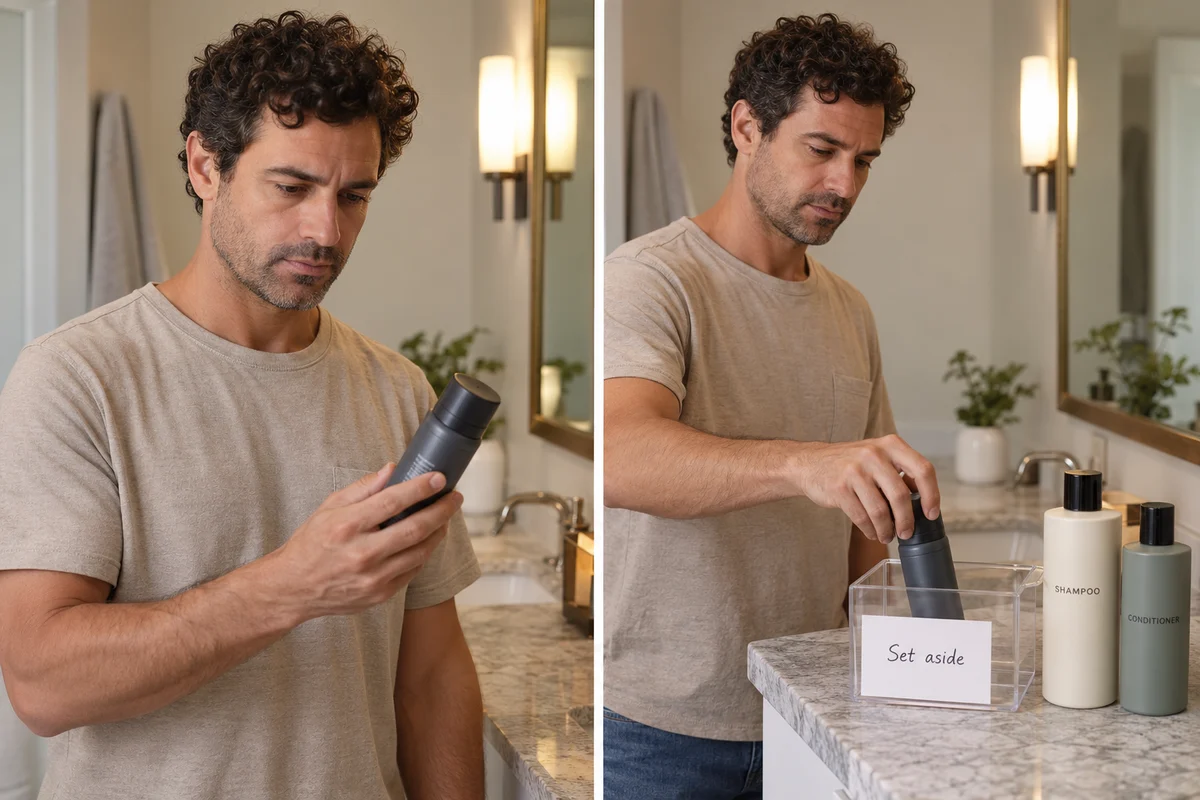
Set the doubtful bottle aside

The same man examines a closed styling bottle, then places it in a separate box.
Before · bottle under considerationAfter the decision · bottle set to one side
The bottle you are unsure about is moved off the shelf while you decide what to do with it. Nothing is mixed or thrown out in these pictures.
A woman gently squeezing damp hair with a towel.

Help with your hair-care routine

Bring your hair-care questions to the consultation. You can also read planning future purchases within a monthly budget.

  • Does this bottle still do anything useful for me?
  • Would using less fix it, or am I just forcing it?
  • What do I want to remember before I buy the next one?

Tell us which products are sitting half-used, why you went off them and which steps already work. The consultation can look at what each one is for without assuming you have to keep using everything you own.

The Hair Care Consultation gives you a personal plan with product recommendations, routines and guidance on your hair-care questions.

$49 with 60 days of follow-ups, or $99 with 12 months. Pay once; the year renews only if you choose.