Hair Care Guides

Ask exactly what they’ll put on your hair.
A smoother finish comes with a few real questions.

Wanting easier, smoother hair is completely reasonable, and the salon menu makes it sound simple. Keratin, Brazilian and smoothing are names, not descriptions of what’s in the bottle or the upkeep after. Ask before you book, then weigh it against styling your own texture.

Your personal hair-care planProduct choices, routines and answers shaped around your hair.$49one-timeStart my consultation
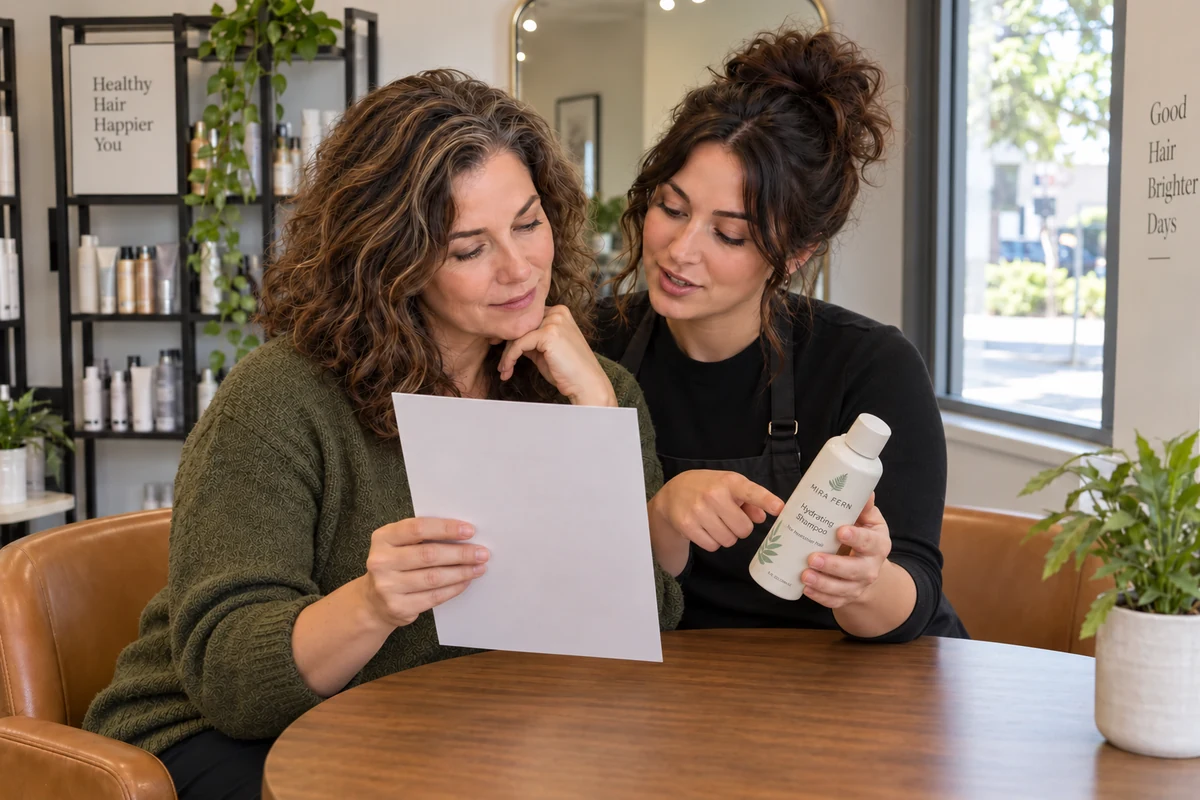
A client holds a reference sheet toward herself and a nearby stylist holding a shampoo bottle.
A smoother finish comes with a few real questions.

What is going on

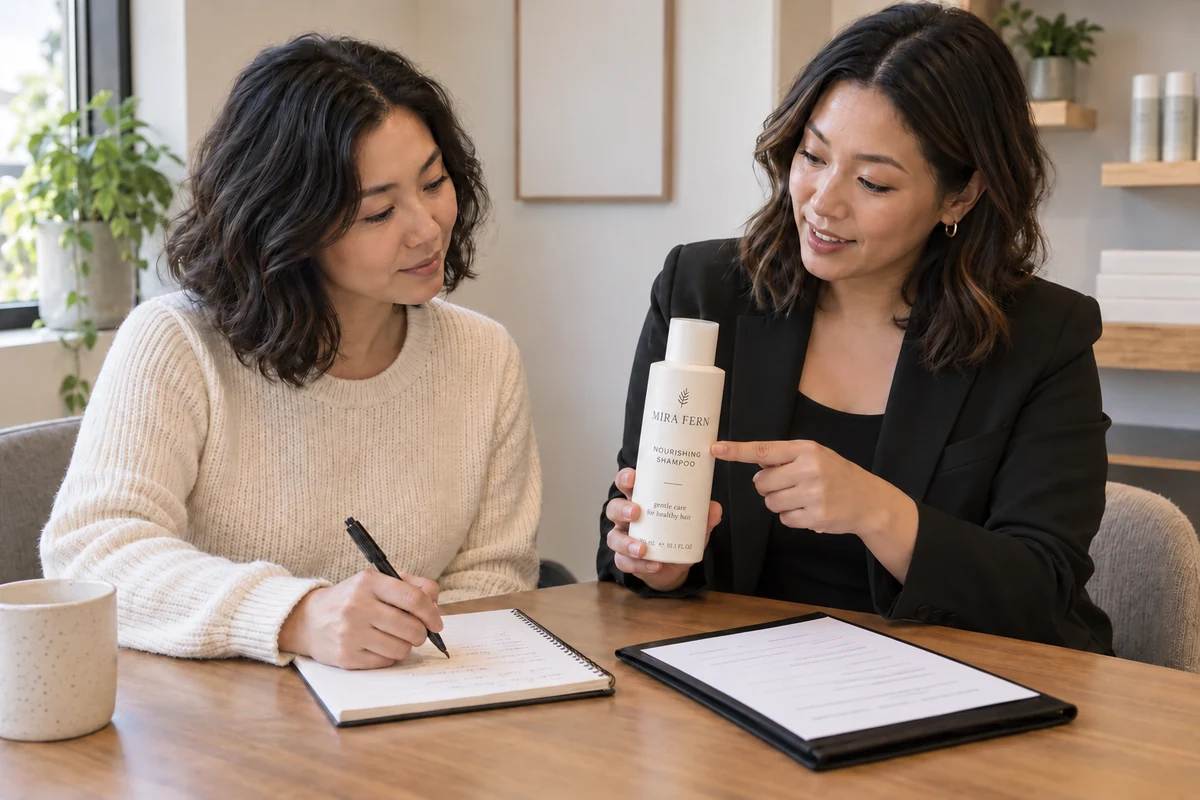
An adult with dark wavy hair writes notes while a stylist points to a closed product bottle.

Get the product name before the appointment

Ask for the exact product and variant, its ingredient list and the maker’s written information. Ask who is trained to apply it. A nickname on the menu doesn’t tell you which formula will go on your head, and you’re entitled to know.

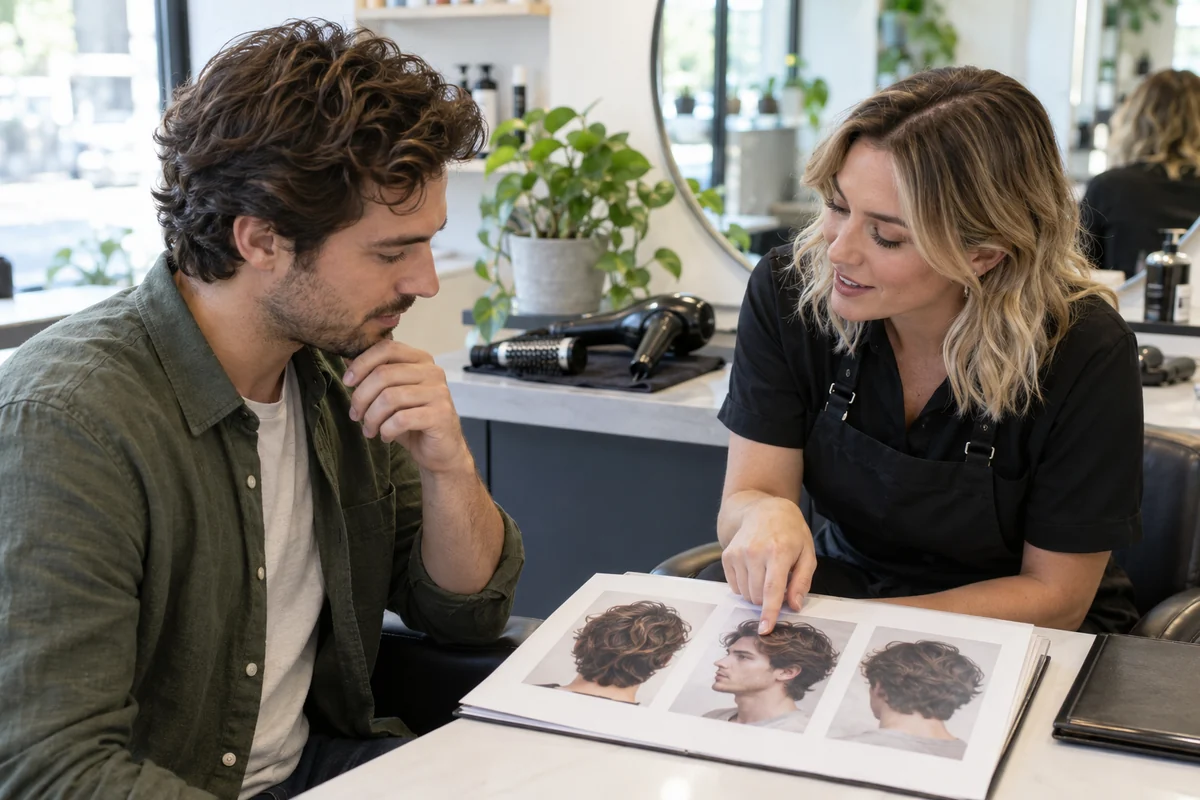
A client and stylist examine reference photographs with idle drying tools on the counter behind them.

Say what you actually want to change

Less puffiness, quicker drying and a straighter finish are three different asks. Find out which the service is meant to deliver, which still need styling at home and what will grow out or fade. Say if there’s curl or volume you want to keep.

What helps, day to day

An adult with wavy gray hair and a stylist review a safety-information sheet before a service.

You’ve heard about fumes

  • Some smoothing products release formaldehyde when they’re heated.
  • Ask to see the product’s safety data sheet, ask about the stylist’s training and ask how the salon ventilates.
  • A nice smell, a catchy name or the word natural answers none of that.
A woman wearing glasses reads a hair product ingredient panel.

The label sounds reassuring

  • Ask straight out whether the product contains or releases formaldehyde and what other precautions its instructions call for.
  • A claim on the front of the bottle doesn’t tell you what happens once heat is applied.
  • If the answers are missing or don’t add up, wait rather than guess.
A man reads a shampoo bottle while making a note, with a second hair-care bottle beside the notebook.

The aftercare changes your week

  • Ask what you can and can’t do afterwards.
  • Washing, drying, styling, swimming and future color, plus the products and return visits expected.
  • Ask for the upkeep in writing.
  • Decide whether that fits your time and budget before paying for a finish that depends on it.

Products, by the job they do

A woman smoothing conditioner through her mid-lengths and ends.

A better conditioner might be enough

More slip can make rough, tangly lengths easier to live with, without committing to a chemical service. It won’t smooth hair the way the service does, and it isn’t a test of whether the service suits you.

Browse rinse-out conditioners. For conditioner recommendations, share where your hair tangles and which products you have tried.

A woman cupping a damp curl section with styling gel on her hands.

Or a styler you repeat each wash

A hold product can keep the shape you choose until the next wash. Compare that repeatable routine with the salon commitment. Neither a styler nor a service gives everyone the same result.

Browse styling products. Bring your styling questions and current products to the consultation for personal recommendations.

Make the salon conversation useful

An adult with blond curls and a colorist compare brown swatches.

Bring your hair’s whole history

List bleach, dye, relaxers, perms, earlier smoothing services and any home products you’re unsure about. Mention results that disappointed you and how much length you want to keep. Ask how that history affects the service. A friend’s good result tells you nothing about yours.

A woman with curls writing a routine note beside her hair-care products.

Leave with answers you can think over

Write down the product name, what it’s meant to do, the precautions, the upkeep and anything still unanswered. You can decide later, and you can say no. Don’t buy professional smoothing chemicals to try it at home from a video.

When to get help

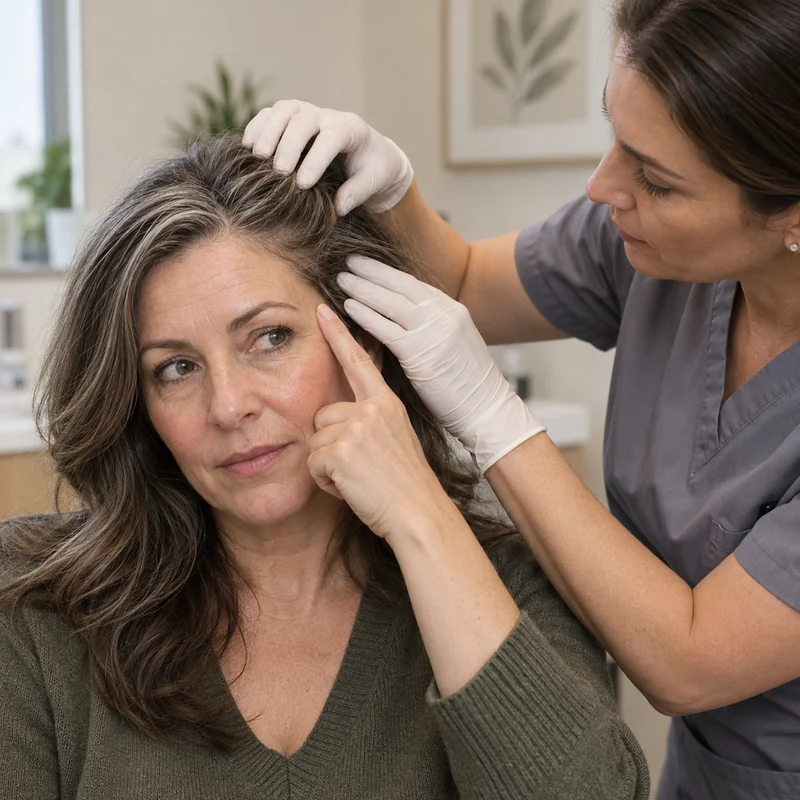
A medical professional examining the scalp where a woman points.

Signs that need more than routine care

  • If a service leaves you with a rash, sore eyes or a scalp that stays uncomfortable, or you find breathing harder during or after it, stop and see a medical professional, taking the exact product name and what happened with you. Those reactions are worth getting looked at promptly rather than waiting for the next appointment.
  • Severe difficulty breathing during a service needs emergency help straight away.

Illustrated care examples: before & after

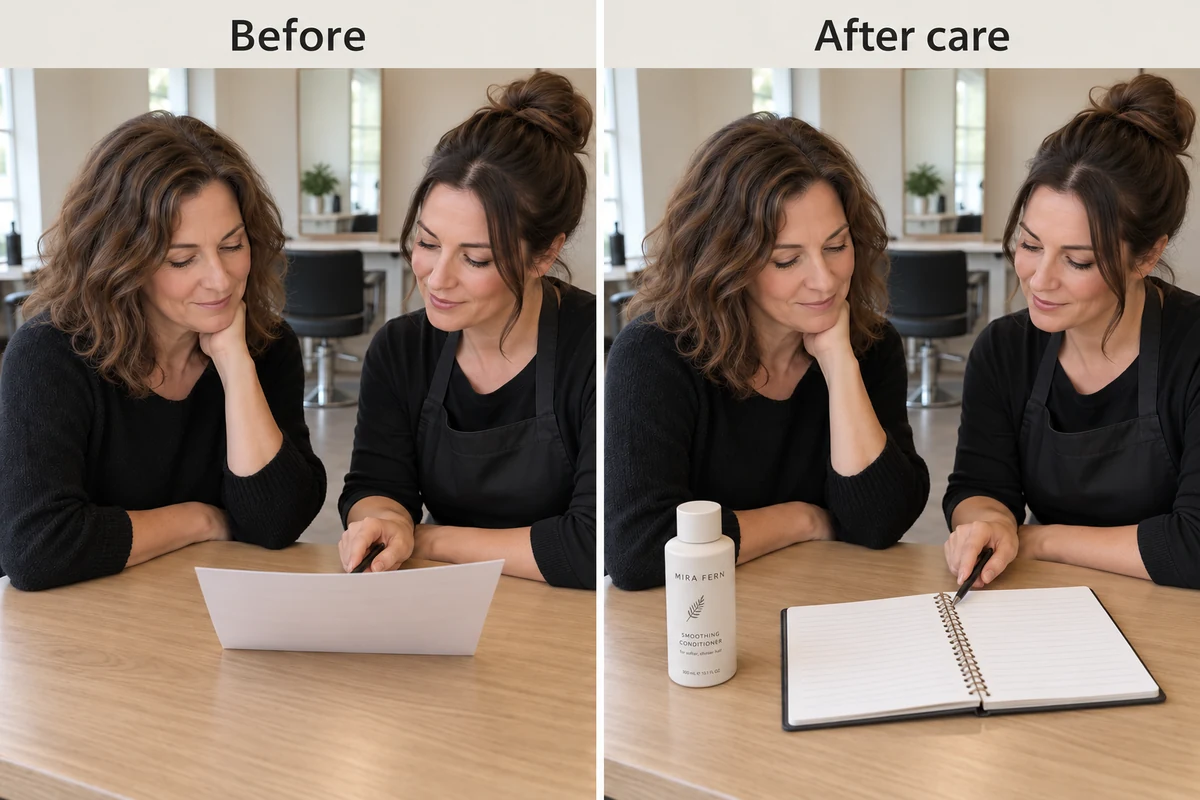
Bring the product itself

The same client and stylist compare a service-menu discussion with a closed product and questions notebook; the hair is unchanged.
Before · just a service nameAfter care · product and questions brought in
The actual product and your open questions join the conversation before you agree to anything, instead of just a service name. The hair is unchanged.

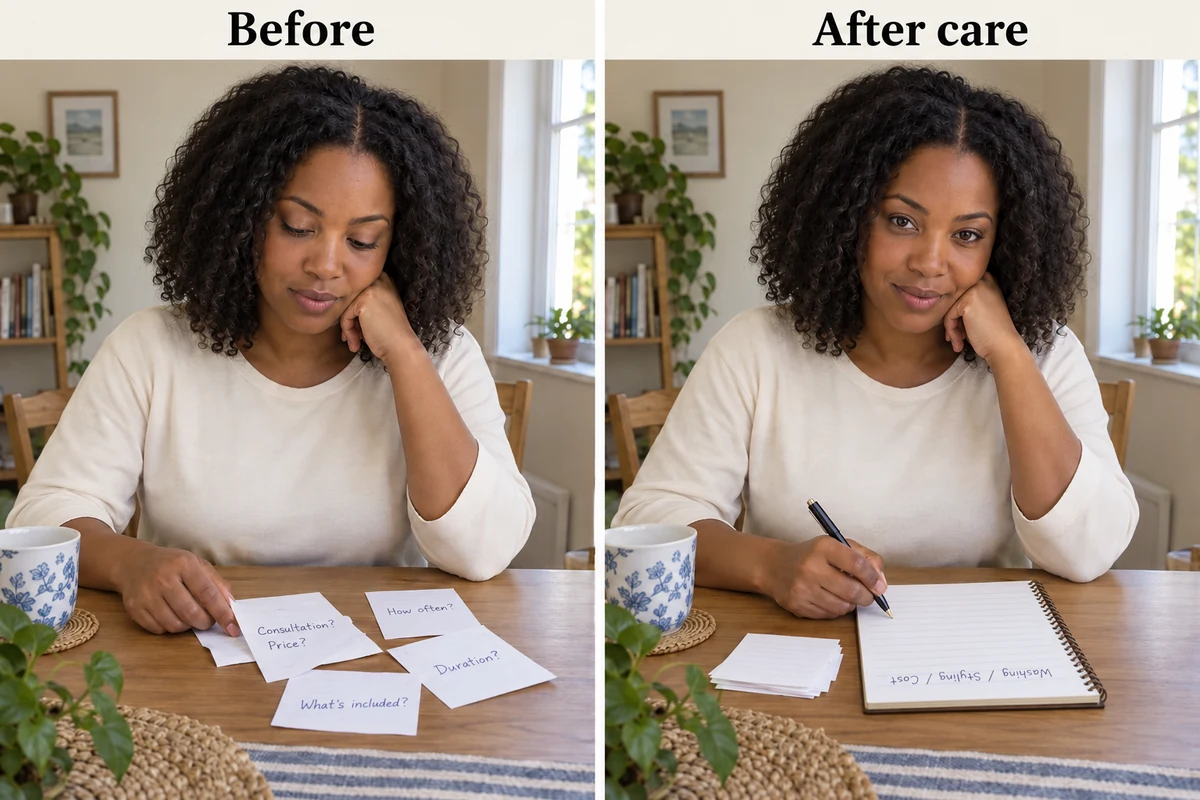
Upkeep questions in one place

The same adult with curly hair has scattered appointment slips before and a notebook for washing, styling and cost questions after; the hair is unchanged.
Before · questions on scattered slipsAfter care · washing, styling and cost together
The loose slips become one list of what washing, styling and cost will mean in your own week. Only the paper changed, not the hair.
A woman with very short hair writing an appointment checklist.

Help with your hair-care routine

Bring your hair-care questions to the consultation. You can also read reducing repeated heat in an ordinary styling routine.

  • What exact product are they using, and who’s trained to apply it?
  • How much of the result will I still have to style myself?
  • Do the precautions, the upkeep and the alternatives fit what I want?

Your texture, the services your hair has had, the finish you want and your time shape what a home routine can do. Bring whatever the salon tells you. Choosing products can’t vouch for a salon’s air, its procedure or how your hair will react.

The Hair Care Consultation gives you a personal plan with product recommendations, routines and guidance on your hair-care questions.

$49 with 60 days of follow-ups, or $99 with 12 months. Pay once; the year renews only if you choose.