Instant Gloss
The formula carries a recognised shine system — silicone, oil, or light ester.
- Caprylic/Capric Triglyceride
- Isopropyl Myristate
- Oenocarpus Bataua (Rahua Ungurahua) Oil
Supported
Reflects light for visible shine.
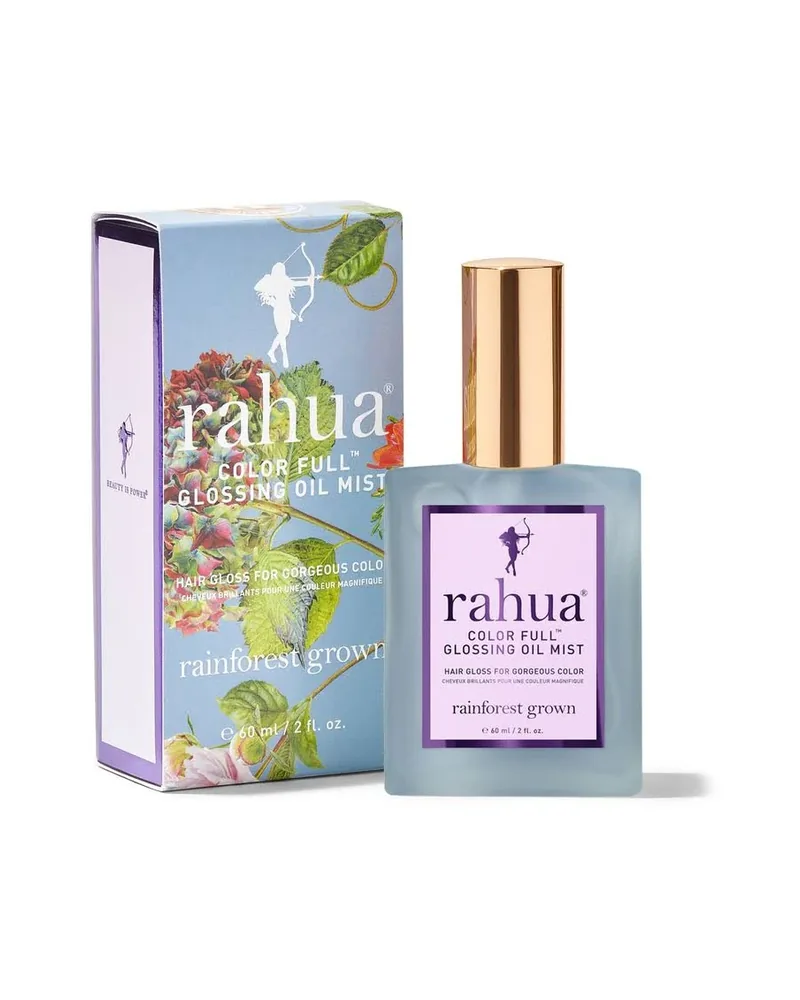
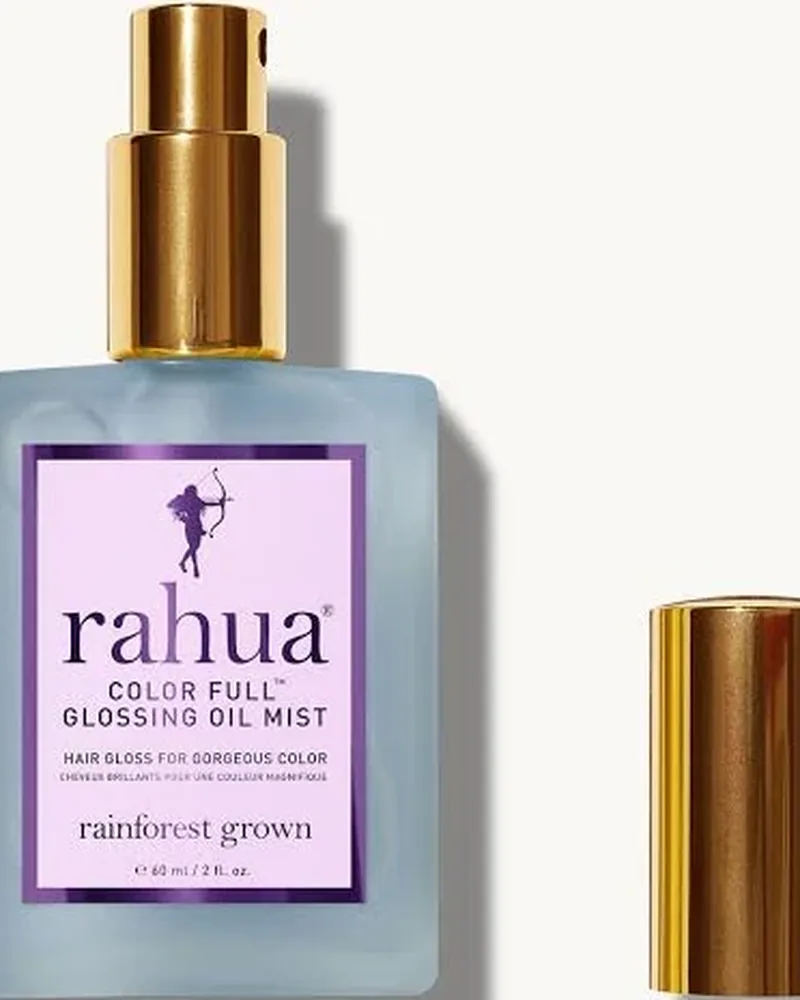
Finisher / Shine spray, light-reflecting
Add it to your products. We’ll tell you if it’s ever recalled.
Scent:
The ingredient list declares fragrance. What it smells of is not stated, and we do not guess.
Manufacturer page: rahua.com
Personal fit
Complete the consultation to see how well this product fits your hair and your goals. With 6,000+ products in our library, we can match you to the right ones.
$49 with 60 days of follow-up questions and plan updates
$99 with 12 months. Pay once; the year renews only if you choose.
The rest of what your plan weighs on this product.
The consultation builds your hair profile, checks every factor in this table against it, and tells you where this product fits or what to use instead.
Start your consultation$49 once, with 60 days of follow-up questions and plan updates. Nothing renews, and you never have to buy a product.
Your avoid-list
Same job for less elsewhere
$17.58/oz at 3.3 oz, more than 99% of the 102 shine sprays , which mostly run $2.27–6.06/oz.
Great for
Maybe skip if
What the formula actually does
Each row says where it comes from: F means we derived it from this product’s own ingredient list, S means it is a claim the brand makes that the formula neither confirms nor contradicts.
Light esters or a volatile carrier: shine with little residue.
Heavy butters and waxes in the first eight ingredients.
Oils sit high in the list: a softening, coating formula.
Nothing here needs a detergent wash to remove.
No fast-drying alcohol in the list.
Fragrance is in the first eight ingredients, so it makes up a larger share of the formula.
Ingredients that matter
The workhorse ingredients, plus anything lower down that changes a decision. The chips name what an ingredient does. They are not safety scores, and no ingredient here is rated good or bad on its own.
| Ingredient | What it does | Why it matters | Chip |
|---|---|---|---|
| Caprylic/Capric Triglyceride | light ester | Light slip without much weight | Shine |
| Isopropyl Myristate | light ester | Light slip without much weight | Shine |
| Oenocarpus Bataua (Rahua Ungurahua) Oil | oil | The shine and softening system | Shine |
| Mauritia Flexuosa (Buriti) Fruit OilMauritia Flexuosa (Morete) Fruit Oil | oil | A little oil for shine | Shine |
| Plukenetia Volubilis (Sacha Inchi) Seed OilOrganic Plukenetia Volubilis (Sacha Inchi) Seed Oil | oil | A little oil for shine | Shine |
| Tanacetum Annuum (Blue Tansy) Flower Oil | fragrance | The scent | Fragrance |
| Illicium Verum (Anise) Fruit/Seed OilIllicium Verum (Star Anise) Fruit Seed Oil | botanical extract | A trace plant extract | Fragrance |
| Pelargonium Graveolens (Geranium) Oil | botanical extract | A trace plant extract | Fragrance |
| Citronellol | fragrance | The scent | Fragrance |
| Geraniol | fragrance | The scent | Fragrance |
| Linalool | fragrance | The scent | Fragrance |
| Limonene | fragrance | The scent | Fragrance |
In the US, ingredients above 1% are listed from most to least. Below 1% they can appear in any order. Each note keeps three things apart: what the ingredient generally does, its role in this type of product, and what its position can tell you.
A light, refined coconut-derived oil that spreads easily and does not go rancid. It gives slip without a heavy feel.
Listed in the first three ingredients, it is likely a structural part of this formula.
A light emollient: it softens the surface with noticeably less weight than an oil or a butter.
Spreads thin and lowers friction between strands without the heaviness of a fixed oil.
A very light ester that makes products glide and disappear quickly on the hair.
Listed in the first three ingredients, it is likely a structural part of this formula.
A light emollient: it softens the surface with noticeably less weight than an oil or a butter.
Spreads thin and lowers friction between strands without the heaviness of a fixed oil.
The oil pressed from Rahua Ungurahua (Oenocarpus Bataua). How much weight a plant oil leaves depends on the hair it lands on; coarse hair tends to take more of it than fine hair.
Listed in the first three ingredients, it is likely a structural part of this formula.
Coats the surface and slows water leaving the strand, which is usually what coarse hair that dries out fast is missing.
A thin oil layer lowers friction between strands and flattens the raised cuticle that scatters light and catches on its neighbours.
Near the top of a list an oil is weight before it is anything else, and fine hair shows that first at the roots.
A rich orange fruit oil used in small amounts in curl and colour-care products.
It appears around or below the estimated 1% line, where label order no longer indicates relative amount; its role may be minor or technical.
Coats the surface and slows water leaving the strand, which is usually what coarse hair that dries out fast is missing.
A thin oil layer lowers friction between strands and flattens the raised cuticle that scatters light and catches on its neighbours.
A light seed oil rich in fatty acids, used for softness without much weight.
It appears around or below the estimated 1% line, where label order no longer indicates relative amount; its role may be minor or technical.
Coats the surface and slows water leaving the strand, which is usually what coarse hair that dries out fast is missing.
A thin oil layer lowers friction between strands and flattens the raised cuticle that scatters light and catches on its neighbours.
The essential oil of Blue Tansy (Tanacetum Annuum). Essential oils are aromatic — they are in the formula for scent, and they are a common source of declared fragrance allergens.
It appears around or below the estimated 1% line, where label order no longer indicates relative amount; its role may be minor or technical.
The essential oil of Anise (Illicium Verum). Essential oils are aromatic — they are in the formula for scent, and they are a common source of declared fragrance allergens.
It appears around or below the estimated 1% line, where label order no longer indicates relative amount; its role may be minor or technical.
Essential oils are fragrance. Several carry constituents on the EU list of declared fragrance allergens, so a label with no fragrance line can still be a scented product.
The essential oil of Geranium (Pelargonium Graveolens). Essential oils are aromatic — they are in the formula for scent, and they are a common source of declared fragrance allergens.
It appears around or below the estimated 1% line, where label order no longer indicates relative amount; its role may be minor or technical.
Essential oils are fragrance. Several carry constituents on the EU list of declared fragrance allergens, so a label with no fragrance line can still be a scented product.
A rose-like fragrance component named separately as a recognised allergen.
It appears around or below the estimated 1% line, where label order no longer indicates relative amount; its role may be minor or technical.
One of the 26 scent components the EU requires to be named individually above a threshold. It is named because it is a known contact allergen, not because it is unusual.
A rose-scented fragrance component, listed on its own because some people react to it.
It appears around or below the estimated 1% line, where label order no longer indicates relative amount; its role may be minor or technical.
One of the 26 scent components the EU requires to be named individually above a threshold. It is named because it is a known contact allergen, not because it is unusual.
A floral fragrance component listed separately as a recognised contact allergen.
It appears around or below the estimated 1% line, where label order no longer indicates relative amount; its role may be minor or technical.
One of the 26 scent components the EU requires to be named individually above a threshold. It is named because it is a known contact allergen, not because it is unusual.
A citrus-smelling fragrance component that EU rules require to be named separately because some people react to it.
It appears around or below the estimated 1% line, where label order no longer indicates relative amount; its role may be minor or technical.
One of the 26 scent components the EU requires to be named individually above a threshold. It is named because it is a known contact allergen, not because it is unusual.
Ingredient list captured 2026-09-05. Formulas change, so check the package in your hand when an ingredient matters to you.
Price · 3.3 oz
Priced above the products that do the same job. Stores sell it above the $24 line; products that do this job typically go for about $31 at this size.
Sizes
The 3.3 oz costs 54% less per ounce than the 2.03 oz.
3.3 ozusual store sizeBest per ounce
2.03 oz
Sorted by price per ounce. Dated observations from our research, not live prices. Direct store pages, no affiliate links. We don’t sell this product.
Formula
It costs more per ounce than 99% of the 102 shine sprays we’ve priced, and 6 formulas we score as close matches cost at least a quarter less per ounce.
The formula score measures completeness for the job: a weighted share of the systems this product type is usually built around that we find in this list. It does not rate how well the product works or its quality, and it never compares across product types.
Does the same job, for less
Formulas that do the same things (cleanse, condition, coat or hold) for less per ounce. Scent, texture and where you buy them can still differ.
See more alternatives in the product library
These products do a similar job. We haven’t matched them to you. Find the one that fits your hair, routine and budget
Final decision
Hair that stiffens on protein who want a protein-free formula and a formula with real substance
Not ideal for anyone sensitive to fragrance, oily scalps and fine hair, or frizz on humid days
We do not sell products or take placement fees. This page states what the formula and the prices show; the consultation is what matches it to a person.
Claims check
Claims are quoted from the brand. We mark a claim supported, partly supported or conflicting only when the ingredient list speaks to it. Everything else stays "stated by the brand". That isn’t a criticism: most claims can’t be checked from a label.
Instant Gloss
The formula carries a recognised shine system — silicone, oil, or light ester.
Reflects light for visible shine.
Brightens; Preserves Color
This is a marketing claim; an ingredient list cannot speak to it.
—
Can’t be confirmed from label.
A weightless finishing mist that instantly revives shine while helping preserve the vibrancy of color-treated hair
It avoids sulfate detergents, which are the usual cause of fast fade.
Less fade per wash.
We look at the first 10–15 ingredients and what they do in a formula, not at the marketing. If the list doesn't speak to a claim, we don't assume.
Reviewers
Themes that come up again and again in sourced reviews, written by our researchers in their own words. We don’t store or scrape star ratings.
Many reviewers say a little of this mist goes a long way, describing it as a long-lasting finishing product rather than a heavy daily oil.
general reviewersReviewers with thick or coarse, humidity-prone hair report it tames frizz and adds a beachy, tossed texture without weighing hair down.
reviewers with thick or coarse hairReviewers are split on weight: some with fine or medium hair find it leaves hair greasy, while others with similarly fine hair say it stays lightweight.
reviewers with fine to medium hairSeveral reviewers recommend spraying the mist into their hands first rather than directly onto hair to control how much product lands where.
reviewers describing their application method