restore and protect hair bonds that have been severely damaged by chemicals, styling and/or the environment
Protein sits in the first eight ingredients.
- Arginine
- Cocoyl Hydrolyzed Collagen
- Hydrolyzed Vegetable Protein
Reinforces a damaged strand.
Finisher / Hair oil, glossing
Add it to your products. We’ll tell you if it’s ever recalled.
Scent:
The ingredient list declares fragrance. What it smells of is not stated, and we do not guess.
Manufacturer page: palmers.com
Personal fit
Complete the consultation to see how well this product fits your hair and your goals. With 6,000+ products in our library, we can match you to the right ones.
$49 with 60 days of follow-up questions and plan updates
$99 with 12 months. Pay once; the year renews only if you choose.
The rest of what your plan weighs on this product.
The consultation builds your hair profile, checks every factor in this table against it, and tells you where this product fits or what to use instead.
Start your consultation$49 once, with 60 days of follow-up questions and plan updates. Nothing renews, and you never have to buy a product.
Your avoid-list
Priced with its peers
$3.25/oz at 4 oz, less than 74% of the 270 hair oils , which mostly run $3.15–14.77/oz. The cost less.
Great for
Maybe skip if
What the formula actually does
Each row says where it comes from: F means we derived it from this product’s own ingredient list, S means it is a claim the brand makes that the formula neither confirms nor contradicts.
A silicone or oil blend does the shine work here.
Heavy butters and waxes in the first eight ingredients.
Oils sit high in the list: a softening, coating formula.
Water-insoluble silicones or waxes: a detergent wash is what removes them.
No fast-drying alcohol in the list.
Fragrance is listed; it sits below the working ingredients.
Ingredients that matter
The workhorse ingredients, plus anything lower down that changes a decision. The chips name what an ingredient does. They are not safety scores, and no ingredient here is rated good or bad on its own.
| Ingredient | What it does | Why it matters | Chip |
|---|---|---|---|
| Brassica Campestris (Rapeseed) Seed OilCanola Oil | oil | The shine and softening system | Shine |
| Helianthus Annuus (Sunflower) Seed Oil | oil | The shine and softening system | Shine |
| Cocos Nucifera (Coconut) Oil | oil | The shine and softening system | Shine |
| C12-15 Alkyl Benzoate | light ester | Light slip without much weight | Shine |
| Squalane | emollient | Softens and smooths the strand | Detangles |
| Arginine | amino acid | Small protein fragments that bind water | Protein |
| Biotin | vitamin | A marketed vitamin addition | Neutral |
| Cocoyl Hydrolyzed Collagen | conditioning agent | Reduces combing force | Protein |
| Hydrolyzed Vegetable Protein | film former | A supporting film former | Protein |
| Simmondsia Chinensis (Jojoba) Seed Oil | emollient | A softening touch, low in the list | Buildup |
| FragranceFragrance (Parfum) | fragrance | The scent | Fragrance |
| Coumarin | fragrance | The scent | Fragrance |
In the US, ingredients above 1% are listed from most to least. Below 1% they can appear in any order. Each note keeps three things apart: what the ingredient generally does, its role in this type of product, and what its position can tell you.
A light, inexpensive plant oil used as a base emollient.
Listed in the first three ingredients, it is likely a structural part of this formula.
Coats the surface and slows water leaving the strand, which is usually what coarse hair that dries out fast is missing.
A thin oil layer lowers friction between strands and flattens the raised cuticle that scatters light and catches on its neighbours.
Near the top of a list an oil is weight before it is anything else, and fine hair shows that first at the roots.
A light, widely used oil that softens without much weight.
Listed in the first three ingredients, it is likely a structural part of this formula.
Coats the surface and slows water leaving the strand, which is usually what coarse hair that dries out fast is missing.
A thin oil layer lowers friction between strands and flattens the raised cuticle that scatters light and catches on its neighbours.
Near the top of a list an oil is weight before it is anything else, and fine hair shows that first at the roots.
One of the few oils small enough to move into the strand, which is why it is used for pre-wash treatments. It can feel heavy or stiff on protein-sensitive hair.
Listed in the first three ingredients, it is likely a structural part of this formula.
Because it penetrates rather than sits on top, it works on hair that loses water through a worn cuticle instead of only slowing evaporation from the surface the way a non-penetrating oil does.
A thin oil layer lowers friction between strands and flattens the raised cuticle that scatters light and catches on its neighbours.
The exception to the class read: lauric acid is small and linear enough to enter the shaft rather than only coat it, and in comparison testing coconut oil was the one that reduced protein loss from washing on both undamaged and damaged hair.
A dry-feeling ester used for a silky, non-greasy finish - a common silicone substitute.
Listed in positions 4–8, it likely makes a meaningful contribution alongside the formula's main ingredients.
A light emollient: it softens the surface with noticeably less weight than an oil or a butter.
Spreads thin and lowers friction between strands without the heaviness of a fixed oil.
The fully hydrogenated form of squalene, now made from olive or sugarcane rather than shark liver. Hydrogenation is what makes it so slow to oxidise; it spreads very lightly and absorbs without a greasy film.
Listed in positions 4–8, it likely makes a meaningful contribution alongside the formula's main ingredients.
Deposits a lubricating layer that makes combing easier, which is most of what stops mechanical damage adding to frizz.
An amino acid that holds water and carries a positive charge, so it is drawn to damaged spots on the strand.
Listed in positions 4–8, it likely makes a meaningful contribution alongside the formula's main ingredients.
Amino acids are the smallest protein fraction and bind water as well, so they add far less stiffness than a hydrolysed protein does.
A humectant follows the air: it holds water in humid conditions and can give it up in very dry ones. Climate decides what it does more than the label does.
The lightest option in the protein family, but still protein — worth watching if protein reliably stiffens your hair.
Vitamin B7, included for label appeal in thickening and growth-positioned products. Applied to hair it does not reach the follicle.
Listed in positions 4–8, it likely makes a meaningful contribution alongside the formula's main ingredients.
A general plant protein blend used for strength and body; the silanetriol form binds more firmly.
Lower in the ordered portion of the list, it is more likely playing a supporting role than defining the formula.
Filling surface gaps evens out the cuticle, which is part of what makes damaged hair comb and reflect light more like undamaged hair.
Film formers are what hold a style: they dry into a connected film across the strands so the shape resists movement.
Hydrolysed fragments are small enough to sit in the gaps of a worn cuticle for a wash or two, temporarily restoring stiffness and cutting breakage in combing.
A lipid that occurs naturally between cuticle scales; added to help hold the surface of damaged hair together.
It appears around or below the estimated 1% line, where label order no longer indicates relative amount; its role may be minor or technical.
Restoring surface lipids lowers friction between strands, which is where much of the roughness in damaged hair comes from.
A lipid, not a protein, despite sitting alongside proteins in most repair claims. It does not carry the stiffening effect.
Ceramides are the lipid class bleaching and heat deplete. Replacing them works on the surface layer rather than adding protein stiffness.
Argan oil. A medium-weight oil used for shine and softness on the outside of the strand.
It appears around or below the estimated 1% line, where label order no longer indicates relative amount; its role may be minor or technical.
Coats the surface and slows water leaving the strand, which is usually what coarse hair that dries out fast is missing.
A thin oil layer lowers friction between strands and flattens the raised cuticle that scatters light and catches on its neighbours.
Not chemically an oil: about 97% of it is liquid wax esters, which is why it resists going rancid and sits close to the scalp's own sebum. It smooths without a heavy finish.
It appears around or below the estimated 1% line, where label order no longer indicates relative amount; its role may be minor or technical.
Coats the surface and slows water leaving the strand, which is usually what coarse hair that dries out fast is missing.
A thin oil layer lowers friction between strands and flattens the raised cuticle that scatters light and catches on its neighbours.
A wax holds by staying solid on the strand, which gives grip and separation rather than a set film that cracks.
The liquid fraction of shea, lighter than the butter but with the same softening effect.
It appears around or below the estimated 1% line, where label order no longer indicates relative amount; its role may be minor or technical.
Coats the surface and slows water leaving the strand, which is usually what coarse hair that dries out fast is missing.
A thin oil layer lowers friction between strands and flattens the raised cuticle that scatters light and catches on its neighbours.
A cushiony oil that absorbs reasonably well, common in smoothing treatments.
It appears around or below the estimated 1% line, where label order no longer indicates relative amount; its role may be minor or technical.
Coats the surface and slows water leaving the strand, which is usually what coarse hair that dries out fast is missing.
A thin oil layer lowers friction between strands and flattens the raised cuticle that scatters light and catches on its neighbours.
The oil pressed from Passiflora Edulis. How much weight a plant oil leaves depends on the hair it lands on; coarse hair tends to take more of it than fine hair.
It appears around or below the estimated 1% line, where label order no longer indicates relative amount; its role may be minor or technical.
Coats the surface and slows water leaving the strand, which is usually what coarse hair that dries out fast is missing.
A thin oil layer lowers friction between strands and flattens the raised cuticle that scatters light and catches on its neighbours.
A rich oil used in masks and heavier creams for softness on coarse or dry hair.
It appears around or below the estimated 1% line, where label order no longer indicates relative amount; its role may be minor or technical.
Coats the surface and slows water leaving the strand, which is usually what coarse hair that dries out fast is missing.
A thin oil layer lowers friction between strands and flattens the raised cuticle that scatters light and catches on its neighbours.
Marula oil - light, stable, used for shine and softness.
It appears around or below the estimated 1% line, where label order no longer indicates relative amount; its role may be minor or technical.
Coats the surface and slows water leaving the strand, which is usually what coarse hair that dries out fast is missing.
A thin oil layer lowers friction between strands and flattens the raised cuticle that scatters light and catches on its neighbours.
A medium-weight oil used for conditioning and scalp application.
It appears around or below the estimated 1% line, where label order no longer indicates relative amount; its role may be minor or technical.
Coats the surface and slows water leaving the strand, which is usually what coarse hair that dries out fast is missing.
A thin oil layer lowers friction between strands and flattens the raised cuticle that scatters light and catches on its neighbours.
A light oil used where softness is wanted without weight.
It appears around or below the estimated 1% line, where label order no longer indicates relative amount; its role may be minor or technical.
Coats the surface and slows water leaving the strand, which is usually what coarse hair that dries out fast is missing.
A thin oil layer lowers friction between strands and flattens the raised cuticle that scatters light and catches on its neighbours.
A very light ester that makes products glide and disappear quickly on the hair.
It appears around or below the estimated 1% line, where label order no longer indicates relative amount; its role may be minor or technical.
A light emollient: it softens the surface with noticeably less weight than an oil or a butter.
Spreads thin and lowers friction between strands without the heaviness of a fixed oil.
An undisclosed blend of scent ingredients. Regulations let it stay unlisted, so a fragrance-free product is the only way to be certain what is not in it.
It appears around or below the estimated 1% line, where label order no longer indicates relative amount; its role may be minor or technical.
Declared fragrance. On a fragrance-sensitive routine this is the line that decides it, wherever it sits on the label.
A sweet, hay-like fragrance component listed separately as a recognised allergen.
It appears around or below the estimated 1% line, where label order no longer indicates relative amount; its role may be minor or technical.
One of the 26 scent components the EU requires to be named individually above a threshold. It is named because it is a known contact allergen, not because it is unusual.
A fragrance component with a faint balsamic scent, named separately on the label because it is a recognised contact allergen.
It appears around or below the estimated 1% line, where label order no longer indicates relative amount; its role may be minor or technical.
One of the 26 scent components the EU requires to be named individually above a threshold. It is named because it is a known contact allergen, not because it is unusual.
Ingredient list captured 2026-10-12. Formulas change, so check the package in your hand when an ingredient matters to you.
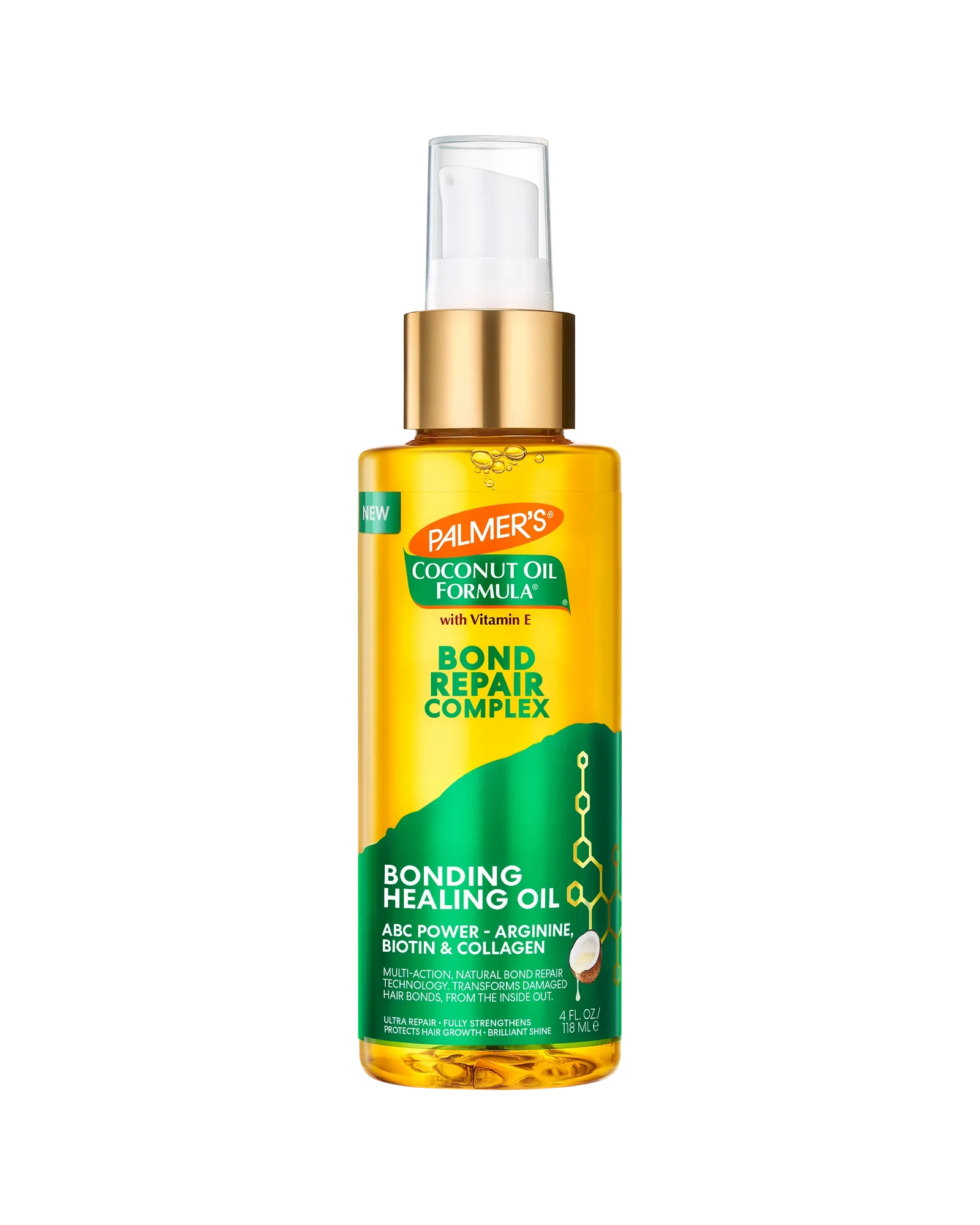
Price · 4 oz
Priced above the products that do the same job. Stores sell it above the $10 line; products that do this job typically go for about $24 at this size.
Sorted by price per ounce. Dated observations from our research, not live prices. Direct store pages, no affiliate links. We don’t sell this product.
Formula
The formula carries the systems a hair oil is built around, and it sits in the middle of the range for hair oils per ounce.
The formula score measures completeness for the job: a weighted share of the systems this product type is usually built around that we find in this list. It does not rate how well the product works or its quality, and it never compares across product types.
Does the same job, for less
Formulas that do the same things (cleanse, condition, coat or hold) for less per ounce. Scent, texture and where you buy them can still differ.
See more alternatives in the product library
These products do a similar job. We haven’t matched them to you. Find the one that fits your hair, routine and budget

Final decision
Soft, over-stretchy hair, looking for protein high in the formula and moisture that stays in
Less suited to anyone sensitive to fragrance, hair that stiffens on protein, or oily scalps and fine hair
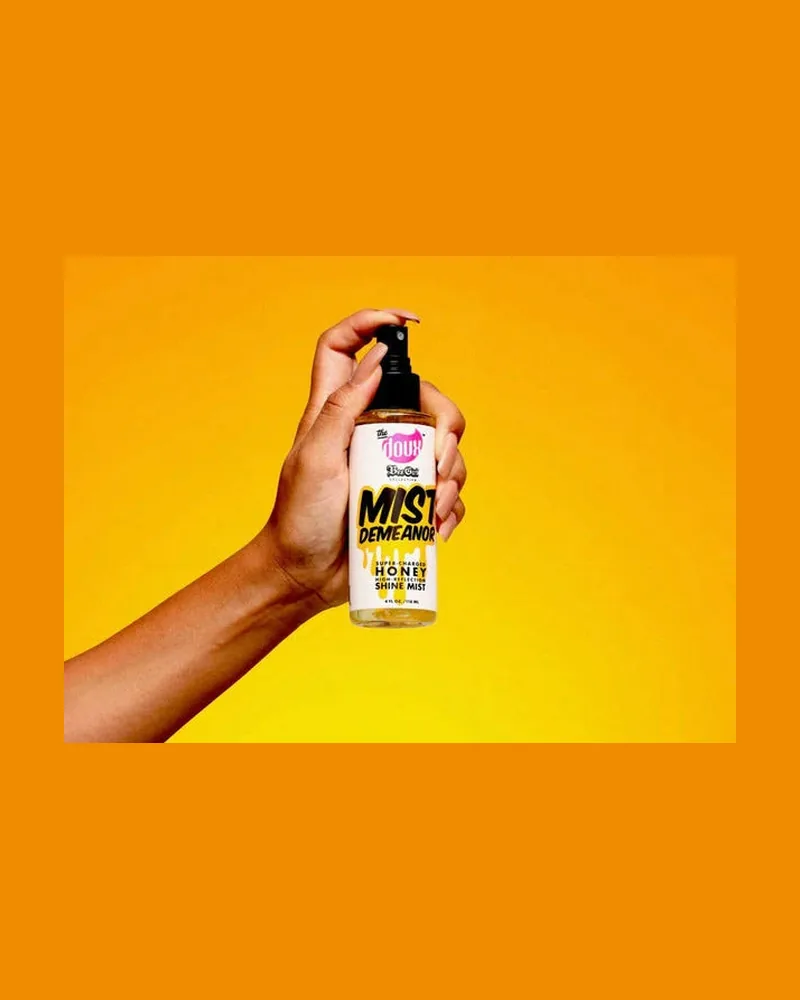
The Doux MIST DEMEANOR™ Honey Shine Mist for similar results at a lower price
We do not sell products or take placement fees. This page states what the formula and the prices show; the consultation is what matches it to a person.
Claims check
Claims are quoted from the brand. We mark a claim supported, partly supported or conflicting only when the ingredient list speaks to it. Everything else stays "stated by the brand". That isn’t a criticism: most claims can’t be checked from a label.
restore and protect hair bonds that have been severely damaged by chemicals, styling and/or the environment
Protein sits in the first eight ingredients.
Reinforces a damaged strand.
heals, strengthens, renews and protects from the inside out
Protein sits in the first eight ingredients.
Reinforces a damaged strand.
heat protection up to 450°F
Heat protection is a performance claim; an ingredient list cannot confirm it.
Only lab testing can show this.
porosity safe
This is a marketing claim; an ingredient list cannot speak to it.
—
Can’t be confirmed from label.
We look at the first 10–15 ingredients and what they do in a formula, not at the marketing. If the list doesn't speak to a claim, we don't assume.
Reviewers
Themes that come up again and again in sourced reviews, written by our researchers in their own words. We don’t store or scrape star ratings.
Multiple reviewers say it leaves hair soft, hydrated and shiny and that regular use seems to cut down on split ends and breakage.
Bazaarvoice reviewers on palmers.com, including curly hair in cold dry climates and hard waterReviewers frequently mention that it smells good, often calling the scent a highlight.
Bazaarvoice reviewers on palmers.comSome find it light and easily absorbed, while others find it too heavy or oily and hard to rinse out, so it suits drier hair better.
Bazaarvoice reviewers on palmers.com