Hair Care Guides

Those tiny knots in your coils.
Free what gives. Leave what won’t.

If you have coils, you know the feeling. A fingertip finds a tiny hard bead on one strand and soon you’re picking at it. Single-strand knots come with coily hair. The skill is freeing the hair around them and knowing when to stop.

Your personal hair-care planProduct choices, routines and answers shaped around your hair.$49one-timeStart my consultation
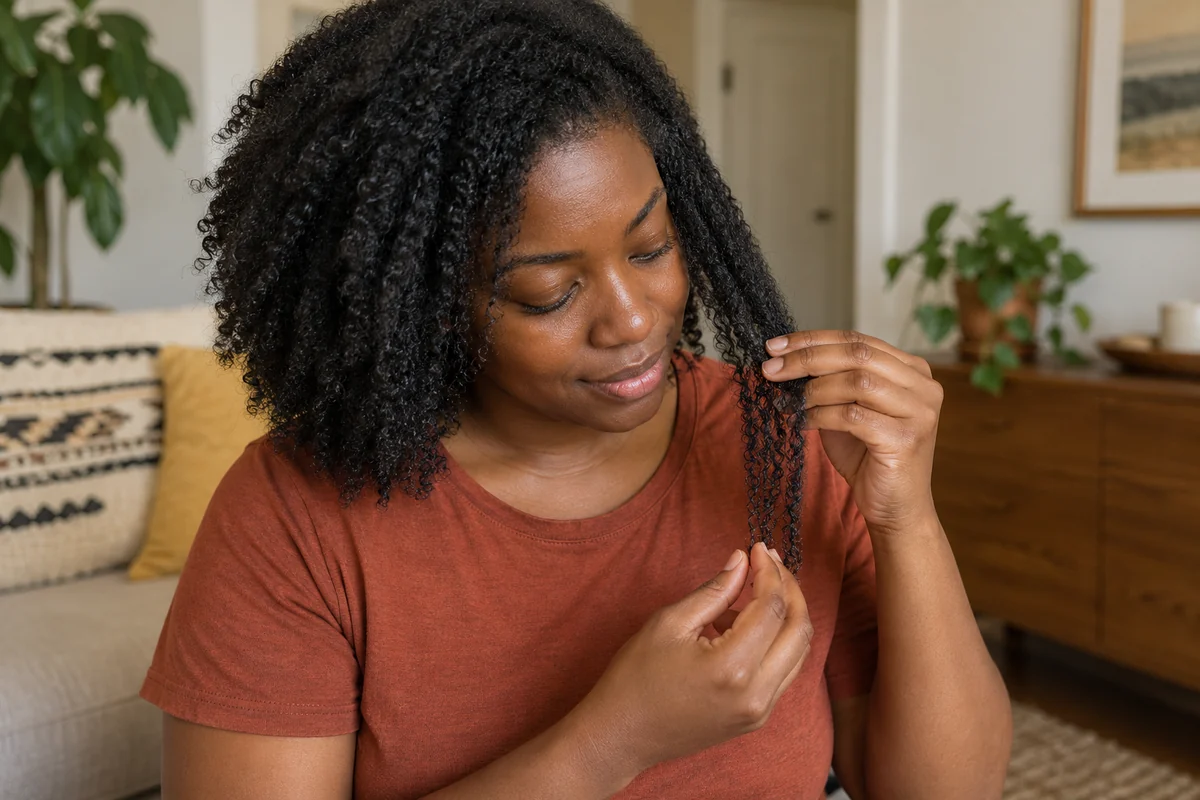
An adult supports a small damp coily section and pauses with fingertips near its ends.
Free what gives. Leave what won’t.

What is going on

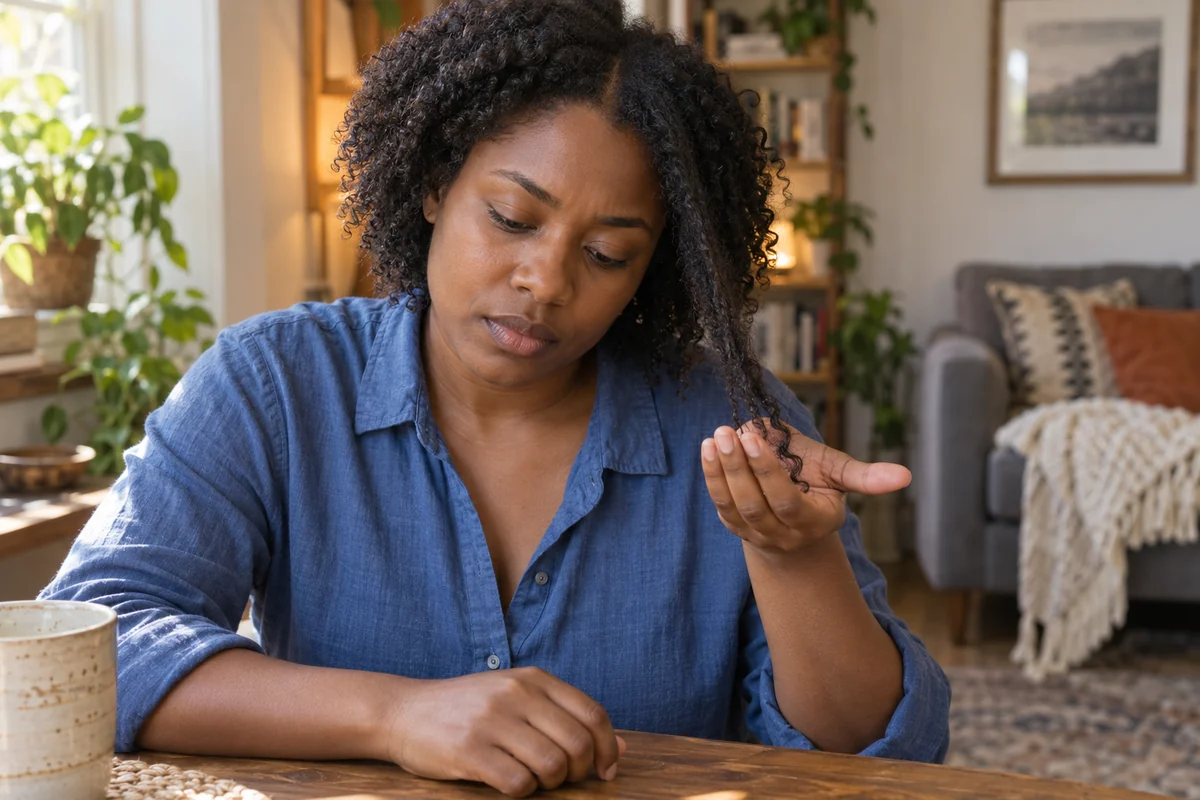
An adult rests damp coily ends slack across an open palm and looks at them, with the other hand resting on a table.

A self-knot and a tangle aren’t the same thing

A single-strand knot is one hair looped around itself. Other hairs catch on it and tangle around that point. Freeing those neighbours is doable. Undoing the tight little knot itself is a different job, and a good detangle won’t always get rid of it.

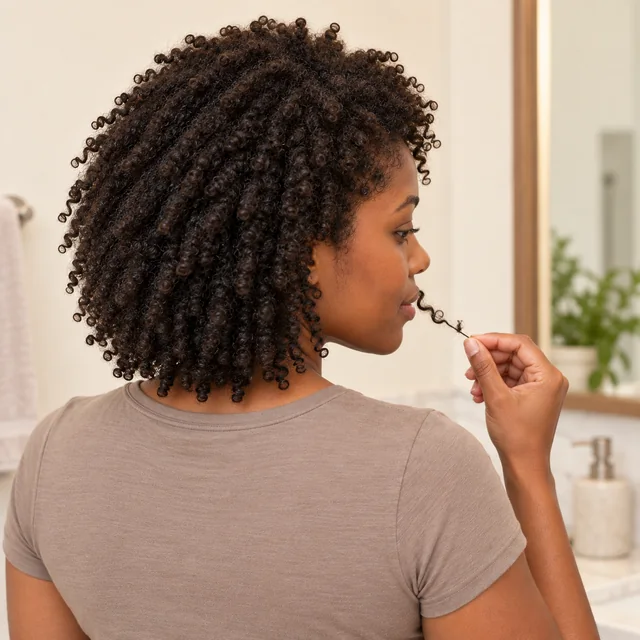
A person with medium coily hair locating tangles around the ends.

Notice where they catch, without hunting

As you go about your usual care, notice whether the snags cluster at the ends or in one spot you can reach. You don’t need to search every strand each day. A rough bump under your finger could be a few things, and that’s fine.

What helps, day to day

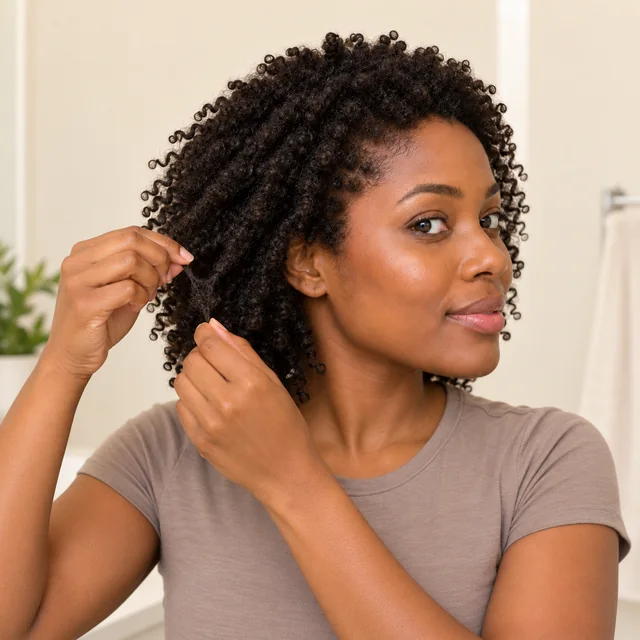
A person with medium coily hair gently separating a section with fingers.

Other hairs are caught up in the knot

  • Work on damp or wet coils, with conditioner for slip if you need it.
  • Hold the hair above the snag and gently ease a few surrounding hairs free at its edge.
  • If the knot tightens as you move, stop.
  • Don’t rake a comb through it.
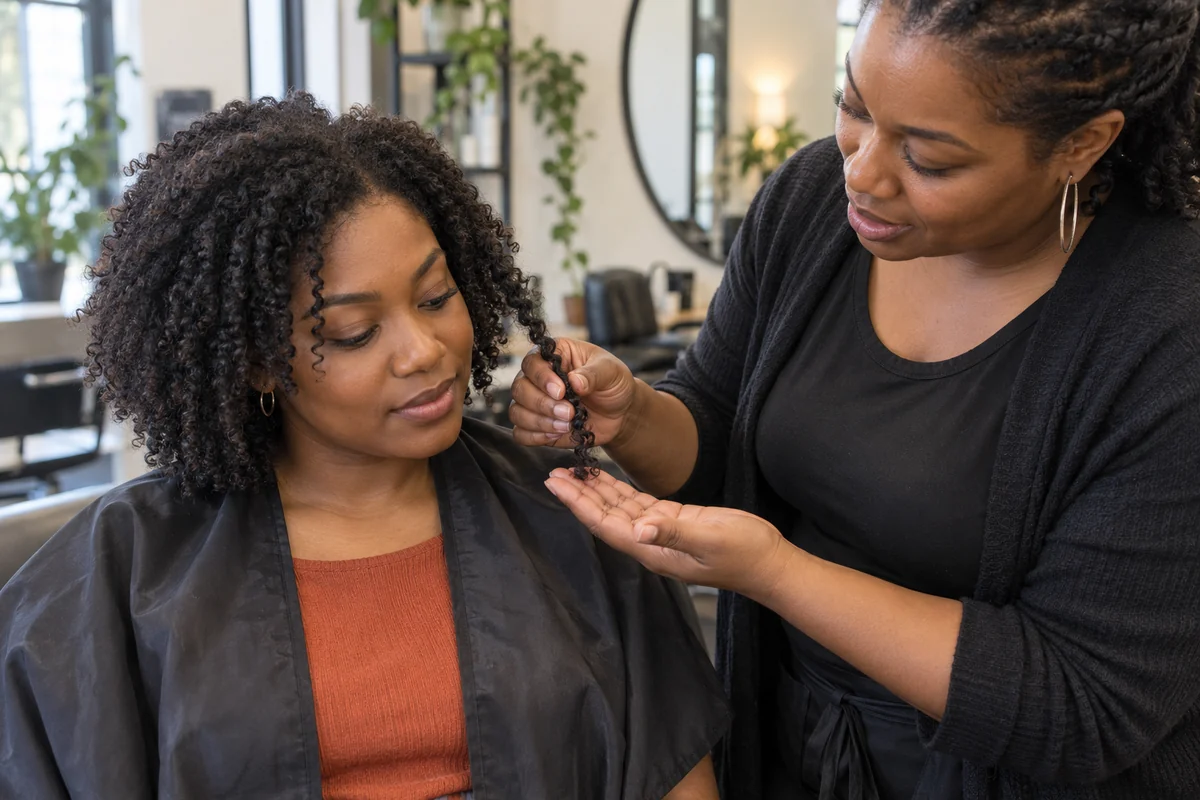
A salon stylist supports the ends of a coily section on an open palm while the client looks at them.

One tight spot just won’t give

  • Leave it be and ask your stylist what your options are, including whether a tiny trim makes sense.
  • Don’t pull it apart, pick at it with anything sharp or keep going back to it.
  • This guide won’t teach you to cut knots out yourself.
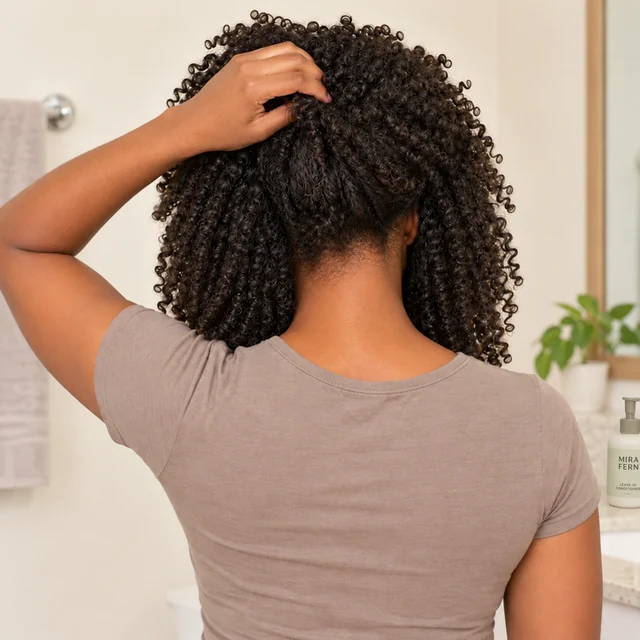
A person with long coily hair locating tangles around the underside near the nape.

The same bit keeps catching all day

  • Keep your loose ends clear of collars, zips and bag straps.
  • If enough dry hair reaches, a loose daytime tie can help, released gently later.
  • Leaving your coils free is just as good.
  • No style stops self-knots altogether.

Products, by the job they do

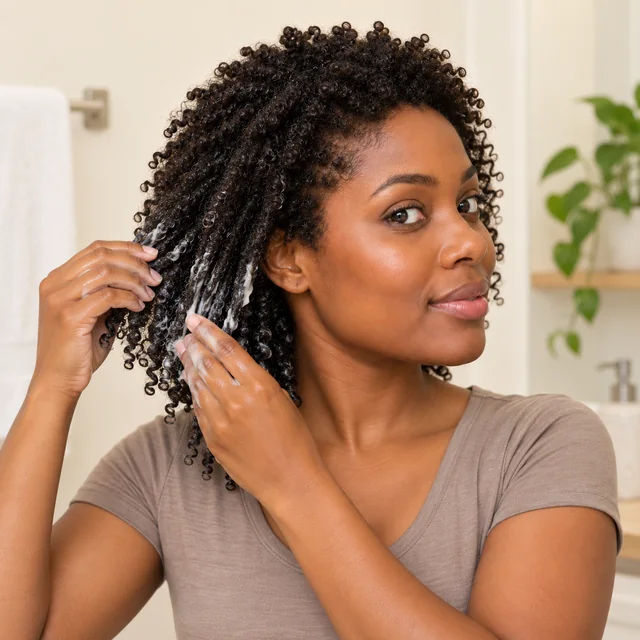
A person with medium coily hair applying conditioner to the middle of the lengths through the ends.

Slip for gentle separating

Conditioner makes the hairs around a knot easier to ease apart, though it won’t undo a tight self-knot. Rinse it as the label says.

Browse rinse-out conditioners. Tell the consultation what you want from a conditioner and what you disliked about previous ones.

A woman uses a tablet displaying product directions beside a capped hair-care bottle at a dry desk.

Keep hold out of the detangling

If a firm styling finish is catching while you reshape, stop brushing through it. Follow the product’s directions for softening or resetting it. Think twice before adding another styler to a routine that already has plenty of hold.

Browse styling products. Bring your styling questions and current products to the consultation for personal recommendations.

How to do it

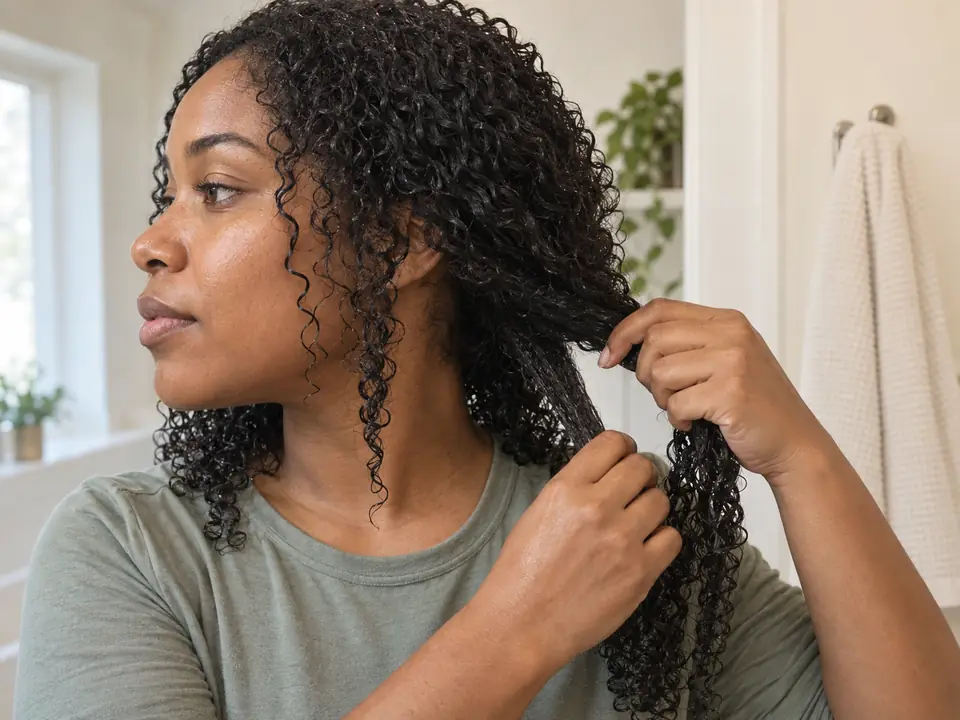
Woman with wet coily-curly hair using both hands to separate one reachable side section for finger detangling.

1. Ease out the everyday snags

Use the finger-detangling method on damp or wet loose coils, with conditioner for slip if you need it. Work from the ends up while supporting the section. A tight self-knot or a real mat is beyond what fingers alone will release.

Guide: Detangle with your fingers
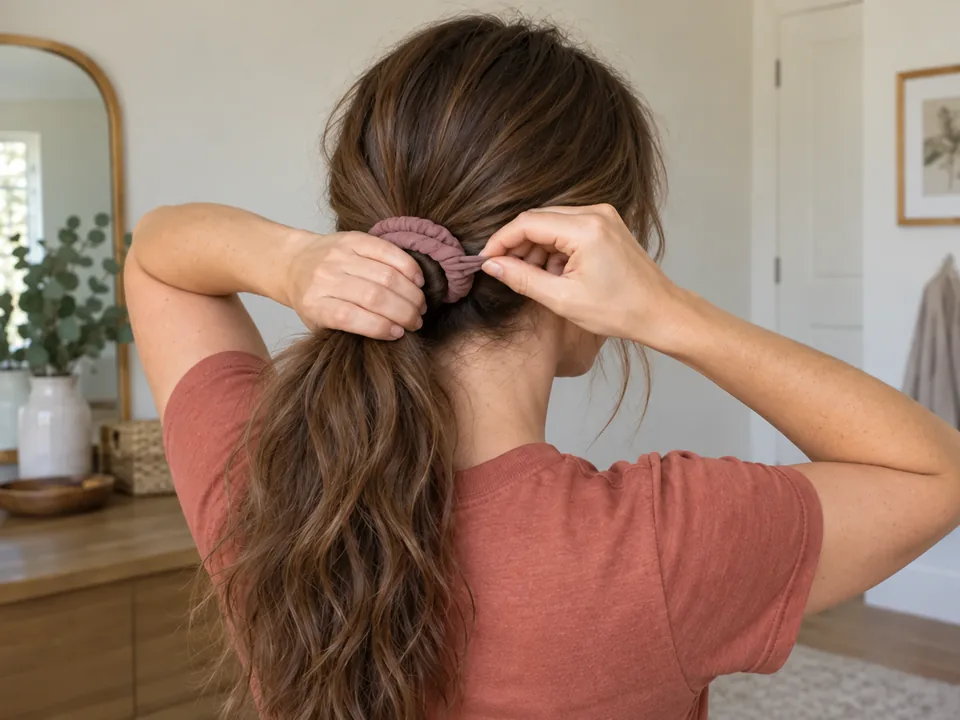
A woman supports her low ponytail with her left hand while her right fingers release the opened loop of a mauve fabric scrunchie around the base.

2. Tie back only dry hair that reaches

For daytime, gather detangled dry hair low or at mid-height with a soft tie, and leave the shorter coils free. Open the tie fully to take it out. This isn’t a sleep style and it won’t treat a knot.

Guide: Tie a loose ponytail

Illustrated care examples: before & after

A smaller working area

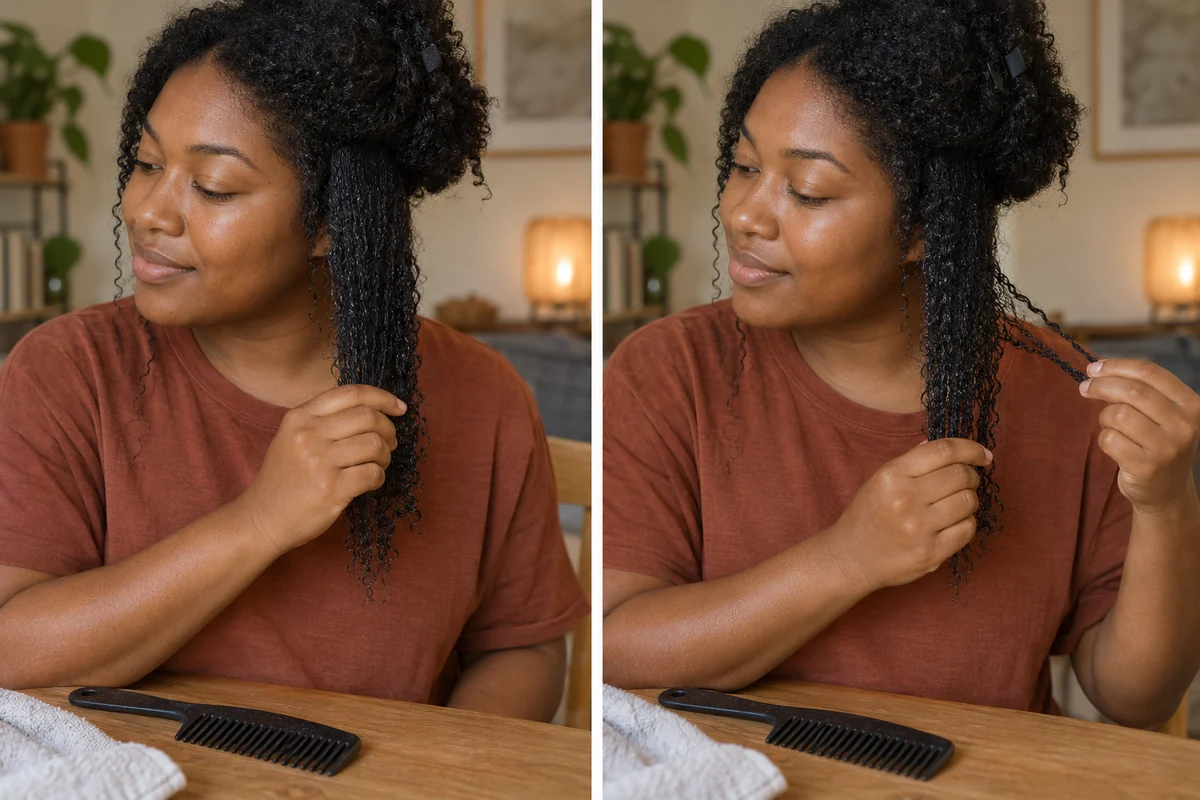
A matched pair shows a damp coily section held loosely, then fingertips separating a few outer strands while the comb stays on the table.
Before · holding one whole sectionAfter care · easing a few strands apart
Hold the section steady and ease a few outer hairs away from the rest. If the tight spot pulls harder, stop. The knot itself isn’t being undone here.

Gather the coils that reach

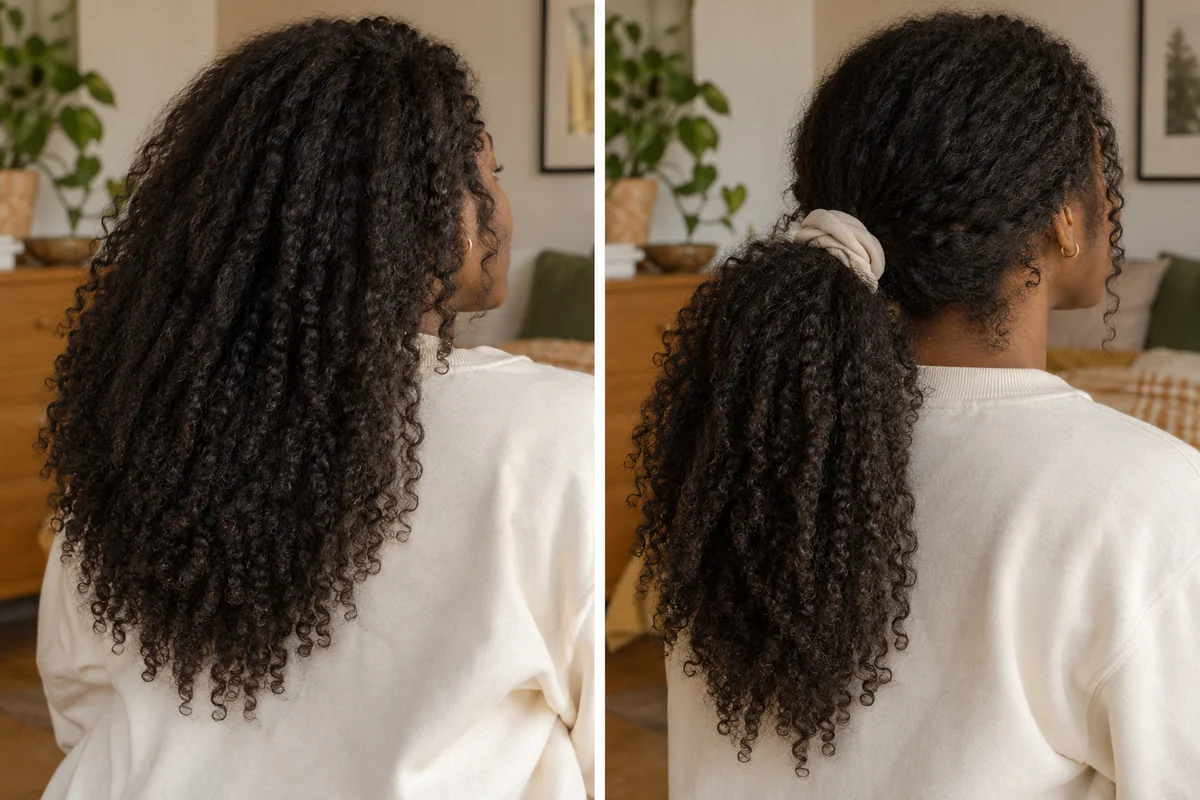
A matched pair shows loose dry coils near a collar, then a relaxed low ponytail with shorter nape coils free.
Before · dry coils worn looseAfter styling · long coils gathered softly
Only the dry coils that reach comfortably are gathered in a soft tie, and the shorter nape coils stay free. Open the tie fully when taking it down.
A woman with curls writing a routine note beside her hair-care products.

Help with your hair-care routine

Bring your hair-care questions to the consultation. You can also read a routine that makes room for shrinkage.

  • When should I give up on a knot and leave it alone?
  • Which conditioner gives me slip without weighing my coils down?
  • How can I tie my hair back during the day without it catching?

The plan uses the hair and scalp details you share, past treatments, current products, preferences and the time and budget you have.

The Hair Care Consultation gives you a personal plan with product recommendations, routines and guidance on your hair-care questions.

$49 with 60 days of follow-ups, or $99 with 12 months. Pay once; the year renews only if you choose.