CLEANSER
Lauramine Oxide
- cleanser
A foam booster and mild cleanser that also thickens the formula.
- products in our library
- 5
- of researched products
- 0.1%
- on the label, in our shampoos
- usually #4
- most common in
- Shampoo
- in water
- Water-soluble
At a glance
Four things worth knowing about how this ingredient behaves on hair.
How much of it is left on hair between washes.
What it takes to get it off the hair again.
How much oil it strips, as a class.
The foam the class is known for, not a measured volume.
| Property | Level | Out of |
|---|---|---|
| Buildup risk | Low | 1 of 5 |
| Rinse-out behaviour | Rinses clean | 5 of 5 |
| Cleansing strength | Very gentle | 2 of 5 |
| Lather | Soft | 3 of 5 |
What it does for a formula
What Lauramine Oxide does
The general function first, then how the role changes by product type where we have researched it.
A betaine-type surfactant, paired with an anionic to lower irritation and build foam.
Added alongside a stronger detergent to build foam and take the edge off it.
A milder detergent class, used where a formula avoids sulfates.
Water alone removes it, so it does not accumulate between washes.
Charge
Carries a positive or a negative charge depending on the pH around it, which is why amphoteric ingredients are used to soften harsher cleansers.
Solubility
Rinses out with water alone, so it does not build up on hair between washes.
Where it appears
Where it appears
One row per product category in our library: how many products list it, what share of that category that is, and where it typically sits on the label.
| Product type | How common | Typical position on label ? |
|---|---|---|
Shampoo
3 products
|
supporting · #4 | |
Conditioner
1 product
|
secondary · #10 | |
Styler: volumizer
1 product
|
secondary · #15 |
| Product type | Products | Share of category | Median position | Earliest position | Band |
|---|---|---|---|---|---|
| Shampoo | 3 | 0% | 4 | 2 | supporting |
| Conditioner | 1 | 0% | 10 | 10 | secondary |
| Styler: volumizer | 1 | 1% | 15 | 15 | secondary |
We have not researched differences by product type yet. The reading below comes from where it sits on the labels in our library.
Position footprint
Every listing in our library, by position on the label.
| Positions | Zone | Listings |
|---|---|---|
| 1-3 | Leading | 1 |
| 4-8 | Supporting | 1 |
| 9-15 | Secondary | 2 |
| 16-25 | Lower | 1 |
| 26+ | Trace | 0 |
How to read this
US labelling rules put ingredients above 1% in descending order of amount; below 1% they may be listed in any order.
So position tells you about relative amount only above that line, and we never convert a position into a percentage.
Why it matters to shoppers
What seeing this ingredient tells you, what it does not, and the limits of our own method.
- the mildest cleansing
- a formula built for daily washing
- a milder feel from a cleanser blend
- foam without a harsher detergent
- an exact safety score (we do not publish one for any ingredient)
- how a finished product performs, which depends on the whole formula, not one line of it
- the exact percentage in a bottle, because label position never converts into a number
- a supporting amphoteric cleanser alongside the main ingredients in our shampoos
- it was on the printed ingredient list of every product we counted (we read labels, not marketing copy)
- that the product cannot clean properly
- that a product is right or wrong for you
We do not publish safety scores or hazard grades. Where a regulator has published a restriction or a use condition, we state it and cite it; otherwise we describe what the ingredient does and stop.
Commonly paired with
The ingredients that most often appear alongside this one in our library. We leave out the near-universal ones, because they pair with everything and tell you nothing.
- Cocamidopropyl Betaine · 4
- Ethylhexylglycerin · 4
- Argania Spinosa (Argan) Oil · 2
- Menthyl Lactate · 2
- Propane · 2
- Caffeine · 2
- Isobutane · 2
- 1,2-Hexanediol · 2
- Decyl Glucoside · 2
- Biotin · 2
The number beside a name is how many products in our library list both.
These ingredients tend to appear together to clean and build foam, soften the strand, and give it a scent.
Found in these products
The most prominent placements first. The badge is the position on that product’s own ingredient list.
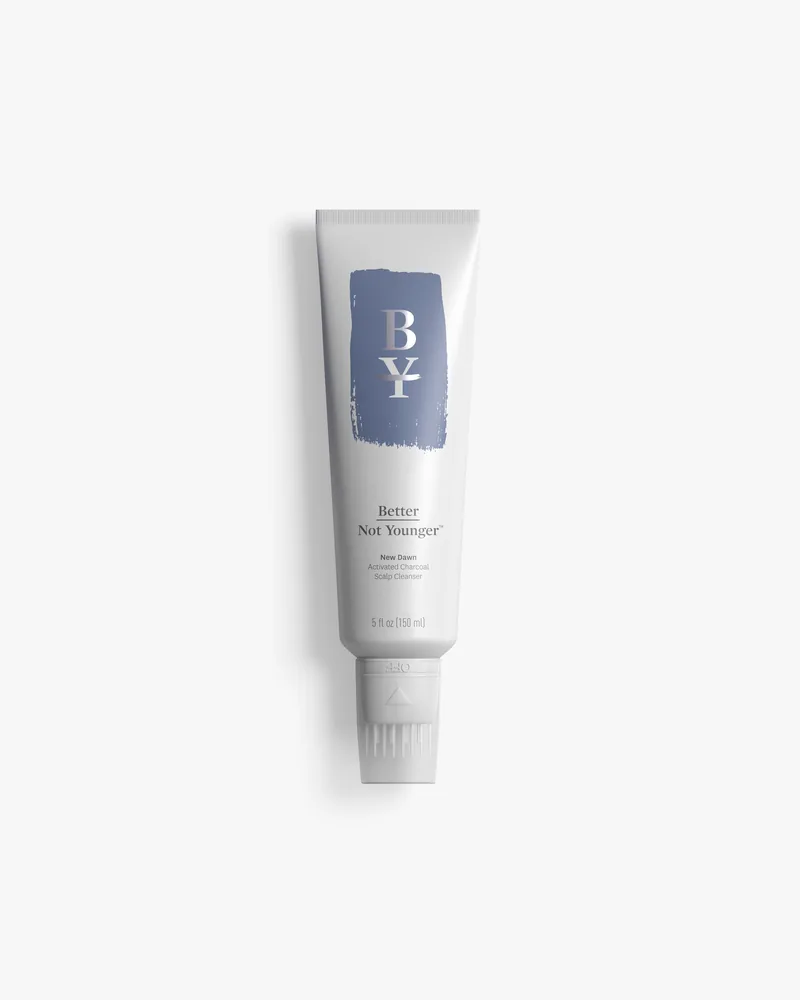 Better Not Younger · Shampoo
New Dawn Activated Charcoal Scalp Cleanser
#2 on the label · $4.00/oz
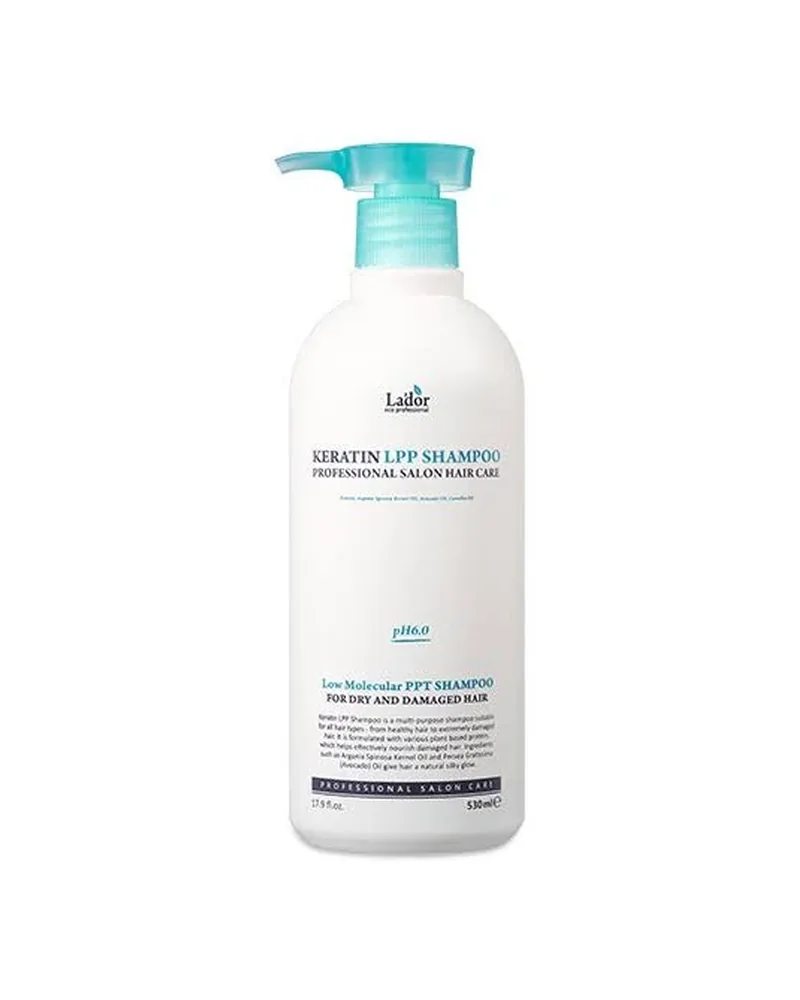 LADOR · Shampoo
Keratin LPP Shampoo
#4 on the label · $1.53/oz
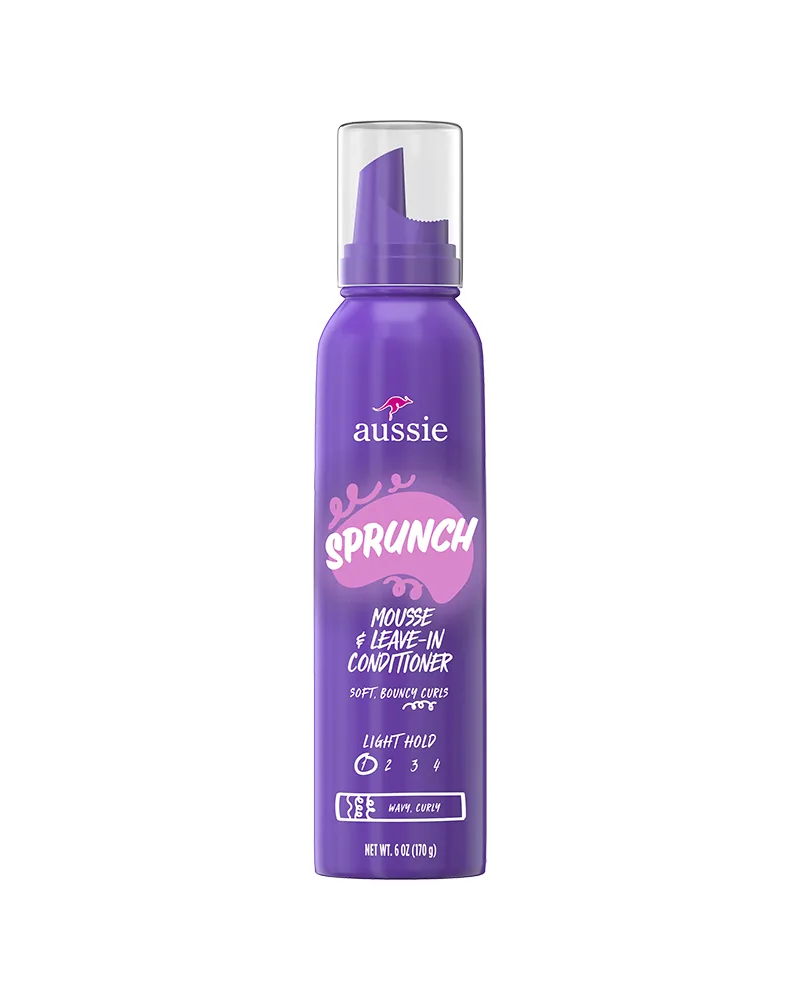 Aussie · Conditioner
Sprunch Mousse Leave Conditioner
#10 on the label · $0.83/oz
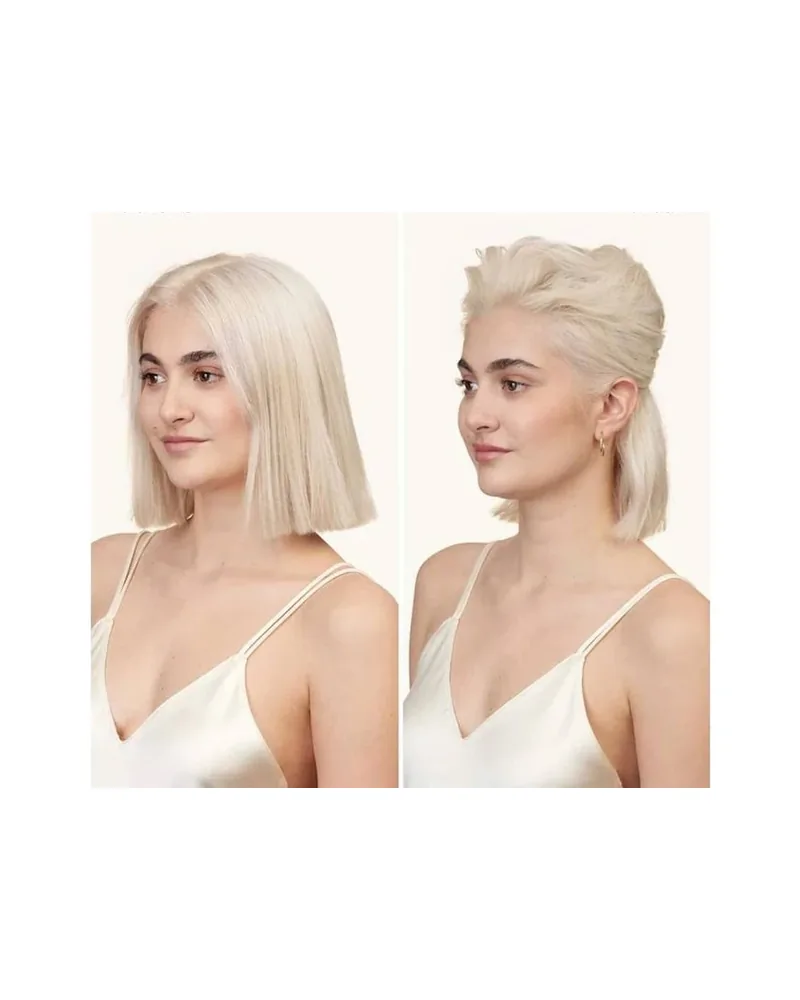 Pureology · Styler
Style + Protect Weightless Volume Mousse
#15 on the label · $3.16/oz
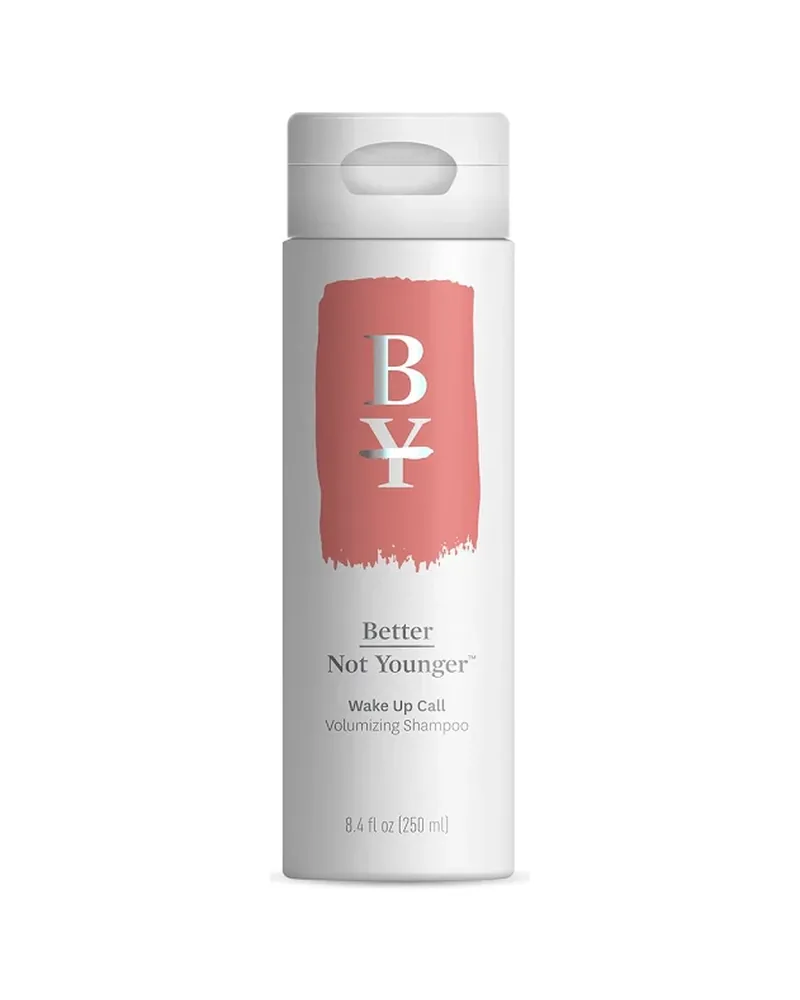 Better Not Younger · Shampoo
Wake Up Call Volumizing Shampoo
#16 on the label · $3.63/oz
Identity
What this entry is, and what our references call it.
No public-domain structure depiction is available for this entry.
Lauramine Oxide
- amphoteric cleanser
- secondary cleanser
- lauramine oxide


For your hair?
Whether Lauramine Oxide matters for your hair depends on your hair.
5 products in our library list itWhat this ingredient does, and where it sits on the labels we have researched.
A verdict on any product that contains it, and never a safety grade.
We do not physically test your hair. Everything above comes from the ingredient lists in our library and from published references. The consultation is what turns it into a plan.
References
Seed entry, sourcing in progress Written from our reference work; primary sourcing is still being attached.
No published source is attached to this entry yet.
How this page was made
- Every number above is counted from the ingredient lists in our own product library: 5 of 6816 researched products list this ingredient. Nothing on this page is written per ingredient.
- The dots are levels, not scores. Each one comes from what kind of ingredient it is (its chemical class, charge and solubility) or from where it sits on the labels we have.
- US labelling rules put ingredients above 1% in descending order of amount; below 1% they may be listed in any order. Position tells you about relative amount only above that line, and we never convert a position into a percentage.
- The prominence bands (leading, supporting, secondary) are the same ones the product pages use to read a single label, applied here to the median position across a category.
- We do not publish safety scores or hazard grades. Where a regulator has published a restriction or a use condition, we state it and cite it; otherwise we describe what the ingredient does and stop.
- Identifiers and references appear only when a published source is attached to this entry. Without one, we leave the row out rather than fill it in.
- This is cosmetic information, not medical advice, and nothing here diagnoses or treats a health condition.
- Entry last updated 2026-09-22. Product-page methodology: the product library.