Hair Care Guides

Try the look you’re curious about.
You decide where this goes.

Hair is one of the easiest places to try out how you want to be seen. You don’t need a particular cut, texture or label to start. Try the features that interest you, notice what feels right, and tell the stylist what matters.

Your personal hair-care planProduct choices, routines and answers shaped around your hair.$49one-timeStart my consultation
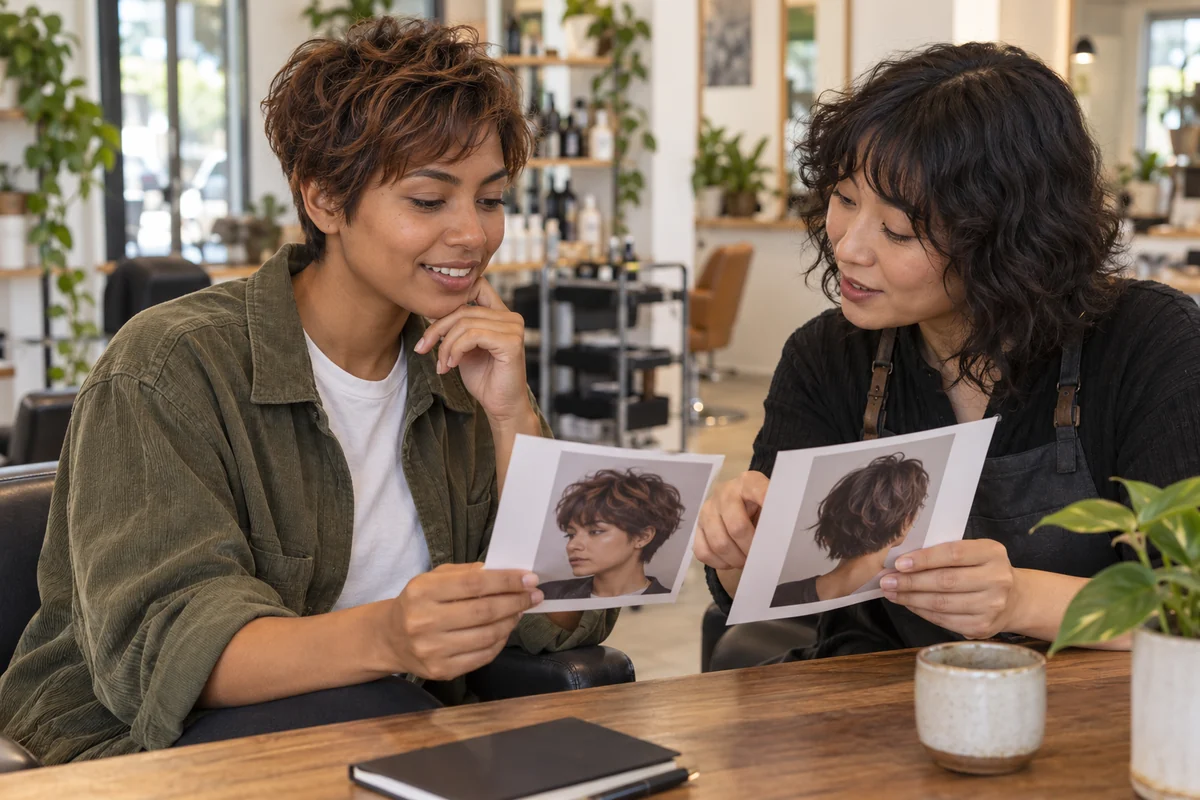
An adult and a stylist discuss printed short-hair references at a salon table.
You decide where this goes.

What is going on

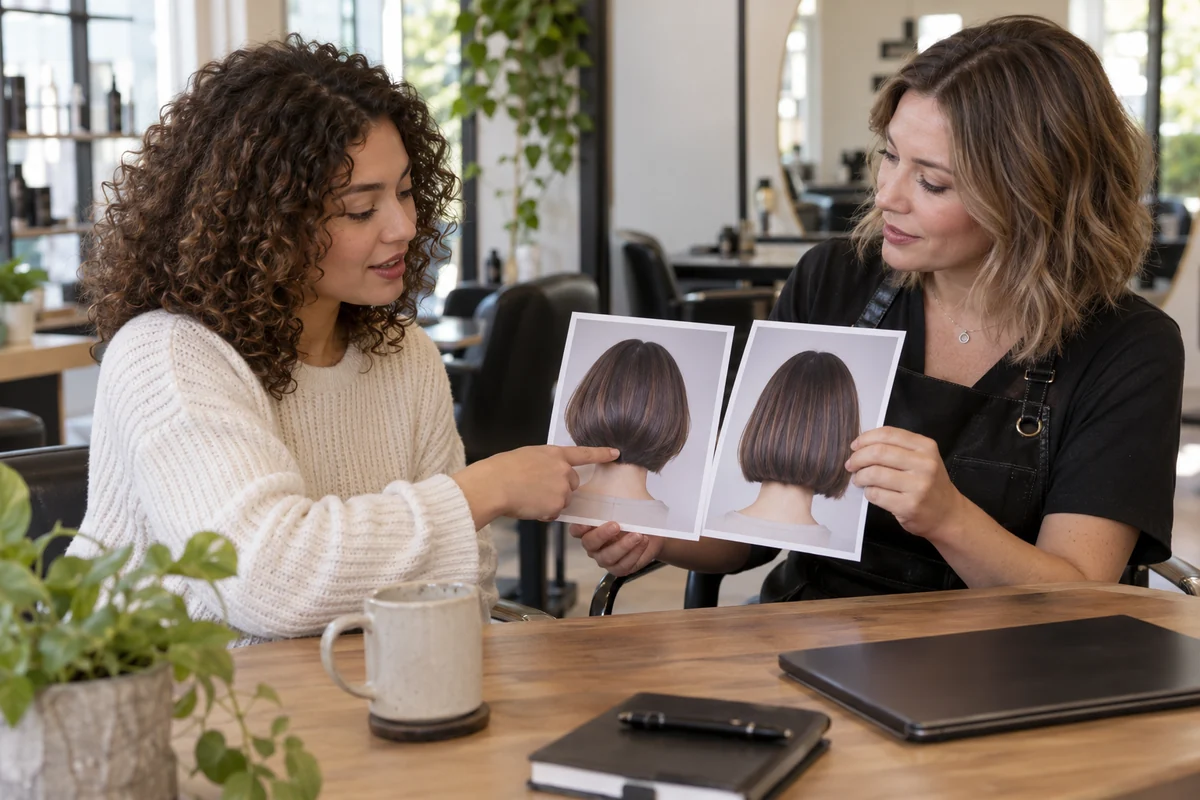
A client points to the lower outline in one of two back-view haircut references held by a stylist.

Describe features, not a category

Say close at the sides, a longer fringe, a softer outline or more visible curl. Point out what you like in each reference photo. No style belongs to one gender, and someone else’s hair in a picture won’t predict how yours falls.

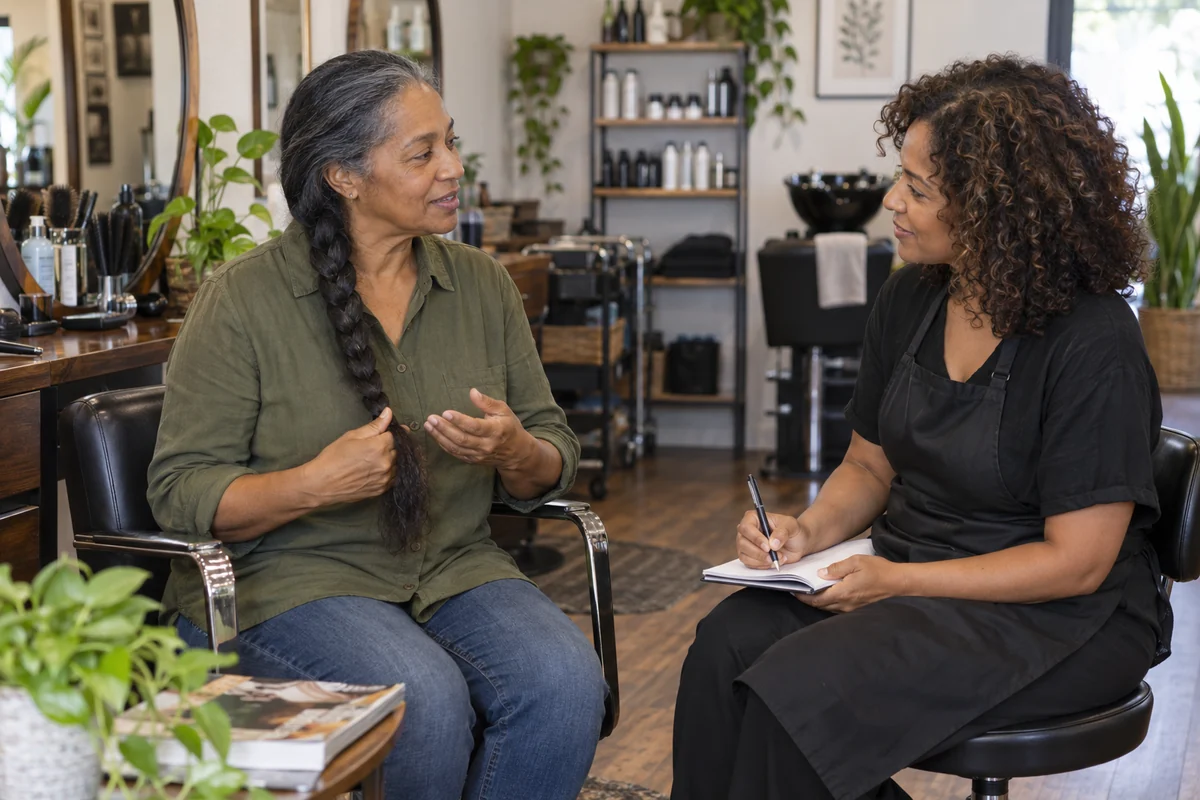
An adult holding a long braid discusses care with a stylist who takes notes in a salon.

Talk about the ordinary days too

Tell the stylist how often you want to style it, whether you need to tie it back, and how much upkeep you’re up for. You can ask for a change in stages, something you can undo, or simply more time to decide.

What helps, day to day

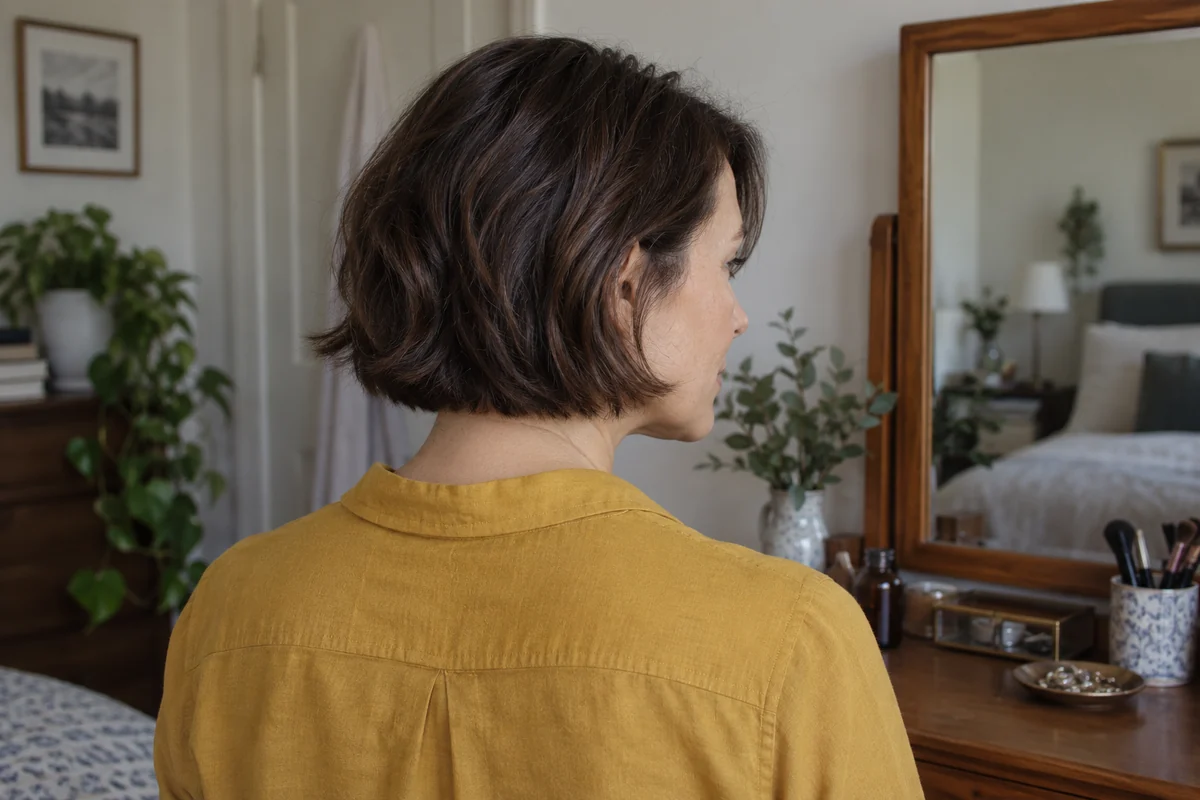
A rear three-quarter view shows the dry nape and side perimeter of a wavy bob.

You want to try a different shape

  • Try a new part or a temporary tuck before anything permanent.
  • Compare what you like about each version without deciding one of them is the right answer.
  • A folded or pinned style can hint at a cut, but it can’t copy the weight and movement of the real thing.
A client and stylist sit close together looking at a haircut photograph held toward them.

The salon conversation feels too vague

  • Bring two or three references and name the features you want to keep.
  • Say your length limits in your own words and confirm them before the first cut.
  • You choose what to share about yourself. A good hair conversation can stay entirely about the hair.
A man seated at a dry dressing table with both forearms resting on a folded towel beside a mirror, comb and bottles.

The experiment doesn’t feel right

  • Take out pins or ties that pull and stop using any product that irritates.
  • Go back to a style you know and like, if that’s what you want today.
  • Changing your mind isn’t a step backward. It tells you something for the next try.

Products, by the job they do

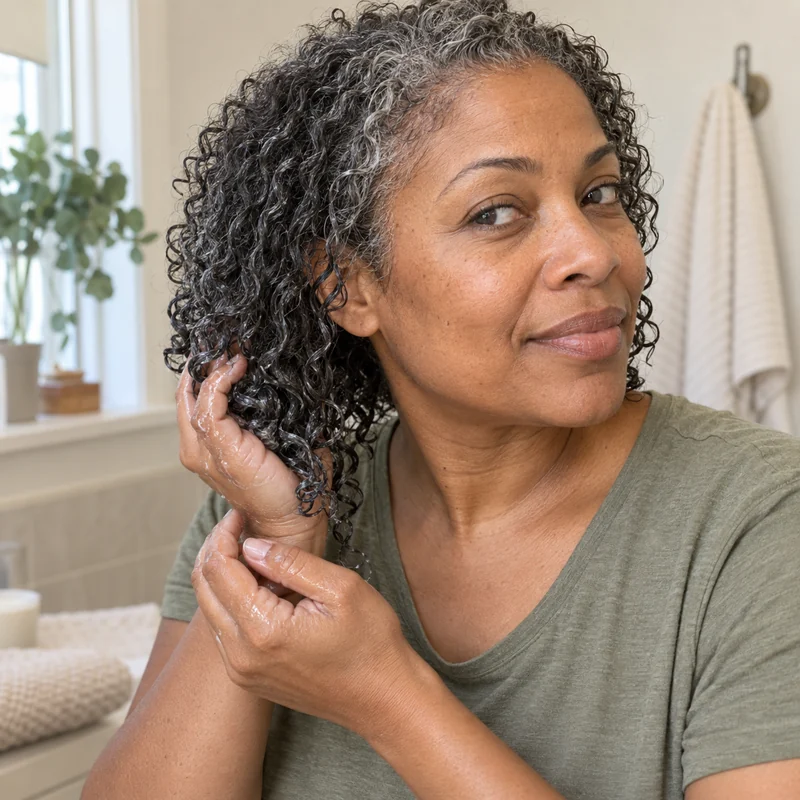
A woman cupping a damp curl section with styling gel on her hands.

Choose products for the finish, not the aisle

What matters is your texture, your length, any treatments and the hold you want. The gendered packaging says nothing about what the formula will do on your hair.

Browse styling products. Tell the consultation how much hold you want and which stylers you have tried.

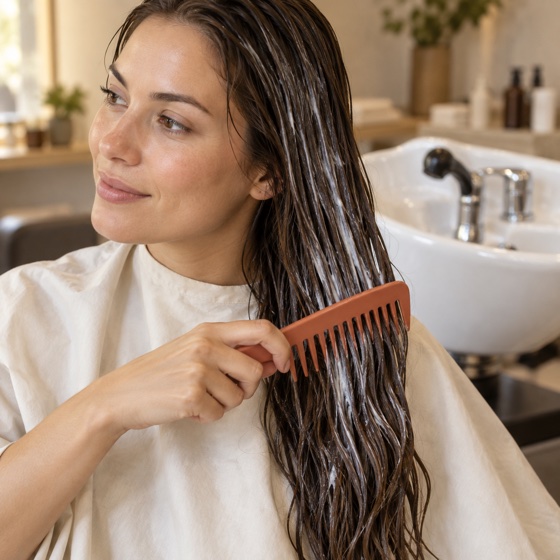
A woman detangling conditioned hair with a wide-tooth comb.

Keep the care that already works

A new way of presenting yourself doesn’t need a new wash routine. If your conditioner gives you slip and keeps the detangling easy, keep it while you work out the shape.

Browse rinse-out conditioners. The consultation uses your hair details and treatment history to compare conditioner options.

How to do it

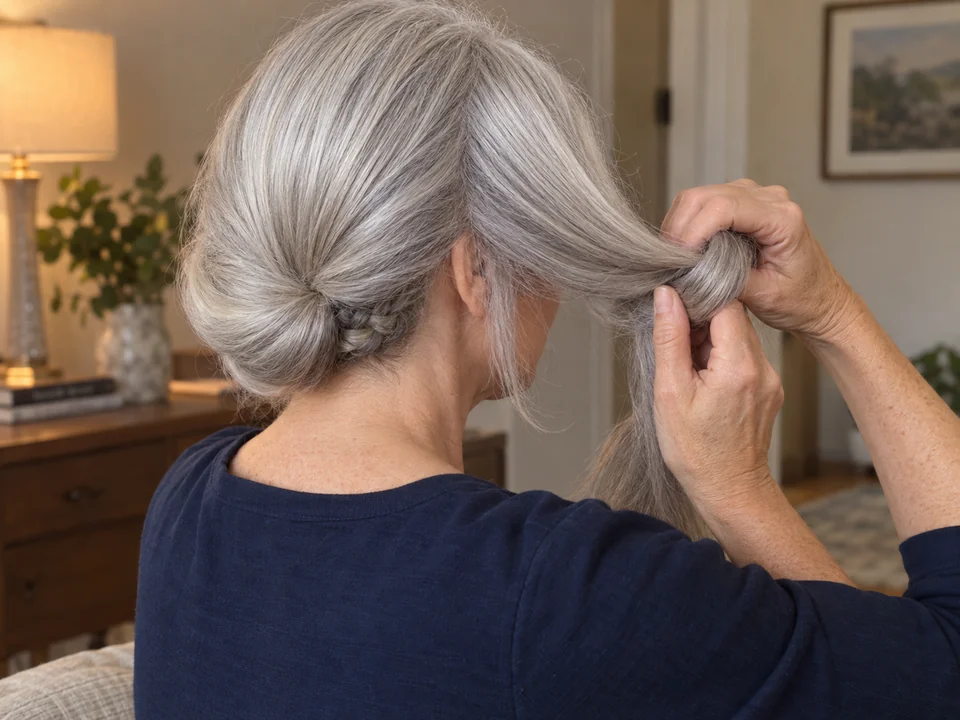
An adult rolls one long side section inward beneath a temporary bob outline.

1. Try a shorter outline for an evening

On dry, loose hair with enough length and a comfortable anchor at the nape, folding the ends under suggests a shorter cut. Follow the whole setup and takedown. Skip it if the roll feels heavy or the pins press.

Guide: Pin long hair into a faux bob
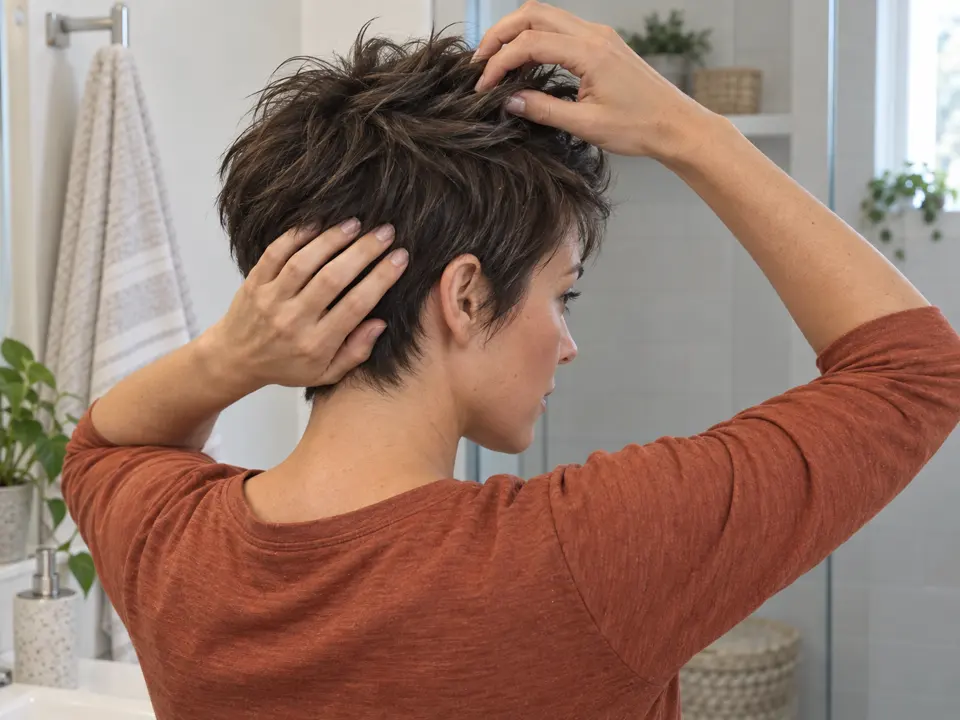
A woman uses her fingertips to work styling paste through a small area at the crown of her short hair.

2. Push short hair in a new direction

If your hair is short and loose and you have a paste meant for dry hair, direct a few pieces you can reach with the amount the label gives. Decide whether you like the shape before adding more.

Guide: Shape short hair with styling paste

Illustrated care examples: before & after

Two ways to wear it

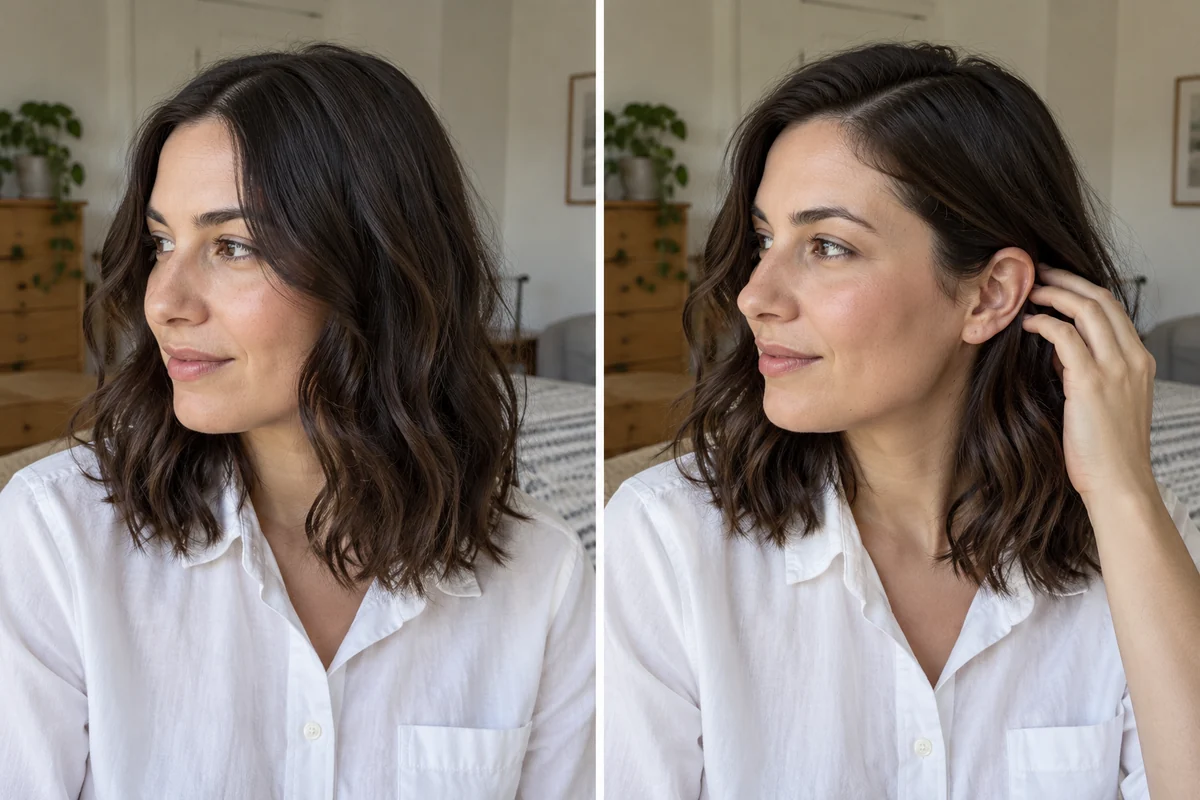
The same adult wears dark waves with a central part, then a side part and one side tucked behind the ear.
Before · waves around a center partAfter this step · side part and ear tuck
The same waves, center parted on the left, side parted and tucked on the right. Both are fine, so notice which you prefer without giving either a gender.

A bob, folded for a look

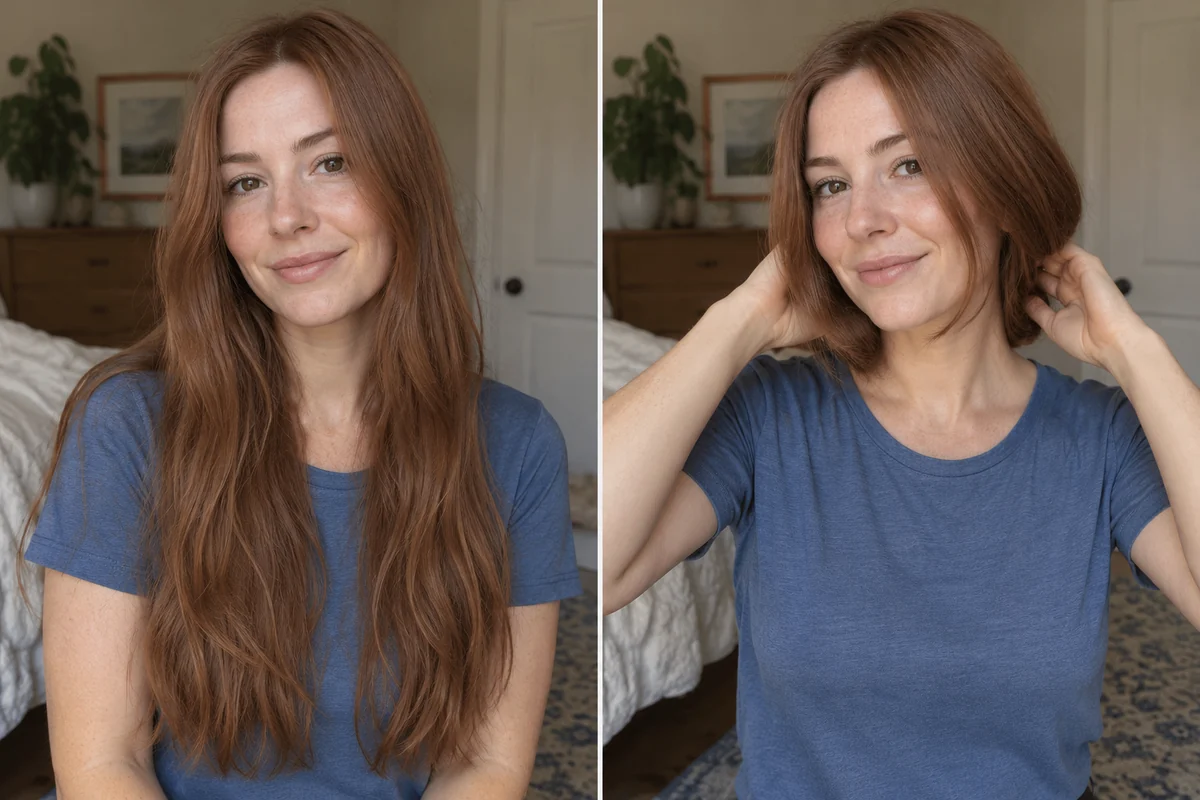
The same long-haired adult shows loose auburn lengths, then an inward-folded shorter outline.
Before · long auburn hair looseAfter this step · lengths folded under, bob shape
The lengths are folded under to give an idea of a bob. It is only a sketch, a real cut would hang, move and need looking after differently.
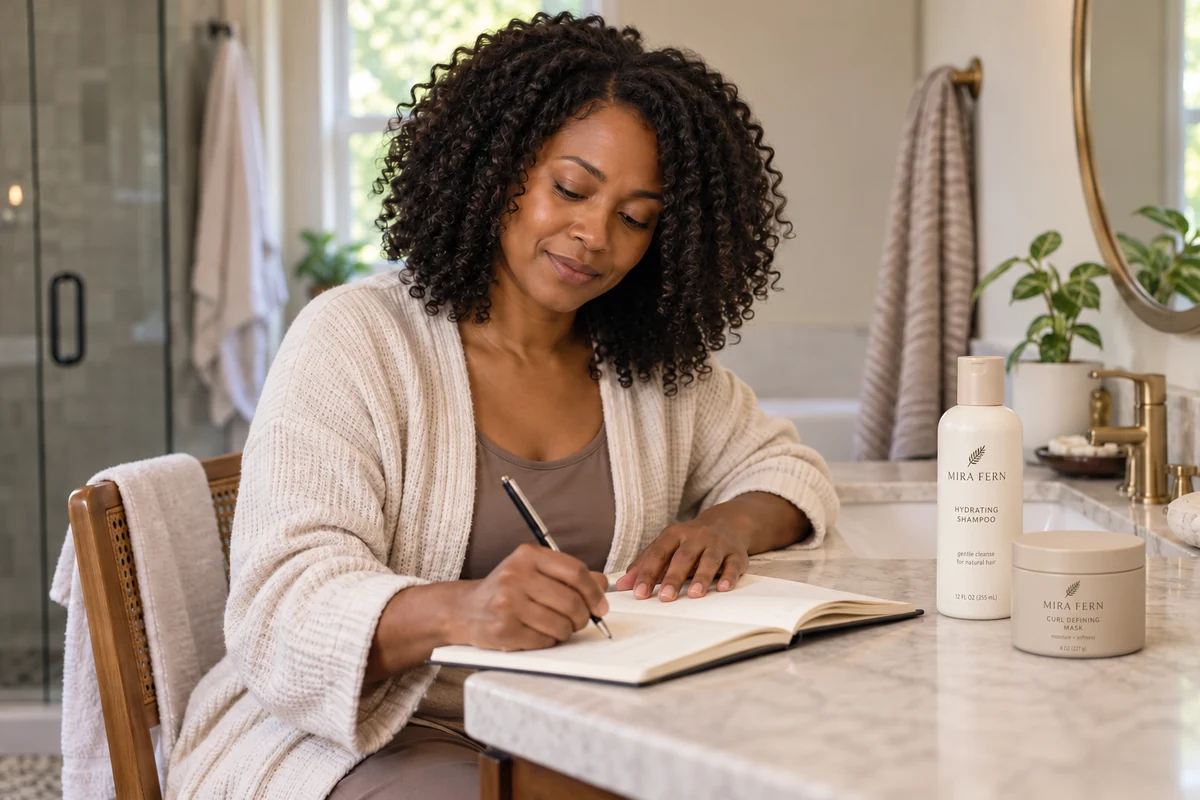
A woman with curls writing a routine note beside her hair-care products.

Help with your hair-care routine

Bring your hair-care questions to the consultation. You can also read thinking through a first short haircut.

  • Which features would make my hair feel like me?
  • What can I try without cutting anything?
  • How much upkeep am I willing to take on after a change?

The plan uses the hair and scalp details you share, past treatments, current products, preferences and the time and budget you have.

The Hair Care Consultation gives you a personal plan with product recommendations, routines and guidance on your hair-care questions.

$49 with 60 days of follow-ups, or $99 with 12 months. Pay once; the year renews only if you choose.