Hair Care Guides

Making small-loc care fit your week.
Plan wash days and maintenance separately.

Many small locs can take more care time than expected. Separate washing from work at the roots, with appointments you can keep. Microlocs is a broad term for small locs. Sisterlocks is a specific system with its own care and training.

Your personal hair-care planProduct choices, routines and answers shaped around your hair.$49one-timeStart my consultation
An adult with small locs reviews a calendar beside care notes.
Plan wash days and maintenance separately.

What is going on

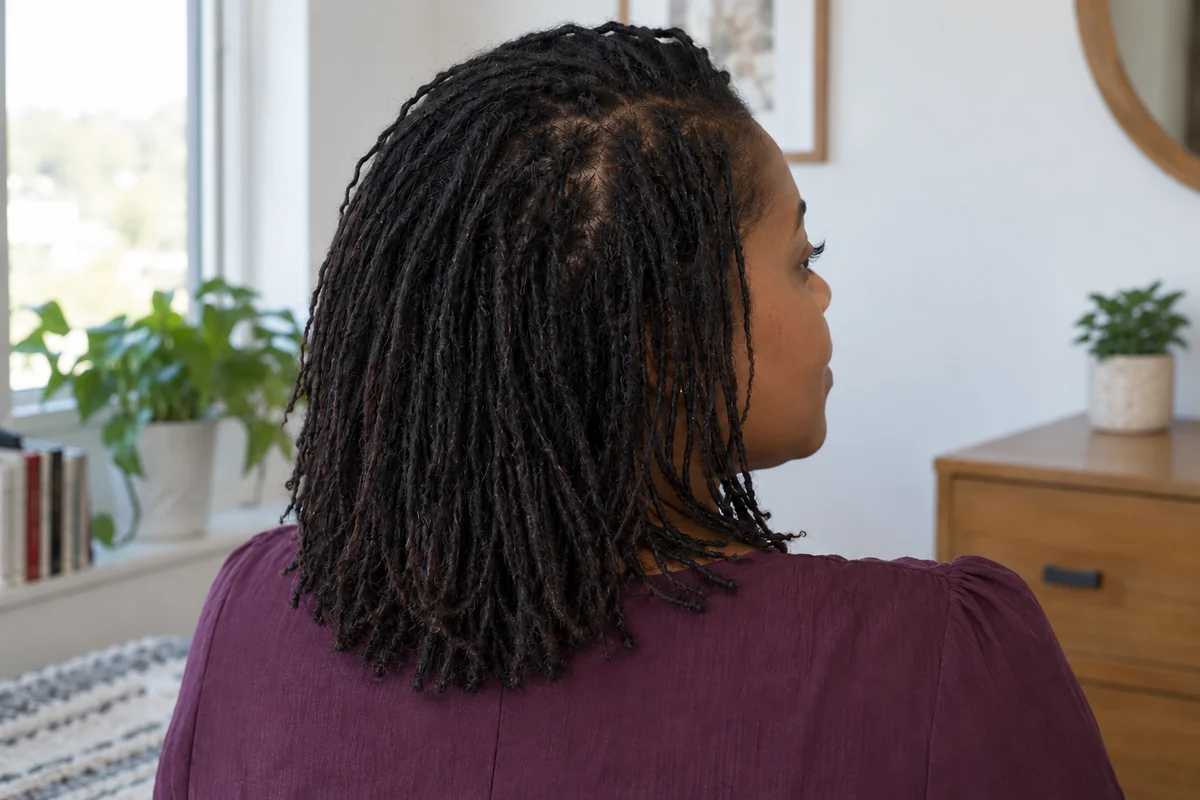
Small locs are seen from the back and side, with some scalp parts visible.

Match care to the method and stage

Find out how your locs were started and how the new growth is maintained. Ask which washing instructions apply now and what changes once the locs hold their structure through washing. Small locs can be new or mature, so size is not the deciding factor.

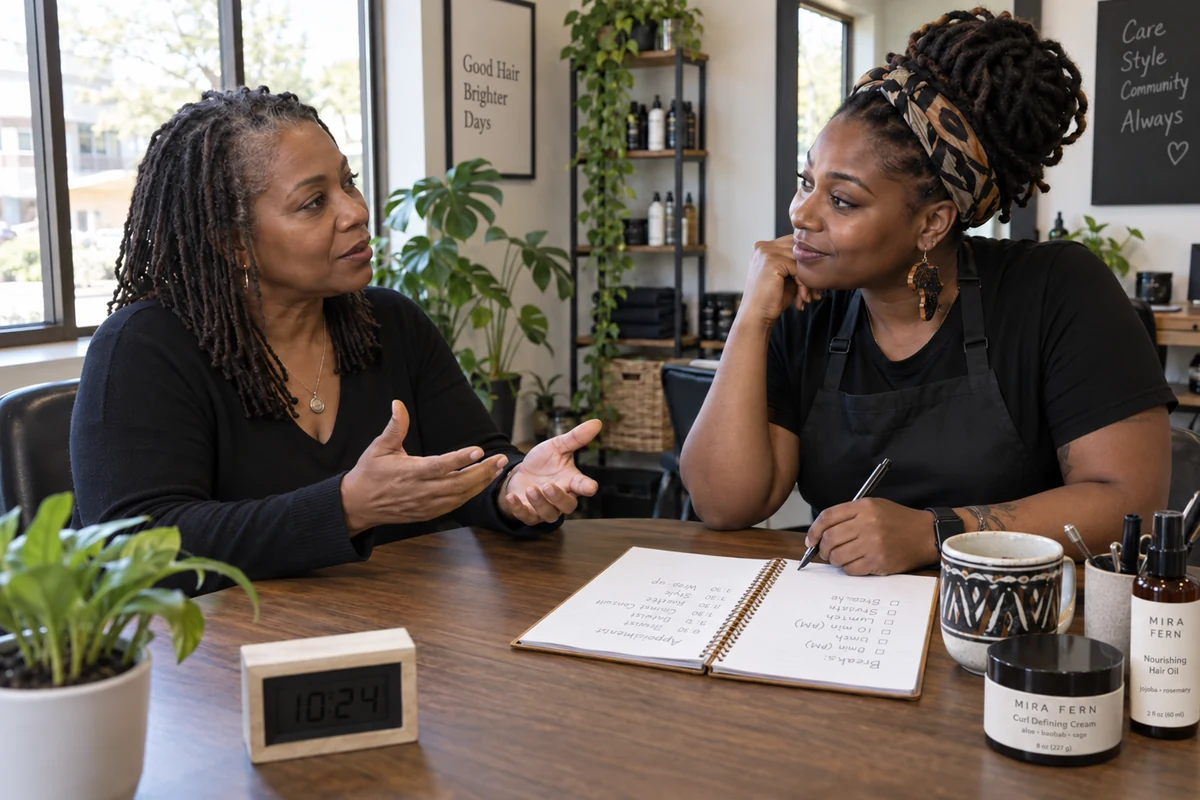
An adult with small locs and a provider review an appointment notebook.

Find out what the appointment includes

Before booking, confirm whether washing and drying are included or whether you should arrive with clean, dry hair. Ask about session length, breaks and the cost of any repairs. Retightening works on new growth at the roots and may need a separate booking.

What helps, day to day

An adult with a long silver-and-dark braid writes in a planner beside a small hair-care kit.

A maintenance visit no longer fits your schedule

  • Ask for a new appointment and what care to continue until then.
  • Mention the last service and any areas that are slipping or joining.
  • If long sessions are the problem, discuss breaks or shorter visits before booking.
  • Leave unfamiliar root work for the appointment.
An adult with small locs looks in a mirror with her hands resting together.

Two neighboring locs seem joined

  • Stop when a pair resists moving apart.
  • Leave the connection intact and show your provider where it is, using a photo if helpful.
  • Ask them to demonstrate any home separation they expect you to do.
  • Avoid cutting between the locs or pulling through resistance.
A woman with curls writing a routine note beside her hair-care products.

You’re delaying a wash to keep the roots neat

  • Use the wash method you were taught for your present stage, allowing time for rinsing and drying.
  • If you’re unsure how to wash after maintenance, get that step demonstrated.
  • Let the provider know if your scalp needs washing sooner than the current plan allows.

Products, by the job they do

A man reads a shampoo bottle while making a note, with a second hair-care bottle beside the notebook.

Make the cleanser easy to use correctly

Keep the recommended shampoo and wash instructions together. Check the label’s amount, any dilution directions and where to apply it. If rinsing leaves your locs feeling coated, review the amount and rinse method with your provider before adding another cleanser.

Browse cleansing products. Your current shampoo, wash schedule and past treatments help guide a personal recommendation.

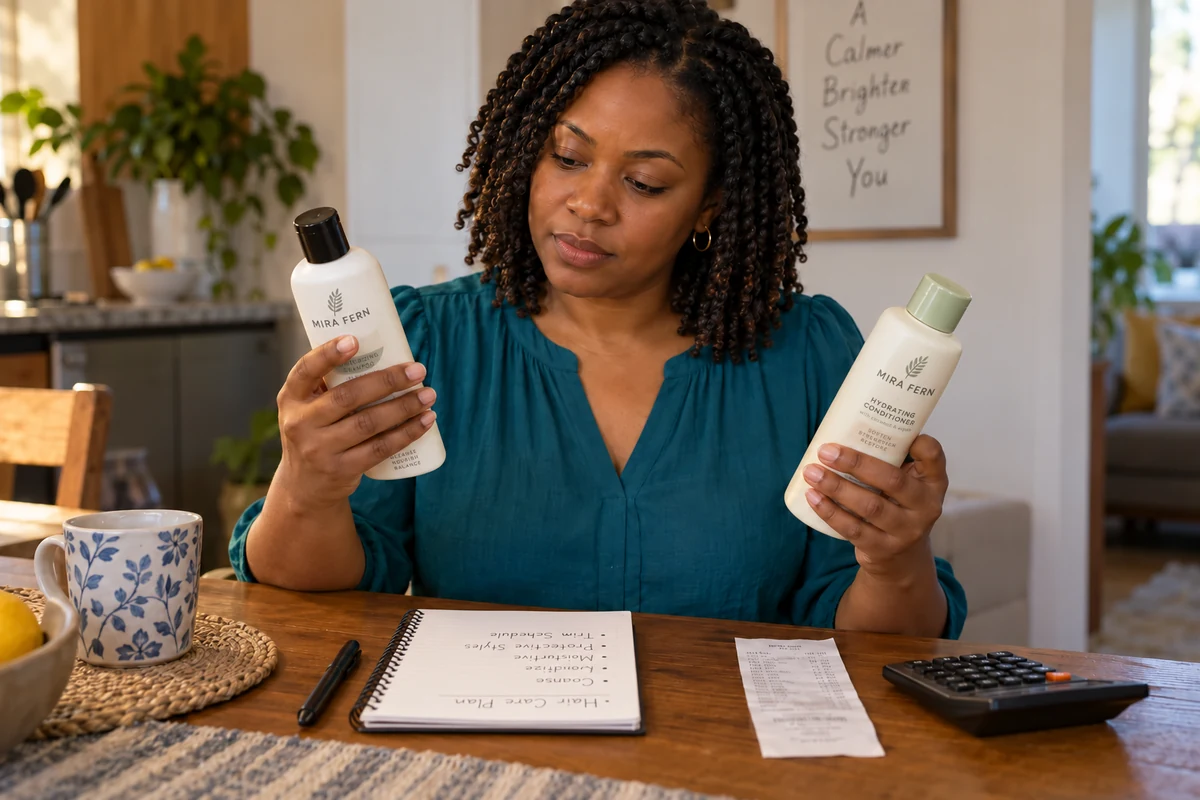
An adult compares two hair-product bottles beside a calculator and shopping notes.

Add conditioner for a specific need

Explain what you want to improve, such as rough-feeling lengths, and ask whether conditioning fits your loc method and stage. If included, follow the product’s amount and placement alongside your aftercare. Add one product at a time so you can judge the result.

Browse rinse-out conditioners for your own hair.

Keep maintenance consistent

An adult holding a long braid discusses care with a stylist who takes notes in a salon.

Learn the root work before doing it yourself

If you want to maintain your own roots, ask about training for your locking method and whether your locs are ready. Confirm the tools and the steps you will practice. Plan supervision for the first attempt, especially where you cannot see or reach easily.

An adult with small locs writes method and care notes beside a closed bottle.

Keep the details for your next visit

Save the starter method, maintenance method and latest service date with your provider’s instructions. Add any repairs or changes in products. Bring this record when changing providers so the next person can check what has been done before continuing.

When to get help

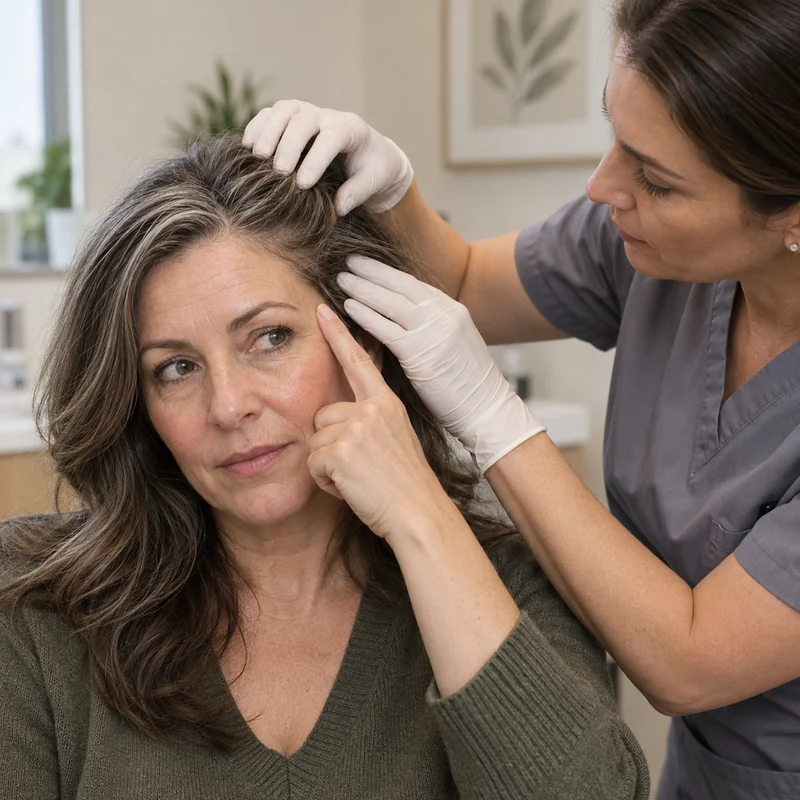
A medical professional examining the scalp where a woman points.

Signs that need more than routine care

  • Pain after root maintenance deserves attention. Tell your provider promptly if the roots pull, and contact a medical professional if pain persists, crusts appear or the hairline develops bare areas. Avoid another tightening session over a sore area.

Illustrated care examples: before & after

Check what the appointment covers

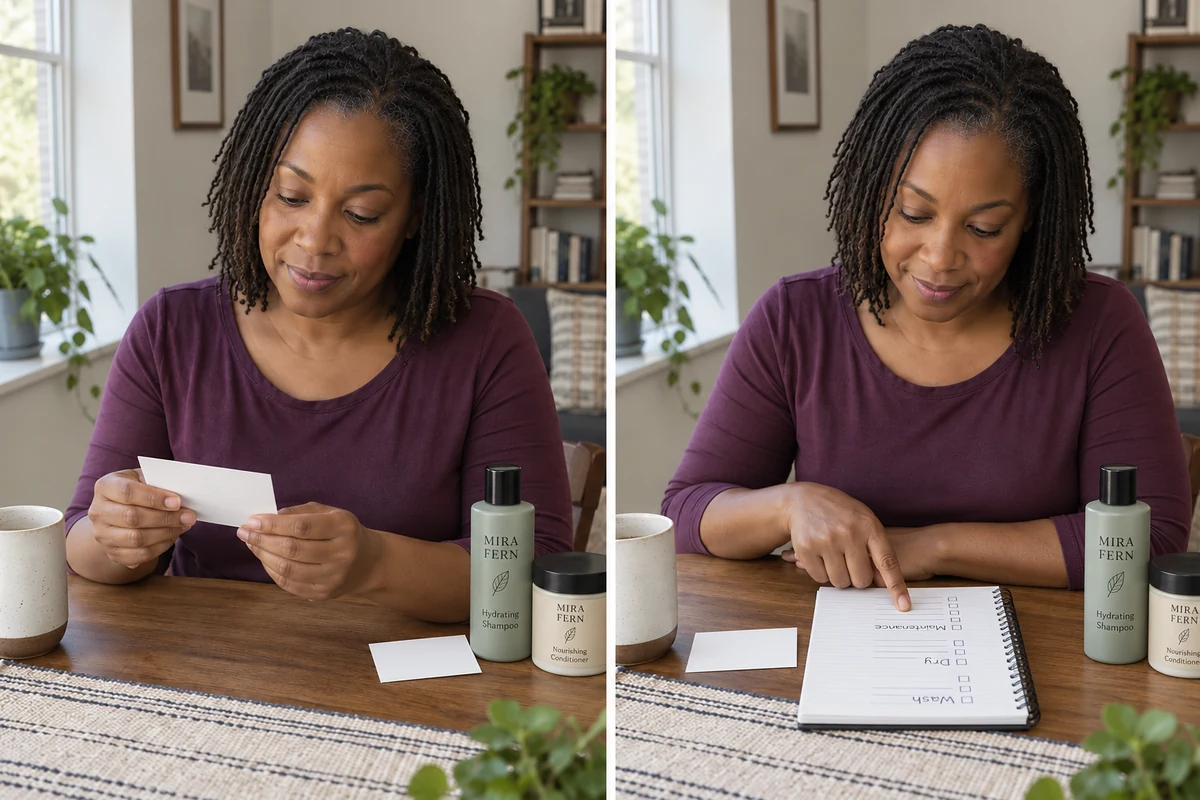
A woman reads a card, then points to a notebook checklist for washing, drying and maintenance.
Before · reading a cardChecking the details · checking the service list
Confirm whether the appointment includes washing, drying and root maintenance. Ask how long it may take, whether breaks are possible and what you need to do before arriving.

Keep your care instructions together

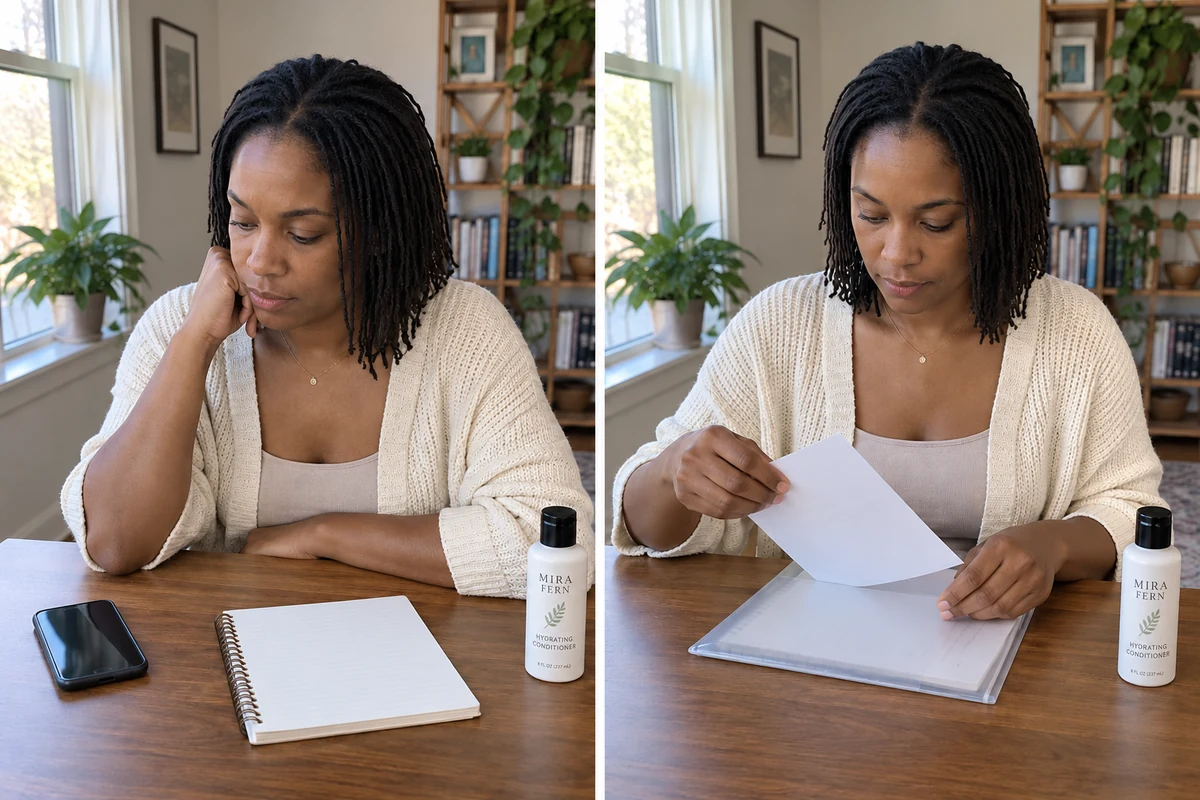
A woman sits beside a phone and notebook, then puts a sheet of paper into a folder.
Before · a phone and notebookAfter organizing · a folder for the notes
Keep the starter method, maintenance method, latest service date and care instructions together. Bring them when changing providers, including details of repairs or products that caused problems.
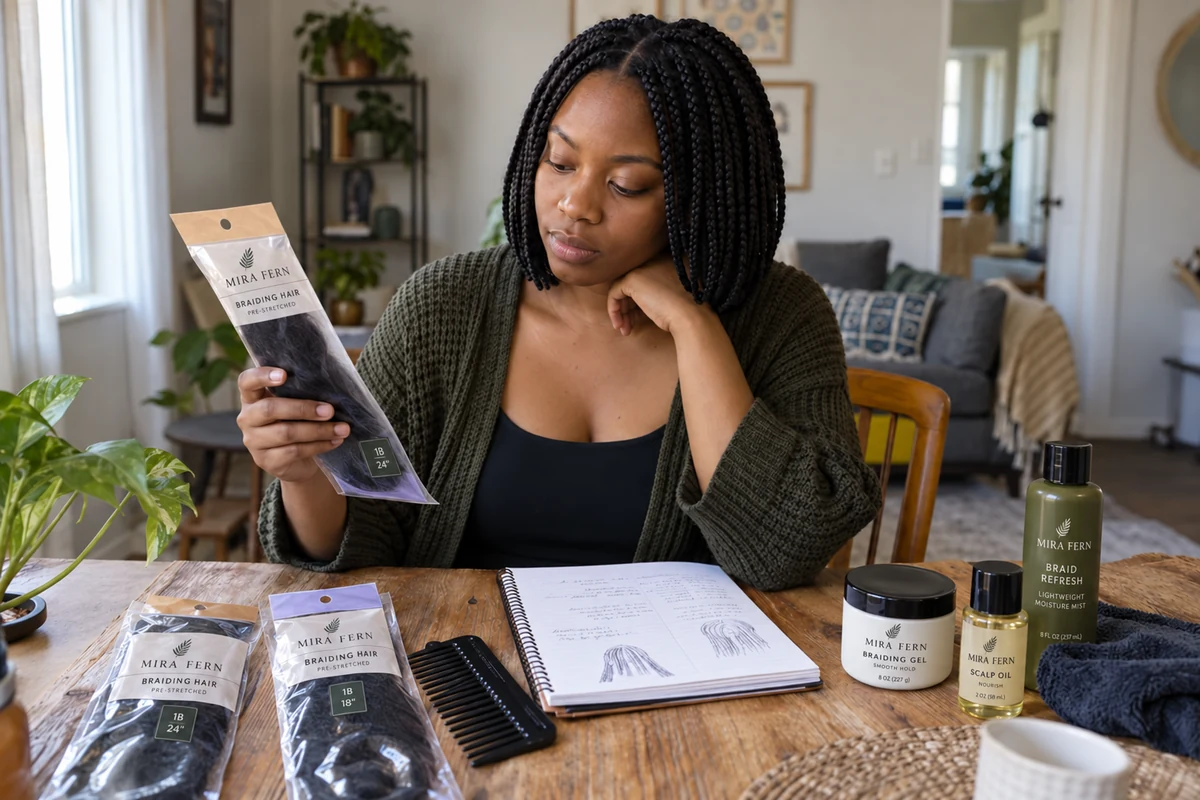
A woman with a braid bob checks fiber packaging beside her installation notes.

Help with your hair-care routine

Bring your hair-care questions to the consultation. You can also read planning early-stage loc care.

  • What should my maintenance appointment include?
  • How can I wash without undoing my starter locs?
  • What training do I need to maintain my own roots?

Share your loc method, care instructions and what makes the routine hard to keep up with. The consultation can help with everyday scalp and product care around your schedule. Your loc provider handles retightening, repairs and training for work at the roots.

The Hair Care Consultation gives you a personal plan with product recommendations, routines and guidance on your hair-care questions.

$49 with 60 days of follow-ups, or $99 with 12 months. Pay once; the year renews only if you choose.