Hair Care Guides

The smell and the ingredient are two questions.
Answer each one on its own.

Wanting a product that barely smells and wanting to avoid an ingredient sound like the same request. They aren’t, and mixing them up gets you a product that fails on both. Ask each separately. The ingredient list answers one, the scent description the other.

Your personal hair-care planProduct choices, routines and answers shaped around your hair.$49one-timeStart my consultation
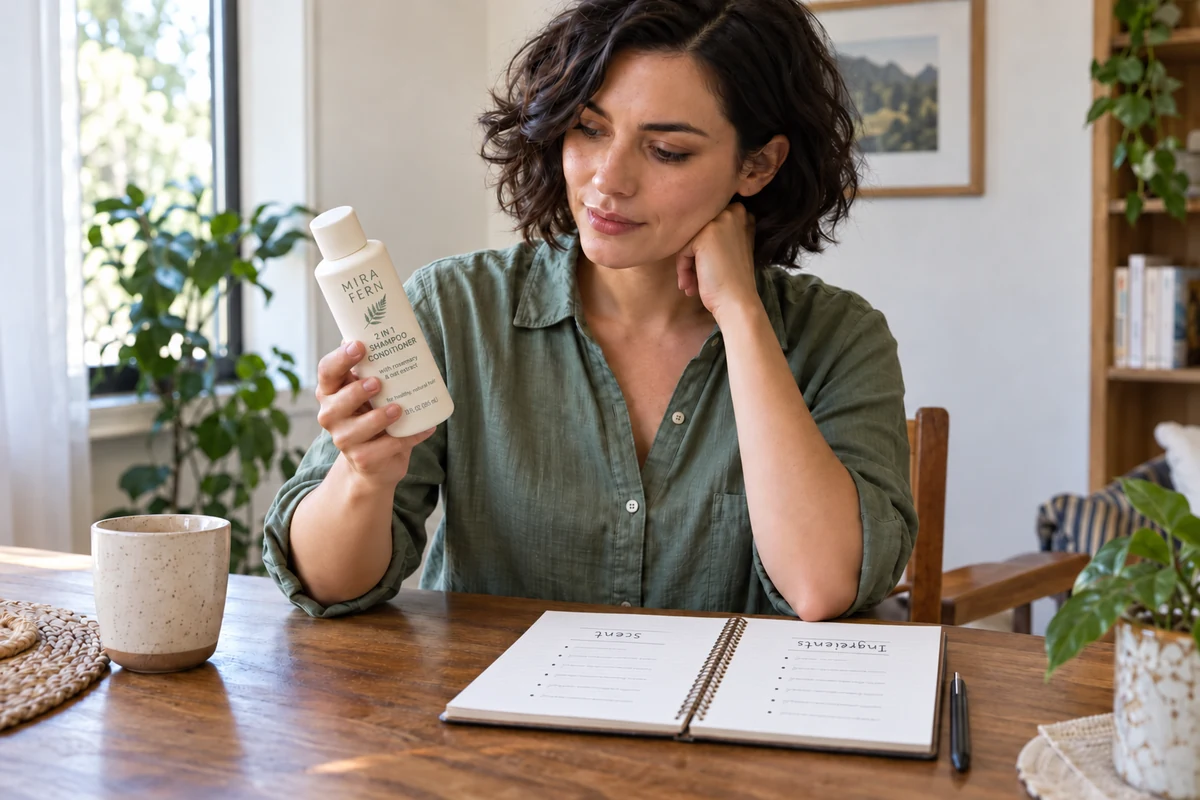
A woman reads a hair product bottle beside a notebook separating scent and ingredients.
Answer each one on its own.

What is going on

A woman uses a tablet displaying product directions beside a capped hair-care bottle at a dry desk.

What’s in it and how it smells are different facts

On Hair You Love, Fragrance is about the ingredient list and Scent is about what you’d actually smell. A formula with no fragrance or parfum line can still smell of its botanicals. No fragrance line isn’t a promise of no smell.

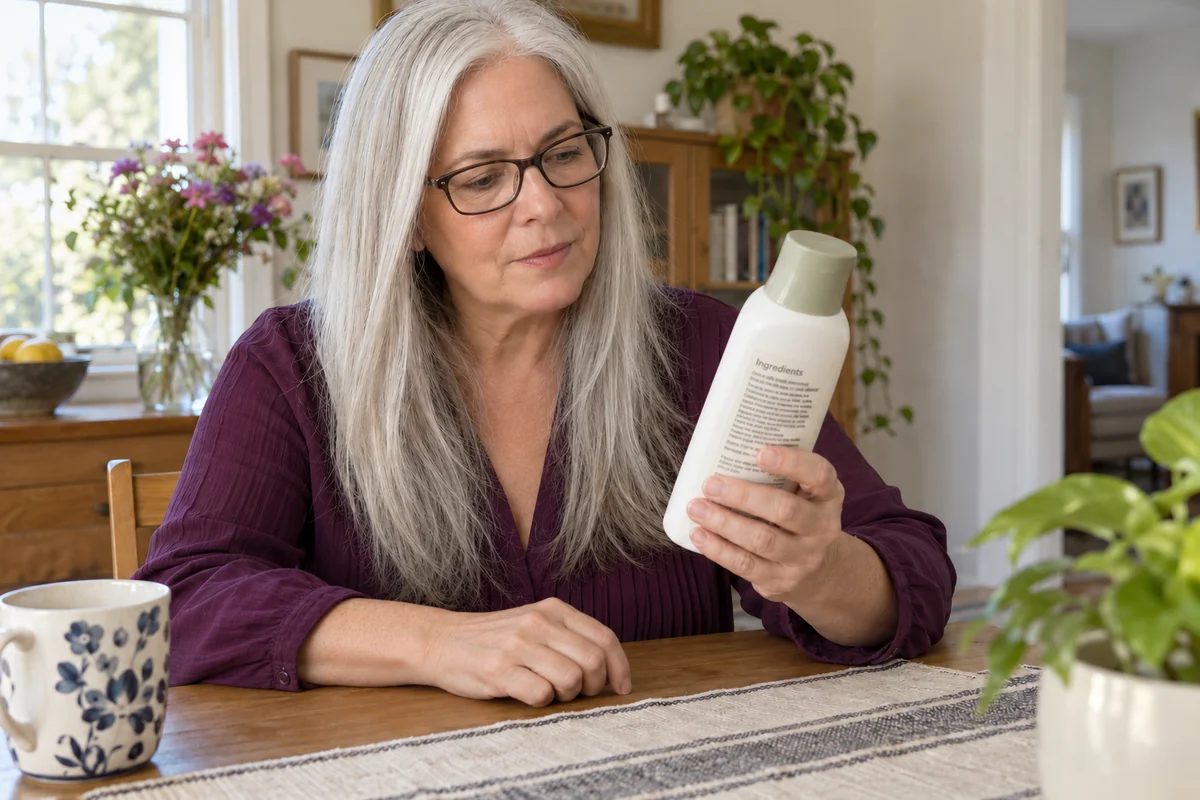
A woman wearing glasses reads a hair product ingredient panel.

Unscented on the front needs a closer look

An unscented product can contain ingredients whose job is to mask other smells. In the United States, a whole fragrance blend can sit under one word on the list. If a specific ingredient matters and the list doesn’t say, ask the maker.

What helps, day to day

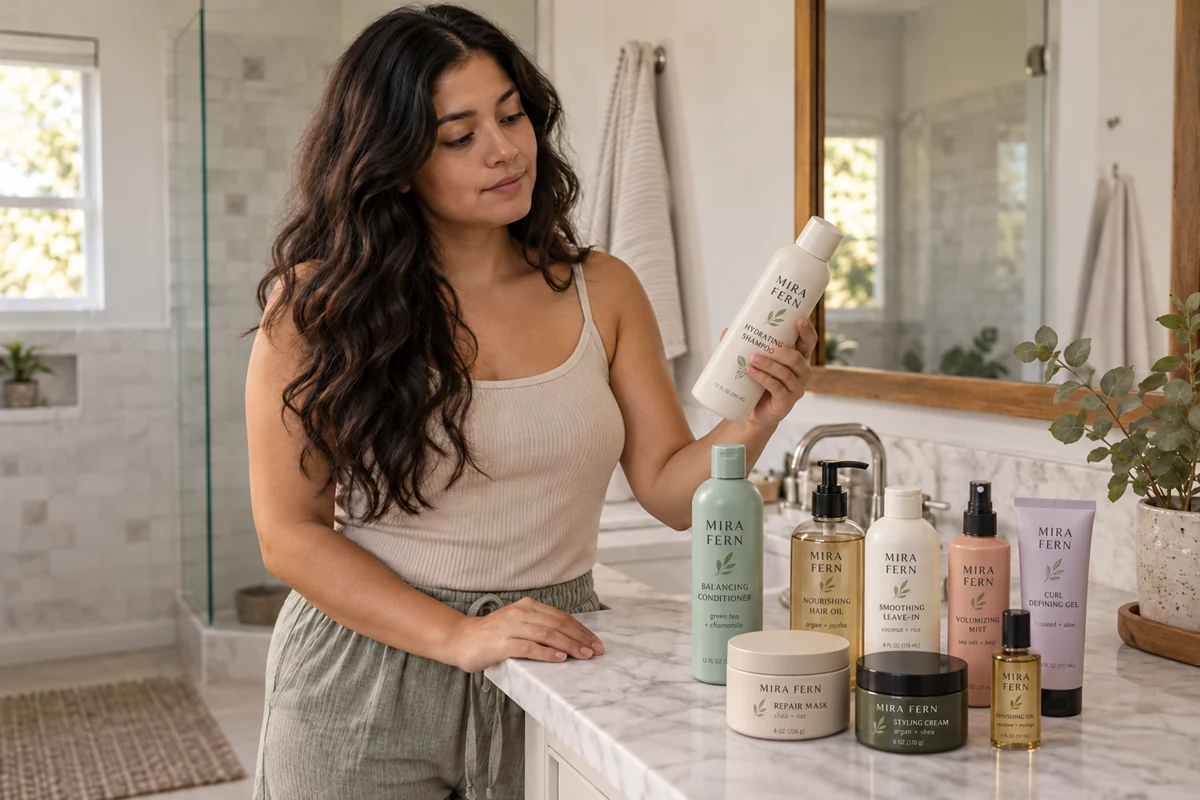
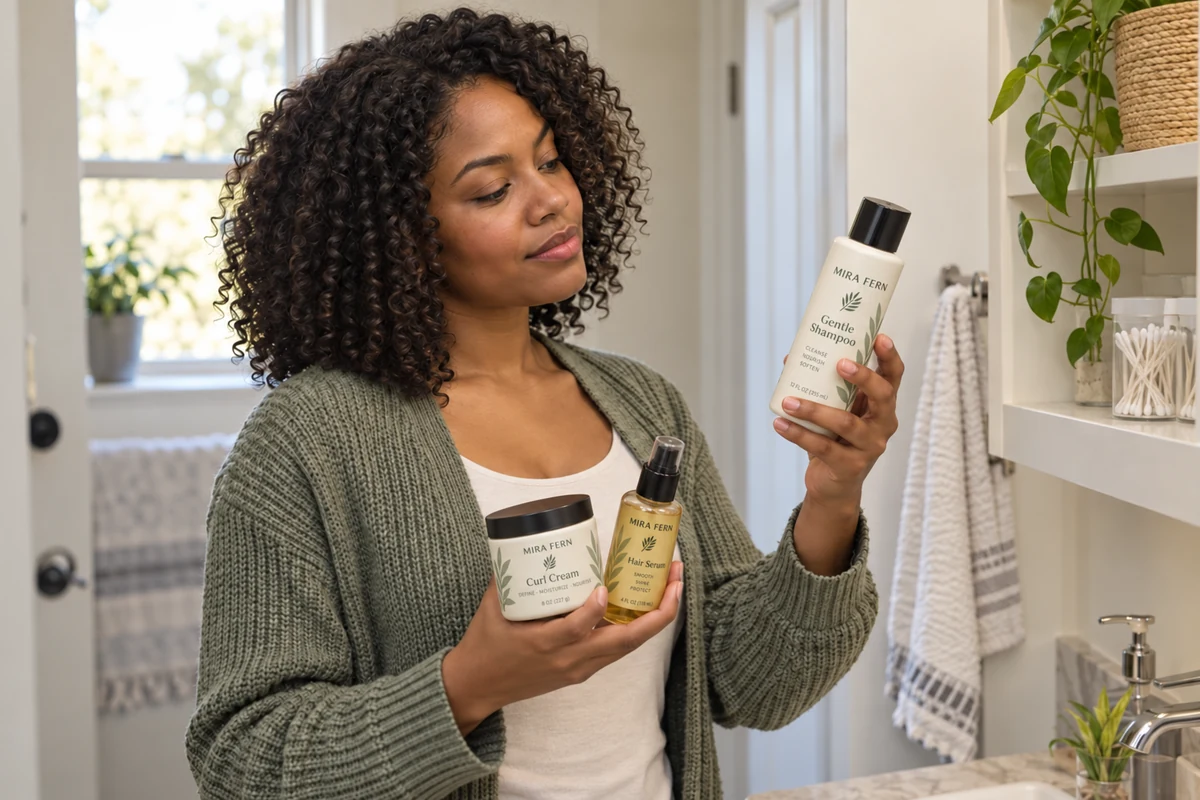
A woman considering several hair-care bottles and jars on her bathroom counter.

You just want less smell

  • Write down the experience you want, whether that’s almost nothing, a light scent or a particular family of scents.
  • Compare the maker’s description with what other people say they smelled.
  • Strength is personal and changes with how much you use, so treat any description as a guide rather than a guarantee.
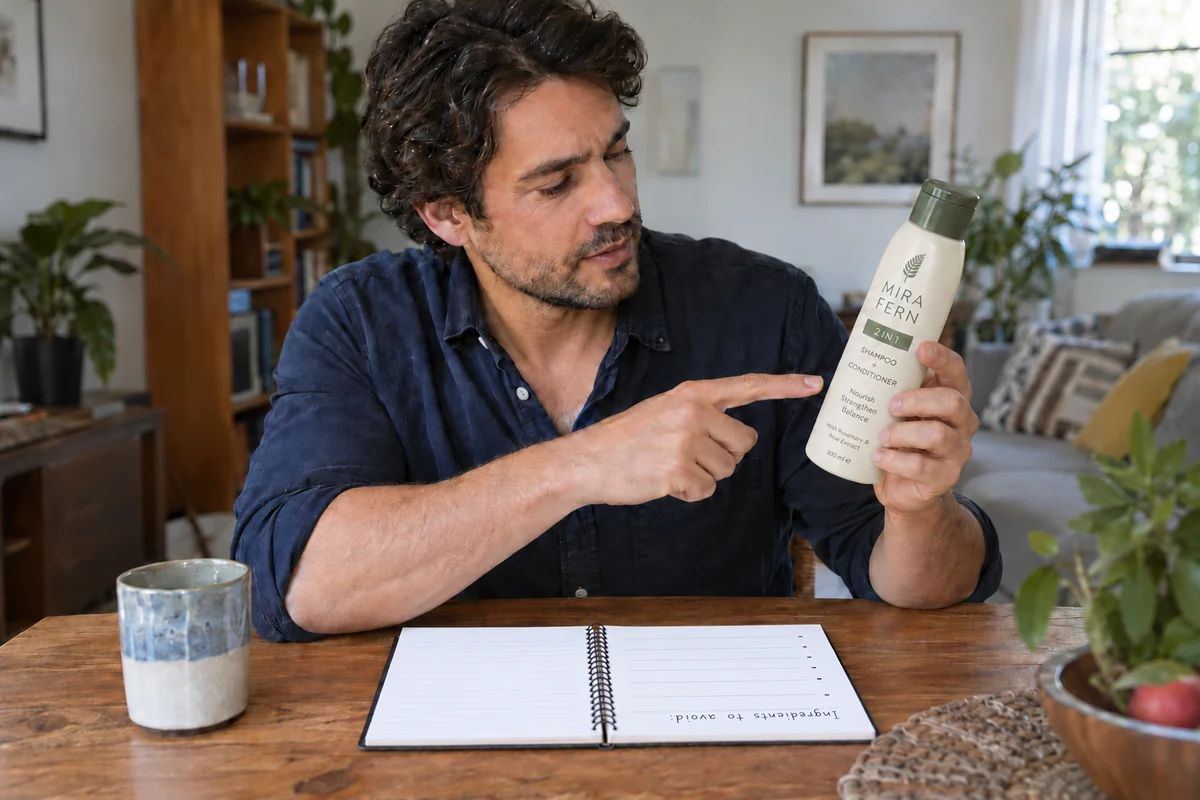
A man checks a bottle label beside his written ingredient avoidance note.

You want to avoid added fragrance

  • Make that an ingredient rule and write it down separately, including any botanical ingredients you want to steer clear of too.
  • A product that smells of very little can still break the rule.
  • Don’t swap a precise avoidance for a soft label like natural, gentle or hypoallergenic.
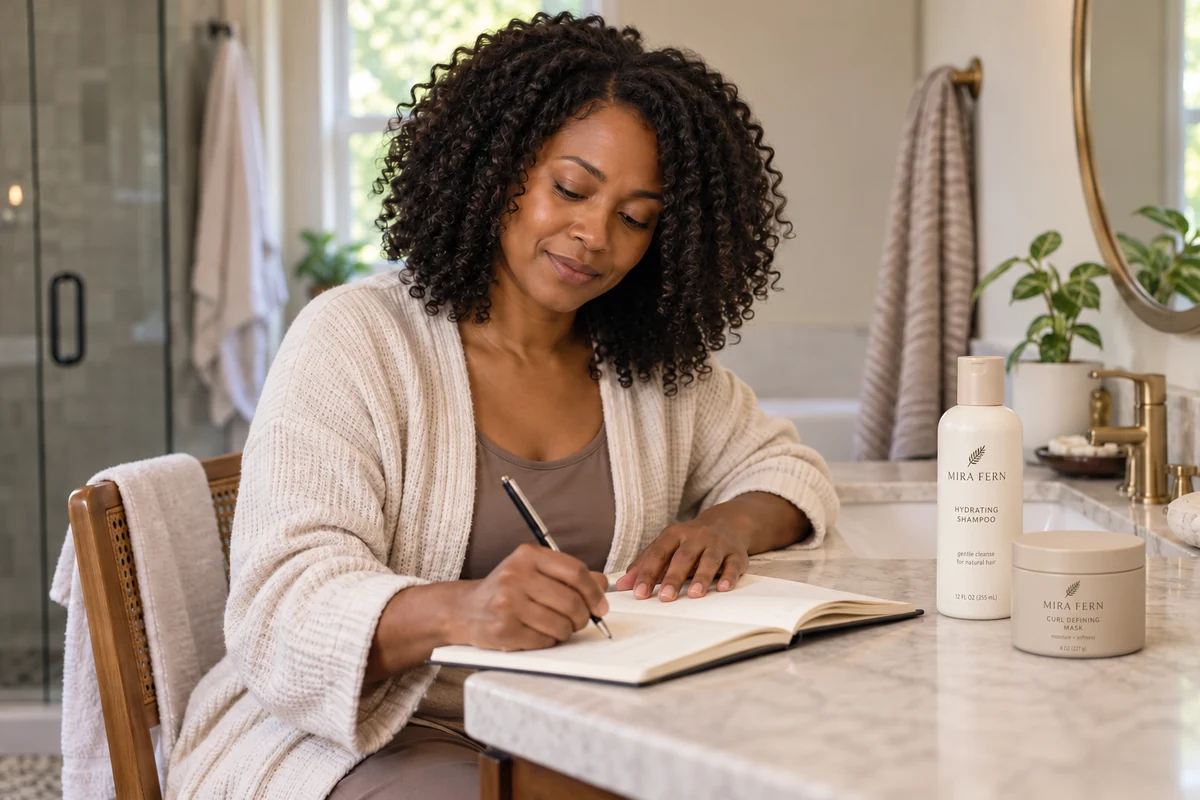
A woman with curls writing a routine note beside her hair-care products.

You’ve reacted to something before

  • Keep the exact product name, its ingredient list and a note of what happened.
  • If someone has already told you what to avoid, shop by that list.
  • Don’t sniff, reapply or do a homemade patch test to prove you can tolerate something.
  • If a product stings or brings up a rash, rinse it off and stop.

Products, by the job they do

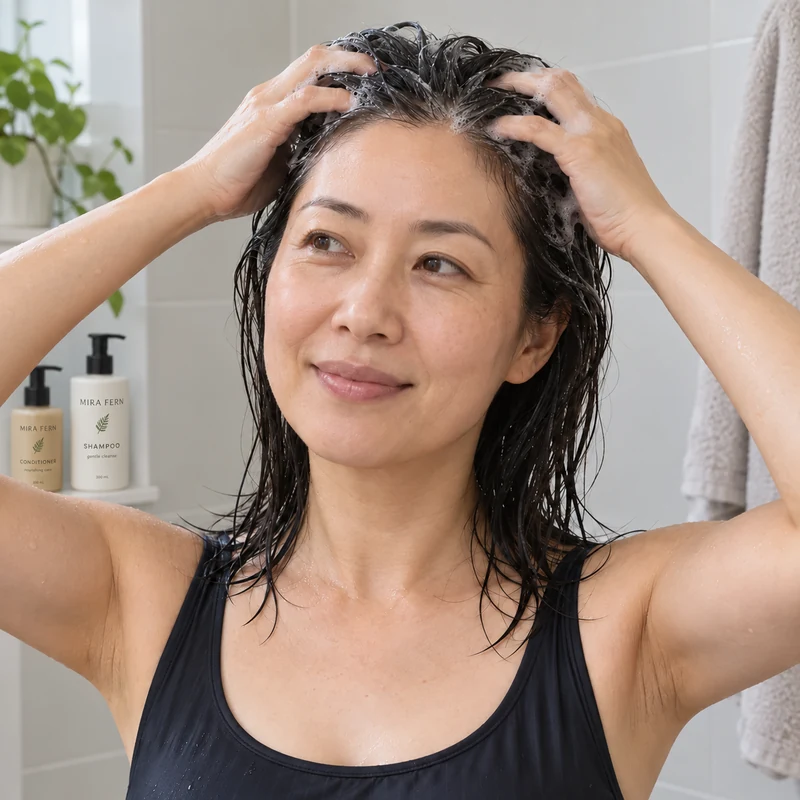
A woman massaging shampoo lather onto her scalp with her fingertips.

Get the wash right first

Start with the cleansing your scalp actually needs, then narrow that shortlist by your scent preference and your ingredient rule. Fragrance-free tells you nothing about how strongly a shampoo cleans.

Browse cleansing products. The consultation uses your wash frequency and scalp concerns to recommend a shampoo.

A woman smoothing conditioner through her mid-lengths and ends.

Conditioner with slip and your preferences

Look for the slip and dry feel you want while keeping both requests in view. For a low-smell routine, a botanical scent still counts, even with no fragrance on the list.

Browse rinse-out conditioners. Your tangles, past treatments and preferred finish help guide a personal conditioner recommendation.

Make the two requests easy to shop with

A woman comparing hair-care bottles beside her bathroom mirror.

Read the two library labels together

Hair You Love’s Unscented category uses a stricter ingredient screen, with no fragrance line, no scenting essential oils and no declared fragrance allergens. It’s our category, not a legal one. It doesn’t mean no smell, and it can’t promise your skin will like it.

A woman with very short hair writing an appointment checklist.

Write yourself a two-line shopping note

One line for the scent you’d prefer, one for the ingredients you avoid. Keep any allergy instructions you’ve been given on a separate line. If a product can’t answer one of your ingredient questions, leave it marked unknown and pick a different one instead.

Illustrated care examples: before & after

Look past the front

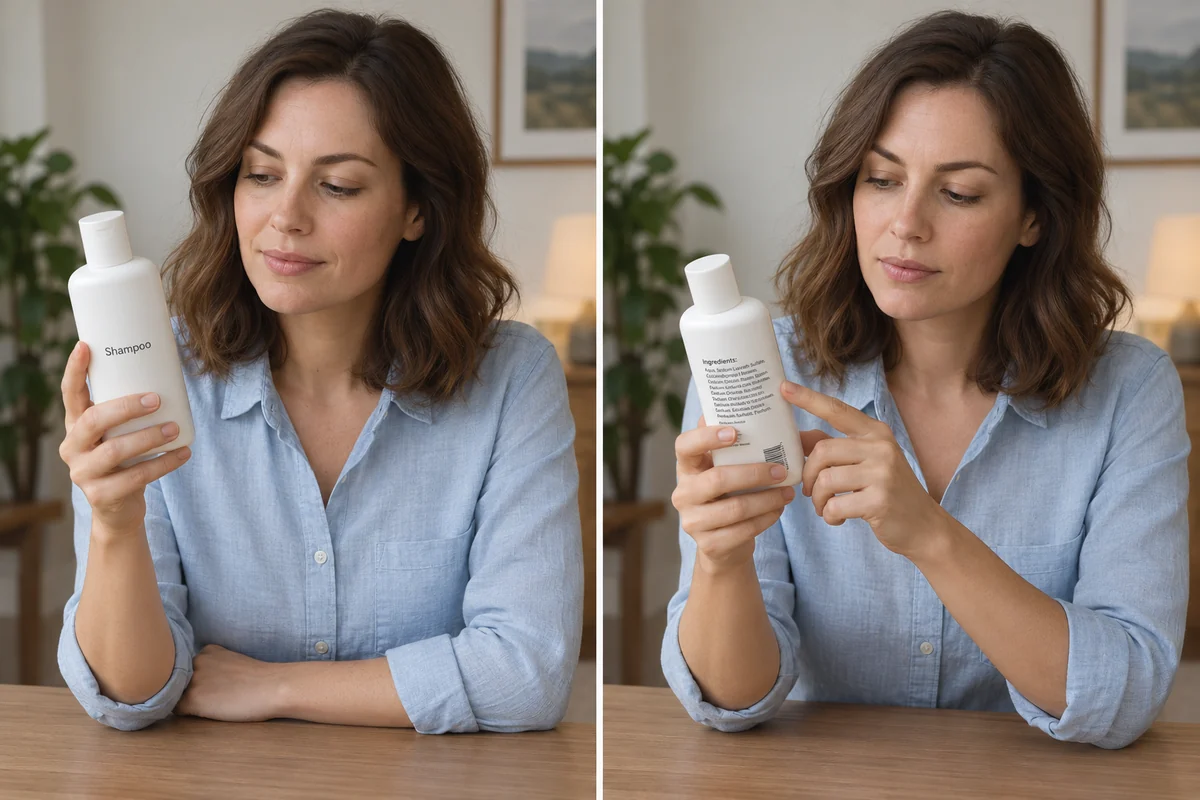
The same woman turns a shampoo bottle from its front name to the ingredients panel.
Before · only the front name showingAfter reading the back · ingredient list turned to view
The front tells you the name. Turning the container shows the ingredient list, which is what you need to check against your own rule.

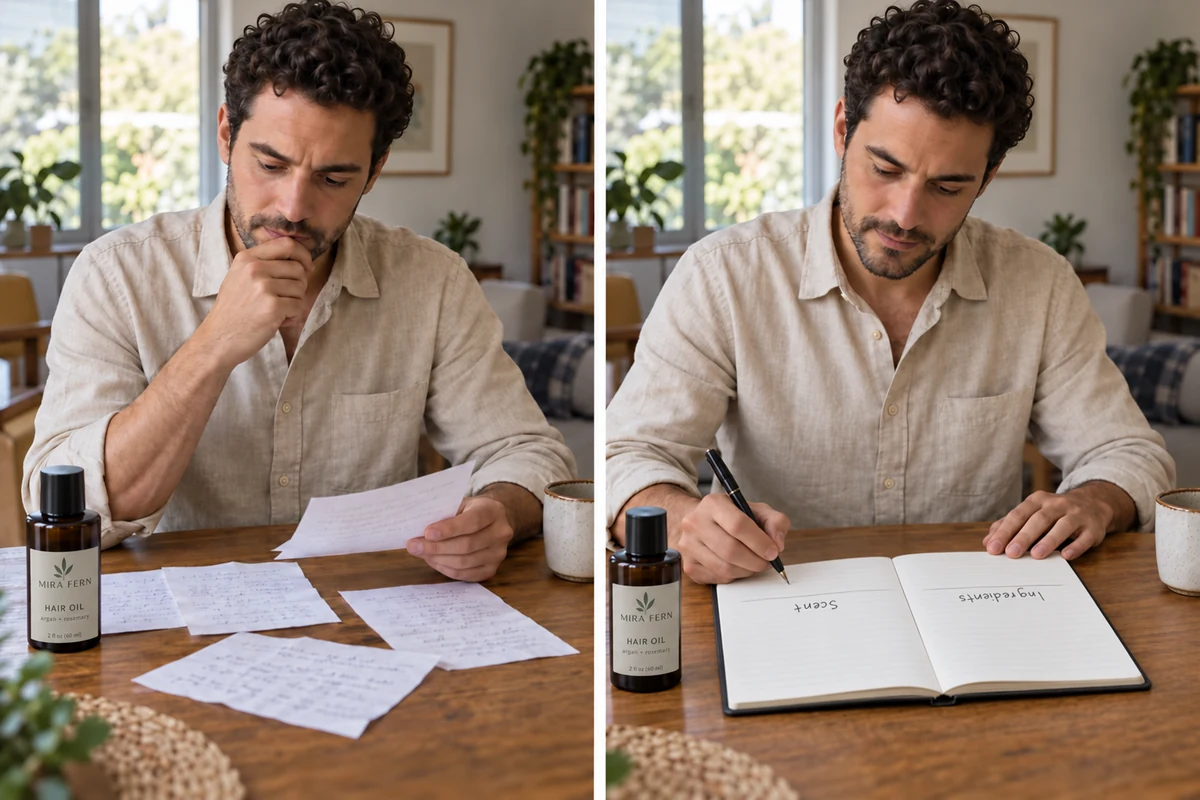
One line for each wish

The same man organizes loose product notes into separate scent and ingredient columns.
Before · notes mixing several preferencesAfter organizing the request · scent likes, ingredient avoids apart
The jumbled notes become two lists, smells you enjoy on one, ingredients you must avoid on the other. A list helps you ask better questions when shopping.
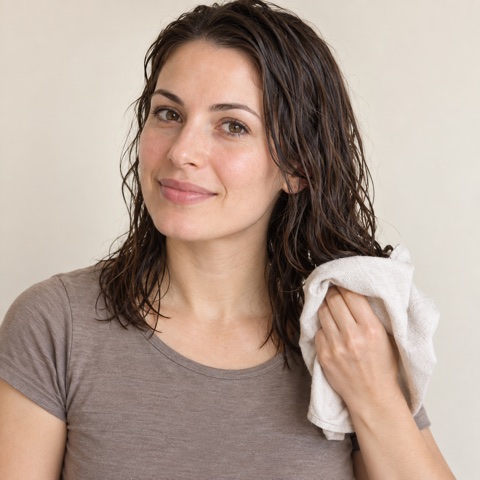
A woman gently squeezing damp hair with a towel.

Help with your hair-care routine

Bring your hair-care questions to the consultation. You can also read choosing products by the job you need.

  • Do I want less smell, no added fragrance, or both?
  • Which exact ingredients am I supposed to be avoiding?
  • Which products do the job without breaking either rule?

Your preferred smell, the ingredients you avoid and anything you’ve reacted to before sit alongside what your hair needs from a wash and a conditioner. Keeping those requests separate makes the comparison honest. Disliking a scent is not the same as being allergic to it.

The Hair Care Consultation gives you a personal plan with product recommendations, routines and guidance on your hair-care questions.

$49 with 60 days of follow-ups, or $99 with 12 months. Pay once; the year renews only if you choose.