Hair Care Guides

Compare the job before you compare the price.
A cheaper bottle needs more than one shared ingredient.

It’s hard not to wonder whether the salon bottle is worth so much more than the drugstore one. Sometimes it is, for the advice or the result. Sometimes the cheaper one does the same job. Compare what each is for and what you’d really pay.

Your personal hair-care planProduct choices, routines and answers shaped around your hair.$49one-timeStart my consultation
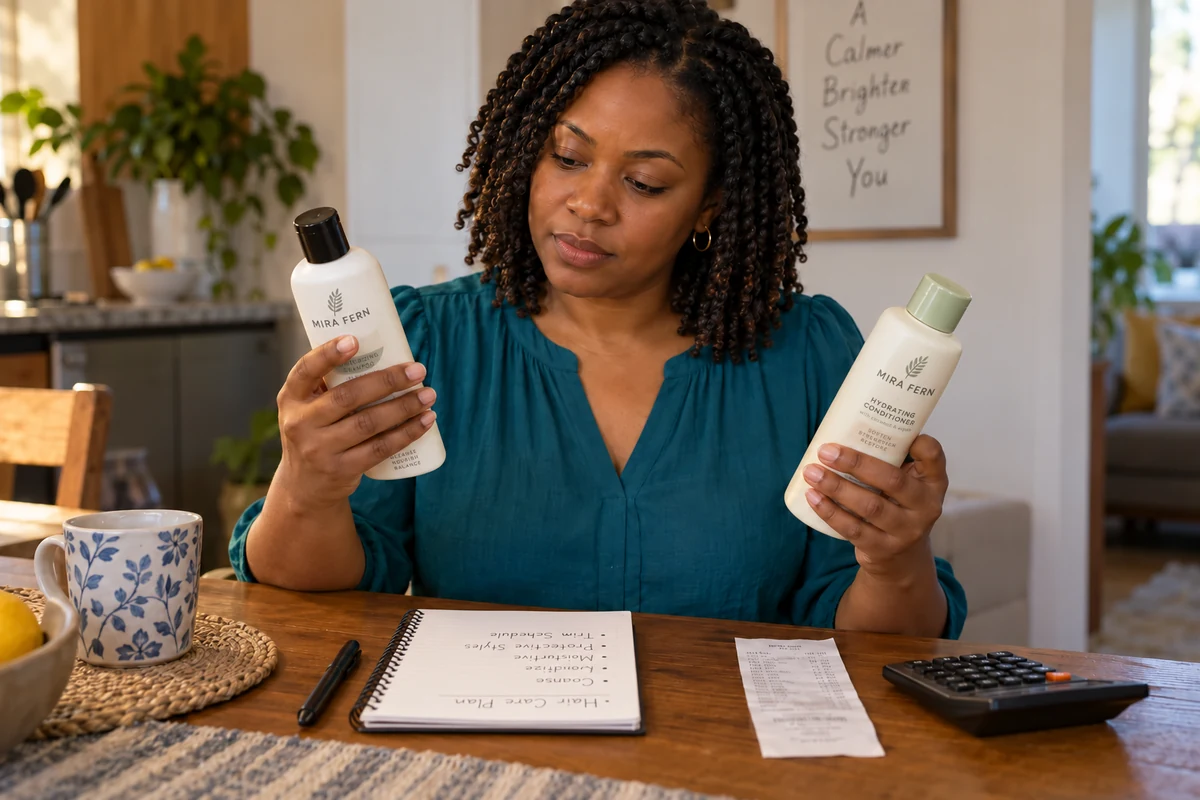
An adult compares two hair-product bottles beside a calculator and shopping notes.
A cheaper bottle needs more than one shared ingredient.

What is going on

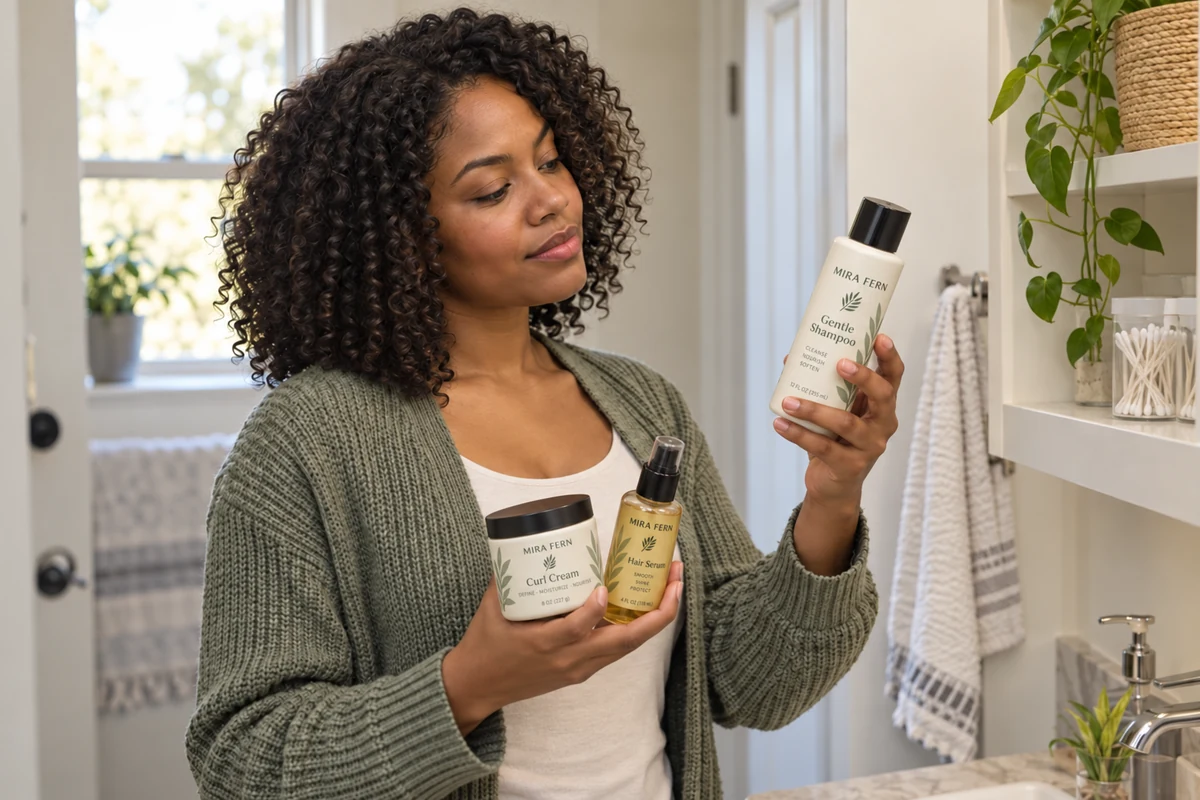
A woman comparing hair-care bottles beside her bathroom mirror.

Be precise about the job

Compare everyday shampoo with everyday shampoo, rinse-out conditioner with rinse-out conditioner, and hold with similar hold. Note what you like about the one you have, like how easily it rinses. A once-a-week treatment isn’t a swap for a daily product.

A woman wearing glasses reads a hair product ingredient panel.

Ingredients are clues, not a dupe certificate

An ingredient list shows you anything you avoid and which ingredients play similar roles. It can’t show the full recipe or prove two products feel the same. Similar names near the top are a reason to try the whole product, not a promise it’s identical.

What helps, day to day

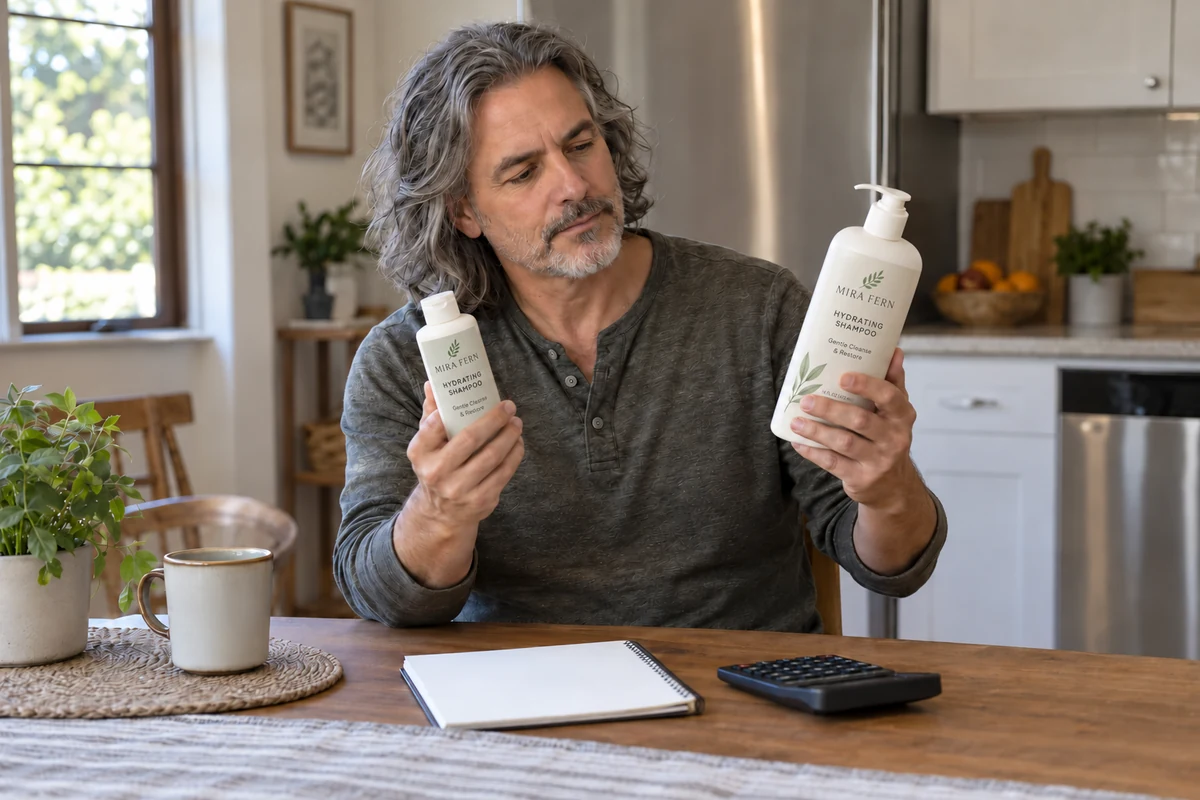
A man holds a small bottle and a large pump bottle at a table with a blank notebook and calculator.

The shelf price looks much lower

  • Compare the amount in the bottle in the same units, and add any delivery or offer conditions you’d really pay.
  • Then check how much each label says to use and how often.
  • Cheaper per milliliter isn’t cheaper per wash if you need more of it each time.
Two adults compare a bottle's directions and a hair-care shopping note, with separate closed products in front of them.

The salon recommendation feels like an obligation

  • Ask which job the product does and whether your recent service needs it.
  • It’s fine to ask for something within your budget.
  • Aftercare a treatment genuinely requires is different from a brand the stylist happens to like.
  • Anything prescribed for your scalp isn’t swapped on price.
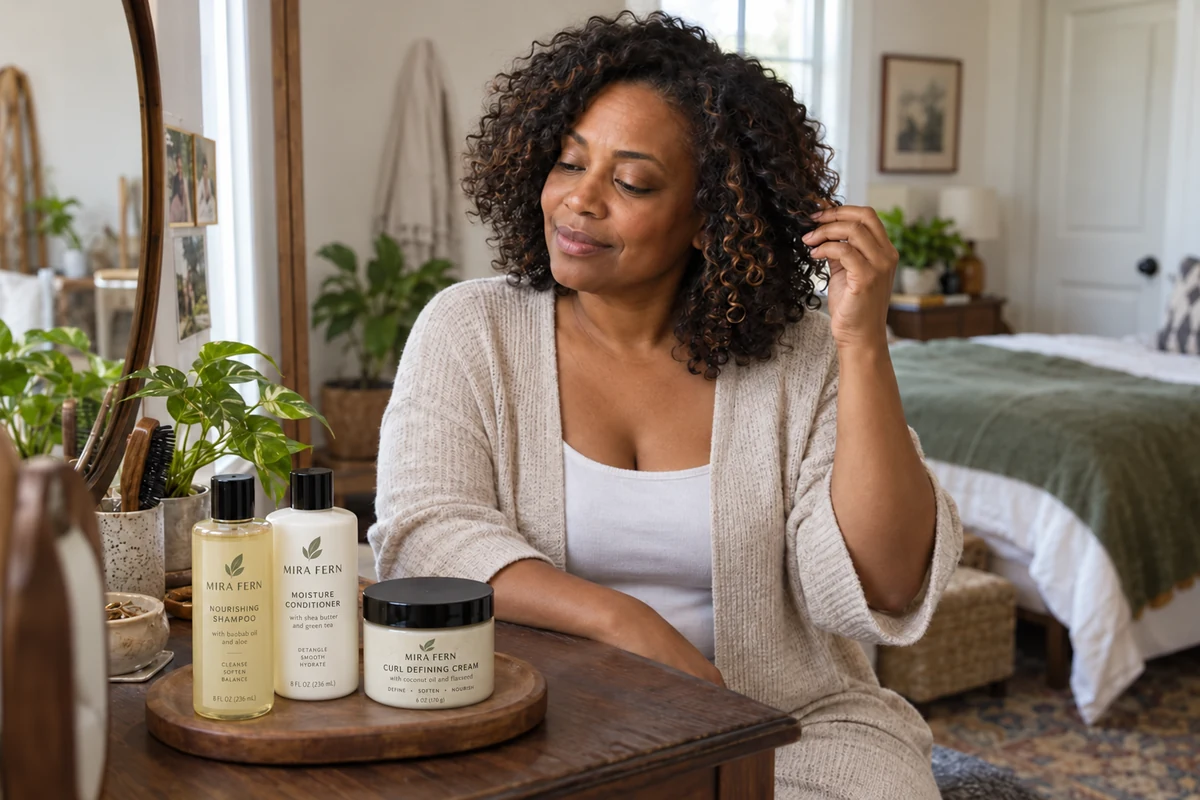
A woman with shoulder-length curls gently holds a curl at a dressing table with a small group of products.

The cheaper one is fine except for one thing

  • Decide whether that one thing matters to you.
  • The scent, how long it takes to rinse, a bit of stiffness, how it combs.
  • Try a little less or a different placement if the label allows.
  • You can keep the original for the job it does well without buying its whole range.

Products, by the job they do

A woman massaging shampoo lather onto her scalp with her fingertips.

Compare shampoos on what your scalp needs

Where a shampoo is sold says nothing about whether it cleans the way your scalp needs. How quickly you get oily and how often you wash do.

Browse cleansing products. For shampoo recommendations, share how your roots feel between washes and what you use now.

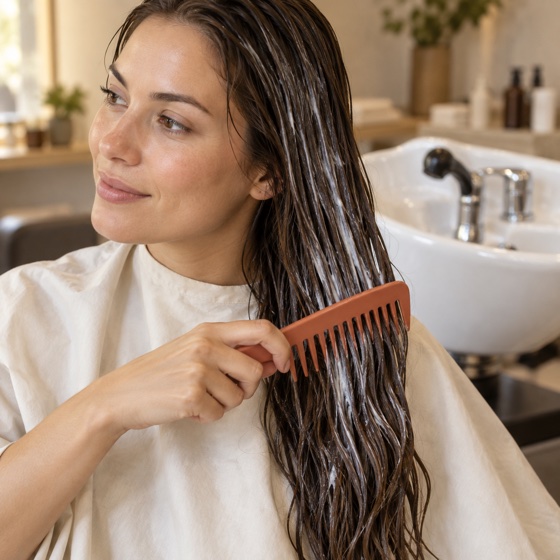
A woman detangling conditioned hair with a wide-tooth comb.

Compare conditioners on how your hair combs

Judge whether the lengths separate comfortably and whether the dry finish suits you. Your tangles, how heavy a formula your hair can take and the cost over a month all count. A shared ingredient doesn’t justify a conditioner with no slip.

Browse rinse-out conditioners. For conditioner recommendations, share where your hair tangles and which products you have tried.

Put the decision into practice

A man reads a shampoo bottle while making a note, with a second hair-care bottle beside the notebook.

Swap one thing and ask one question

Replace one product at your next purchase rather than the whole routine. Write the question down before you start, such as whether it detangles comfortably at the amount the label suggests. Keep any patch test or restriction you already follow.

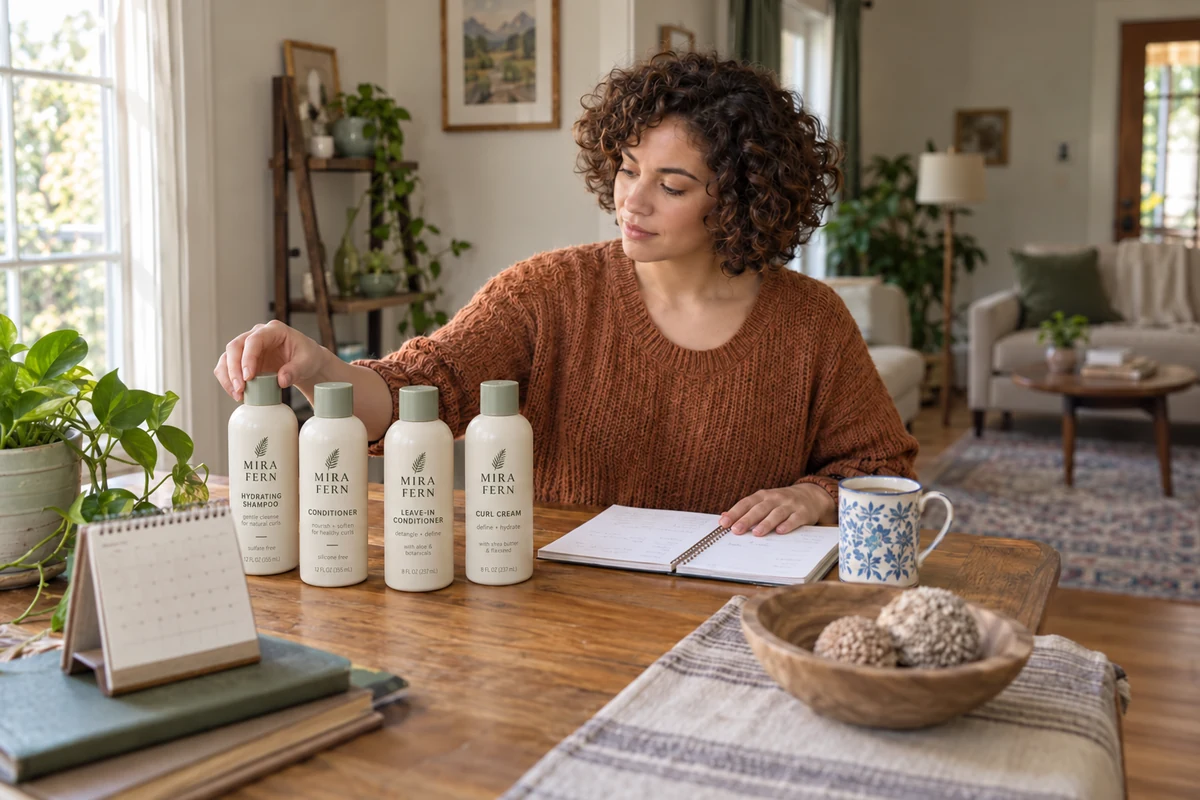
A woman with short curls reviews four bottles at a table with a notebook and a small calendar.

Decide on what actually happened

After a few ordinary uses, compare the result you were testing, the effort it took and how fast the bottle went down. Check current prices before you buy again. Keep it or drop it on those details, not on whether it’s a dupe for everyone.

Illustrated care examples: before & after

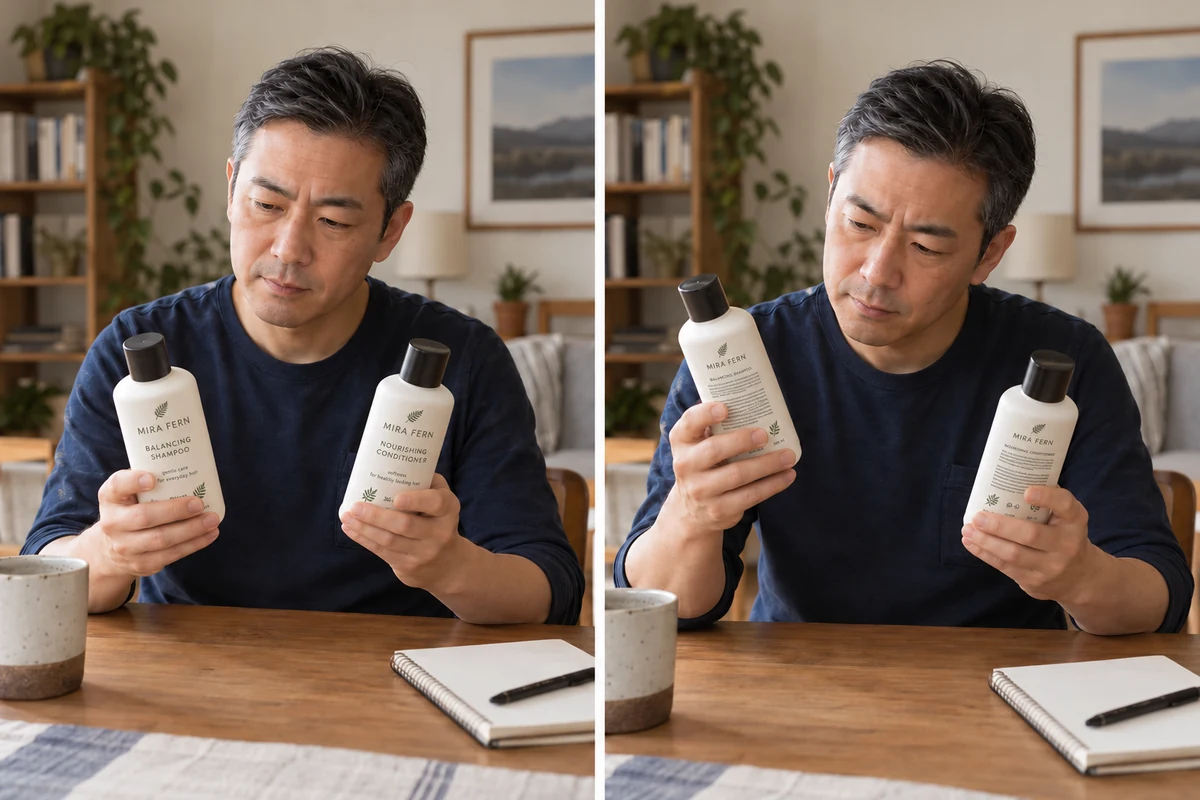
Turn both bottles around

The same adult turns two bottles to inspect their back labels rather than judging their front packaging.
Before · front labels onlyAfter care · both back labels showing
Both bottles turned so the back labels, the job and the directions can be read. A similar ingredient list is no promise of identical performance.

One comparison at a time

The same adult moves one candidate bottle forward and records a trial question while other products stay behind.
Before · several candidates togetherAfter care · one picked out, notes ready
One alternative is pulled out of the pile to compare with notes, the rest wait. Decide on a single question, like whether it gives the handling you want.
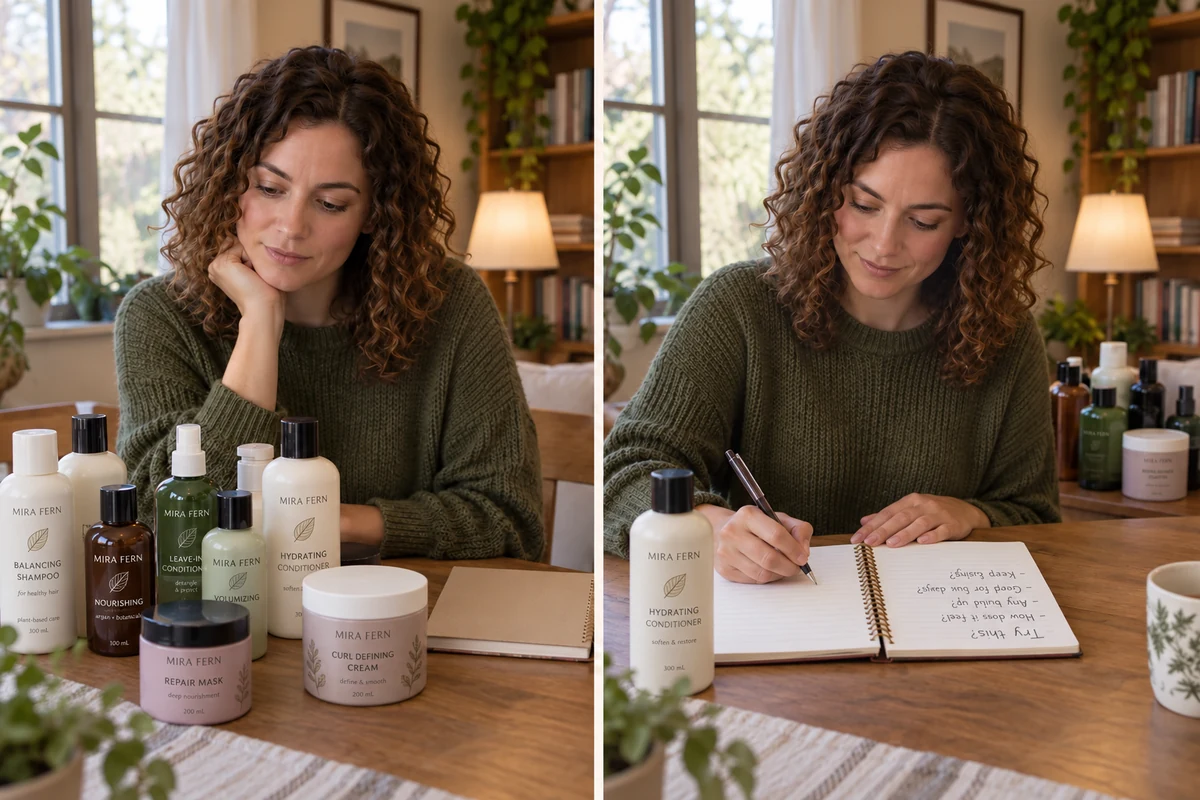
A woman with curls writing a routine note beside her hair-care products.

Help with your hair-care routine

Bring your hair-care questions to the consultation. You can also read comparing sizes after choosing a formula.

  • Which part of my current product am I actually paying for?
  • Are these two really doing the same job?
  • What result would make the cheaper one a keeper?

The plan uses the hair and scalp details you share, past treatments, current products, preferences and the time and budget you have.

The Hair Care Consultation gives you a personal plan with product recommendations, routines and guidance on your hair-care questions.

$49 with 60 days of follow-ups, or $99 with 12 months. Pay once; the year renews only if you choose.