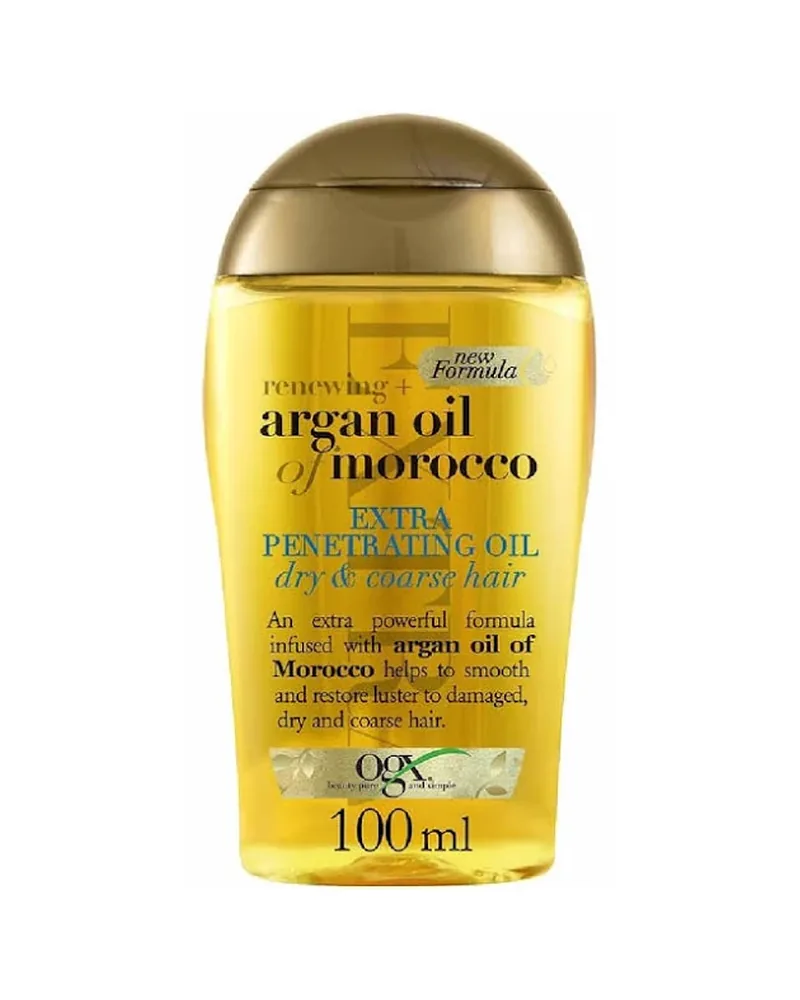
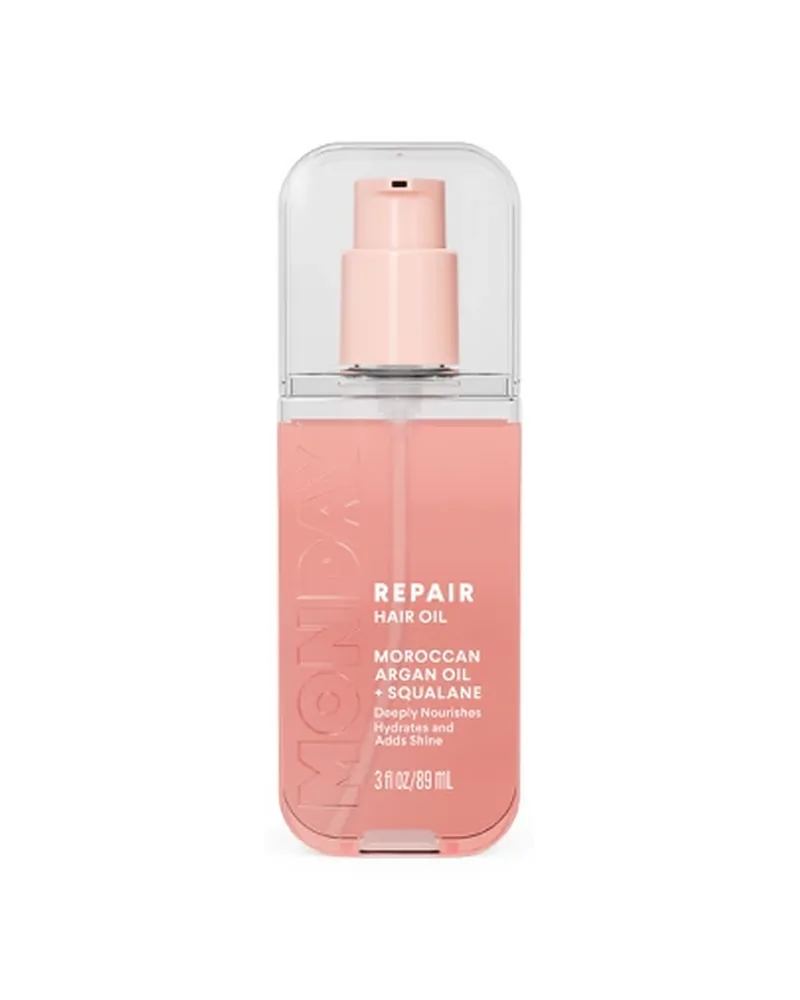
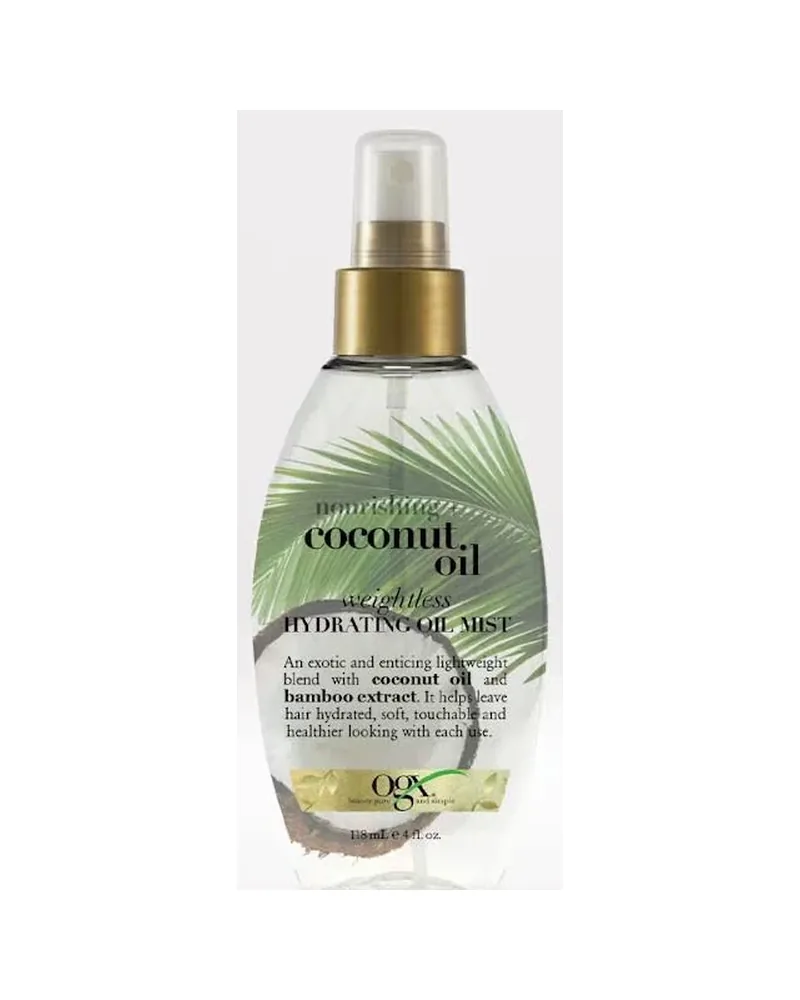
72-hour frizz control
Silicones or film formers smooth the cuticle, which is the usual mechanism.
- Dimethicone
- Dimethiconol
- Oryza Sativa (Rice) Bran Oil
Supported
Smoother strands, less frizz.
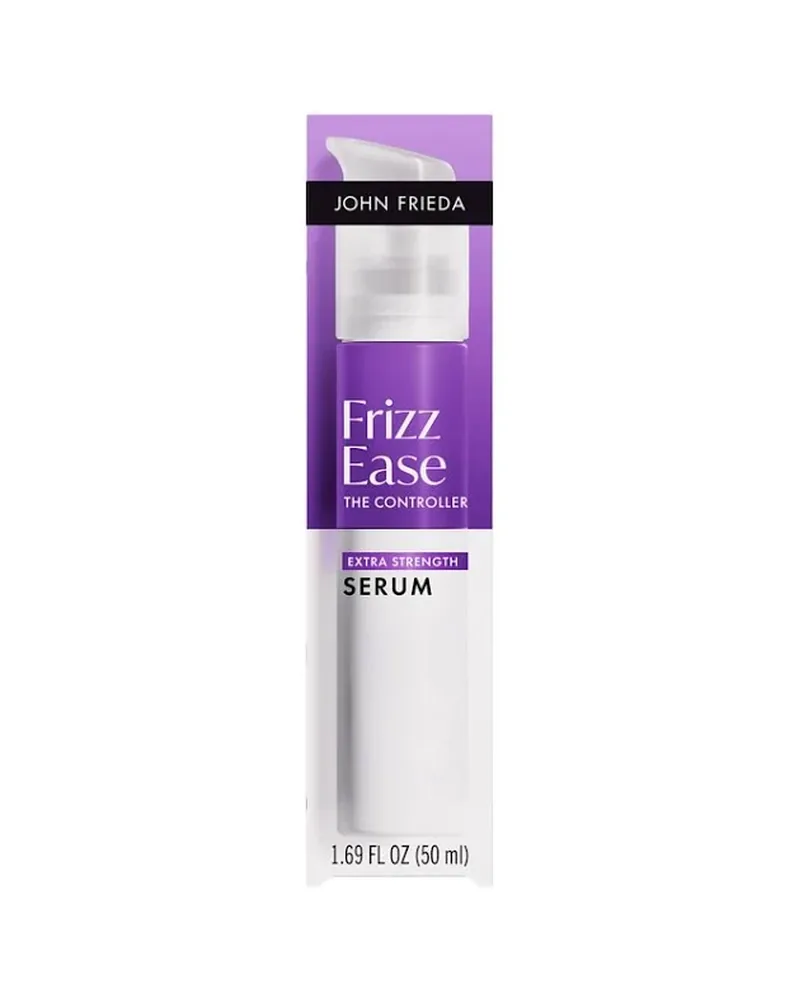
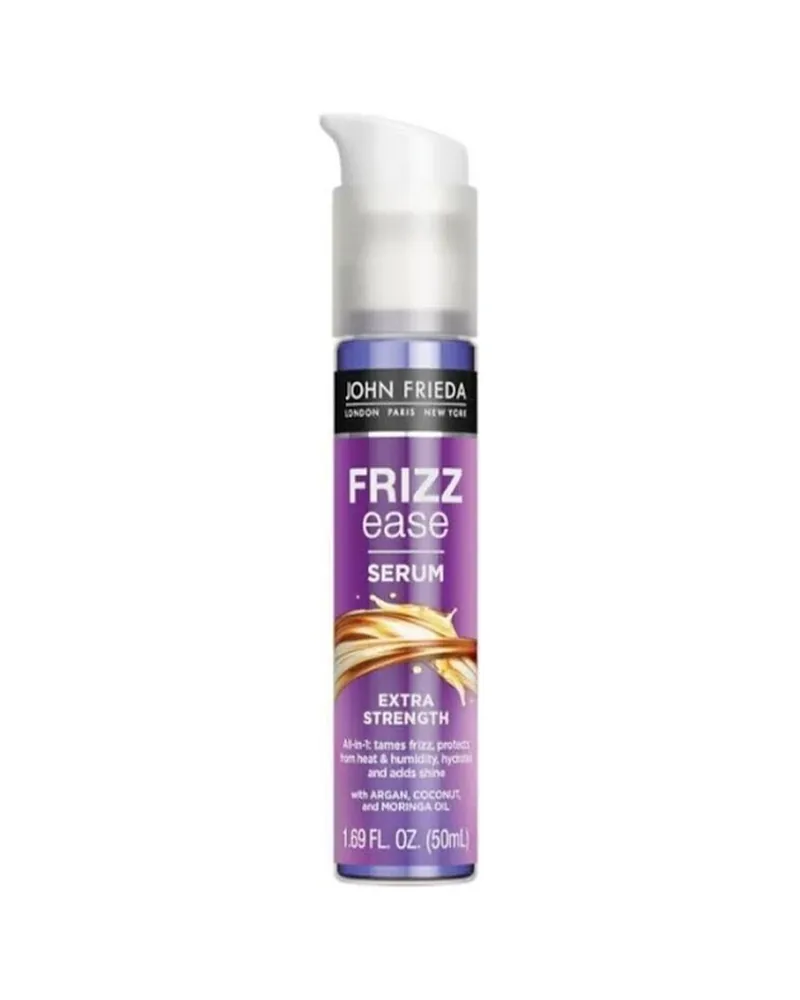
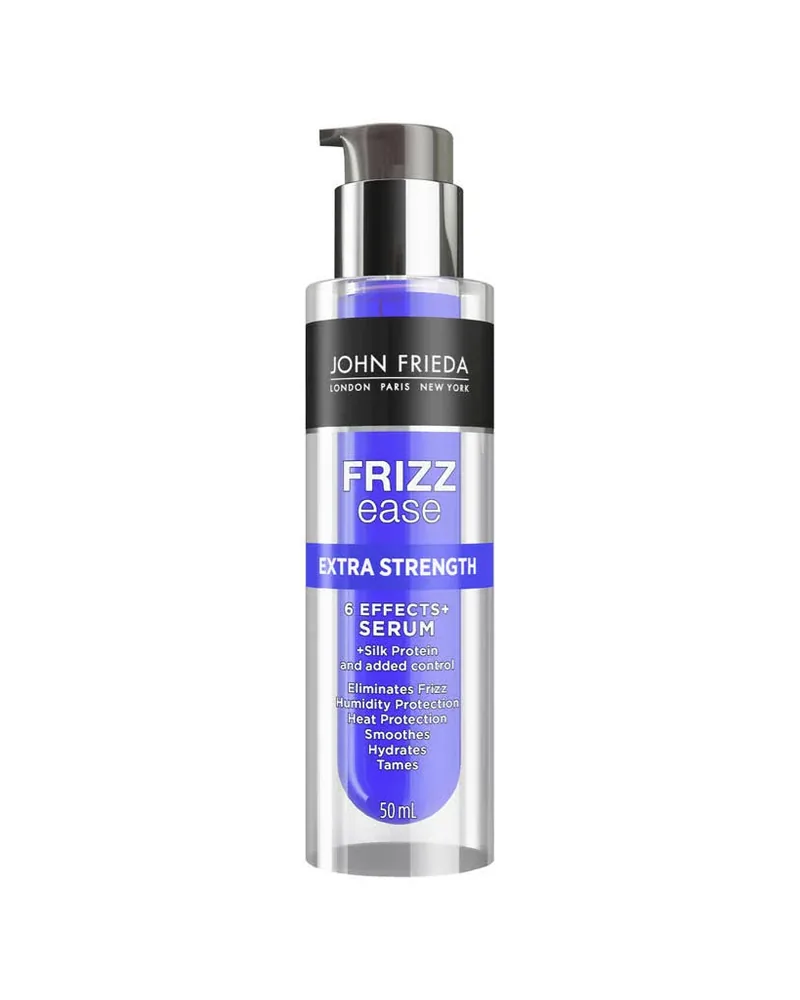
Finisher / Serum, glossing
Scent:
The ingredient list declares fragrance. What it smells of is not stated, and we do not guess.
Manufacturer page: us.johnfrieda.com
Personal fit
Complete the consultation to see exactly how well this product fits your hair and your goals. With 2,400+ products in our library we can match exactly the right products to you.
$49.00 one-time consultation, no subscription
Add the optional $49/year membership for unlimited adjustments for changes in weather and lifestyle.
The rest of what your plan weighs on this product.
The consultation builds your hair profile, then reads every factor in this table against it — and tells you where this product fits, or what to use instead.
Start your consultation$49.00 once, for your consultation and hair profile. No subscription, no required purchases.
Your avoid-list
Priced with its peers
$7.04/oz at 1.69 oz — less than 58% of the 79 serums , which mostly run $3.27–14.46/oz. The cost less.
Great for
Maybe skip if
What the formula actually does
Each row says where it comes from: F means we derived it from this product’s own ingredient list, S means it is a claim the brand makes that the formula neither confirms nor contradicts.
A silicone or oil blend does the shine work here.
Heavy butters and waxes in the first eight ingredients.
Oils sit high in the list — a softening, coating formula.
The brand claims humidity resistance; the ingredient list cannot confirm it.
Water-insoluble silicones or waxes: a detergent wash is what removes them.
No fast-drying alcohol in the list.
Fragrance sits in the first eight ingredients — a larger share of the formula.
Ingredients that matter
The workhorse ingredients plus anything lower down that changes a decision. These chips name what an ingredient does — they are not safety scores, and no ingredient here is rated good or bad on its own.
| Ingredient | What it does | Why it matters | Chip |
|---|---|---|---|
| Dimethicone | silicone | The shine system | Buildup |
| Dimethiconol | silicone | The shine system | Buildup |
| Oryza Sativa (Rice) Bran Oil | oil | The shine and softening system | Shine |
| Tocopherol | antioxidant | Protects the formula | Stabilizes |
| FragranceFRAGRANCE/PARFUM | fragrance | The scent | Fragrance |
| Citronellol | fragrance | The scent | Fragrance |
| Hexyl Cinnamal | fragrance | The scent | Fragrance |
| Tetramethyl Acetyloctahydronaphthalenes | fragrance | The scent | Fragrance |
| Vanillin | fragrance | The scent | Fragrance |
US labelling rules put ingredients above 1% in descending order of amount; below 1% they may be listed in any order. Annotations keep three readings separate: the ingredient's general function, its role in this product type, and what its position can support.
The most common conditioning silicone. It coats the strand for shine, slip, and frizz control, and needs a detergent (not just water) to wash out.
Listed in the first three ingredients, it is likely a structural part of this formula.
A surface film slows how quickly humidity reaches the cortex, which is what limits swelling-driven frizz in damp air.
Lays a smooth film along the cuticle, which lowers combing friction and flattens the surface irregularities that read as frizz.
Dimethicone does not disperse in water. On a routine that skips detergent it stays on the hair and accumulates wash after wash.
A high-shine silicone often paired with dimethicone for a smoother, glossier finish.
Listed in the first three ingredients, it is likely a structural part of this formula.
A surface film slows how quickly humidity reaches the cortex, which is what limits swelling-driven frizz in damp air.
Lays a smooth film along the cuticle, which lowers combing friction and flattens the surface irregularities that read as frizz.
Dimethicone does not disperse in water. On a routine that skips detergent it stays on the hair and accumulates wash after wash.
A light oil used for shine and slip, often alongside rice-derived proteins.
Listed in the first three ingredients, it is likely a structural part of this formula.
Coats the surface and slows water leaving the strand, which is usually what coarse hair that dries out fast is missing.
A thin oil layer lowers friction between strands and flattens the raised cuticle that scatters light and catches on its neighbours.
Near the top of a list an oil is weight before it is anything else, and fine hair shows that first at the roots.
Vitamin E. It keeps the oils in a formula from going rancid and is used at very low levels.
It appears around or below the estimated 1% line, where label order no longer indicates relative amount; its role may be minor or technical.
An undisclosed blend of scent ingredients. Regulations let it stay unlisted, so a fragrance-free product is the only way to be certain what is not in it.
It appears around or below the estimated 1% line, where label order no longer indicates relative amount; its role may be minor or technical.
Declared fragrance. On a fragrance-sensitive routine this is the line that decides it, wherever it sits on the label.
A rose-like fragrance component named separately as a recognised allergen.
It appears around or below the estimated 1% line, where label order no longer indicates relative amount; its role may be minor or technical.
One of the 26 scent components the EU requires to be named individually above a threshold. It is named because it is a known contact allergen, not because it is unusual.
A jasmine-like fragrance component named separately as a recognised allergen.
It appears around or below the estimated 1% line, where label order no longer indicates relative amount; its role may be minor or technical.
One of the 26 scent components the EU requires to be named individually above a threshold. It is named because it is a known contact allergen, not because it is unusual.
A synthetic musk or woody-amber note used as a fragrance base.
It appears around or below the estimated 1% line, where label order no longer indicates relative amount; its role may be minor or technical.
Declared fragrance. On a fragrance-sensitive routine this is the line that decides it, wherever it sits on the label.
The main scent compound in vanilla, used as a fragrance note.
It appears around or below the estimated 1% line, where label order no longer indicates relative amount; its role may be minor or technical.
Declared fragrance. On a fragrance-sensitive routine this is the line that decides it, wherever it sits on the label.
Ingredient list captured 2026-08-26. Formulas change — check the package in your hand when an ingredient matters to you.
Price · 1.69 oz
Priced above the products that do the same job. Stores sell it above the $5 line; products that do this job typically go for about $13 at this size.
Sorted by price per ounce. Dated observations from our research, not live prices. Direct store pages, no affiliate links. We don’t sell this product.
Formula
Both the formula and the price land mid-range: it covers the core of what a serum does and costs about what serums cost per ounce.
The formula score is completeness for the job: the share of the systems this product type is normally built around that we can find in this list, weighted. It is not efficacy, not quality, and it never compares across product types.
Does the same job, for less
Same derived functions — what it cleans, conditions, coats or holds — at a lower cost per ounce. Scent, texture and where you buy it can still differ.
See more alternatives in the product library
These are functional neighbours, not personal recommendations — they are close on formula, not chosen for anyone. Get the one that fits your hair, routine, and budget


Final decision
Hair that stiffens on protein — for a protein-free formula and a formula with real substance
Worth skipping for anyone sensitive to fragrance, curly-method routines, or oily scalps and fine hair
We do not sell products or take placement fees. This page states what the formula and the prices show; the consultation is what matches it to a person.
Claims check
Claims are quoted from the brand. We only mark one supported, partly supported, or conflicting when the ingredient list actually speaks to it; everything else stays "stated by the brand", which is not a criticism — most claims simply cannot be read off a label.
72-hour frizz control
Silicones or film formers smooth the cuticle, which is the usual mechanism.
Smoother strands, less frizz.
resists 90% humidity
A brand-run study. We report it as stated and do not repeat the number as fact.
—
Only the brand’s testing shows this.
heat protection up to 220°C
Heat protection is a performance claim; an ingredient list cannot confirm it.
Only lab testing can show this.
adds shine and controls flyaways
Possible from silicones or film formers, but not something the list targets.
May help, but not a primary focus.
We look at the first 10–15 ingredients and what they do in a formula — not marketing. If the list doesn't speak to a claim, we don't assume.
Reviewers
Recurring themes our researchers wrote in their own words from sourced reviews. We do not store or scrape star ratings.
A longtime user says the serum outperforms pricier alternatives for frizz control.
longtime anti-frizz userOne reviewer reports smoother texture and notable shine after applying a small amount nightly before formal-event photos.
event-preparation userA reviewer with thick 3B/3C curls finds it stiff and heavy on damp natural curls, but says it smooths and protects a straightened style from humidity for days.
user alternating between natural curls and heat-styled straight hair